Georgina Rodríguez has never drawn a line between the two daughters she shares biologically with Cristiano Ronaldo and the three kids he had before they met. For a decade, she has called all five of the children her own, no distinctions. Now, weeks after marrying Ronaldo, she has reportedly adopted his three eldest children, Cristiano Ronaldo Jr., born in 2010, and twins Eva María and Mateo, born in June 2017.
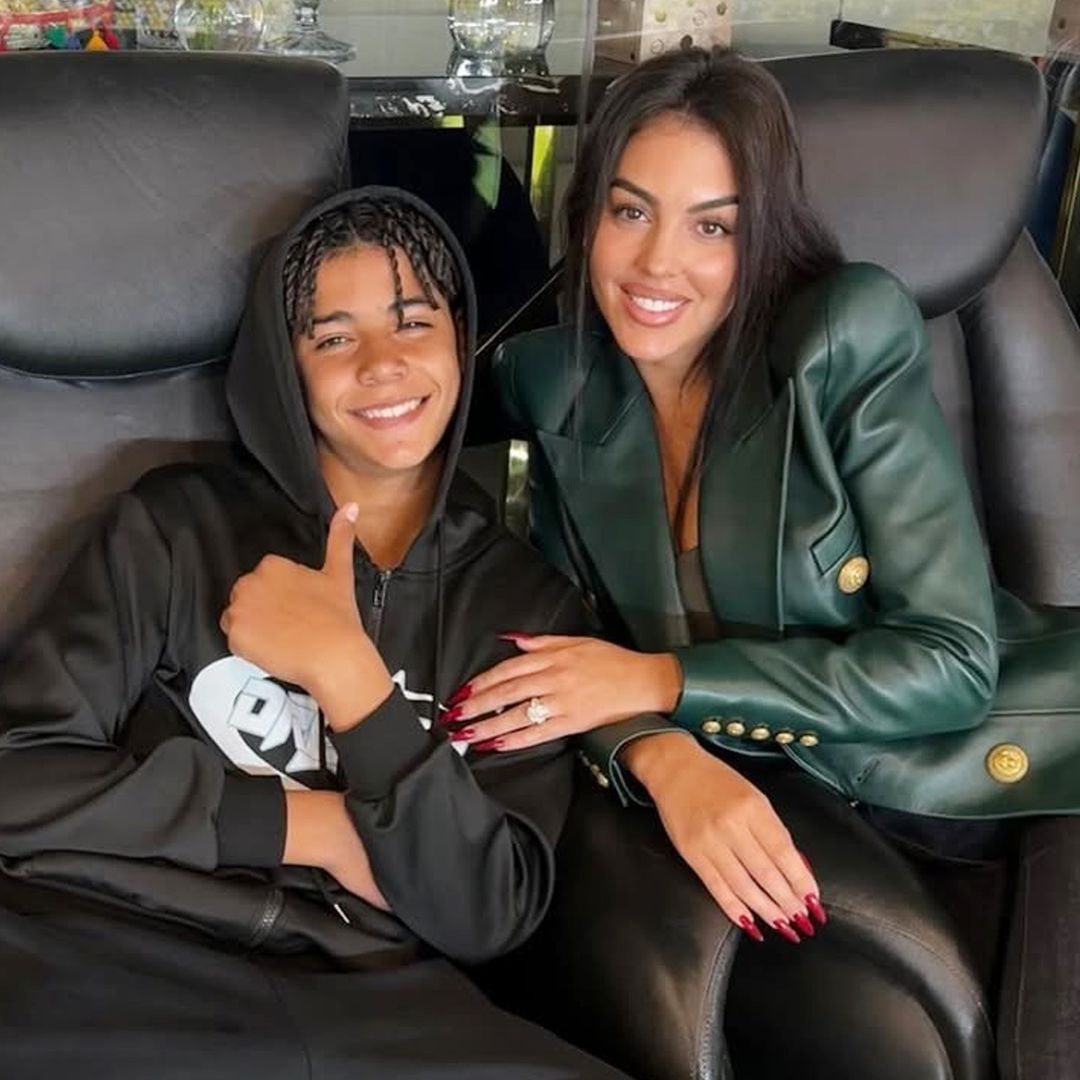
Rodriguez has a close relationship with all of Ronaldo's kids
The timing lines up with a milestone year for the couple. Ten years after they met, Rodríguez and Ronaldo married in a small ceremony. According to reports, the adoption followed shortly — formalizing their family. Rodríguez gave birth to her and Ronaldo's first biological child, Alana Martina, in late 2017, not long after Eva María and Mateo were born. Her second daughter, Bella Esmeralda, arrived in 2022, alongside a twin brother who died during delivery, a loss that hit both parents hard.
Rodríguez has referred to Cristiano Jr., Eva María, and Mateo as her own for years. Her Instagram bio calls her "Mom of 6 blessings," a count that includes all five living children plus the baby she lost. The adoption itself is reported to have taken place in Portugal, though neither Rodríguez nor Ronaldo has confirmed it to the public. How would a comparable adoption work under Spanish law? Out sister website HOLA! Spain asked María Espín, a lawyer and the legal director at the Madrid firm Le Morne Brabant Abogados.
Espín explains that adopting a partner's children is a scenario that can move faster than a standard adoption. It's a situation that affects many blended families. Below, Espín walks through what it actually takes for someone already raising a child to become that child's legal parent.
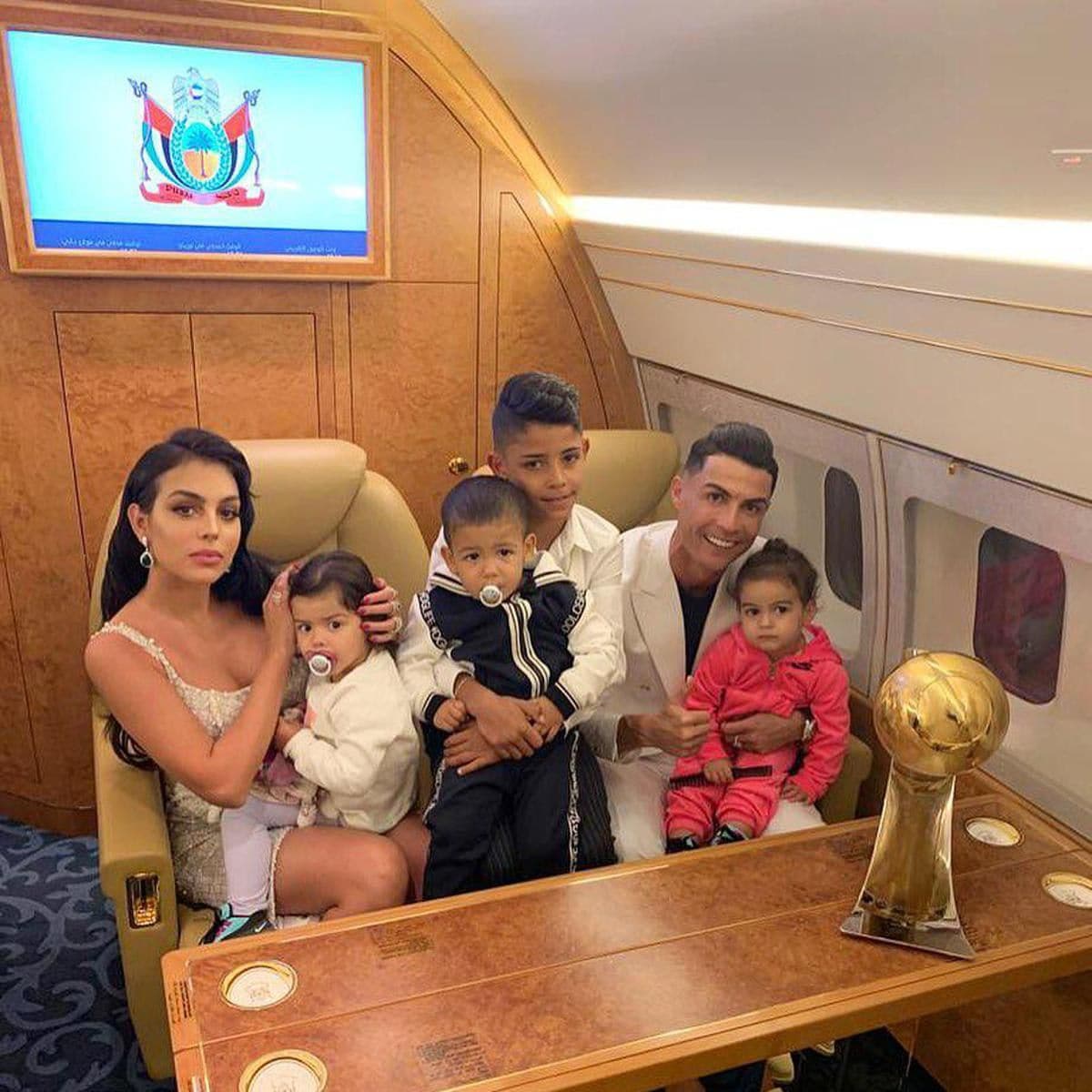
Rodrigez and Ronaldo recently celebrated their marriage
RELATED:Continue reading
What are the steps to adopt your partner's children, the way Georgina reportedly did with Cristiano Ronaldo's?
Adopting a partner's child follows a different track than a standard adoption. The first step is establishing the child's legal status: who is recognized as the parents, whether a second parent exists, and what that person's parental rights look like. That determines who has to consent, and how.
From there, the adopting parent can open an adoption case with the appropriate Court of First Instance. One advantage in this scenario is that a stepparent or partner adoption doesn't require the advance recommendation from the child-protection agency that most other adoptions do. The applicant can go straight to the court.
The case needs documentation establishing the child's parentage, the relationship between the couple, the family's circumstances, and anything else that helps the judge weigh whether the adoption serves the child's interests.
After that comes a round of legally required consents and hearings. A prosecutor is involved throughout, and ultimately a judge decides whether the adoption serves the child's best interests and whether the adopting parent is fit to take on full parental responsibility. The law treats these cases as a priority and doesn't require a lawyer or court representative, though given what's at stake, professional guidance is strongly advisable.
The child's own wishes matter too. A child 12 or older must personally consent to the adoption before the judge. Younger children are still heard, weighted by age and maturity.
Once a judge approves the adoption, the ruling goes to the Civil Registry for recording. From that point, the adopting parent stops being simply "the partner" and becomes the child's legal parent for every purpose.
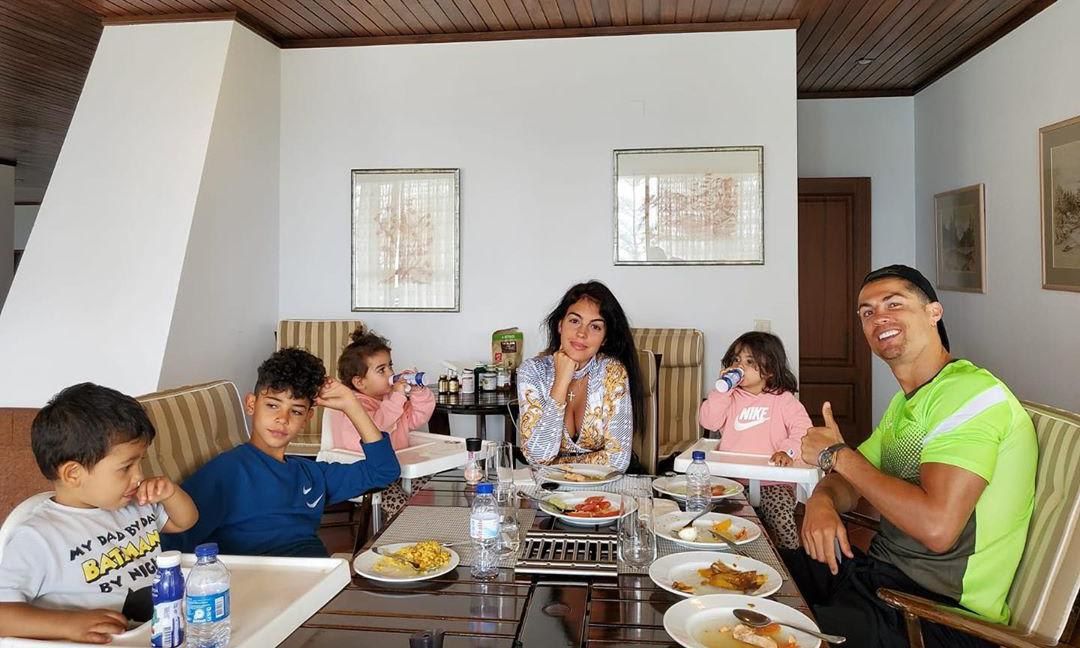
To mark the occasion, Rodriguez officially adopted Ronaldo's older kids
She did this right after marrying Cristiano. Do you have to be married, or in a registered domestic partnership, to adopt this way?
No. Spain's Civil Code allows someone to adopt a spouse's child, but also the child of a person to whom they're bound by "a relationship comparable in affection to marriage." Marriage makes that relationship easier to document, but it isn't a requirement.
Nor does national law require the couple to be formally registered as domestic partners. What matters is proving the relationship is stable and functions like a marriage.
So even though news of the adoption reportedly broke right after the wedding in this case, that shouldn't be read as cause and effect. They're two separate legal matters. Spanish law permits this kind of adoption within a stable, unmarried partnership just as easily.
What ultimately matters to a judge isn't a wedding. It's whether a genuine family reality exists, and above all, whether the adoption serves the child's best interests.
What other requirements have to be met for an adoption like this to go through?
Several. As a general rule, the adopting parent must be over 25, and there has to be at least a 16-year age gap between adopter and child. The Civil Code also sets a general maximum gap of 45 years, though that ceiling doesn't apply the same way in certain special cases, including precisely this one, adopting a spouse's or partner's child.
Age isn't the only factor. Every adoption requires a court ruling, and the judge has to assess whether the adopting parent is fit to take on parental responsibility, meaning their capacity, aptitude and motivation to meet the child's needs and everything that comes with legally becoming their parent.
The required consents still apply. The adopting parent has to consent to the adoption, and, as noted, a child 12 or older must consent personally before the judge. The legal parent partnered with the adopter also has to give the required assent.
And there's a point people sometimes miss: adopting isn't about sharing a last name or gaining authority to make certain decisions for the child. It means legally becoming that child's parent.
That's why the consequences are permanent. Adoption creates a genuine parent-child relationship with all the rights and obligations that come with it. A later separation or divorce doesn't undo that legal bond. Whoever adopted the child remains their parent regardless.
Is this kind of adoption possible if another biological parent is in the picture? What changes about the process?
Yes, it's possible, but the process can get considerably more complicated. Once again, what matters legally isn't simply that another biological parent exists, but whether that person has legally established parentage and retains their parental rights.
If a second legal parent exists and the child hasn't been legally emancipated, the general rule is that parent must give assent to the adoption, with some exceptions set out by law. If they agree, the case can proceed fairly normally. The court will call them in to give that assent, unless they've already done so in one of the legally accepted ways.
It gets more complicated if the other parent objects. It isn't enough, for instance, to argue that the parent hasn't seen the child in years, or that the current partner is the one actually raising them. A lack of contact alone doesn't automatically strip someone of parental authority or let the court set that parent aside.
Under the Civil Code, that parent's assent isn't required in specific situations, among them if they've been stripped of parental authority by a final court ruling, or if grounds for that already exist. If there's a dispute over this, it has to be resolved through a separate contested court proceeding. The law allows for a handful of other exceptional cases where assent can be waived as well.
And that's where the real practical difference shows up: once there's an objection, the case stops being a straightforward, uncontested filing and becomes a contested proceeding, which can significantly increase both its complexity and its length.
There are also real consequences for the other parent to consider. As a general rule, adoption severs a child's legal ties to their birth family, but the Civil Code carves out an exception for exactly this scenario: ties to the parent who is the adopter's spouse or partner remain intact.
In the end, adopting a partner's child can be a relatively simple process when the family and legal situation is clear and everyone involved agrees. It becomes far more delicate when another parent with legal rights objects.
But in either scenario, one principle sits above all the others: the best interests of the child. Adoption isn't designed to legally cement two adults' romantic relationship. It exists to recognize a genuine parent-child bond when doing so gives that child protection, stability and security.

 © IG @georginagio
 © Georgina Rodriguez
 © @cristiano
 © @georginagio
 © @cristiano