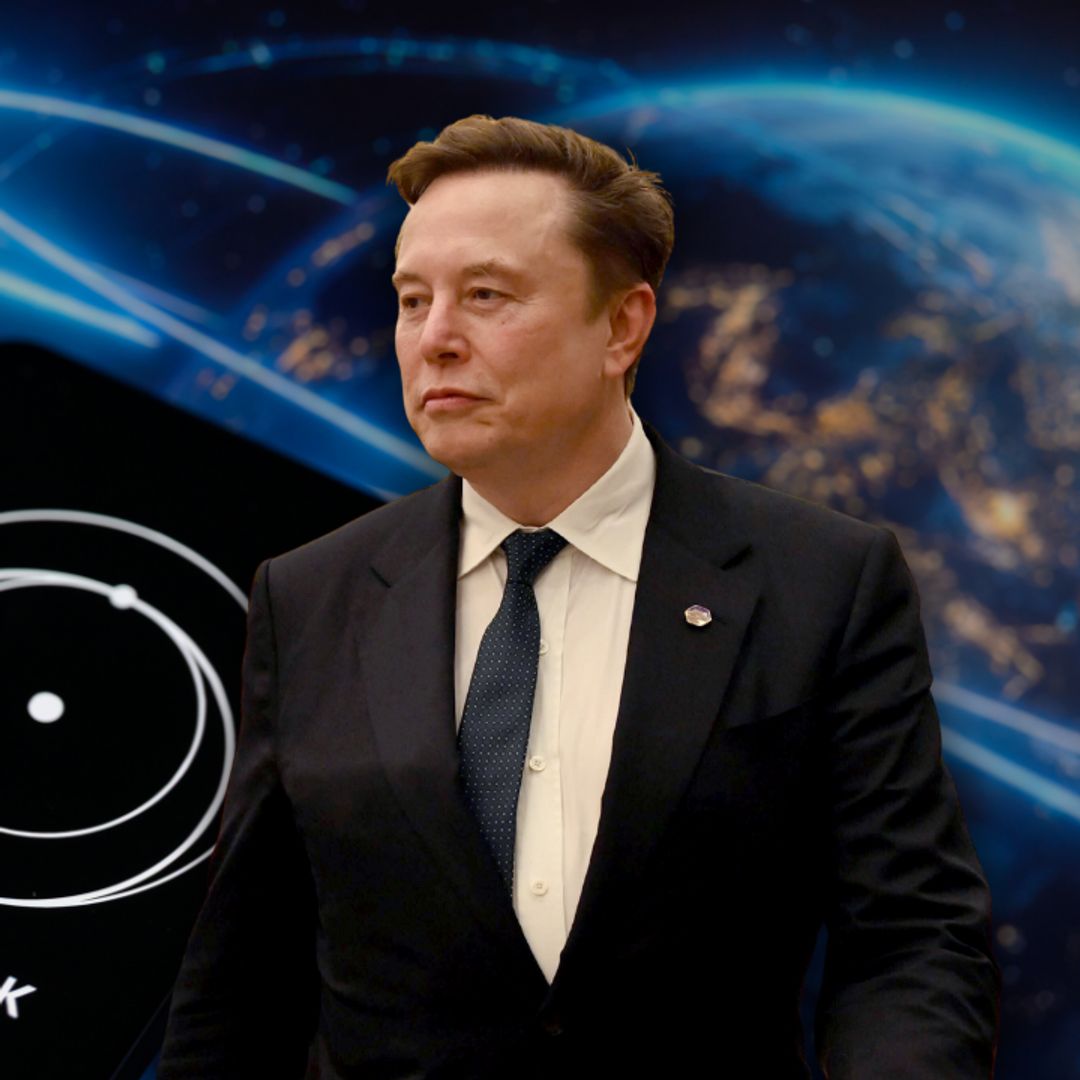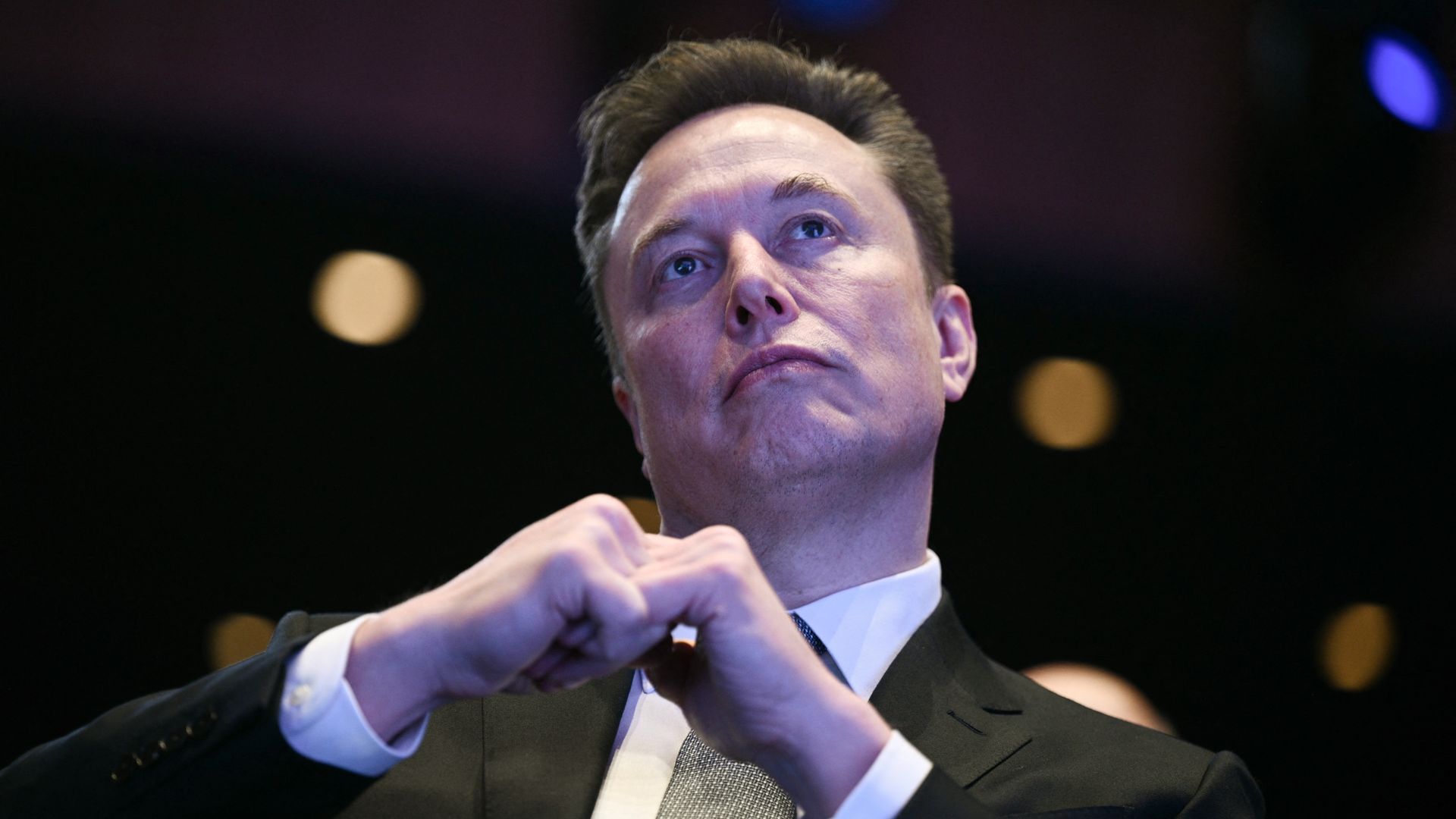
The pursuit of millionaire status once appeared to be a feasible objective, particularly as a growing number of individuals established lucrative enterprises. Over time, this ambition shifted toward billionaire status, leading Forbes to track self-made billionaires. For a long period, this progression was viewed as a standard financial trajectory, whereas the notion of a trillionaire remained a far-off idea confined to economic prediction and monetary theory.
However, that changed in June 2026 when Elon Musk officially crossed the trillion-dollar threshold, becoming the first person in history to achieve a net worth exceeding $1 trillion. The milestone followed the record-breaking public debut of SpaceX, which dramatically increased the value of Musk's ownership stake, as reported by Reuters.
 © Getty Images
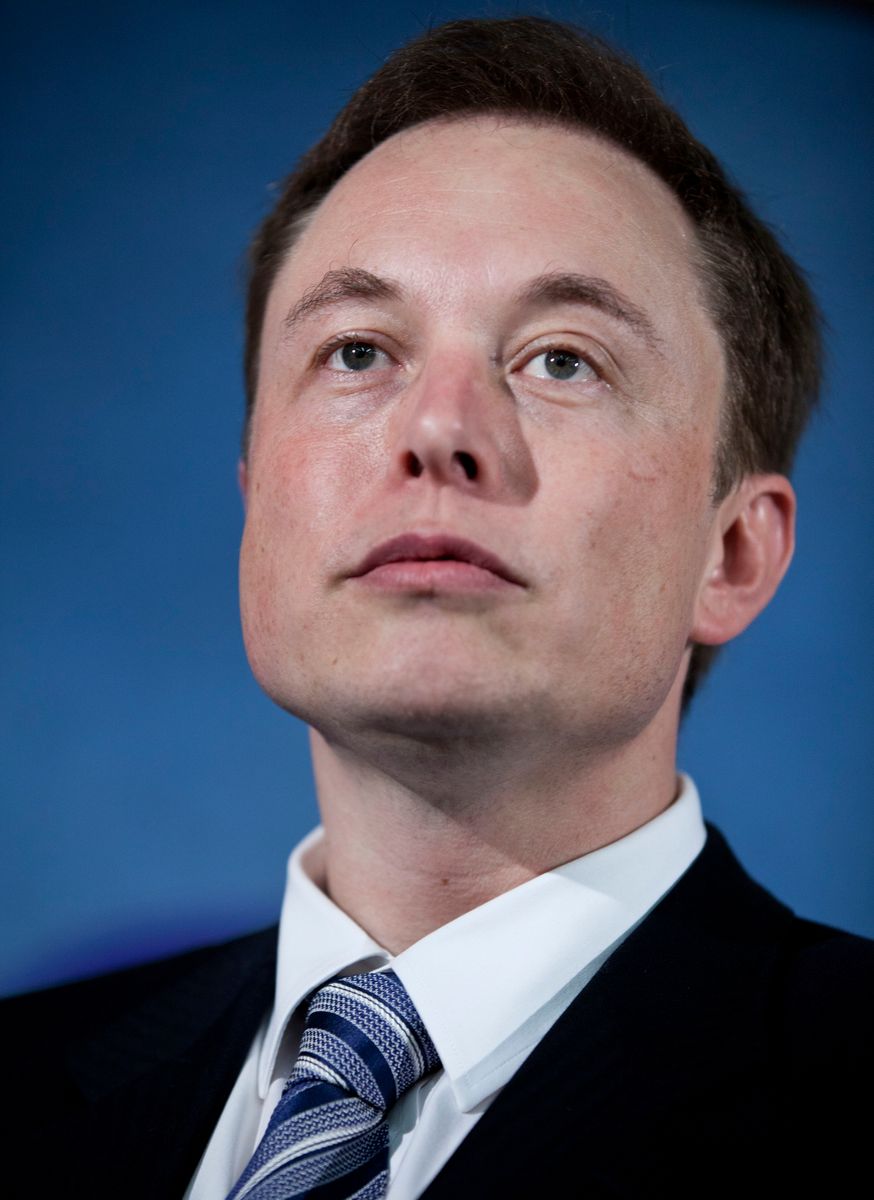
How Elon Musk Reached a Trillion-Dollar Net Worth
Musk's journey to becoming the world's first trillionaire began long before electric vehicles and reusable rockets became household topics. According to the publication, after co-founding Zip2 in the 1990s and later helping create PayPal, Musk reinvested much of his fortune into ambitious ventures that many investors initially considered risky.
Those investments eventually evolved into some of the most influential companies of the 21st century, including Tesla, SpaceX, Neuralink, and The Boring Company.
The biggest catalyst, however, was SpaceX.
How Elon Musk officially crossed the trillion-dollar threshold in June 2026
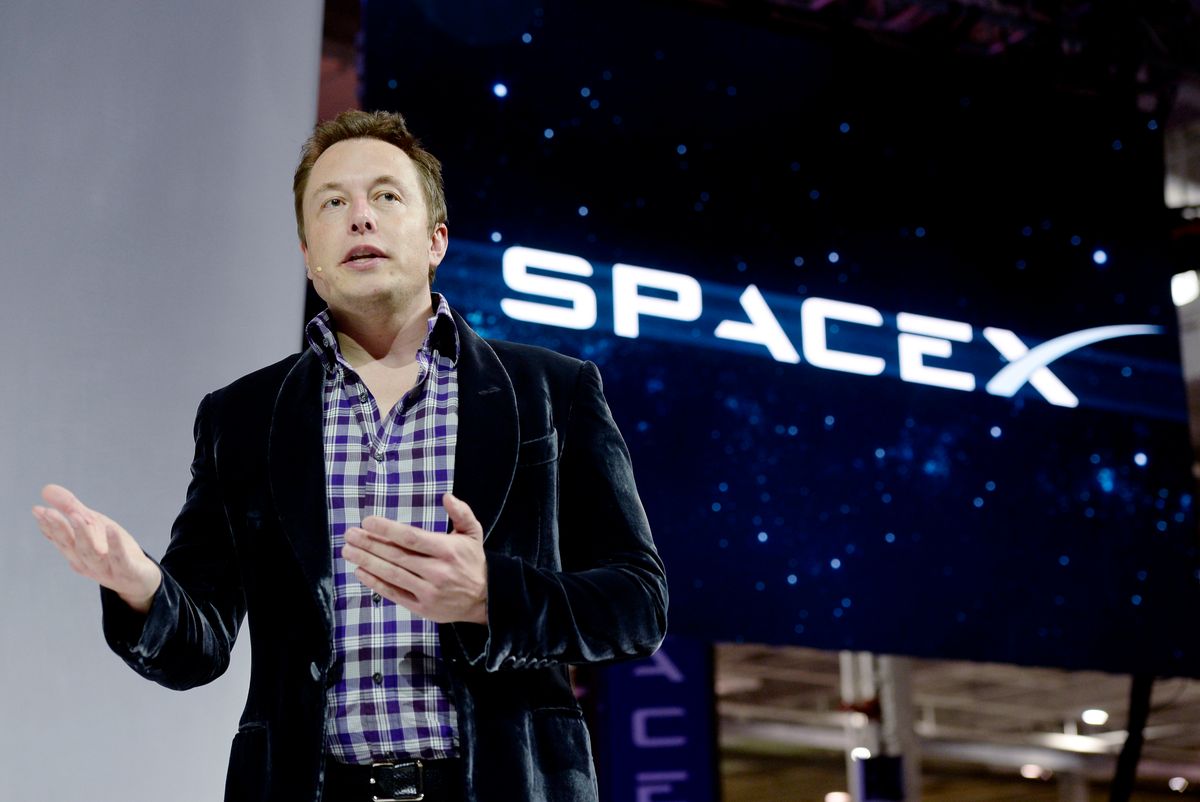
When SpaceX launched its historic IPO, the company achieved a valuation exceeding $2 trillion, instantly making it one of the most valuable corporations on Earth. Musk's ownership stake in the company surged in value, pushing his estimated fortune to approximately $1.1 trillion, as informed by Reuters.
The SpaceX public offering was unlike anything Wall Street had seen before. The company raised tens of billions of dollars in what became the largest IPO in history. Investor demand was enormous, fueled by SpaceX's dominance in commercial space launches, satellite internet services through Starlink, artificial intelligence initiatives, and long-term ambitions related to Mars exploration.
 © Kevork Djansezian
Following the debut, SpaceX quickly became one of the world's largest publicly traded companies. The surge in share price added hundreds of billions of dollars to Musk's wealth almost overnight.
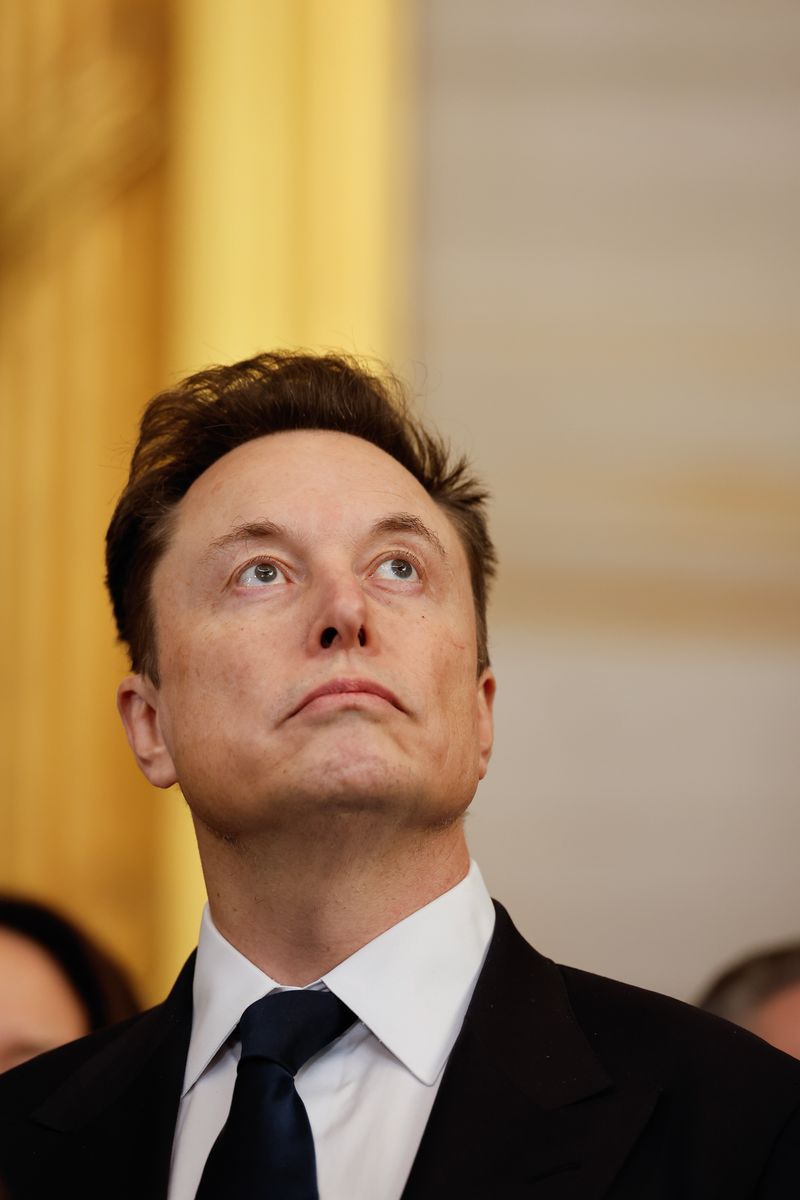
The trillionaire milestone reflects how technology companies have transformed wealth creation in the digital era. Unlike industrial tycoons of previous generations, modern entrepreneurs can build global platforms that reach billions of people and generate unprecedented market value.
Musk's companies operate across several of the world's fastest-growing sectors, including electric vehicles, artificial intelligence, satellite communications, robotics, and space exploration. Investors view many of these industries as critical to the future global economy.
 © Getty Images
The Guardian also published that the achievement raises questions about economic inequality, taxation, and the growing concentration of wealth among a small number of individuals. Economists and policymakers have already begun debating the broader implications of a trillionaire era.
What Elon Musk Says About Wealth
Despite reaching a financial milestone once considered impossible, Musk has repeatedly argued that money itself is not his primary motivation. According to people close to him, including his mother, his focus has long been on technological innovation, space exploration, and advancing humanity's capabilities rather than accumulating personal wealth. "Being a billionaire was never Elon's goal," Maye Musk told Fox News. "His goal was to save the planet and then explore another planet so that the civilization can be saved; for that, he would need the billion."
 © Taylor Hill
Musk has also suggested that advances in artificial intelligence and robotics could eventually create a future where traditional concepts of wealth become less important than access to resources and technology.
What Comes Next for the World's First Trillionaire?
The next chapter of Musk's story may be even more ambitious than the last.
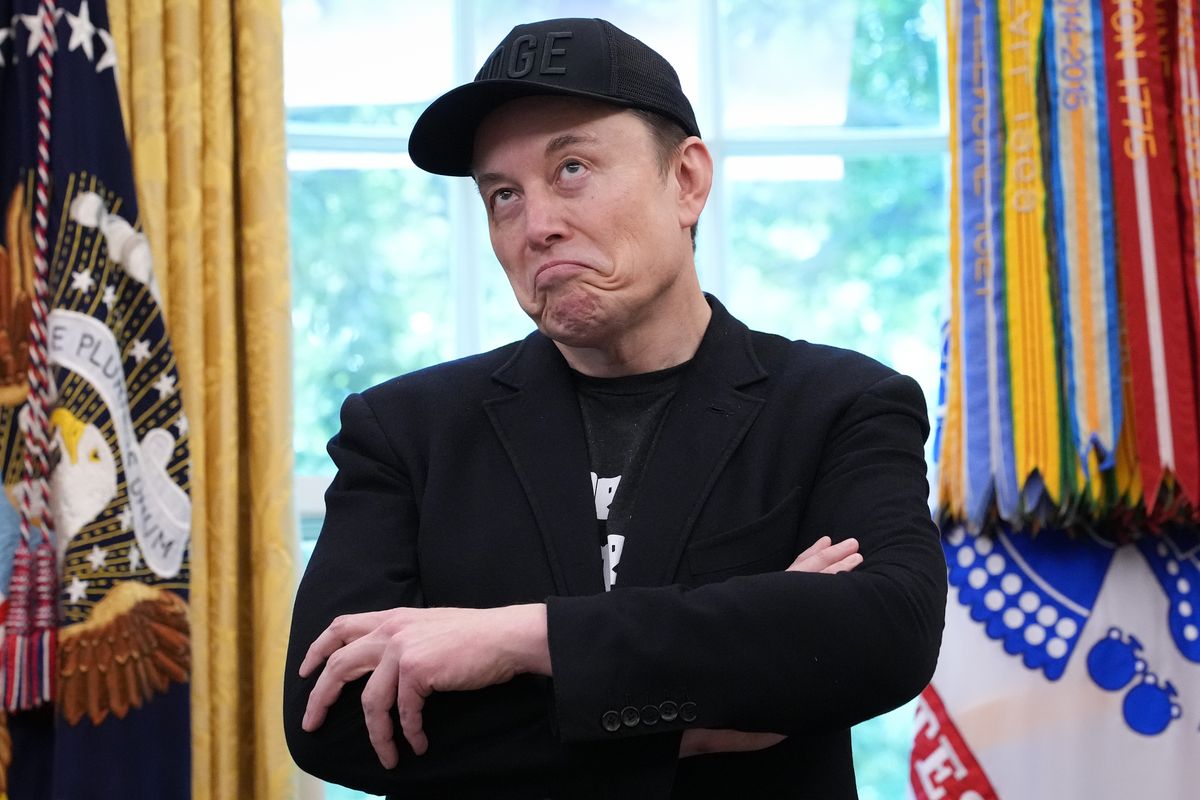
SpaceX continues to pursue its goal of establishing a human presence on Mars while expanding global satellite connectivity. Meanwhile, Tesla remains a major player in electric vehicles and autonomous driving technology. Neuralink is advancing brain-computer interface research, and Musk's AI ventures continue to attract significant attention.
 © Getty Images
Whether his fortune continues to climb or fluctuates with market conditions, Elon Musk has already secured a place in financial history.