A dramatic explosion during a critical prelaunch test has sidelined Blue Origin's New Glenn rocket program, raising questions about upcoming satellite launches and future lunar missions.
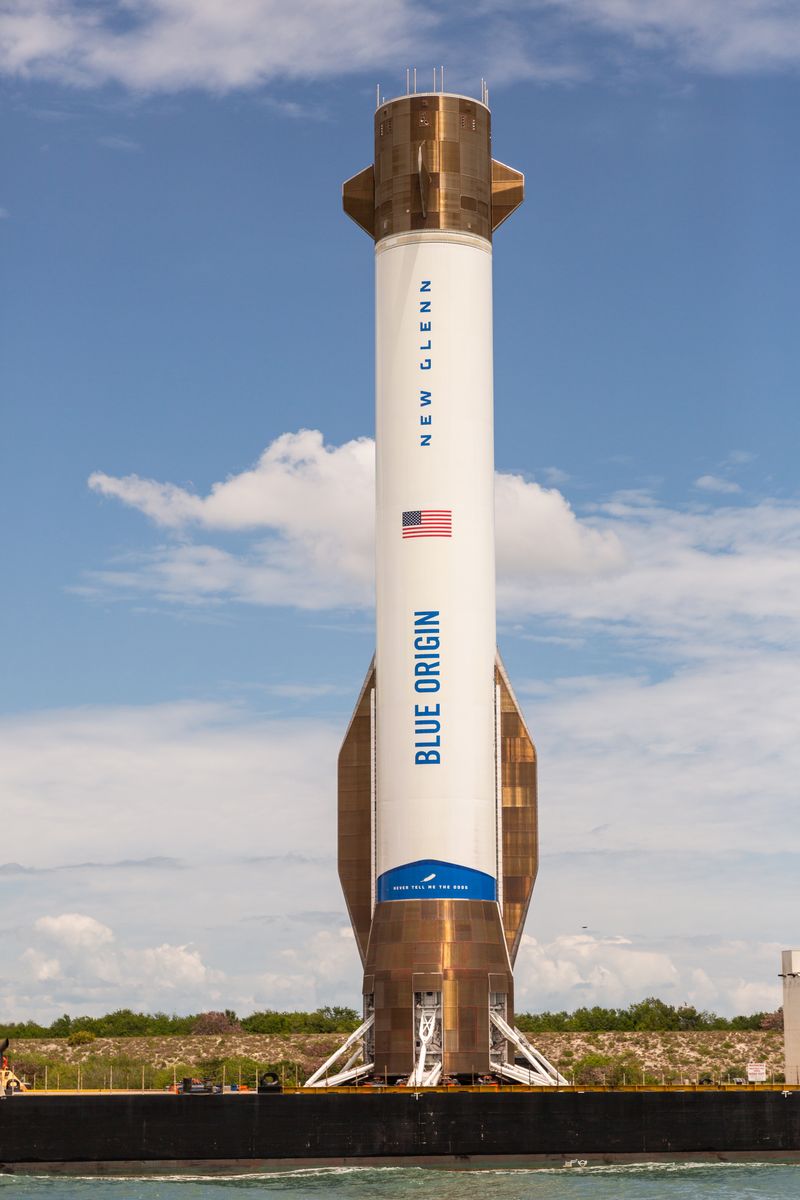
Blue Origin's massive New Glenn rocket engulfed in flames and exploded during a hotfire test at Cape Canaveral Space Force Station in Florida on Thursday night, dealing a major setback to the aerospace company founded and owned by billionaire Jeff Bezos.
 © NurPhoto via Getty Images
The incident occurred around 9 p.m. local time during a planned hotfire test, a crucial milestone in which the rocket's engines are ignited while the vehicle remains secured to the launchpad, as reported by CBS. The test was being conducted in preparation for the fourth New Glenn mission, which was expected to launch as early as June 4.
In a statement posted to X at approximately 9:30 p.m., Blue Origin confirmed the mishap. "We experienced an anomaly during today's hotfire test," the company wrote, noting that all personnel were accounted for and no injuries were reported
 © NurPhoto via Getty Images
According to reports, the rocket became a ball of flames before a powerful explosion rocked the launch complex, damaging the launchpad and surrounding infrastructure. The New Glenn vehicle involved in the test was slated to carry 48 satellites for Amazon's low-Earth orbit internet constellation project, though CBS News reported that the satellites were not aboard the rocket at the time of the incident.
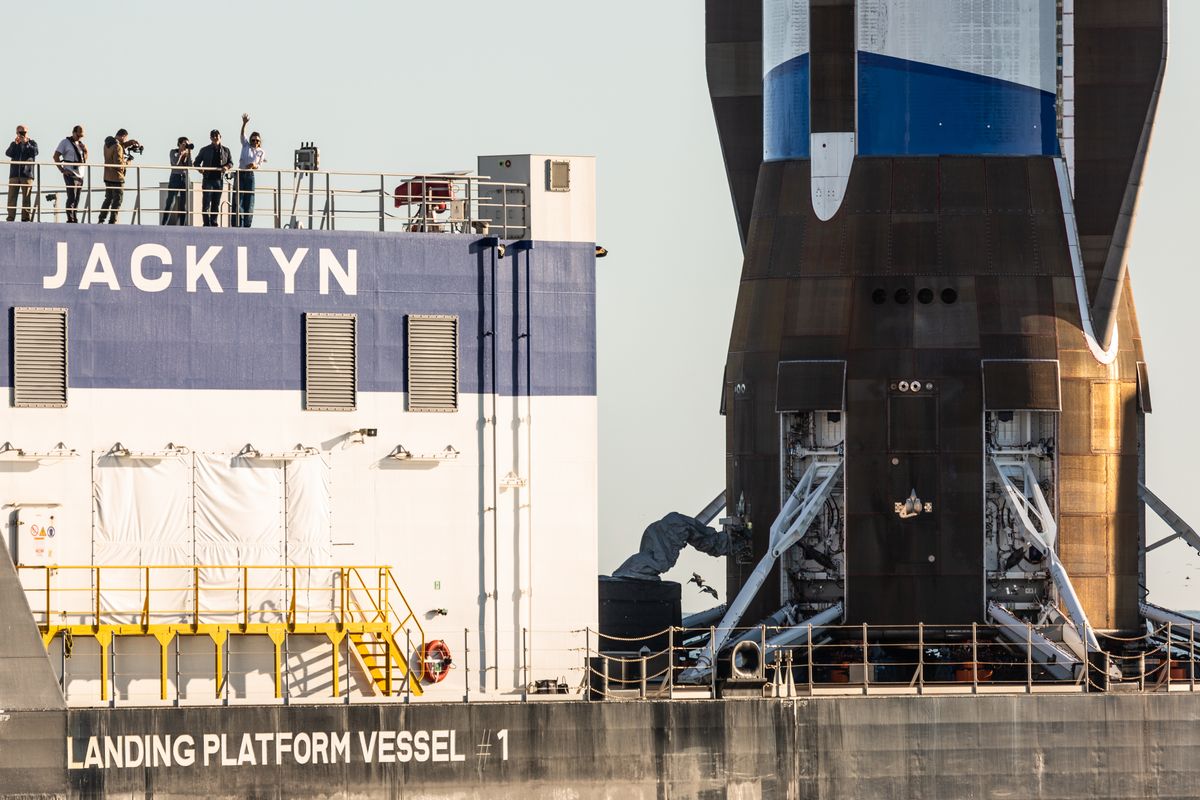
The explosion represents a significant challenge for Blue Origin, which relies on the Cape Canaveral facility as its sole launchpad for New Glenn missions. According to The New York Times, repairs to the damaged infrastructure could take months, potentially affecting the company's launch schedule.
 © AFP via Getty Images
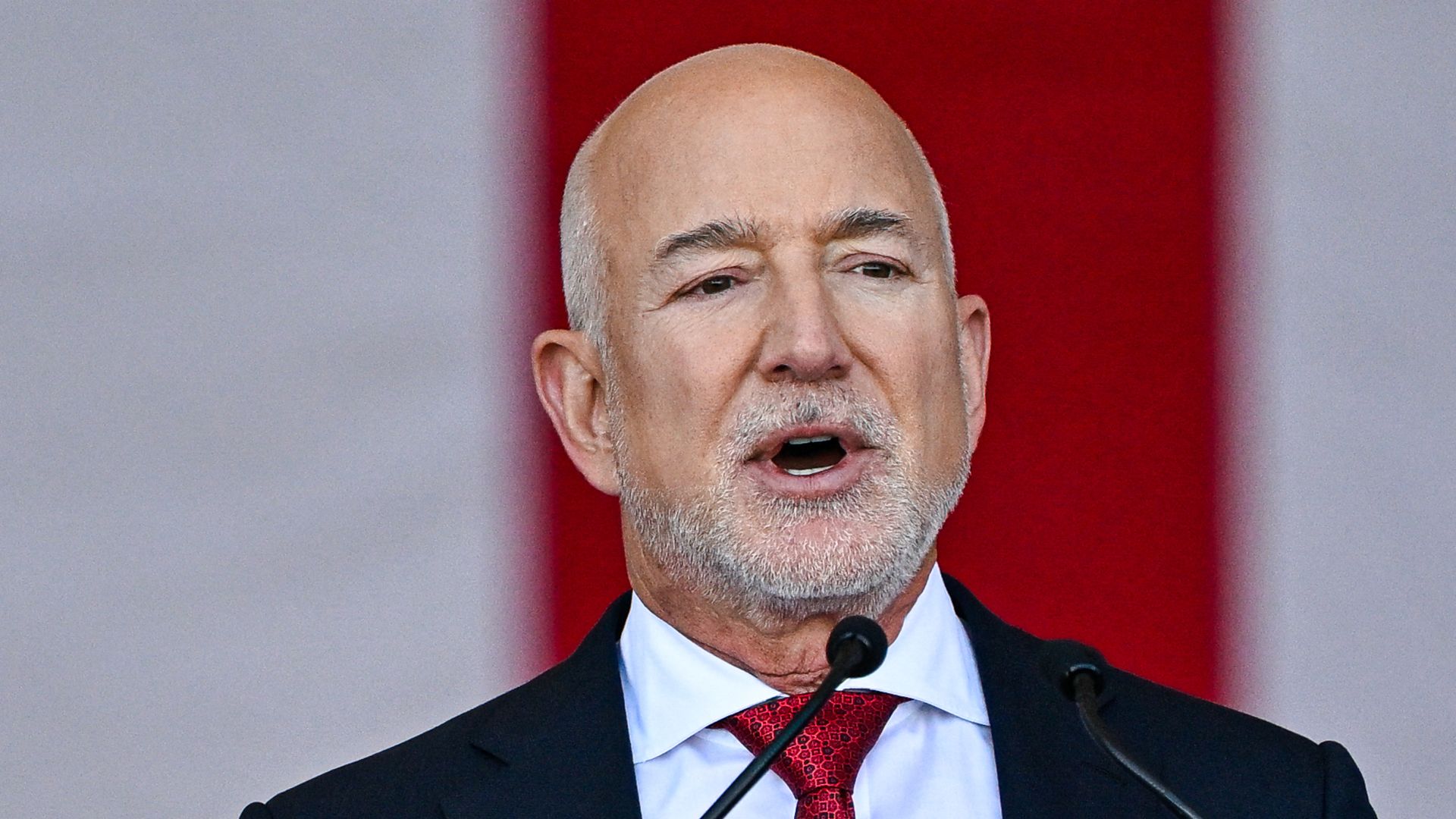
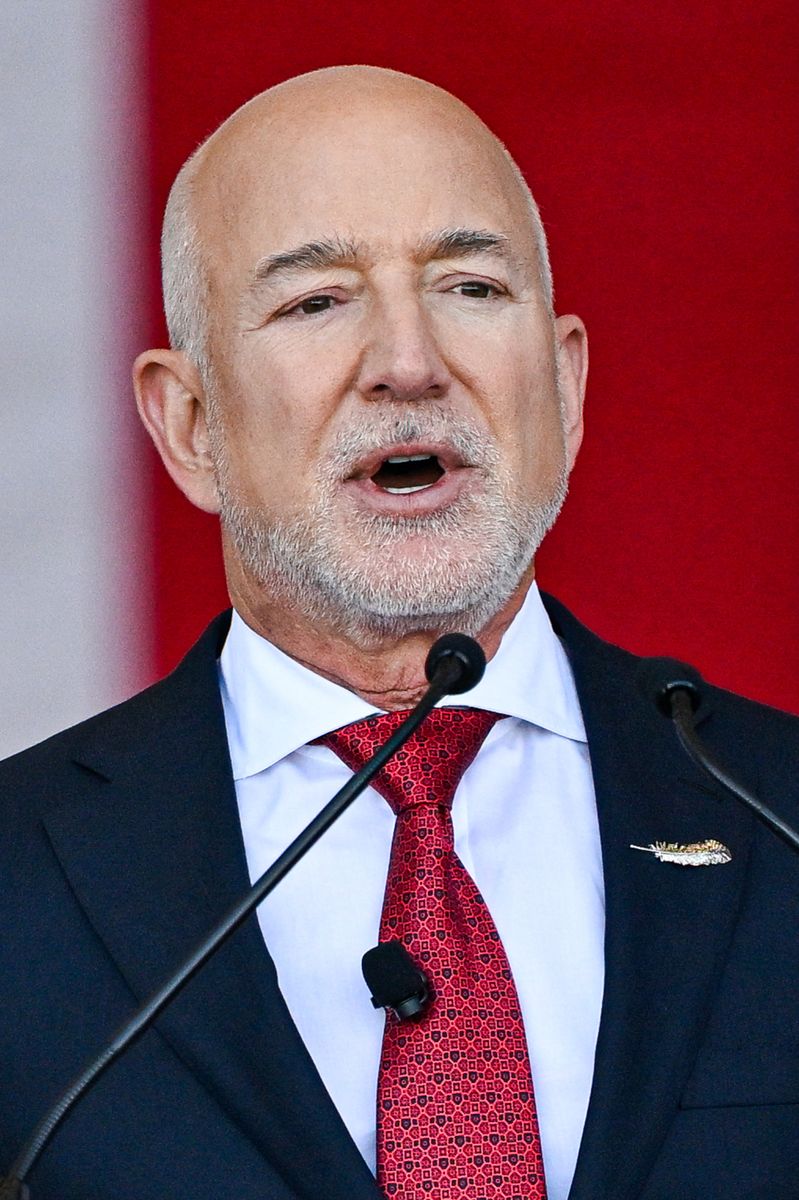
Bezos addressed the incident shortly after the explosion, expressing determination despite the setback. "It's too early to know the root cause but we're already working to find it," Bezos wrote on X. "Very rough day, but we'll rebuild whatever needs rebuilding and get back to flying. It's worth it."
The Federal Aviation Administration said the explosion did not affect air traffic operations in the area, according to CBS News.
Investigation Underway
Federal officials and industry leaders quickly responded following the explosion. U.S. Representative Mike Haridopolos, whose district includes Cape Canaveral, said he spoke with NASA Administrator Jared Isaacman about the incident. "I am grateful there were no reported injuries and thankful for the first responders, engineers, and launch crews who acted quickly," Haridopolos wrote on X. "Praying for Florida's Space Coast and everyone involved."
Isaacman confirmed that NASA is coordinating with its partners as the investigation begins. "Spaceflight is unforgiving, and developing new heavy-lift launch capability is extraordinarily difficult," Isaacman wrote. "We will work with our partners to support a thorough investigation of this anomaly, assess near-term mission impacts, and get back to launching rockets."
SpaceX Rival Offers Support
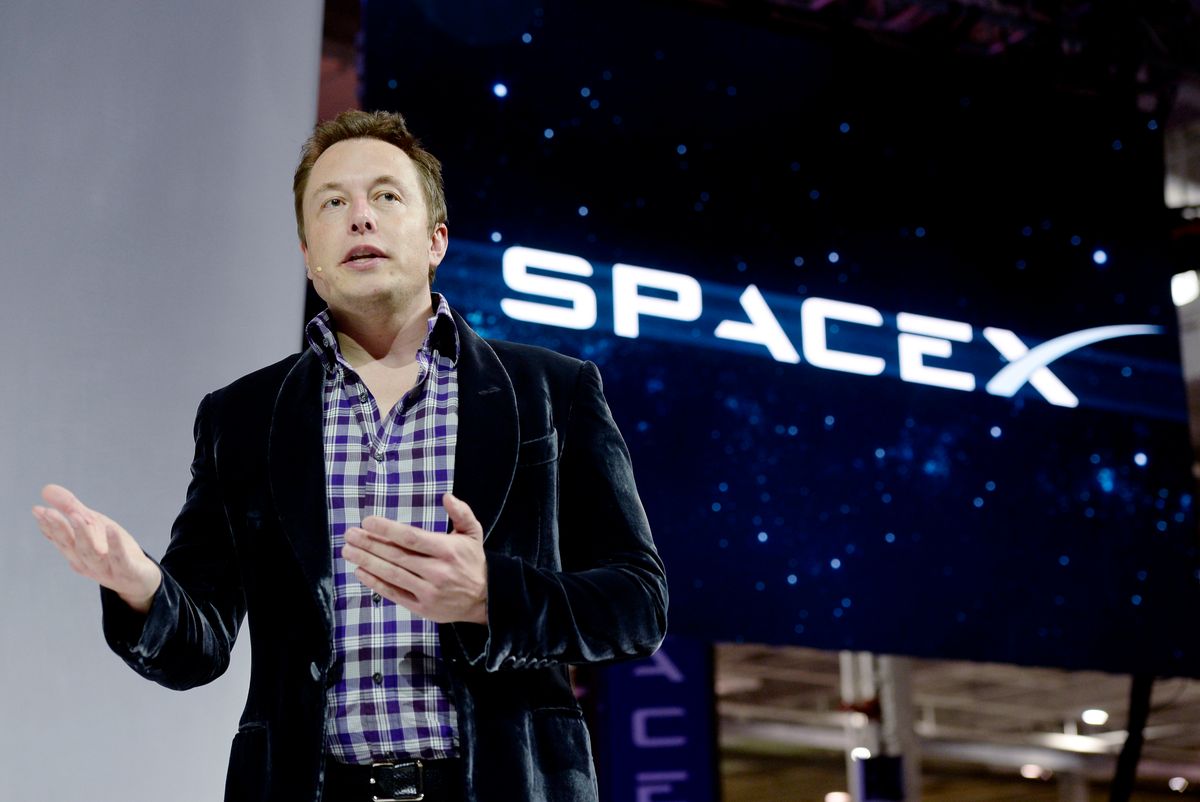
Even competitors took notice of the setback. Elon Musk, chief executive of Blue Origin rival SpaceX, publicly expressed support following the explosion.
"Sorry to see this, I hope you recover quickly," Musk wrote on X.
 © Kevork Djansezian
The incident marks one of the most serious setbacks yet for the New Glenn program, a heavy-lift rocket designed to compete with SpaceX's Falcon Heavy and future Starship missions. As investigators work to determine what went wrong, Blue Origin faces the challenge of rebuilding damaged infrastructure while keeping its ambitious commercial and lunar exploration goals on track.