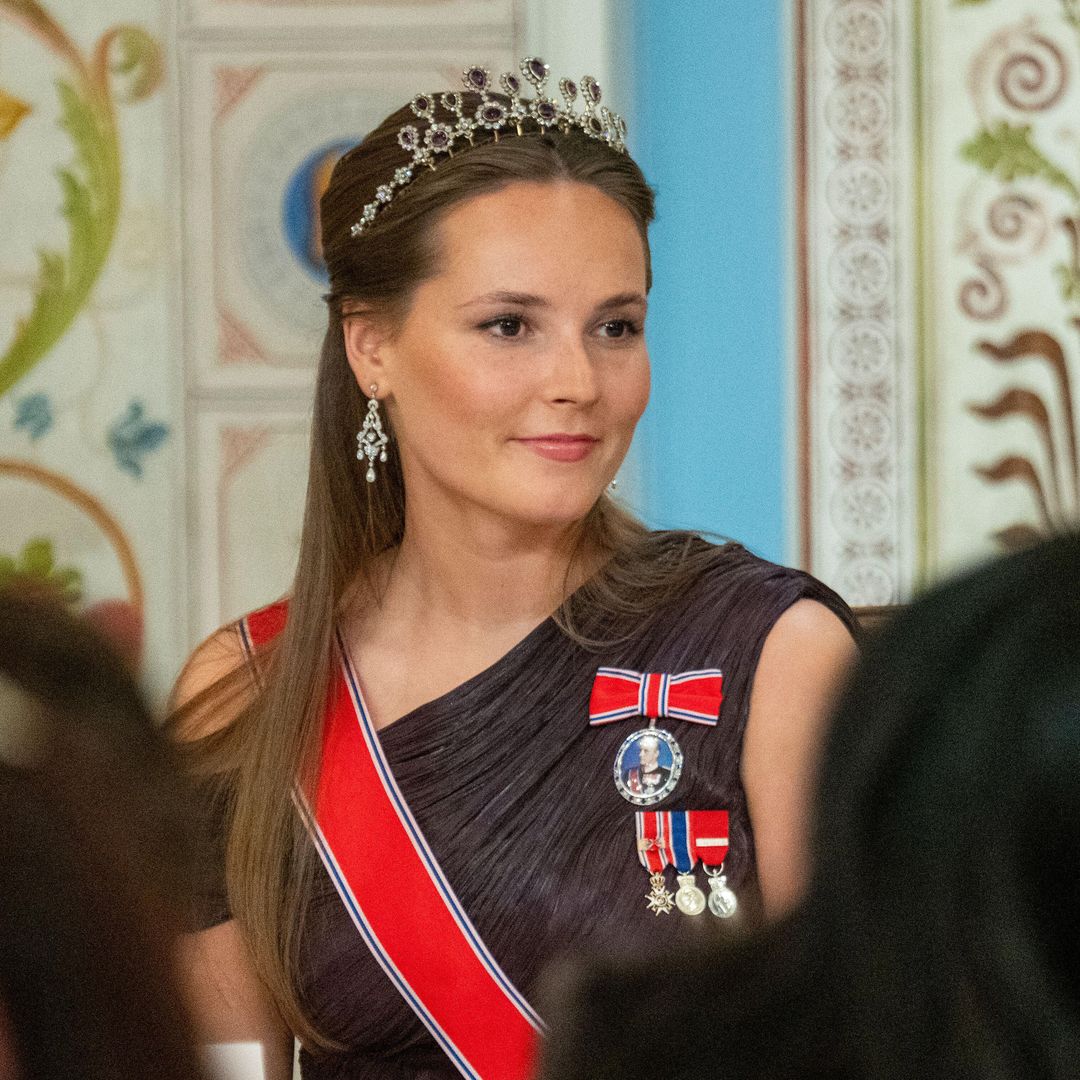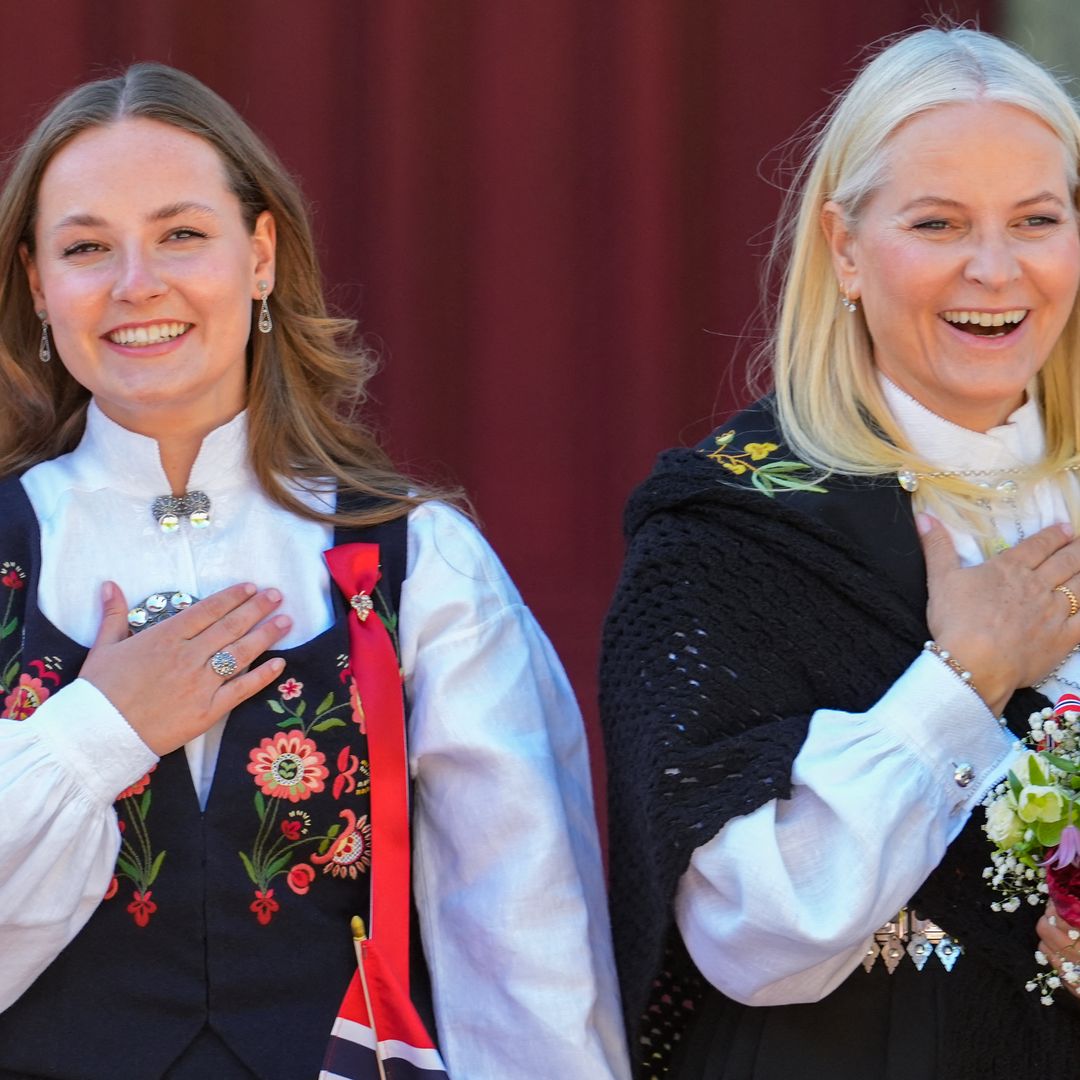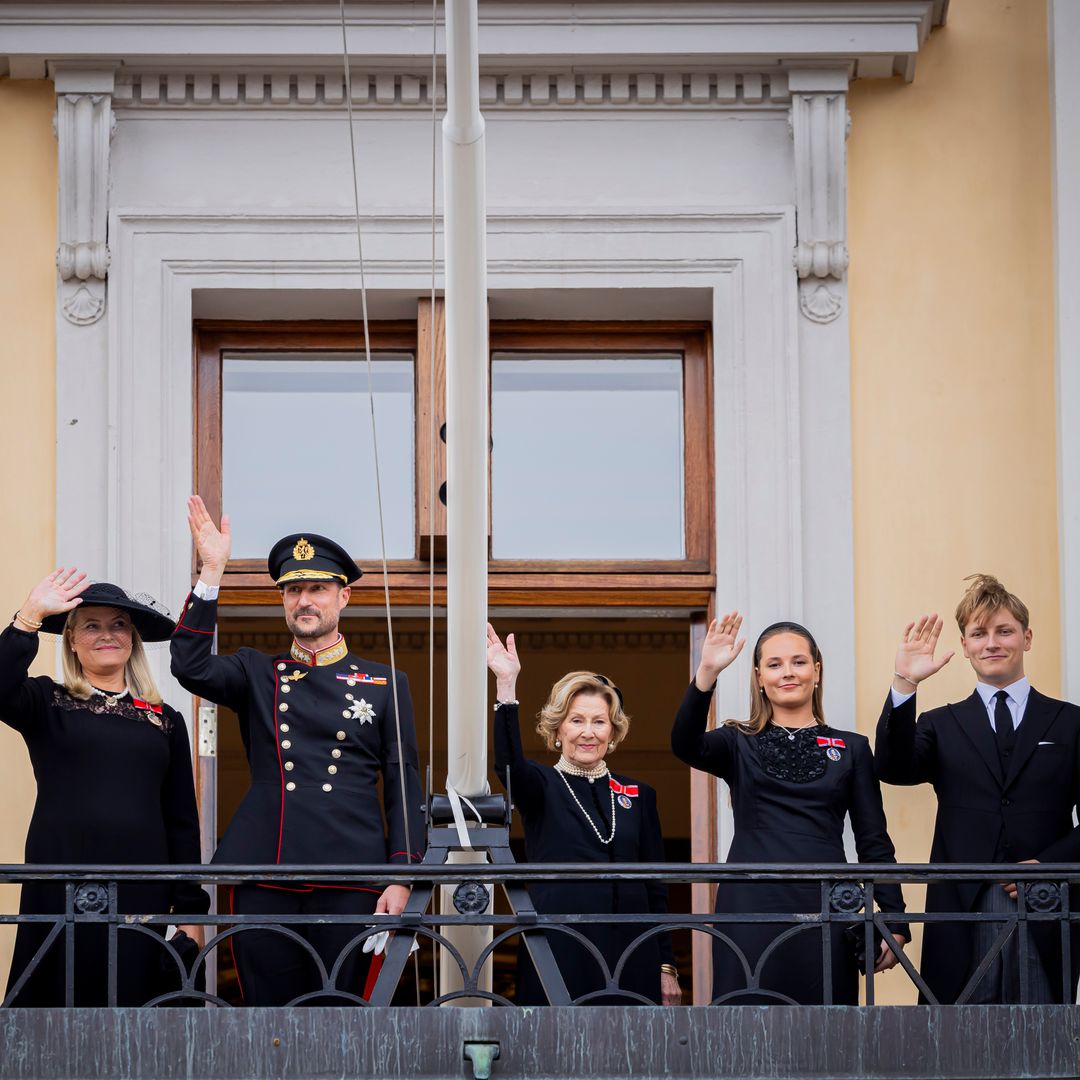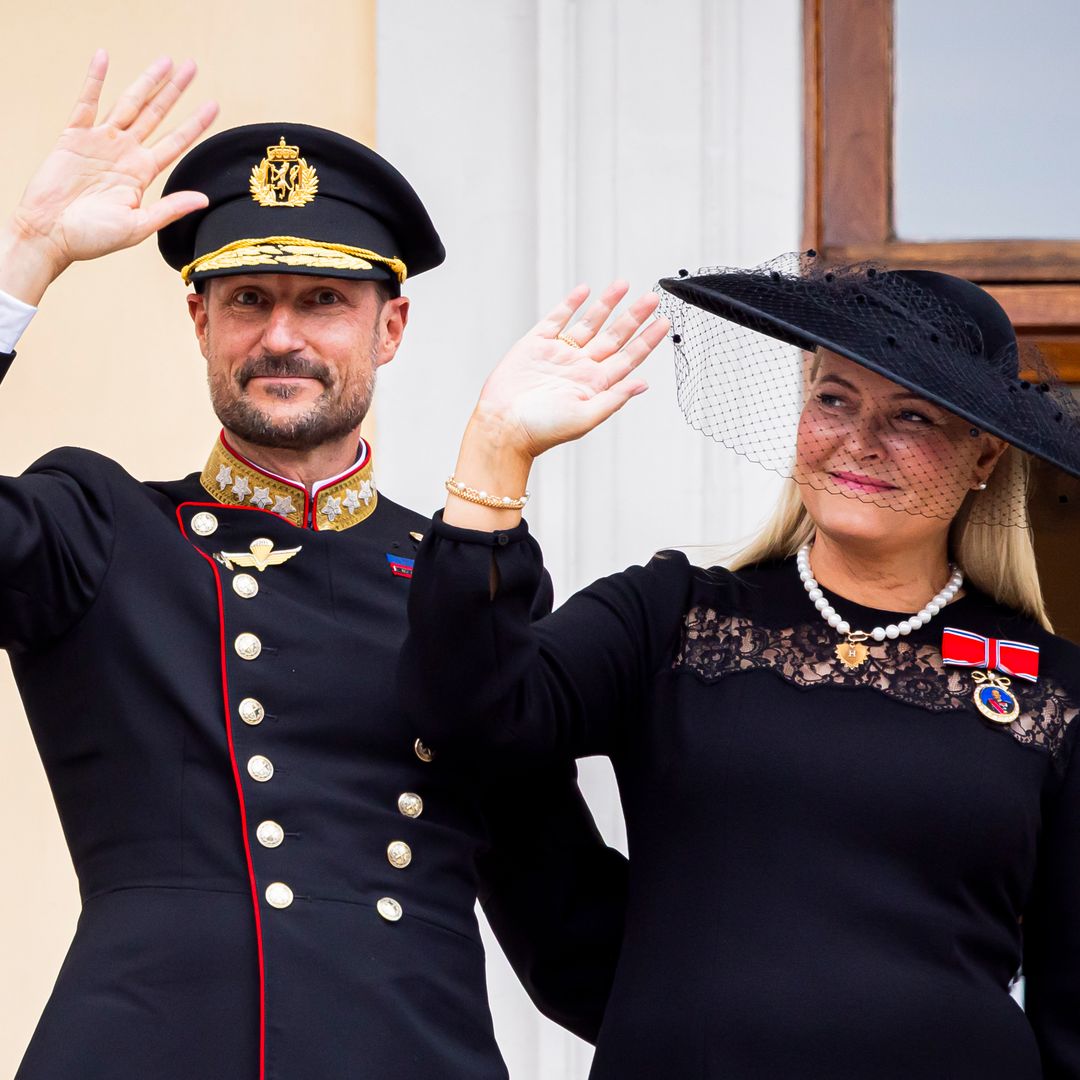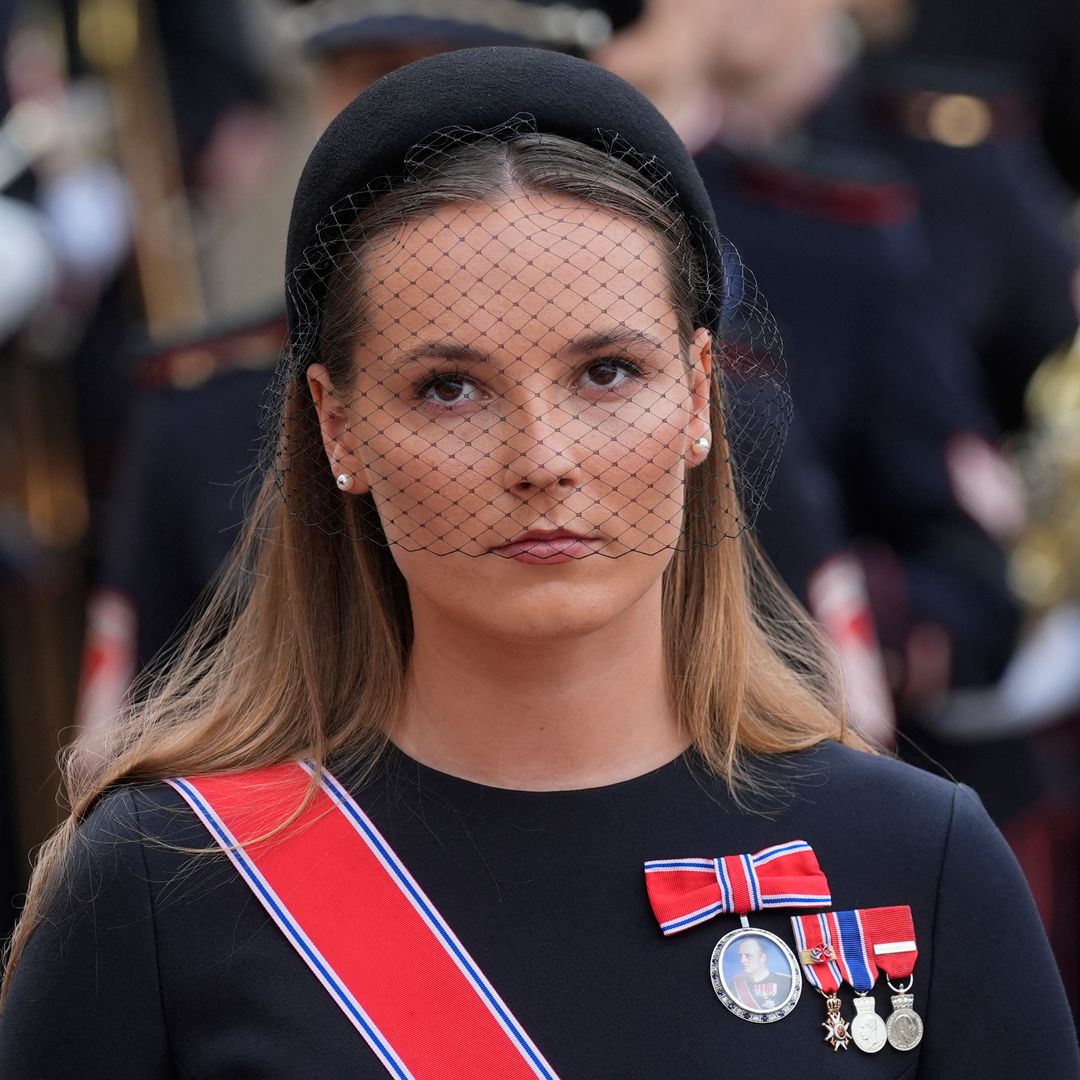
Norway said goodbye to King Harald V at a state funeral in Oslo that drew enormous crowds and closed out a reign of 35 years. His death opens a new chapter for the Royal Palace. His son is now King Haakon VIII, and Princess Ingrid, just 22 years old, has moved to the center of the institution. It's a lot of pressure to land on an heir who's still in training, and one who's acting as a stand-in for her mother, Queen Mette-Marit, as she recovers from a lung transplant.
 © ODD ANDERSEN
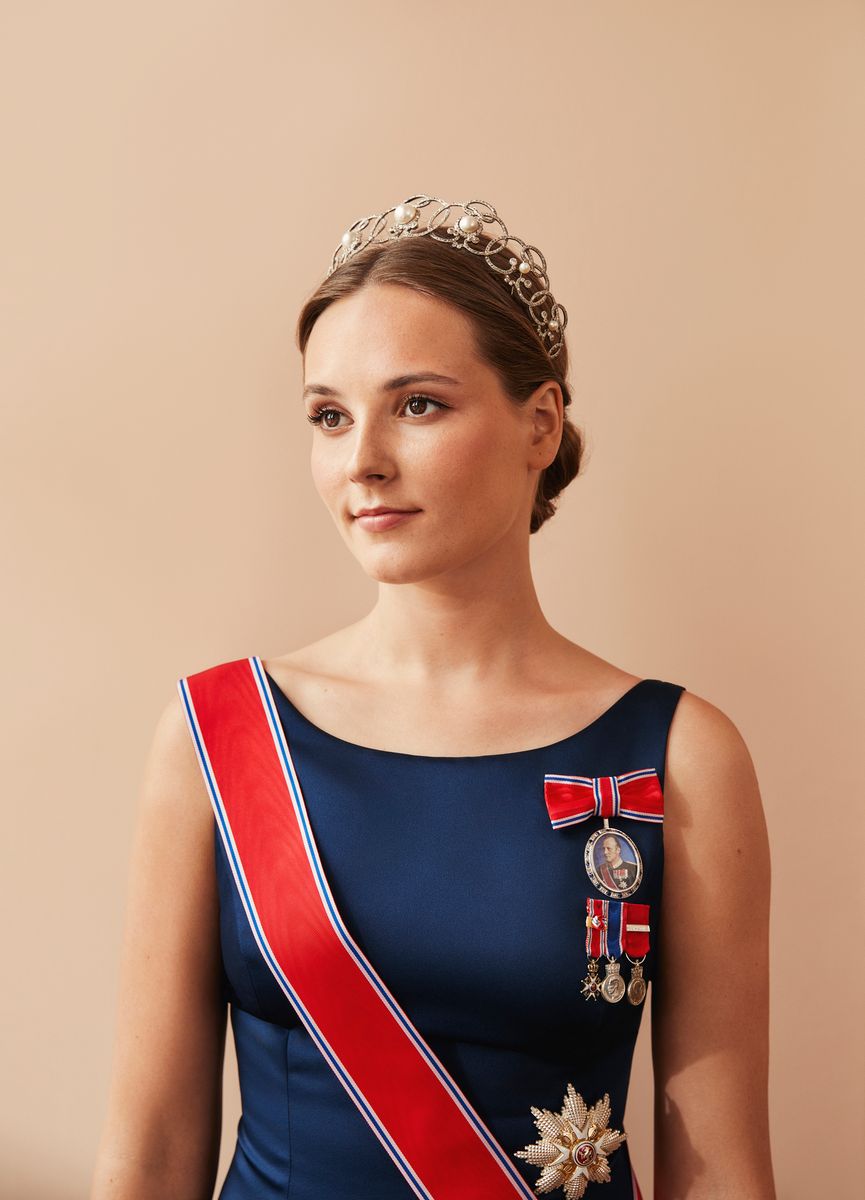
The weight of that history is hard to overstate. Harald was the first Norwegian-born king of Norway in generations. His dynasty has Danish and British roots, and both his father and grandfather were born outside the country. Ingrid Alexandra, by contrast, is set to become something Norway has never had in the modern era: a reigning queen. It's a right her aunt, Princess Martha Louise, was denied outright, and that was only made possible by the constitutional reform of the 1990s that put daughters and sons on equal footing in the line of succession.
Ingrid has spent her whole life in preparation for this. What was unexpected was how fast it would arrive.
What does this new chapter mean for the crown princess?
 © JAVAD PARSA
There's an old rule in royal households: the heir gets questioned, the king gets support. That's exactly the dynamic playing out around Haakon VIII right now. His approval is climbing, recovering ground that slipped after his stepson Marius Borg Høiby's trial and the fallout from Mette-Marit's friendship with Jeffrey Epstein. But the calculus is different for the heir.
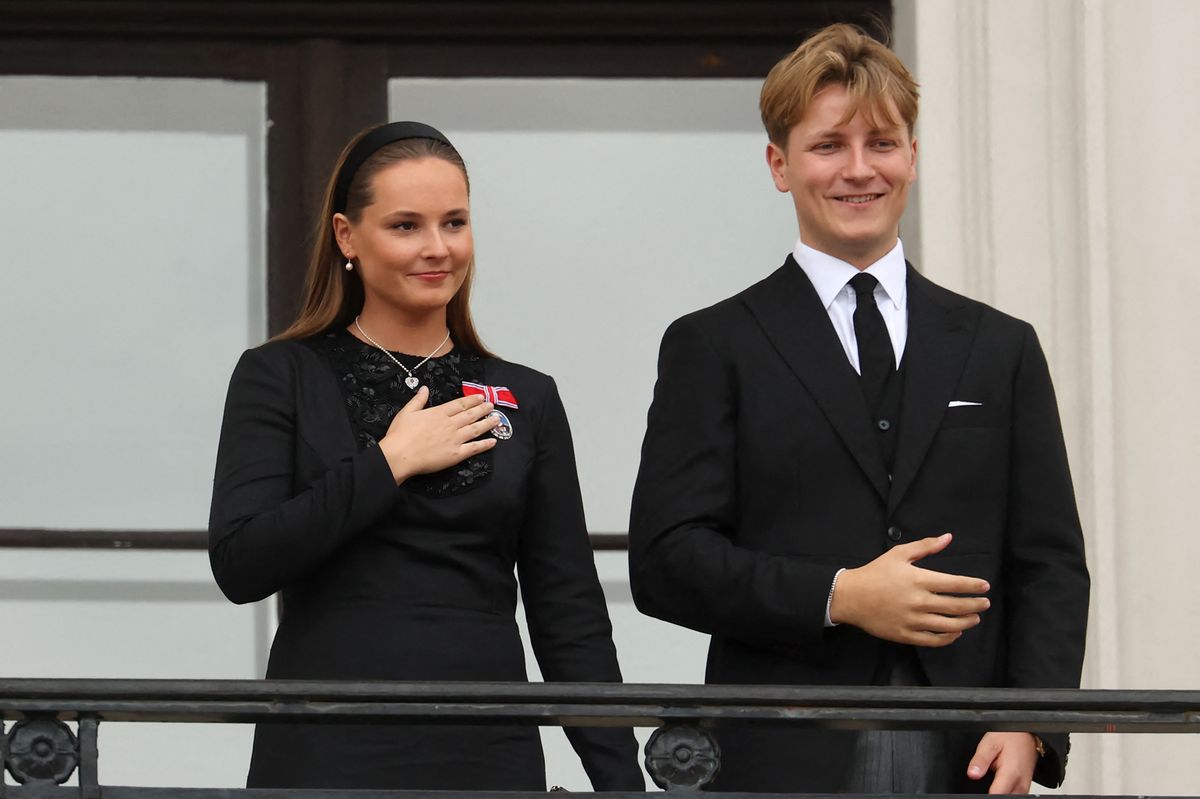
Ingrid Alexandra has always been a beloved figure: close to her grandfather, and often compared to her grandmother, Queen Sonja. Now, the spotlight on her will only get brighter. Her plan to study in Australia, which always looked like a gamble given her position and King Harald's age, is effectively on hold.
Her academic life is one of the first things to be affected. Ingrid Alexandra was expected to spend the fall as an exchange student at the University of Oslo, after finishing her first year in Sydney, a plan already adjusted once so she could be closer to her mother during her recovery. Now, with official mourning underway and a heavier institutional role on her plate, how much of that university life she gets to keep will come down to what the school is willing to accommodate.
The Royal House will have to work out, step by step, how to balance her education with a prominent official role. Norwegian outlets have been asking the obvious question: will Princess Ingrid, now heir apparent, go back to finish her studies in Australia, or will she end up completing her degree in Oslo?
One thing that has quietly resolved itself is the fact that Ingrid Alexandra is now an active heir, and didn't need any special legal mechanism to become one.
 © Getty Images
For the past couple of years, King Harald's advancing age and Queen Mette-Marit's health problems had forced the royal household to scale back its international calendar. Then-Crown Prince Haakon was cutting trips short and avoiding travel abroad, a clear sign that Ingrid Alexandra needed to start taking on real supporting duties at the head of state level.
Parliament had spent two years drafting a preventive regency law meant to let the princess step in temporarily if Harald and Haakon were ever incapacitated at the same time. It was built for an emergency scenario that, as of Harald's death, no longer exists.
With the king gone, that reform loses its purpose. It was designed to give Ingrid regency powers while both her grandfather and her father were still alive; now Haakon is king outright, and the heir occupies a clear, functioning position in the line of succession. The amendment, which would have permanently excluded Prince Sverre Magnus from any regency role, is essentially obsolete.
Then there's the piece that changes everything: Mette-Marit's health
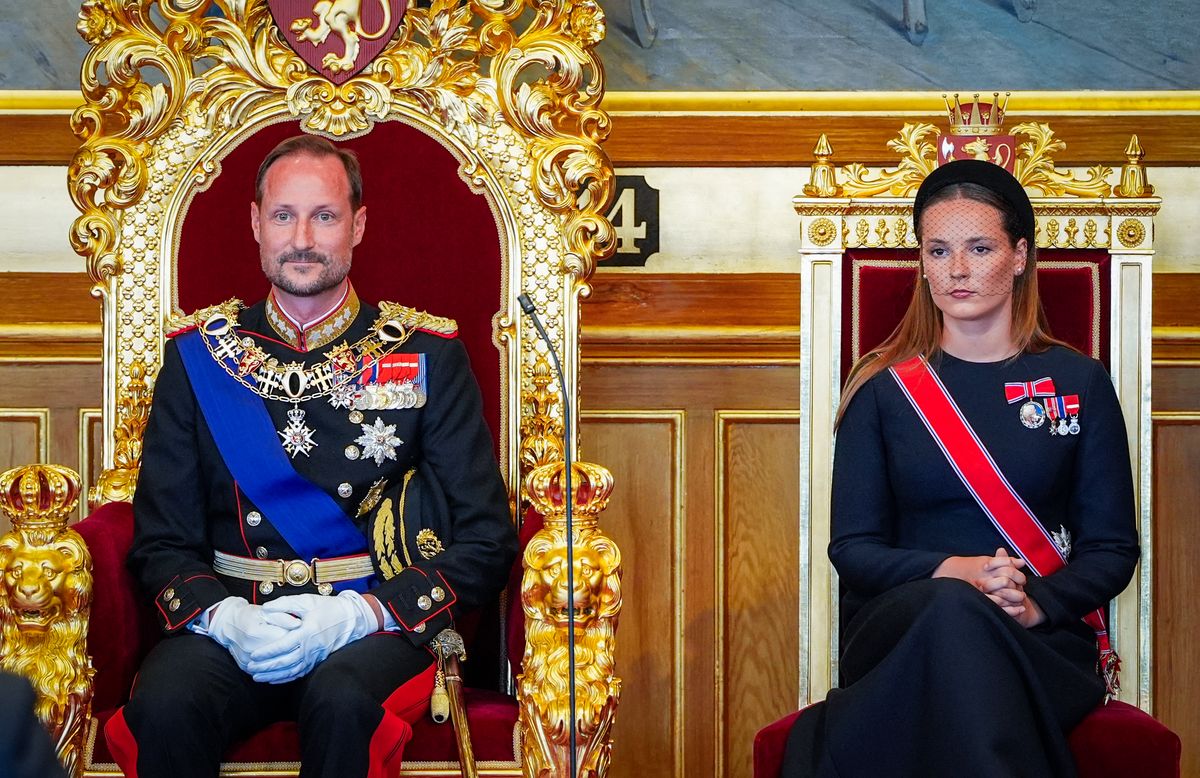 © NTB/AFP via Getty Images
Under different circumstances, Ingrid Alexandra would still be considered a princess in training: more public appearances, more preparation, but not yet a full-time job. Her father didn't take on permanent duties until he married Mette-Marit at the start of the millennium.
This handover, though, is unfolding under very different conditions. The queen is facing six months of recovery after her lung transplant, and while the updates so far have been positive, the Royal House has been clear that how active she can be will depend entirely on her health. That partial absence throws off the institutional balance and speeds up Ingrid's move into a more active role.
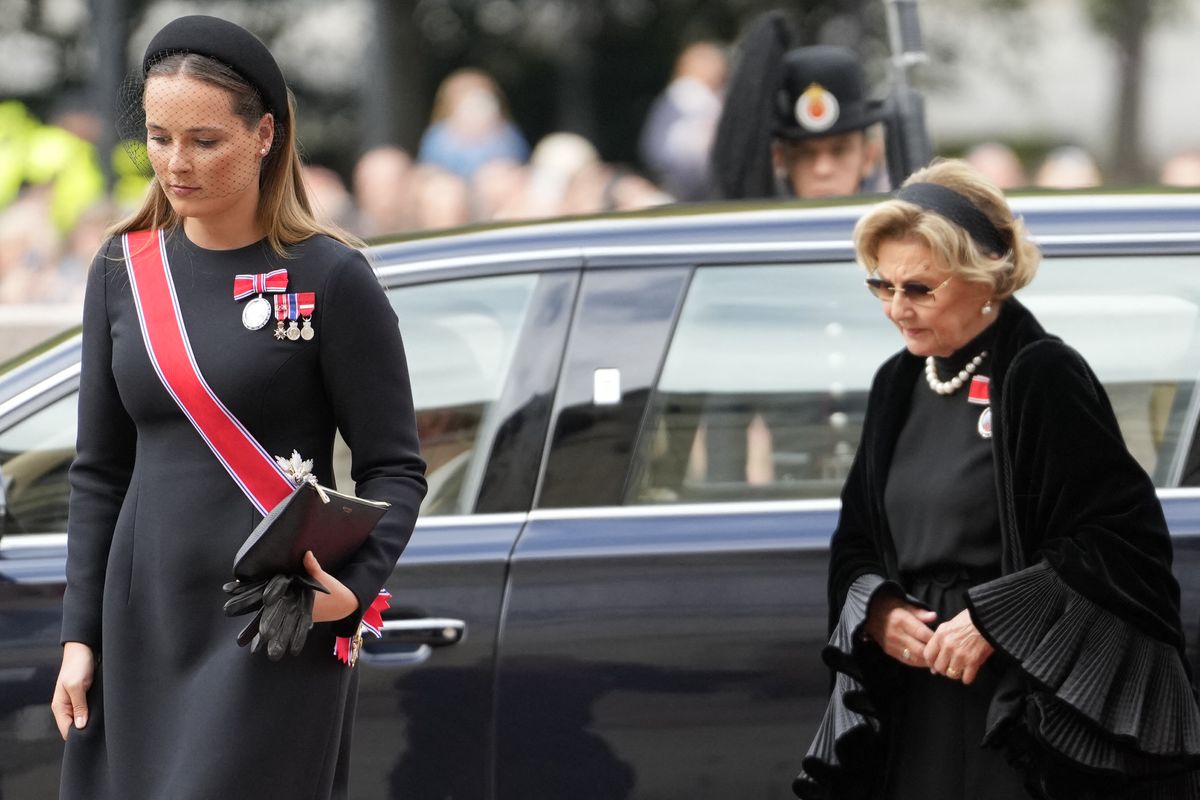
In recent years, the princess had already started stepping in alongside her father, a role she'll likely now share with Queen Sonja, whose experience and standing keep her essential to the institution.
Before Queen Sonja's arrival on the scene in 1968, the head of state's duties were split between King Olav, his heir Harald, and Princess Astrid, who served essentially as first lady and accompanied both men at official functions. The pattern is repeating itself, but with one crucial difference: Ingrid Alexandra isn't a stand-in. She's the constitutional heir, the future head of state, and the central figure in a transition that's arriving well ahead of schedule. Her job isn't to cover for someone else's absence. It's to step into the position that's rightfully hers, much sooner than anyone expected.
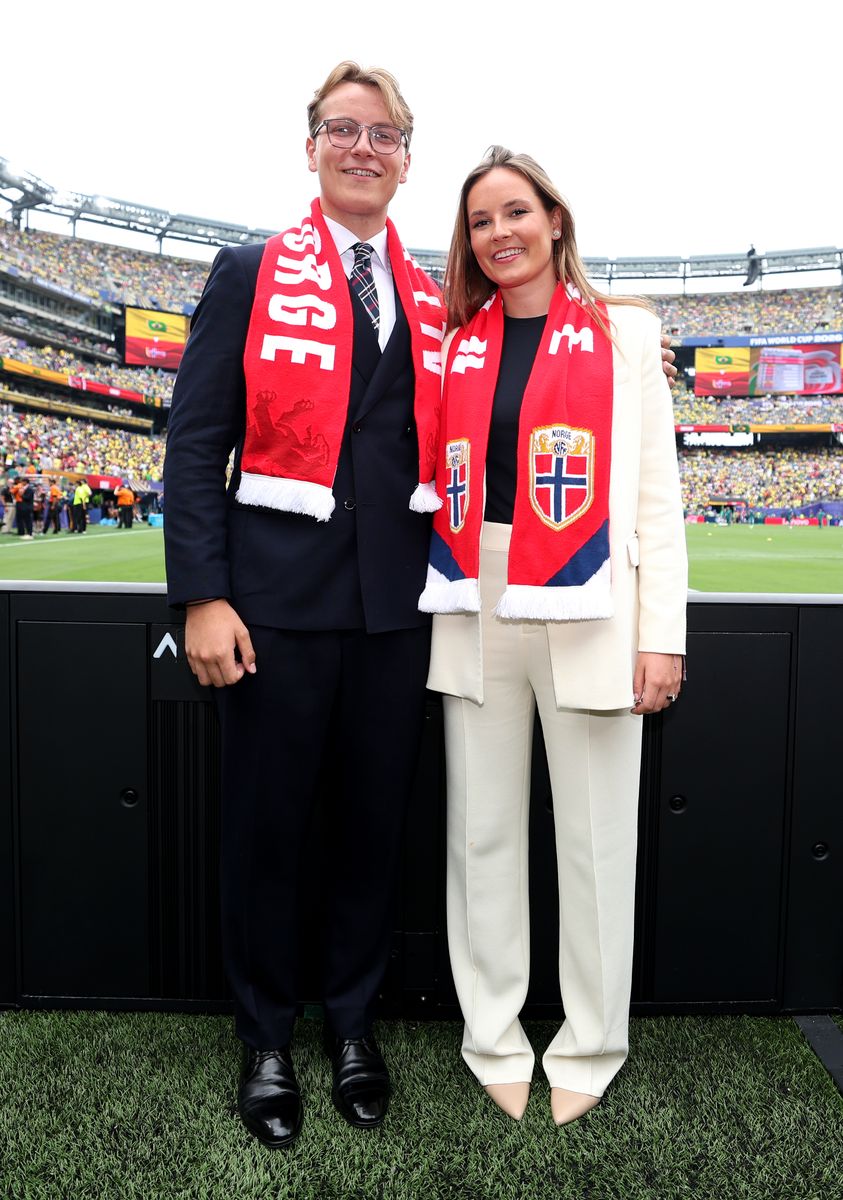 © FIFA via Getty Images