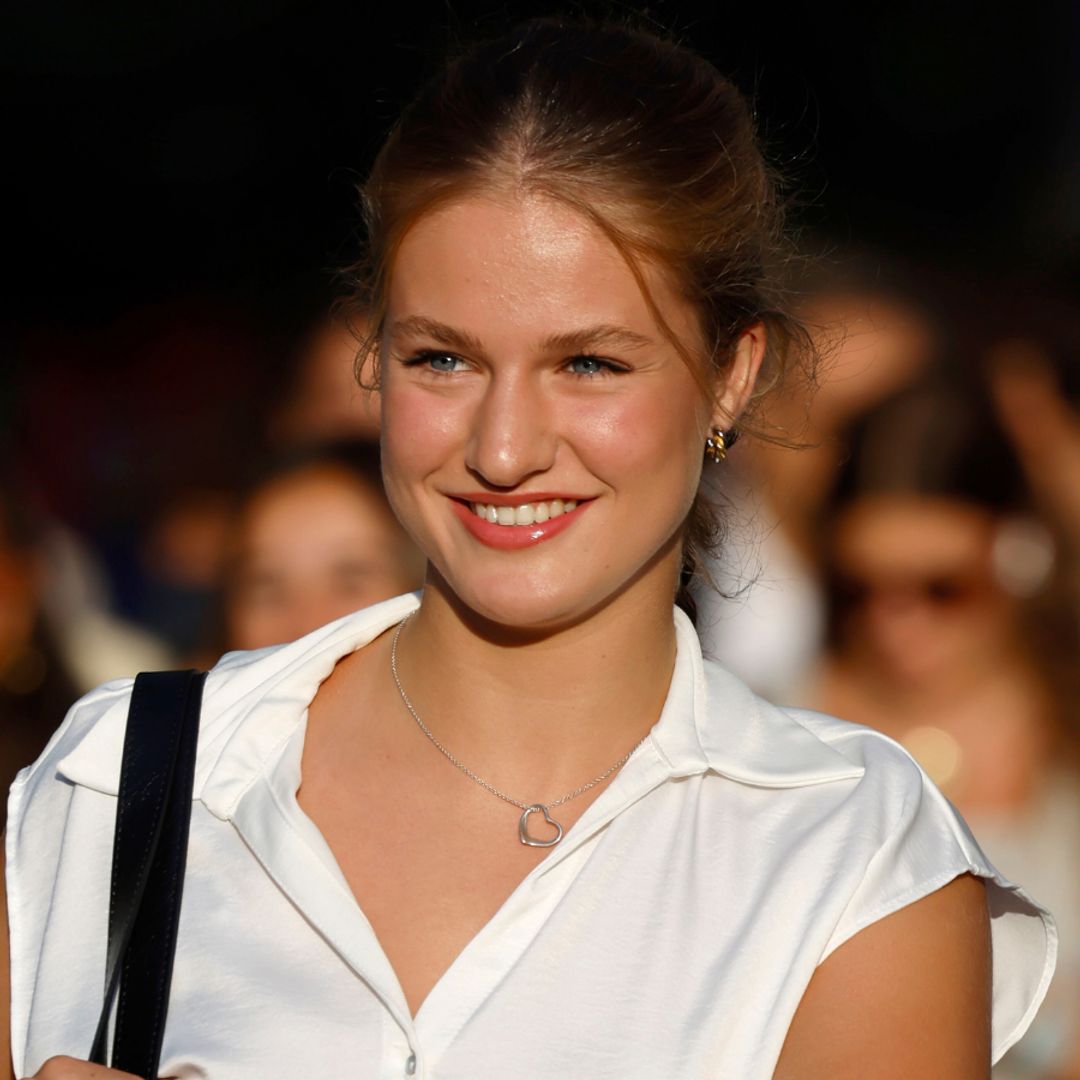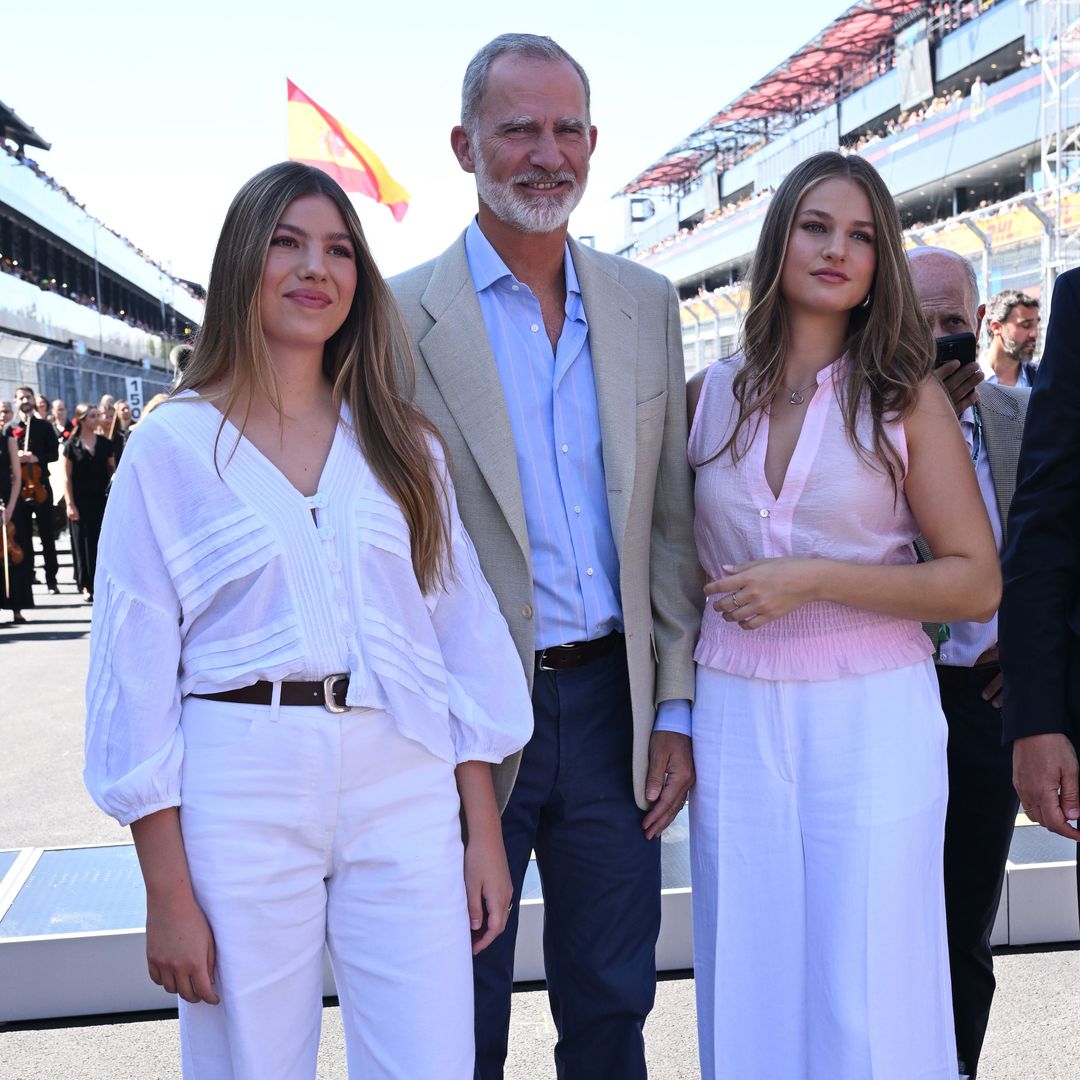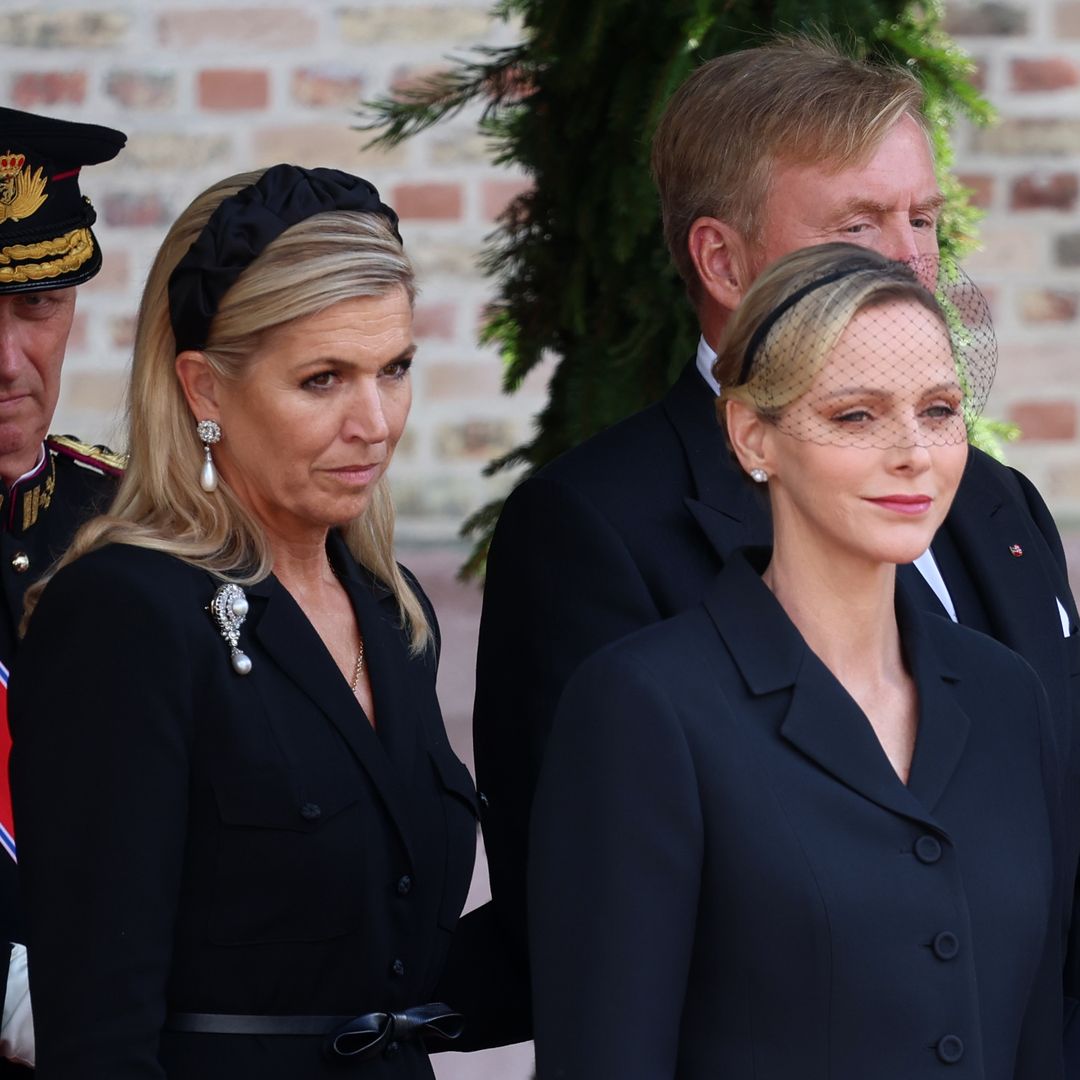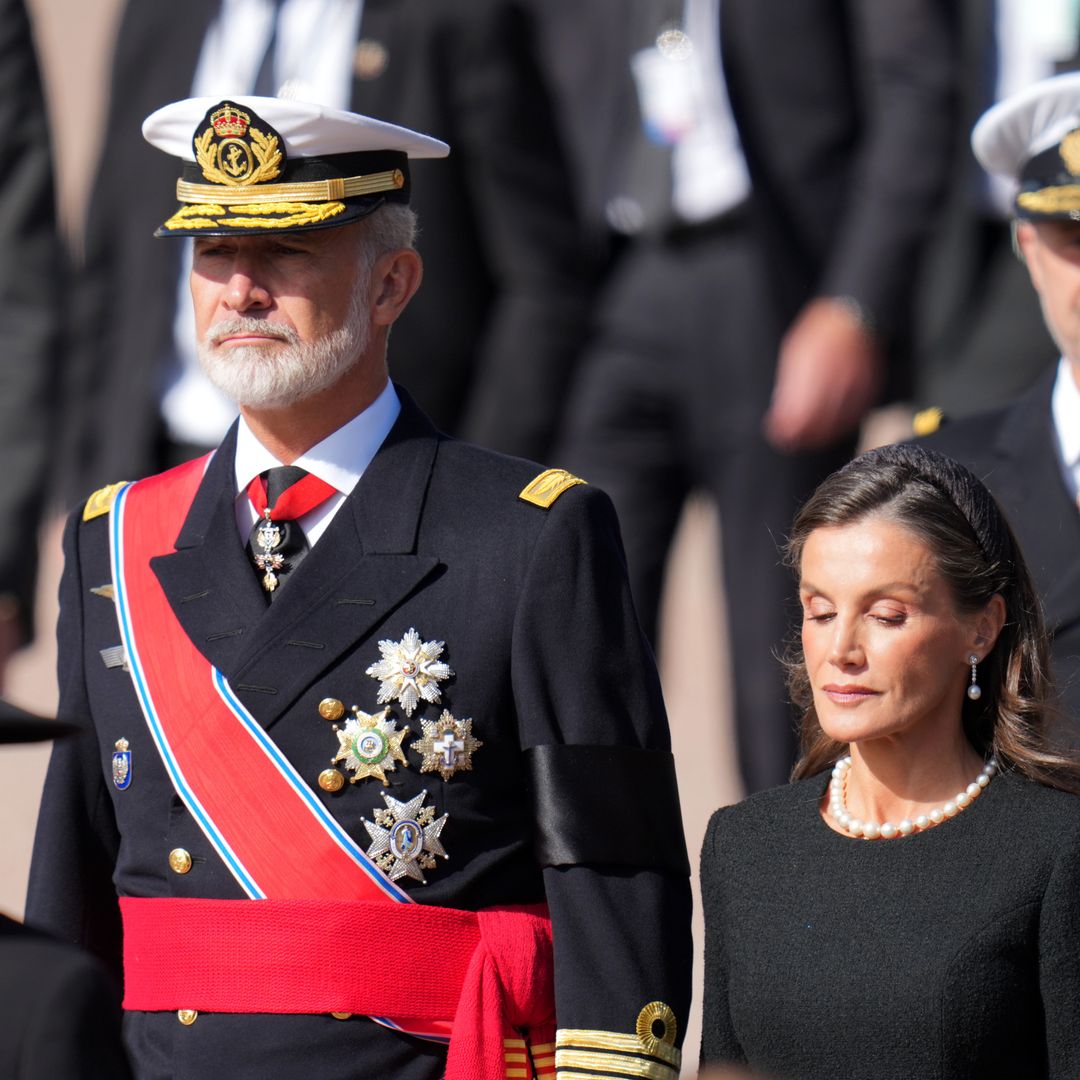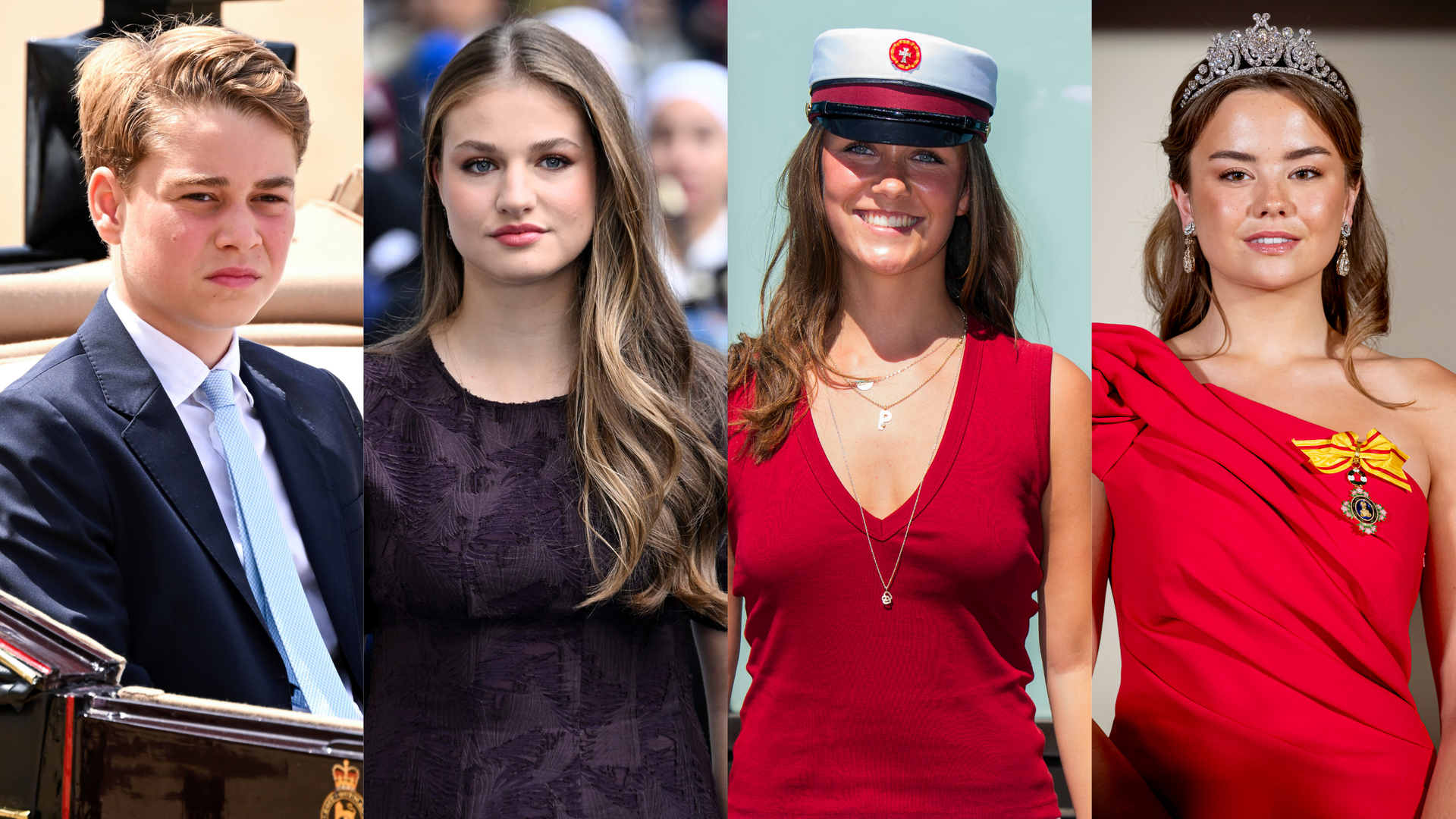
Europe's royal families are entering a new chapter, one increasingly defined by the growing role of their young heirs. The academic and military training of those destined to inherit the throne reflects how today's royal households are preparing for a generational transition.
 © Getty Images
For years, one of the biggest questions surrounding Europe's future monarchs was how they would embrace their institutional responsibilities. That question is finally beginning to take shape through milestones such as Princess Leonor's move into university life, Princess Isabella's military training, Princess Ariane's decision to study aerospace engineering at TU Delft, and Prince George's enrollment at Eton College.
 © SOPA Images/LightRocket via Gett
In most European monarchies, women are expected to lead the next generation of royal succession. The main exceptions are the United Kingdom, Monaco, and Denmark, where the current heirs are male. For all of them, a new chapter rich in symbolism is now beginning.
 © @kongehuset
 © Shutterstock
Princess Leonor: Spain's Future Queen Heads to Madrid
June has become a season of milestone moments for the young royals expected to carry their monarchies into the future. Across Europe, the newest generation has begun making increasingly prominent public appearances, and Princess Leonor, together with her younger sister, Infanta Sofía, has played a central role.
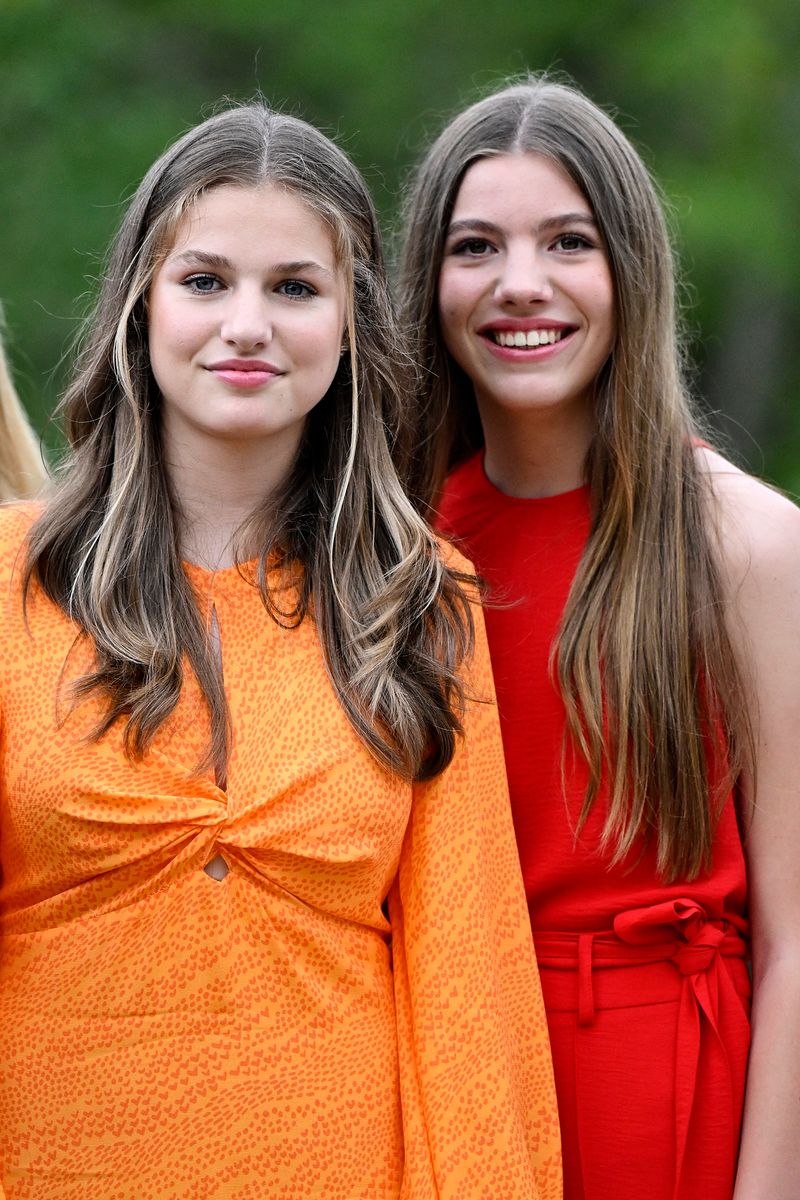 © Carlos Alvarez
One of Leonor's most memorable recent moments came during Pope Leo XIV's visit to Spain. The occasion offered another glimpse of the poised public figure she is becoming and hinted at what lies ahead.
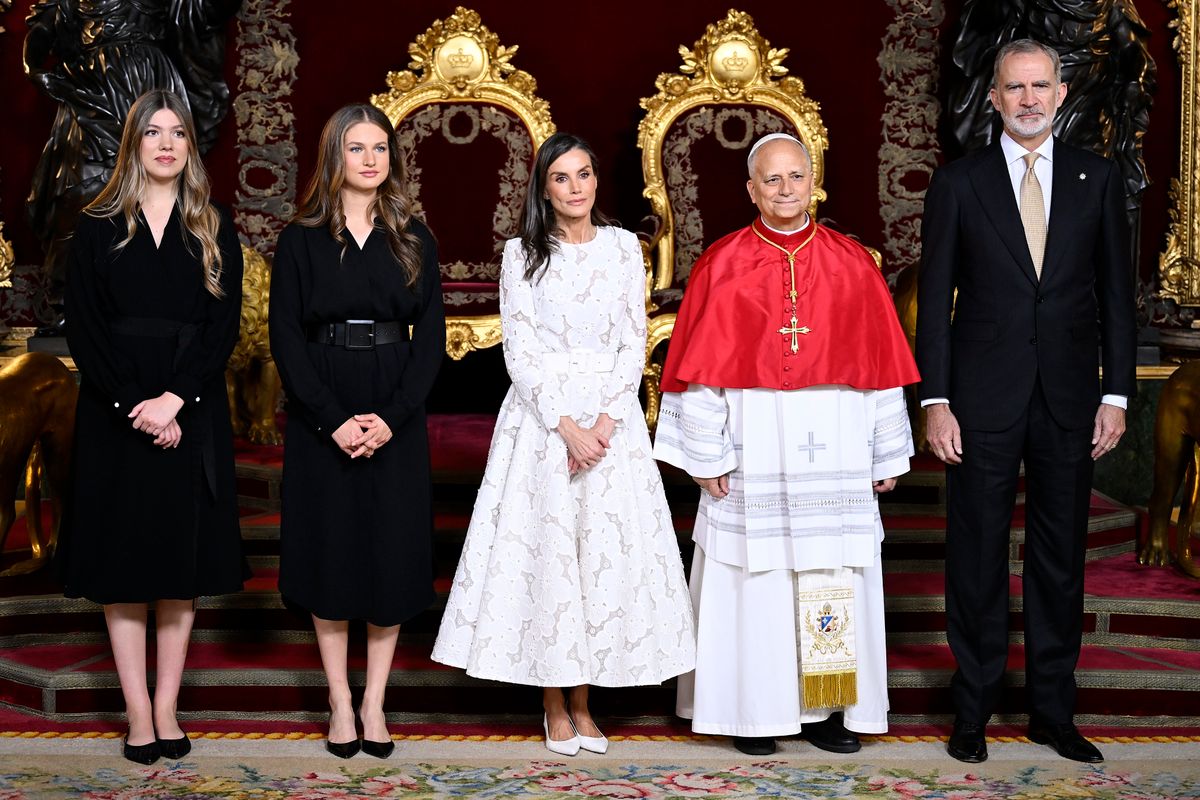 © Getty Images
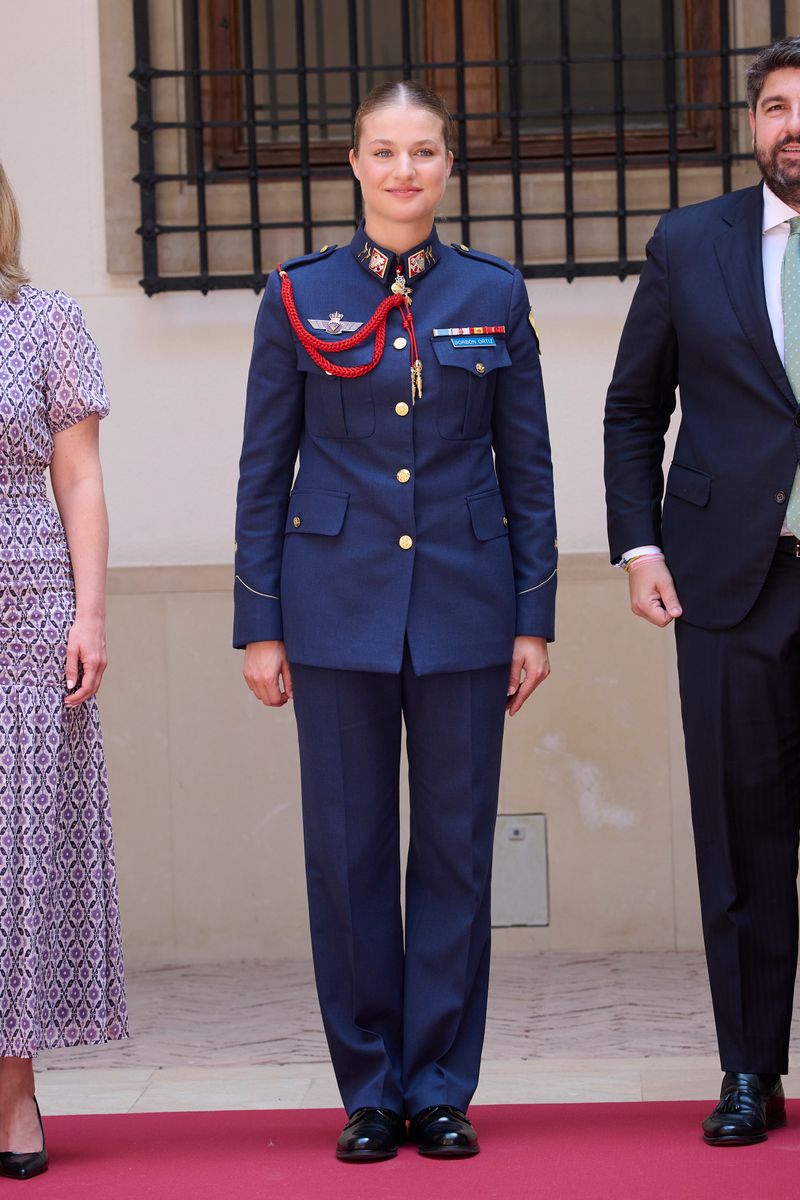
After completing her military training and receiving some of Spain's highest military honors, including the Grand Crosses of Military, Naval, and Aeronautical Merit, all awarded with the White Distinction, she is now preparing for the next stage of her education. This new chapter will take her to one of Madrid's most recognizable academic institutions, where she will begin the next phase of her preparation as Spain's future head of state.
The Royal Household announced Leonor's plans last April after she completed what has been one of the defining experiences of her development as heir to the throne. Beginning in September, the Princess of Asturias will study Political Science at Universidad Carlos III de Madrid, adding an academic foundation to the military training that has already become a key part of her preparation for the crown.
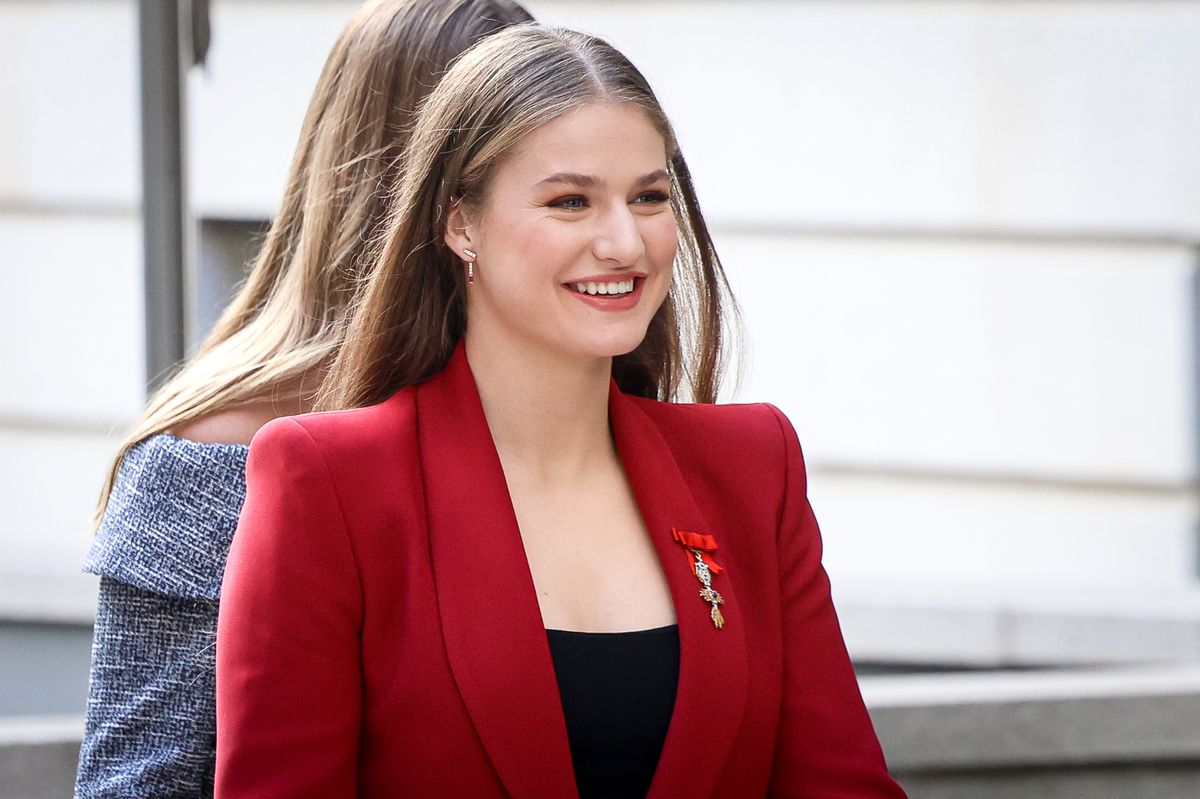 © WireImage
According to the Royal Household, she will continue to carry out official engagements while attending college, allowing her to balance public responsibilities with the personal growth that comes with university life. This new experience is expected to further prepare her for the responsibilities she will one day assume as Queen of Spain.
Prince George Heads to Eton College
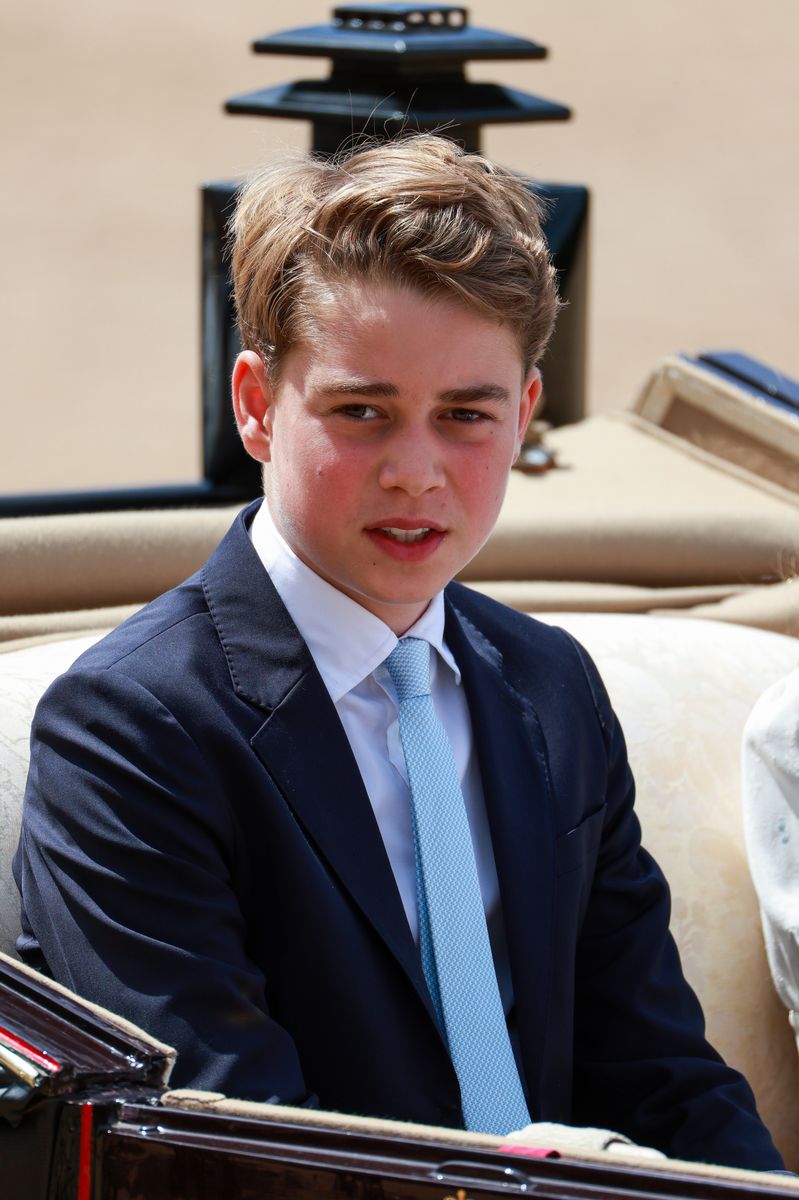
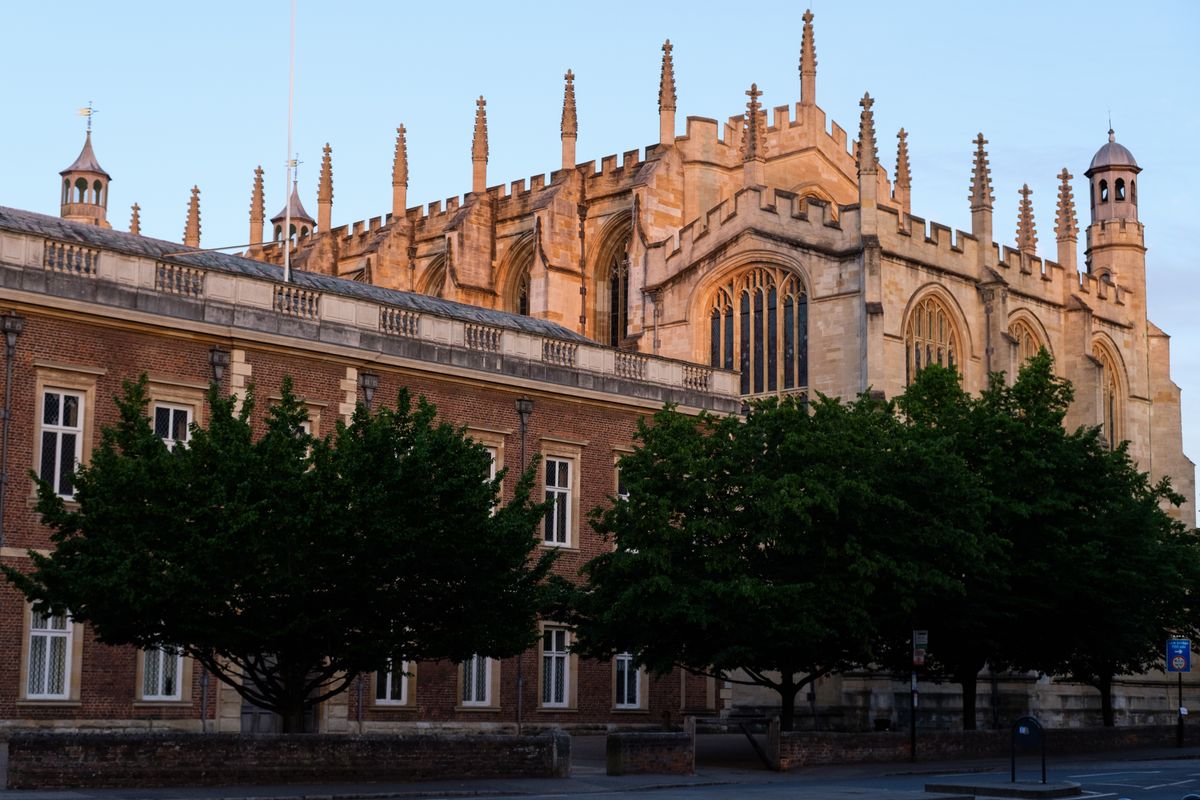
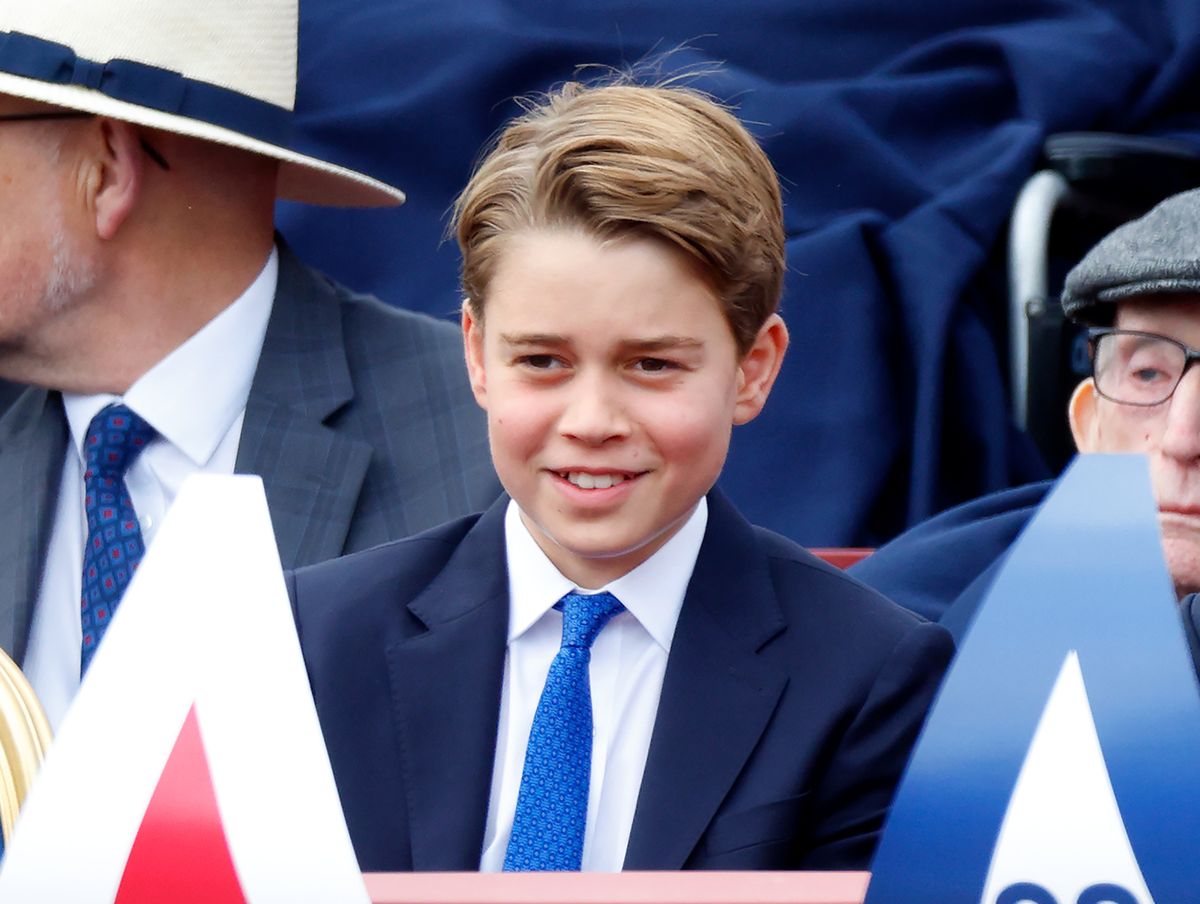
The 2026–27 school year marks the beginning of a new chapter for several of Europe's future monarchs. Among them is Prince George, the eldest son of Prince William and Princess Kate. As he continues preparing for his future role, George will begin attending Eton College this fall, following in the footsteps of both his father and his uncle, Prince Harry. Located just over a mile from Windsor Castle, the prestigious boarding school enrolls about 1,250 students and is known for its rigorous academic program.
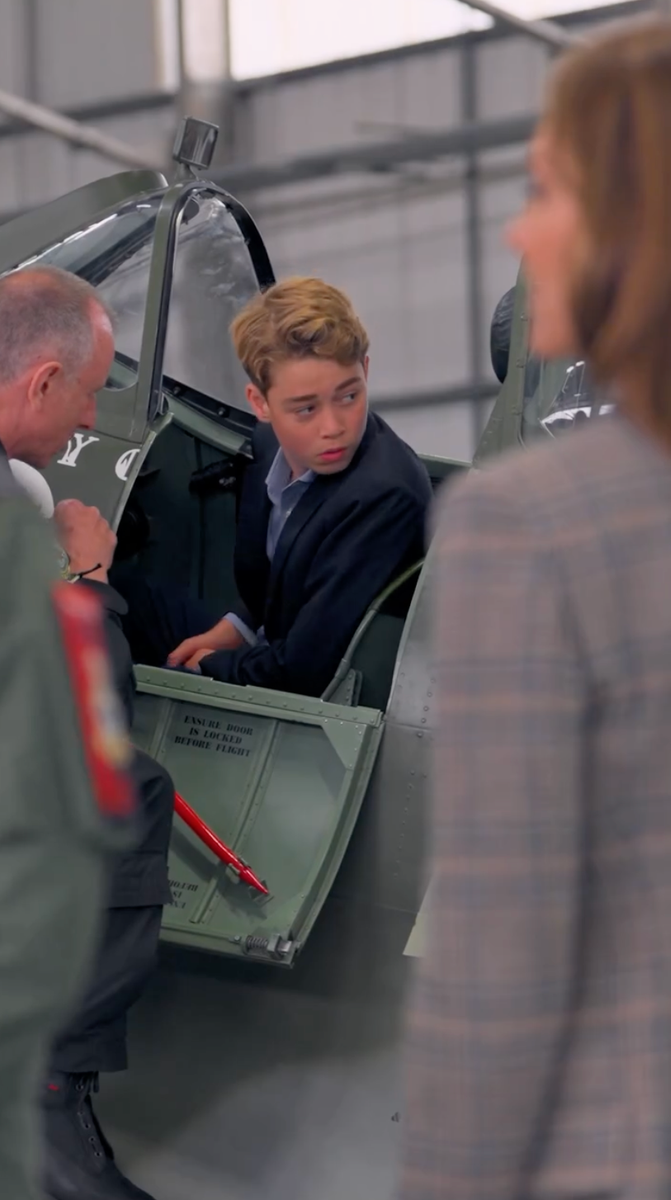 © The Prince and Princess of Wales/Instagram
For decades, Eton has served as one of the defining educational institutions for generations of Britain's political leaders, aristocracy, and members of the royal family. Attending Eton has become something of a royal tradition.
 © In Pictures via Getty Images
The school ranks among the most prestigious in the United Kingdom and has educated generations of Britain's elite, including several members of the royal family. Although George's official duties remain years away, this next stage will gradually prepare him for the public role that awaits him. In the years ahead, he will begin taking on more royal responsibilities, supported by an education that will start taking shape in the months to come.
 © Getty Images
Generation Shaped by Education and Services
This period of transition is not limited to the heirs apparent. Across Europe's royal families, younger members of the line of succession are also beginning important new chapters, each preparing for the responsibilities that may one day come with their positions.
 © Getty Images
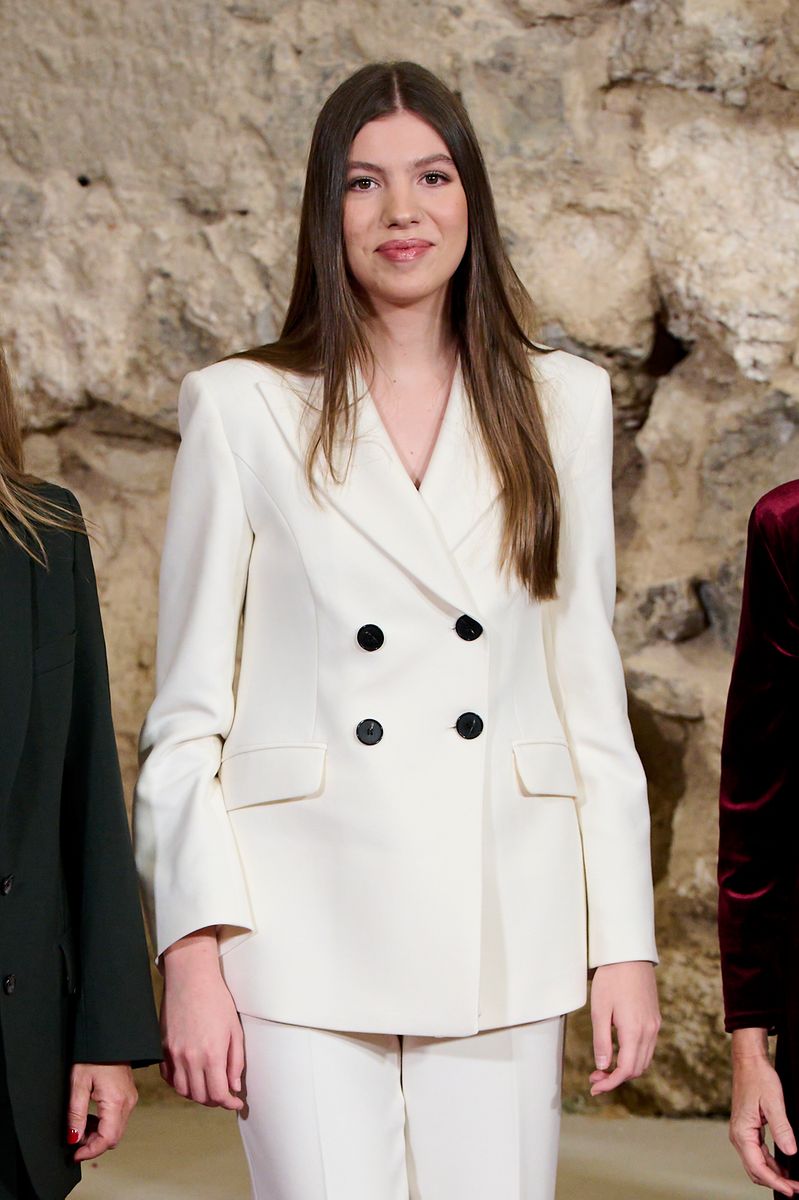
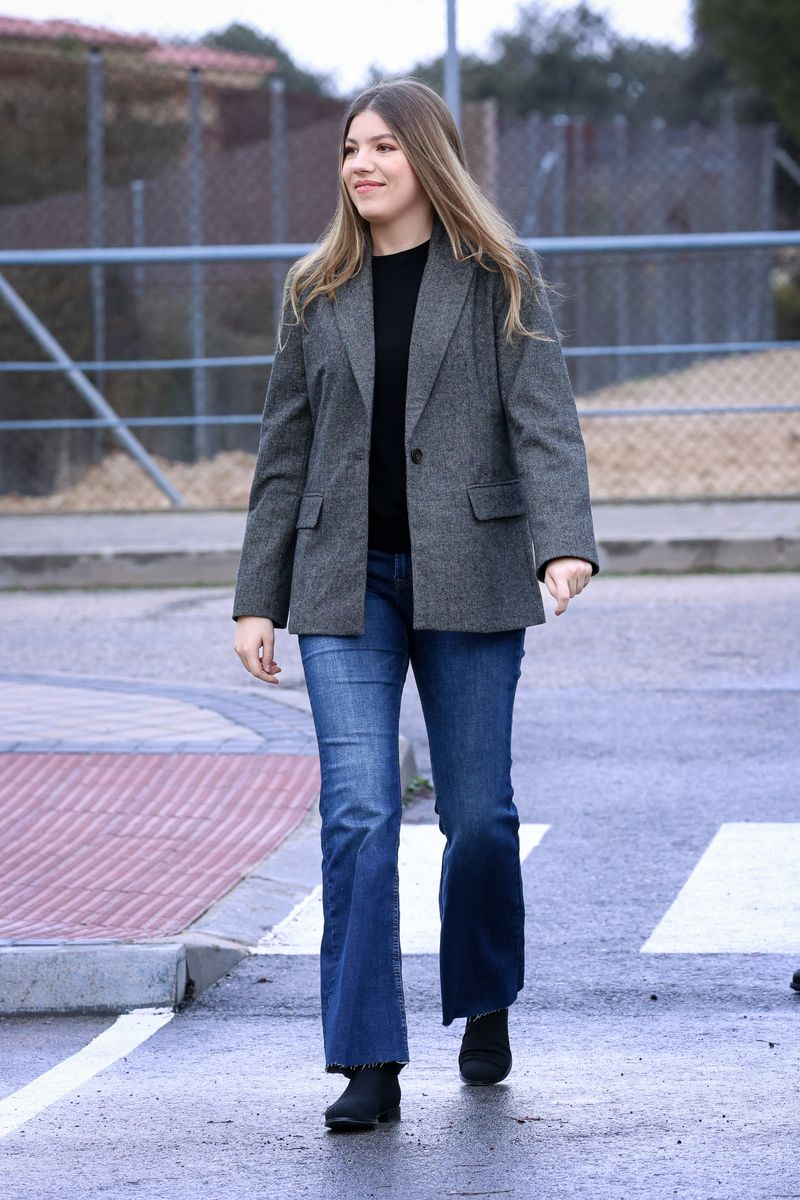
Following the example set by Princess Leonor, Infanta Sofía is also embarking on a new stage of her life. Like her sister, she chose to study Political Science, having selected the degree even before Leonor did. This fall, she will relocate from Lisbon to Paris to begin the second year of the three-year program she must complete to finish this phase of her education.
 © Getty Images
The move marks the beginning of another exciting chapter, one that is sure to bring new experiences and opportunities for personal growth during what will likely become one of the most memorable periods of her life.
Princess Isabella Chooses Military Service Over University
From Spain, attention turns to Denmark, where another princess is preparing for a very different path.
 © Martin Sylvest Andersen
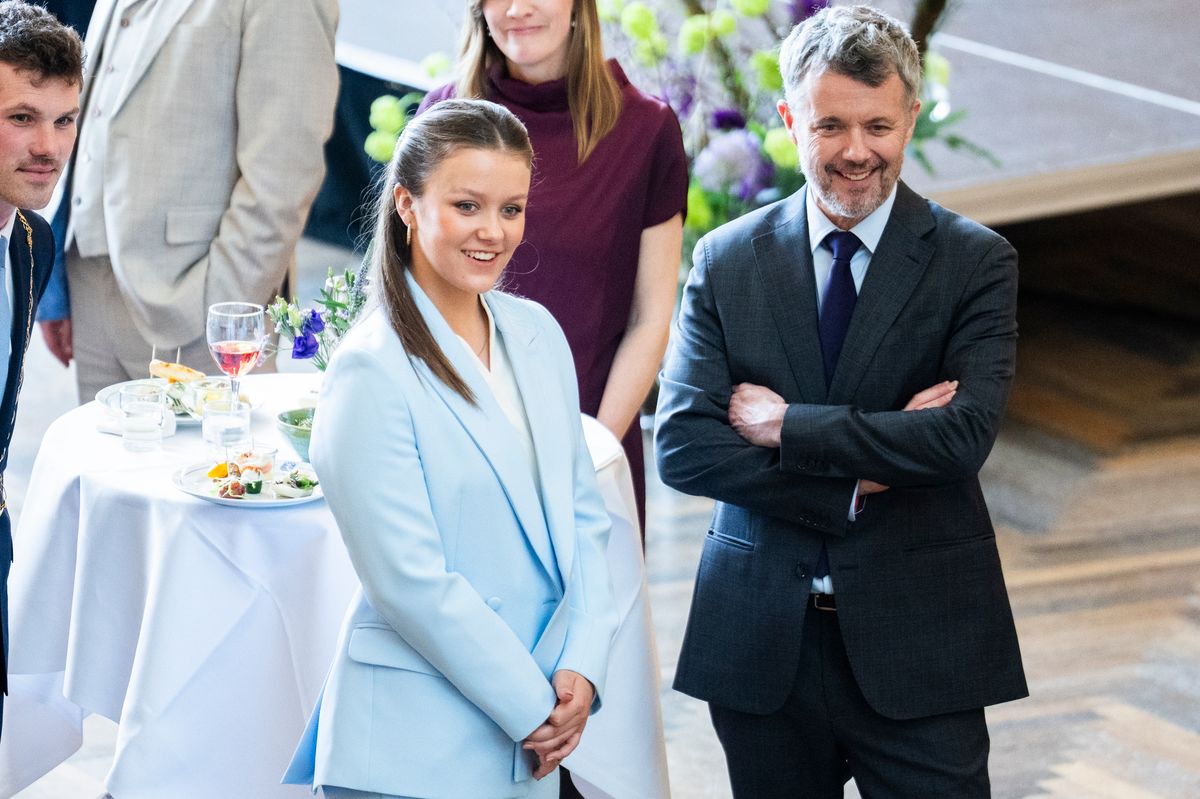
After graduating from high school, the second daughter of King Frederik X and Queen Mary will break with recent royal precedent by pursuing military service rather than heading directly to university like many of her European counterparts.
Beginning this August, Isabella will start an 11-month military training program with the Guard Hussar Regiment in Slagelse. The experience will align her preparation with the public role she is expected to fulfill in the years ahead, giving her firsthand experience in one of Denmark's most respected military institutions.
 © Martin Sylvest Andersen
Her decision reflects the growing emphasis that many European royal families place on practical training and public service as part of preparing younger generations for future institutional responsibilities.
Princess Ariane Takes an Unconventional Academic Path
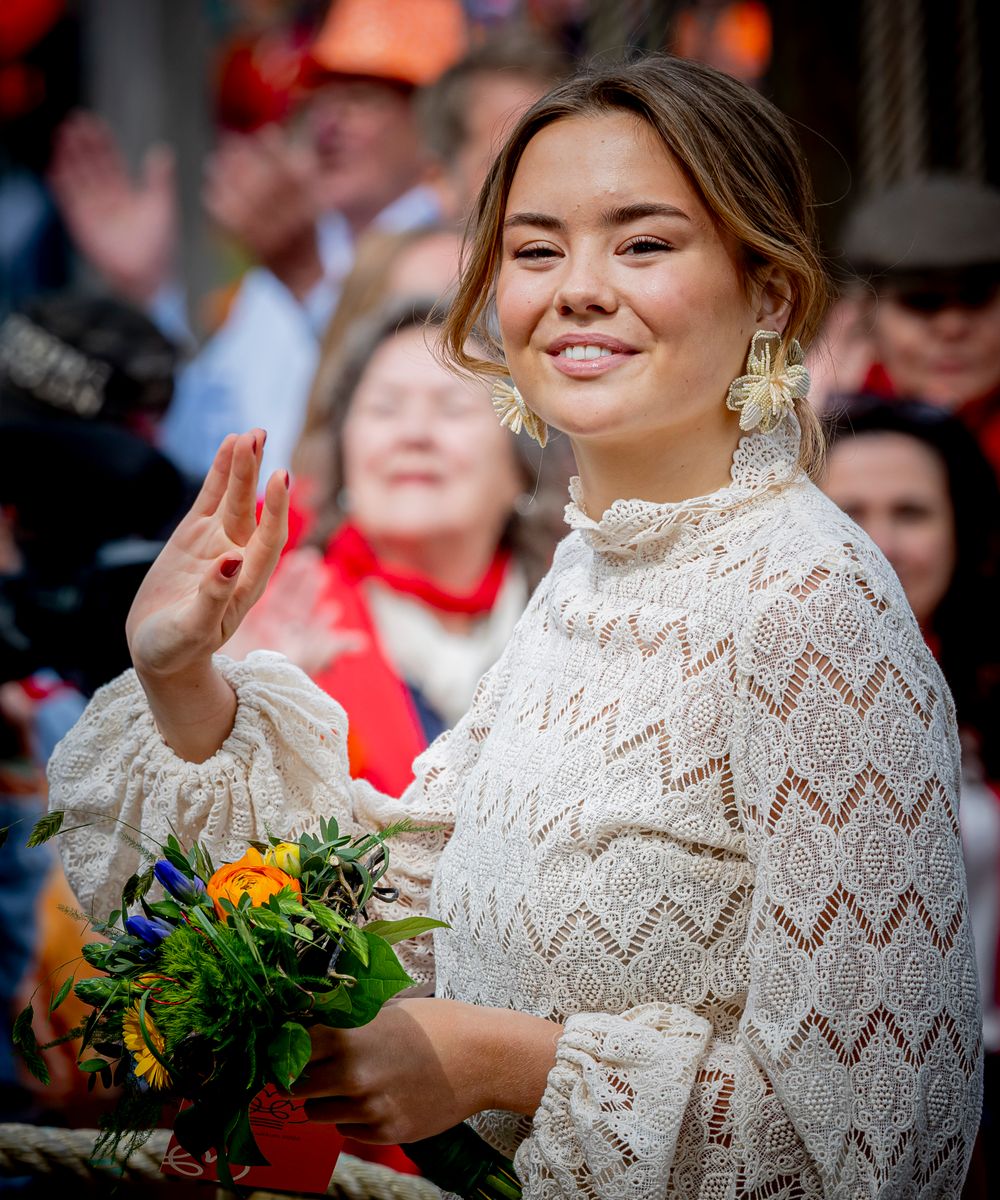
Another young royal who is about to begin an important new chapter is Princess Ariane of the Netherlands, the youngest daughter of King Willem Alexander and Queen Máxima.
 © Patrick van Katwijk
Although she is not first in line to the throne, Ariane has already begun assuming a more visible public role. She recently made one of her most significant appearances to date at the Royal Palace in Amsterdam, signaling her gradual introduction to official royal life.
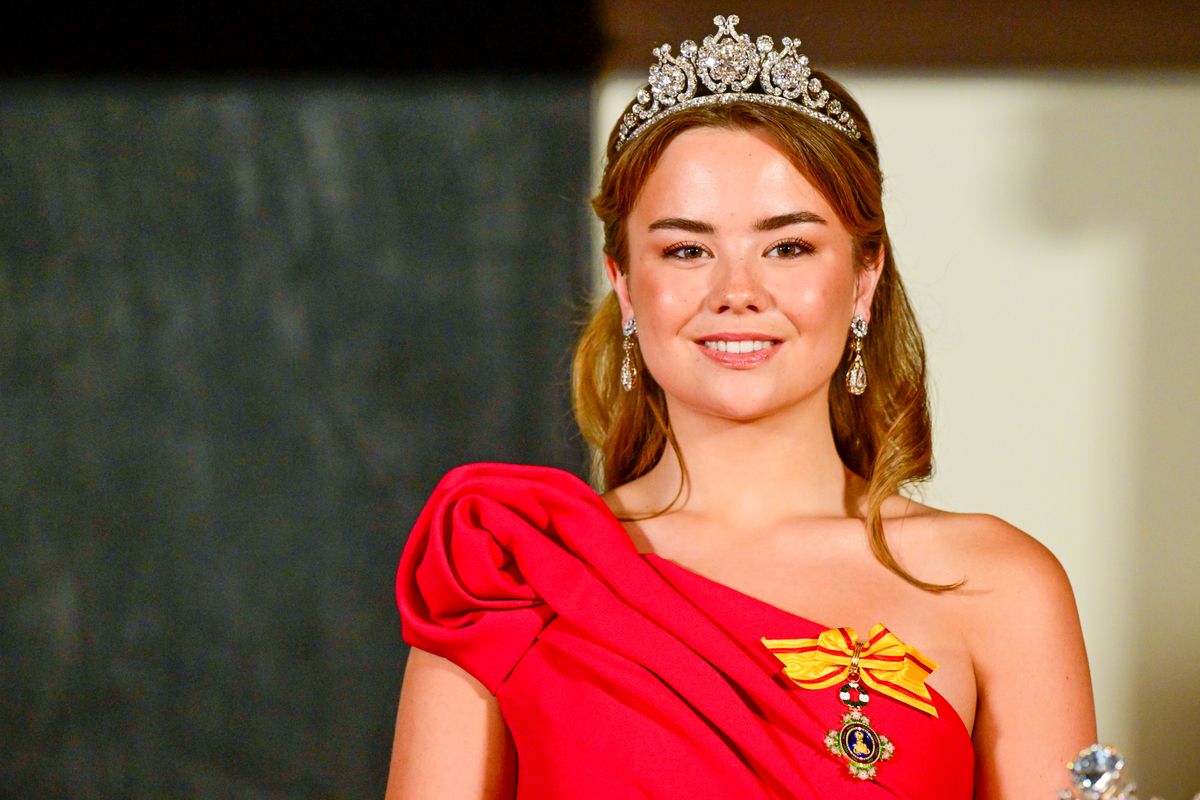
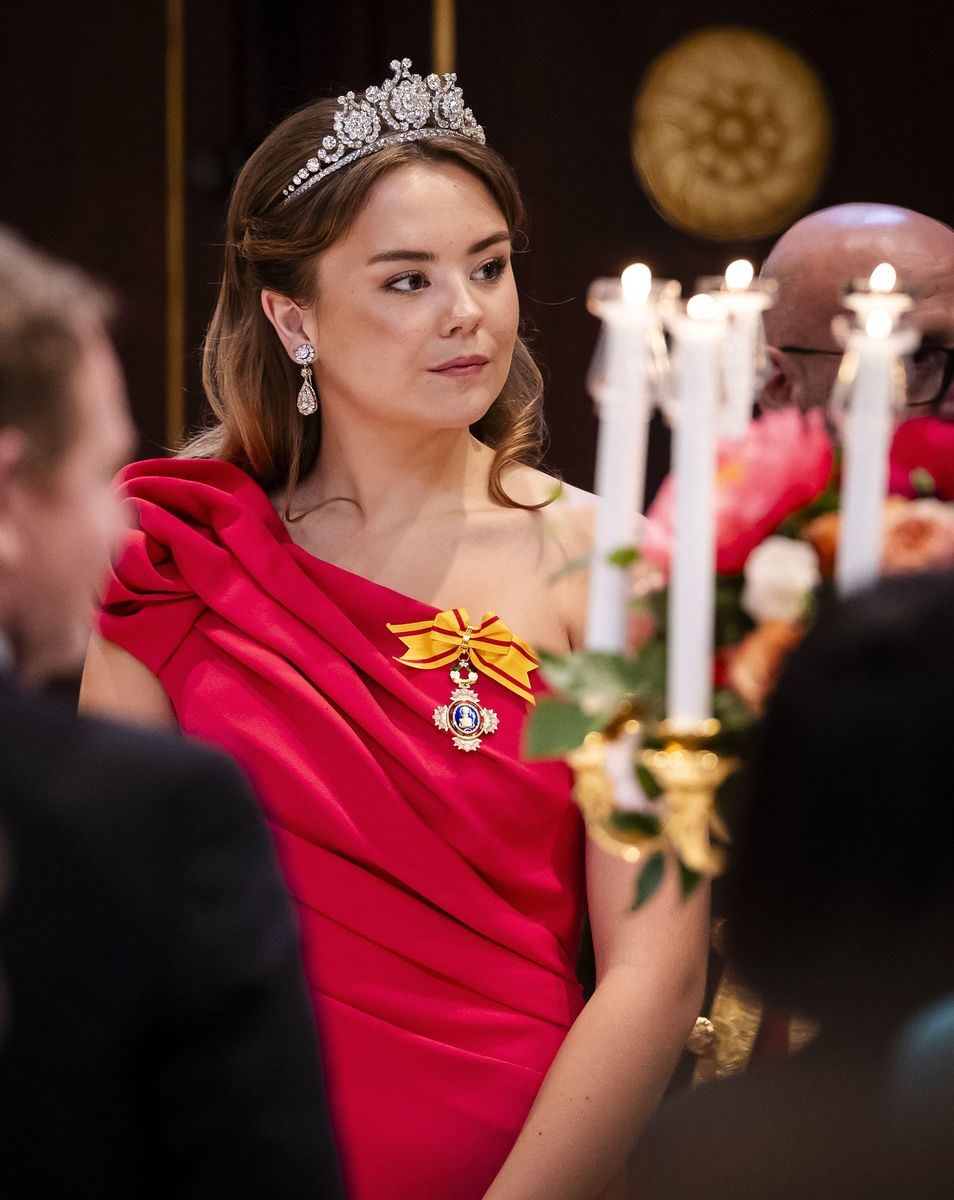
Only a few days later, she attracted international attention when she wore Queen Emma's diamond tiara during the state banquet honoring the Emperor and Empress of Japan. The appearance offered another glimpse of her growing confidence on the public stage as she prepares for the next step in her education.
 © ANP
© ANPThis fall, Princess Ariane will begin studying Aerospace Engineering at Delft University of Technology, better known as TU Delft. Founded in 1842, the university is one of Europe's leading technical institutions and is internationally recognized for its excellence in engineering, technology, design, and applied research.
Choosing one of the world's most demanding engineering programs reflects the increasingly diverse paths Europe's young royals are taking as they prepare for their future roles. Rather than following identical educational models, today's royal families are encouraging each generation to build expertise in fields that will help them navigate the challenges of modern public life.
 © Patrick van Katwijk
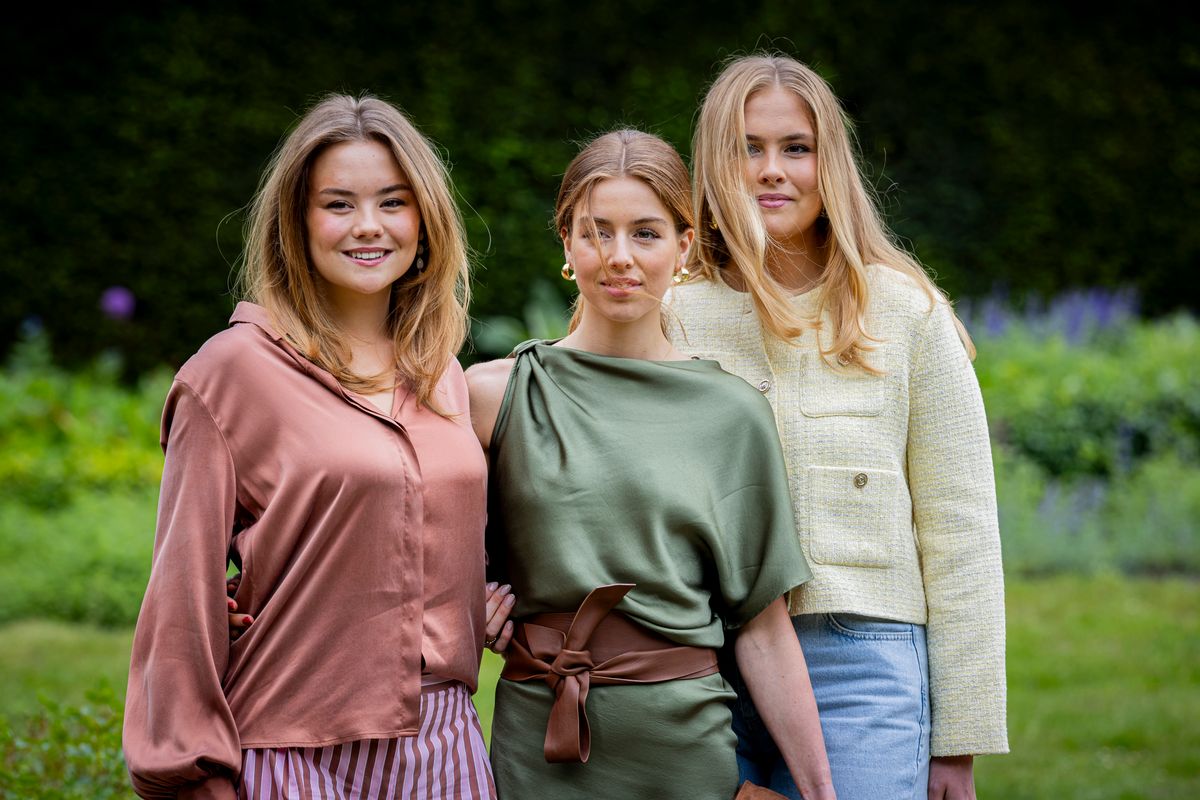
Like the other princesses of her generation, Ariane is entering a new phase that will prepare her, through a path uniquely her own, for the institutional responsibilities she may one day assume.
Although each of these young royals is following a different course, they all share the same goal: preparing for a lifetime of public service.
 © WireImage
Whether through university studies, military training, or an increasingly active role in official engagements, Europe's next generation of royals is gradually stepping into the spotlight. Their education is about far more than earning degrees or gaining professional experience. It is designed to equip them for lives defined by duty, representation, and national service.
The roads they travel may differ, but they are all moving toward the same destination. One day, each will be called upon to represent the institution they were born into and help shape the future of their respective monarchies.