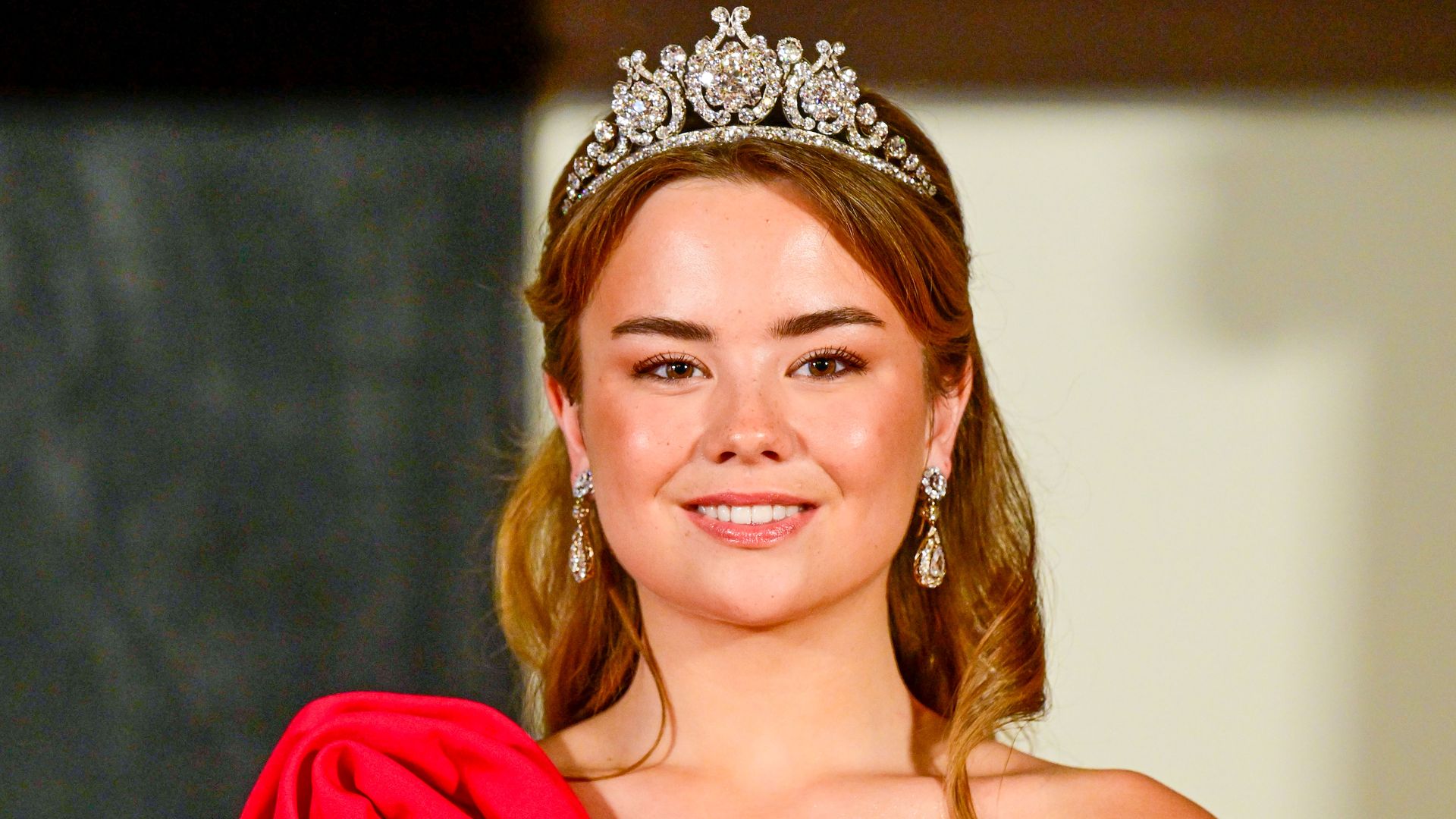
Princess Ariane of the Netherlands emerged as the star of a historic state banquet held at the Royal Palace in Amsterdam during the official visit of Japan’s Emperor Naruhito and Empress Masako.
The evening marked a major milestone for the 19-year-old royal, who made her international debut at an event of such significance while taking on an increasingly visible role within the Dutch monarchy.
 © ANP
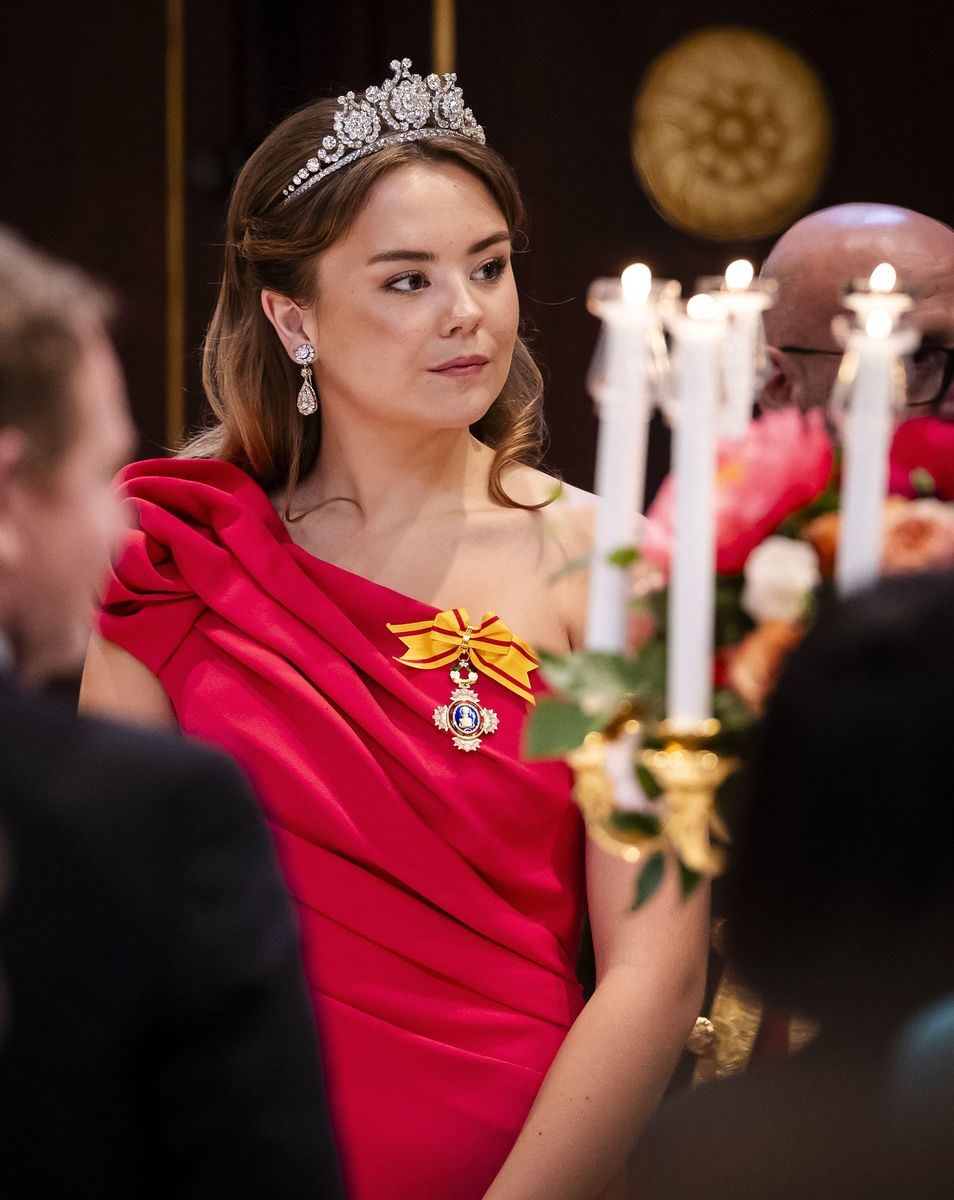
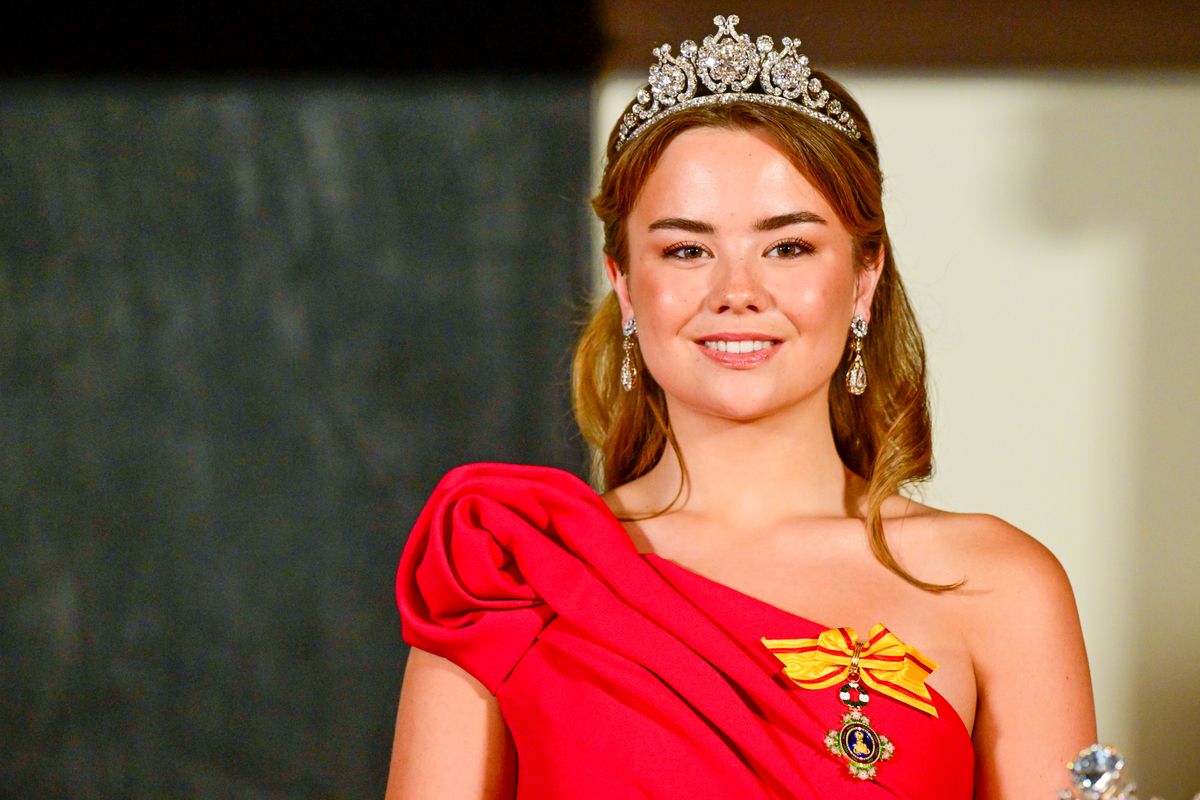
© ANPThe youngest daughter of King Willem-Alexander and Queen Máxima wore one of her mother's tiaras for the very first time, drawing from the treasured collection of the House of Orange-Nassau.
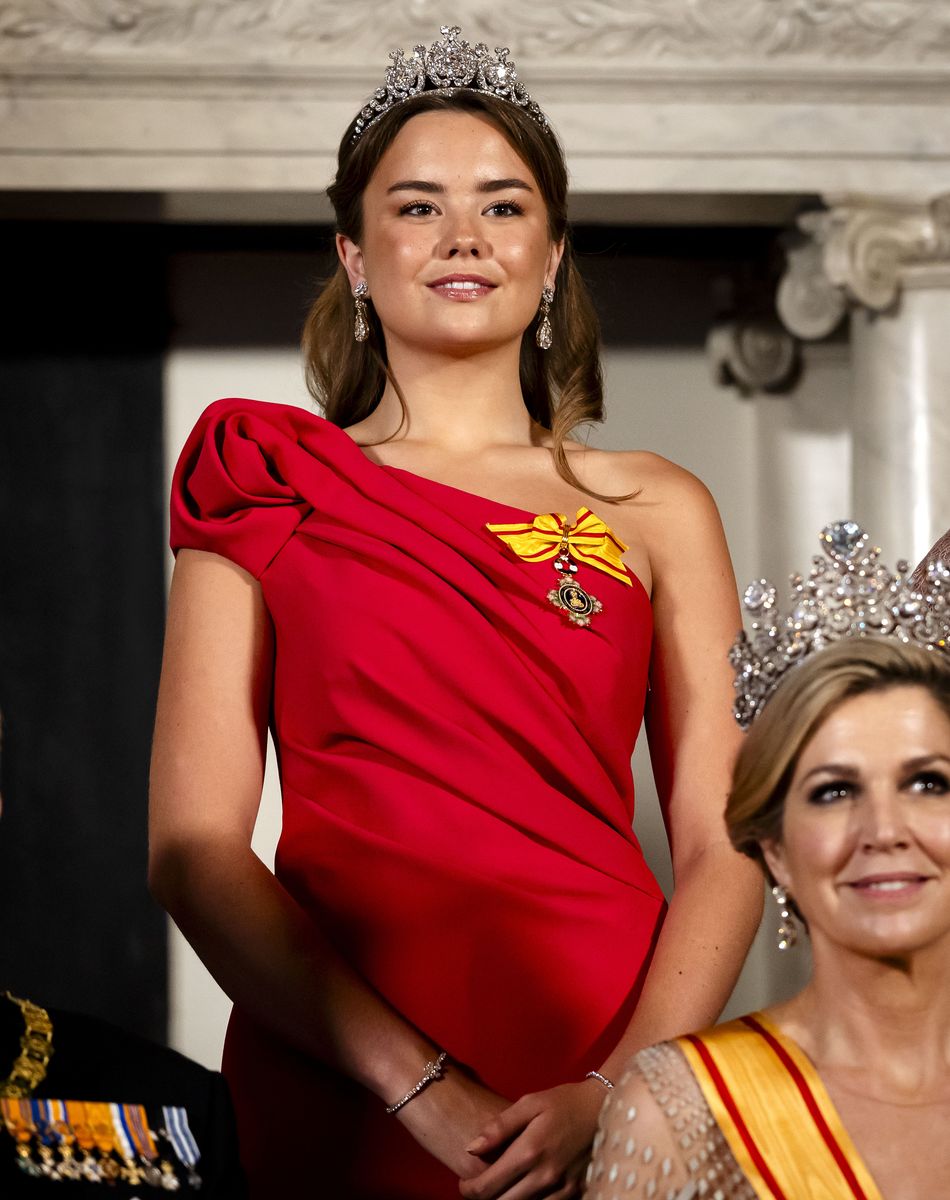
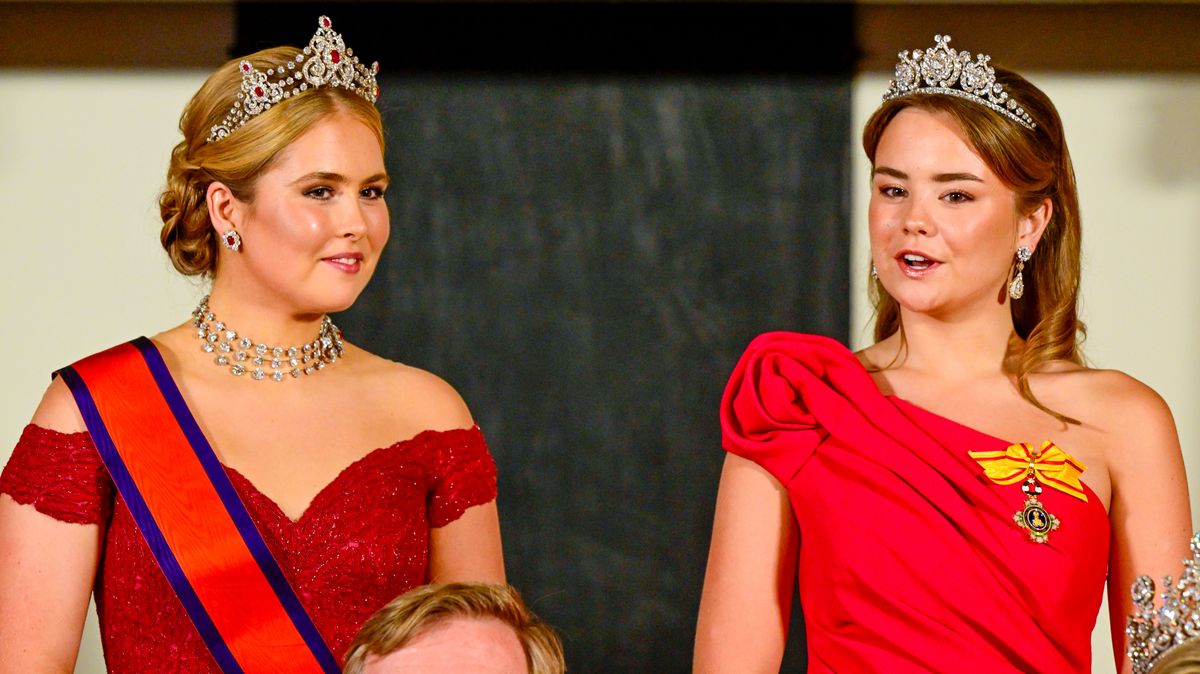
For the occasion, Ariane chose the Queen Emma Diamond Tiara, a historic jewel whose debut on the young princess carried deep dynastic symbolism and centuries of royal history.
A legacy of diamonds and history:
A princess's first tiara appearance is often regarded as a royal rite of passage, typically reserved for the moment she reaches adulthood and is entrusted with some of her dynasty’s most treasured jewels. This time, it was Princess Ariane's turn.
 © ANP/Shutterstock
At 19, Ariane stepped into the spotlight wearing the Queen Emma Diamond Tiara, a piece that entered the Dutch royal collection in 1890 when King William III gifted it to his wife, Queen Emma.
Following the king’s death, the tiara became closely associated with the widowed queen and evolved into a symbol of enduring love and devotion.
 © DPPA/Sipa USA
The tiara features three large diamond floral motifs centered around prominent stones and surrounded by smaller brilliant-cut diamonds. It was designed to be worn with or without the five diamond stars Queen Emma received as a wedding gift. The more elaborate version, adorned with the stars, was last worn by Queen Wilhelmina.
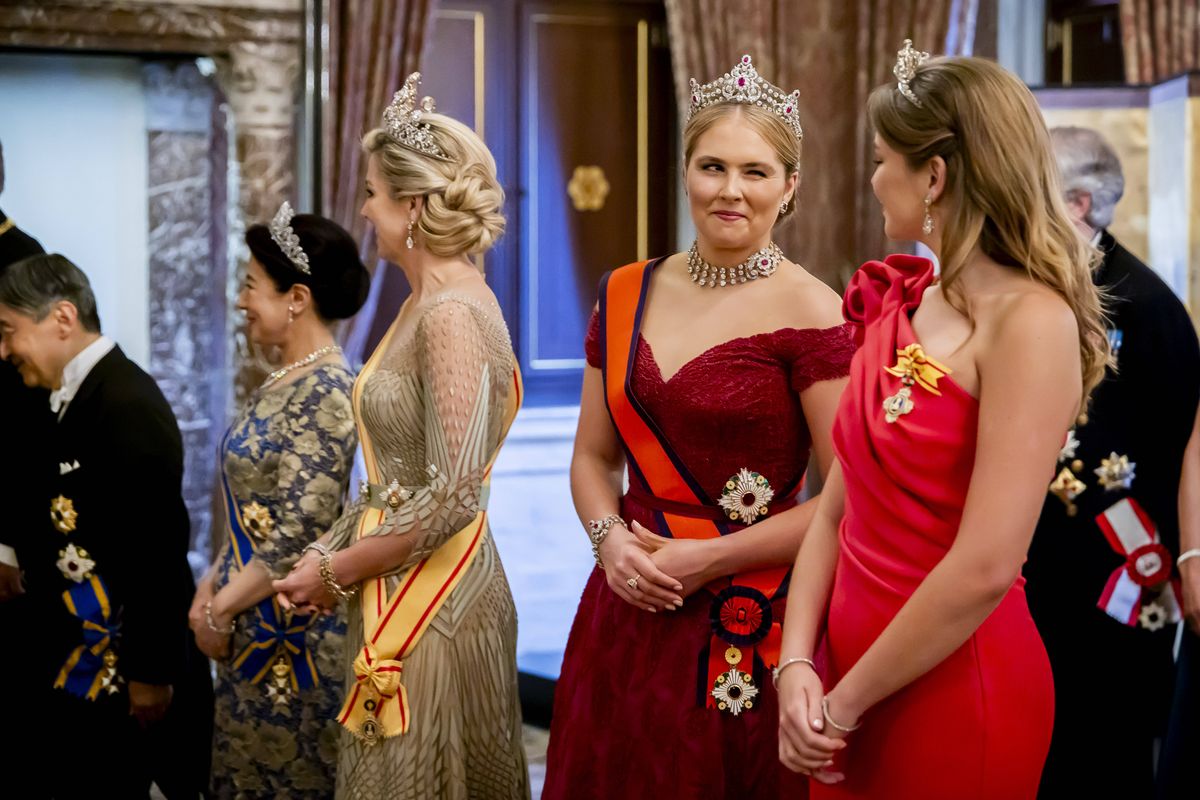
Beyond the historical significance of the jewel itself, Ariane’s tiara debut represents a defining moment in her public life. Although she is not the direct heir to the throne, a princess's first tiara appearance remains one of the most symbolic milestones within European royalty.
 © PPE
© PPEHistorically, the grand jewels of royal collections are reserved exclusively for major state occasions, making every debut carefully considered and rich in meaning.
As third in line to the Dutch throne, Ariane's choice connected her to generations of women from the House of Orange-Nassau. The gesture signaled the beginning of a new chapter, one in which her role within the monarchy is becoming increasingly representative and public-facing.
The beginning of a new chapter:
Princess Ariane's transition into adulthood extends beyond royal duties.
After completing the International Baccalaureate program at the United World College Adriatic in Duino, Italy, the Dutch royal embarked on a gap year that is now nearing its conclusion.
 © PPE
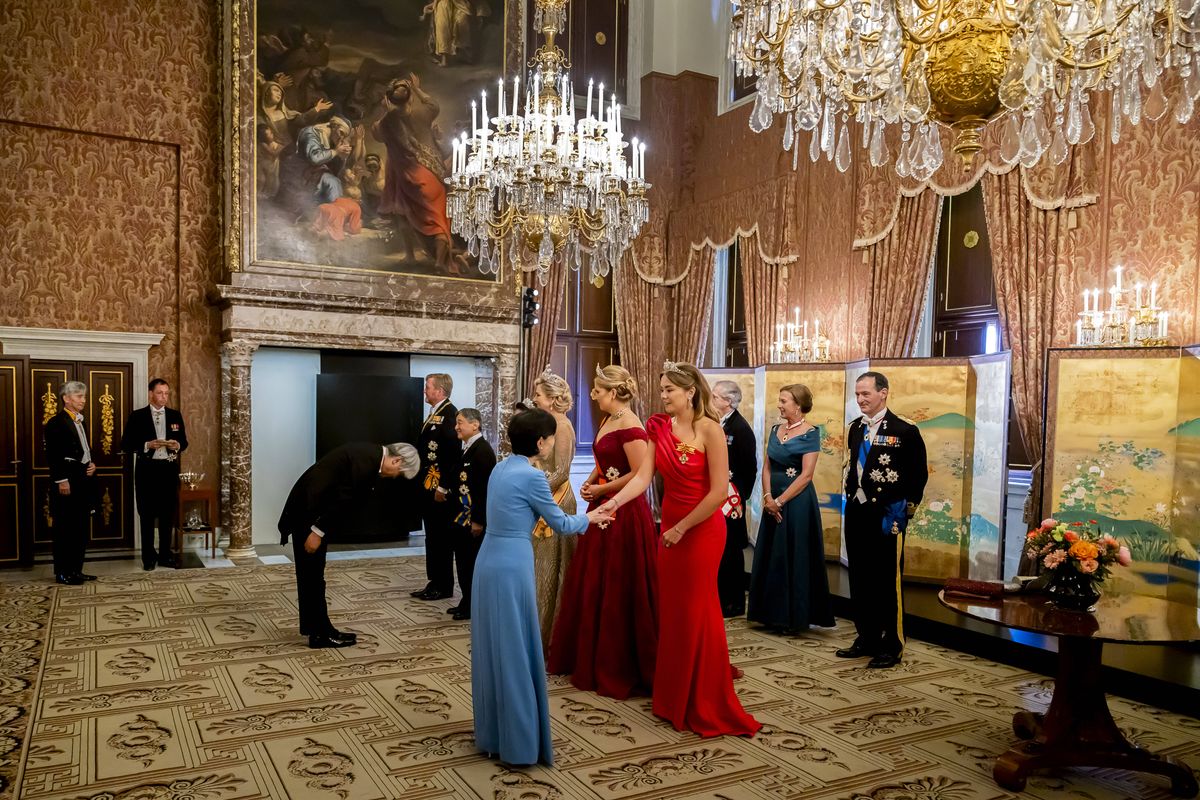
© PPEDuring King’s Day celebrations in April, the Royal House announced that Ariane will begin studying aerospace engineering at Delft University of Technology, one of the Netherlands' most prestigious institutions.
The public university maintains partnerships with organizations and companies including NASA, the European Space Agency (ESA), Boeing, Airbus, Intel, Microsoft, Philips, and ASML, making it one of Europe's leading centers for technological innovation.
Strengthening Dutch-Japanese ties:
Ariane's highly anticipated debut also underscored the Dutch government's efforts to strengthen ties with Japan, whose imperial family represents the world's oldest continuing hereditary monarchy.
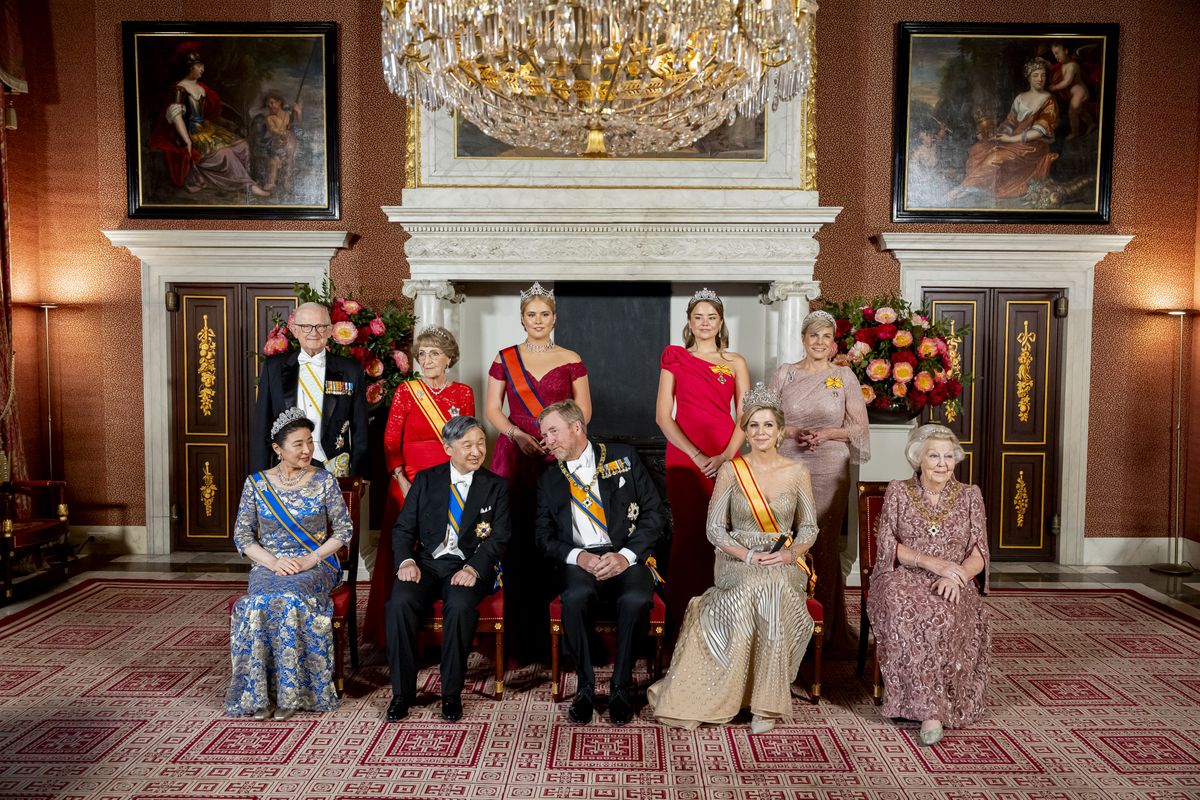
Granting the princess such a prominent international debut carries special significance within European royal circles. Not only does it mark an important milestone in Ariane's life, but it also reflects the close relationship between the Dutch House of Orange-Nassau and Japan's Imperial House of Yamato.
 © Frank van Beek/Sipa USA
That connection is perhaps most visible in the friendship between Queen Máxima and Empress Masako.
For many years, Empress Masako stepped away from public life while dealing with what was described as an adjustment disorder and other personal challenges.
 © Shutterstock
Over time, it became known that Queen Máxima remained a supportive friend, encouraging Masako to gradually resume her public duties and reassuring her that she would be warmly welcomed.
As a result, one of Masako's most notable returns to the international stage came alongside Queen Máxima during a state visit that helped restore some of the empress's public prominence.
Now, as Princess Ariane steps into a more visible royal role, those longstanding bonds between the two royal houses are once again being highlighted through the future of the Dutch Crown.