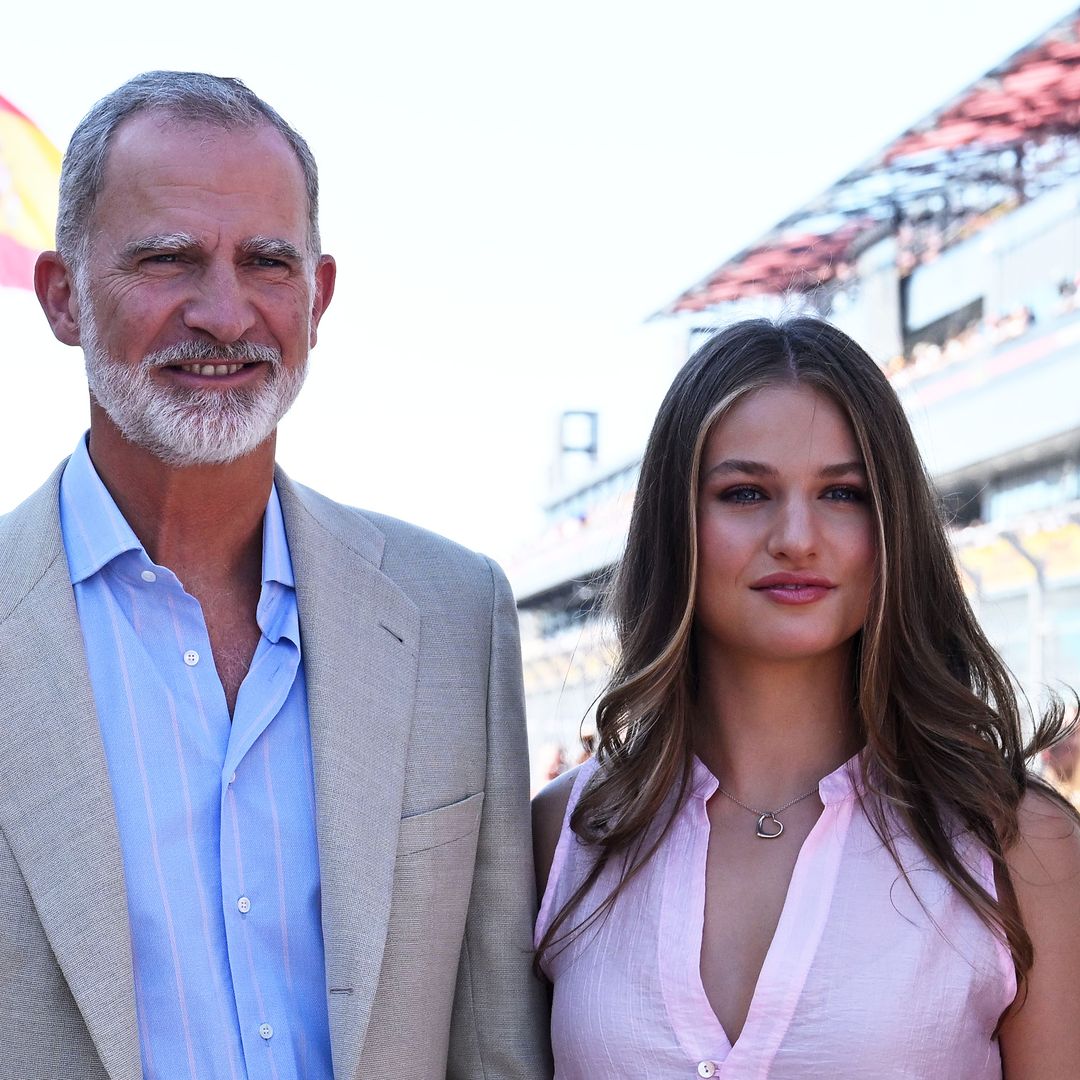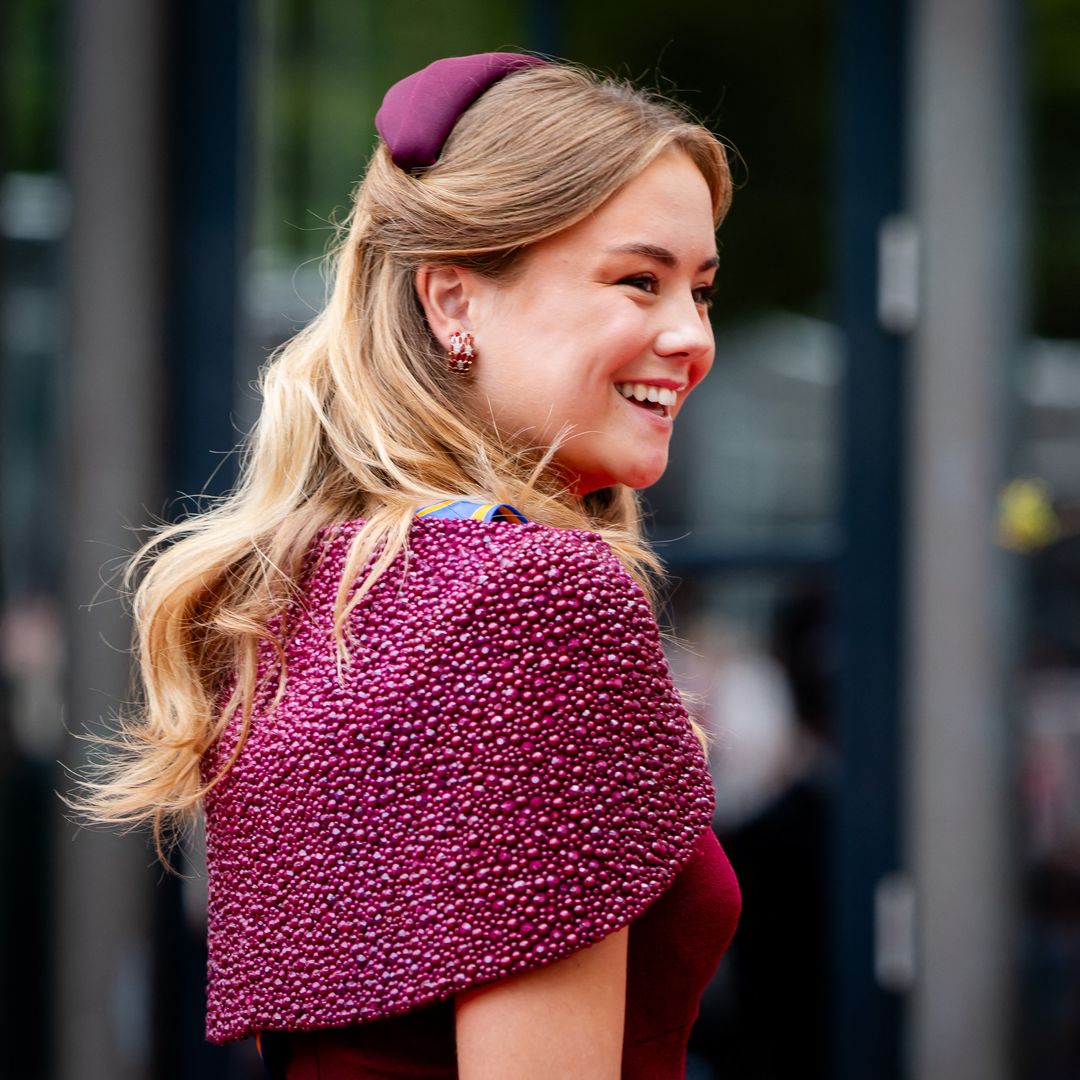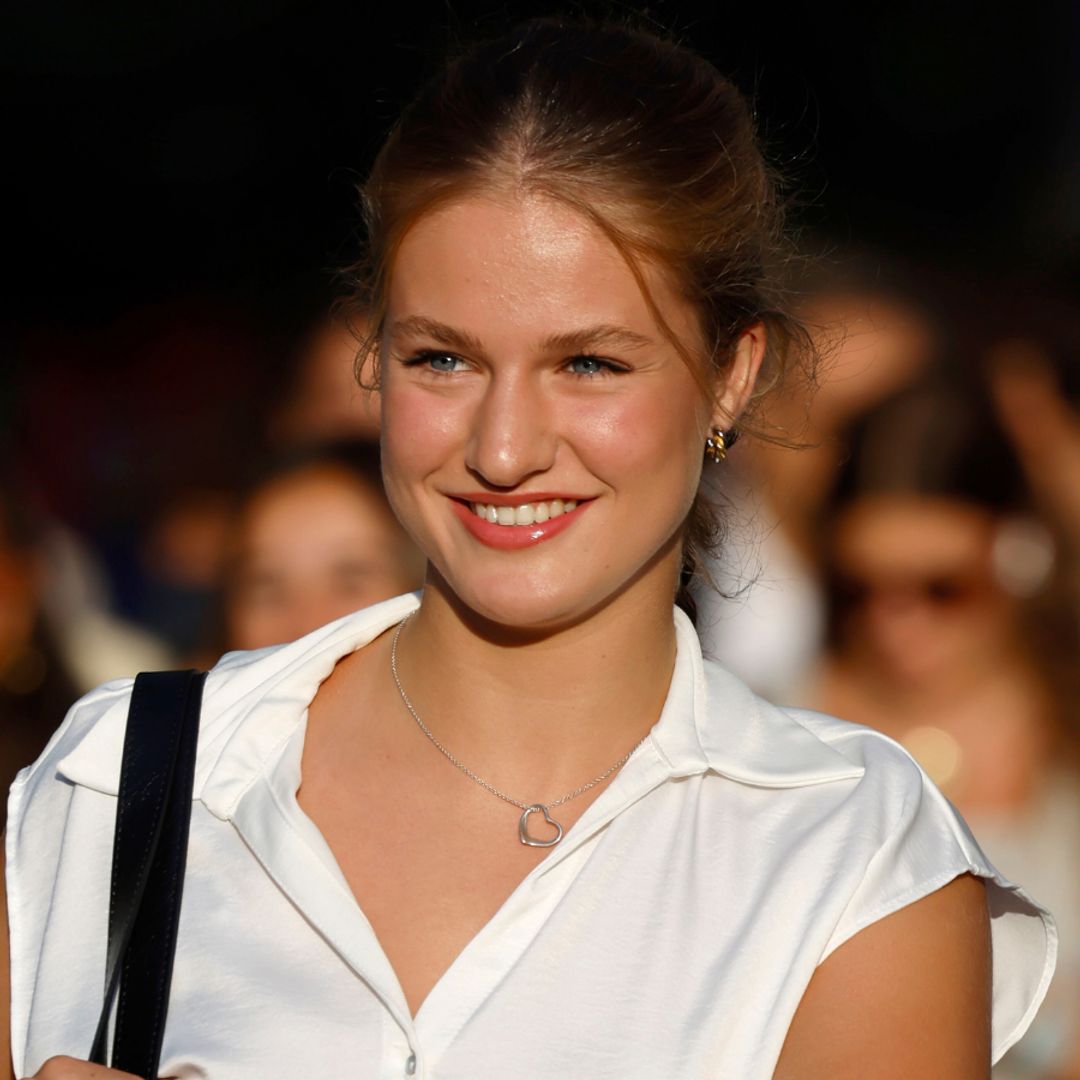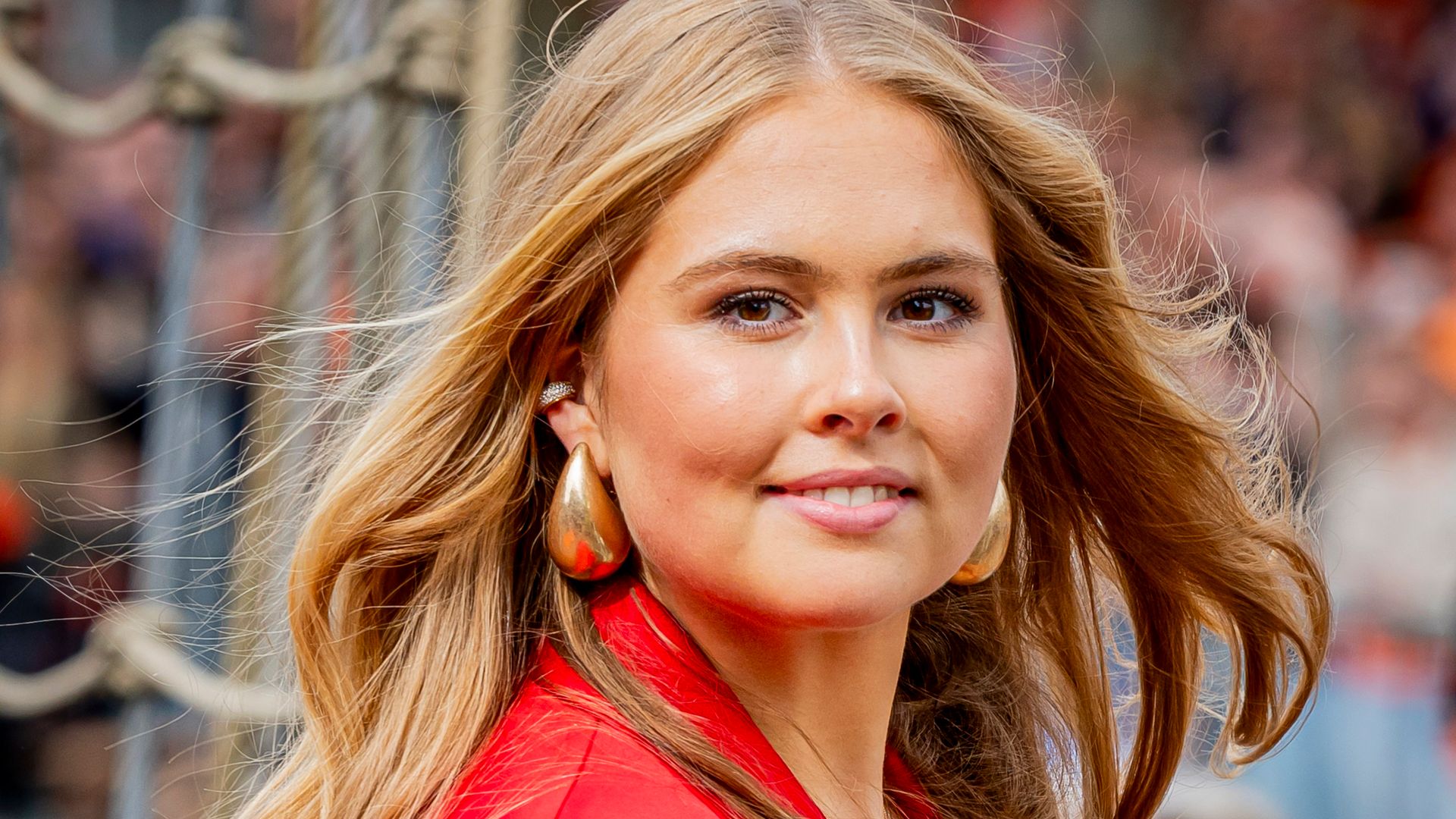
For decades, women appeared to be relegated from the highest offices of state. However, Europe’s future will be defined by six heiresses destined to carry the crowns of their respective countries, rising within a present still largely shaped by male monarchs following the end of two historic eras.
Princess Leonor:
The abdication of Queen Margrethe II of Denmark marked a definitive farewell, making her, after the passing of Queen Elizabeth II, the last reigning queen in Europe in her own right.
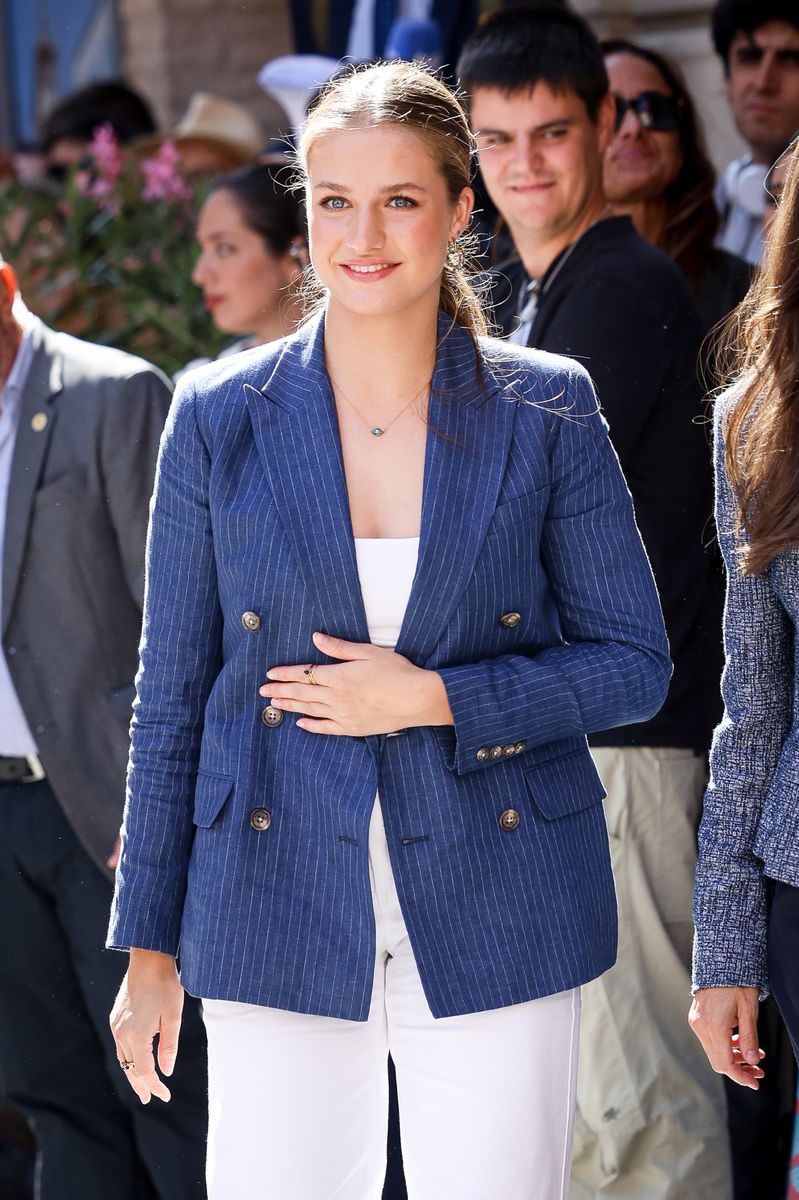 © Getty Images
This shift in history effectively removed women from the European monarchical map for the first time since the 19th century, ushering in a new era led by princesses such as Leonor of Bourbon and Ortiz.
Born on October 31, 2005, Leonor has been Princess of Asturias since 2014, also Princess of Girona and Viana, and is first in line to the Spanish throne.
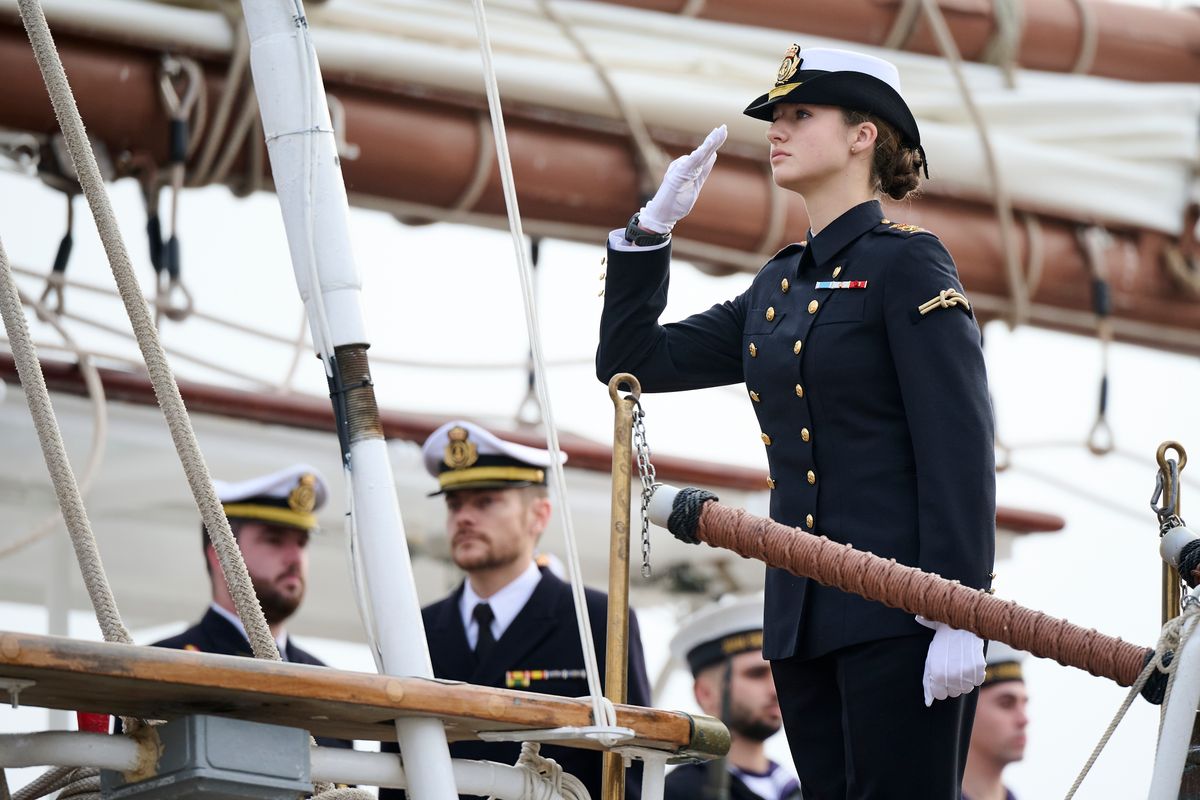 © WireImage
From birth, she has been prepared to embody the continuity of a three-century-old dynasty. Her role has become increasingly prominent through her military training and her oath to the Constitution, marking the path toward a future reign defined by duty, commitment, and institutional presence.
Elisabeth of Belgium:
One of Princess Leonor’s counterparts is the eldest daughter of King Philippe and Queen Mathilde of Belgium. Born on October 25, 2001, Princess Elisabeth, Duchess of Brabant, is destined to become Belgium’s first reigning queen in her own right.
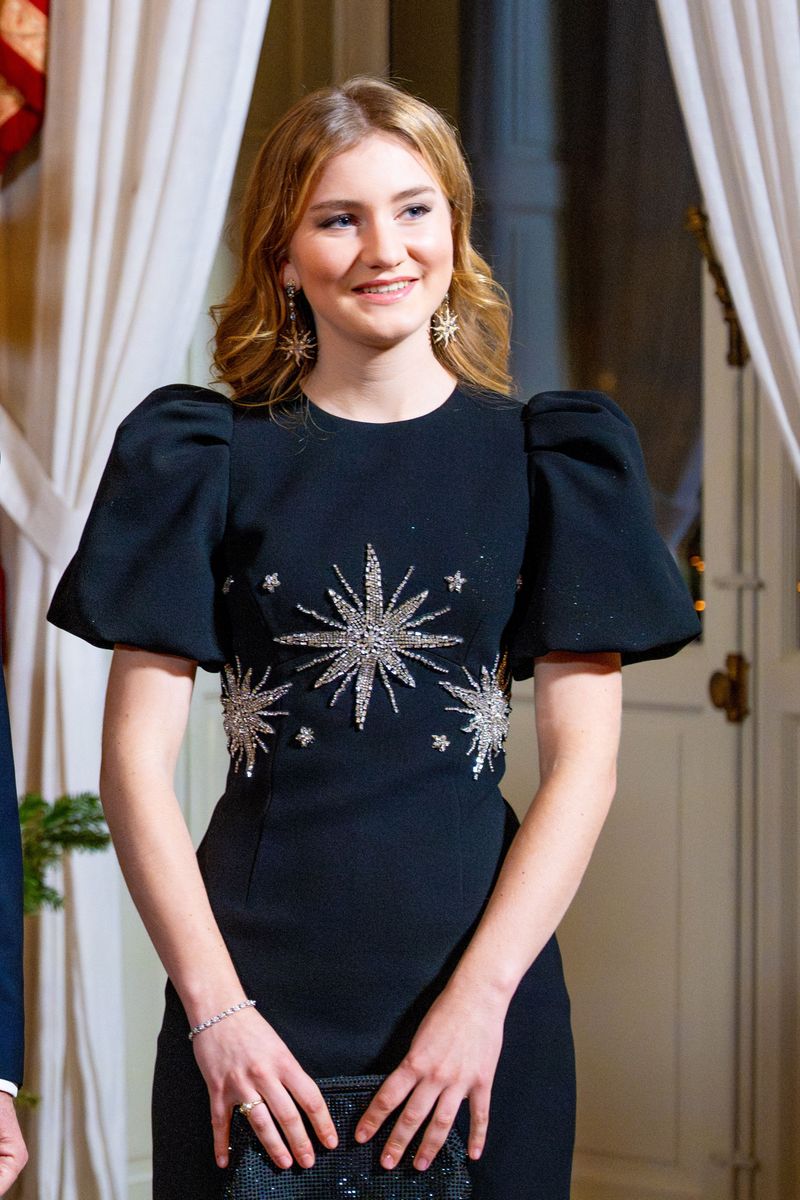 © Shutterstock
Since birth, she has been a central figure in the country, receiving a tailored education designed for her future role, which has grown increasingly visible over time.
Elisabeth completed intensive training at the Royal Military Academy in Brussels, later studying History and Politics at Oxford University. She combined this with continued military preparation before moving to the United States, where she is pursuing a master’s degree in Public Policy.
 © Max Mumby/Indigo
Alongside her academic path, she has expanded her international presence, attending high profile royal events such as the wedding of Jordan’s Crown Prince Hussein and Princess Rajwa, and a gala in Luxembourg marking the accession of Grand Duke Guillaume. Her trajectory positions her as a reference point for her peers, who are navigating a similar stage of life and royal preparation.
Amalia of the Netherlands:
The Princess of Orange was born on December 7, 2003. Her birth continued a tradition of female rulers in the Netherlands, where queens have reigned in their own right for over a century, from Queen Wilhelmina onward, until the accession of King Willem-Alexander.
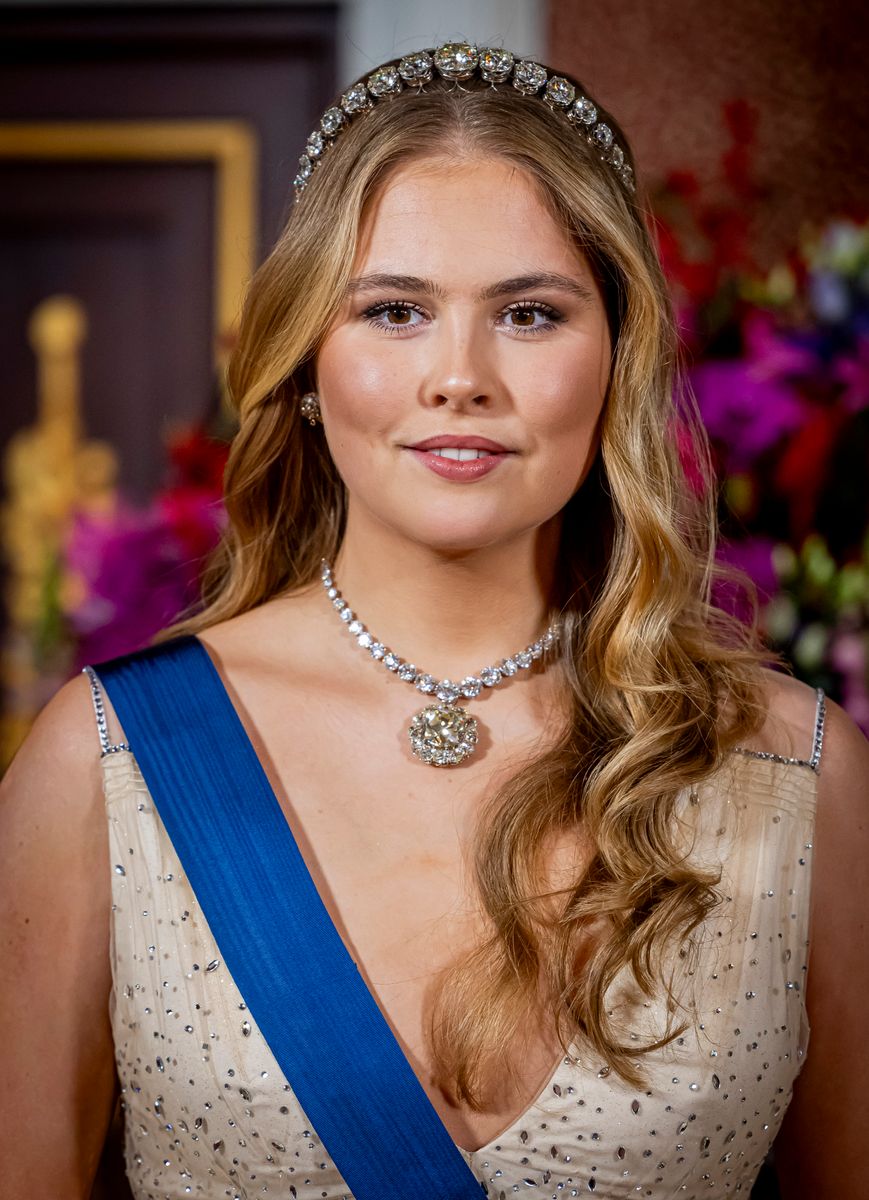 © WireImage
Princess Amalia is expected to restore this female lineage in the future, continuing a legacy defined by public service and historical significance.
Graduated in Politics, Psychology, Law and Economics (PPLE), she continues her rigorous education while preparing for her future role as queen. She is currently studying Law at the University of Amsterdam, expanding on her academic foundation.
 © Splash News/The Grosby Group
Like her counterparts, her formation also includes a military component, though in a more symbolic form. She will not serve as Commander-in-Chief of the Dutch Armed Forces as Princess Leonor will in Spain.
However, she participates in the Defensity College programme of the Dutch Ministry of Defence after completing the General Military Training (AMO), reflecting her preparation for institutional duties and visibility.
Crown Princess Victoria of Sweden:
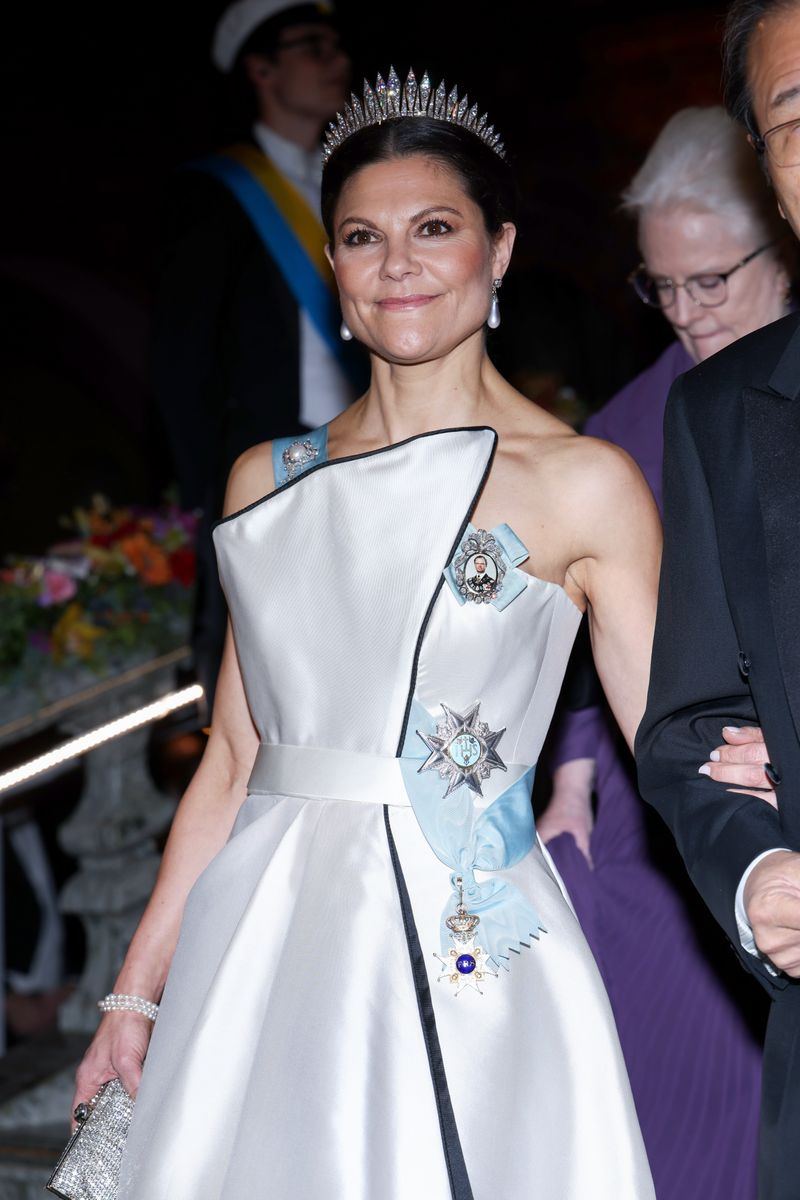
In a world defined by new generations, Victoria of Sweden occupies a distinct position, having been Crown Princess since 1973, when her father ascended the throne. Her early role was once questioned due to her gender, but over time she has become one of the most established figures in European royalty.
 © Pascal Le Segretain
Her path has been marked by consistent institutional engagement and strong public support, balancing tradition and modernity. Between 1998 and 2000, she lived in the United States, studying various subjects at Yale University in Connecticut, before entering a more public royal role. She married Daniel Westling on July 19, 2010, and they have two children, Princess Estelle and Prince Oscar.
Estelle and Ingrid:
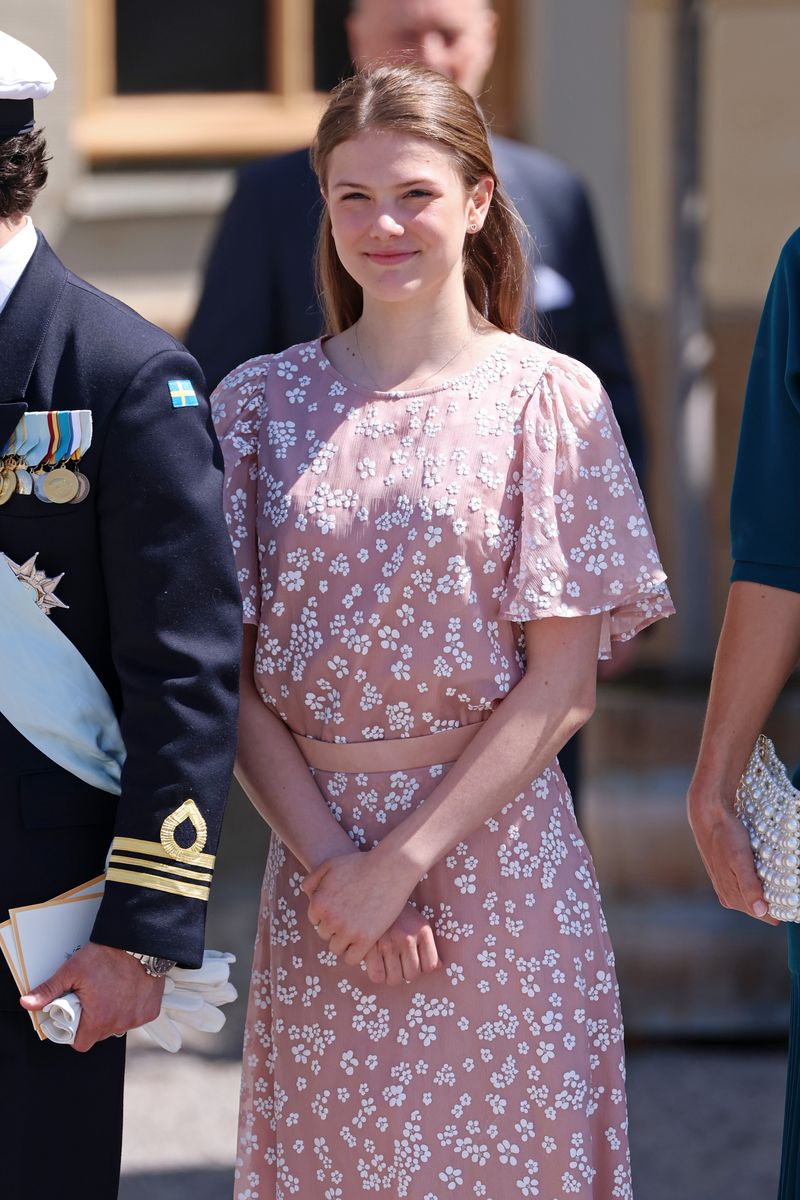
Beyond the primary heirs, there are also figures who, though further from immediate succession, represent the future stability of their monarchies. This is the case of Princess Ingrid Alexandra of Norway and Princess Estelle of Sweden, both destined to become queens, although from a different position in the line of succession.
 © Corbis via Getty Images
Unlike Leonor, Elisabeth, Amalia, and Victoria, whose fathers are reigning monarchs, Ingrid and Estelle stand one step further removed from the throne. Nonetheless, their destinies remain closely tied to their respective crowns. Even at a young age, both have begun taking their first institutional steps, gradually assuming the weight of royal responsibility and historical continuity.
 © Getty Images
Together, these six women represent a generation set to reshape a Europe still largely marked by male dominance in its monarchies, figures whose future roles will extend far beyond symbolism, influencing the decisions and defining moments of their nations.