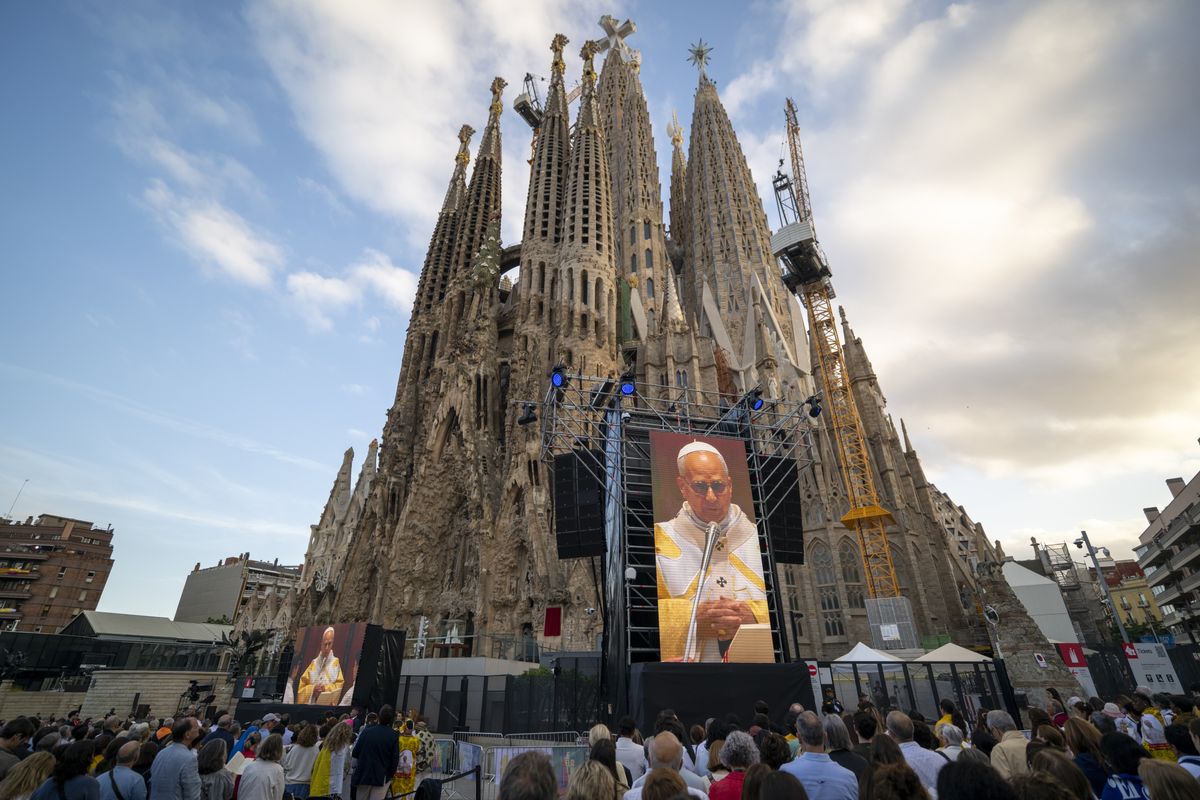
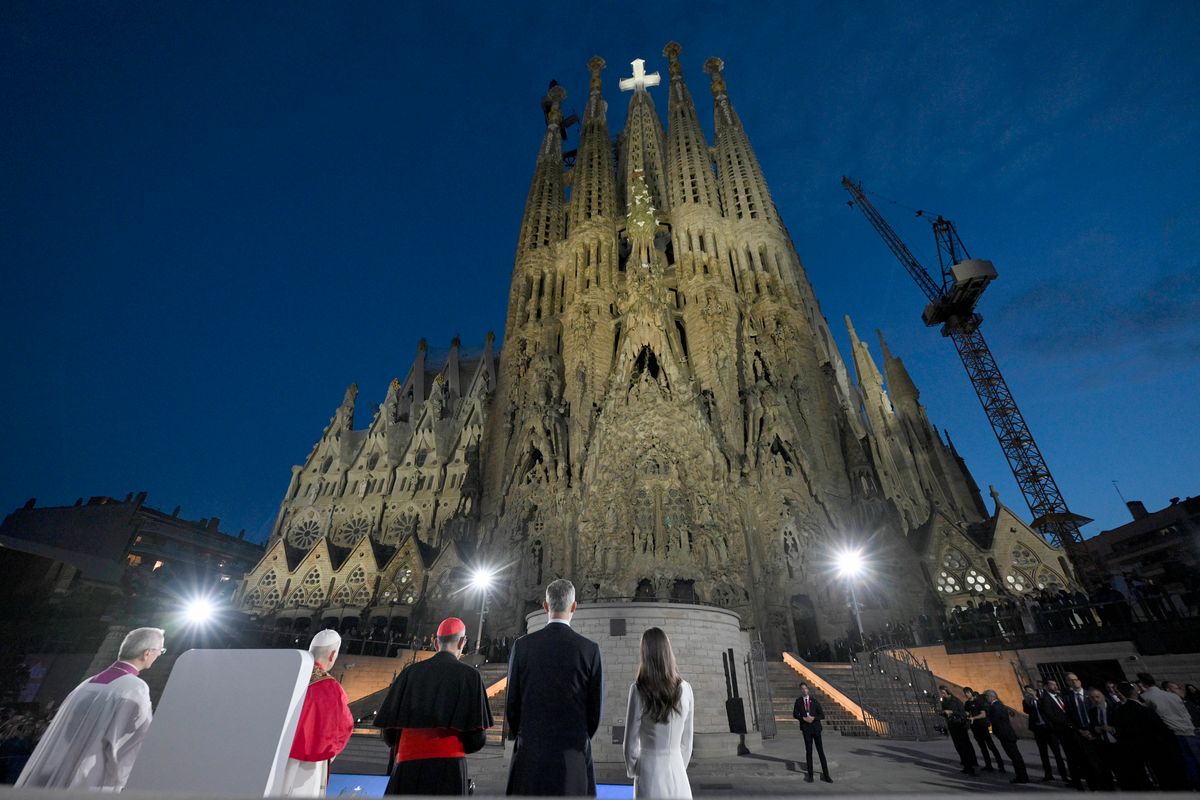
Barcelona experienced a historic day this Wednesday. After 144 years of construction, the Sagrada Família, one of the Catalan capital's most iconic landmarks and one of Spain's most visited buildings, has completed the basilica's main structure and all of its towers, including the Tower of Jesus and its cross. At 172.5 meters (566 feet), it is now the tallest church in the world.
 © Anadolu via Getty Images
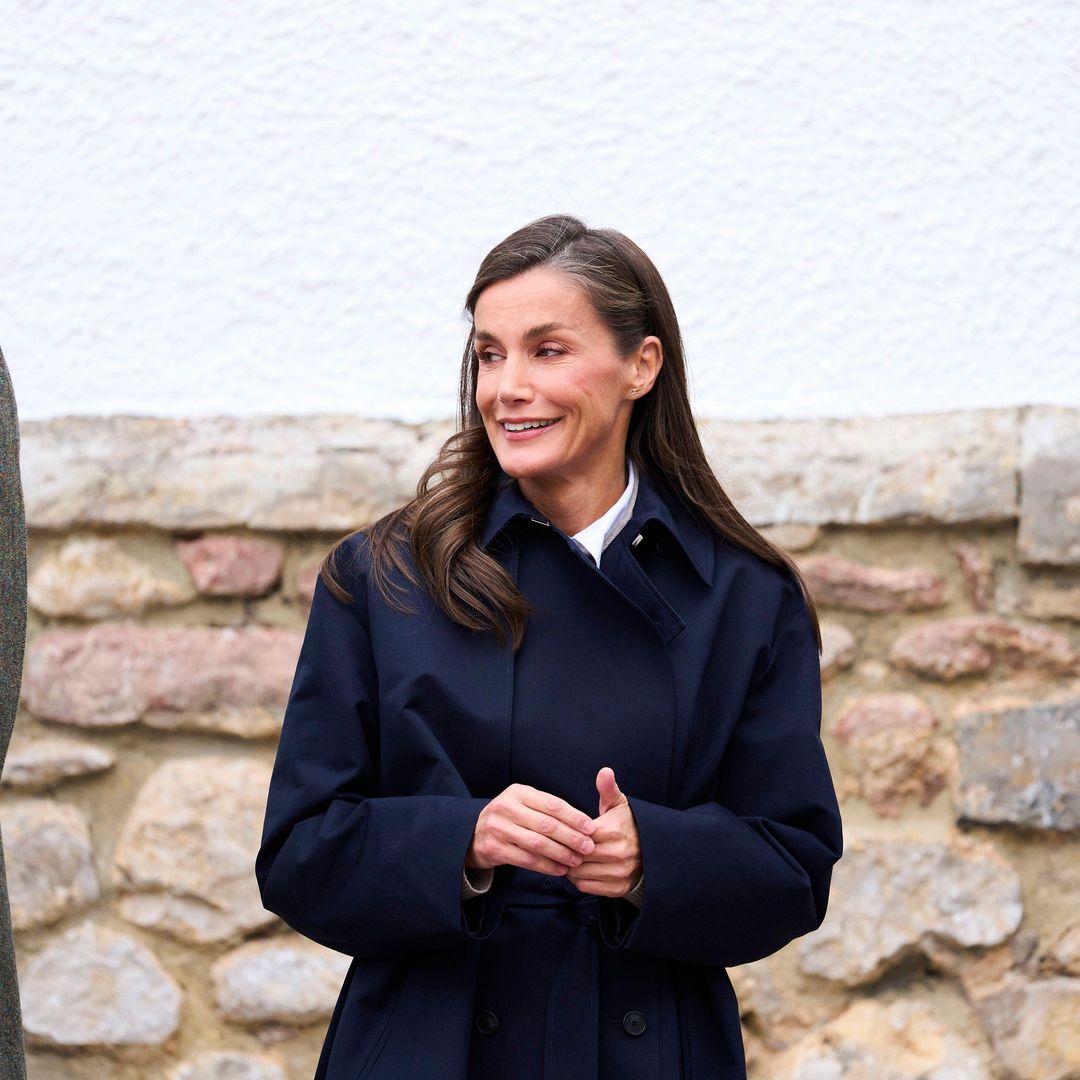
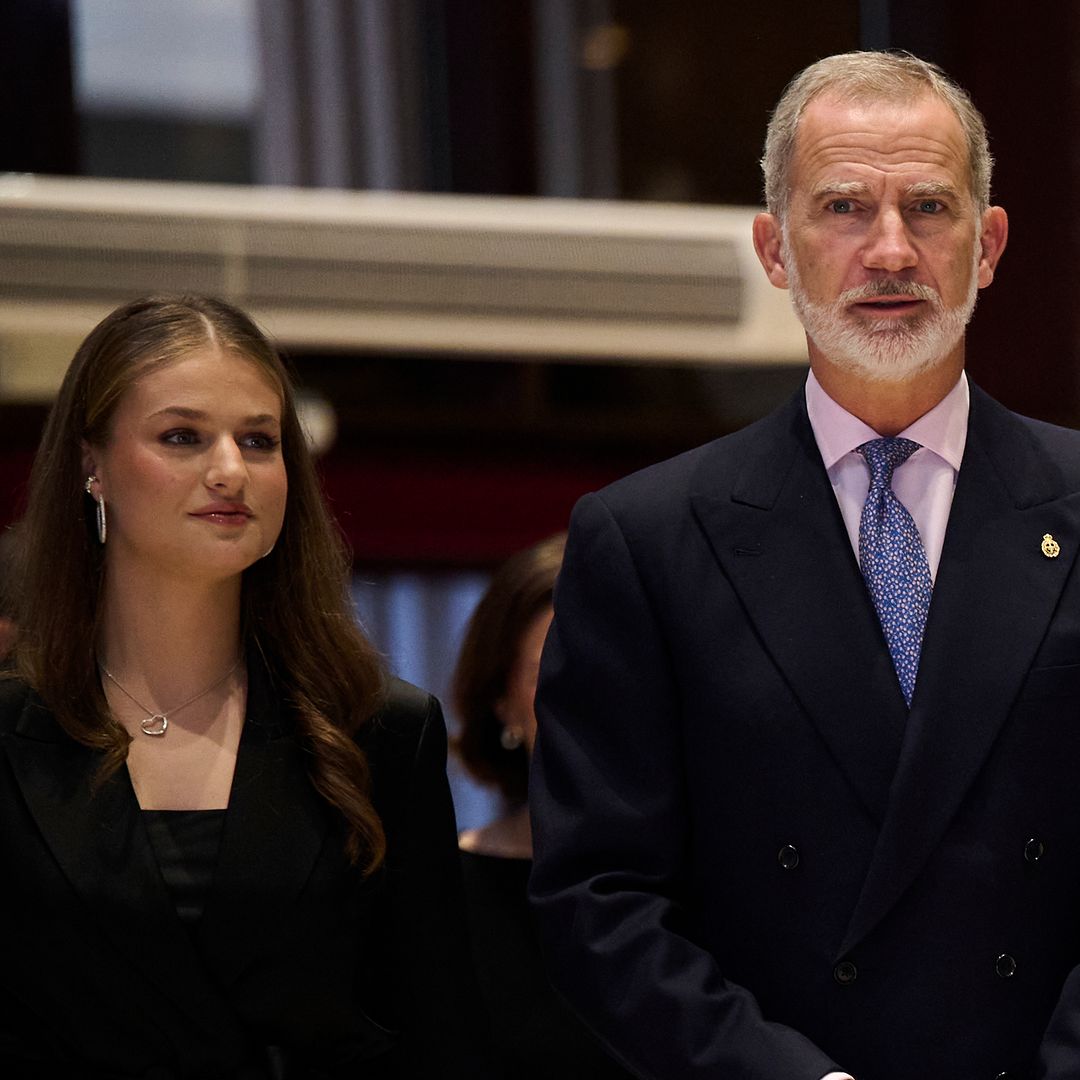
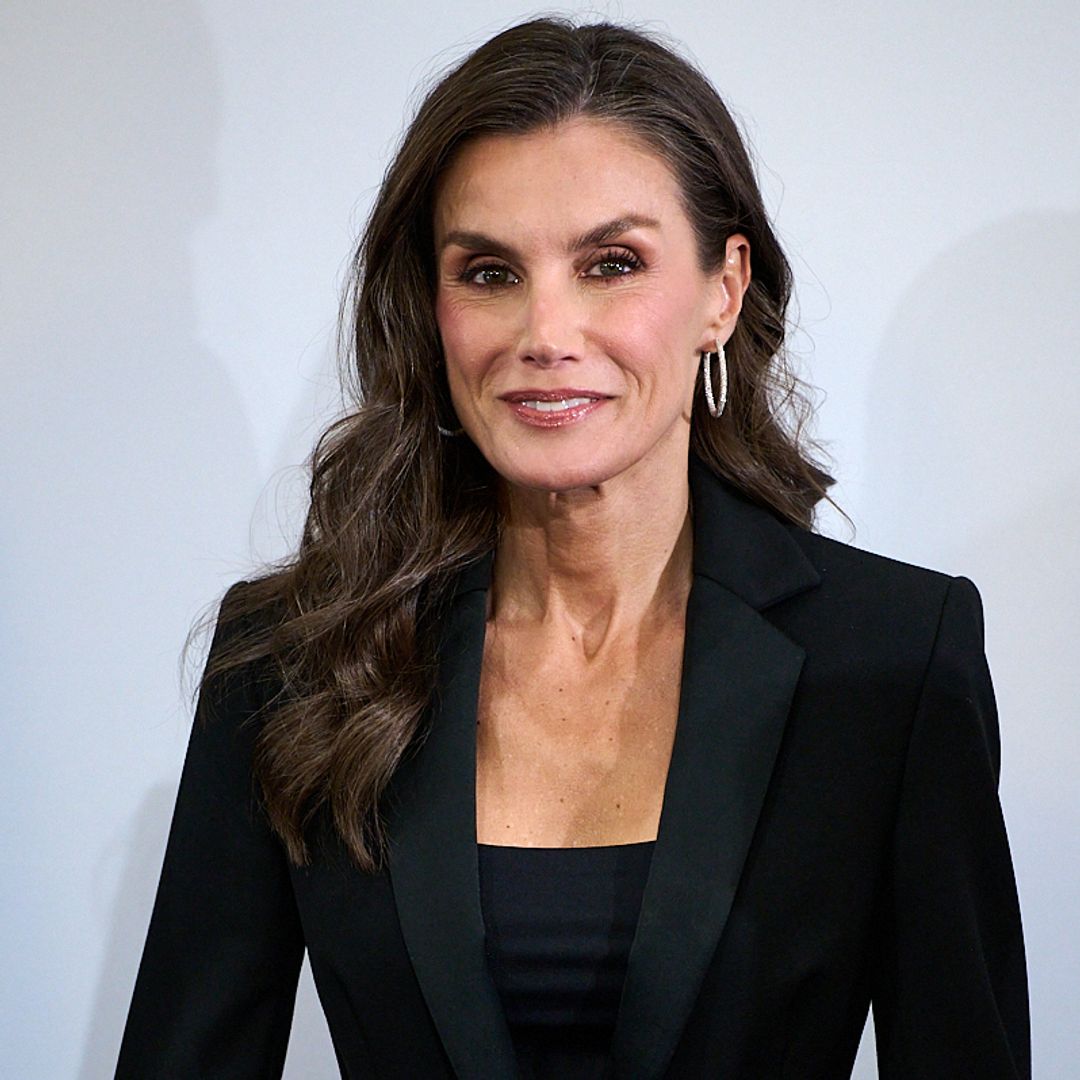
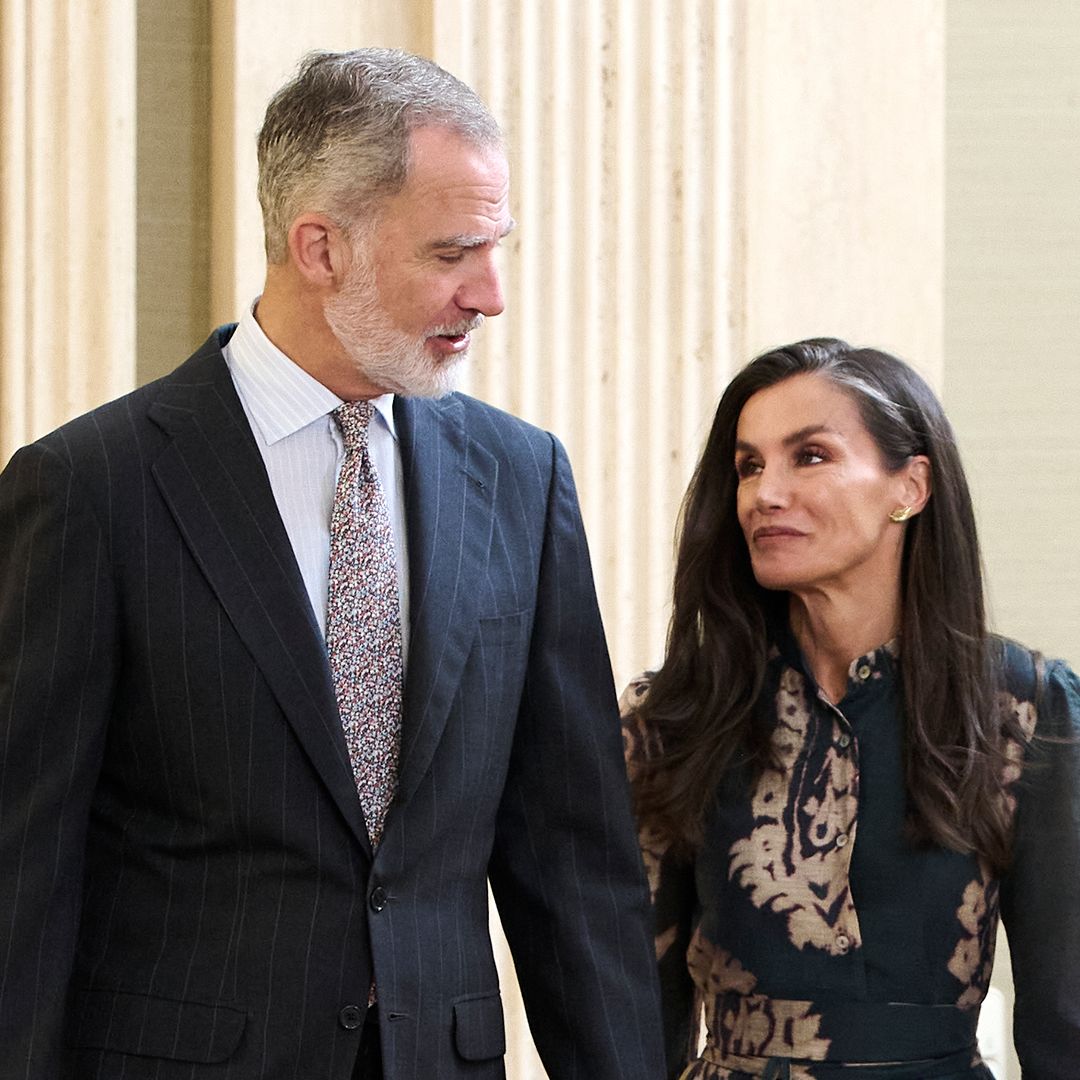
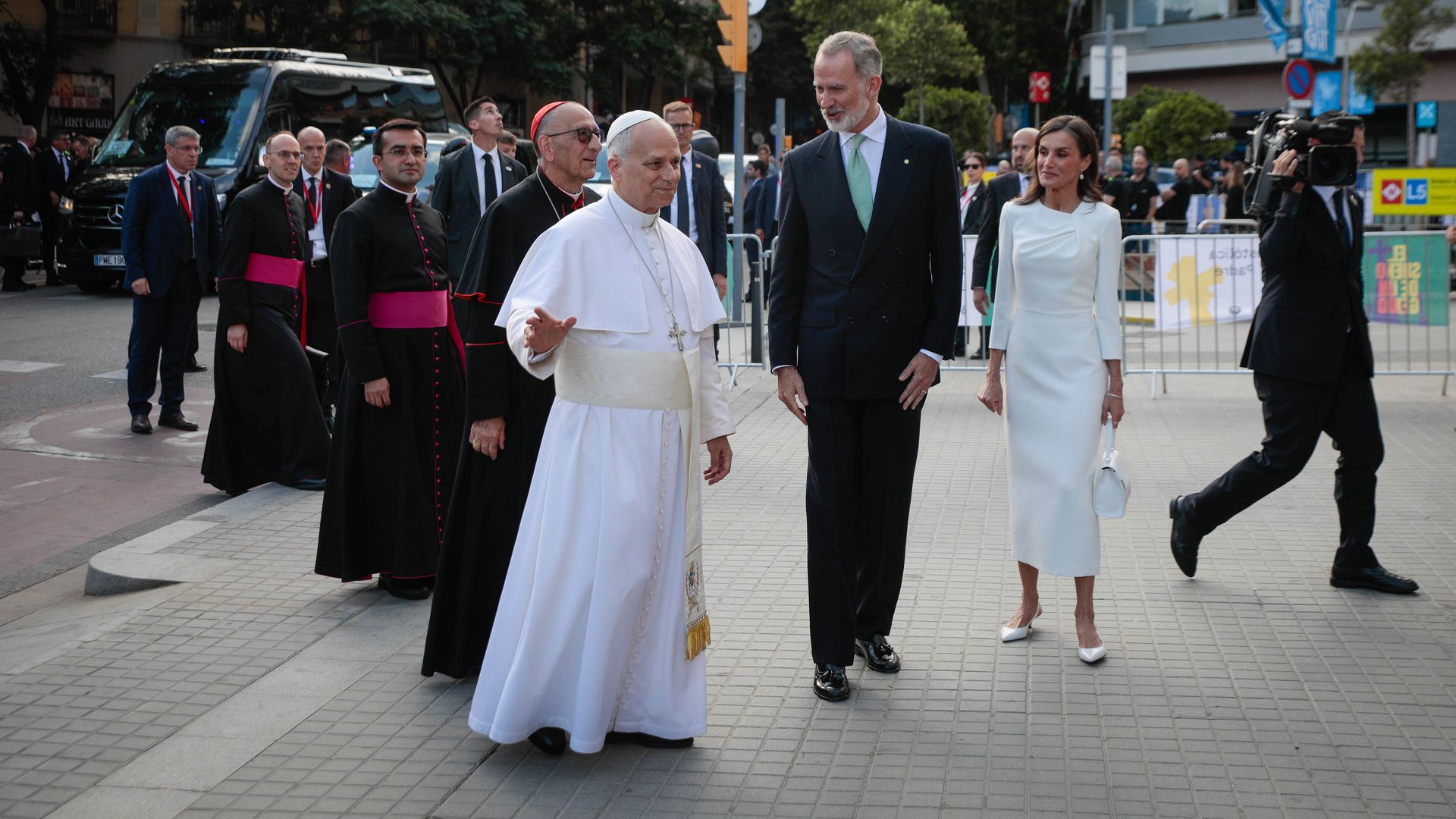
Marking the centenary of Antoni Gaudí's death, King Felipe and Queen Letizia traveled to Barcelona to attend a Mass celebrated by Pope Leo XIV and the blessing of the basilica's final spire. For four decades, the Catalan architect devoted his life to the project that became the fulfillment of his greatest dream.
 © Europa Press via Getty Images
The Queen Wears White Before the Pope for the Third Time on This Trip
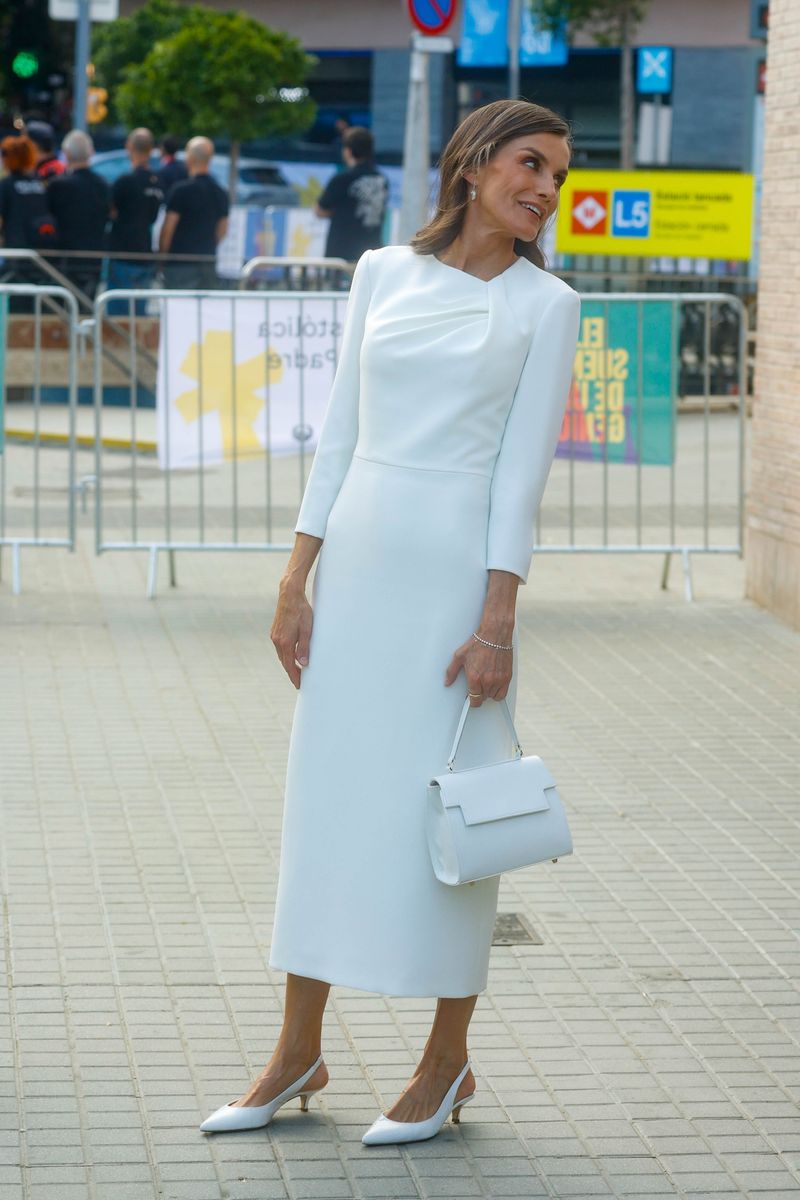
For the third time, Queen Letizia exercised the privilege of white, a distinction granted to a select group of Catholic queens and consorts when meeting the Pope. She wore the same draped Redondo Brand dress she chose for Pope Leo XIV's inaugural Mass a year ago, a symbolic choice that brought her participation in the Pontiff's visit to Spain full circle.
 © Europa Press via Getty Images
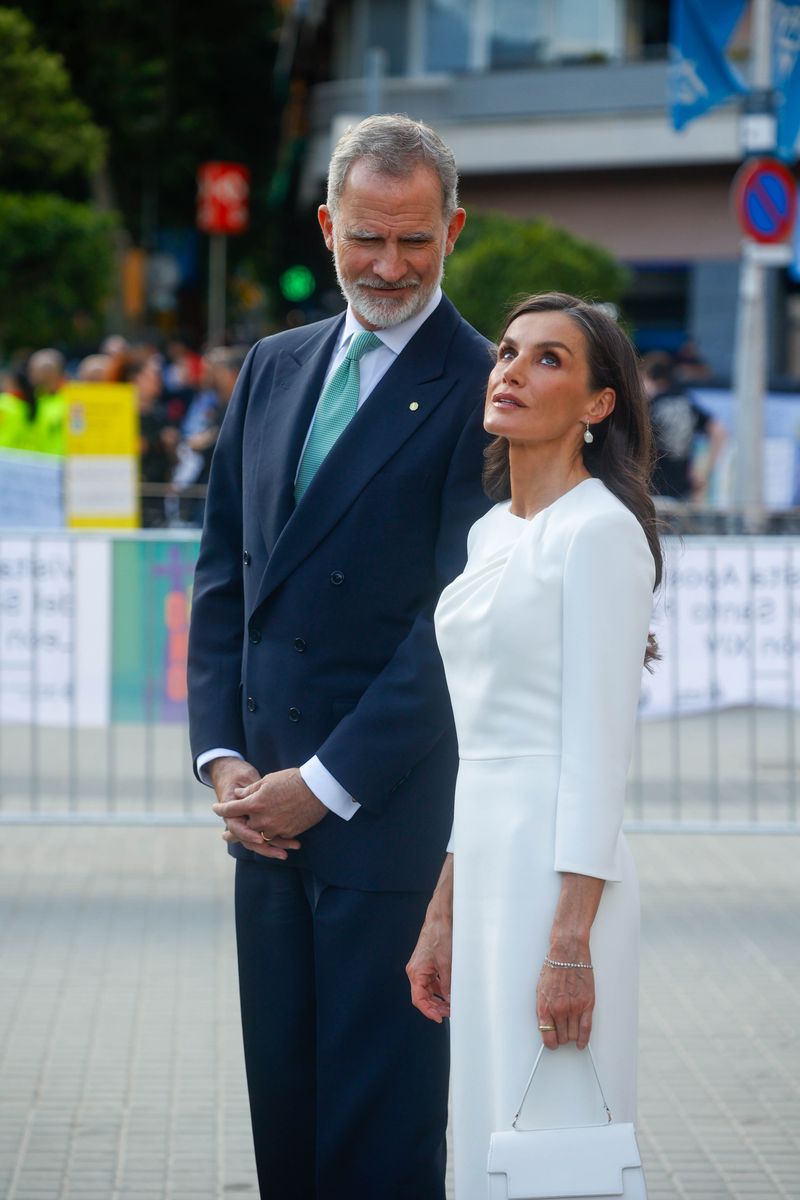
As they arrived at the Sagrada Família, King Felipe and Queen Letizia stopped to take in the basilica's soaring towers, a striking tribute to Antoni Gaudí's vision.
 © Europa Press via Getty Images
Several Generations Have Worked on the Sagrada Família
The Eucharistic celebration coincided with the Holy Father's visit to Spain and his stop in Barcelona, marking more than a century of work on one of the world's most remarkable architectural and spiritual projects.
 © AFP via Getty Images
The completion of the central tower fulfills the last major element envisioned by Antoni Gaudí. It also turns the Mass into a celebration of gratitude for the faith, dedication, and perseverance of the generations who helped bring Gaudí's dream to life.
The Arrival of the King, Queen, and Pope Leo XIV
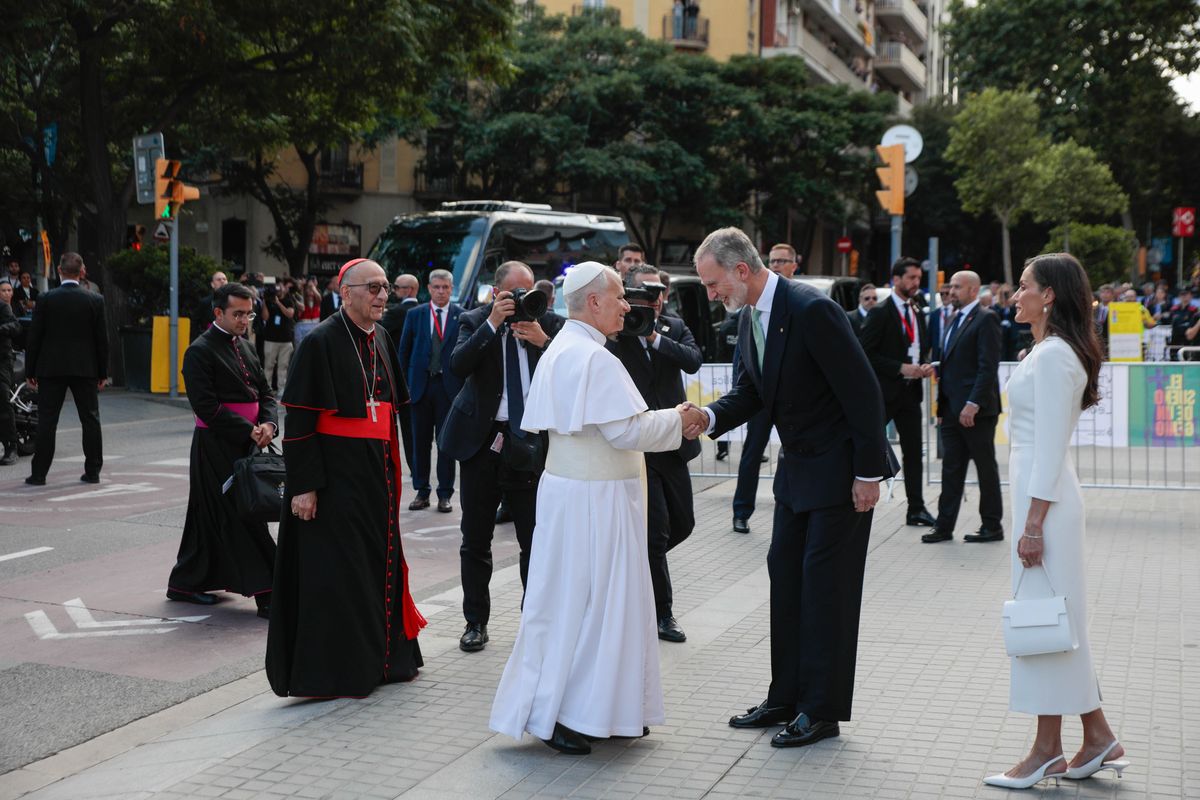
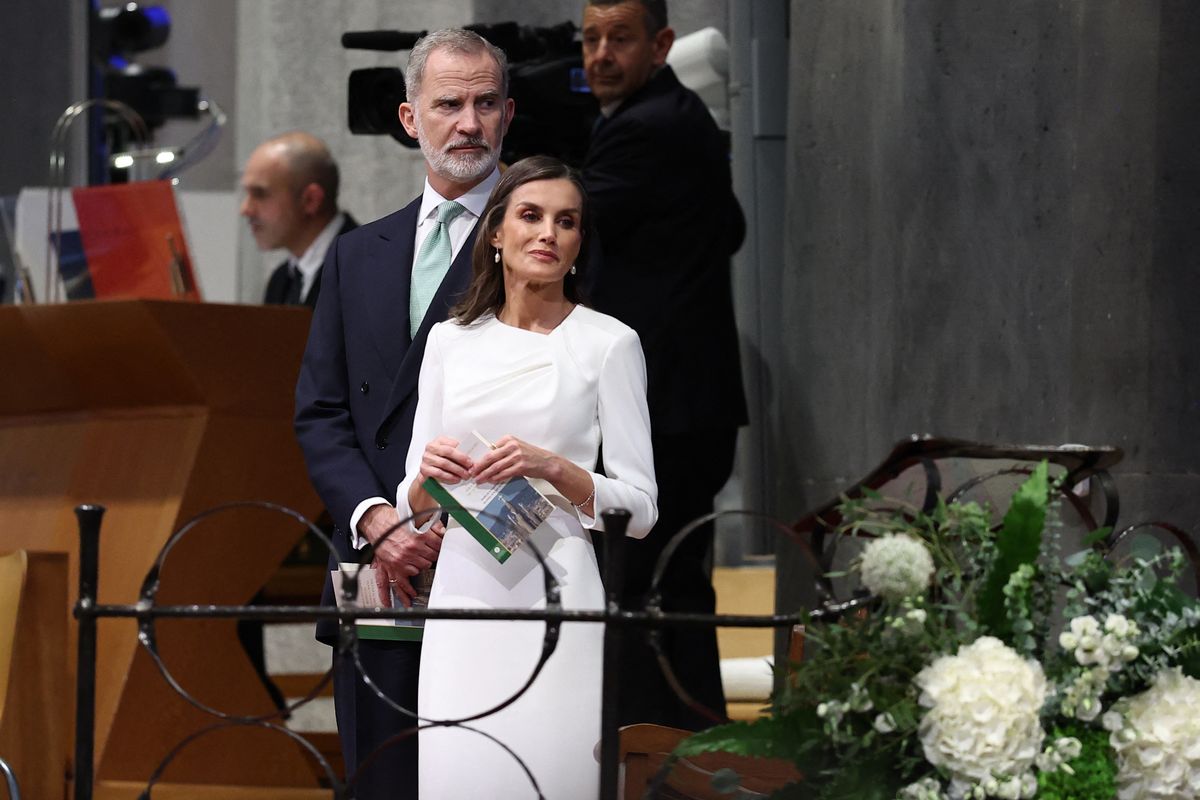
At 7:00 p.m., King Felipe and Queen Letizia arrived and were welcomed by Josep Rull, president of the Parliament of Catalonia; Salvador Illa, president of the Generalitat; and Spanish Prime Minister Pedro Sánchez.
 © AFP via Getty Images
They were greeted by Esteve Camps, president of the Construction Board of the Sagrada Família, before joining the official delegation at the reception pavilion to await the arrival of the Holy Father. Jordi Faulí, the basilica's chief architect, was also present.
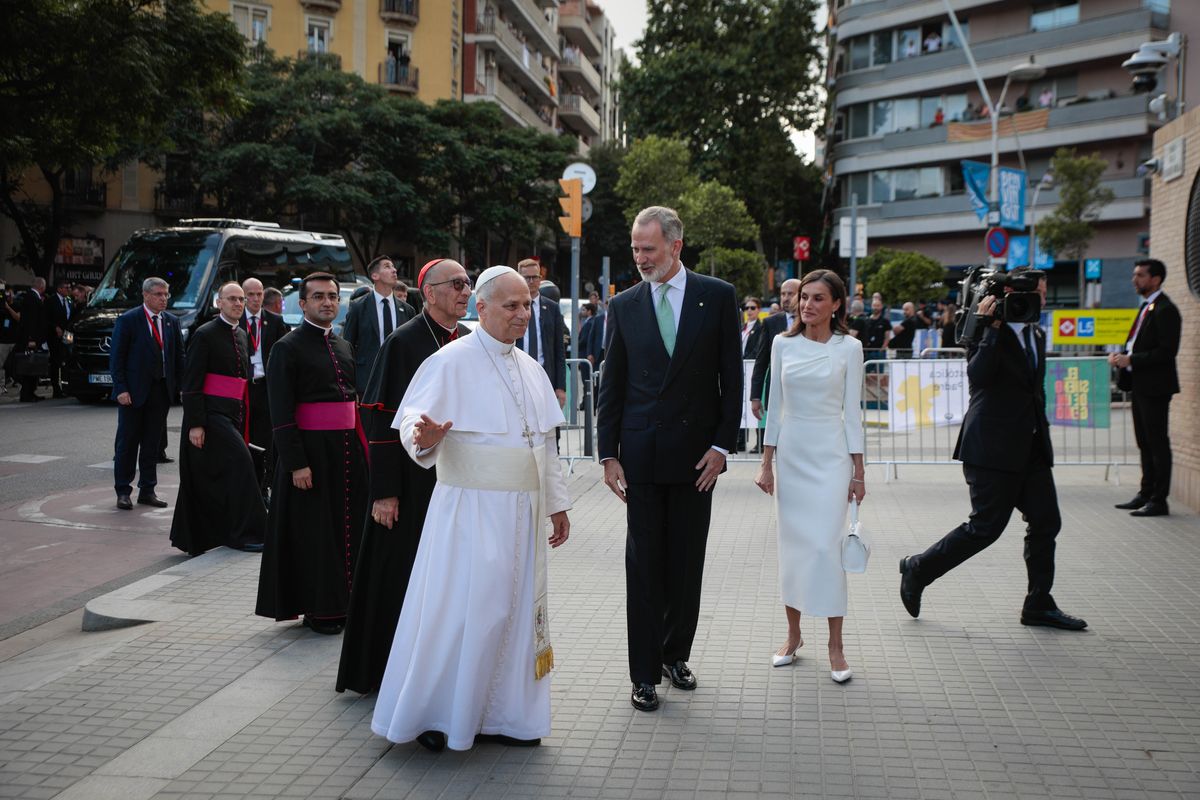
After making his way through the streets of Barcelona in the popemobile, Pope Leo XIV arrived accompanied by Joan Josep Omella, Archbishop of Barcelona, and the Vatican's Master of Ceremonies.
 © Europa Press via Getty Images
Following the official welcome, the delegation entered the Sagrada Família complex and visited Antoni Gaudí's workshop. The famed Catalan architect eventually moved into a modest apartment within the basilica so he could devote himself entirely to its construction. He spent nearly all of his time there, designing, researching, and overseeing the project until his death in 1926.
A Blind Girl’s Presentation
Thirteen-year-old Valentina Sánchez, who is blind due to Leber syndrome and can perceive only light and shadows, explained the Tower of Jesus to the King, Queen, and Pope using a scale model created in collaboration with Spain’s National Organization of the Blind (ONCE).
Queen Letizia paid close attention as Valentina offered remarkably detailed observations while exploring the model through touch. The delegation listened intently throughout her presentation.
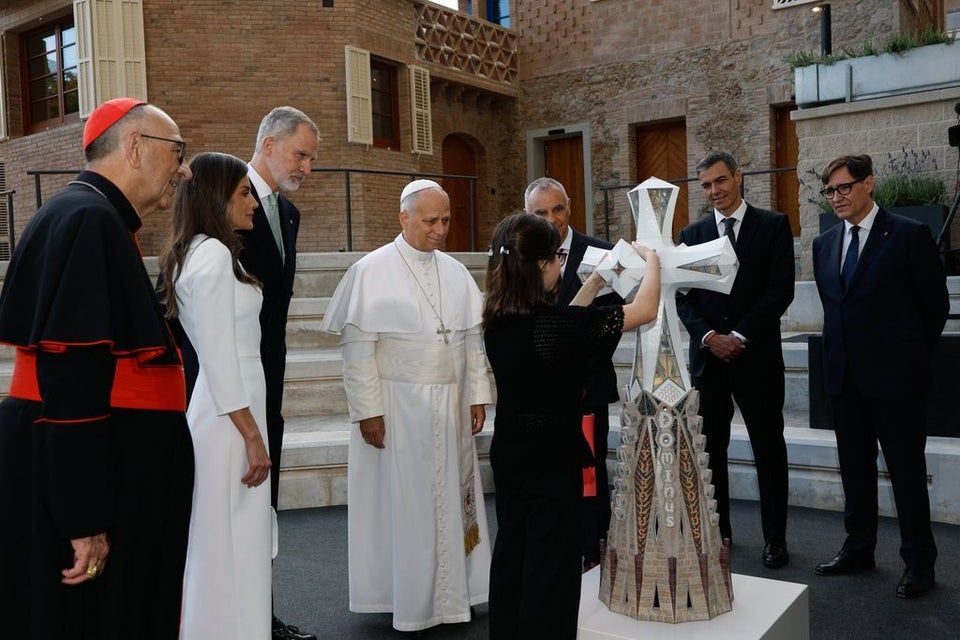 © Casa de S.M. el Rey
The King congratulated the young girl, while the Queen showed particular warmth toward her. Pope Leo XIV presented her with a rosary, a gesture she deeply appreciated.
Afterward, the Pope visited the chapel where Antoni Gaudí is buried and lit a candle in his honor during a moment of profound reflection. He then proceeded to the sacristy to vest for the celebration of Mass.
More Than 200 Bishops
Two hundred bishops joined the Pope in the Eucharistic celebration, forming the entrance procession.
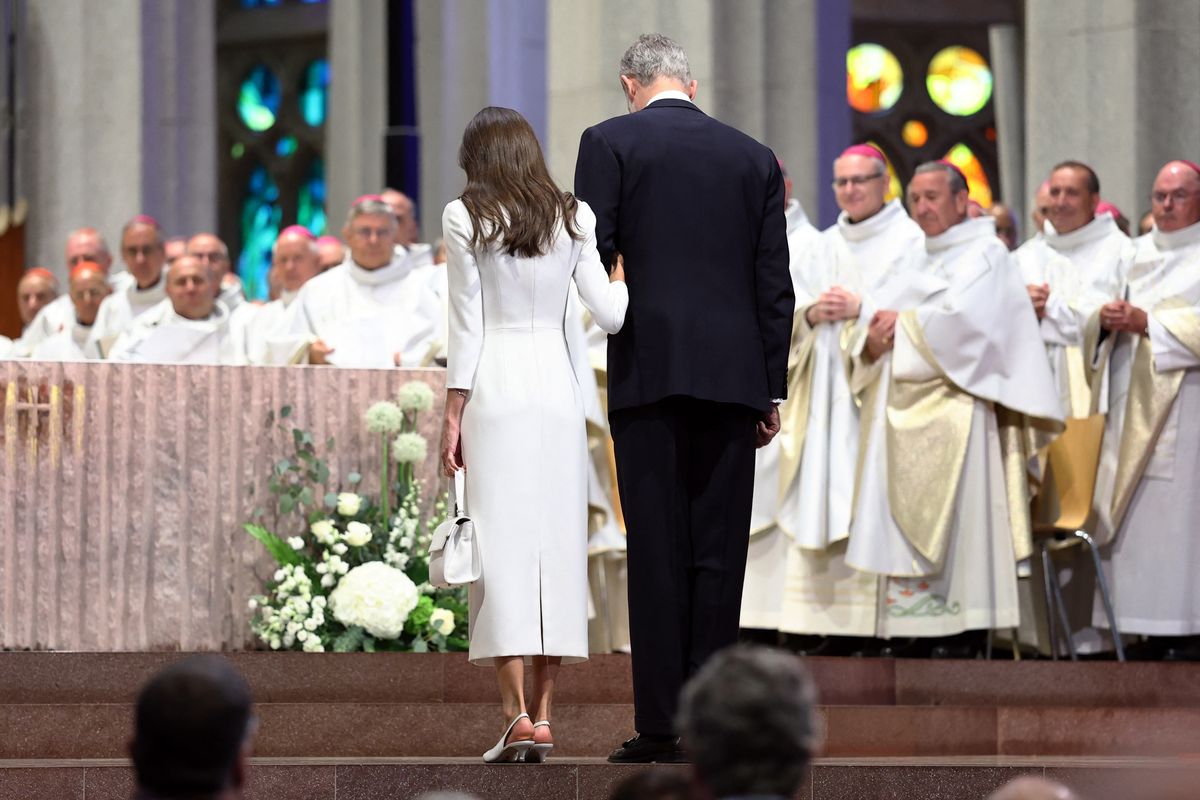
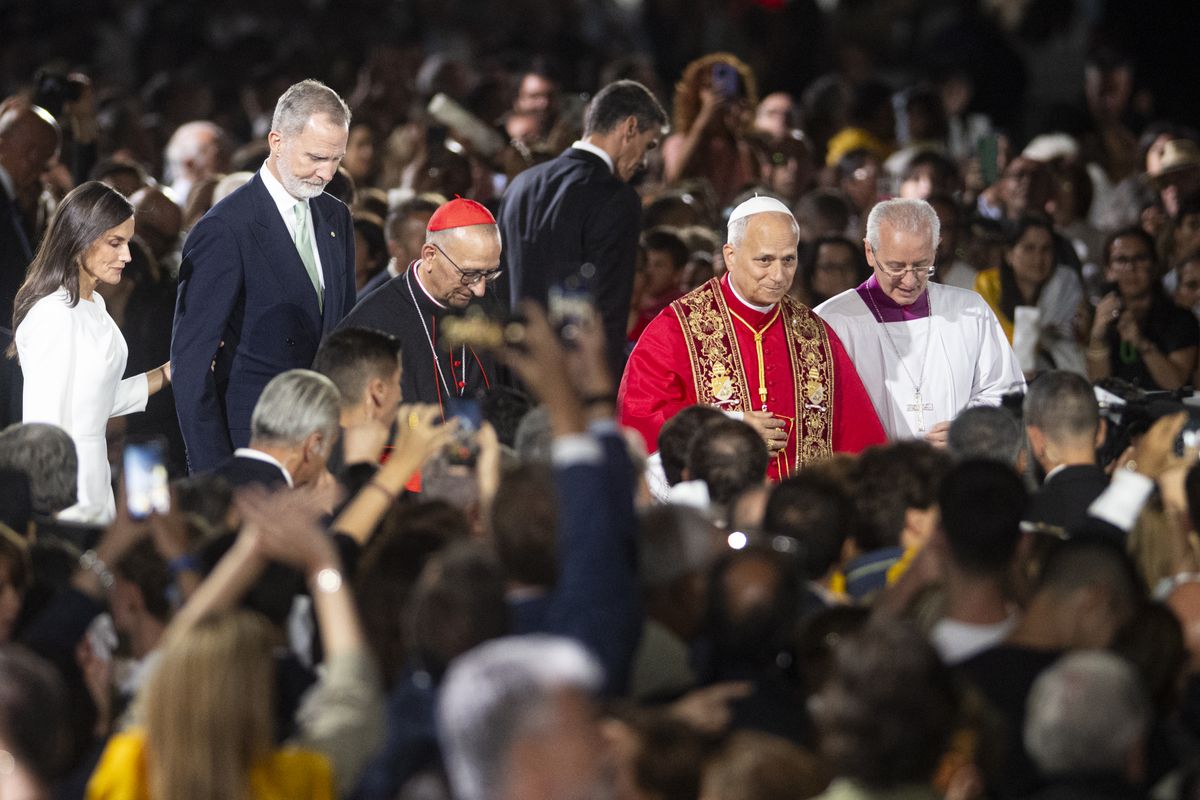
At nearly the same time, the King and Queen entered the basilica. Upon approaching the altar and taking their seats, they bowed their heads as a sign of respect.
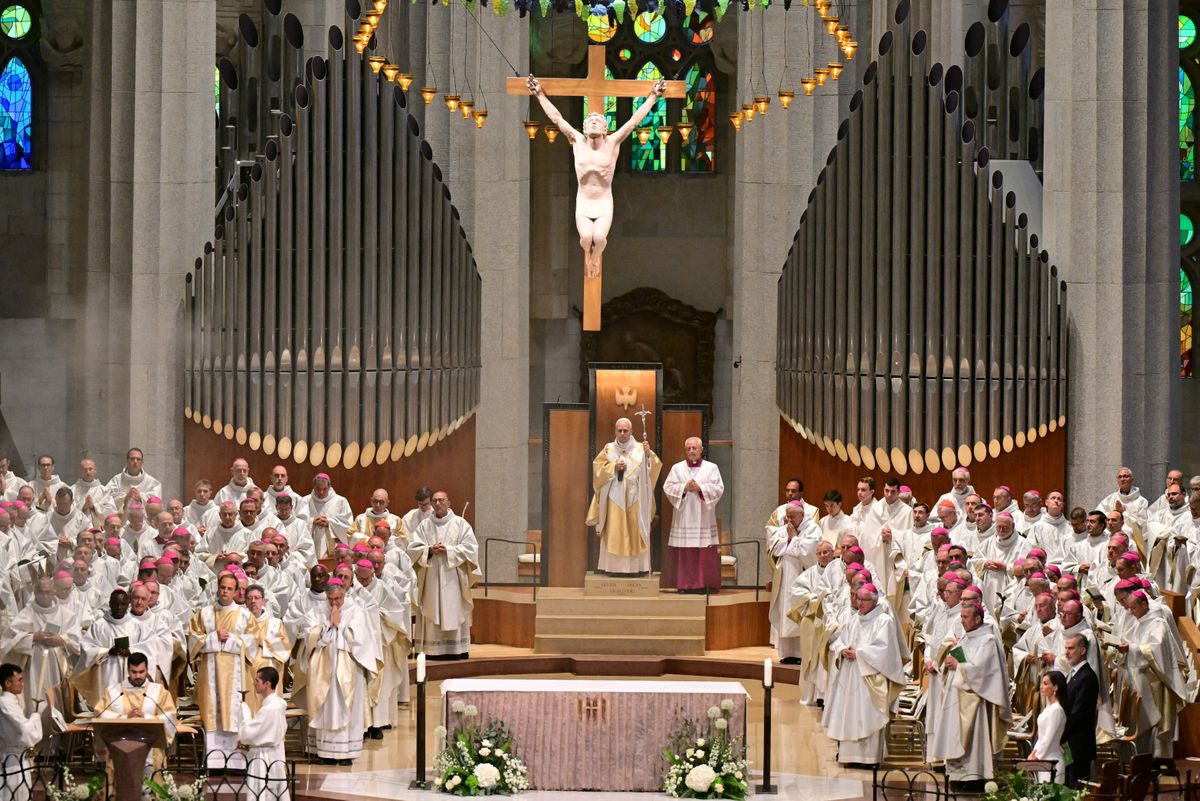 © AFP via Getty Images
Pope Leo XIV began the Mass by thanking the King and Queen, who had served as gracious hosts throughout his visit to both Madrid and Barcelona. During several portions of the service, he spoke in Catalan.
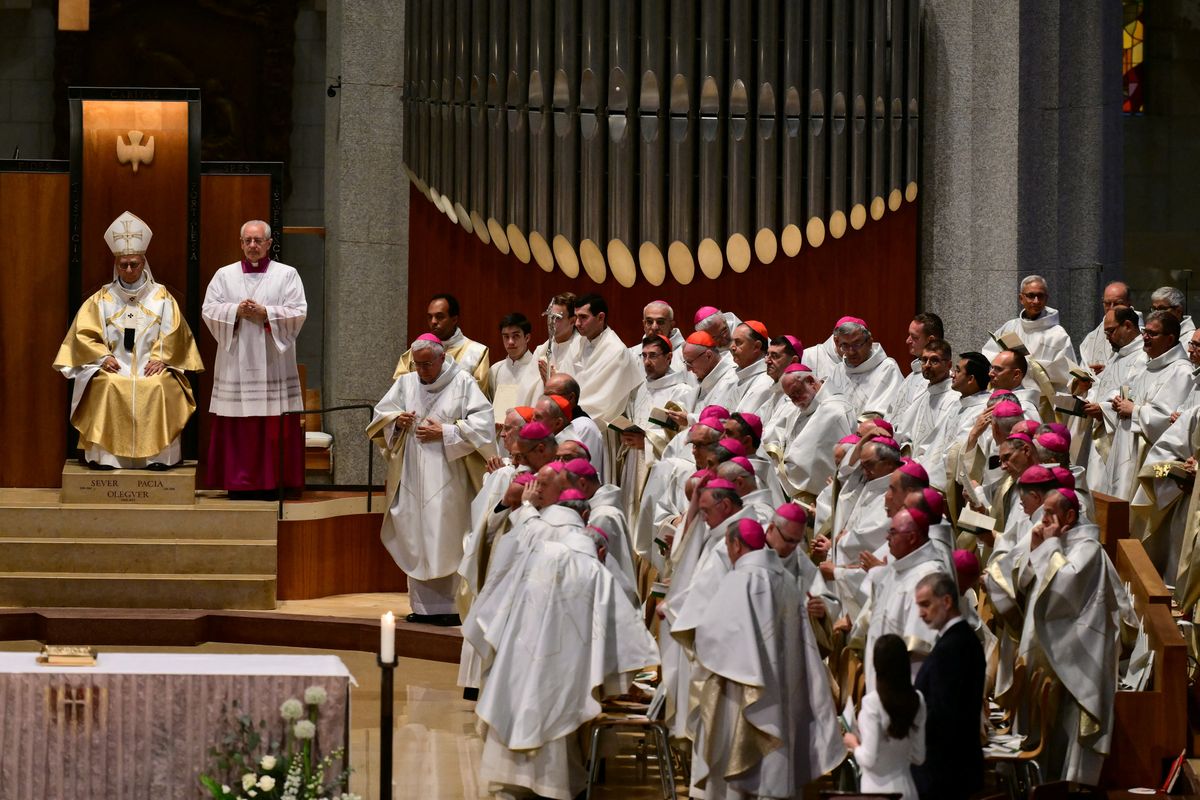 © AFP via Getty Images
The liturgy combined Gregorian chant, popular liturgical music, Catalan choral traditions, works from the Montserrat school, sacred European repertoire, and instrumental accompaniment featuring organ, trumpets, and trombones.
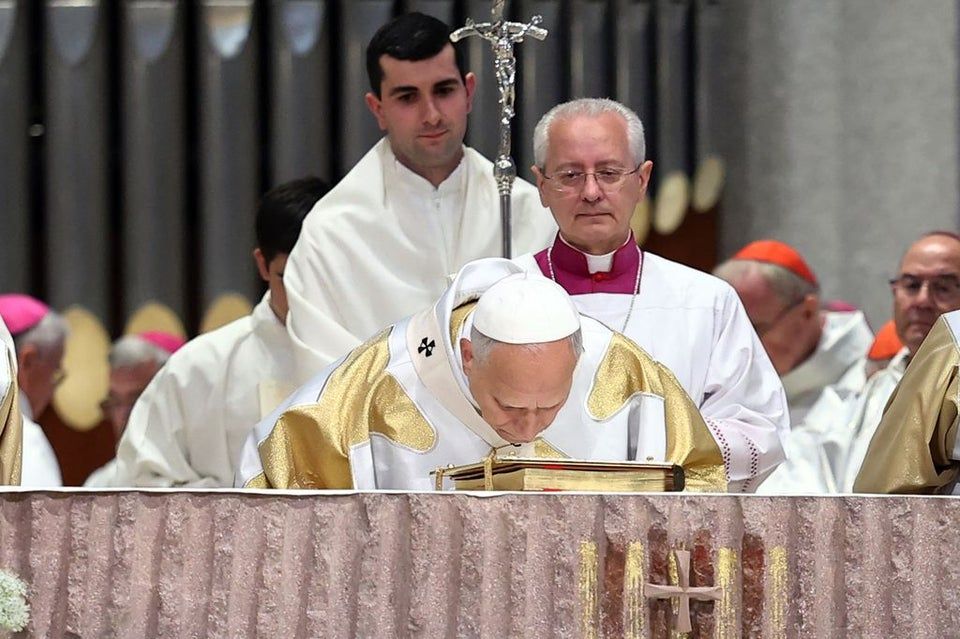 © Getty Images
A total of 500 adult choristers and 100 children from youth choirs participated in the musical program. Following the Sign of Peace and Communion, the Mass concluded with the Virolai to the Virgin of Montserrat, a poetic hymn that has become a powerful spiritual symbol for the people of Catalonia.
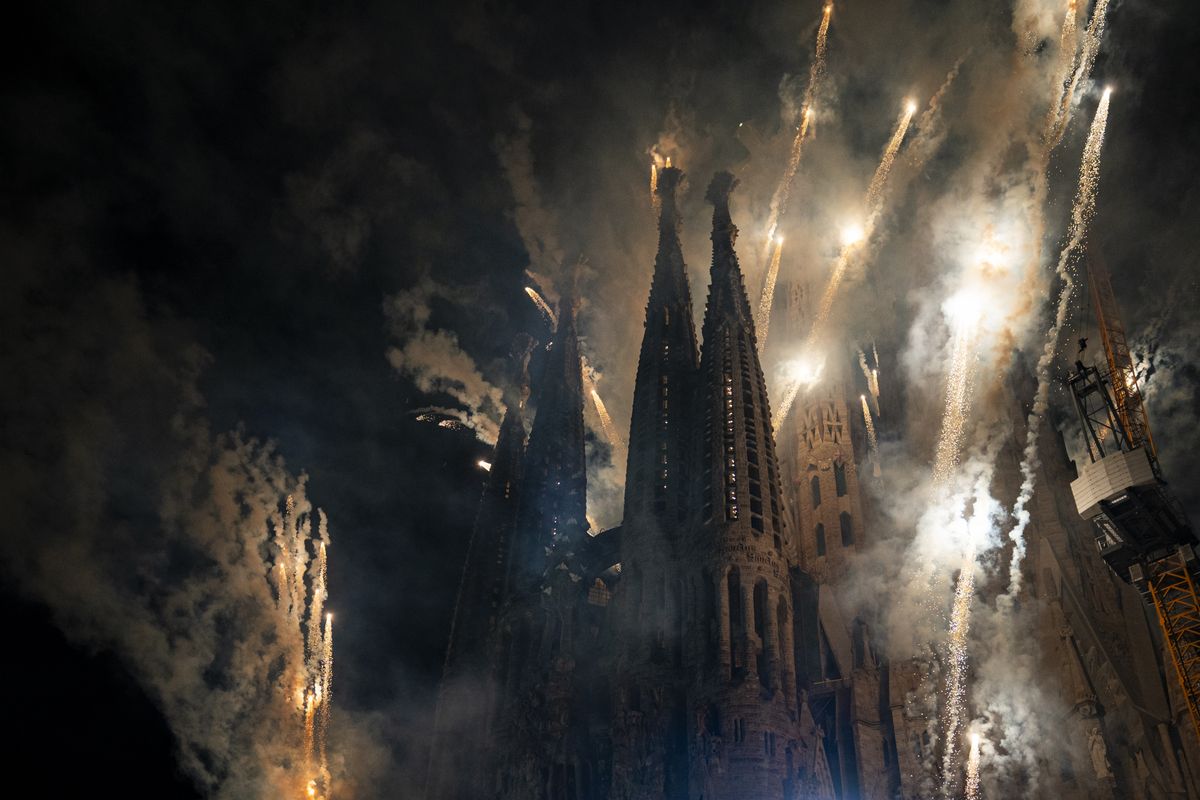
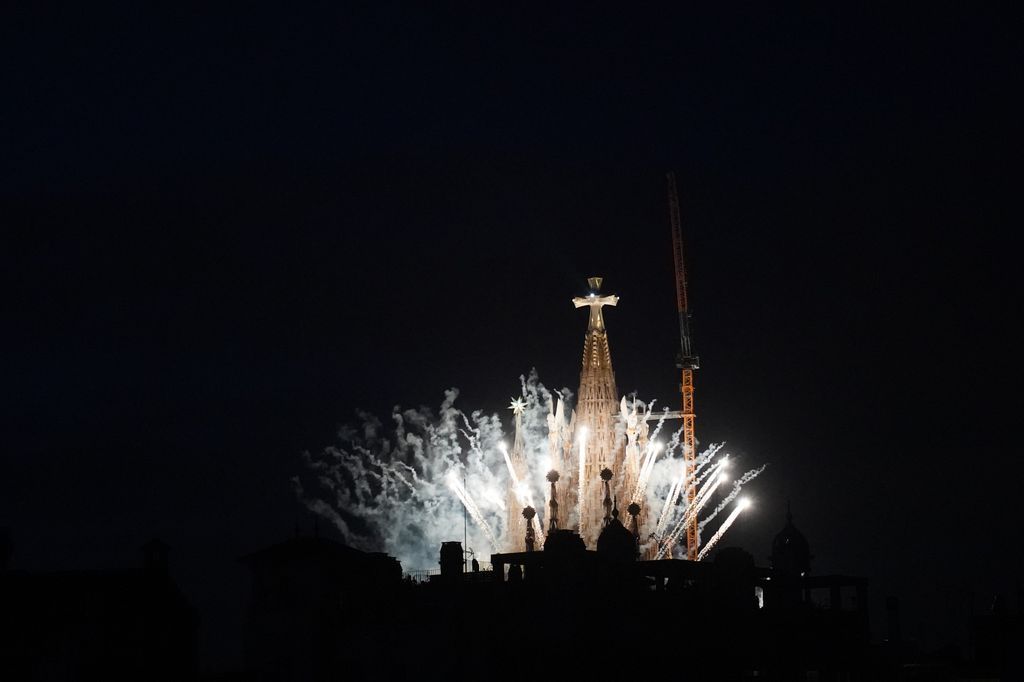
The Drone Display
 © Getty Images
Following the Mass, all priests and bishops who had concelebrated the liturgy gathered outside for the Holy Father’s blessing of the Tower of Jesus Christ from the central point of the Nativity Façade’s esplanade. Meanwhile, the Pope returned to the sacristy to change his vestments.
 © Anadolu via Getty Images
The King and Queen’s Final Joint Event with the Pope
Wednesday’s Eucharistic celebration in Barcelona marked the final event attended jointly by the King and Queen as part of the Pontiff’s visit.
 © Anadolu via Getty Images
However, King Felipe VI is scheduled to travel to Tenerife on Friday afternoon to bid farewell to the Pope before his return to Rome. Queen Sofía had originally been expected to participate in that final engagement but was replaced at the last minute by the King.
The Sagrada Família’s Connection to Spain’s Royal Family
When the basilica was still little more than a concept, King Alfonso XIII visited the site on several occasions. Gaudí himself would explain the progress of the works to the monarch in Catalan during its early stages.
King Juan Carlos I also visited the basilica in the early 2000s. As for the Popes, both John Paul II and Benedict XVI visited the Sagrada Família at different points in time.
Why the Sagrada Família Matters
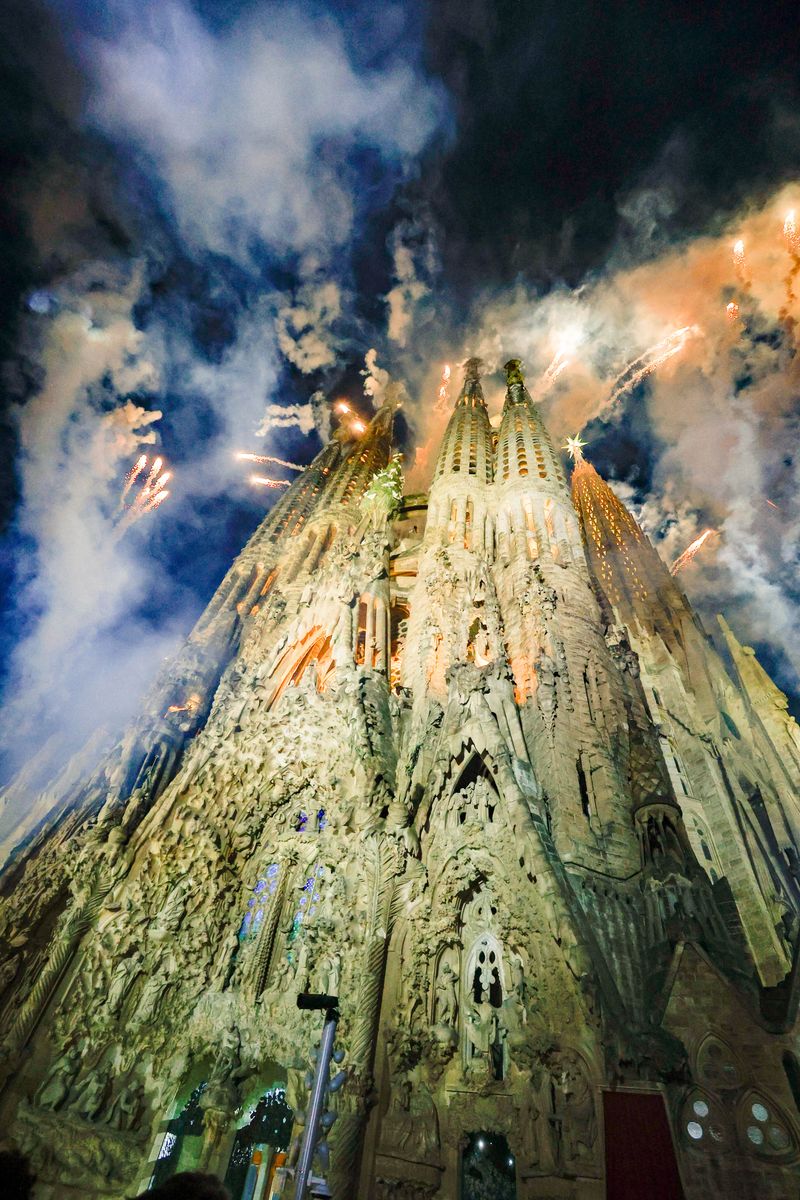
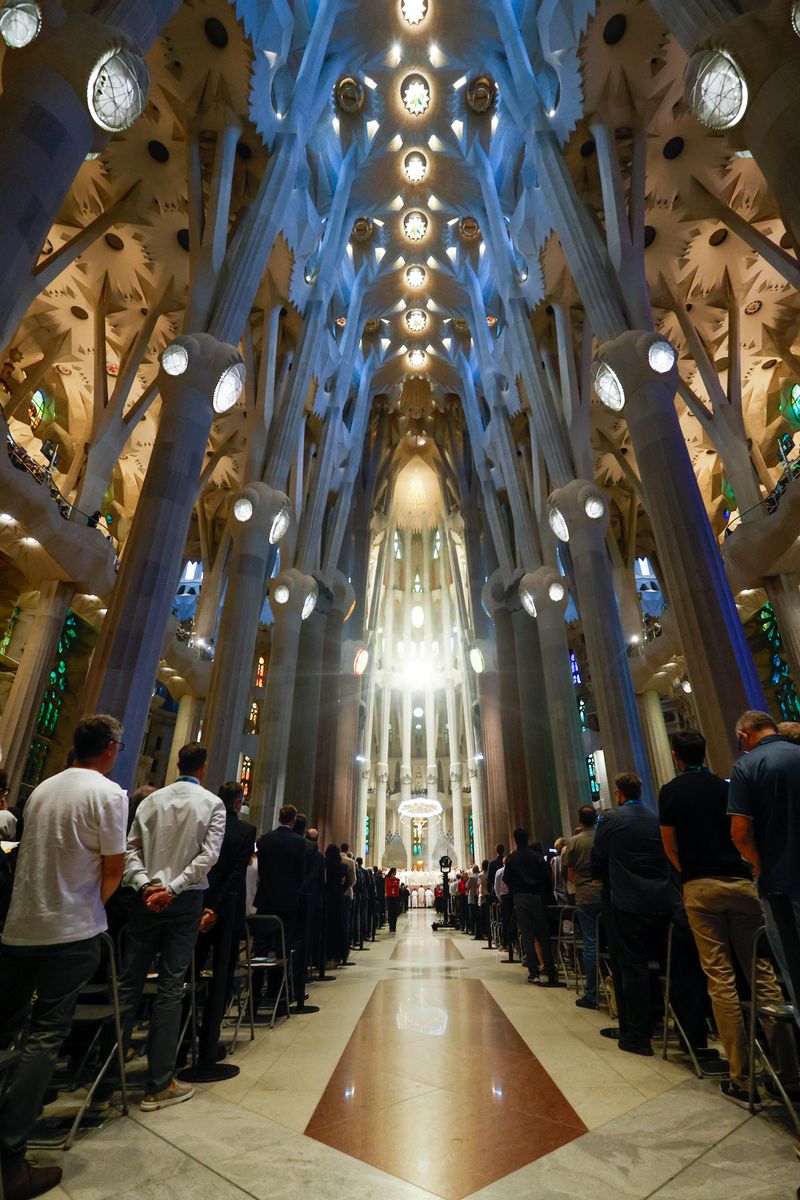
The Sagrada Família is Antoni Gaudí's masterpiece and one of the most celebrated landmarks in the world. Its Modernist design draws inspiration from medieval cathedrals while blending natural forms with profound religious symbolism.
 © Europa Press via Getty Images
Dedicated to the Holy Family, Jesus, Mary, and Joseph, the basilica was conceived as a visual retelling of the Bible. Gaudí intended every architectural element to convey a spiritual message, transforming the church into what he described as a great catechism carved in stone.
Revolutionary for its time, the project incorporated advanced engineering concepts, including parabolic arches and hyperbolic structures, decades before they became widely recognized in modern architecture and construction.
 © Europa Press via Getty Images
Today, the Sagrada Família stands as a unique architectural achievement studied by scholars, architects, and engineers around the globe. Its cultural significance and international appeal are unmatched, and it has been recognized by UNESCO as a World Heritage Site.
What Still Remains to Be Built
A century later, one major element remains unfinished: the Glory Façade and its sculptural ensemble.
 © Getty Images
This façade was conceived by Gaudí as the basilica’s grand ceremonial entrance, featuring monumental stairways, sculptures, and symbolic decoration. Once completed, it will bring the project fully in line with his original vision.
Construction is expected to be finished sometime in the next decade, around 2034 or 2035.