royal history

The crown’s most controversial jewels: 4 ‘cursed’ British royal gems and the stories behind them


Each one is tied to moments of upheaval, whether through war, empire, or political change.


The crown’s most controversial jewels: 4 ‘cursed’ British royal gems and the stories behind them© Anthony Harvey
Daniel NeiraSenior Writer
APRIL 28, 2026 10:44 AM EDT

There’s something irresistibly compelling about royal jewels. They carry not just extraordinary beauty, but centuries of history, politics, and personal drama. From glittering coronations to imperial ceremonies, these pieces have witnessed moments that shaped nations. It’s no surprise that a handful have picked up reputations as “cursed” along the way.

To be clear, neither the British royal family nor historians treat these objects as literally cursed. The idea is rooted in storytelling, symbolism, and the often complicated histories behind the stones themselves. Still, a closer look reveals why these particular pieces continue to fascinate.
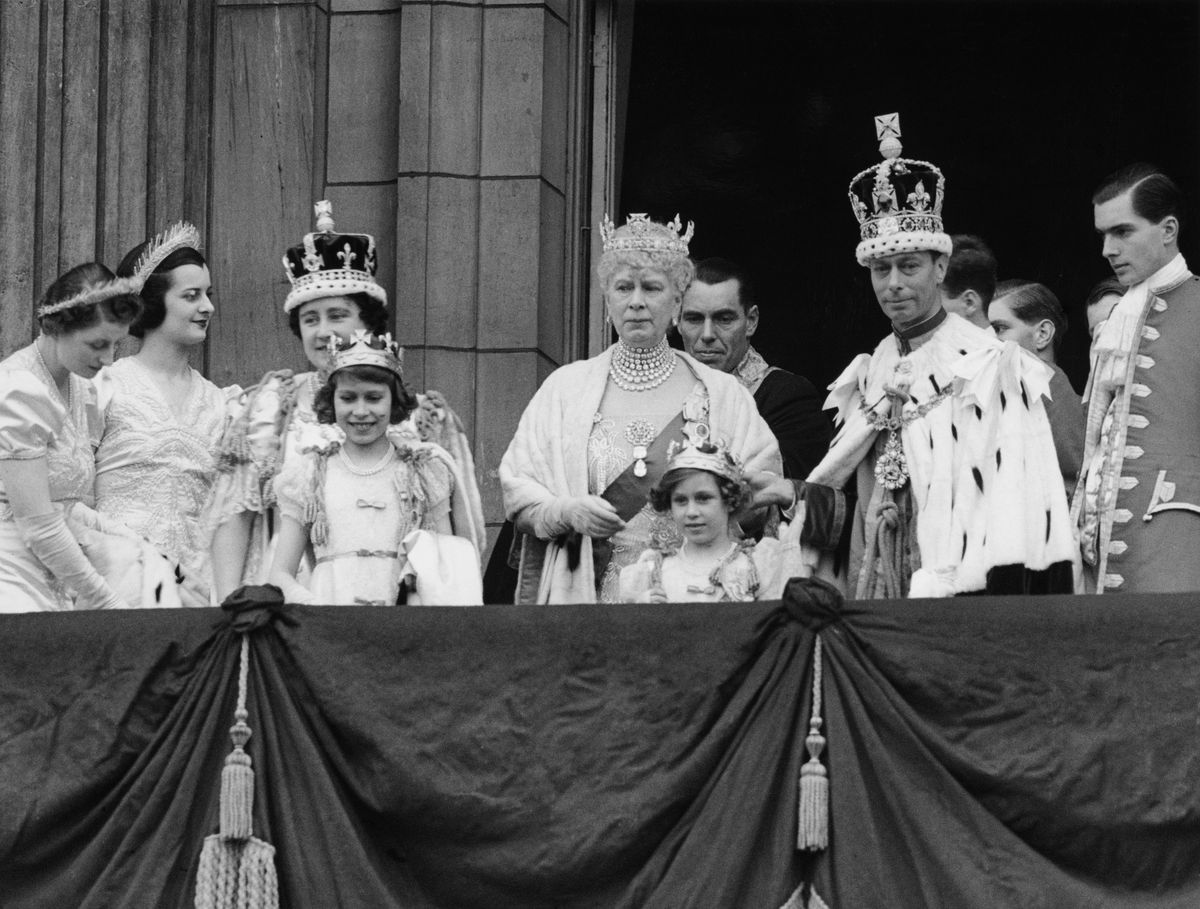
From glittering coronations to imperial ceremonies, these pieces have witnessed moments that shaped nations. It’s no surprise that a handful have picked up reputations as “cursed” along the way.© Fox Photos
From glittering coronations to imperial ceremonies, these pieces have witnessed moments that shaped nations. It’s no surprise that a handful have picked up reputations as “cursed” along the way.

The Koh-i-Noor Diamond:

Few gemstones in the world are as storied as the Koh-i-Noor Diamond. Believed to have originated in India, the diamond passed through the hands of Mughal emperors, Persian rulers, and Afghan leaders before coming into British possession in the 19th century.
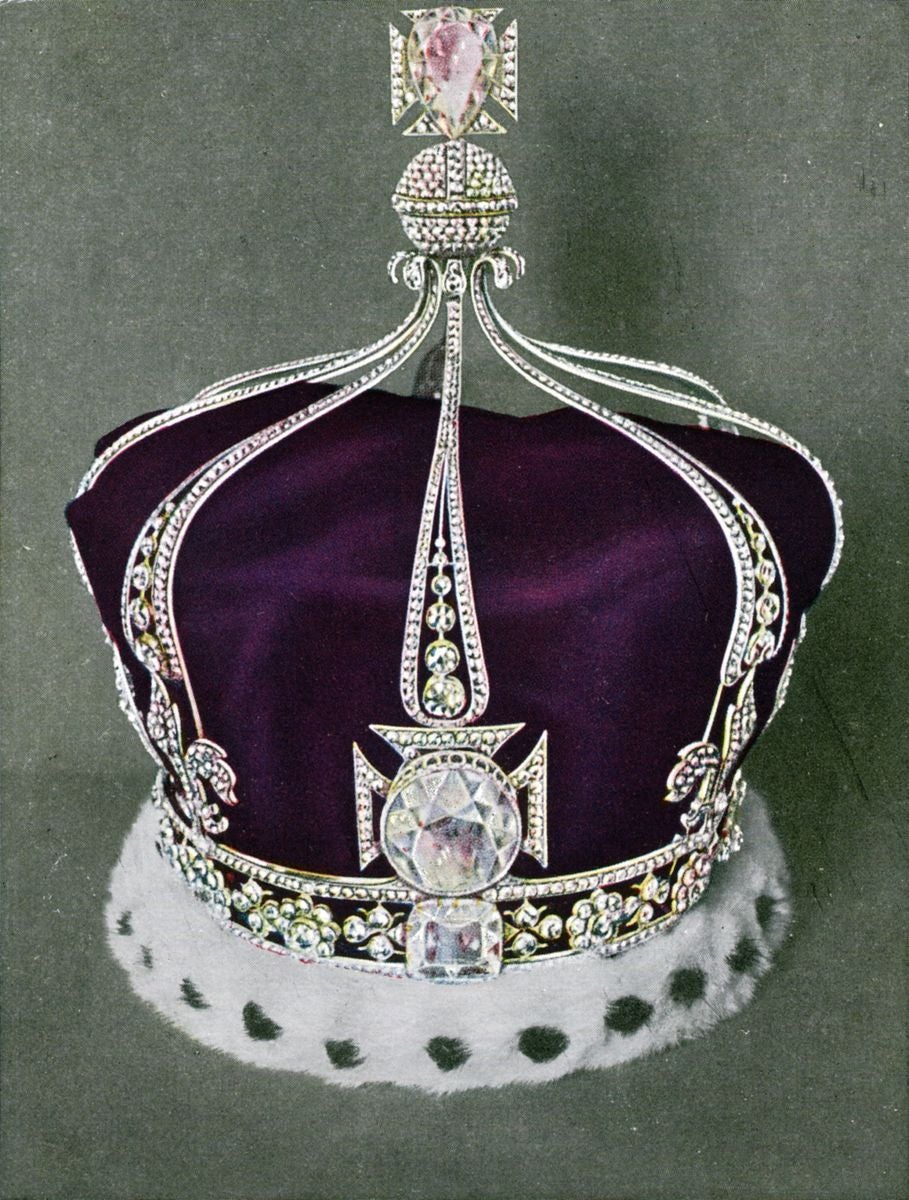
Believed to have originated in India, the Koh-i-Noor Diamond passed through the hands of Mughal emperors, Persian rulers, and Afghan leaders before coming into British possession in the 19th century.© ullstein bild Dtl.
Believed to have originated in India, the Koh-i-Noor Diamond passed through the hands of Mughal emperors, Persian rulers, and Afghan leaders before coming into British possession in the 19th century.

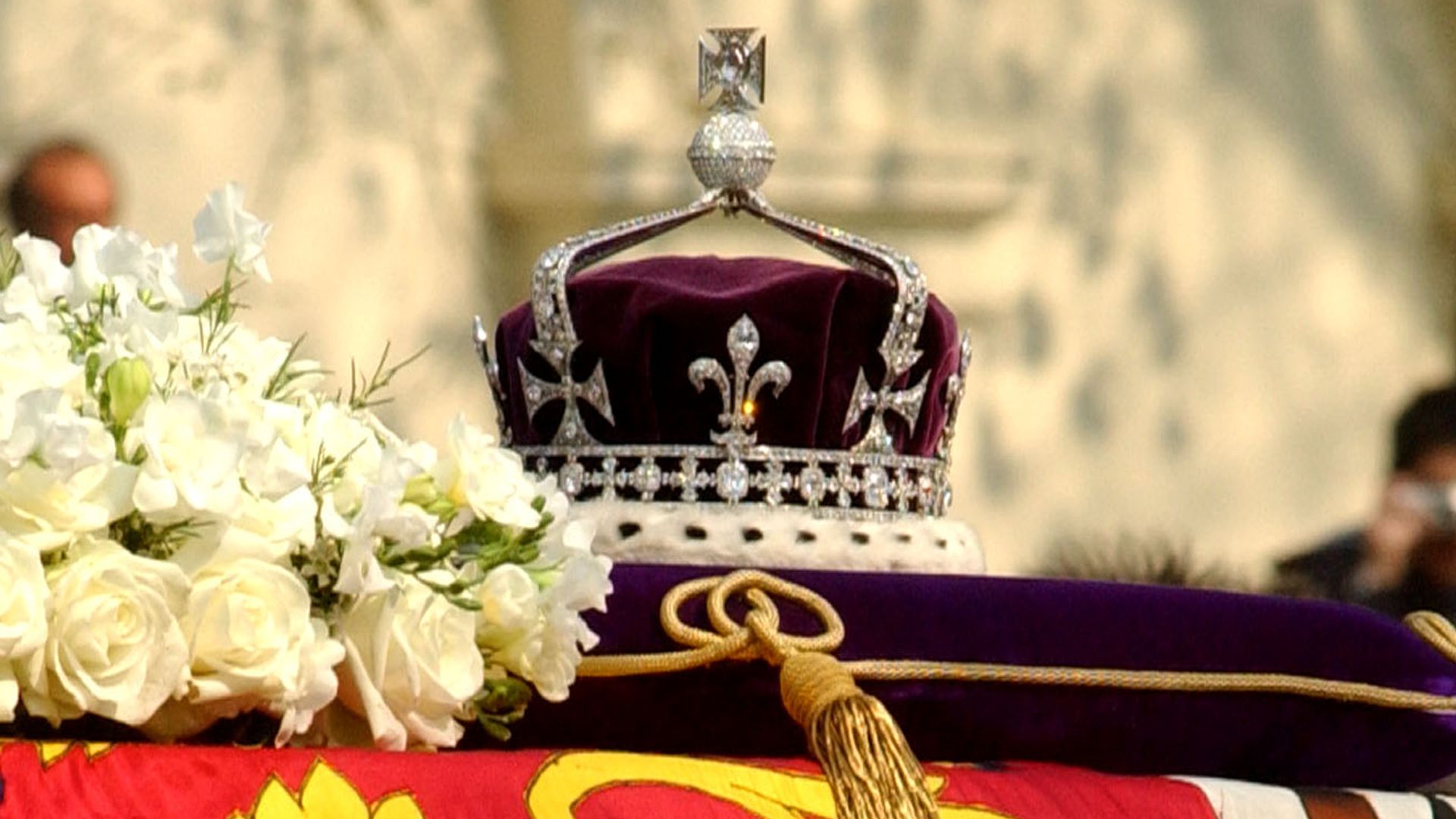
Today, it is set in the crown made for Queen Elizabeth The Queen Mother, which is part of the British Crown Jewels housed at the Tower of London. The so-called “curse” attached to the diamond claims it brings misfortune to male rulers who wear it. 
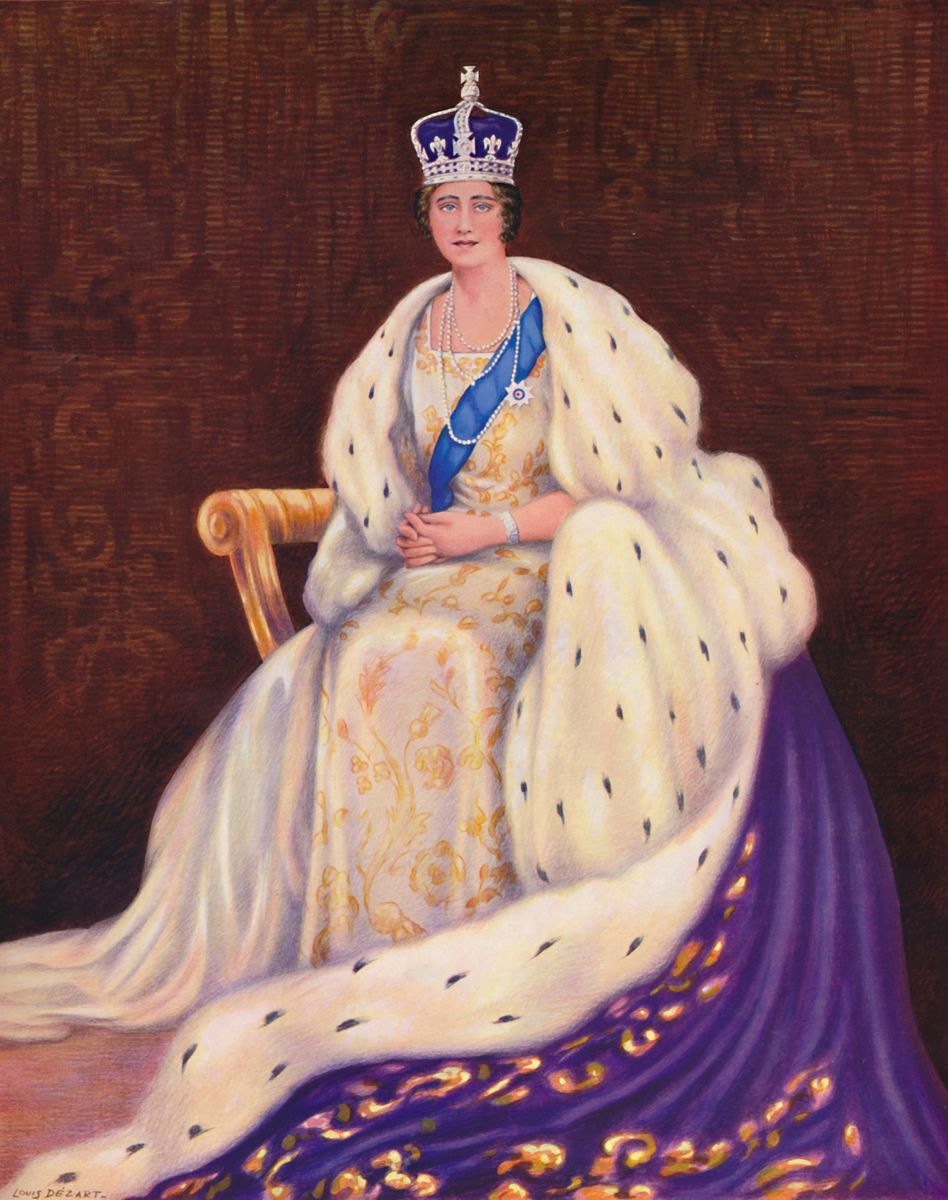
Believed to have originated in India, the Koh-i-Noor Diamond passed through the hands of Mughal emperors, Persian rulers, and Afghan leaders before coming into British possession in the 19th century.© Print Collector
Believed to have originated in India, the Koh-i-Noor Diamond passed through the hands of Mughal emperors, Persian rulers, and Afghan leaders before coming into British possession in the 19th century.

Whether myth or metaphor, its history is undeniably marked by conquest and colonialism. In modern conversations, the Koh-i-Noor is less about superstition and more about ongoing discussions surrounding cultural heritage and restitution.
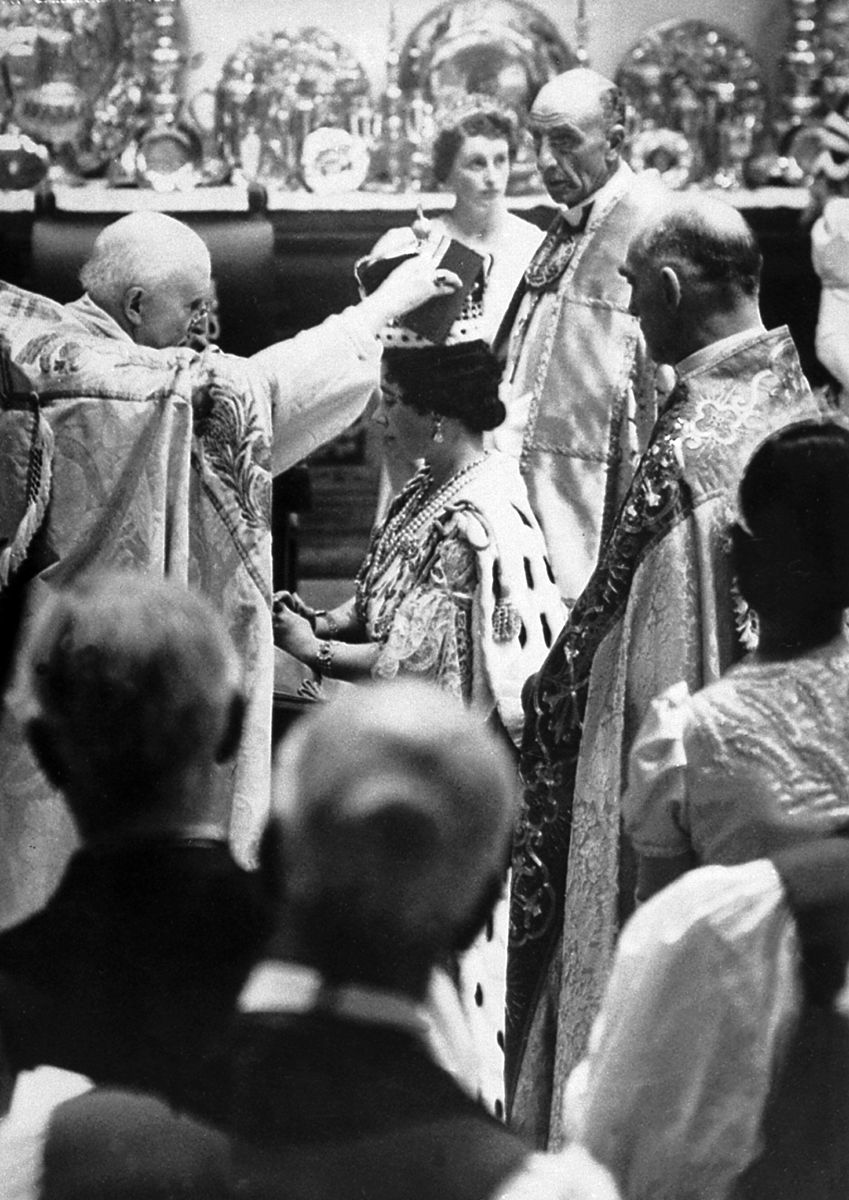
The Queen's crown was specially made for the ceremony and is mounted on platinum. The circle is the one belonging to the crown Victoria used to wear at the Court. At the top, the famous Koh-i-Noor diamond.  © Keystone-France
The Queen's crown was specially made for the ceremony and is mounted on platinum. The circle is the one belonging to the crown Victoria used to wear at the Court. At the top, the famous Koh-i-Noor diamond.

The Delhi Durbar Tiara:

Commissioned in 1911 for Queen Mary, the Delhi Durbar Tiara was created for her appearance at the Delhi Durbar, a grand imperial assembly marking the coronation of King George V as Emperor of India.
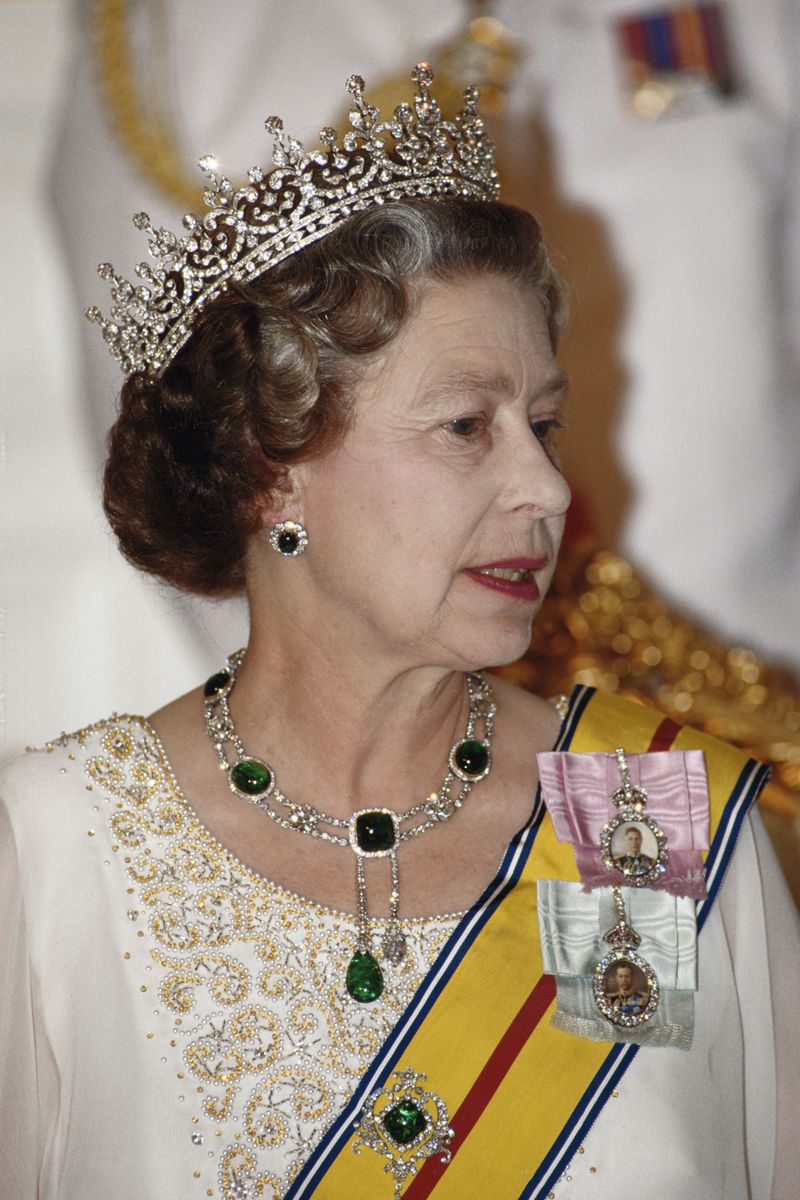
Queen Elizabeth II wearing the Girls of Great Britain and Ireland diamond tiara, and an emerald necklace and earrings which are known as the Cambridge and Delhi Durbar Parure, at a state banquet in Singapore, 1 October 1989. © Tim Graham
Queen Elizabeth II wearing the Girls of Great Britain and Ireland diamond tiara, and an emerald necklace and earrings which are known as the Cambridge and Delhi Durbar Parure, at a state banquet in Singapore, 1 October 1989.

Unlike many royal tiaras, it was specifically designed to be worn outside Britain. Its diamonds were drawn from existing royal jewels, including stones associated with Indian regalia.

Today, the tiara remains part of the royal collection and has occasionally been worn by Camilla, Queen Consort, in her role as queen. Its “cursed” reputation is less about misfortune and more about symbolism. 
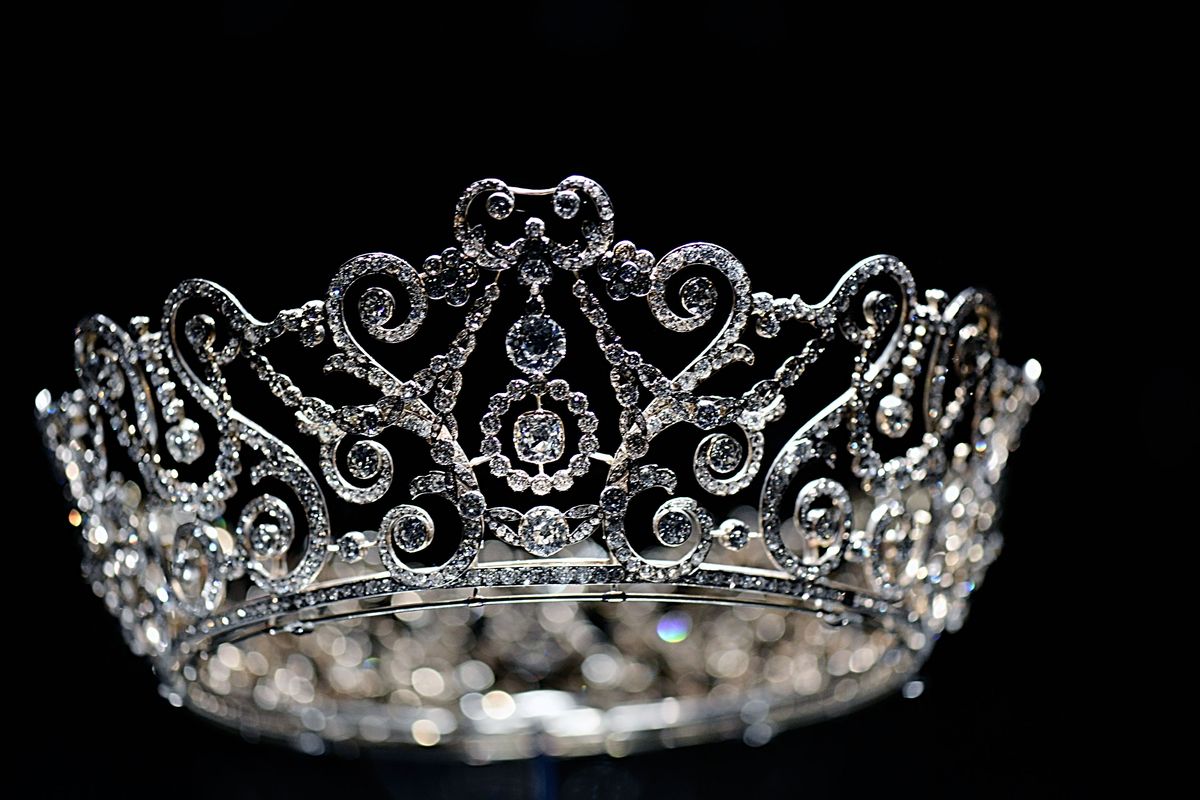
Commissioned in 1911 for Queen Mary, the Delhi Durbar Tiara was created for her appearance at the Delhi Durbar, a grand imperial assembly marking the coronation of King George V as Emperor of India.© Bethany Clarke
Commissioned in 1911 for Queen Mary, the Delhi Durbar Tiara was created for her appearance at the Delhi Durbar, a grand imperial assembly marking the coronation of King George V as Emperor of India.

The tiara has become a visual reminder of the British Empire at its height, and by extension, of the complex and often painful legacy of colonial rule.

The Black Prince’s Ruby:

Set prominently in the Imperial State Crown, the Black Prince's Ruby is not actually a ruby but a red spinel. Its history stretches back to medieval Spain, where it was owned by Pedro of Castile before being gifted to Edward of Woodstock.
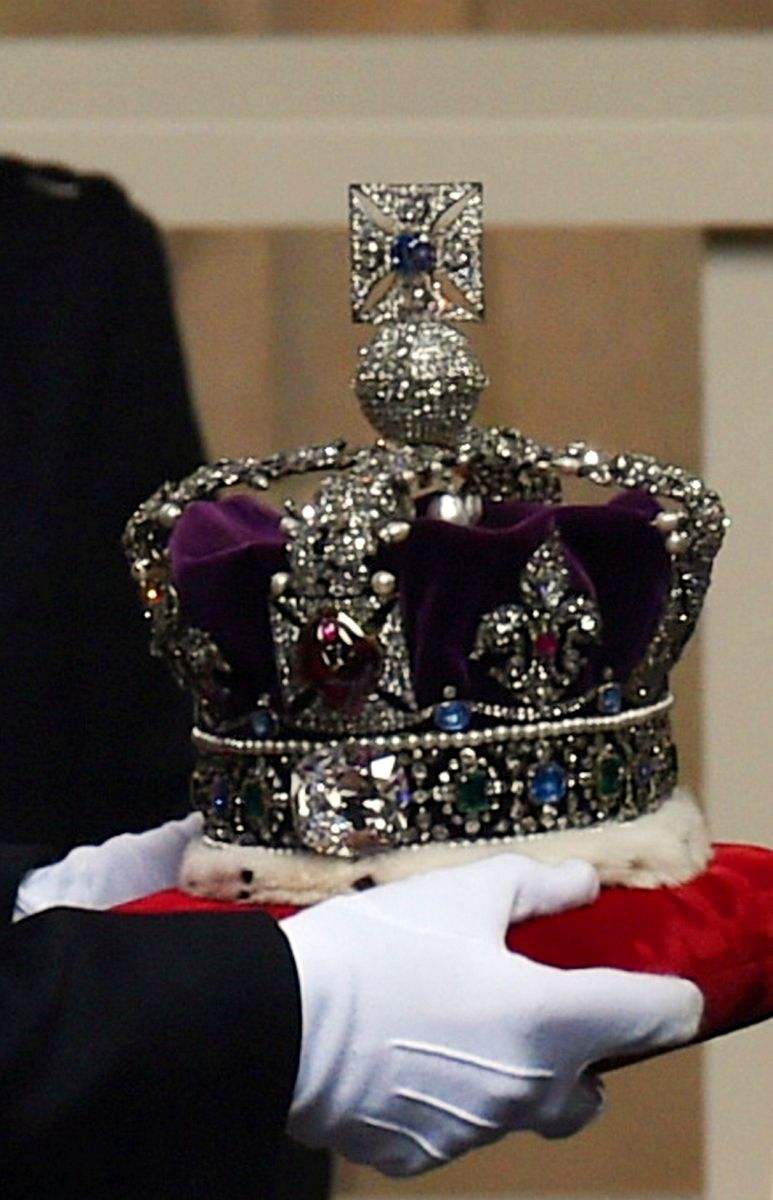
The Imperial State Crown is one of the Crown Jewels of the United Kingdom and symbolises the sovereignty of the monarch. It has existed in various forms since the 15th century. The current version was made in 1937.© Universal History Archive
The Imperial State Crown is one of the Crown Jewels of the United Kingdom and symbolises the sovereignty of the monarch. It has existed in various forms since the 15th century. The current version was made in 1937.

The gem has been present at some of England’s most dramatic moments, including the Battle of Agincourt, where it was worn by King Henry V.

Today, it sits at the front of the Imperial State Crown, still used in major state occasions such as the State Opening of Parliament.
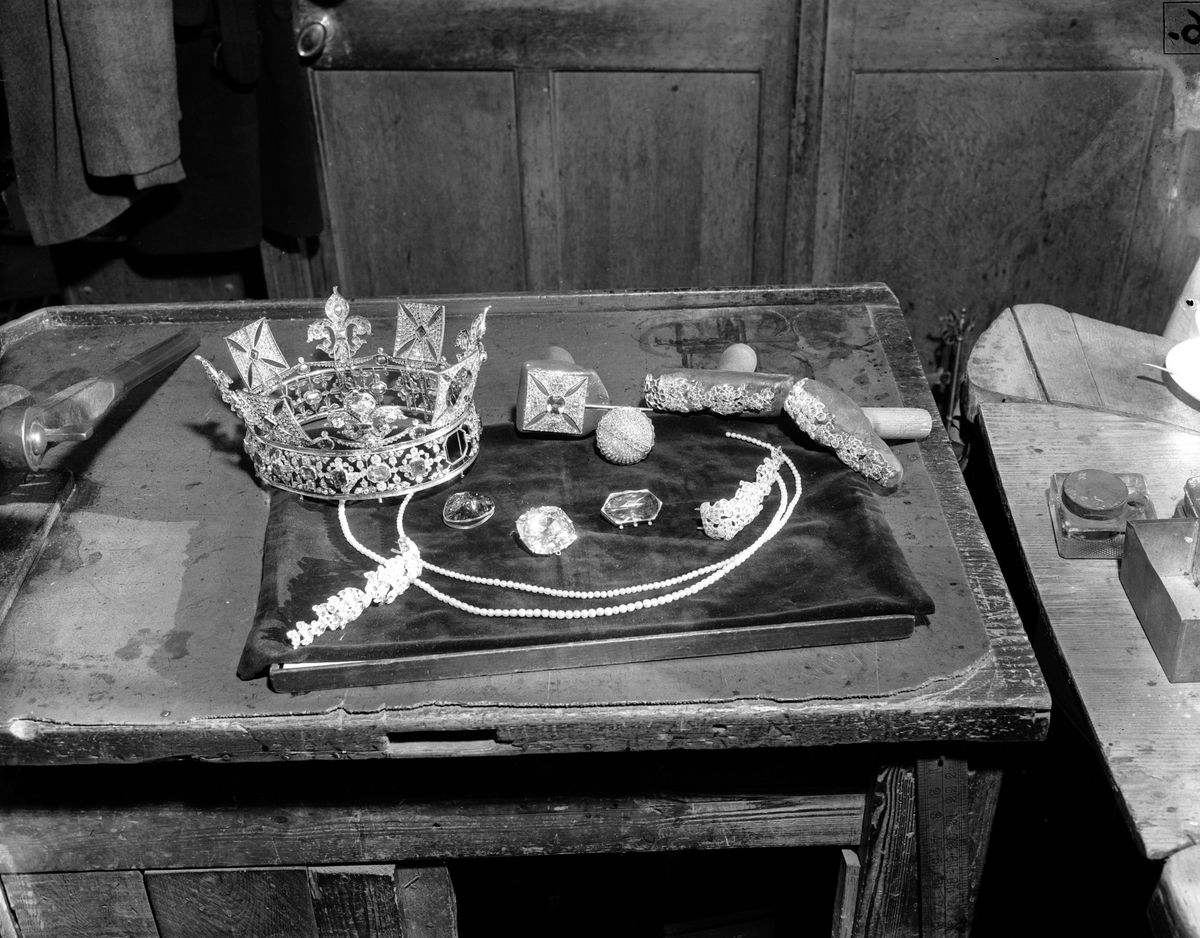
The separate sections of the Imperial State Crown are laid on a table prior to remodelling. The cross pattee surmounts the crown, while the Black Prince's ruby, the Second Star of Africa, and the Stuart sapphire.© PNA Rota
The separate sections of the Imperial State Crown are laid on a table prior to remodelling. The cross pattee surmounts the crown, while the Black Prince's ruby, the Second Star of Africa, and the Stuart sapphire.

Its association with warfare, bloodshed, and royal mortality has helped fuel its reputation as “unlucky,” though in reality it stands as a witness to centuries of turbulent history rather than a cause of it.

The Stuart Sapphire:

Also part of the Imperial State Crown, the Stuart Sapphire has a quieter but no less intriguing story. It is named for the Stuart dynasty, particularly James II of England, who took the gem into exile after being deposed during the Glorious Revolution.
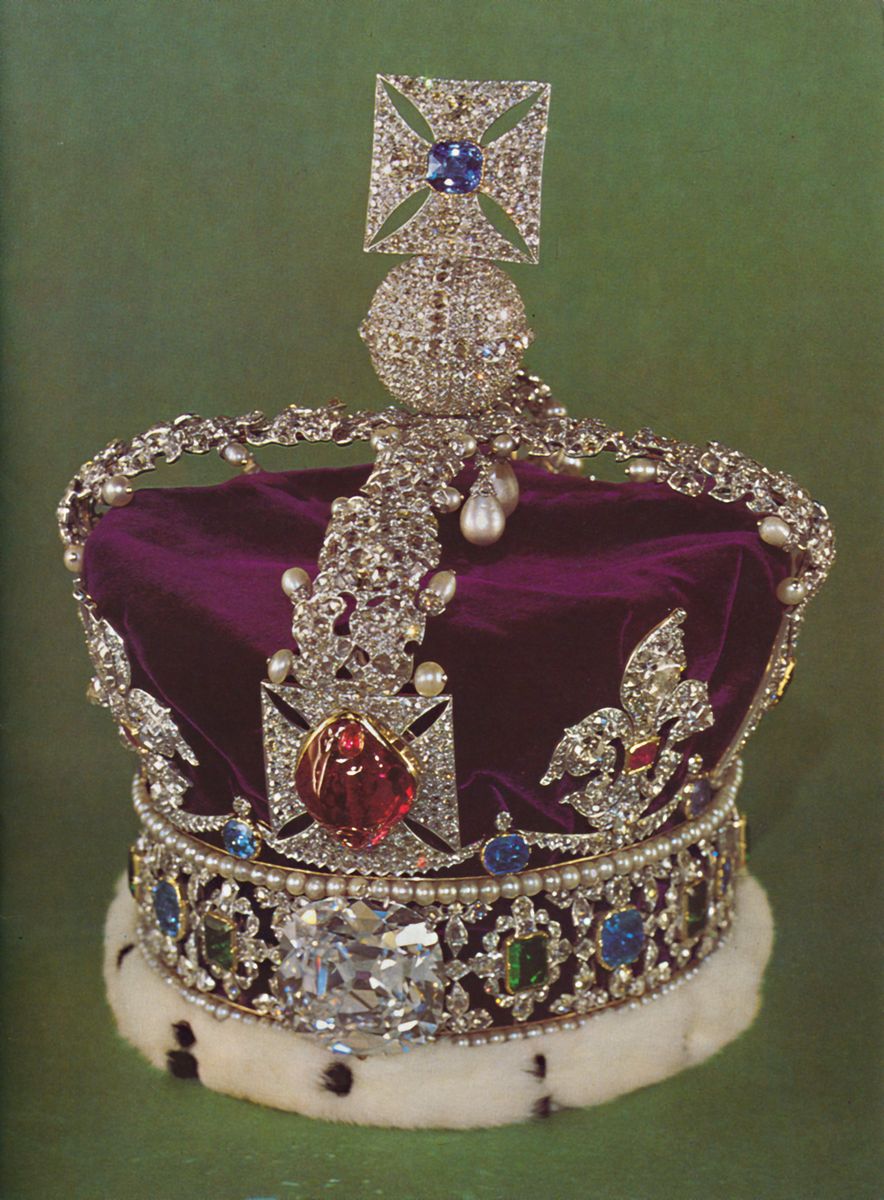
The Imperial State Crown, worn on State occasions. In front is the balas ruby given to the Black Prince in the fourteenth century', 1953. The piece was commissioned for the coronation of George VI (1937) and is part of the Royal Collection at the Tower of London.© Print Collector
The Imperial State Crown, worn on State occasions. In front is the balas ruby given to the Black Prince in the fourteenth century', 1953. The piece was commissioned for the coronation of George VI (1937) and is part of the Royal Collection at the Tower of London.

The sapphire later returned to Britain and was eventually set into the crown, where it now sits at the back. Its journey through exile and restoration has given rise to its “unlucky” reputation. Like many royal heirlooms, it reflects a period of instability in British history, when the monarchy itself was anything but secure.

A legacy shaped by history, not superstition:

What links these pieces is not a shared curse, but a shared weight of history. Each one is tied to moments of upheaval, whether through war, empire, or political change.
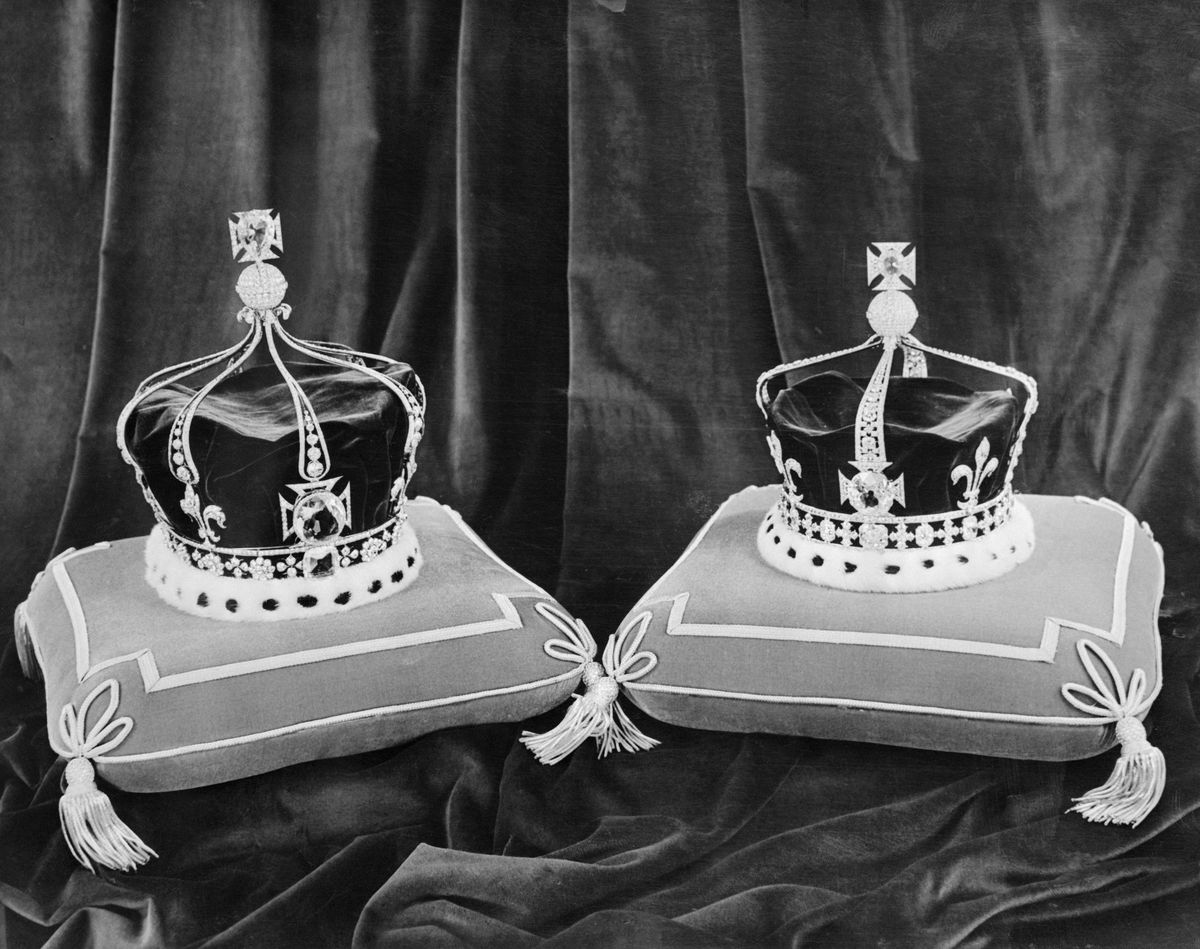
Queen Mary's crown (on the left), which has four crosses and four fleur-de-lis and contains in front the Koh-in-noor diamond, and Queen Elizabeth, The Queen Mother's crown (on the right).© Bettmann
Queen Mary's crown (on the left), which has four crosses and four fleur-de-lis and contains in front the Koh-in-noor diamond, and Queen Elizabeth, The Queen Mother's crown (on the right).

Today, they remain carefully preserved within the Crown Jewels, viewed by millions each year. Their stories continue to evolve, shaped as much by modern perspectives as by the events of the past.

In that sense, their allure has little to do with bad luck and everything to do with the enduring power of history, memory, and meaning.

© ¡HOLA! Reproduction of this article and its photographs in whole or in part is prohibited, even when citing their source.