Princess Charlotte is quietly becoming one of the most closely watched young royals, often seen as a living bridge between the tradition of Queen Elizabeth II and the future of a modern monarchy. From her place in the line of succession to her poised public appearances, she reflects both continuity and change within the royal family.
A modern princess shaped by royal reform:
One of the most defining aspects of Charlotte’s royal status comes from the Succession to the Crown Act 2013, a landmark change introduced during Queen Elizabeth II’s reign.
 © Samir Hussein
The law ended male-preference primogeniture for those born after October 2011, meaning Charlotte’s position was never overtaken by her younger brother, Prince Louis.
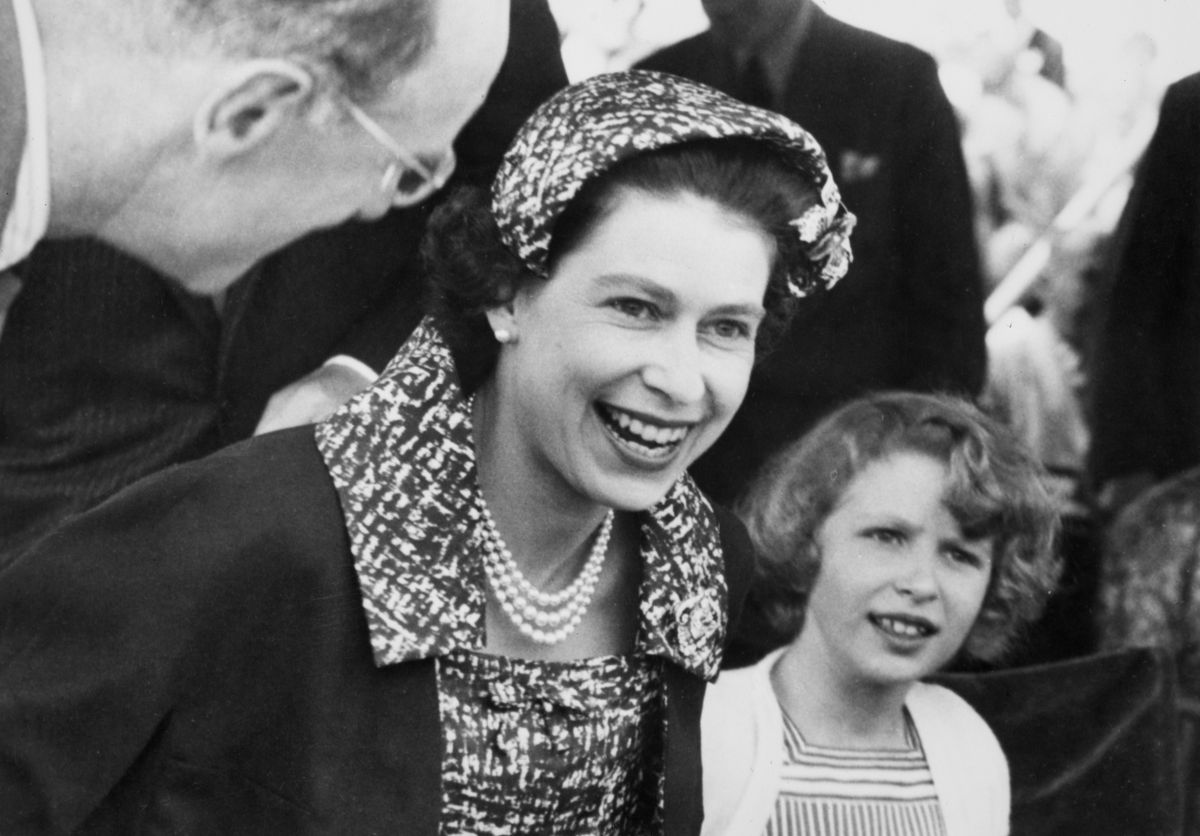
She remains third in line to the throne, a position that reflects both tradition and the modernized monarchy her great-grandmother helped shape.
 © Bettmann
Her full name, Charlotte Elizabeth Diana, carries deep family meaning, honoring both Queen Elizabeth II and Princess Diana. And from an early age, she is widely reported to have called her great-grandmother “Gan-Gan,” a sweet glimpse into their close family bond.
Poised in public, even at a young age:
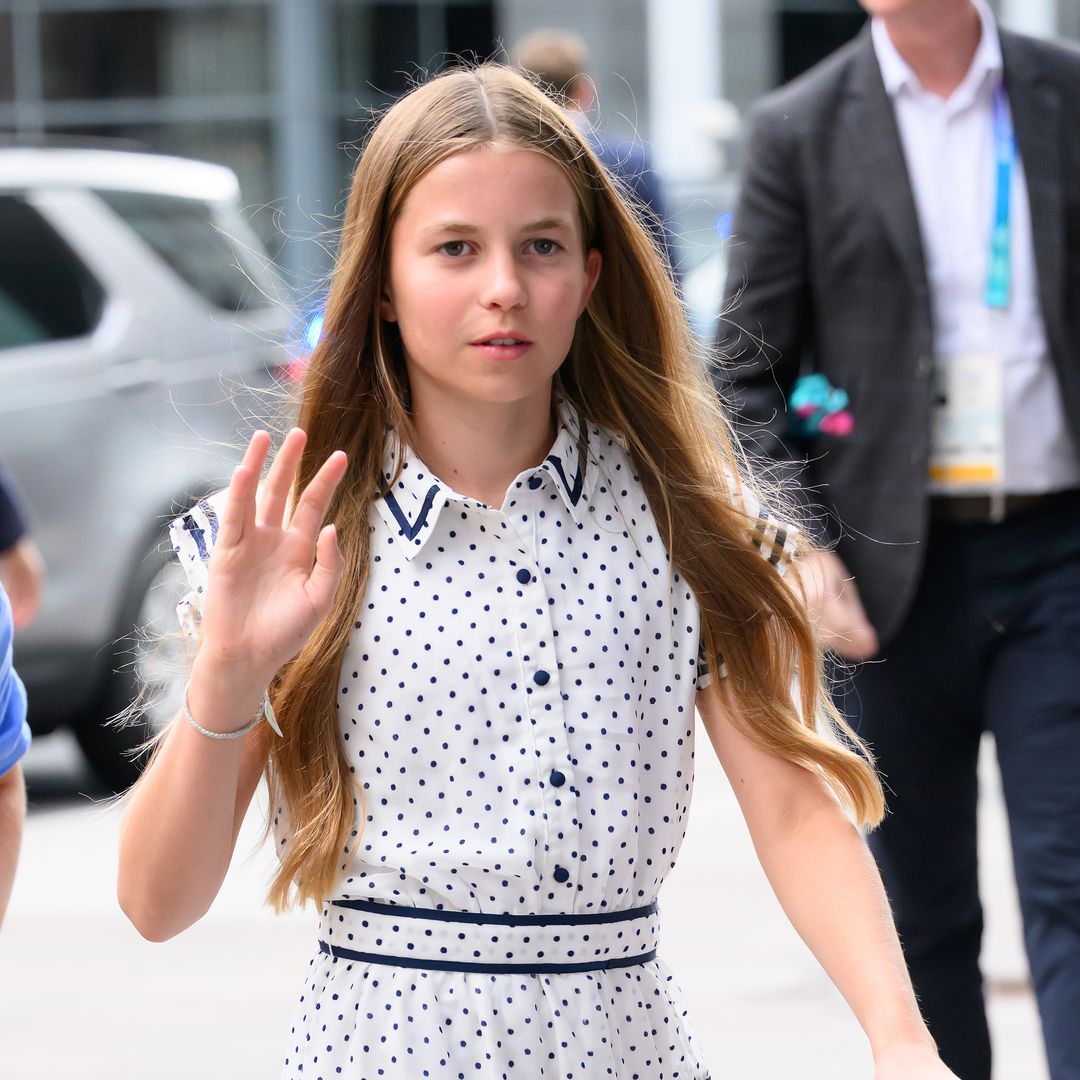
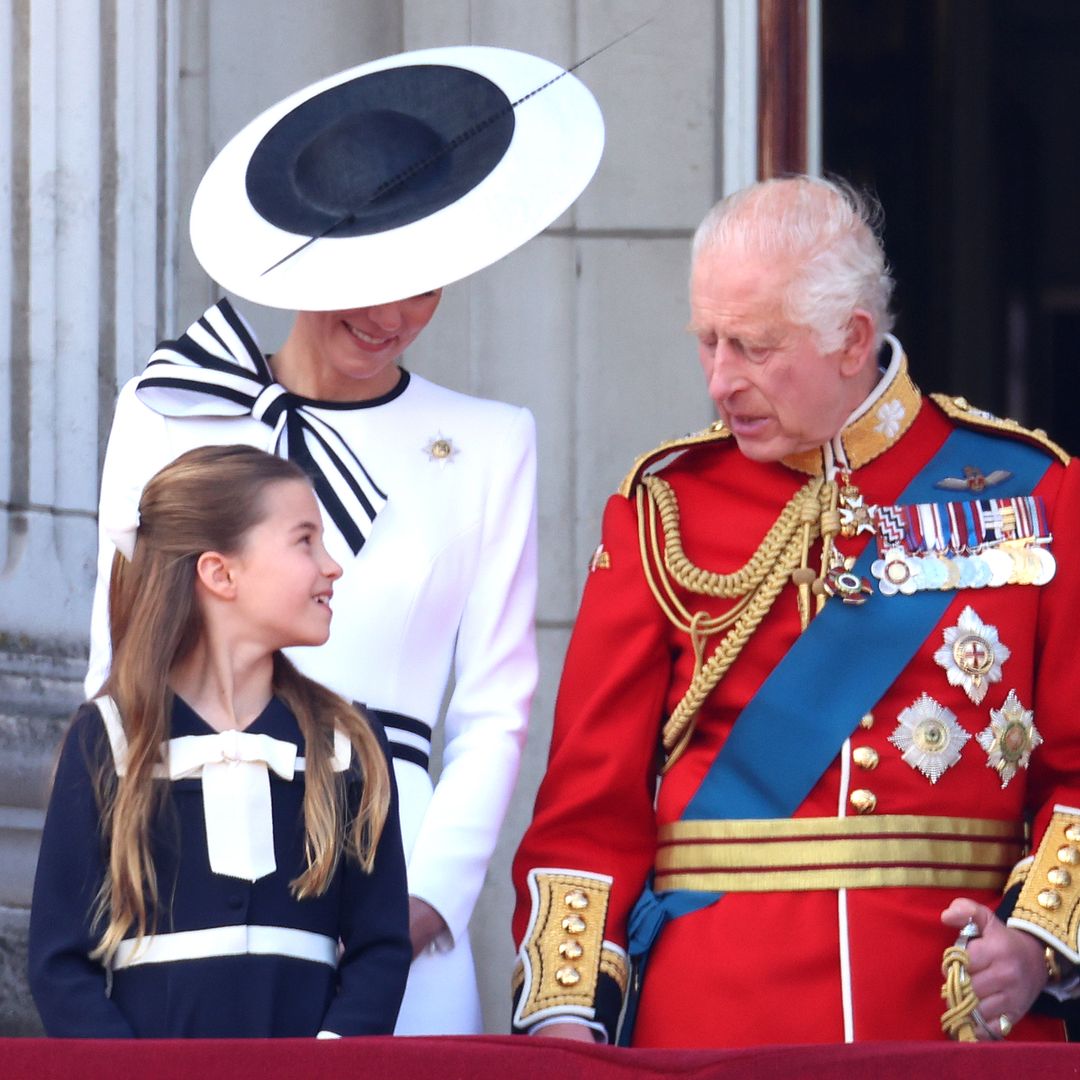
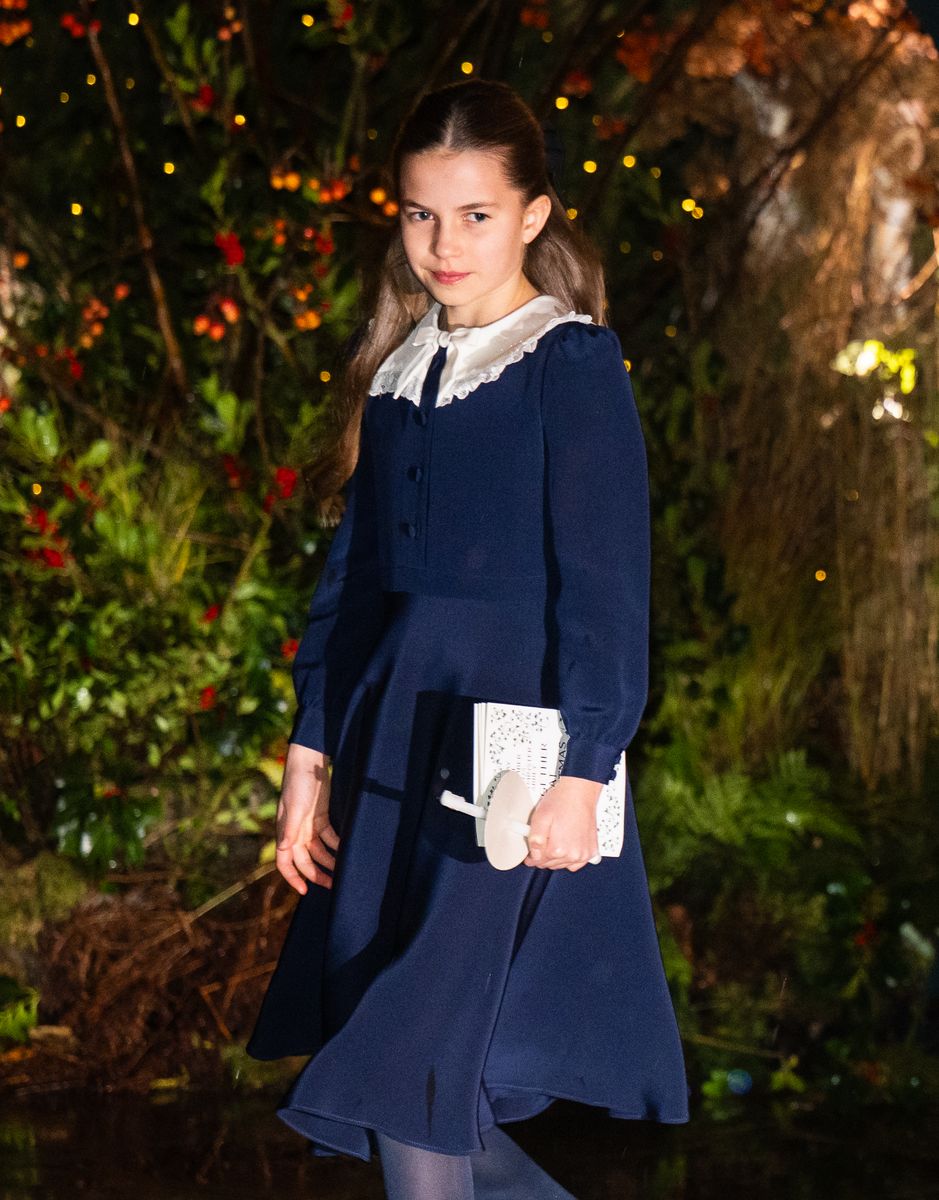
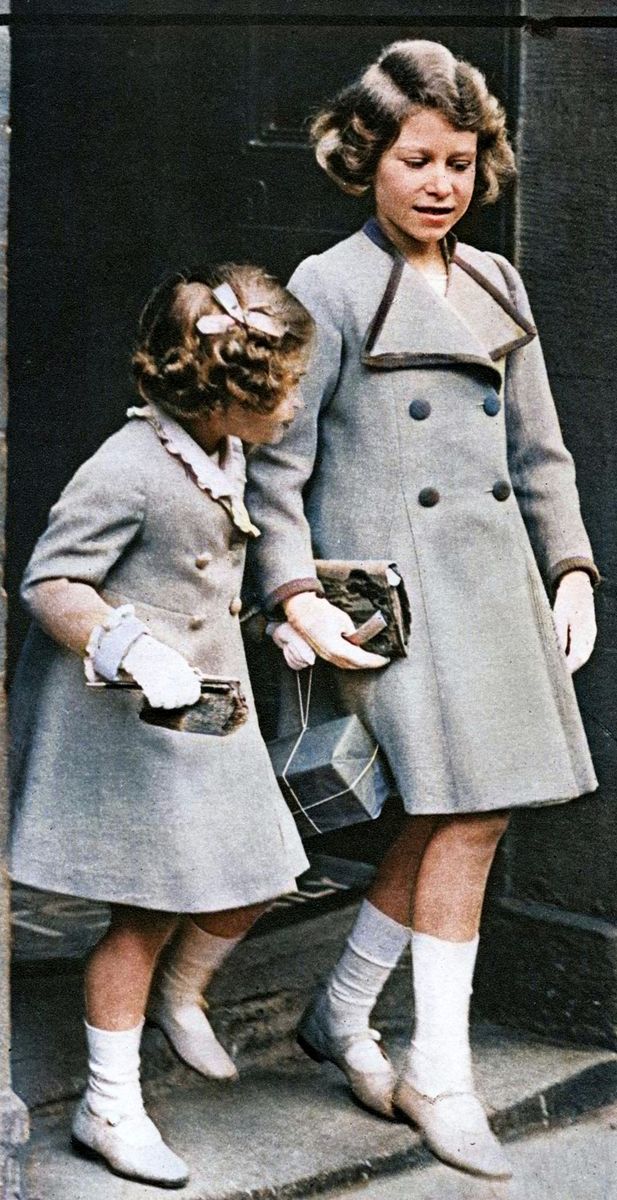
Even as a child, Charlotte has often been noticed for her calm and composed presence during major royal events. Whether standing on the Buckingham Palace balcony or attending formal ceremonies, she tends to appear focused, still, and aware of her surroundings.
 © Samir Hussein
Royal watchers have frequently pointed out her quiet confidence, with some noting that she seems especially comfortable in structured, ceremonial settings. While comparisons to Queen Elizabeth II are naturally interpretive, many see echoes of that same composed energy in her early public life.
 © Heritage Images
Her expression during official events is typically controlled and neutral, something that aligns closely with long-standing royal expectations.
A shared love of horses and subtle tributes:
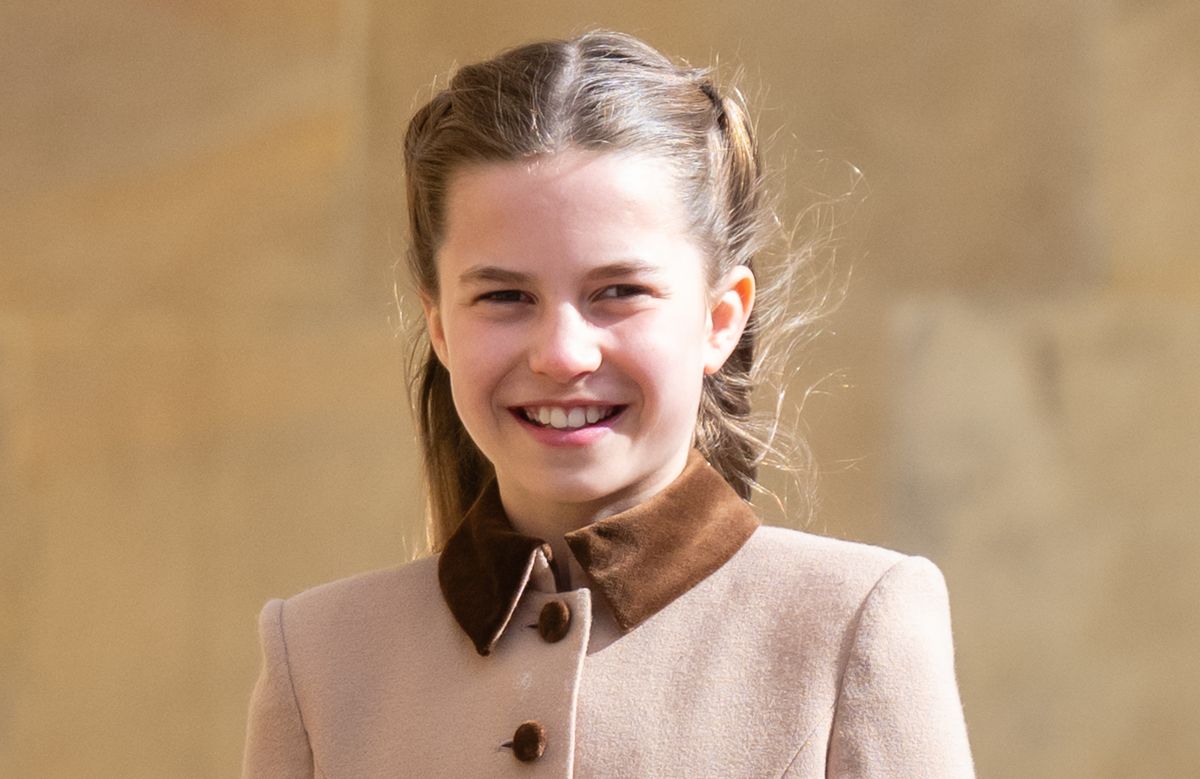
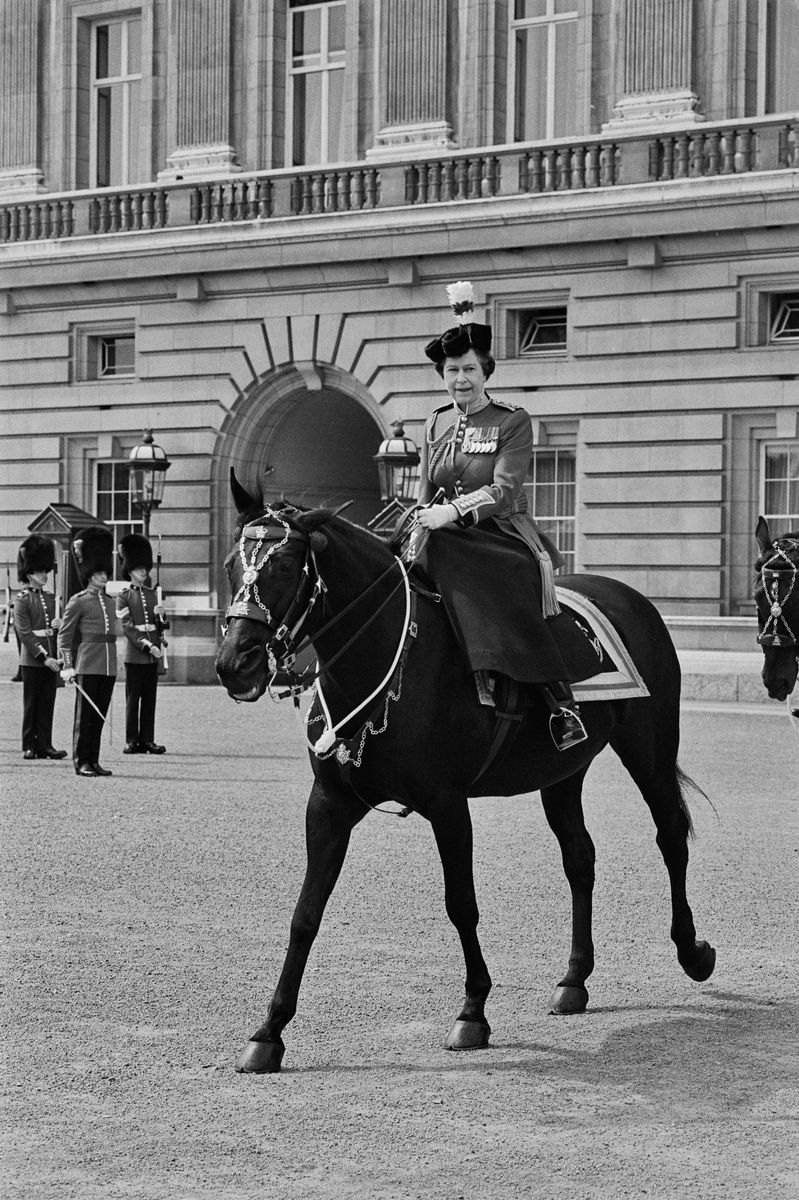
One of the most touching connections between Charlotte and Queen Elizabeth II is their shared love of horses. The late Queen was famously passionate about equestrian life, and Charlotte is widely reported to have shown an early interest in riding within the royal household.
 © Samir Hussein
This shared bond was especially noted at Queen Elizabeth II’s funeral, when Charlotte wore a delicate diamond horseshoe-style brooch. The piece drew attention from royal observers, who saw it as a meaningful tribute linked to the Queen’s lifelong love of horses.
 © Central Press
Growing up royal:
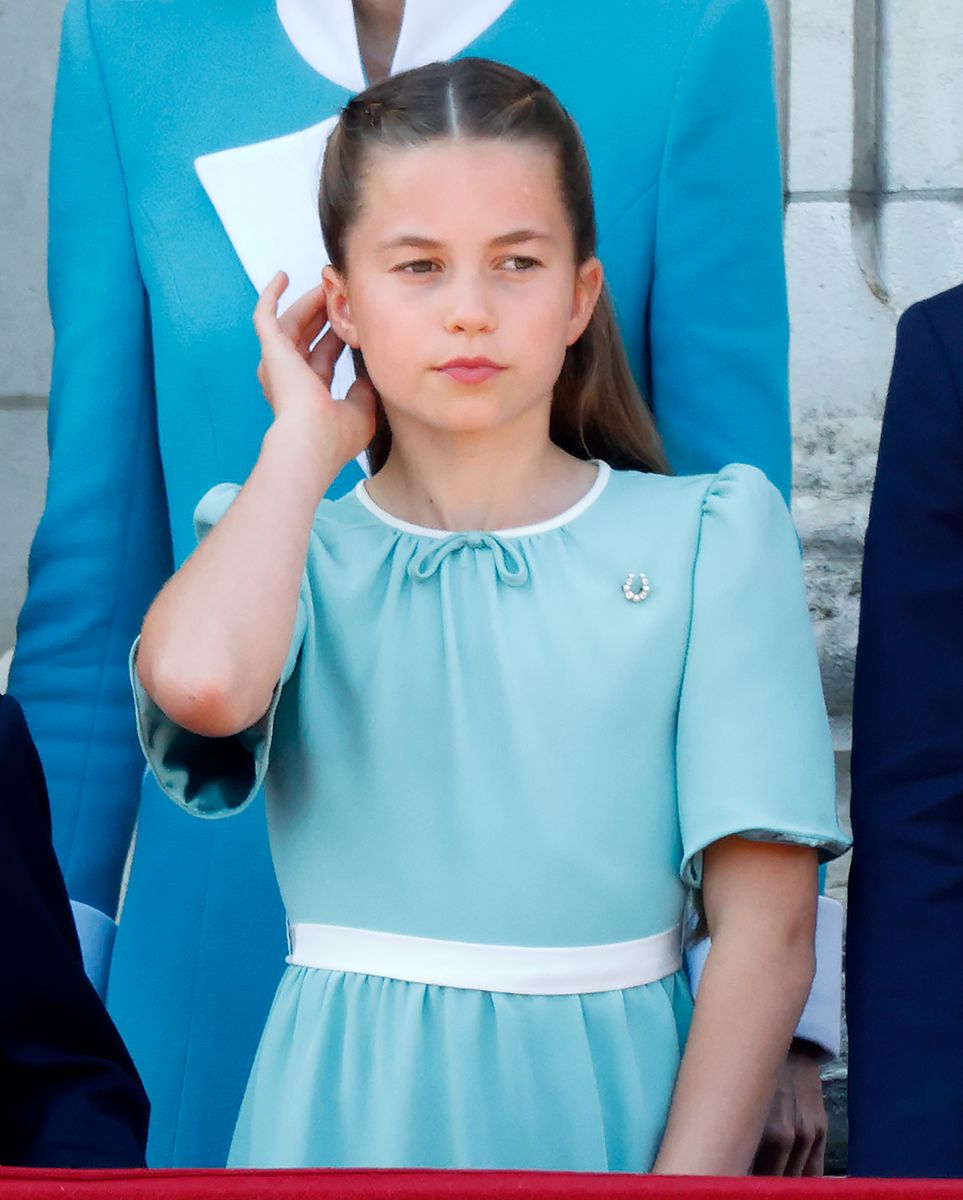
Charlotte has also become known for her awareness of royal protocol during public appearances. From curtsying at formal events to standing attentively during long ceremonies, she often mirrors the expectations placed on senior members of the royal family.
 © Max Mumby/Indigo
At times, she has even been seen gently guiding her younger brother during public outings, a moment that royal fans interpreted as an early sense of responsibility and awareness of tradition.
School life and preparation for the future:
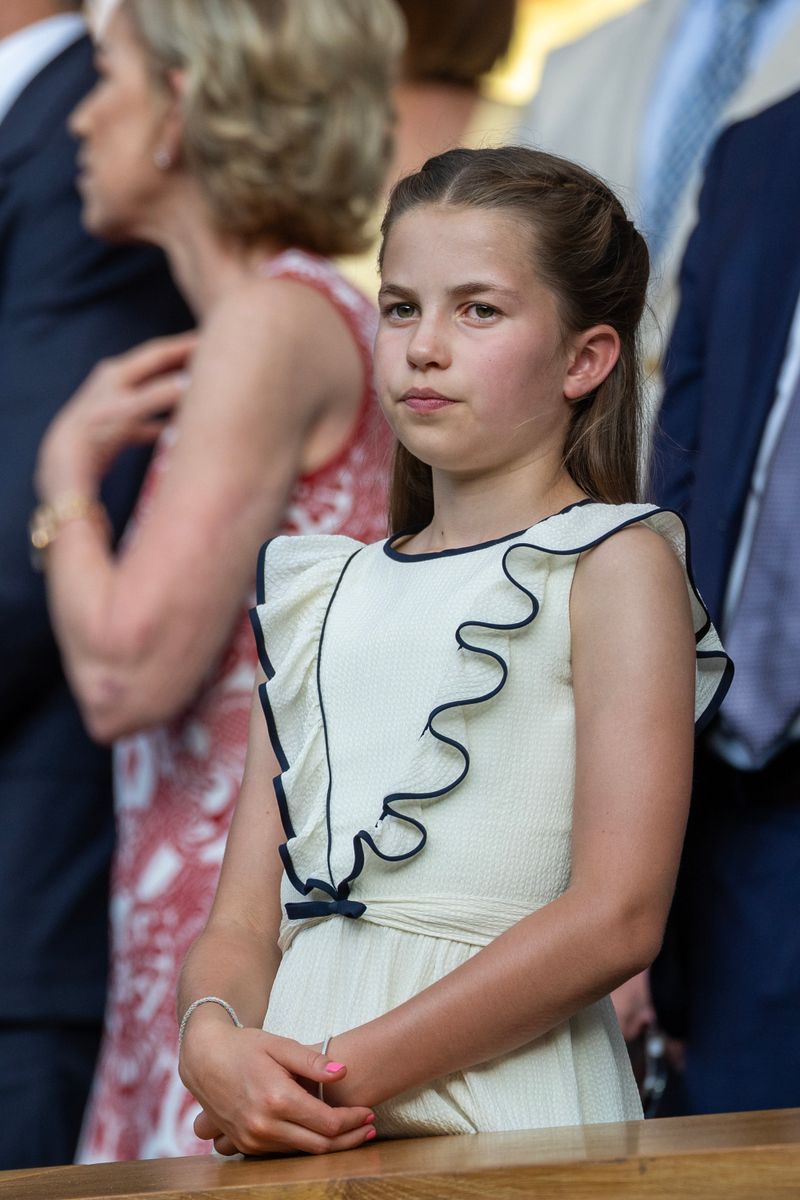
Away from royal duties, Charlotte attends Lambrook School in Berkshire with Prince George and Prince Louis. The school offers a broad, well-rounded education with academics, sports, and creative subjects all playing a role in daily life.
 © Tim Clayton
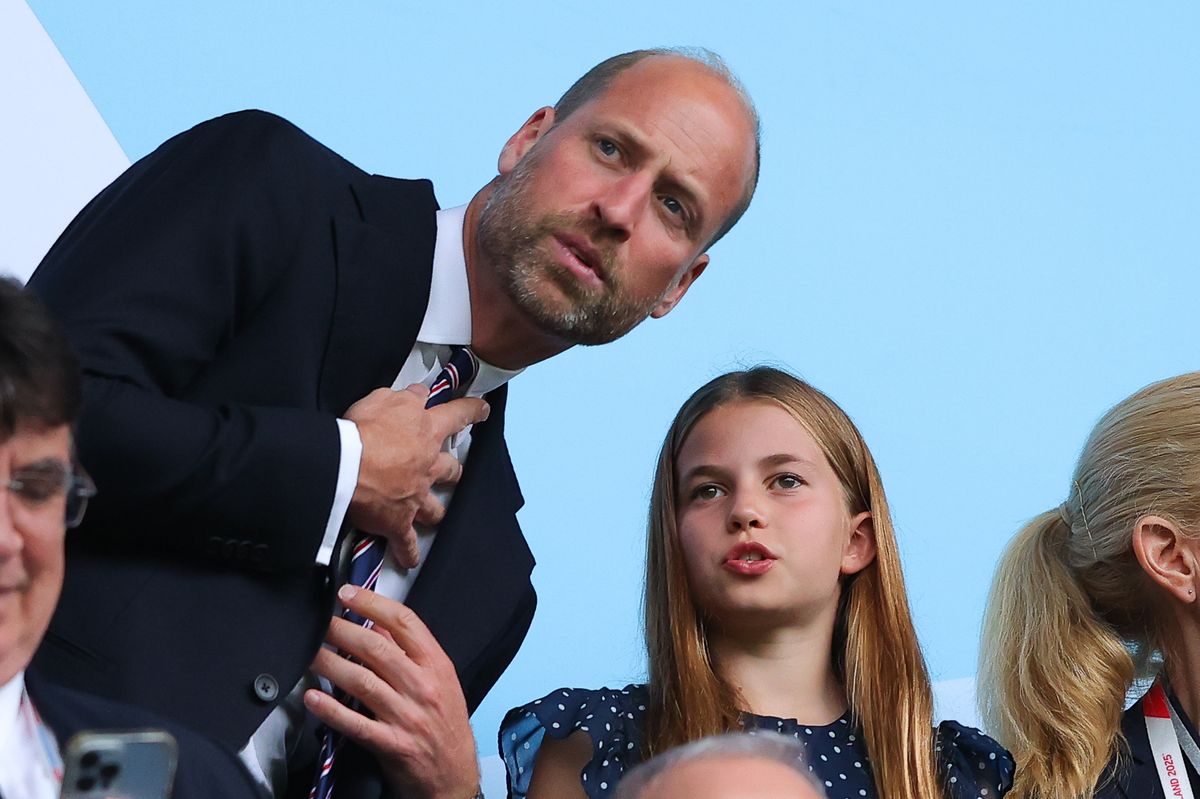
Reports suggest she is also being introduced to languages such as French and Spanish, along with activities that encourage confidence, teamwork, and leadership.
 © James Gill - Danehouse
While her future education path has not been officially announced, royal watchers often speculate about prestigious secondary schools based on family tradition, though nothing has been confirmed by the family.
A future role still unfolding:
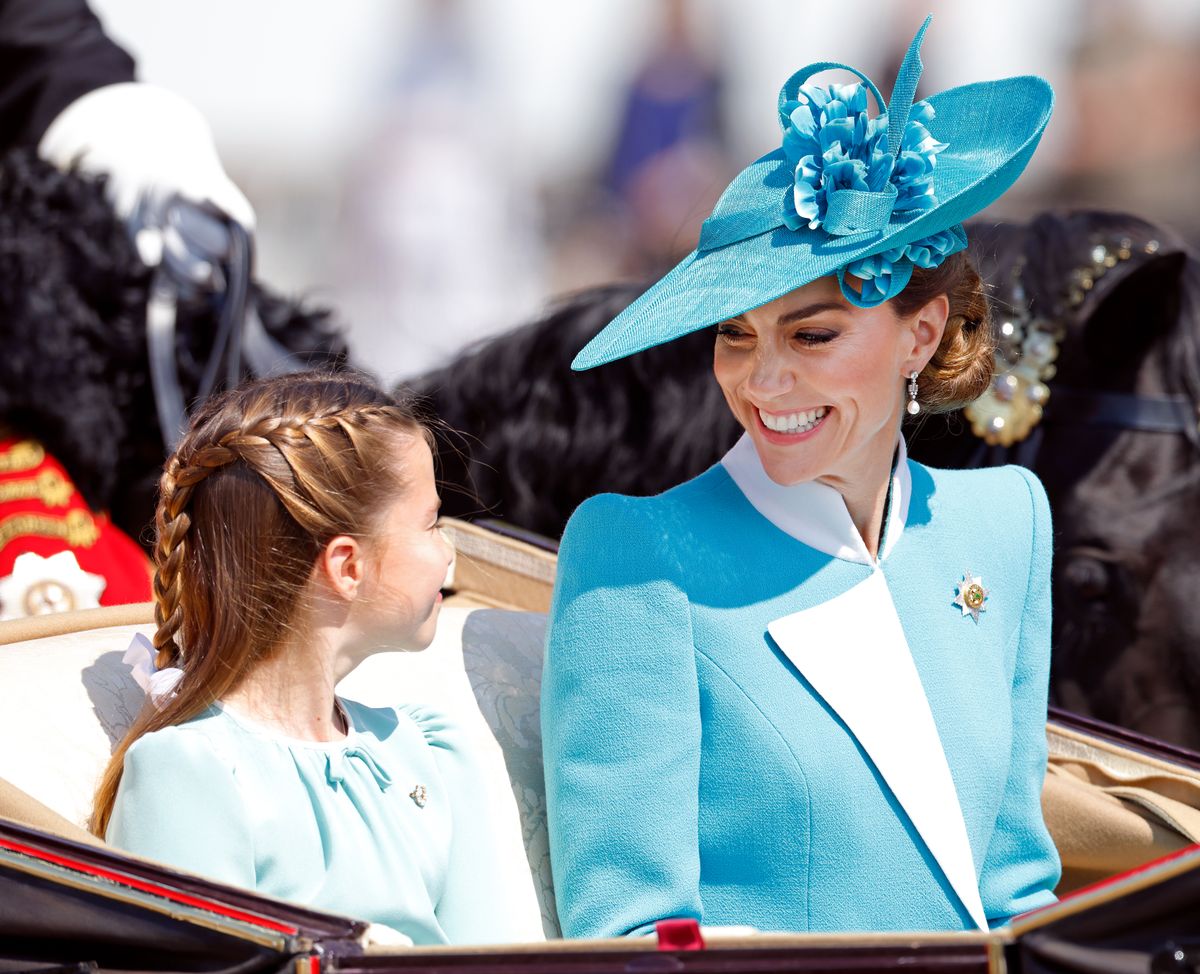
As she grows older, Charlotte’s role within the royal family is expected to gradually expand. It is possible she may one day hold the title of Princess Royal, a historic honor traditionally given to the monarch’s eldest daughter, though this is ultimately at the discretion of the reigning sovereign.
 © Max Mumby/Indigo
She has already taken part in significant royal moments, including the coronation of King Charles III, where she joined other senior royals in ceremonial roles. Future milestones, including major national events and coronations, are likely to see her take on an increasingly visible role.
Jewels, heritage, and royal tradition:
Like other senior royals, Charlotte is part of a tradition where historic jewelry and heirlooms are passed down through usage rather than formal ownership. Many of these pieces are held in trust and worn by royal women across generations.
 © Tim Graham
Items linked to Queen Elizabeth II and Princess Diana are often discussed in relation to her future, though specific inheritance is not officially defined.
Pieces such as the Spencer family tiara are frequently mentioned in media speculation due to her maternal lineage, but their future use remains a private family matter rather than a confirmed arrangement.
A new generation of legacy:
Princess Charlotte’s story is still unfolding, but even at a young age, she is already seen as part of the next chapter of the royal family. Through her public appearances, her upbringing, and the symbolic connections woven through her family history, she reflects a monarchy that continues to evolve while staying deeply rooted in tradition.