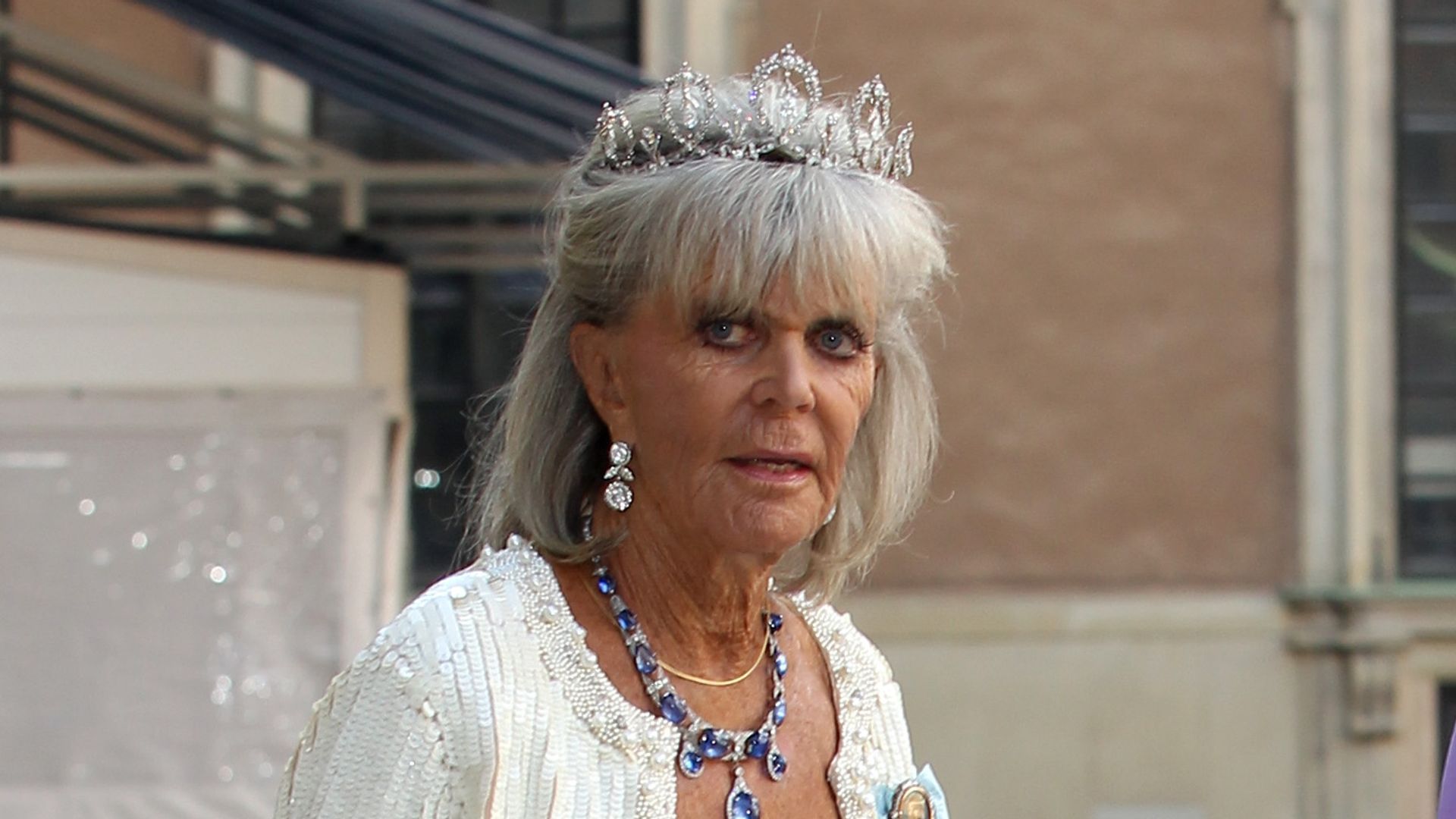
An evening in Geneva turned a family quarrel into a royal whodunit. On Wednesday, November 11, Sotheby’s auctioned the jewels of Princess Birgitta of Sweden at its Royal and Noble Jewels sale, and the bidding didn’t just meet expectations; in several cases, it left them far behind. The late princess and older sister of King Carl XVI Gustaf died in Mallorca in December 2024 at 87. Nearly two years later, pieces that once sparkled at her family’s grandest occasions have new owners, and nobody outside the auction room seems to know who they are.
 © Sotheby's
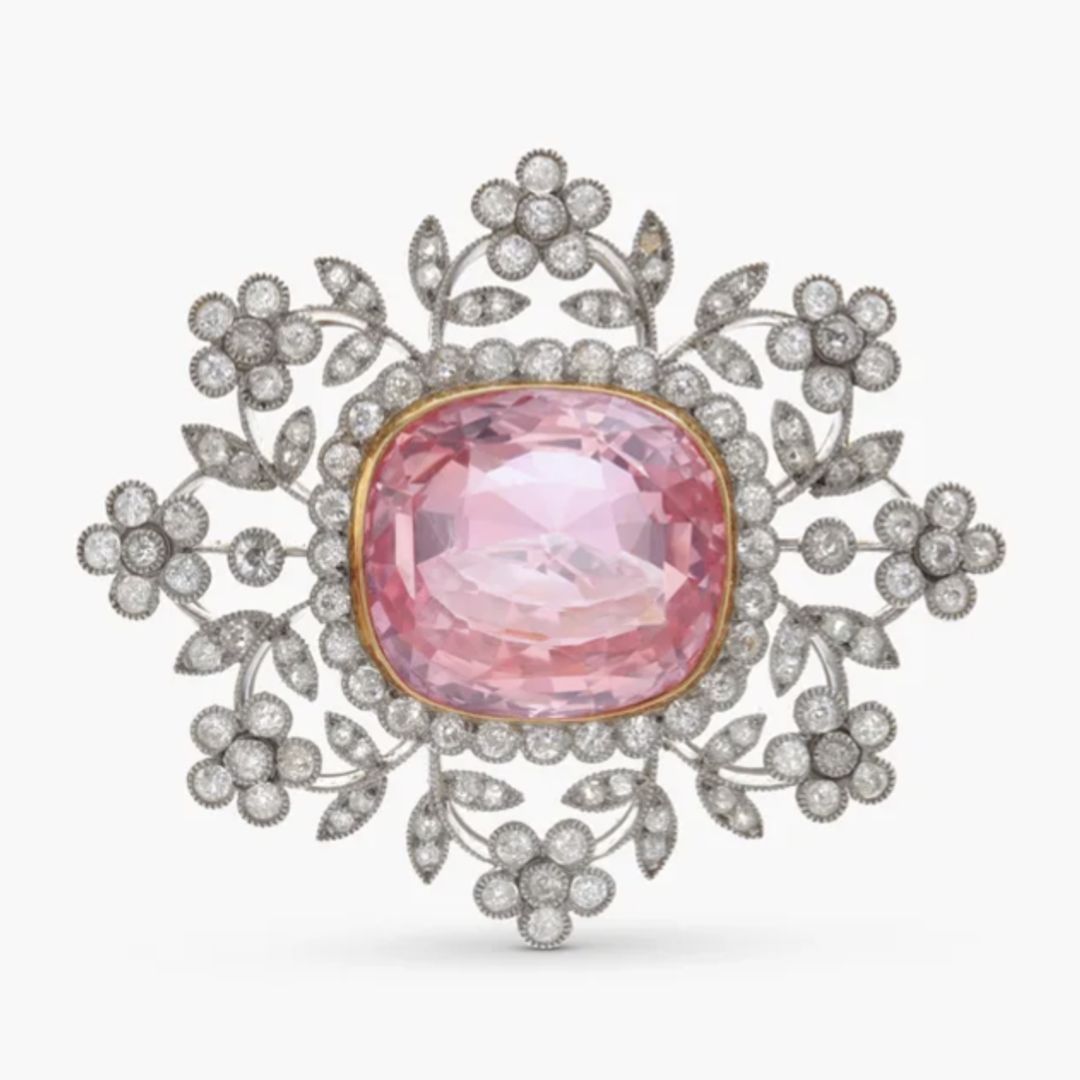
The star of the night was a spectacular Belle Époque brooch set with diamonds around a 23.64-carat padparadscha sapphire from Ceylon, a rare stone prized for its sunset blend of pink and orange. Princess Sibylla gave it to her daughter when Birgitta married Prince Johann Georg of Hohenzollern in 1961. Sotheby’s had valued it at around 700,000 Swedish kronor. It sold for roughly 13.4 million kronor, about $1.38 million according to Dagens Nyheter.
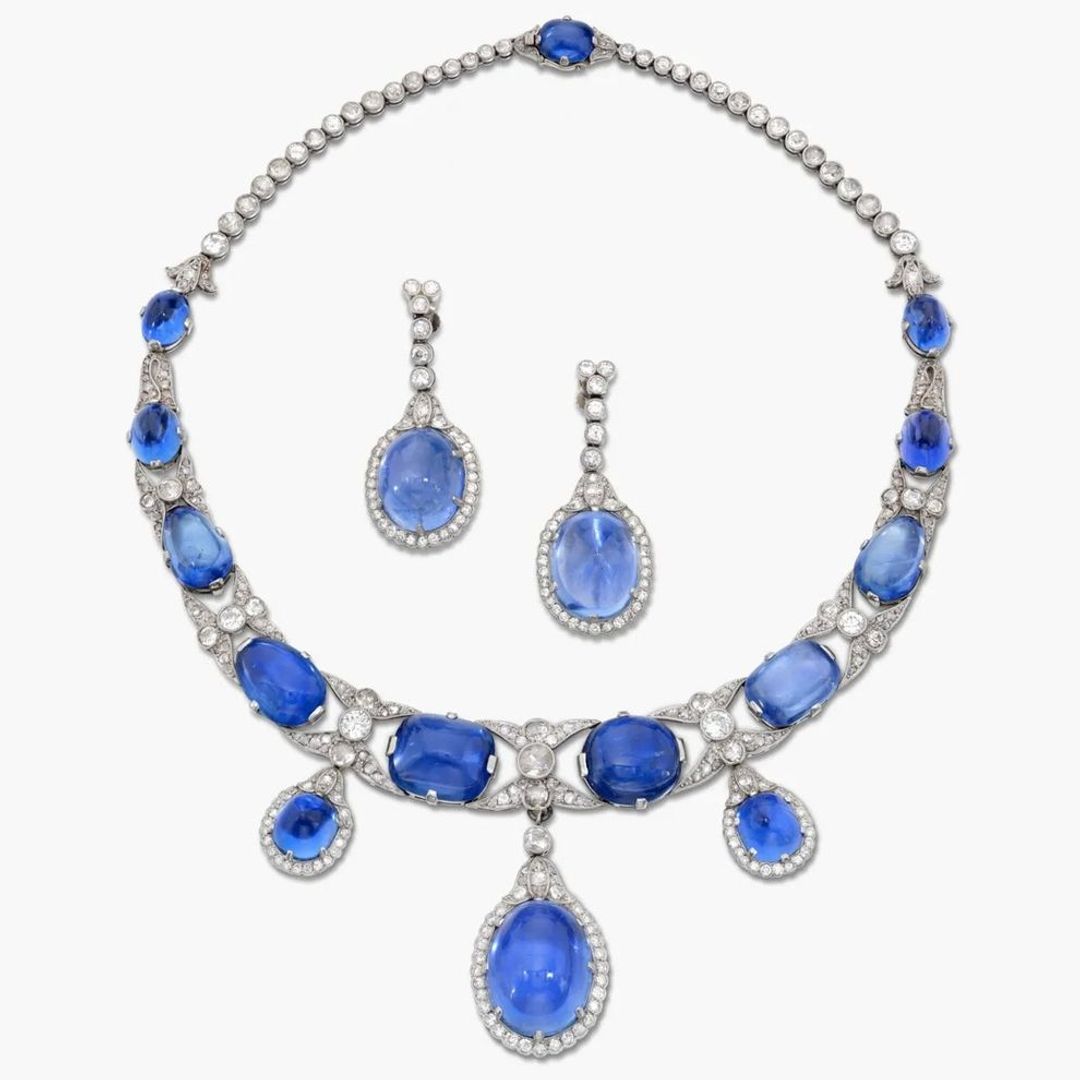
Close behind came a historic sapphire and diamond parure, a necklace and matching earrings that Birgitta inherited from her mother and wore to the weddings of her nieces, Crown Princess Victoria in 2010 and Princess Madeleine in 2013. The set, whose history has been linked to the Russian Imperial Court, carried a Sotheby’s estimate of 300,000 to 500,000 Swiss francs, roughly $365,000 to $615,000. It ended up selling for $1.03 million.
A more modest piece carried perhaps the most personal story of all: a pearl and diamond necklace Birgitta received as a christening gift from her uncle, Prince Bertil, in 1937. It, too, beat its estimate, bringing in about $13,450. All told, the princess’s pieces sold for the equivalent of about 25 million kronor, Dagens Nyheter reports.
 © Sotheby's
The behind-the-scenes family drama
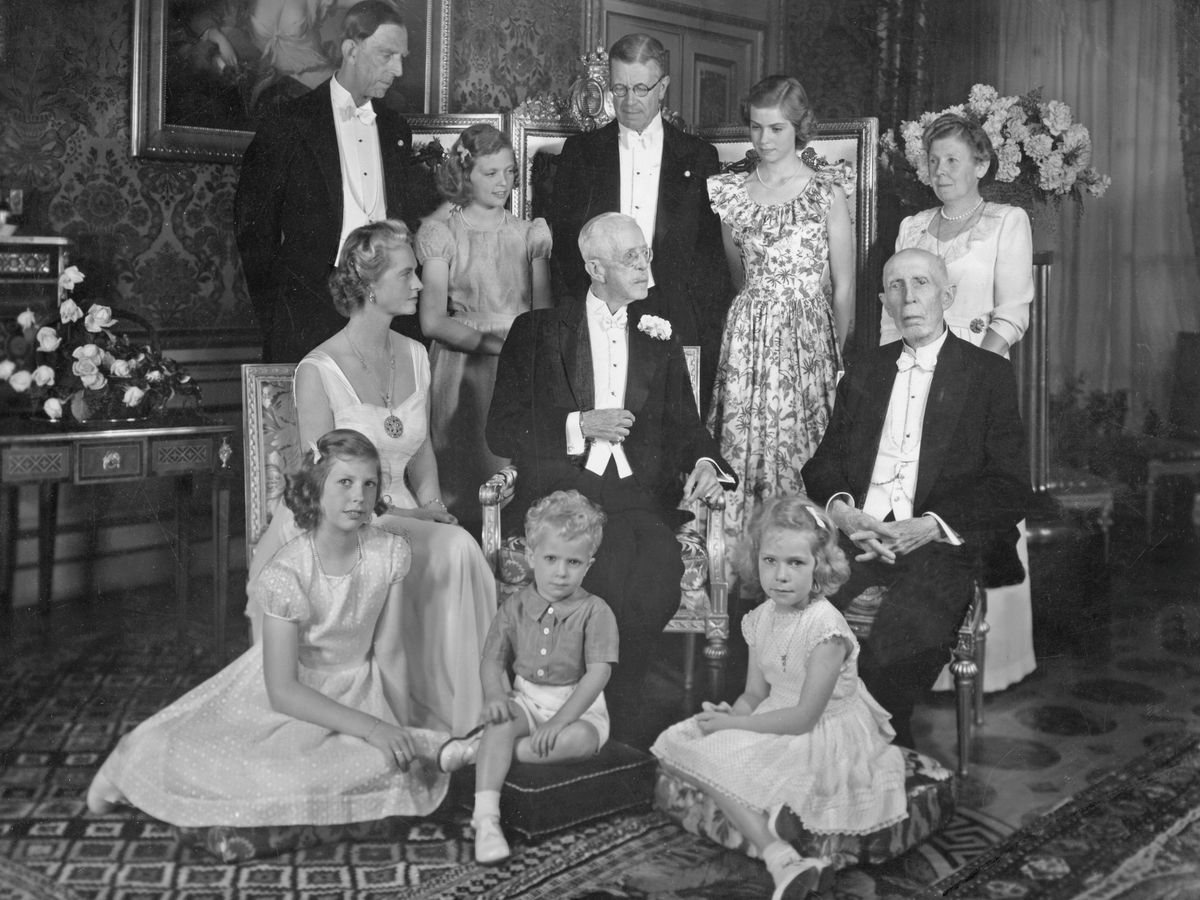
So who’s wearing them now? That’s the question Sweden can’t stop asking, and it’s sharpened by the controversy that has shadowed the sale since it was announced in late October. Svensk Damtidning reported that the king was deeply unhappy with his sister’s heirs for putting jewels with generations of family history on the open market. Johan T. Lindwall, the magazine’s royal correspondent, explained that publicly parting with pieces of such historical and sentimental weight would run counter to the monarch’s principles.
Historian and royal expert Herman Lindqvis also questioned the wisdom of selling them at a public auction.
 © Sjöberg BildbyrÃ¥/ullstein bild v
“I wouldn’t rule out the King himself buying back the jewels that belonged to his mother. In fact, it’s quite likely, since they hold great sentimental value for him," suggested Lindwall.
Legally, the heirs were well within their rights. Birgitta’s private estate passed to her three children, Carl Christian, Désirée and Hubertus of Hohenzollern. The Royal Court has stayed out of the debate, but press chief Margareta Thorgren told Svensk Damtidning that jewels sold at auction are private property, and that nothing belonging to the state or to a foundation can be sold that way. In other words, there was nothing stopping the sale, even if it has stirred criticism and fueled talk of the king’s displeasure.
Whether those sapphires end up back in a Swedish palace or in a stranger’s jewelry box, the auction has settled one thing: Princess Birgitta’s legacy is worth far more than anyone expected.
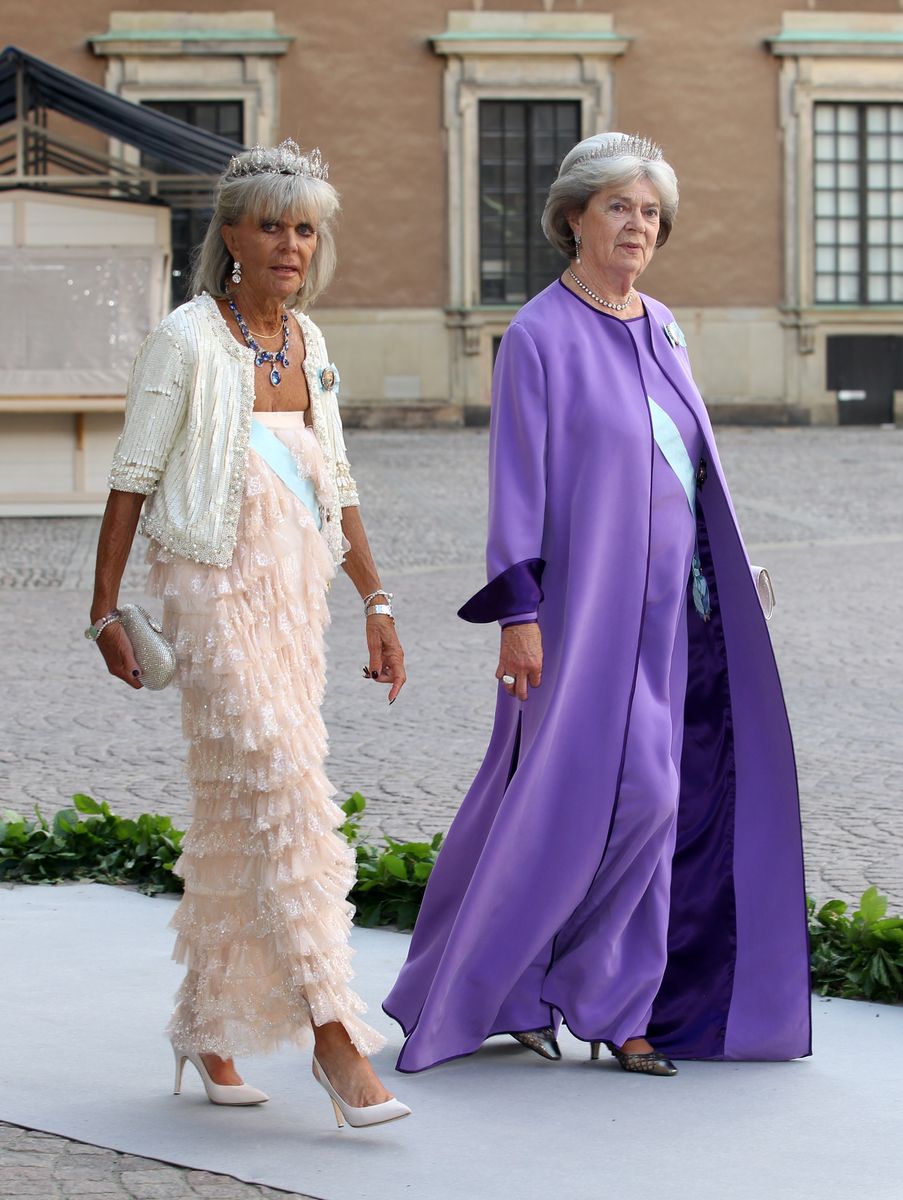 © WireImage