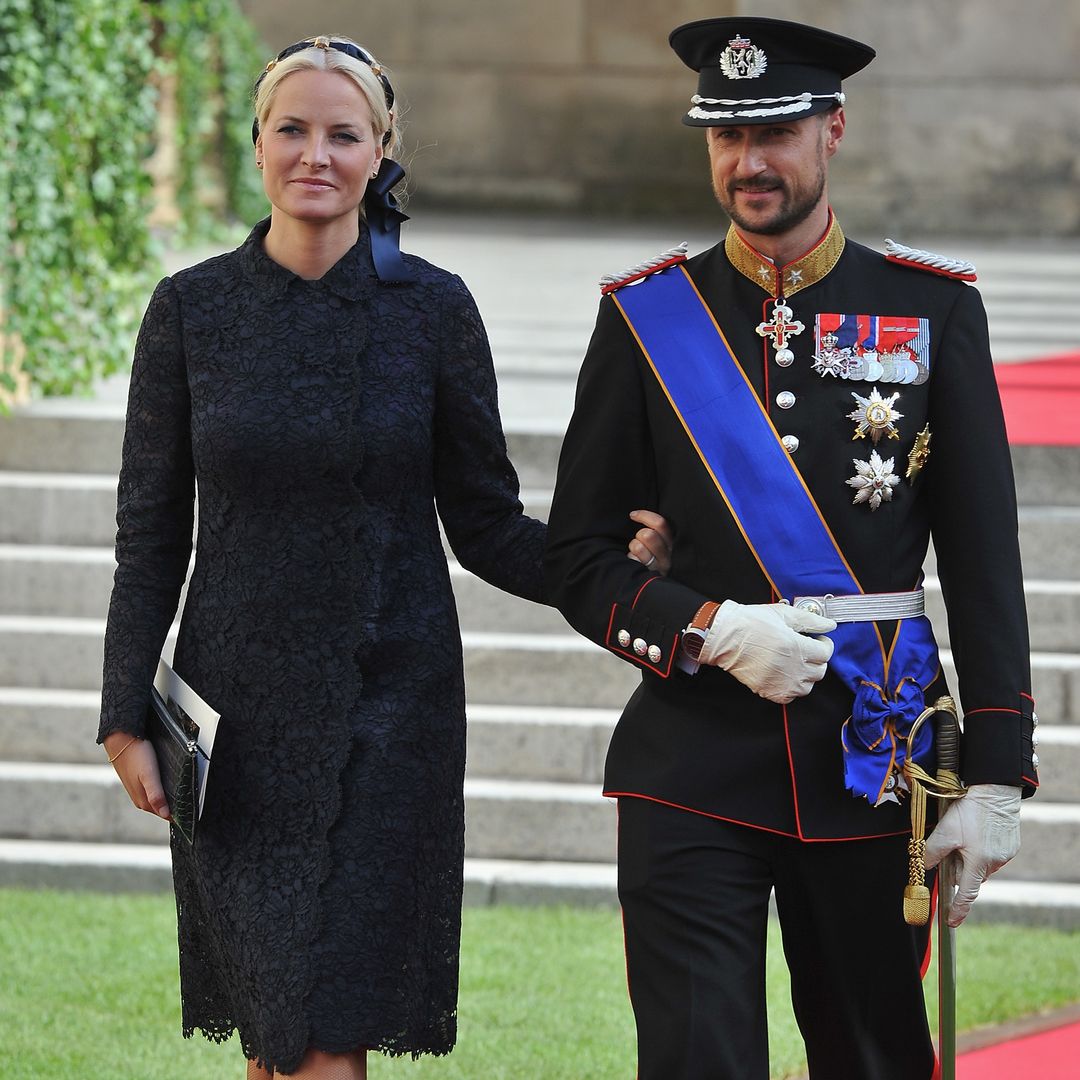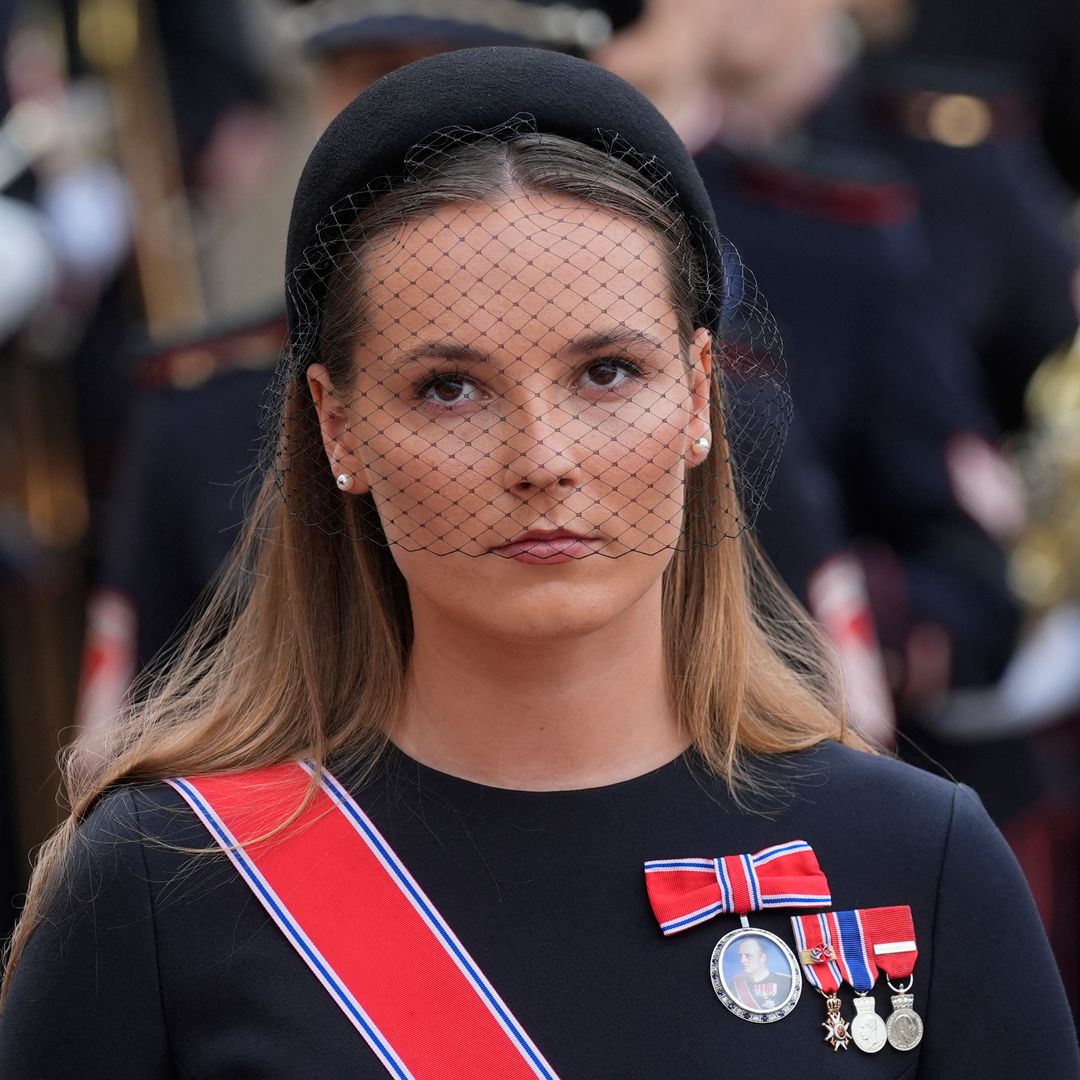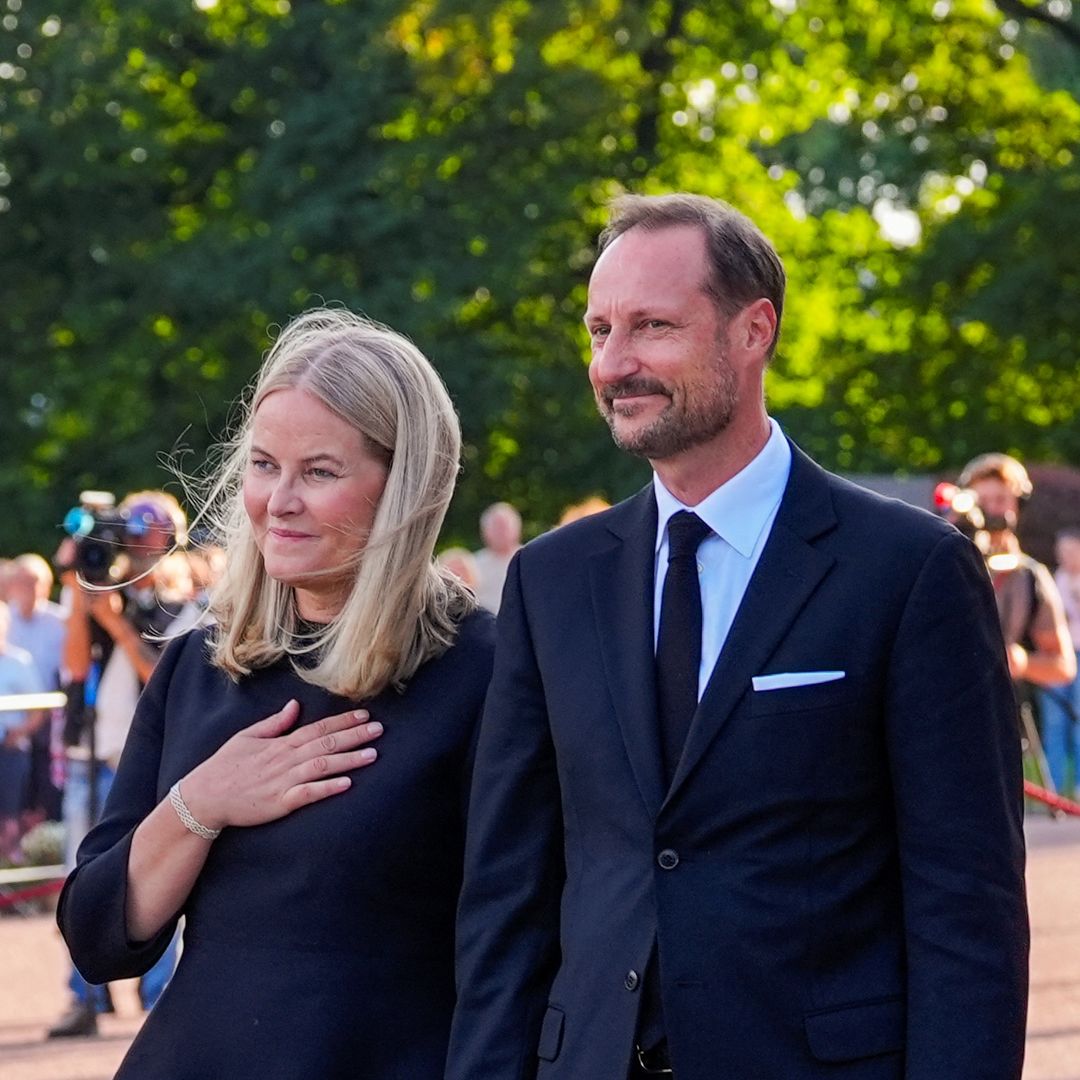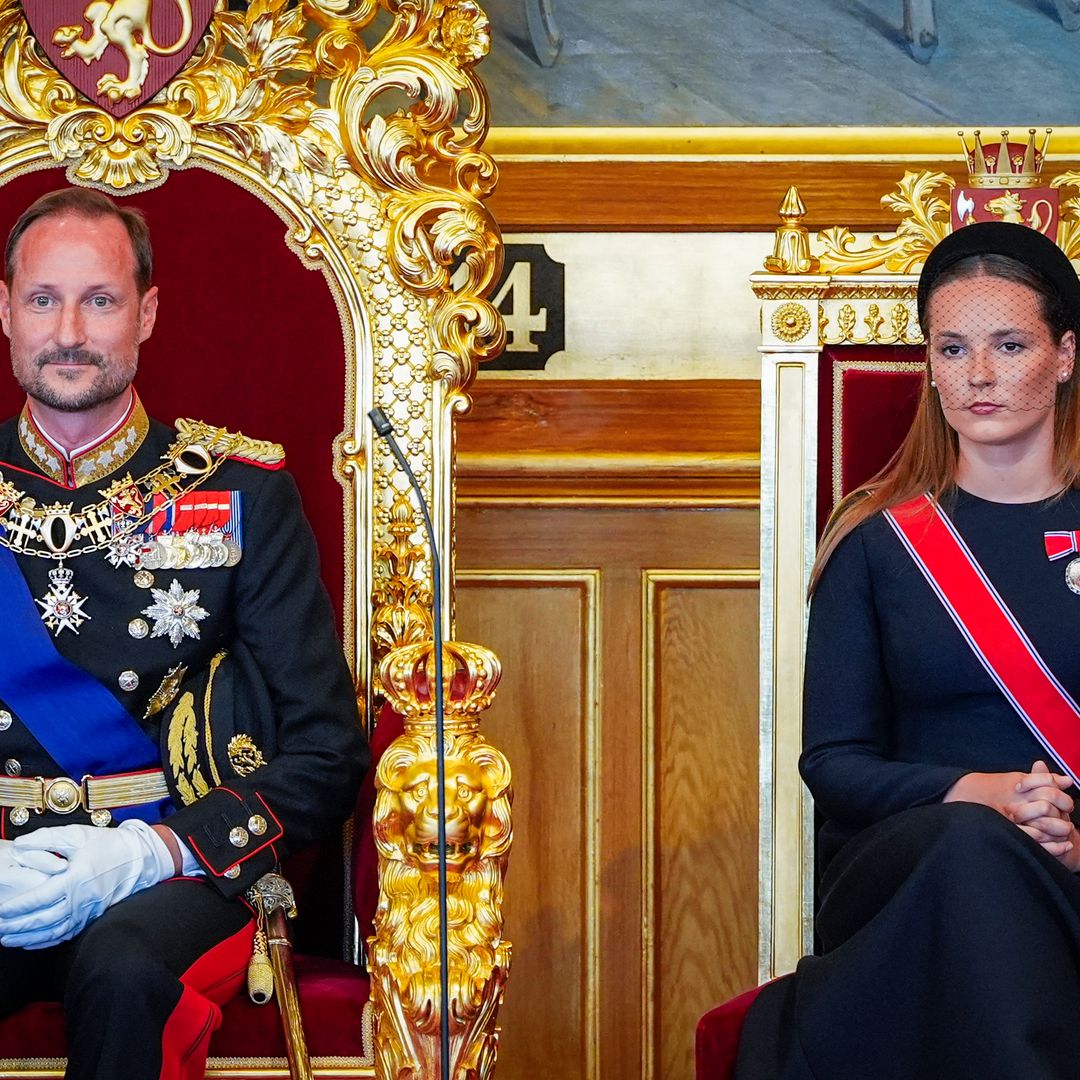
It's been almost a year since the Royal Palace in Oslo announced that Princess Ingrid, the heir to the Norwegian throne, would be studying at the University of Sydney. The 22-year-old daughter of Crown Prince Haakon and Crown Princess Mette-Marit moved to Australia last August, making regular trips home to maintain an institutional presence as a royal heir in training. In a striking development, public debate has erupted, with critics debating her studies and whether they're costing taxpayers' dollars.
 © NTB/AFP via Getty Images
This issue doesn't stem from Australia or Ingrid herself. It's all about the timing and the climate surrounding the Norwegian monarchy.
The Norwegian outlet Nettavisen recently published a detailed breakdown of what Princess Ingrid's three years in Sydney will cost the state. The report claims that the government provides an annual grant of 500,000 Norwegian kroner, roughly $52,000, for her studies. Costs beyond that are covered by her parents out of the family allowance, a state stipend worth approximately $1.39 million in 2025.
When factoring in tuition fees, housing, flights, and the round-the-clock security detail that accompanies Ingrid everywhere, the costs exceed that initial grant. While none of this is new information, the reaction to this news is what has changed. In a year of institutional stability, the story likely made little noise. Today, it lands differently.
 © NTB
© NTBA trust deficit years in the making
The Norwegian royal family has accumulated a series of damaging episodes in recent months, with each one chipping away at the public goodwill the institution once enjoyed.
The fallout from Mette-Marit's connection to Jeffrey Epstein has been particularly corrosive, with many criticizing the palace's response. The ongoing criminal trial of Marius Borg, Mette-Marit's son from a previous relationship, is also a factor, with him remaining in custody awaiting sentencing. To top it all off, there are concerns about King Harald's health, with him alluding to wanting to step back from his royal duties.
All of this has created a climate where gestures that once read as forward-thinking now read as tone-deaf. Princess Ingrid's studies in Sydney, which could be viewed as a serious investment in her future as a head of state, are now being discussed as luxuries.
 © NRK
© NRKA family reconfiguring itself in public
The debate over Ingrid is unfolding while the royal family is experiencing a reshuffling of duties. With Mette-Marit operating on a reduced and limited schedule due to her health, Prince Sverre Magnus has stepped in to take on more of her public commitments. His return to the institutional fold has opened its own set of questions; as the family's second son, his future had long been mapped outside of the monarchy. There's also little transparency around his current arrangements, with the public not knowing if he's based in Italy or Norway, or if he plans to complete his military service.
Some fear Sverre could end up on a similar path to his aunt, Princess Märtha Louise, who spent years navigating the lines between royal duties and personal commercial ventures, ultimately harming the legitimacy of the institution.
 © Corbis via Getty Images
Ingrid, the unintended focal point
None of this is Princess Ingrid's doing. By all accounts, she has handled her time in Australia with discipline, balancing her degree in international relations and political economy with a steady stream of official engagements that she fulfills back home. For now, though, she's become the most visible and, for now, most scrutinized member of the next generation of Norwegian monarchs. In a climate where the institution feels vulnerable, that visibility comes at a cost.