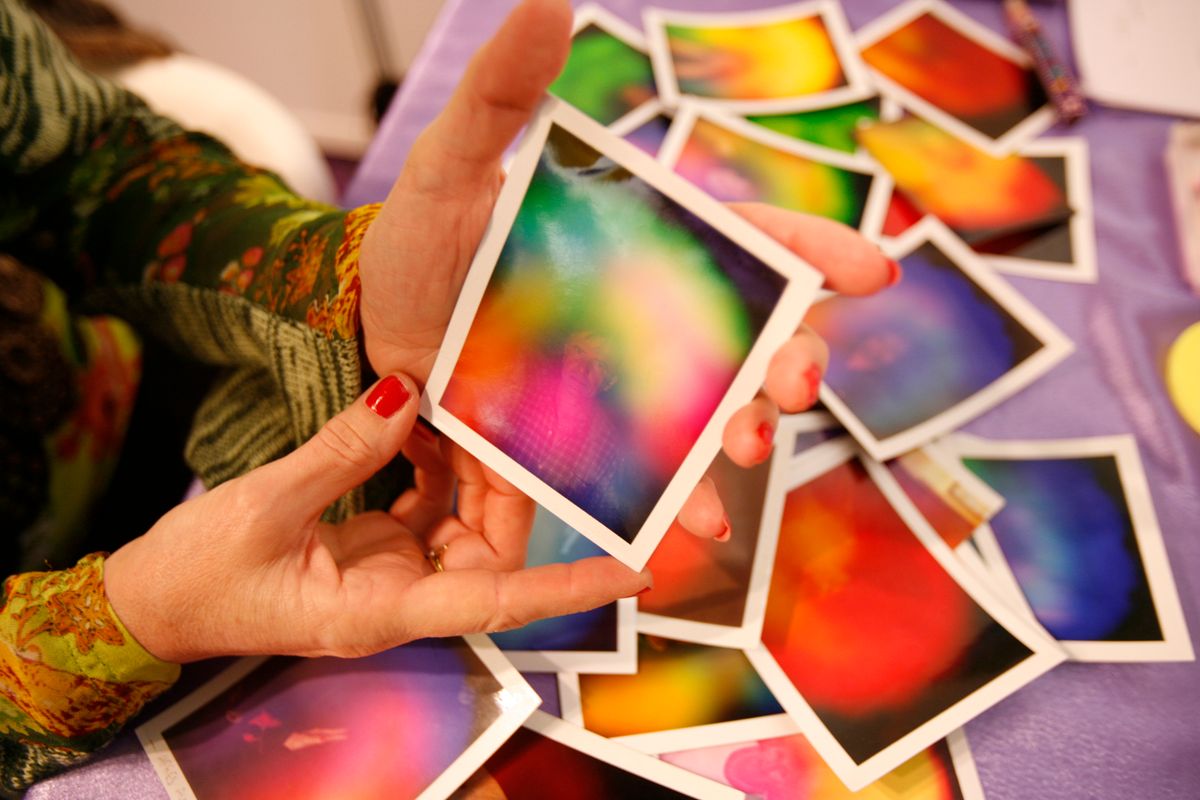
Aura readings have moved from metaphysical circles into the broader wellness conversation, with people turning to aura readers, tarot readers, mediums, and energy practitioners for another way to explore emotions, relationships, and personal growth.
But what exactly is an aura? What does it mean if your aura is red, blue, green, or purple? Can your aura color change when you fall in love, experience heartbreak, become pregnant, or go through a stressful period? And can you learn how to see your own aura?
 © Universal Images Group via Getty
HOLA! USA spoke with four experts who approach aura reading through different intuitive and spiritual practices: internationally known Intuitive Coach and Medium Janet Rae Orth; Soul Aura Color expert and Aura Color Wheel System founder Helen Ye Plehn; psychic medium, energy healer and numerologist Charles Grant, who has worked as a medium for more than 40 years; and Kelley Davis, a professional tarot reader with more than 11 years of experience who was born, raised and is based in the Greater New Orleans area.
Davis says her practice is informed by several intuitive modalities, including claircognizance, clairvoyance, clairaudience, clairsentience and clairalience.
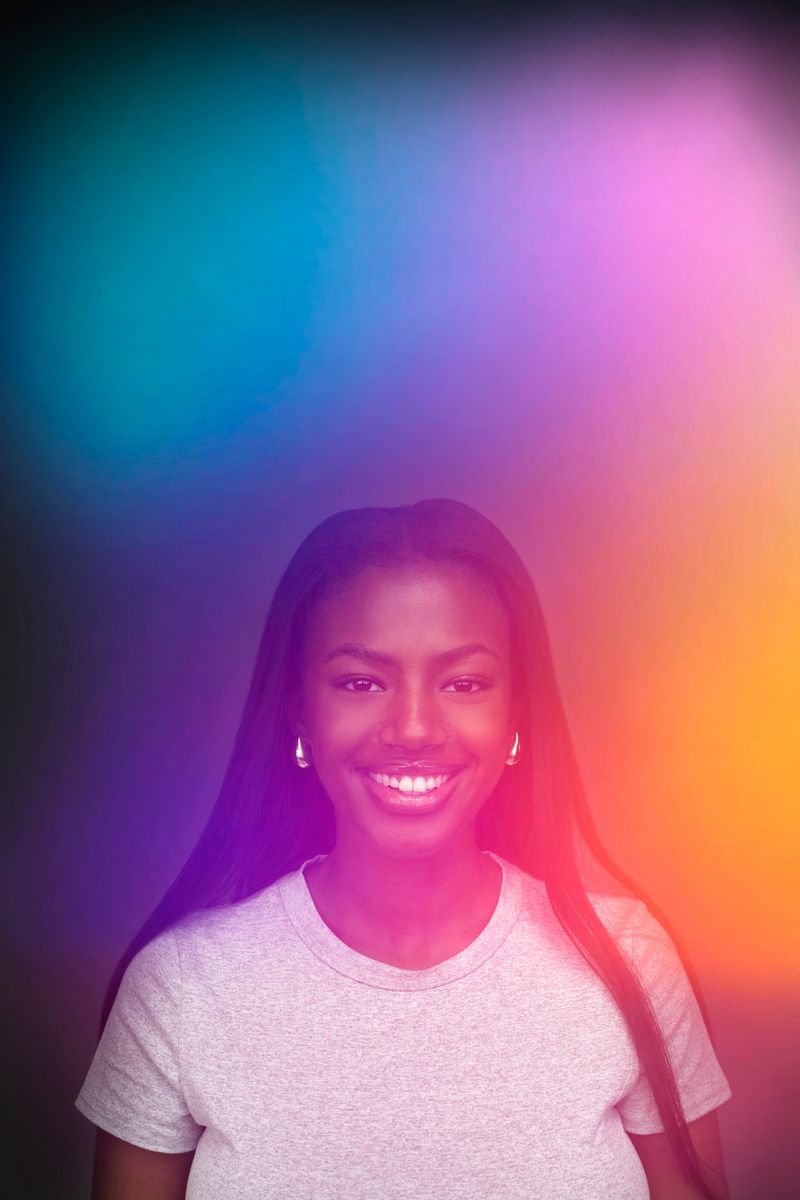
Although their approaches and interpretations differ, the experts share a recurring theme: an aura may be more complicated than one color, and a reading should be approached as a tool for self-exploration rather than an absolute verdict about someone's personality or future.
 © Getty Images/Maskot
Aura reading, chakra interpretations, and related practices are spiritual or metaphysical traditions. They are not scientifically established methods for diagnosing physical or mental health conditions, determining someone's personality or predicting future events.
What is an aura, and what can an aura reading reveal?
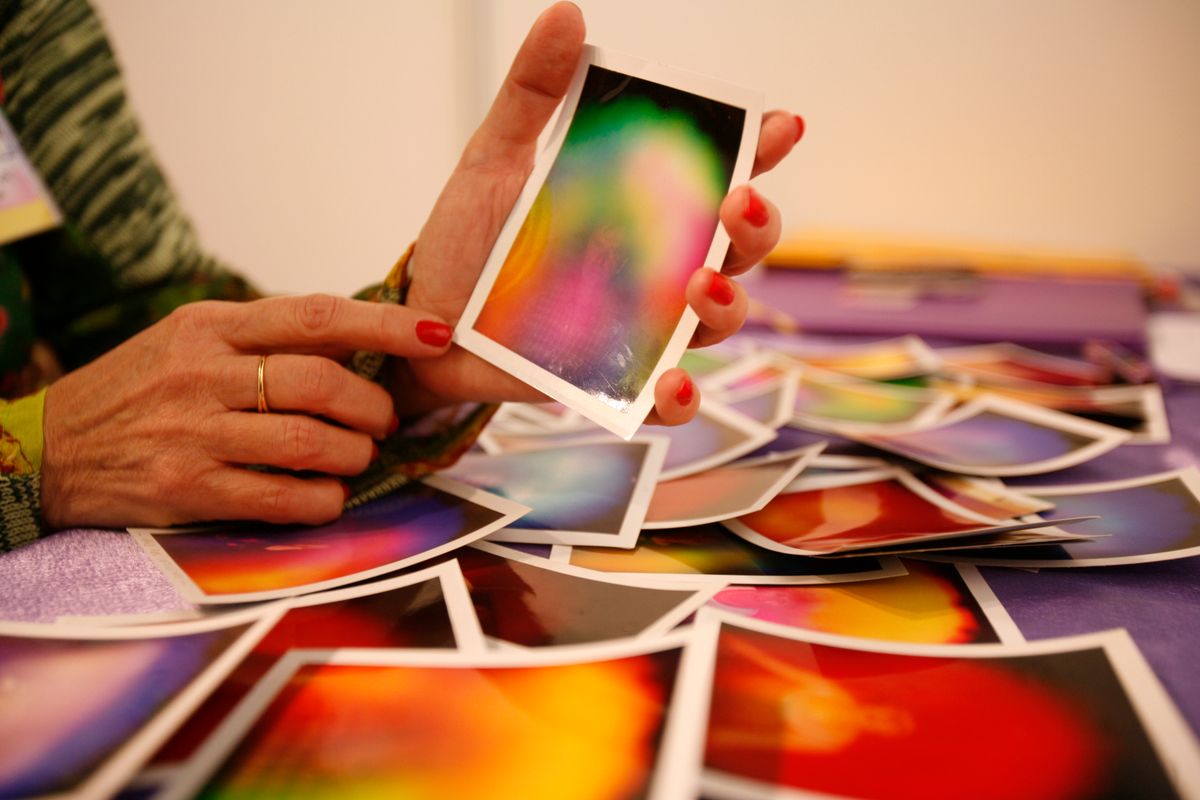
Orth describes an aura as a person's "energy body."
"An aura is a person’s energy body, it consists of electromagnetic energy," Orth told HOLA! USA, adding that some people may refer to it as a "spirit body or soul."
According to Orth, an experienced aura reader or clairvoyant may interpret what they perceive as providing insight into someone's emotional state, relationships, communication, work and past experiences.
 © Universal Images Group via Getty
Davis has a broader sensory interpretation. "An aura is someone’s energetic signature that can be felt, smelt, heard, and seen," Davis told HOLA! USA.
According to Davis, she believes an aura may offer intuitive information about someone's current mood and demeanor and, in her practice, sometimes other spiritual information.
When Davis first encounters someone, she says she tends to notice the intensity of their energy before anything else. "I usually notice the intensity of someone’s energy, so I feel how they are feeling or what energy they are projecting," she explained. Davis identifies this intuitive experience as clairsentience, or receiving information through feelings and sensations.
"An aura is a person’s energy body, it consists of electromagnetic energy"
Orth also says her first impression of an aura frequently resembles something an intuitive or empathetic person might already recognize. "Generally speaking, the first things I notice are actually things you might feel yourself if you’re intuitive or empathic at all," she said. "Things like whether someone feels open or guarded, happy or sad, comfortable or uncomfortable, or whether what they’re saying feels genuine."
Are there different types of auras?
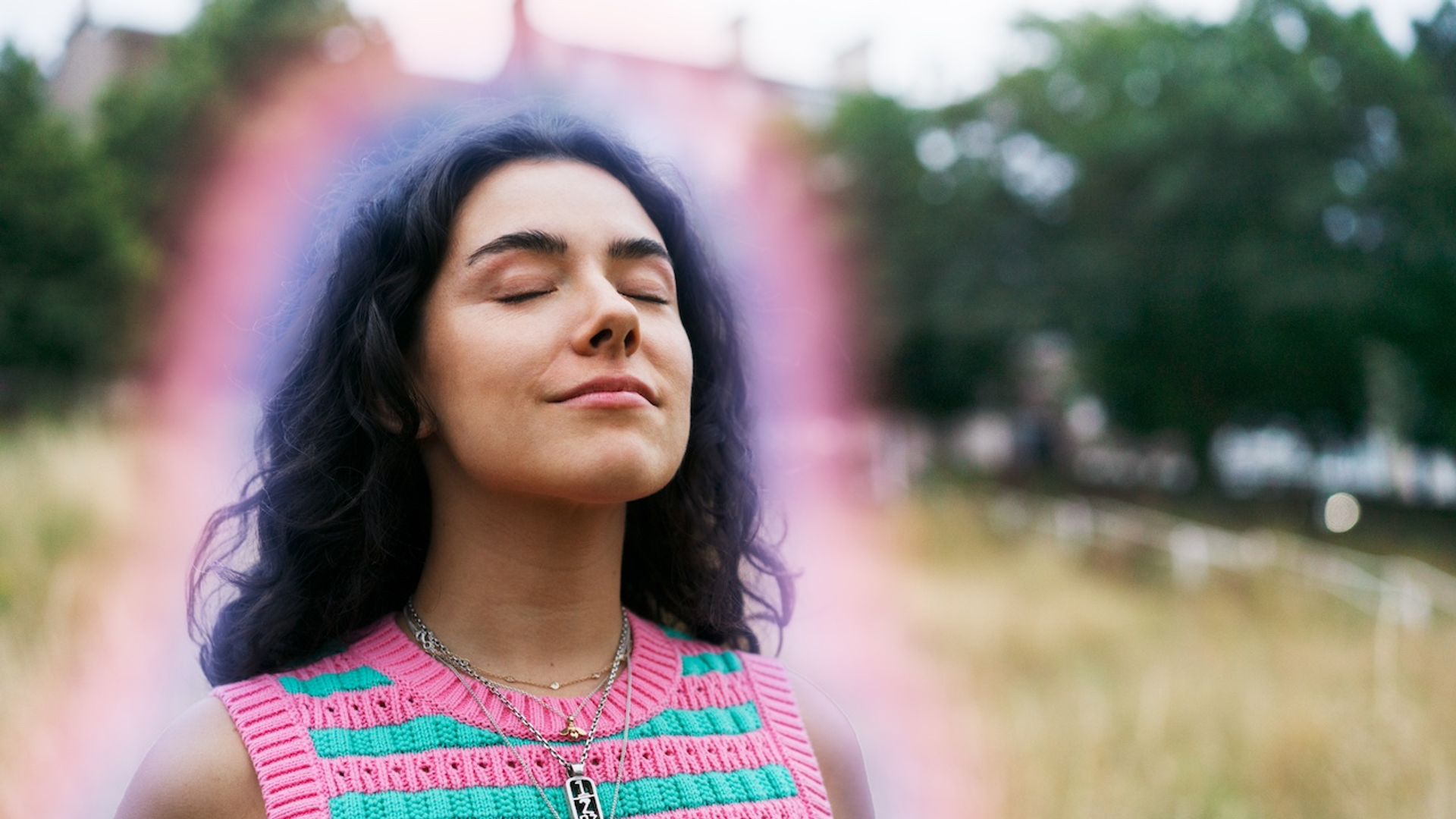
Plehn approaches aura reading through her Aura Color Wheel System and distinguishes between three types of auras: mood, personality and Soul Aura. "I describe an aura as the three-dimensional energetic field surrounding the physical body, with different layers connected to our chakras," Plehn told HOLA! USA. "Your aura color is essentially the light energy you radiate."
According to Plehn, a mood aura reflects what someone is experiencing in the present, while a personality aura represents relatively stable aspects of how a person interacts with the world. She considers the Soul Aura the deepest layer. "I think of an aura reading as a tool for self-discovery rather than a label," Plehn said. "The purpose isn't to put someone into a colorful box. It's to help them understand themselves more deeply."
 © Getty Images
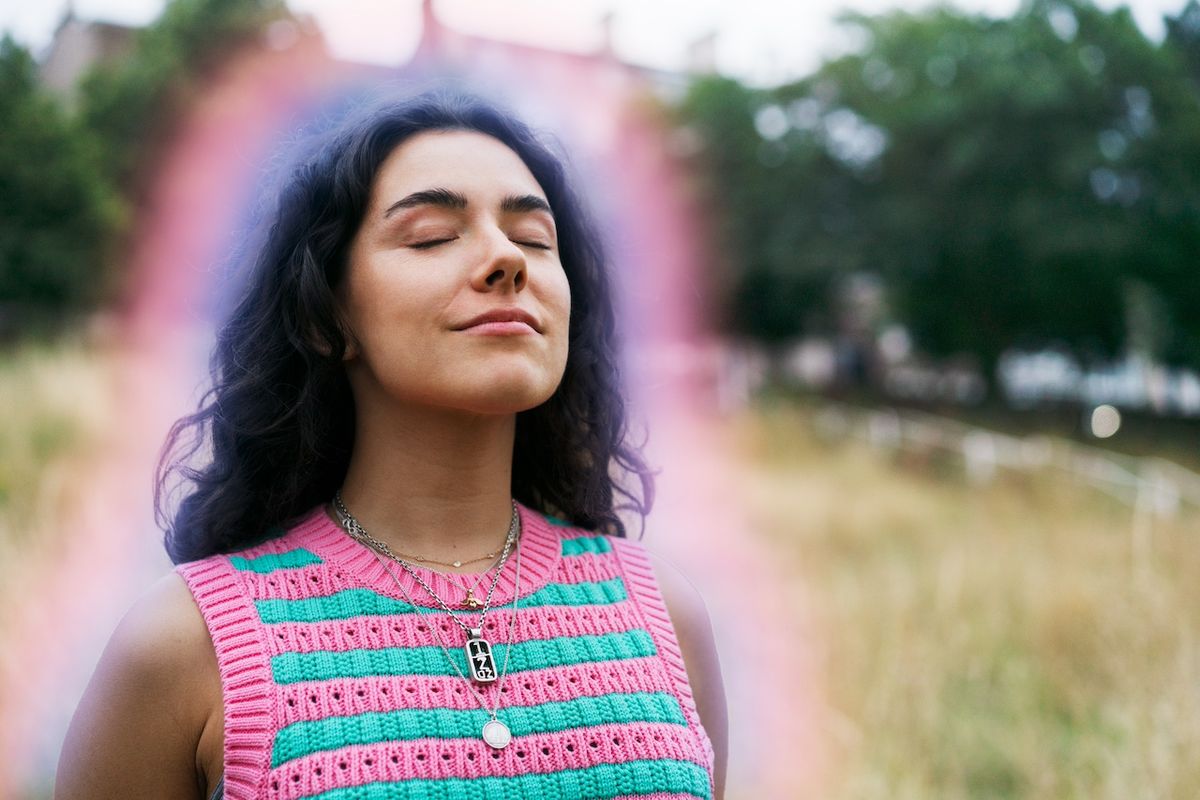
Grant describes his approach differently. When reading an aura, he focuses on what he perceives around the top of a person's head. "I notice the color first and then how intense it is," Grant told HOLA! USA.
Sometimes one color dominates, he says, while other people appear to have multiple colors moving together. Grant compares the effect to "lava lamps," with several colors undulating around one another.
Aura color meanings: What does your aura color mean?
There is no scientifically established universal system connecting aura colors with specific emotions, personalities, or life circumstances. Interpretations can also differ between practitioners. Still, the four experts HOLA! USA interviewed identified several overlapping themes.
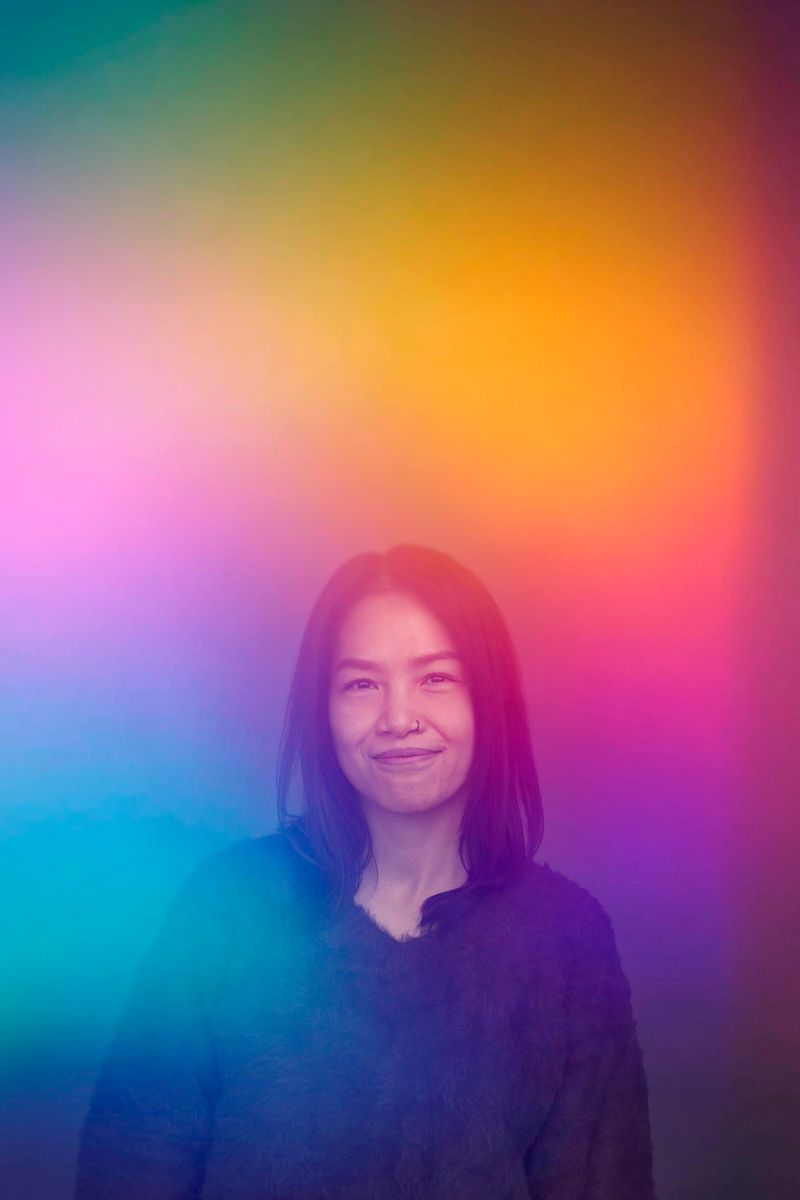
Orth associates red with passion and romantic love, although she says it can also represent anger. Purple may be associated with knowledge or authority, yellow with happiness and positivity, orange with passion and enthusiasm, green with growth and new beginnings, and blue with depth, stability, and harmony. "White can be purity, but I can also see it around unconscious energy, when someone is operating on autopilot," Orth said.
For Orth, however, context is essential. "I’m not just looking at a color in isolation," she explained. "I’m looking at the whole person and what else I’m seeing and sensing."
 © Getty Images/Maskot
What do red, orange, yellow, green, blue, and purple auras mean?
Plehn's Aura Color Wheel System connects colors with chakra traditions. Broadly, she associates red with grounding, safety and physical vitality; orange with emotion, creativity and relationships; yellow with identity, confidence and personal power; green with love and compassion; blue with truth, communication and self-expression; and violet with intuition, vision and spiritual perception.
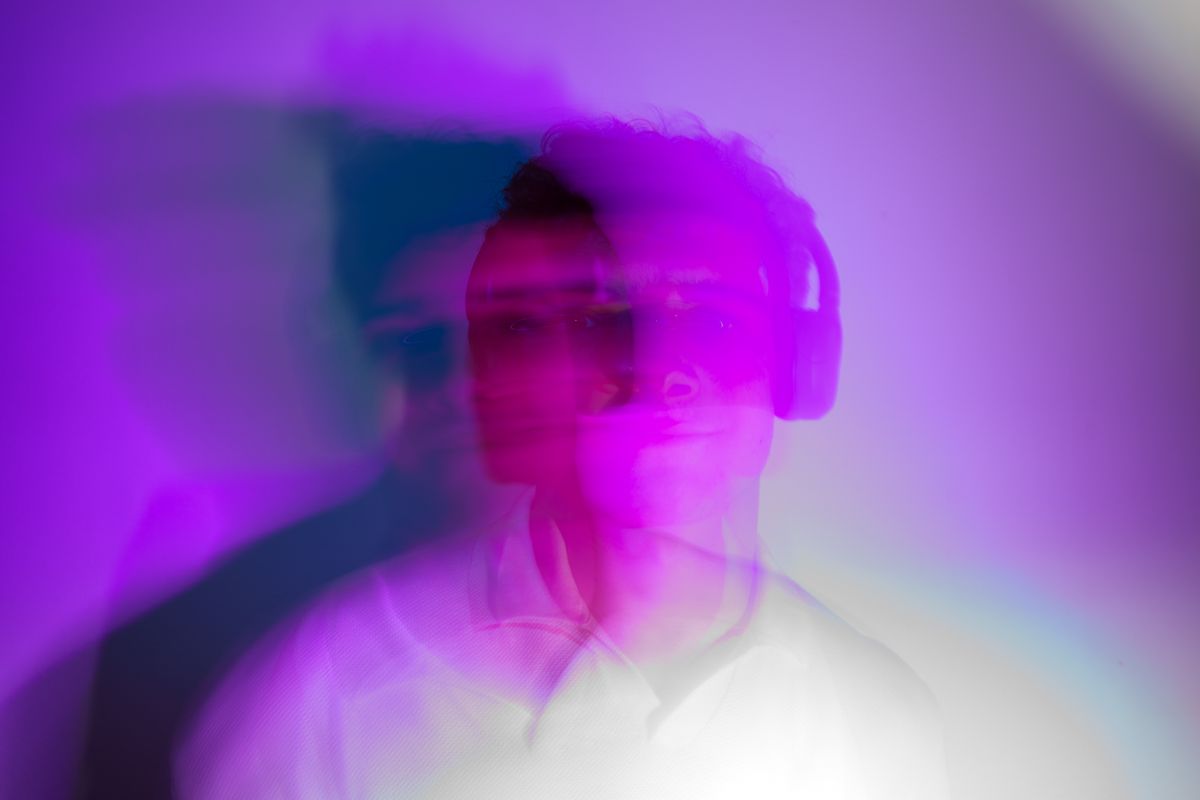
White relates to the crown chakra and what Plehn describes as integration of the aura. But she doesn't believe people should be reduced to a single aura color. "This is why I don't believe we can reduce someone to simply being 'a blue aura' or 'a green aura,'" Plehn said. "Our energetic makeup is more nuanced than a single color."
 © Getty Images
Davis sees some similar associations. "Red usually symbolizes a passionate or heated person. Orange can symbolize high creative or sexual energy. Yellow is often a confident or happy person," she said.
Davis associates green with a peaceful demeanor, blue with communication, and purple with spiritual connection. In her practice, she says silver and gold are uncommon and may represent what she interprets as divine protection or spiritual standing.
Grant also associates red with passion and physical energy, orange with creativity and confidence, yellow with intellect and optimism, green with balance and compassion, blue with communication and calm, and indigo or purple with intuition and spirituality.
The experts' differing interpretations are a reminder that aura color meanings depend heavily on the spiritual framework and individual practitioner.
Can someone have more than one aura color?
If you're wondering whether your aura can be two or three colors at once, all four practitioners say yes. In fact, Davis says seeing only one color is unusual in her practice. "A person’s aura is rarely just one color actually, I see it usually as two or three colors," Davis said. "It’s almost like it is swirling or moving around them."
For Davis, multiple colors reflect the complexity of a person's experiences, emotions, and personality. "We are multidimensional, complex people continually experiencing life and someone’s aura can certainly reflect that," she said.
 © Getty Images
Orth similarly describes multiple layers of the aura, traditionally associated with the seven chakras, which she says can appear in different colors.
Plehn makes multiple colors central to her system. "We are not one color," she said. Her Aura Color Wheel describes 36 Soul Aura Color combinations based on different energetic layers and their relative intensity.
Grant also says several colors can appear simultaneously. One combination he particularly likes to see is blue and gold, which he interprets as a sign of strong communication.
Can your aura color change throughout the day?
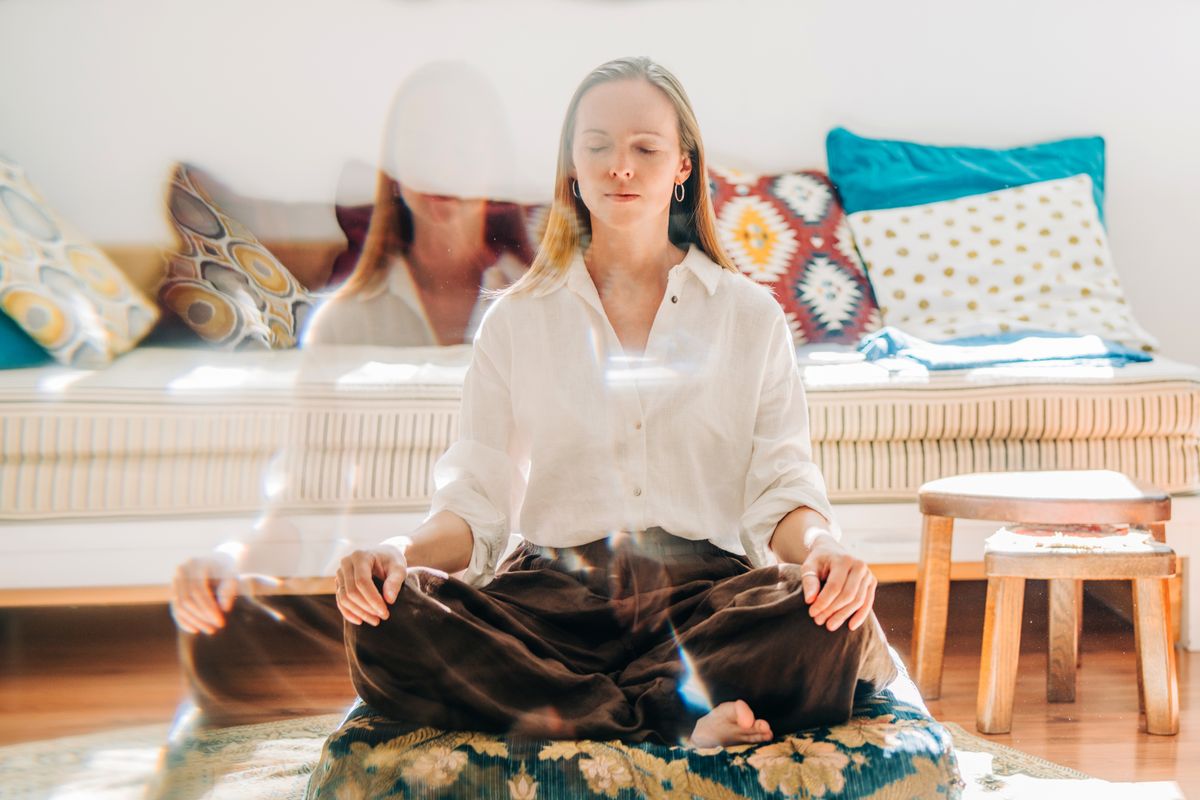
According to the experts, it can, although they make distinctions between short-term emotional changes and what they consider someone's more stable underlying energy.
 © Getty Images
Davis says she perceives a "base color" alongside secondary or tertiary colors that may respond more quickly to someone's circumstances. "A person’s aura can change instantaneously depending on what is going on with them in that moment," she said. She believes a base aura can also change over a longer period as someone's habits and behavior evolve.
Orth similarly believes an aura can respond to sudden emotional events. "It can change during the day if something happens that has an effect on you, a sudden jolt of happiness or sadness, an argument, exciting news," she said.
"A person’s aura can change instantaneously depending on what is going on with them in that moment,"
Plehn's answer depends on which of her three aura categories is being discussed. "Your mood aura can shift rapidly depending on your emotions, environment and even the people you're around," Plehn explained. She considers the personality aura more stable and the Soul Aura more enduring, changing through deeper personal growth and integration rather than everyday fluctuations.
Grant also believes extreme emotions may produce dramatic changes, while a person's general aura and color combinations tend to remain comparatively consistent.
Can love, heartbreak, pregnancy and stress change your aura?
This is one area where the practitioners largely agree. Orth believes almost any meaningful life event can affect someone's aura, from falling in love and changing jobs to having an argument. "Your aura is a reflection of you, your life, your relationships and what you’re experiencing emotionally and energetically at any given time," she said.
Davis says she perceives especially vibrant energy around some people who are in love or pregnant. "Someone who is in love or pregnant usually has a very vibrant, strong aura," she said, comparing her interpretation with the everyday expression that someone is "glowing."
 © Getty Images
Conversely, Davis says she may perceive darker colors or what she describes as "dents or tears" when someone is chronically stressed, burned out or dealing with difficult circumstances.
Plehn connects emotional and relationship experiences particularly strongly with orange and green within her system. "Heartbreak, falling in love, pregnancy or another major transition could absolutely be reflected energetically," Plehn said.
However, she cautions against assuming a temporary energetic change represents a permanent transformation. "Sometimes what you're sensing isn't a permanent change in who you are; it's information about what you're experiencing right now," she explained.
Can aura colors reveal romantic compatibility?
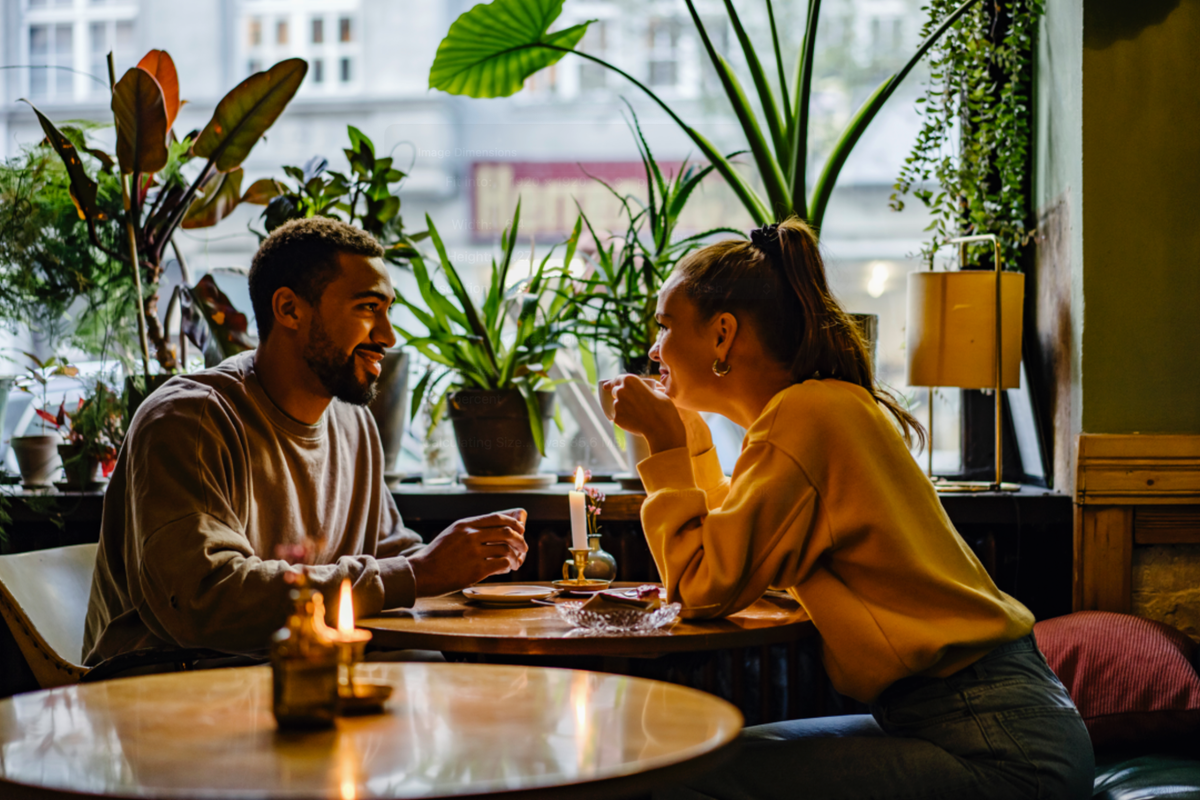
Aura compatibility is another popular question, but the experts caution against treating colors like a spiritual dating algorithm. Orth says she can sometimes interpret how someone feels about a relationship and the dynamic between two people.
Davis also believes romantic partners can influence one another's perceived energy. "I have done readings for romantic couples before and their energy often bleeds into one another’s," she said. "Intimacy and romance has a very strong effect on someone’s aura, so it’s common to see or feel their partner’s energy within their own."
"Intimacy and romance has a very strong effect on someone’s aura, so it’s common to see or feel their partner’s energy within their own."
Plehn says she has observed complementary Soul Aura Colors among some stable long-term couples, but she would never use aura colors to declare two people destined for one another or incompatible. "For me, compatibility isn't about finding a 'perfect aura match,'" Plehn said. "It's about understanding how two energetic systems interact."
As she puts it, "Relationships can be mirrors as much as matches."
 © Getty Images
Grant is more cautious about using auras for relationship readings. While other energy practitioners may interpret compatibility this way, he says he personally prefers mediumship and numerology for relationship questions.
How to see or sense your own aura at home
For people curious about seeing their own aura, Davis recommends experimenting with a simple visual exercise. "The best way to practice seeing your own aura is standing in front of a white surface," she said.
Davis suggests taking a photo or, preferably, a video because she describes auras as dynamic and moving. She recommends beginning with direct eye contact, then slowly lifting your gaze and observing what you notice.
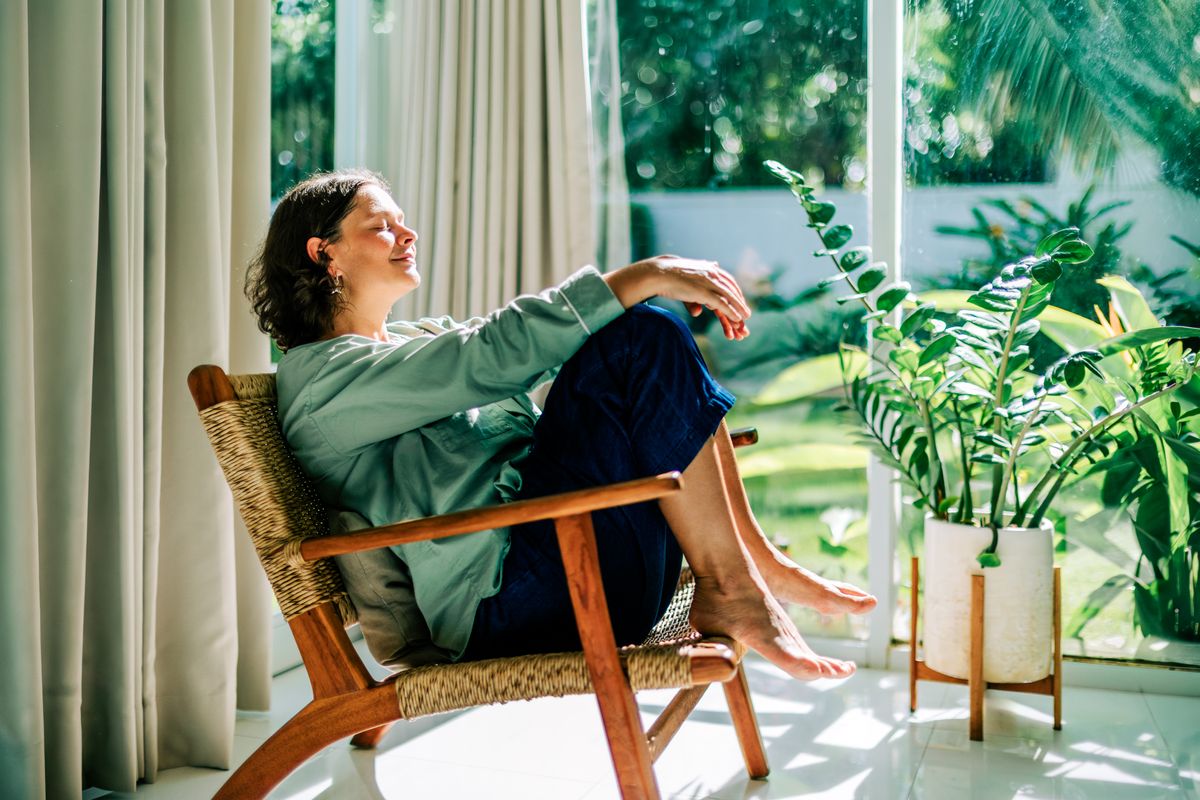
Plehn takes a more sensation-based approach and encourages beginners to start by feeling rather than trying to see colors.
 © Getty Images
One exercise from her Aura Color Wheel involves holding your hands out at approximately arm's length with your palms facing inward, then slowly bringing them toward your body while noticing subtle sensations such as warmth, tingling, pressure or resistance. "Meditation is also foundational in my own experience," Plehn said. "As the mind becomes quieter, subtle sensations can become easier to perceive."
Orth says some people report naturally seeing a glow or color around someone, particularly through peripheral vision. But she emphasizes that seeing something and understanding its meaning are different skills. "Seeing something doesn’t necessarily mean you understand what it means," Orth said.
Grant believes seeing your own aura can be difficult, even when looking in a mirror, and instead recommends seeking an experienced intuitive if someone wants an outside reading.
What to know before getting your first aura reading
The experts emphasize curiosity and perspective when approaching a first aura reading.
Davis describes an aura reading as a snapshot rather than a permanent assessment of someone's identity. "Take what resonates with you, but do not judge or criticize yourself too harshly based on someone else’s insights," she said. "It’s meant for self exploration and knowing oneself in a deeper, spiritual way!"
"Take what resonates with you, but do not judge or criticize yourself too harshly based on someone else’s insights,"
Plehn similarly cautions against surrendering personal judgment to a practitioner. "Go into an aura reading with curiosity, not fear, and don't give your power away to the reader," she said.
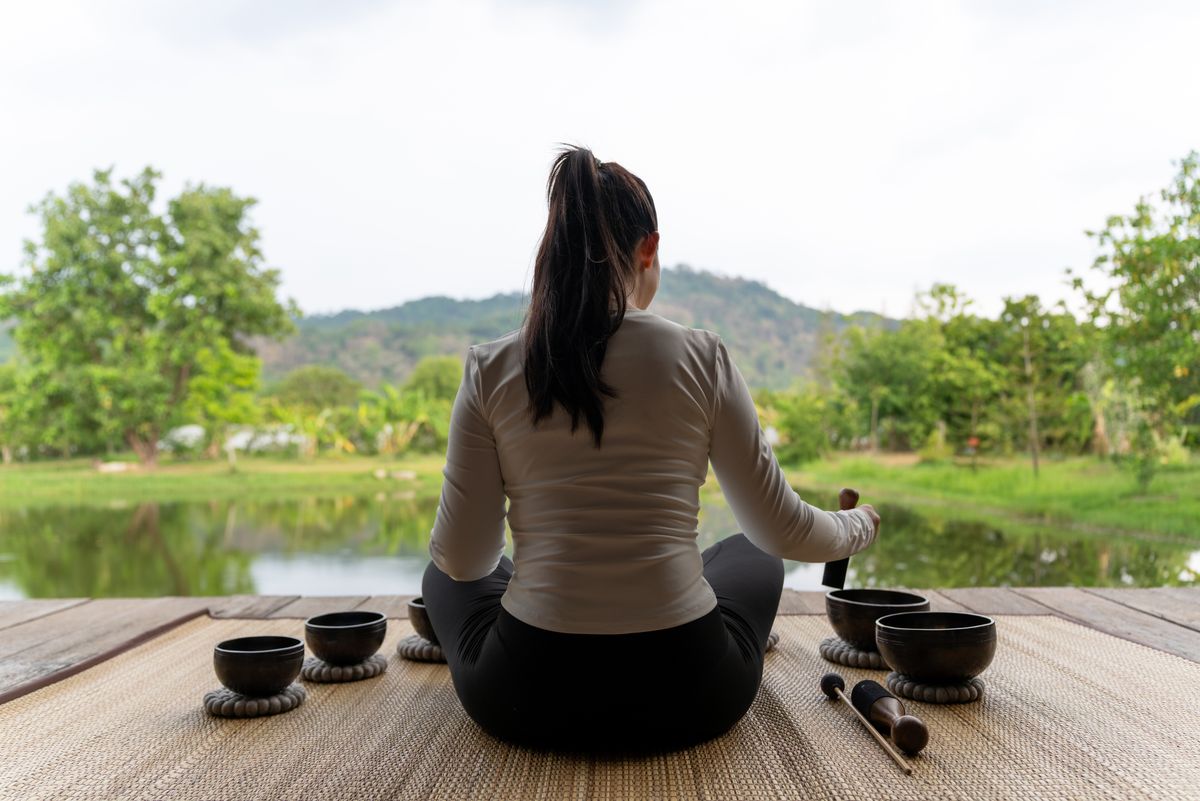
Orth says there are also specific red flags consumers should recognize. She recommends being cautious of anyone who tells clients that something terrible will happen, claims they have a curse or dangerous energy that only the practitioner can remove, or pressures them into paying additional money to "fix" the supposed problem. "A good reading should leave you feeling more informed and empowered, not frightened or dependent on the reader," Orth said.
 © Getty Images
Plehn shares that concern, warning against absolute predictions and practitioners who treat one color perceived during one moment as an unchangeable verdict. "Intuitive information is still being interpreted through a human being," she said.
Whether you see aura reading as a spiritual practice, an exercise in intuition, or simply an intriguing form of self-exploration, an aura reading should not replace advice or treatment from qualified medical, mental health, legal, or financial professionals.