For the first time in U.S. history, more women over 40 are giving birth than teenagers. According to a 2025 report from the Centers for Disease Control and Prevention, births among women 40 and older officially surpassed teen births in 2023, marking a major cultural shift in motherhood.
While the data reflects women evaluated in the United States, similar trends are emerging across Latin America, including in the Dominican Republic. For Mercedes Sanchez, a Dominican American woman, those statistics feel deeply personal.
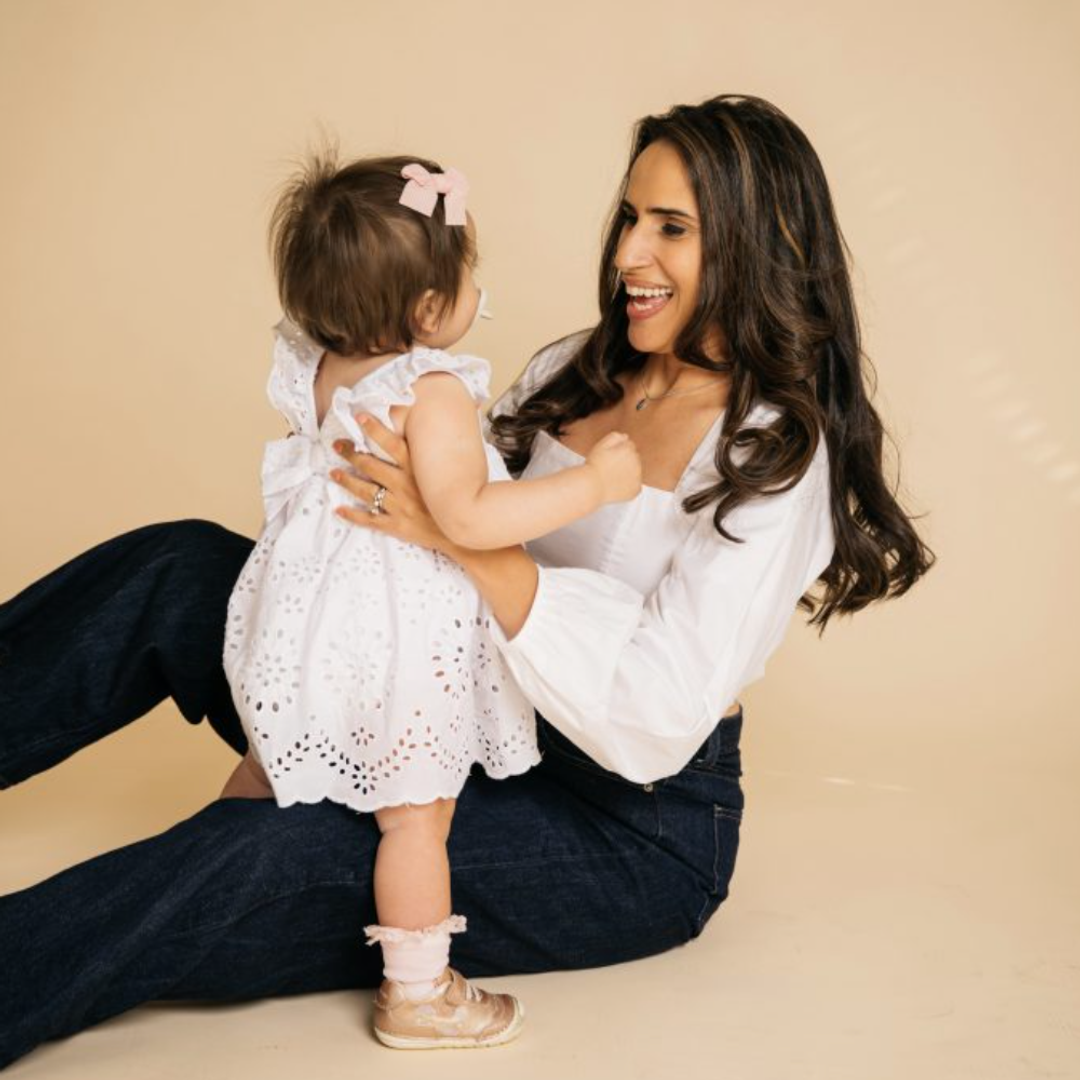
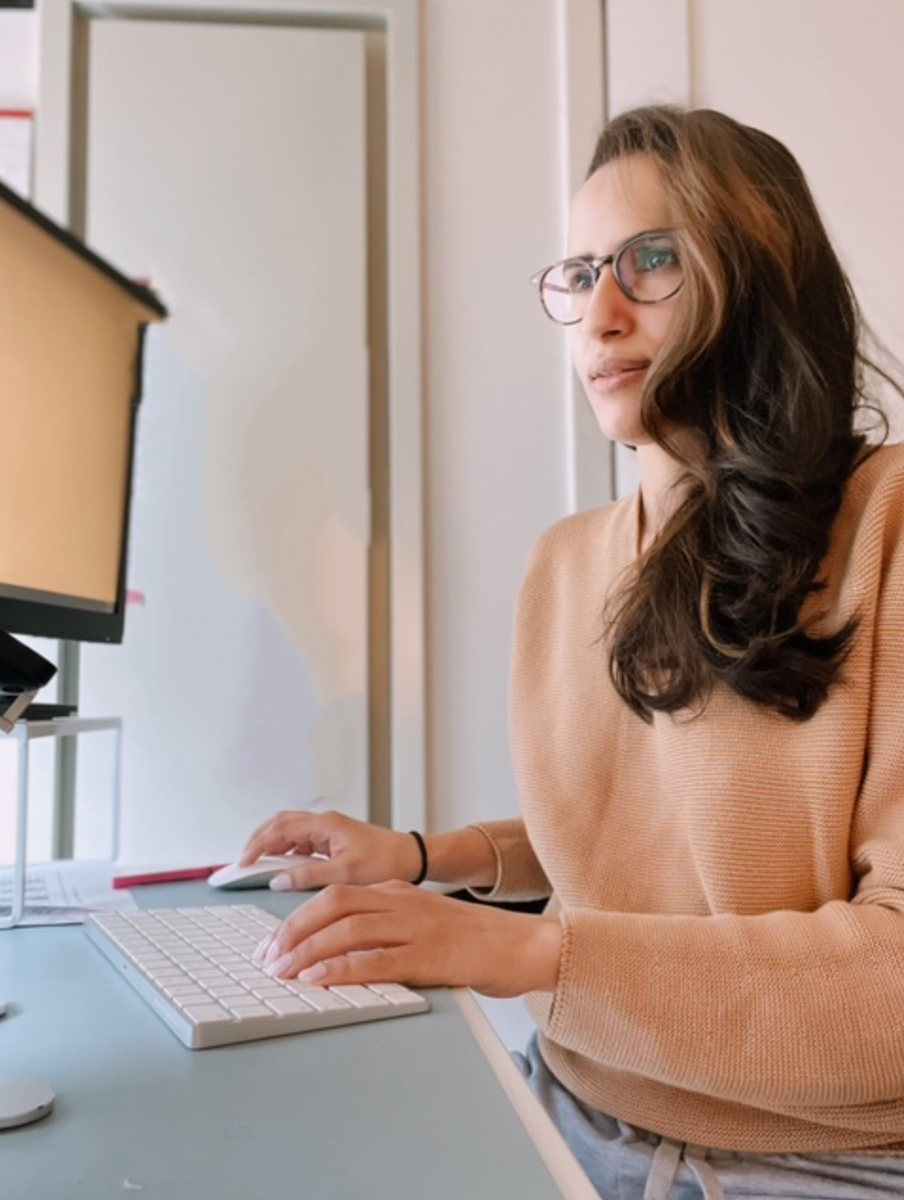 © Mercedes Sanchez / Soy Nueva Mamá
After more than a decade of infertility, endometriosis, emotional setbacks, and unanswered questions, Sanchez became a first-time mother at 41. Now, she’s helping open conversations many Latino families still avoid.
The Reality of Becoming a Mom After 40
For many women, motherhood after 40 looks very different from the version often portrayed online. Your friends may already have teenagers preparing for college while you are learning how to soothe a newborn. Friendships can also shift as everyone navigates different life stages, packed schedules, and constant exhaustion.
A growing number of women are delaying motherhood for many reasons, including career goals, financial stability, relationships, fertility treatments, or simply because life unfolded differently than expected.
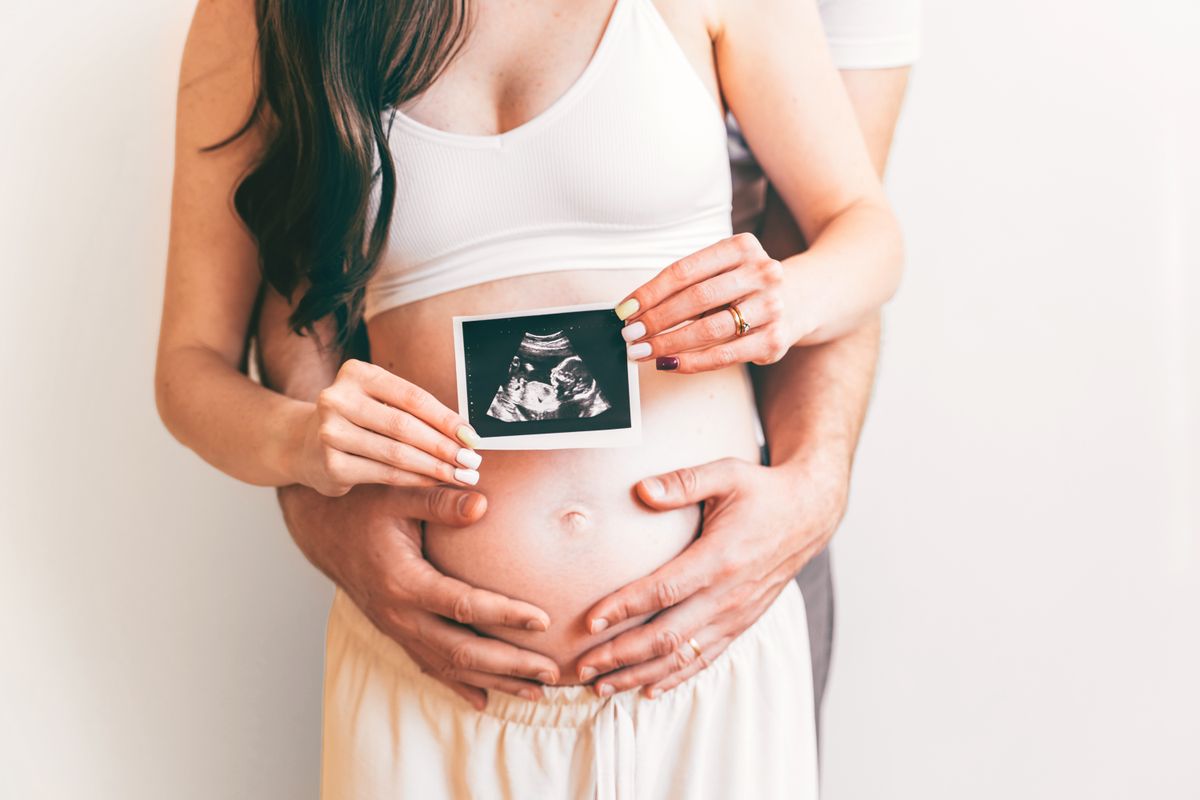
Medical advancements have also reshaped the conversation. Earlier fertility testing, IVF, improved prenatal monitoring, and genetic blood screenings are making healthy pregnancies after 40 more possible than previous generations imagined.
 © Getty Images
Sanchez described her pregnancy as healthy and natural after years of infertility linked to endometriosis. “After the miscarriage in 2019, I had sort of given up. It was heartbreaking, and I thought, that's it. I'm done. But I'm happy I changed my perspective. I knew going in that I needed to stay calm and stress-free, so I made a conscious decision to approach each day with gratitude and stay present. I'm grateful to have had a healthy and pleasant pregnancy. The one thing nobody warned me about? How much water I would need to drink,” she told HOLA!
“When you spend years in pain, getting dismissed by doctors, and then you finally hold your daughter, you know exactly what it took to get there,” she added.
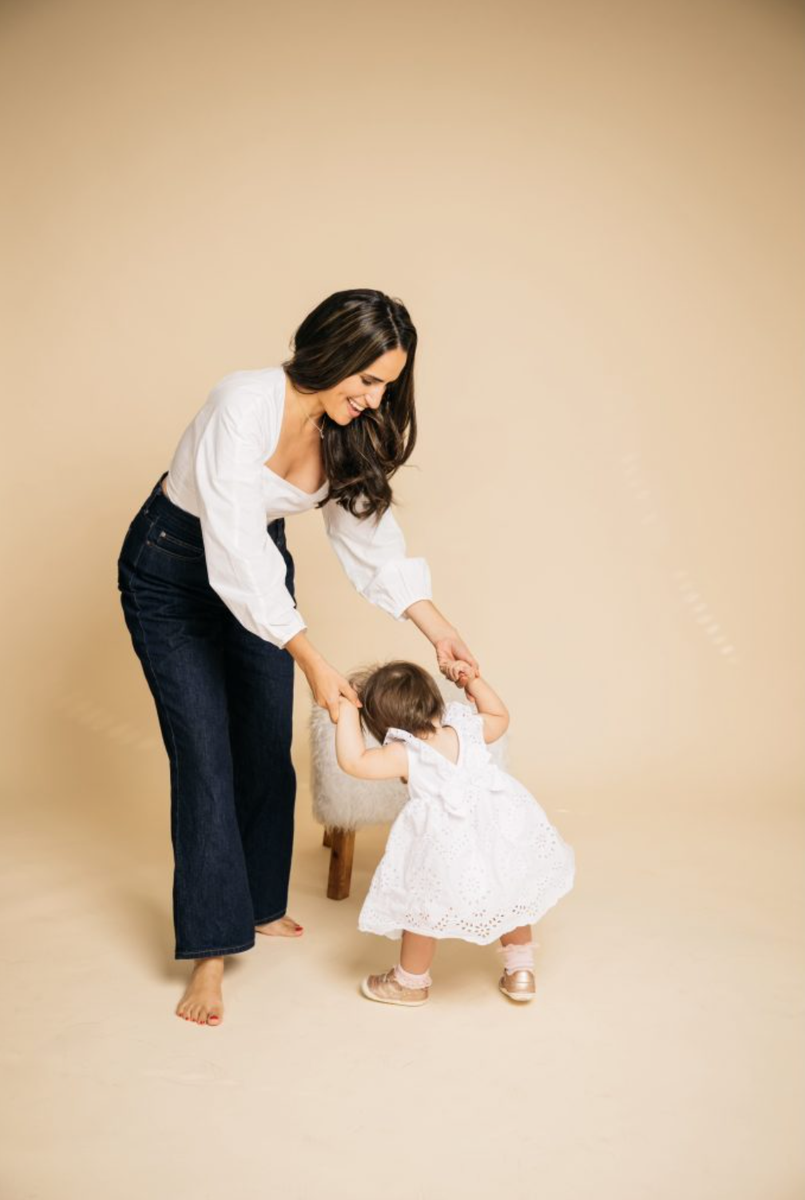 © Mercedes Sanchez / Soy Nueva Mamá
Mercedes also shared that, despite having a healthy pregnancy, she carried many fears privately. “I kept my pregnancy completely private for a long time. Only close family and a few friends knew, and even then, not until after five months,” she revealed. “Part of that was just protecting myself emotionally. I had been through a miscarriage before, so I knew better than to get ahead of myself. I carried the fear quietly and leaned on faith. A lot of faith. I didn't even announce I was expecting until after my daughter arrived. People were surprised. But looking back, keeping that to myself was one of the best decisions I made.”
She also reflected on the cultural pressures many Latinas face. “You know, in our culture, there's a taboo around everything. They don't want you dating, but then the moment you're not dating, suddenly everyone wants to know when you're getting a boyfriend, when you're getting married. I learned pretty early to put up my boundaries and, for the most part, avoid those questions,” she said.
"Dang, something is really wrong with me and I can't control it. That's a heavy thing to carry quietly.”
Adding: “I didn't grow up hearing a specific age that was 'right' to become a mother. But when my younger sisters started having their families before me, that's when the 'when is it going to be your turn?' comments started. And I had to politely shut some people down. It was also a mind f***. Because while I was genuinely happy for them, those questions made me think, ‘Dang, something is really wrong with me and I can't control it.’ That's a heavy thing to carry quietly.”
Not a ‘Geriatric Pregnancy’
Today, many physicians are moving toward terms like “advanced maternal age,” although discussions continue about how language impacts women emotionally during pregnancy. For decades, women who conceived after 35 were labeled as having a “geriatric pregnancy,” a term many expecting mothers strongly dislike.
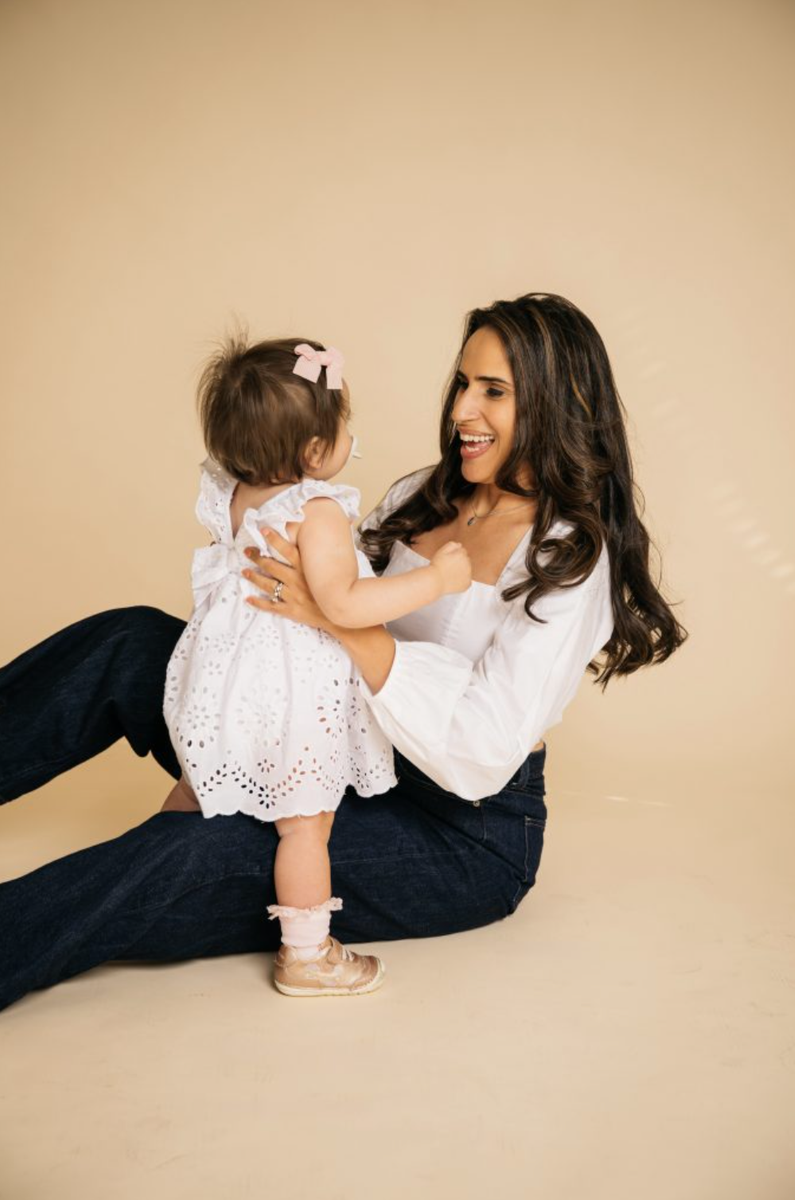 © Mercedes Sanchez / Soy Nueva Mamá
“I was fortunate to have a wonderful OB-GYN who never once made me feel like my age was a problem. When I asked if I should see a perinatologist, she smiled and said, ‘Mercedes, we're in Tribeca. Most of my patients are 40 and older.’ That simple reassurance meant everything. My OB never used the term ‘geriatric pregnancy,’ but you'll see it pop up in your medical reports and referrals to the lab and imaging. I didn’t pay much mind to it,” she told our publication.
Late motherhood is also rarely discussed openly in Latino communities. “I think you have to understand where it comes from. Many generations ago, depending on how and where you grew up, being a mother and wife was essentially a woman's only role, and it began much younger. Late motherhood wasn't a concept that existed, let alone one that anyone felt the need to discuss,” she said.
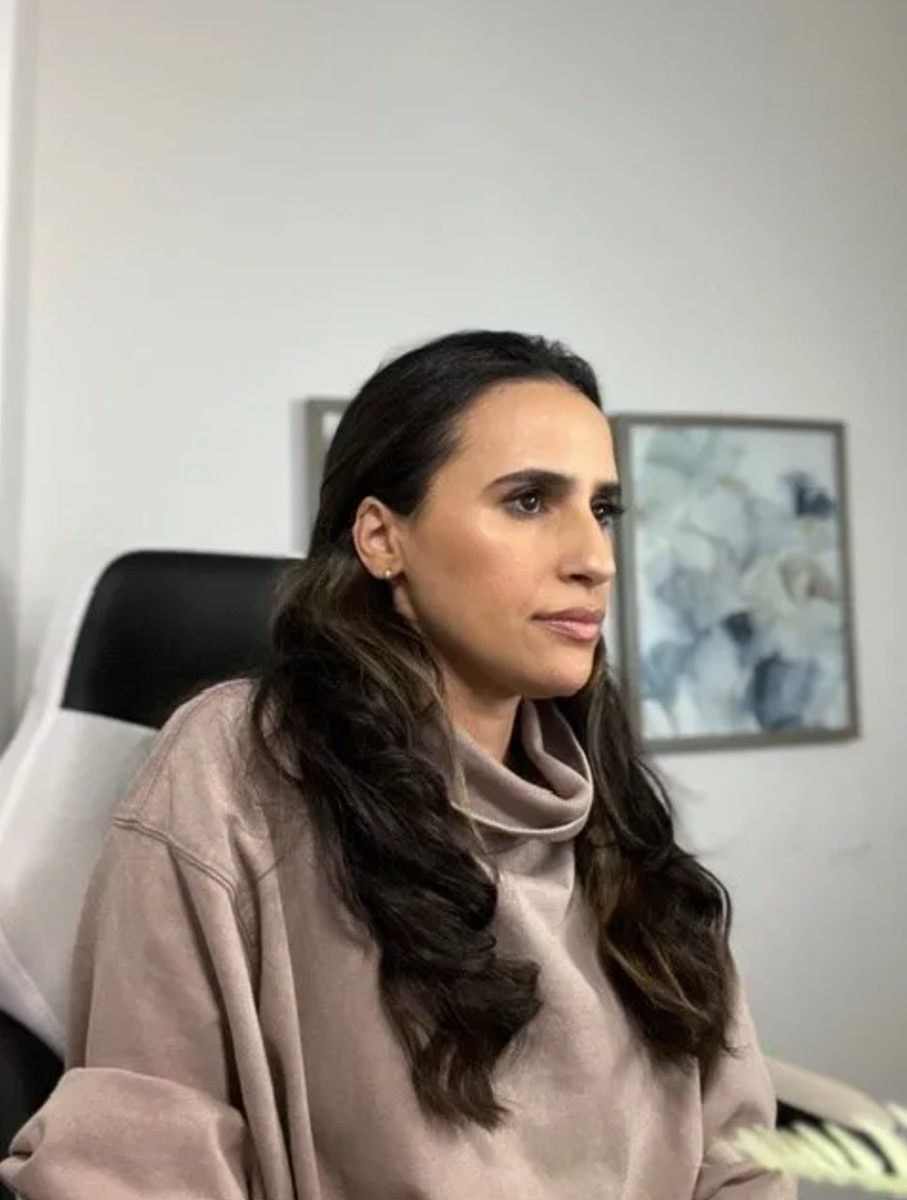 © Mercedes Sanchez
“But that's changing. Us first and second generation Latinas, some of us are having children later. Some by choice, and others like me, simply because this is when it happened. I'm not interested in staying quiet anymore. That's the conversation behind ‘Soy Nueva Mamá,’ and frankly, it's one our community has needed for a long time,” she said, referring to her bilingual platform focused on motherhood, culture, and holistic wellness for women embracing this chapter later in life.
Acupuncture and Holistic Treatments
In addition to attending medical appointments, Mercedes also turned to acupuncture and holistic treatments. For years, her period cramps were so severe that doctors primarily recommended birth control to manage the pain. Eventually, she decided to explore alternative options.
“I finally found an acupuncturist who specialized in reproductive health. And let me tell you, that first consultation in 2018 was unlike anything I had experienced before. It was about an hour long. She wasn't a therapist, but she asked about my relationship with my husband, my family, and my stress at work,” she revealed. “She wanted to understand my whole life, not just my symptoms. I remember thinking, ‘finally, someone is actually listening.’”
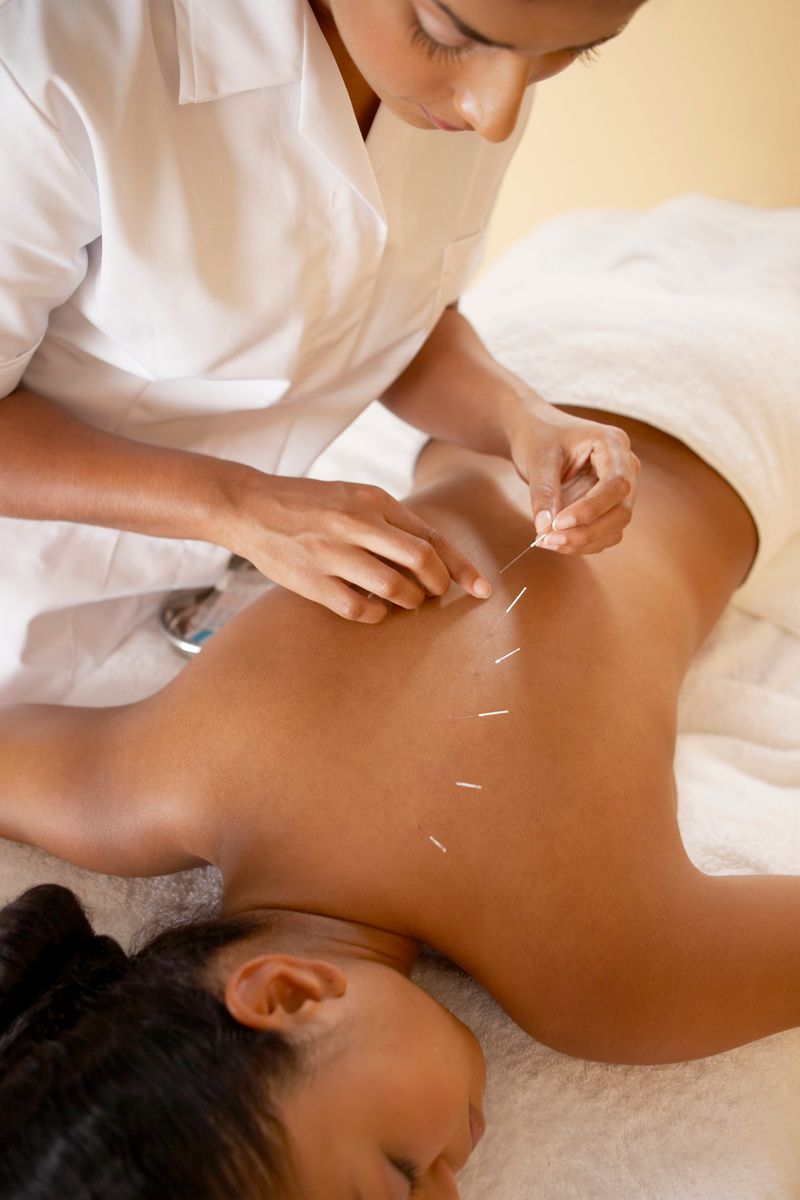 © Getty Images/Science Photo Libra
Mercedes explained that “through acupuncture, changes in my diet, and occasionally Chinese herbs, my pain eventually disappeared. I've been going to her ever since. I saw her throughout my entire pregnancy, and she even helped with a natural induction.”
“There's No 'Right' Age to Be a Mom”
Mercedes concluded by saying late motherhood should be celebrated, not whispered about. “There's no 'right' age to be a mom. I see real benefits in both being a younger first-time mom and having a child for the first time in your 40s. Each path has its gifts and its challenges. What I would say to any young woman reading this is, don't wait for a doctor to bring up the hard questions. Get curious about your health early. Learn your body. Ask the questions that feel uncomfortable. Because the more you understand about yourself, the better equipped you are for whatever path unfolds. And don't listen to the noise.”