
American passengers aboard the hantavirus-affected cruise ship will be transported to the United States for quarantine and monitoring, according to the Centers for Disease Control and Prevention (CDC).
A CDC team is being deployed to the Canary Islands, where the ship is expected to dock in Tenerife, to meet the American citizens on board. From there, the passengers will be flown to the United States and transferred to a high-level biocontainment facility in Nebraska for quarantine and observation.
 © JEFFREY GROENEWEG
The specialized isolation unit, located at the University of Nebraska Medical Center, is designed for highly infectious diseases and includes HEPA-filtered airflow systems, negative-pressure rooms, and sterilization autoclaves to safely handle medical waste and contaminated materials.
Officials confirmed that the decision applies to the approximately 17 American passengers currently identified on board.
 © -
© -The U.S. State Department is coordinating the evacuation flight in cooperation with the CDC, the Department of Health and Human Services, and Spanish authorities. Officials said they are maintaining direct communication with Americans on the ship and will provide consular assistance upon arrival in Tenerife.
Cruise operator Oceanwide Expeditions stated that no symptomatic individuals currently remain aboard the vessel and that operations are continuing under medical supervision. Additional doctors, including a representative affiliated with the World Health Organization, have reportedly joined the onboard response team.
 © LINA SELG
Public health officials continue to monitor passengers who have already disembarked at previous stops, including individuals who later tested positive or developed symptoms after leaving the ship.
Public health response and monitoring expands internationally:
The outbreak has triggered coordinated tracking efforts across multiple countries as authorities work to trace passengers and contacts from the vessel’s voyage.
 © UCG
© UCGIn Spain, health officials are monitoring potential secondary exposure cases, including a woman in Alicante under observation for suspected infection after sharing a flight with a confirmed case. Additional precautionary monitoring has also been reported in other European countries as part of cross-border health alerts.
Authorities emphasized that while limited instances of possible person-to-person transmission are being investigated, hantavirus is typically acquired through exposure to environments contaminated by rodents rather than casual human contact.
What is hantavirus?
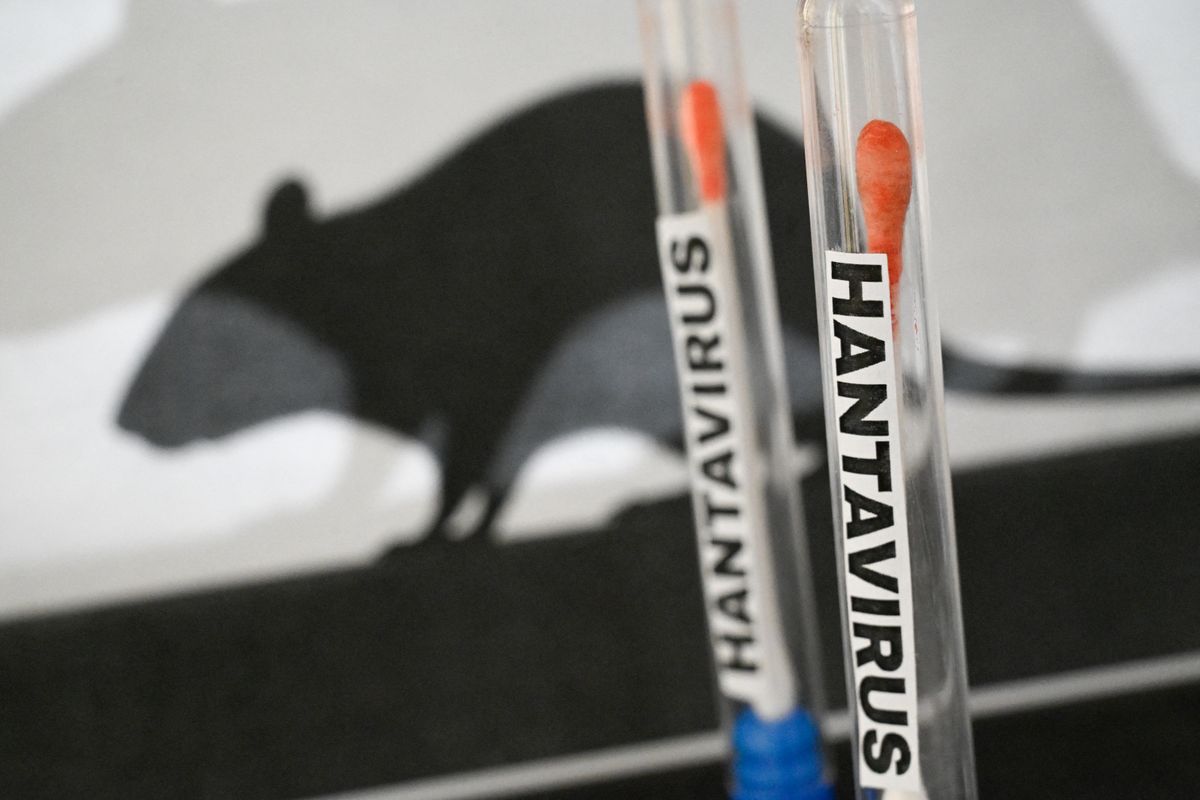
Hantavirus is a group of viruses carried mainly by rodents such as mice and rats. Humans become infected most often by breathing in microscopic particles contaminated with rodent urine, saliva, or droppings.
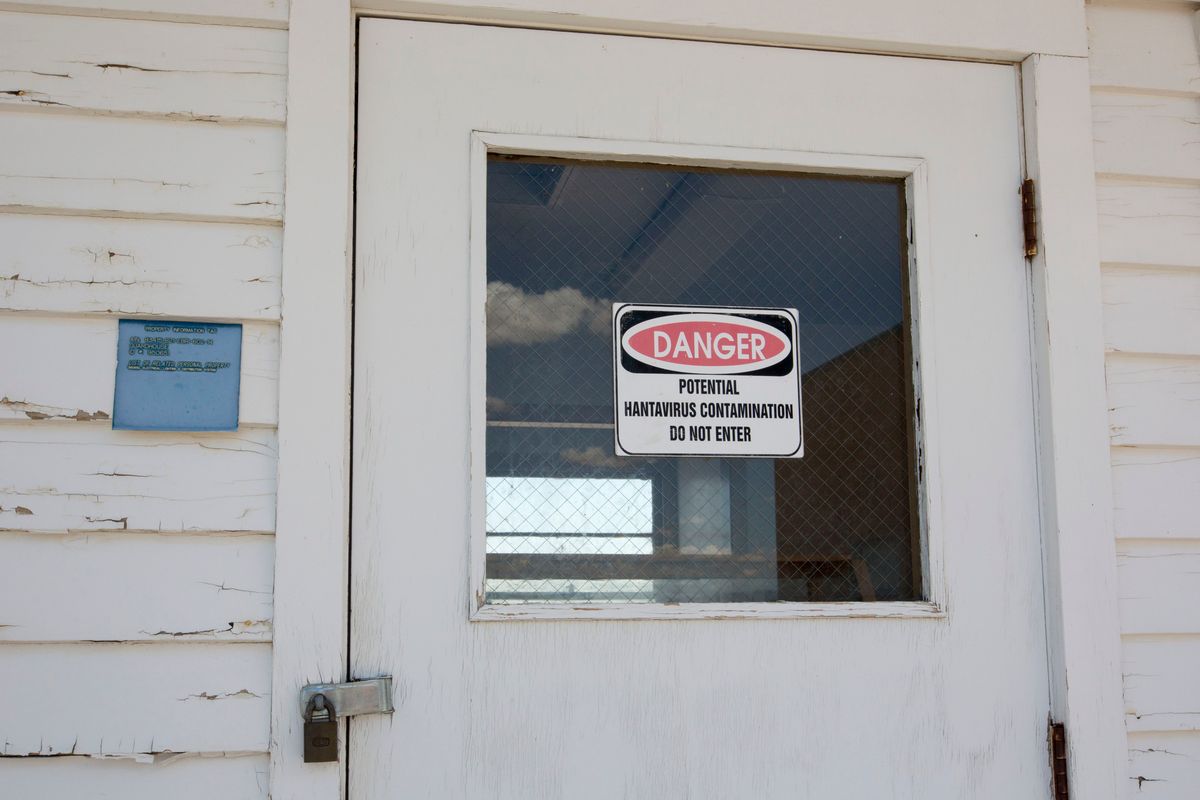
This usually happens in enclosed or poorly ventilated spaces such as cabins, storage rooms, sheds, or rural buildings where rodent activity is present.
 © JOAO LUIZ BULCAO
In the Americas, hantavirus can cause hantavirus pulmonary syndrome, a severe respiratory illness that can progress rapidly to lung failure. In Europe and Asia, related strains can cause hemorrhagic fever with renal syndrome, which can lead to kidney failure.
Early symptoms often resemble the flu, including fever, fatigue, muscle aches, and headache, but the illness can escalate quickly into life-threatening complications. There is currently no specific antiviral treatment or vaccine, and care is focused on intensive hospital support.