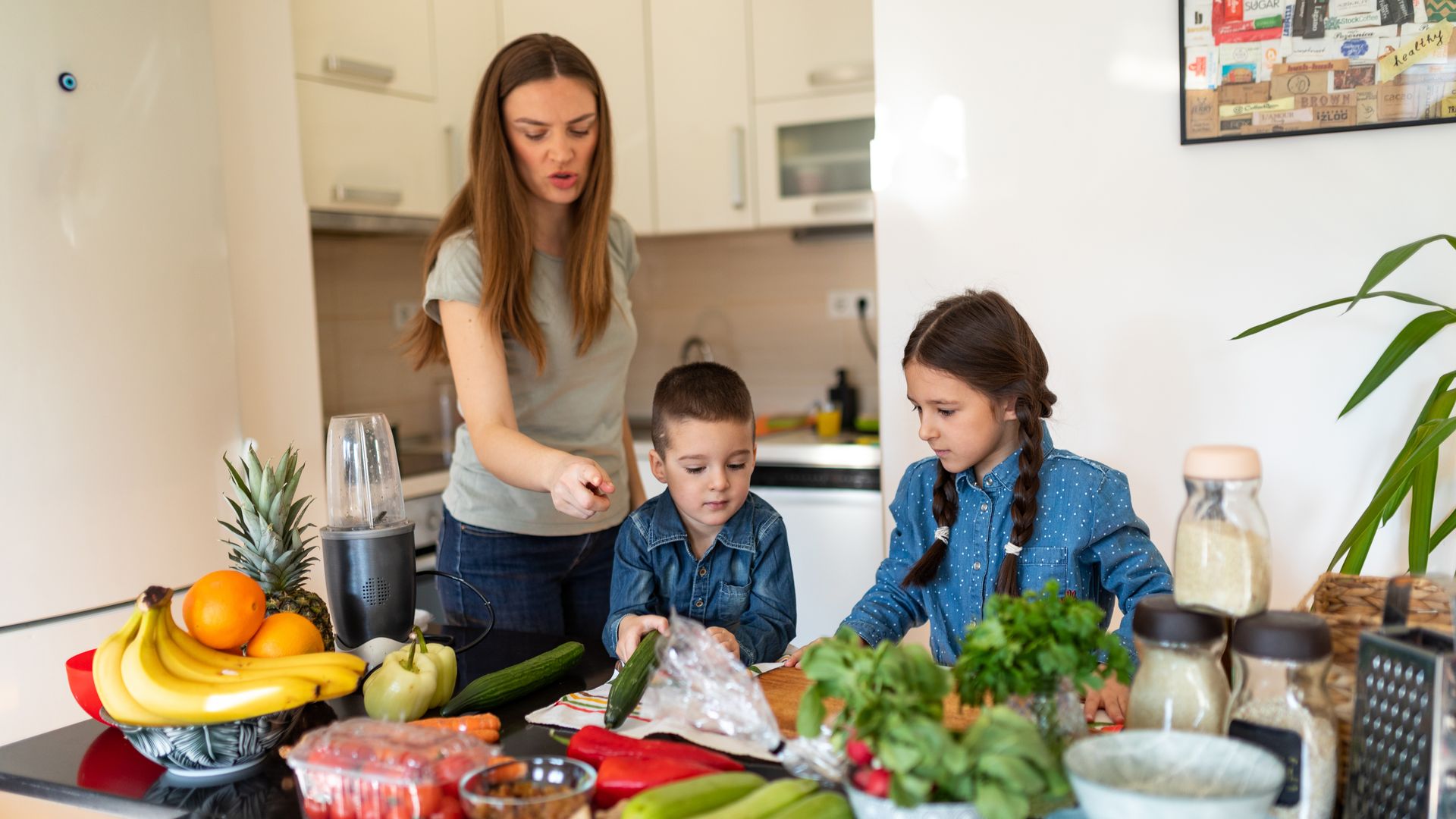
“What type of mom are you?” has evolved into something far more layered than a playful quiz. In 2026, it operates as a cultural mirror, reflecting how people think about parenting, food, and identity.
This wave is deeply tied to social media behavior. Short-form video platforms reward recognizable characters, and mom archetypes deliver exactly that. They are quick to understand, easy to parody, and instantly relatable.
 © Getty Images
At the same time, they tap into a generational re-evaluation of how families talk about food, health, and self-image.
The Core Mom Archetypes Explained
Almond Mom: The Diet Culture Legacy
The “almond mom” archetype centers on restriction. It represents a parenting style shaped by calorie awareness, “good vs bad” food labeling, and subtle (or overt) body policing.
The term gained traction after a resurfaced scene from The Real Housewives of Beverly Hills featuring Yolanda Hadid and Gigi Hadid. That clip became a shorthand reference point for diet-centric parenting.
Another modern example might be Kourtney Kardashian, who reportedly feeds gluten-free and dairy-free cupcakes, gluten-free waffles, and homemade almond milk to her kids. Kardashian also went viral in 2022 after revealing that her son Mason spent a whole year without eating French fries, a staple in most kids’ menus.
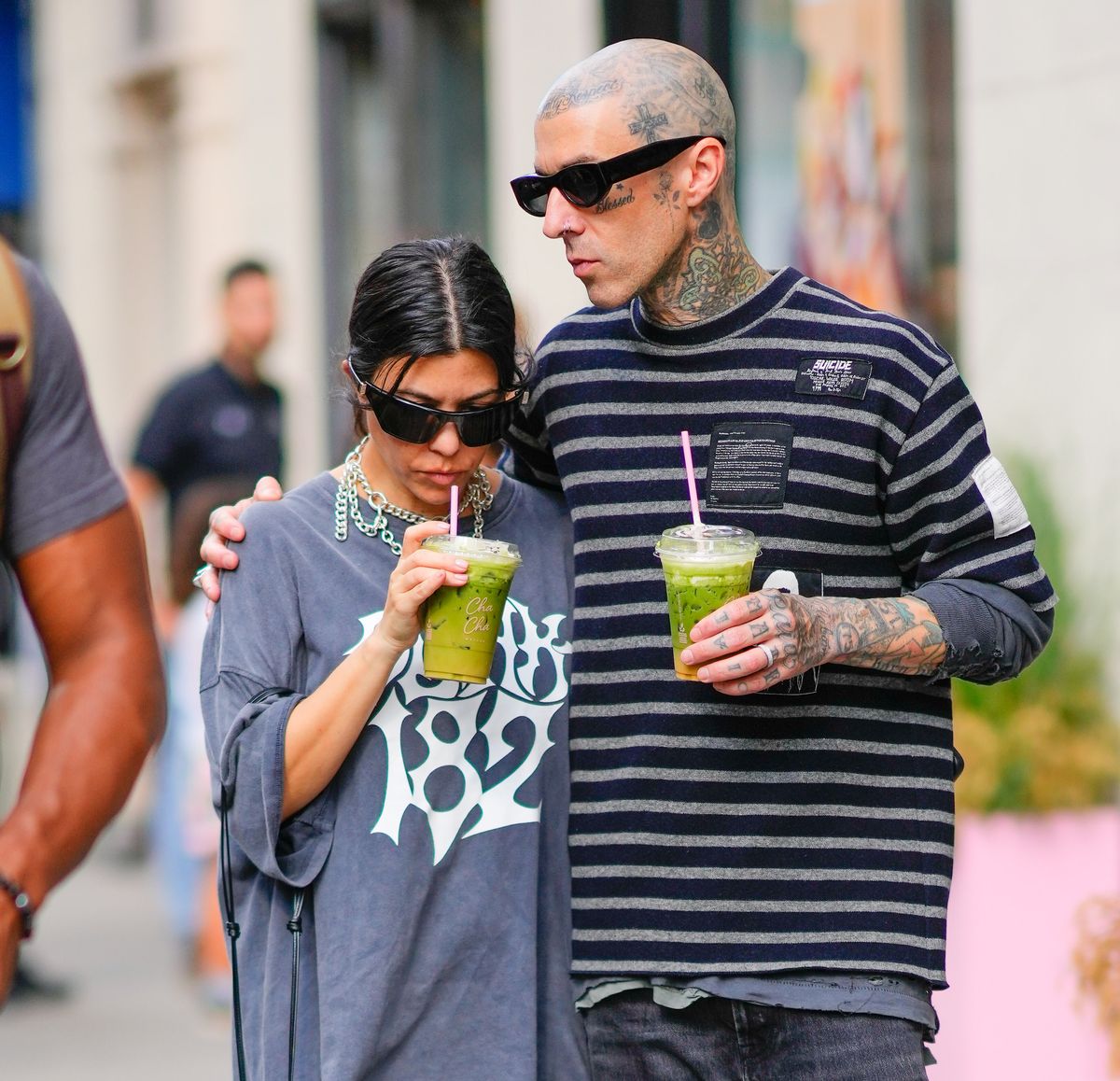 © The Image Direct/The Grosby Group
During an interview, Kardashian said that while she grew up eating processed foods, motherhood changed her perspective on food. “When I had Mason is when I really started my wellness journey,” she told WSJ. “He’s very smart. He’ll tell me, ‘A person was bad because they let me have Cheetos.’”
Another viral moment was featured during a 2019 episode of "Keeping Up With The Kardashians" where Kourtney Kardashian Barker argued with her youngest sister, Kim Kardashian, 45, for including sugar in the menu meant for their children's joint birthday party. "There are candies that are not disgusting and filled with chemicals,” she told Kim, who replied exasperated, "It's a Candy Land themed party!"
Beyond TV, by late 2022, the phrase had exploded into a full TikTok category. Users began sharing personal stories, satire, and commentary about growing up around food anxiety. Today, “almond mom” is less about one person and more about a widely recognized pattern. It is often used critically, highlighting how diet culture can pass from one generation to the next.
Butter Mom: The Soft Rebellion
Enter the “butter mom,” positioned as the antidote. This archetype rejects food morality. Butter, sugar, and snacks are not framed as indulgences or “cheats.” Instead, they are normalized as part of everyday eating. The philosophy aligns closely with intuitive eating and food neutrality.
 © Getty Images
The term gained visibility through conversations led by therapist Johanna Kulp, who discussed raising children without inherited diet culture. By 2026, butter mom has evolved beyond a mindset. It is now an aesthetic identity. Think soft lighting, homemade meals, and an emphasis on comfort over control.
Gummy Bear Mom: The Balance Approach
The “gummy bear mom” sits between the two extremes. This archetype emphasizes moderation. Snacks are available, treats are not restricted, and the goal is balance rather than perfection. The pantry is stocked, but there is no pressure attached.
 © Getty Images
Originating largely from TikTok commentary, gummy bear mom is often framed as the most “realistic” approach. It acknowledges modern parenting constraints while still promoting a healthier relationship with food.
It’s Really About Generational Repair
Underneath the aesthetics, this trend is deeply emotional. Many millennials and Gen Z parents are rethinking how they were raised around food. The almond mom narrative often represents what they want to move away from.
Butter mom and gummy bear mom, in contrast, act as “repair stories.” They signal a shift toward raising children without shame or fear tied to eating. This is not about abandoning health. It is about redefining it in a way that feels less restrictive and more sustainable.
Modern Mami is a parenting and lifestyle column by ¡HOLA! Senior Writer Shirley Gómez, a Latina millennial mom raising a toddler. Focused on the realities of modern motherhood through a Latina lens, the column covers topics ranging from wellness and culture to parenting tips and expert advice.