Sad Girlz has been one of my favorite Tribeca surprises. The Mexican film, written and directed by Fernanda Tovar, premiered this past Friday at the Village East by Angelika, giving the festival a much-needed story about friendship and girlhood, and the magic of Latin American cinema.
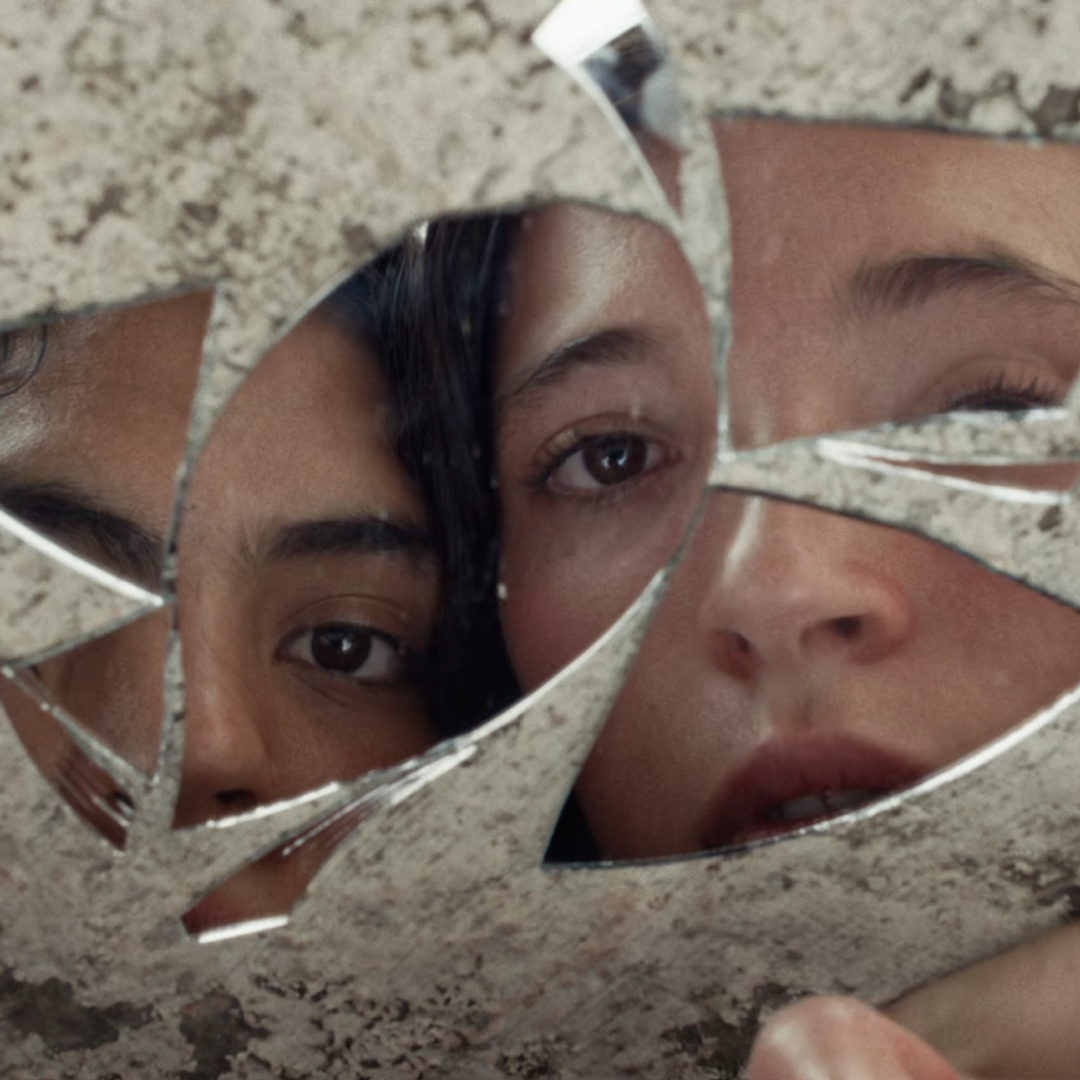
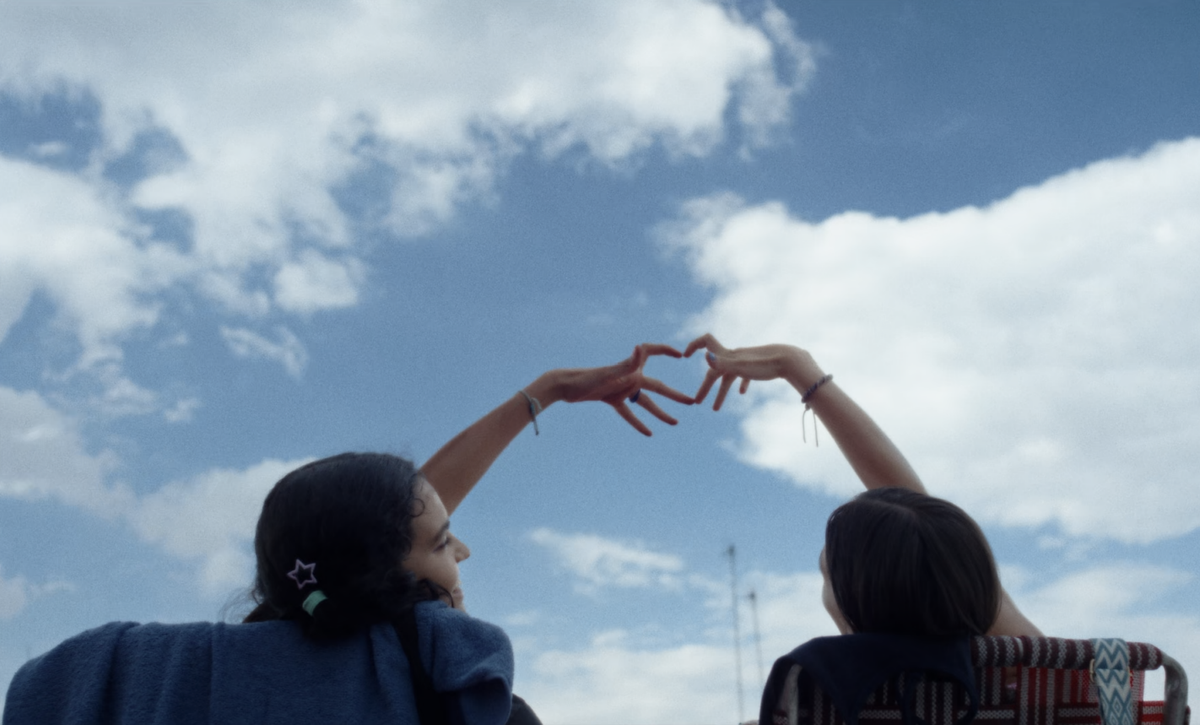
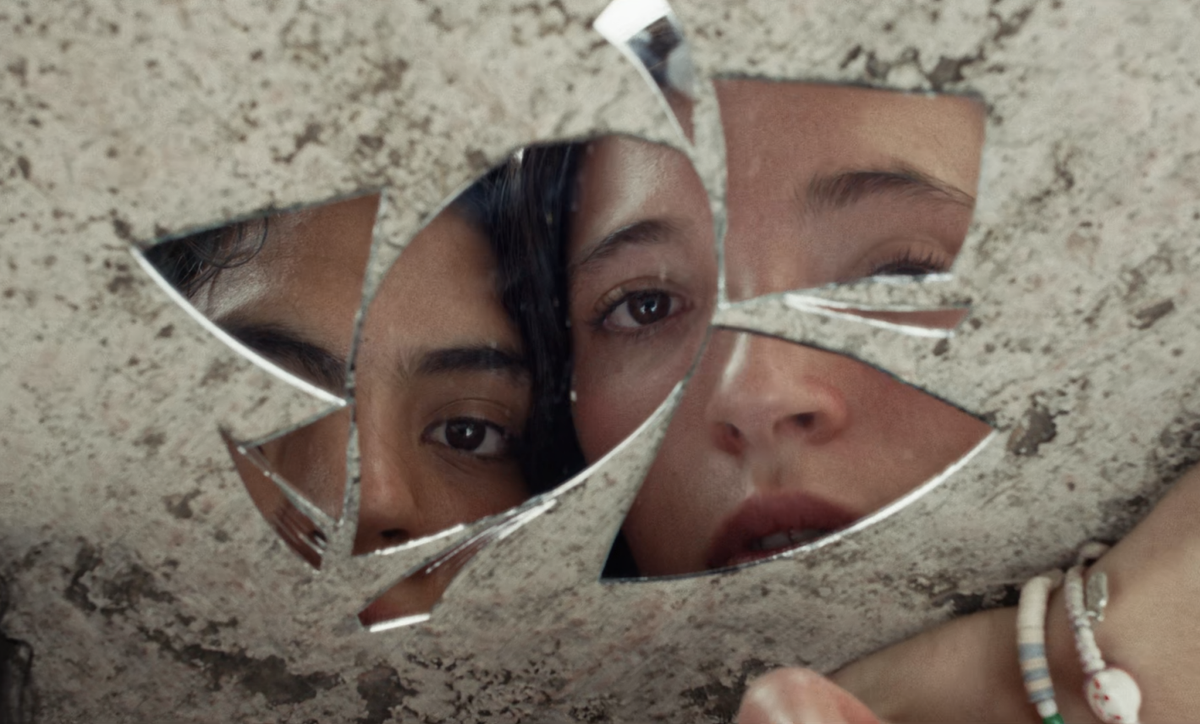
"Sad Girlz" follows two 16-year-old best friends, Paula and La Maestra. They are the best swimmers of their team and are excited and training for a competition in Brazil, all the while dealing with the standard trappings of teenagedom: parties, friends, and long afternoons spent hanging out and procrastinating studying. One night at a party, Paula goes through an awkward and unwanted experience with the boy she likes, spending the rest of the film understanding what happened to her, processing it, with Maestra by her side, offering the best support she can.
It's a subtle and realistic film, focusing on the natural chemistry between its leads, Darana Alvarez and Rocio Guzman, painting a friendship that feels real, shockingly similar to many friendships you had when you were 16. While sexual violence is the shadow that hovers over the story, Tovar opts to observe it from a distance, giving a measured adaptation of a complicated problem. Instead of focusing on the politics of sexual assault and devolving into a "he said-she said" story, Tovar humanizes the subject.
In an interview with HOLA! conducted in Spanish, Tovar discussed "Sad Girlz," its extensive writing process, and some of the work that went into making her first feature film. "Sad Girlz" is now playing at the Tribeca Festival as part of the International Narrative Feature competition. If you're in New York, there's a screening of it this Friday, June 12.
You mentioned that the process of writing the script and working on the film took seven years. How did the story change during that period?
At the beginning, it was more like... I had this urge to talk about violence. I was thinking about telling a story between teenagers where the plot focused more on whether or not people believed in Paula's sexual assault, and on the dilemma between her and the character of Daniel. The character of Maestra was there, but it was more of a film about Paula and Daniel.
I think the biggest transformation was making the film about friendship, stepping back from violence as the central theme. And I'd say the other most significant change was the shift in point of view. Now the main character is Maestra, and she's the one telling the story. That really revolutionized the film. When I made that change in the script, about three years ago, maybe halfway through the process, it helped me a lot in terms of seeing whether this was the film I actually wanted to make.
When it comes to your creative process, how do you stay in love with an idea after seven years with it?
I don't think you do, really — it renews itself. There are a lot of highs and lows over seven years. There were moments where I didn't want to make the film anymore, where I was exhausted and felt like it was going nowhere. And sometimes the subject matter itself was like, ugh, I'm not sure I want to keep talking about this. It's not a simple topic, and it's also a conversation socially that evolves very fast, so it was hard to keep it feeling current. What happened was that over those years, there were different moments of falling back in love with the film — seeing things happen in the world, or going to the March 8th rally and watching a group of fifteen-year-old girls protesting. Things like that would reignite the fire. And on the practical side, we applied to a lot of workshops, co-production funds, and things like that, and every so often we'd get selected for one, which renews the hope that at some point you'll actually raise the money. But it's complicated. I don't think I sustained the love for seven years on that first impulse; there were many impulses after. That's also the thing about first features: they're very long processes because a film takes so long to come together.
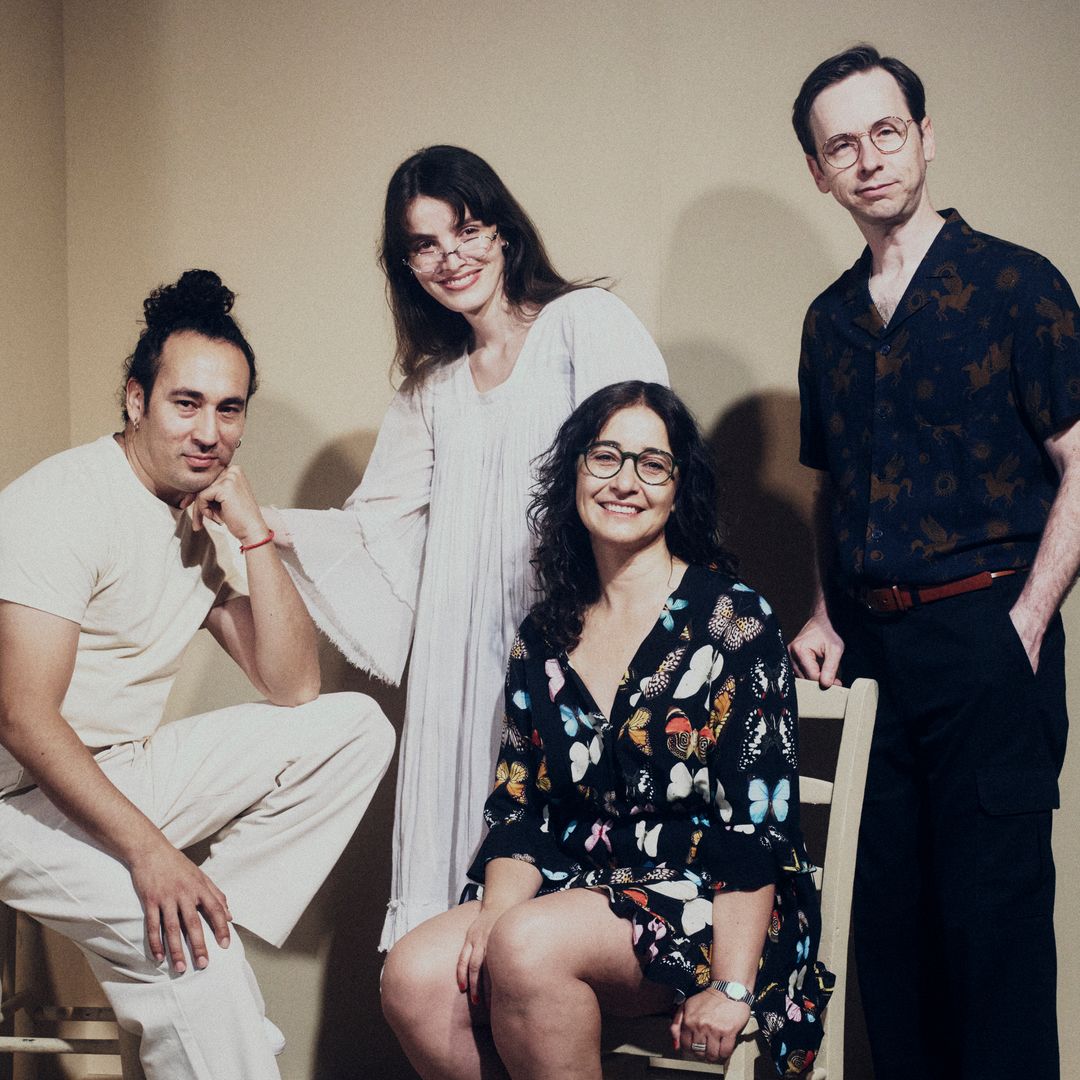
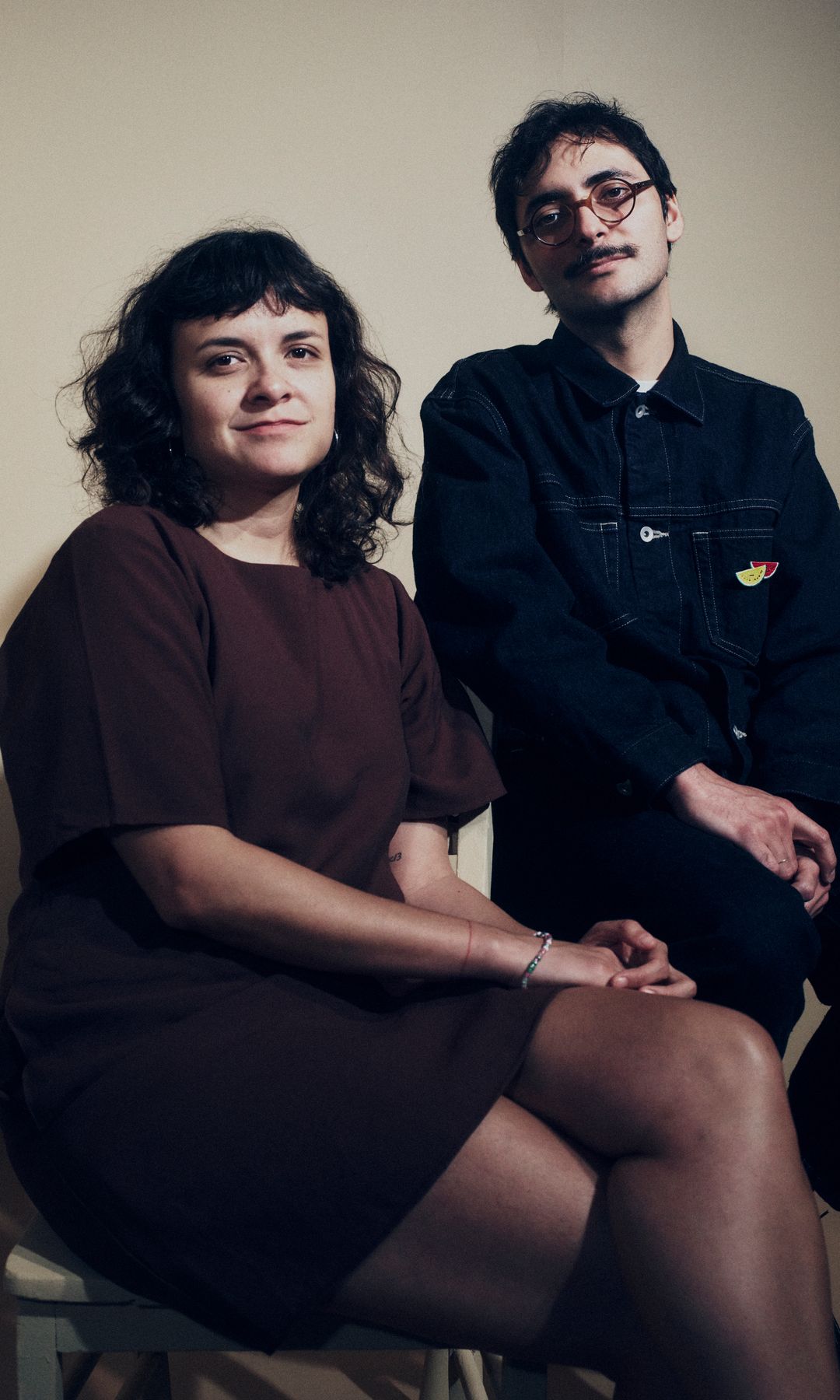
Fernanda Tovar and Daniel Loustaunau of "Sad Girlz" for a portrait during the 2026 Tribeca Festival
One of my favorite things about the film is the sense of place. There's a scene I remember where two people are talking about politics; there are also many scenes of people dancing and exercising in the plaza. Can you tell me a little bit about that?
I wanted to build a world where there was a community, and therefore a place within that community where Paula had something to lose. When it's a place where there's a community, and you occupy a space in that world, in those people's lives, it matters whether you disappear or not.
On the other hand, I've lived my whole life in the south of Mexico City, and I think there's always been in me this desire to portray the city with those almost magical particularities that it has. The pig, for example — I didn't invent that. It actually lived in the buildings nearby and was always loose in the park, and people would feed it. The women doing Tai Chi are also real. The people talking are my grandparents — I did put that in. When we were scouting, I was seeing this life. The salsa classes that, yes, were staged for the film, but also really happened. So it felt interesting to think about these spaces where a concrete community exists — which maybe aren't that common in the modern world today — but somehow survive. That was really important to me in the film: that there's something to lose.
That thing with the pig, it's so Latin American. For audiences who aren't from this part of the world, it's hard for them to understand that our cities have these surreal qualities to them. It's something very special that you capture immediately.
In Berlin, someone asked me exactly that, like, there are these surrealist vignettes, why did you want to give the park a magical dimension? And I was like, no. That's not surrealism, it's not magical, it's basically a documentary. It's been really funny showing the film in Europe.
That's why I feel like when people talk about Latin American art, magical realism is always the first thing that comes to mind.
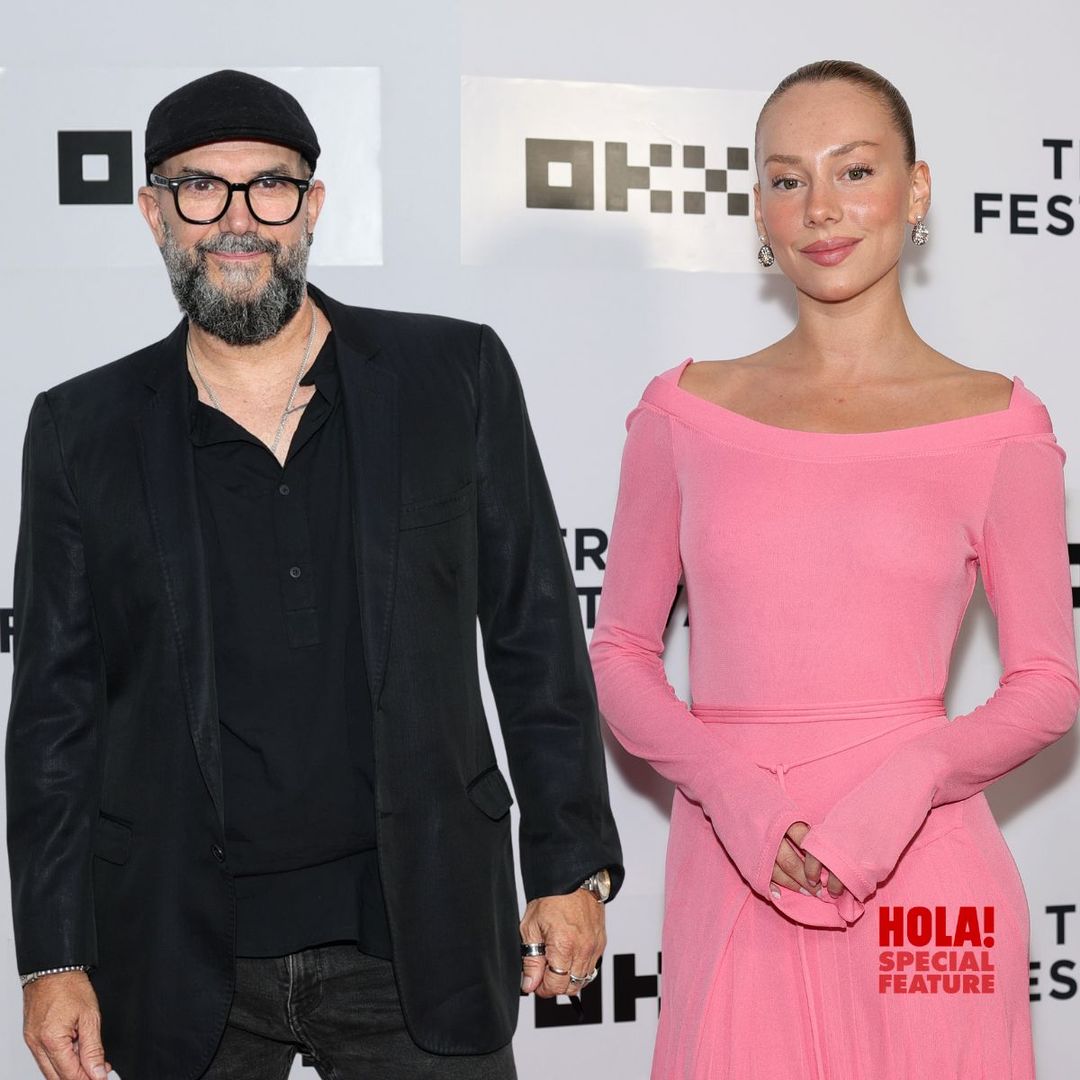
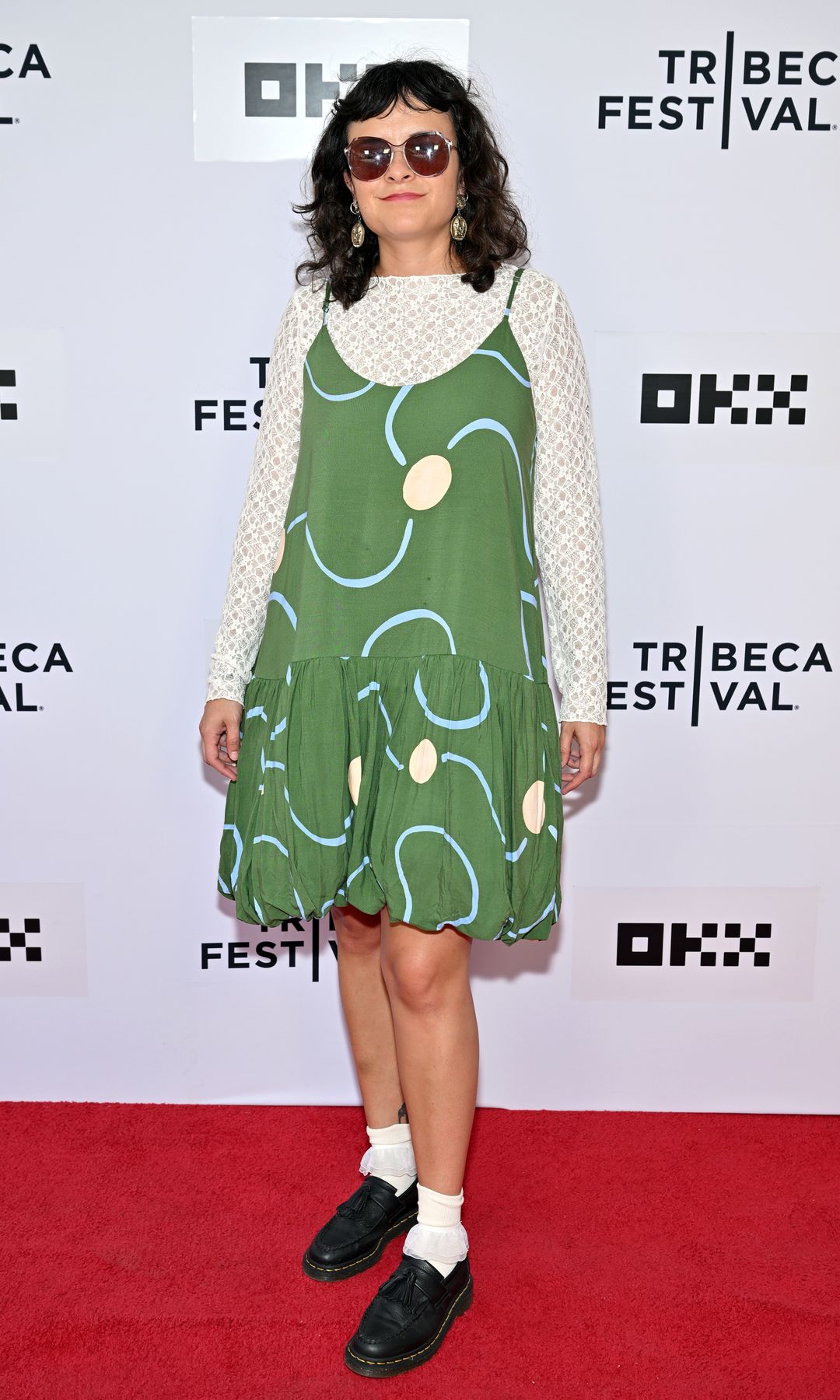
Fernanda Tovar at the "Sad Girlz" premiere during the 2026 Tribeca Festival
As women, or at least for me, a lot of us have this affinity for, or this desire to revisit and re-examine adolescence, and those friendships that are so intense they're almost a first love. Why do you think we keep seeking out these stories?
I think adolescence is a formative period in anyone's life — it's when you're becoming who you're going to be. And there's a sense of adventure and curiosity about the world that maybe fades a little later on. I feel like films about adolescence are always going to be rich and necessary. When you reach a certain age, you want to talk about those memories, about that past — it's very common to want to revisit your own lived experience, and often that lived experience is adolescence, given how old we are.
But I think it's more than that — it's about the formation of identity, the curiosity about the world, that feeling of being very alive. Teenagers are very alive. And then as adults, we're not quite as alive. In a way, making these films, or watching them, is a way of returning to those intense emotions.
What's been the most beautiful part of taking this film to different festivals? And what's been the most challenging?
The most beautiful is confirming that the magic of cinema really does exist — that film can function as an empathy machine. In every country we've shown it in, I see Maestras and Paulas in the audience saying they feel represented, that they deeply identify with the film. In a way, it's returned to me that belief in the power of films that are able to build those bridges, those lines of communication between people who otherwise would never have connected. Yesterday, some girls were telling me, I'd never seen Mexico represented that way, it made me want to go, and it surprised me to realize my life isn't so different from people in Mexico. That's what makes it worthwhile. When it comes to the challenges, the travel is demanding and exhausting. Which sounds strange because everyone always wants to travel, but there's a point where you're living out of a suitcase, and it's work.
I'm also starting to write another film, and I'm someone who loves being home with my perfect routine. So I think that's the difficulty sometimes — the lack of stability. Festivals are also complicated because you never know where the film is going to land, and there's always anxiety about how is it going to go in this festival, in this country? But in the end, they're very positive problems to have, and I feel really grateful to be living this, because it's something special. I hadn't anticipated it being such a year of travel.
What do you want to do going forward? Is there anything that excites you, a project, or something personal?
What excites me is staying close to cinema. I'm starting to write another film that I'm really excited about — something completely different. With Sad Girlz, I felt like I was constantly holding myself back because of how difficult the subject matter was. I was always trying to be subtle. Now I want to lean into it, make something louder and more intense. And I really want to make films that talk about how life is beautiful and exciting. I feel like if you want drama, Instagram is right there, the news is right there — maybe our job now is to remind people why life is worth living.
Beyond my own projects, I also want to stay close to cinema and work on other films and other directors. In the collective [Colectivo Colmena], we have several projects that I'm not directing but am involved with in other ways, and I hope to keep doing that. For now, that's it. I don't know if I'll always want to keep making films, but right now I can say that the process of making Sad Girlz, more than anything else, was my favorite part of the whole experience. I enjoyed the process so much that I want to live another one.
 © Colectivo Colmena
 © Colectivo Colmena
 © Getty Images
 © Getty Images for Tribeca Festiva