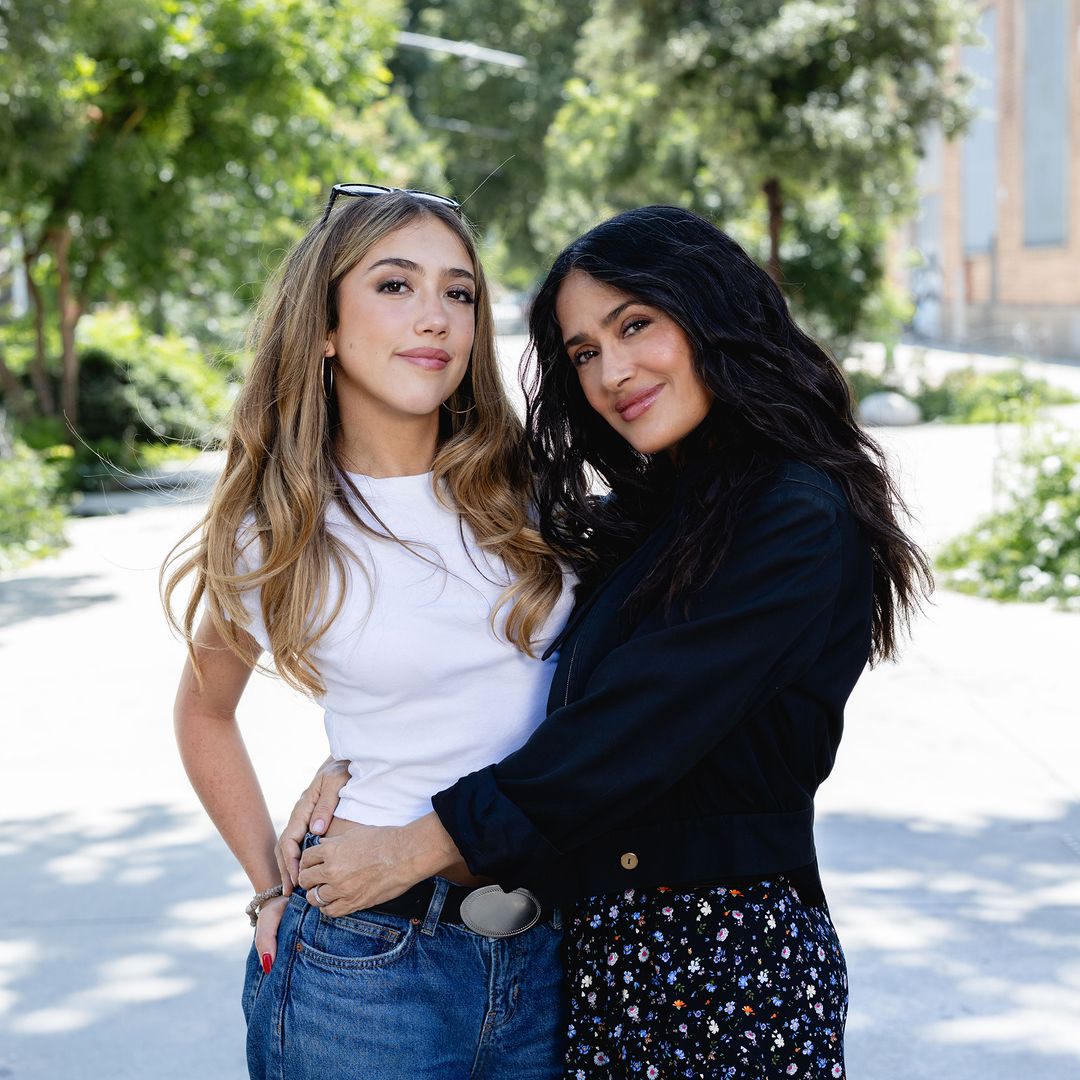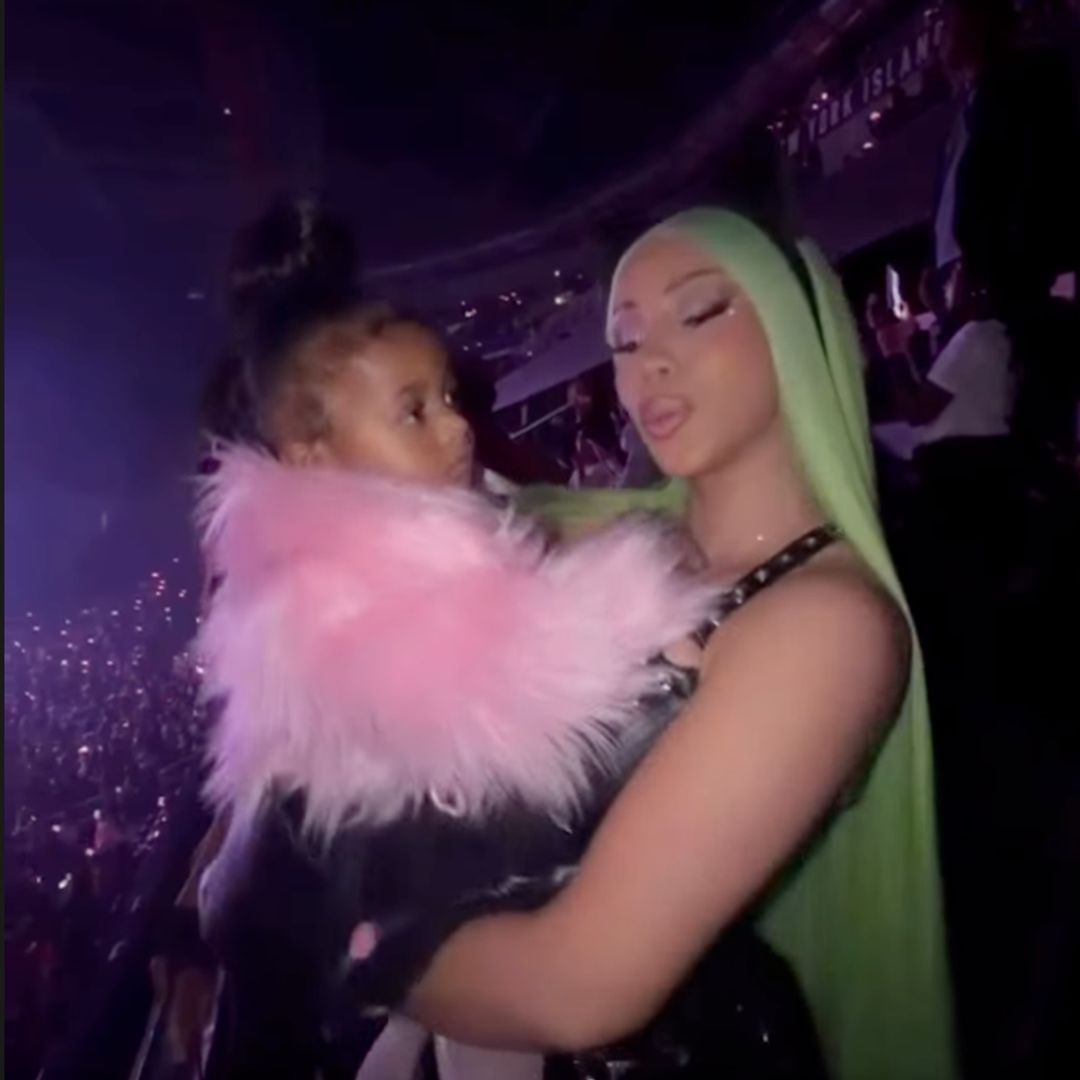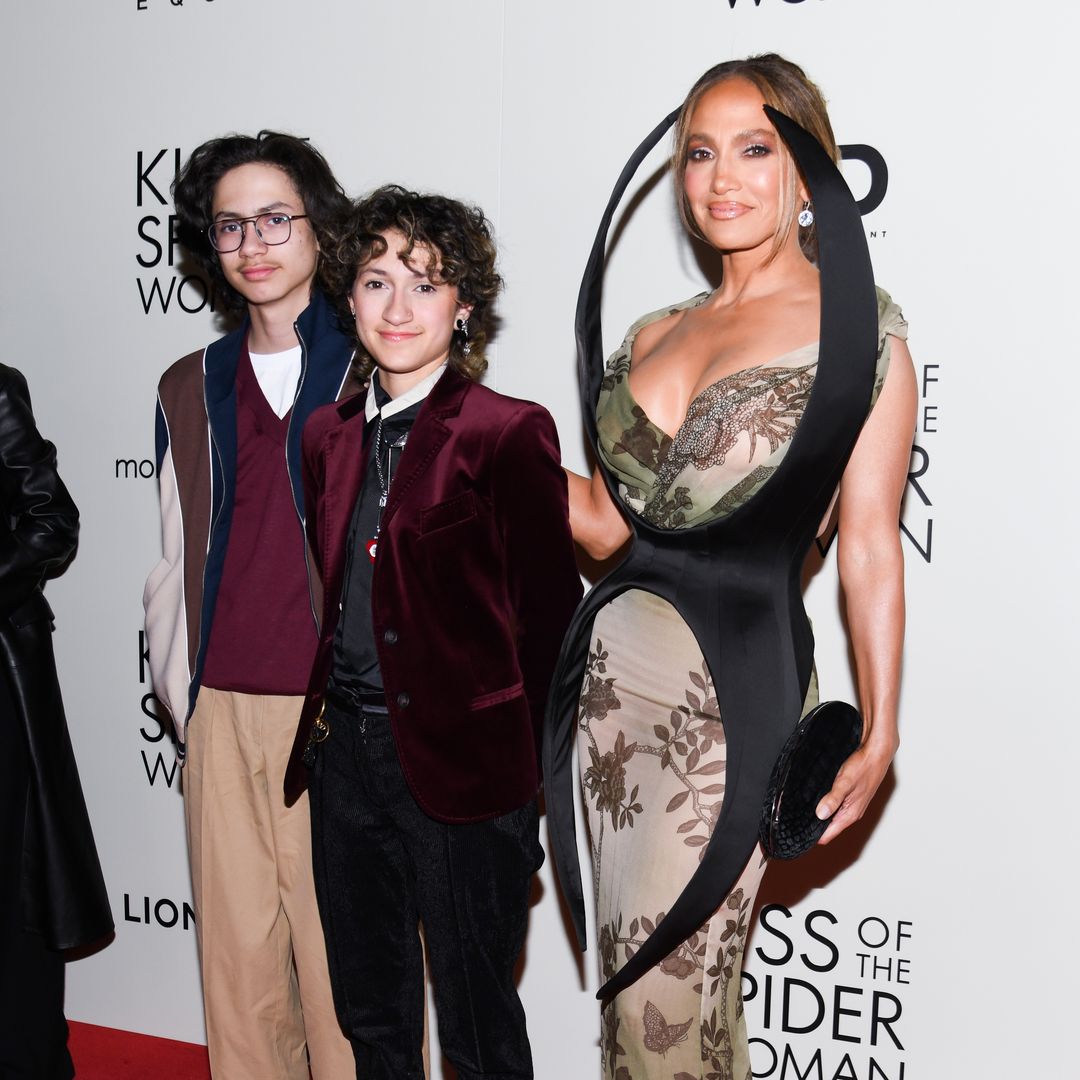
Jennifer Lopez is finding inspiration in the emotional experience of watching her children grow up and leave home. The 57-year-old singer and actress recently revealed that her twins, Max and Emme, heading off to college motivated her to return to the recording studio. What began as a difficult adjustment to becoming an empty nester has turned into one of the most creatively rewarding periods of her career.
In an October 28 interview with Variety, Lopez opened up about the emotional transition and how she has channeled her feelings into new music.
 © Backgrid UK/The Grosby Group
The "On the Floor" hitmaker admitted that the experience has been both heartbreaking and inspiring, explaining that she has written some of the strongest material of her career.
Rather than allowing the sadness of an increasingly quiet home to overwhelm her, Lopez is embracing a fresh start, complete with new songs, renewed creative energy, and a different perspective on motherhood.
Jennifer Lopez Says Becoming an Empty Nester Inspired Her New Music
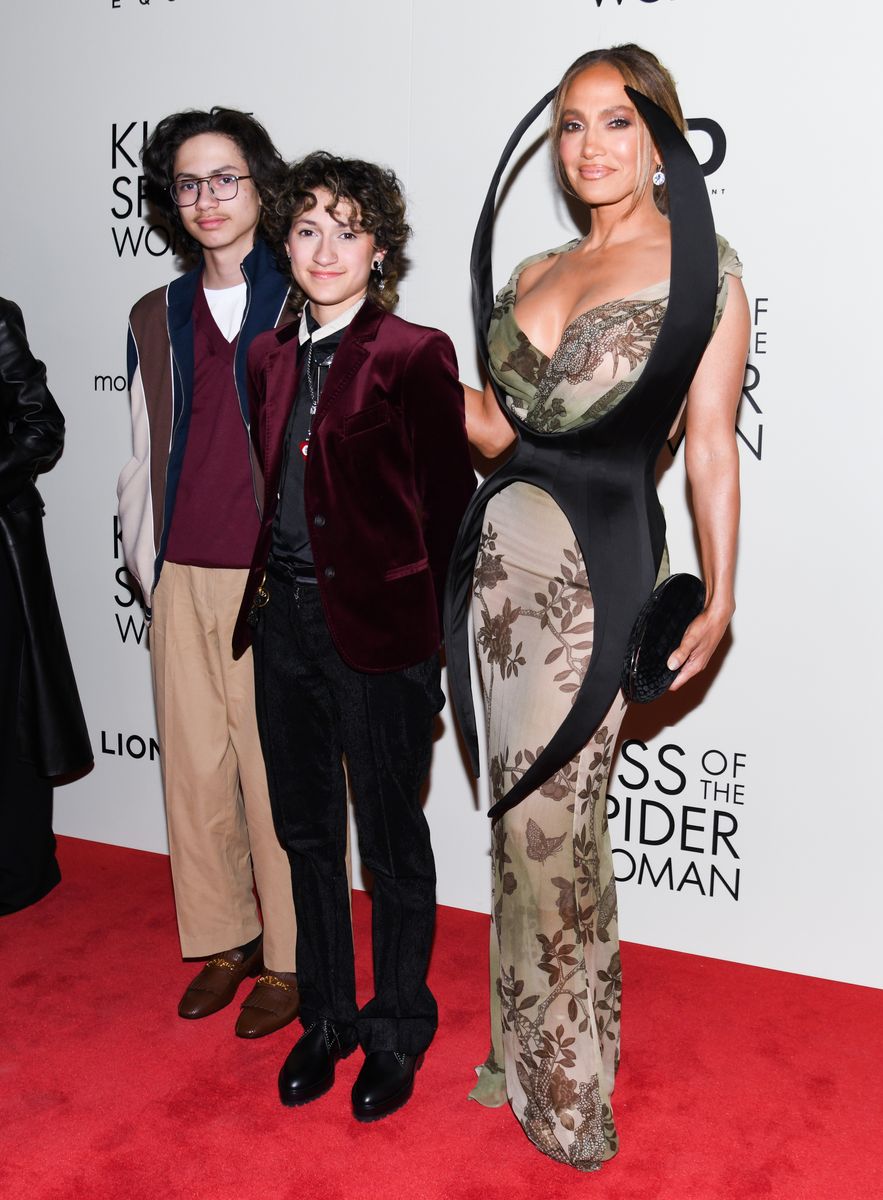
For nearly two decades, Jennifer Lopez's life has revolved around raising her twins, whom she welcomed in February 2008 with her former husband, singer Marc Anthony. Now that Max and Emme are 18 and beginning their college journeys, Lopez is adjusting to a reality that many parents know all too well.
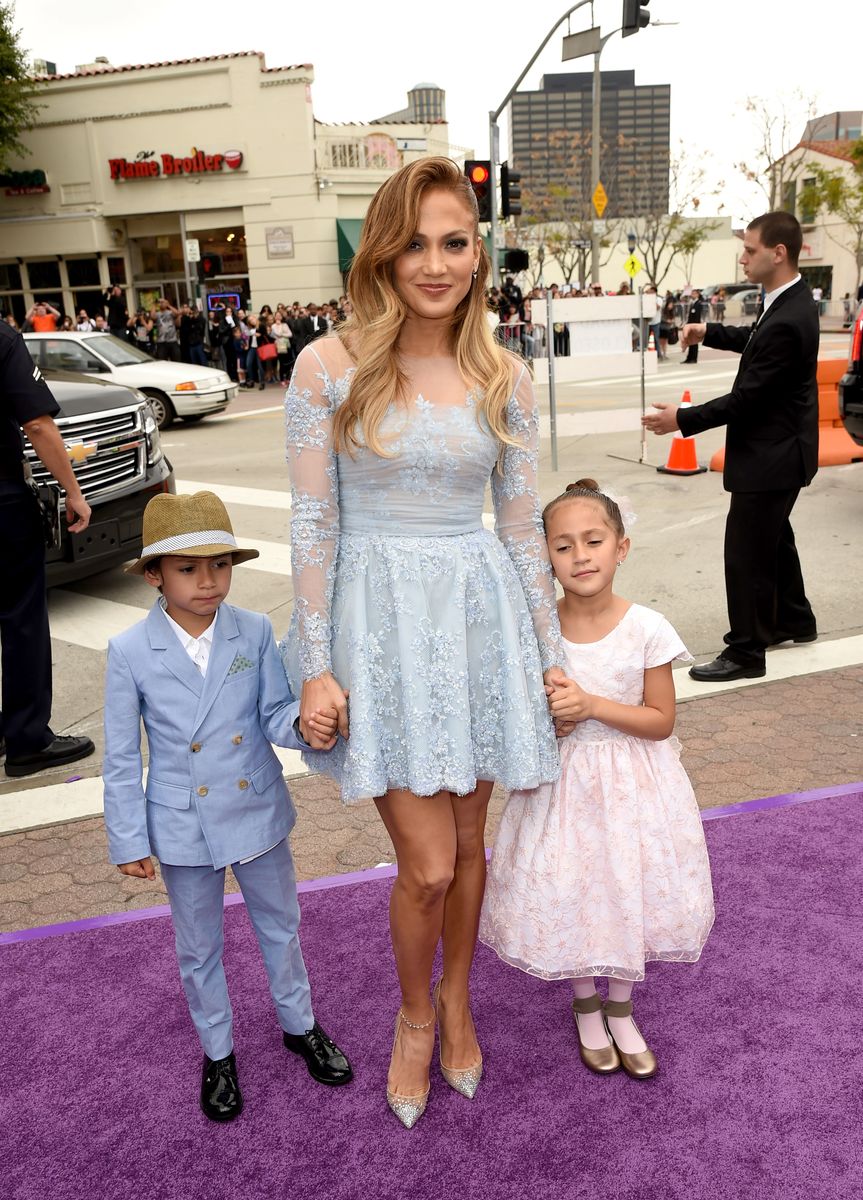 © Getty Images
In her conversation with Variety, she explained that raising children occupies an enormous amount of mental and emotional space. Their departure has forced her to reconsider how she wants to spend her time.
The transition, she admitted, has been "devastating and sad and scary." However, returning to the studio has given her a productive outlet for those emotions. "I've written some of the best songs that I've ever written, and I'm really excited," Lopez told the publication.
The singer described her forthcoming album as an uplifting project that acknowledges the complicated feelings accompanying this new chapter. "It's a very happy era album," she shared.
Jennifer Lopez's New Song 'Proof of Love' Explores Motherhood and Grief
One of the first songs to emerge from this creative period is “Proof of Love,” a new recording that Lopez says explores the emotional contradictions of loving someone deeply.
 © @Nacer_photo_ / BACKGRID
Despite its personal inspiration, the track isn't a traditional sad ballad. Instead, Lopez has created an upbeat dance song that examines how happiness, grief, and love can exist simultaneously. "It's really a beautiful song about this kind of duality," she told Variety.
She explained that experiencing sadness when someone leaves can be a reflection of the love shared with that person. "That's really proof of love," Lopez said.
Rather than treating her children's departure solely as a painful ending, the singer wanted the song to celebrate an important family milestone. "I wanted to make that a happy thing," she explained.
The track will appear as a bonus song. Three vinyl editions, featuring different artwork and record colors, were announced on October 28, with a planned January 2027 release.
Jennifer Lopez Opens Up About Crying as Her Twins Leave for College
Lopez's recent comments aren't the first time she has discussed the emotional challenges of becoming an empty nester. In September, the actress shared a candid video on her JLO Beauty Instagram account, revealing that she had been thinking about how her daily life would change without her children at home.
 © Variety via Getty Images
The singer admitted that she expected to spend time crying, reminiscing, and looking through childhood photographs of Max and Emme. She also explained that maintaining familiar routines would help her navigate the adjustment.
Exercise, skincare, and personal wellness have become particularly important as she prepares for a new stage of motherhood.
 © @jlo
Lopez encouraged other parents experiencing similar transitions to focus on themselves and consider opportunities they may have postponed while raising their families. "Maybe it's time to revive some old dreams that you had," she suggested.
Her message emphasized that children leaving home marks a major change for parents, too. "It's a scary time. It's a transitional time," she acknowledged.