
Lauren Sánchez Bezos is shining a light on one of conservation's most extraordinary comeback stories. In a new Instagram video, Sánchez Bezos highlighted the Fernandina Galápagos tortoise, a species that disappeared from scientific records for more than a century before researchers made an astonishing discovery.
"Almost gone is not gone," Sánchez Bezos wrote alongside the video. She explained that the Fernandina Galápagos tortoise was lost to science for more than a century but now has "a real chance at recovery" through the Phoenix Species Project, an ambitious conservation initiative led by Re and the Bezos Earth Fund.
 © AFP via Getty Images
And the story behind the tortoise is remarkable.
Lauren Sánchez Highlights the Fernandina Galápagos Tortoise
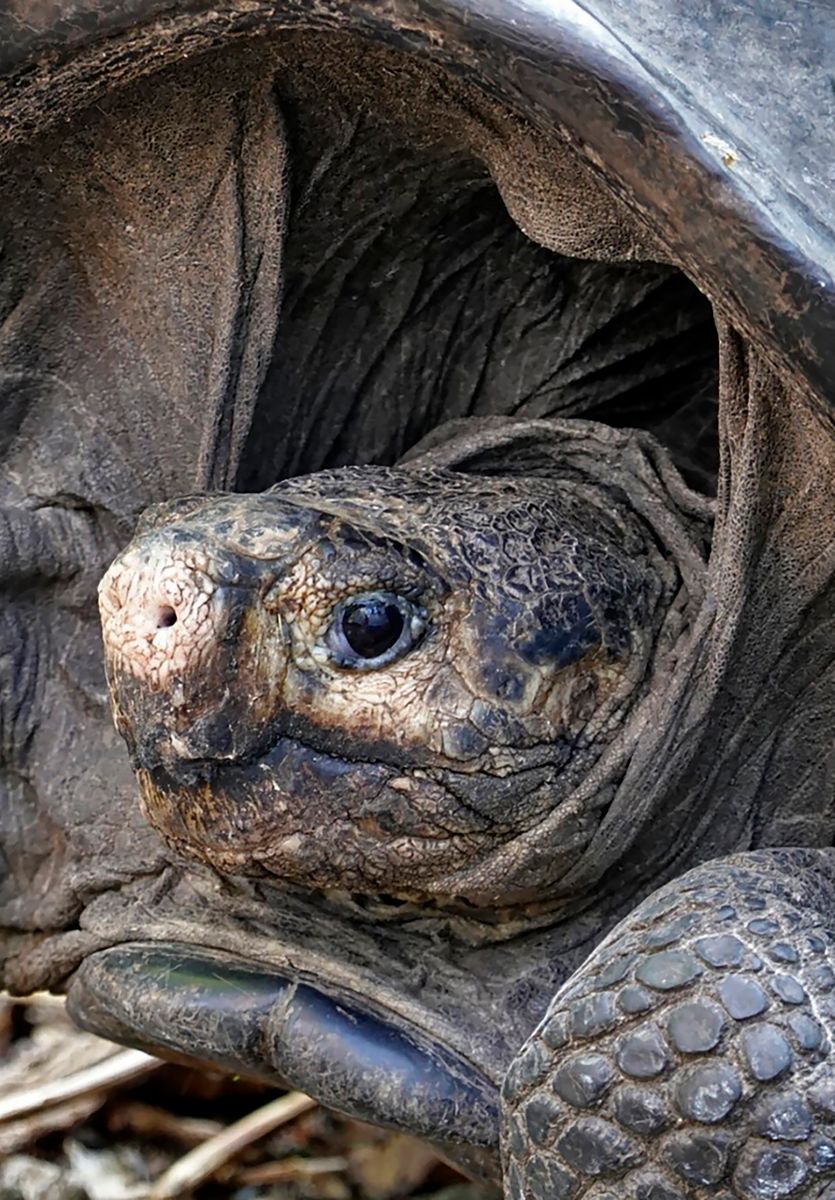
The Fernandina Galápagos tortoise, scientifically known as Chelonoidis phantasticus, had been considered lost for 113 years. For decades, scientists had only one confirmed specimen to study, a male collected on Fernandina Island in 1906. With no other confirmed animals found for generations, there were fears the species had disappeared completely.
 © AFP via Getty Images
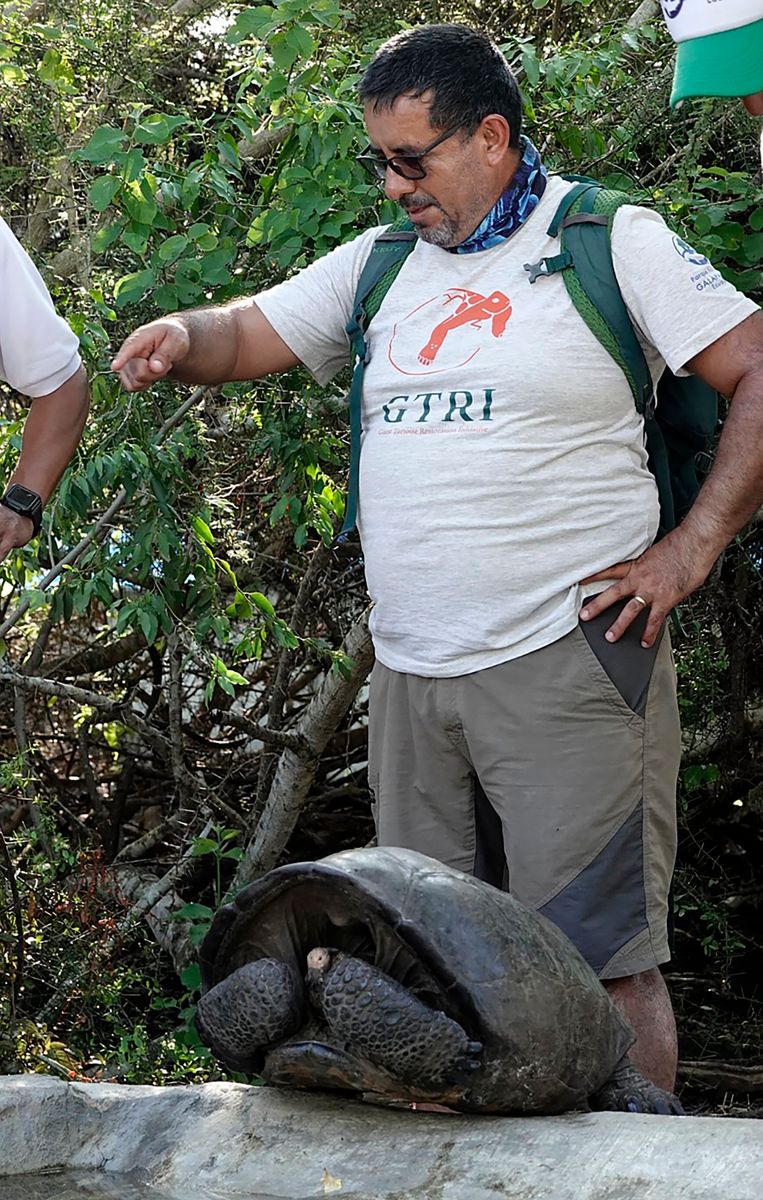
In 2019, an expedition led by the Galápagos National Park Directorate and Galapagos Conservancy discovered a lone female giant tortoise on Fernandina Island.
But finding a tortoise was only the beginning of the mystery. Scientists still needed to establish whether she really belonged to the supposedly lost Fernandina species or whether she was another type of Galápagos tortoise that had somehow been moved to the island.
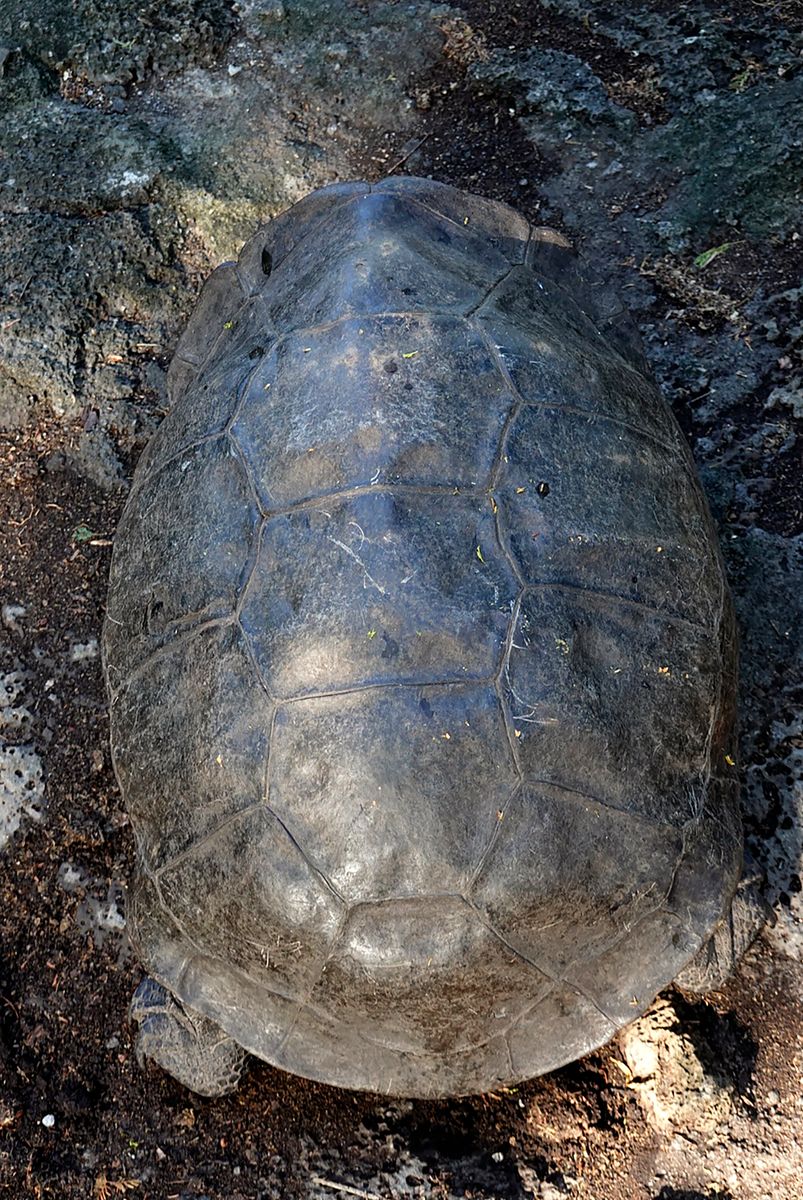
In 2021, scientists at Yale University confirmed through genetic analysis that the female was a match to the Fernandina Galápagos tortoise known from the historic specimen.
 © AFP via Getty Images
The discovery officially brought a species feared lost back into the scientific record.
Re lists Fernanda's rediscovery as the longest disappearance among the species recovered from its original list of the 25 most wanted lost species.
Who Is Fernanda the Fernandina Giant Tortoise?
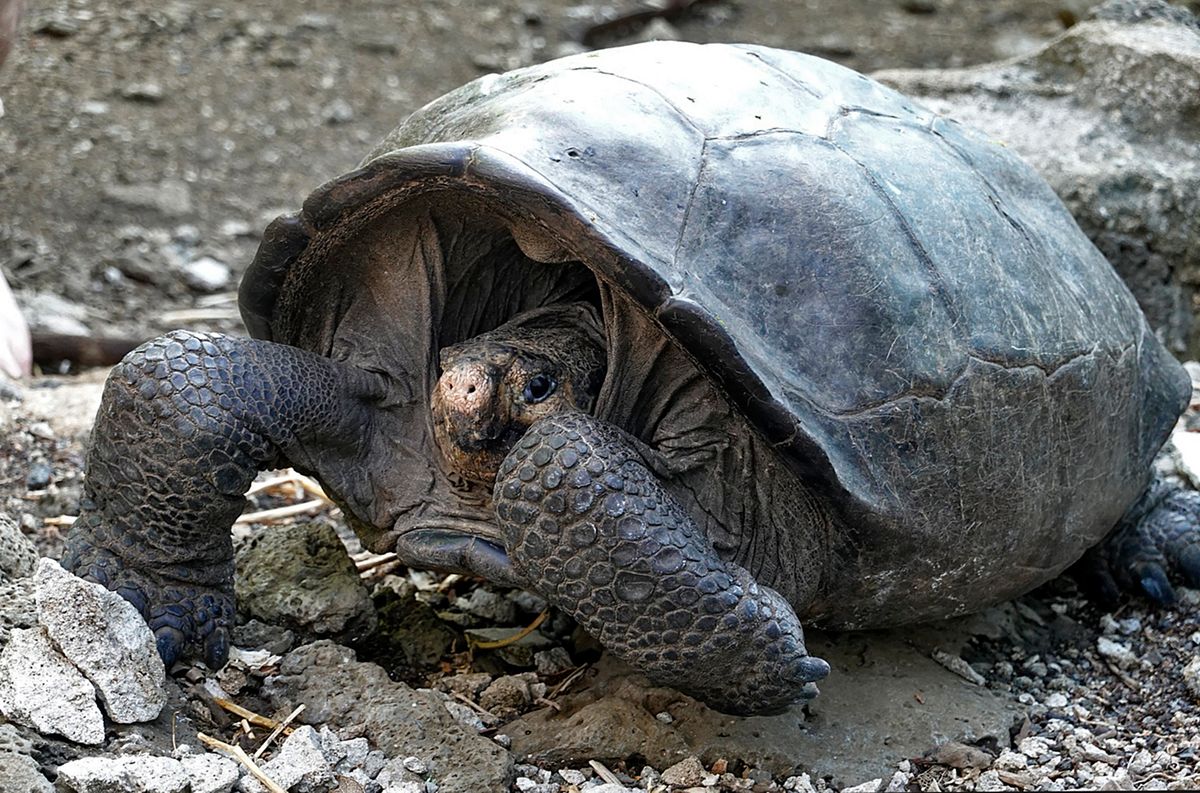
The female tortoise has become known as Fernanda, and her survival carries enormous significance. She remains the only confirmed living Fernandina Galápagos tortoise identified by conservationists.
That means rediscovery alone does not guarantee the species' survival.
 © AFP via Getty Images
The Fernandina Galápagos tortoise remains classified as Critically Endangered, making the search for additional individuals and the development of a viable recovery strategy essential.
When Fernanda's identity was confirmed in 2021, Re said conservationists hoped future expeditions could locate other Fernandina tortoises that might eventually make a conservation breeding program possible.
That possibility is now part of a much larger global conservation effort.
What Is the Phoenix Species Project?
The Phoenix Species Project launched in August 2026 with an ambitious target: helping recover 100 of the world's most threatened species.
The initiative is led by Re, which was co-founded by Leonardo DiCaprio and Dr. Wes Sechrest, and the Bezos Earth Fund. It launched with a $200 million commitment, including $100 million from the Bezos Earth Fund and $100 million from Re, with support from DiCaprio, Age of Union and the Todd Graves Family Foundation.
 © Backgrid UK/The Grosby Group
Rather than simply attempting to slow species decline, the project is designed around actual recovery. Its 100 priority species include mammals, birds, reptiles, amphibians, fish, invertebrates and plants across 30 countries. And the Fernandina Giant Tortoise is among them.
The Phoenix Species Project lists the Critically Endangered tortoise among its Latin American priority species, placing Fernanda's extraordinary story inside a global effort to bring animals and plants back from the edge of extinction.
The Galápagos Islands Remain Central to Wildlife Conservation
Fernanda's story is particularly significant because of where she lives.
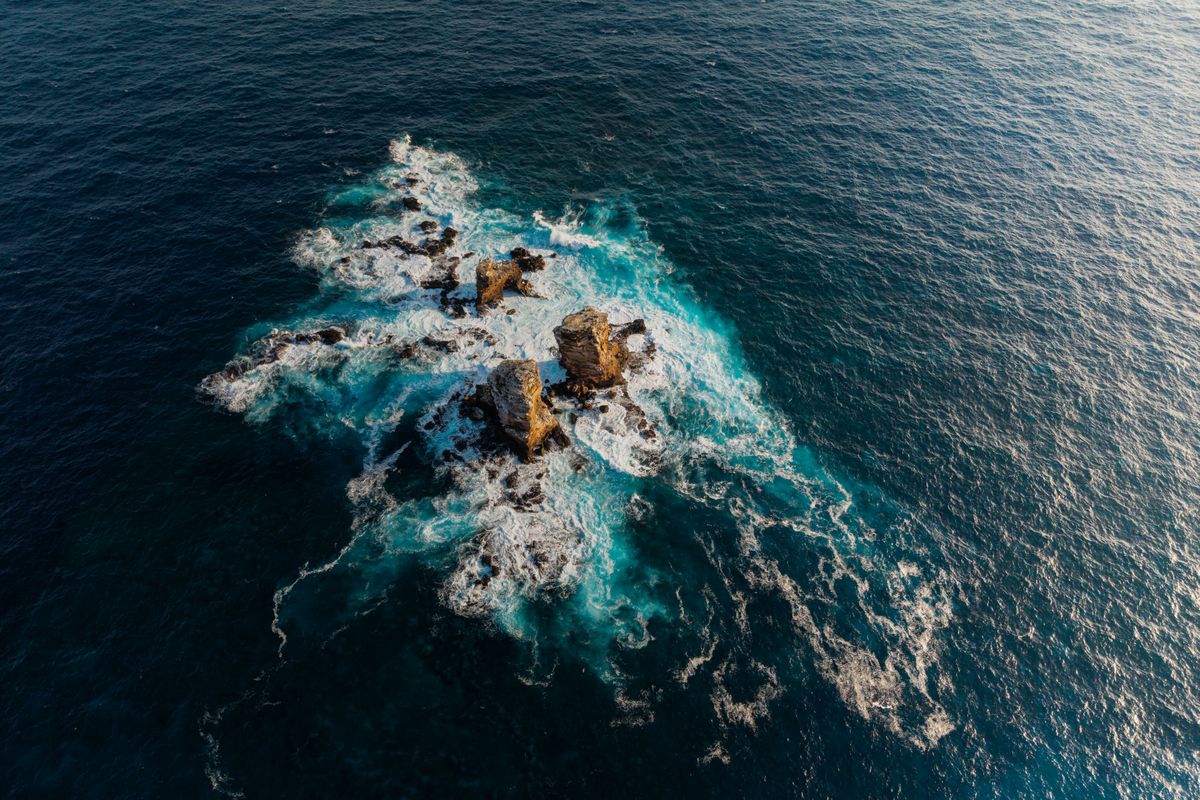
The Galápagos Islands are synonymous with extraordinary wildlife and evolutionary science, and giant tortoises are among the archipelago's most recognizable species.
 © AFP via Getty Images
Fernandina Island itself presents an unusual environment. It is the youngest and one of the most volcanically active islands in the Galápagos archipelago, making searching for tortoises difficult.
The rediscovery of a female tortoise more than a century after the species' last confirmed record showed why conservationists are increasingly reluctant to declare a missing species gone without extensive searches.
It also demonstrates the difference between rediscovery and recovery. Finding one animal can establish that a species survived. Saving that species requires an entirely different level of work.
Bezos Earth Fund Has Invested in Galápagos Conservation
Sánchez Bezos' post also connects with broader conservation work backed by the Bezos Earth Fund, where she serves as vice chair.
The organization has previously invested in conservation projects involving the Galápagos and the wider Eastern Tropical Pacific.
 © WWD via Getty Images
In 2021, Jeff Bezos's Bezos Earth Fund awarded $1.32 million to Fundación Jocotoco, WildAid and the Charles Darwin Foundation through Re to support work connected with the Galápagos and Hermandad marine reserves.
The fund has also backed projects designed to strengthen conservation across the Eastern Tropical Pacific Marine Corridor, a vast region linking ecologically important waters around Ecuador, Colombia, Panama and Costa Rica.
 © Anadolu Agency via Getty Images
The Phoenix Species Project now expands that conservation approach with a specific focus on species facing the greatest danger.