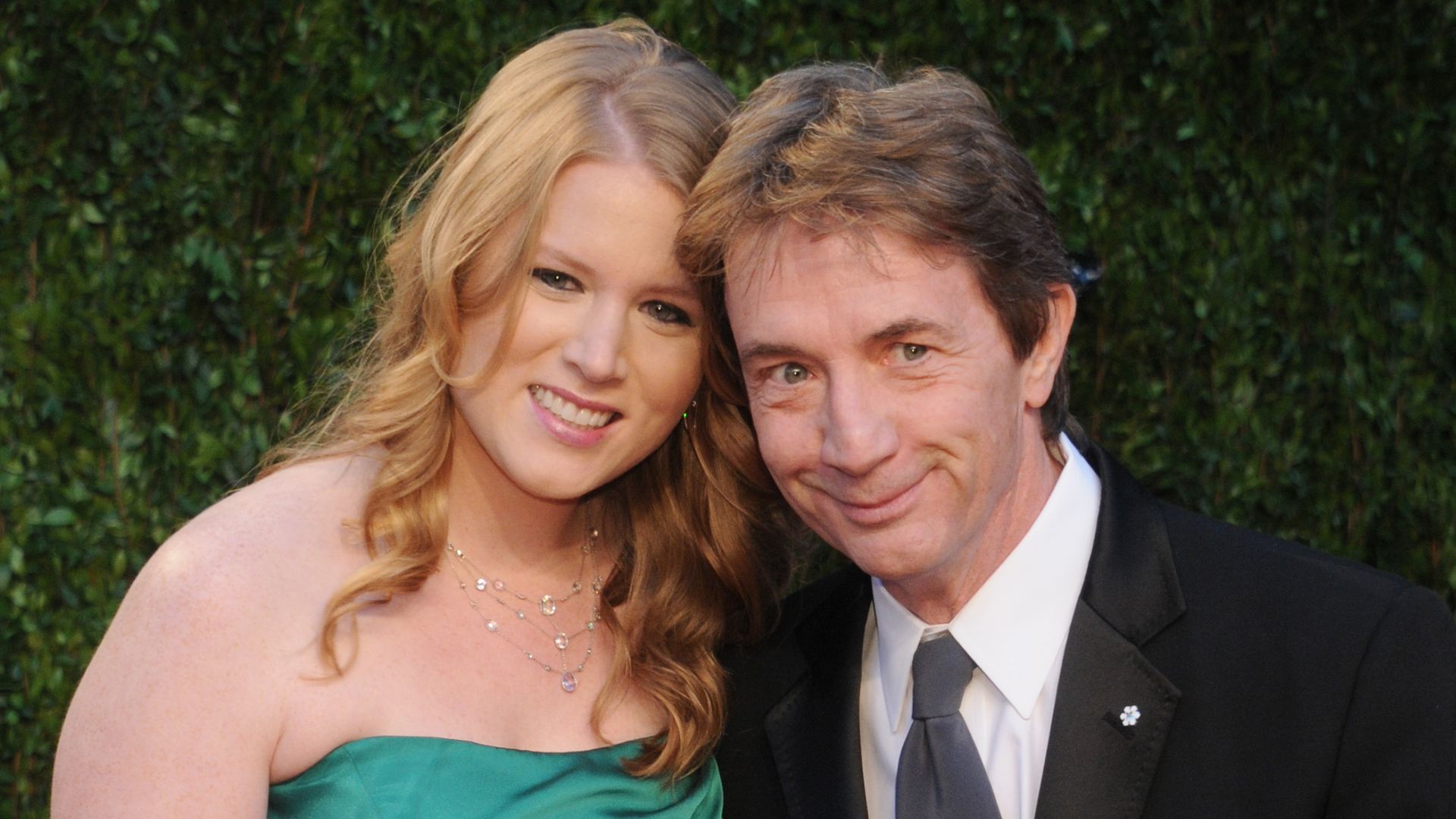
Martin Short is addressing one of the most difficult moments of his life. The comedian and actor is addressing the death of his daughter, Katherine, who was 42 years old when she died by suicide this past February.
 © Gettty
In a new interview, Short is discussing Katherine's death for the first time. “It’s been a nightmare for the family,” he said. Short explained that his daughter's death helped him better understand mental health disease. He compared it with the death of his wife, Nancy Dolman, who died at 58 of ovarian cancer.
"Mental health and cancer (like my wife) are both diseases, and sometimes with diseases they are terminal," he said to CBS. “My daughter fought for a long time with extreme mental health, borderline personality disorder, other things, and did the best she could until she couldn’t. So Nan’s last words to me were ‘Mart, let me go’ and she was just saying ‘Dad, let me go.’”
 © Joan Adlen Photography
Following Katherine's death, Short has gotten involved with the nonprofit organization “Bring Change to Mind,” started by Glenn Close, who developed it after experiencing mental illness in her family.
Short explained that the organization was working towards developing a better understanding of mental health, taking it "out of the shadows, not being ashamed of it, not hiding from the word suicide, but accepting that this can be the last stage of an illness.”
How the Short family dealt with the death of Nancy
 © Getty
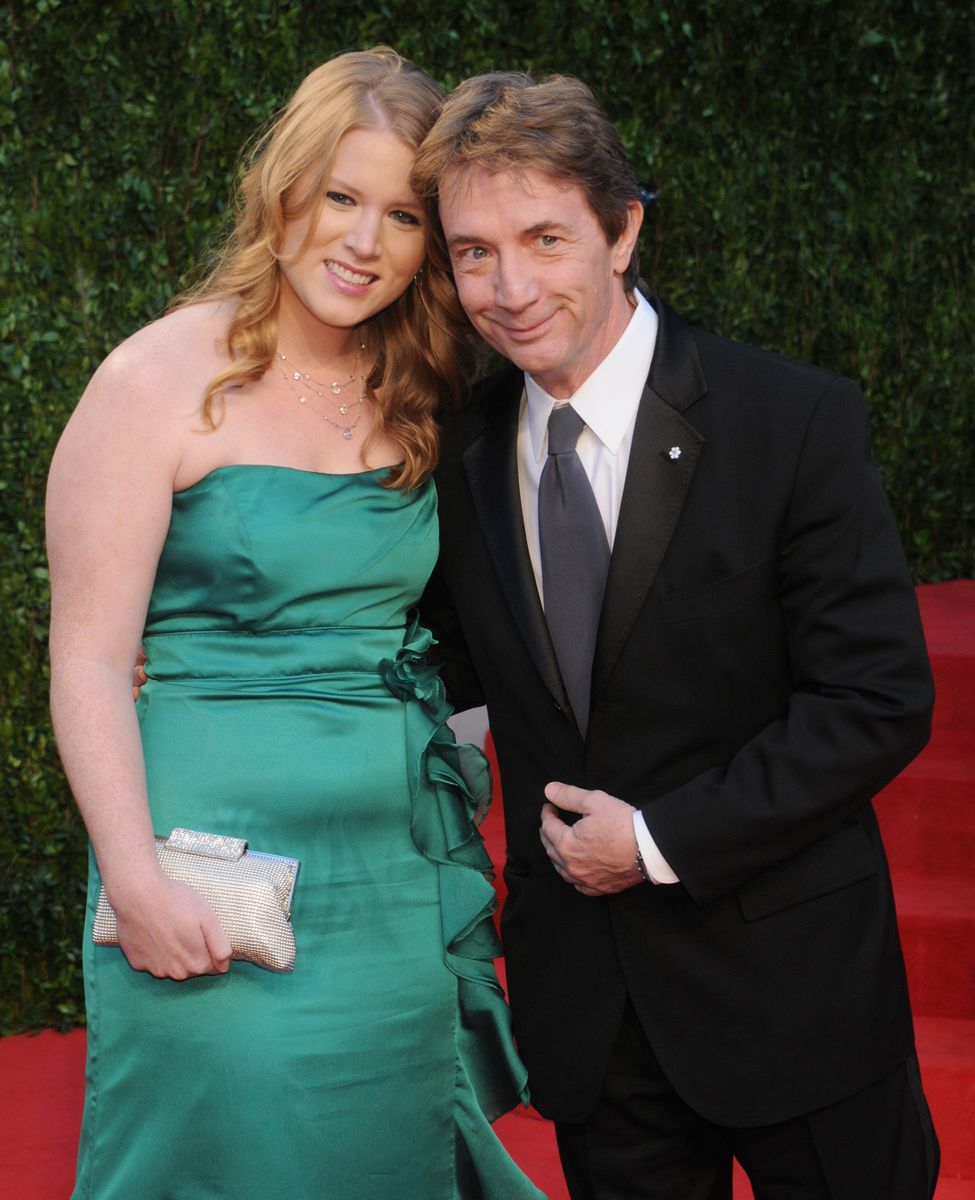
Martin Short and Nancy Dolan were married for 30 years, adopting three kids: Katherine, Oliver, and Henry. Following the death of Nancy, Short spoke up about how challenging the experience had been for the family.
"It's been a tough two years for my children," he said in a 2012 interview with The Guardian. "This is the thing of life that we live in denial about, that it will ever happen to us or our loved ones, and when it does you gain a little and you suffer a little. There's no big surprise."
In his interview with CBS, Short shared that he's been faced with death numerous times, losing his parents and his older brother by the time he was 20 years old. “What it developed in me is this muscle of survival and handling grief and a perspective on it and it stayed with me,” he said.
 © CBS via Getty Images