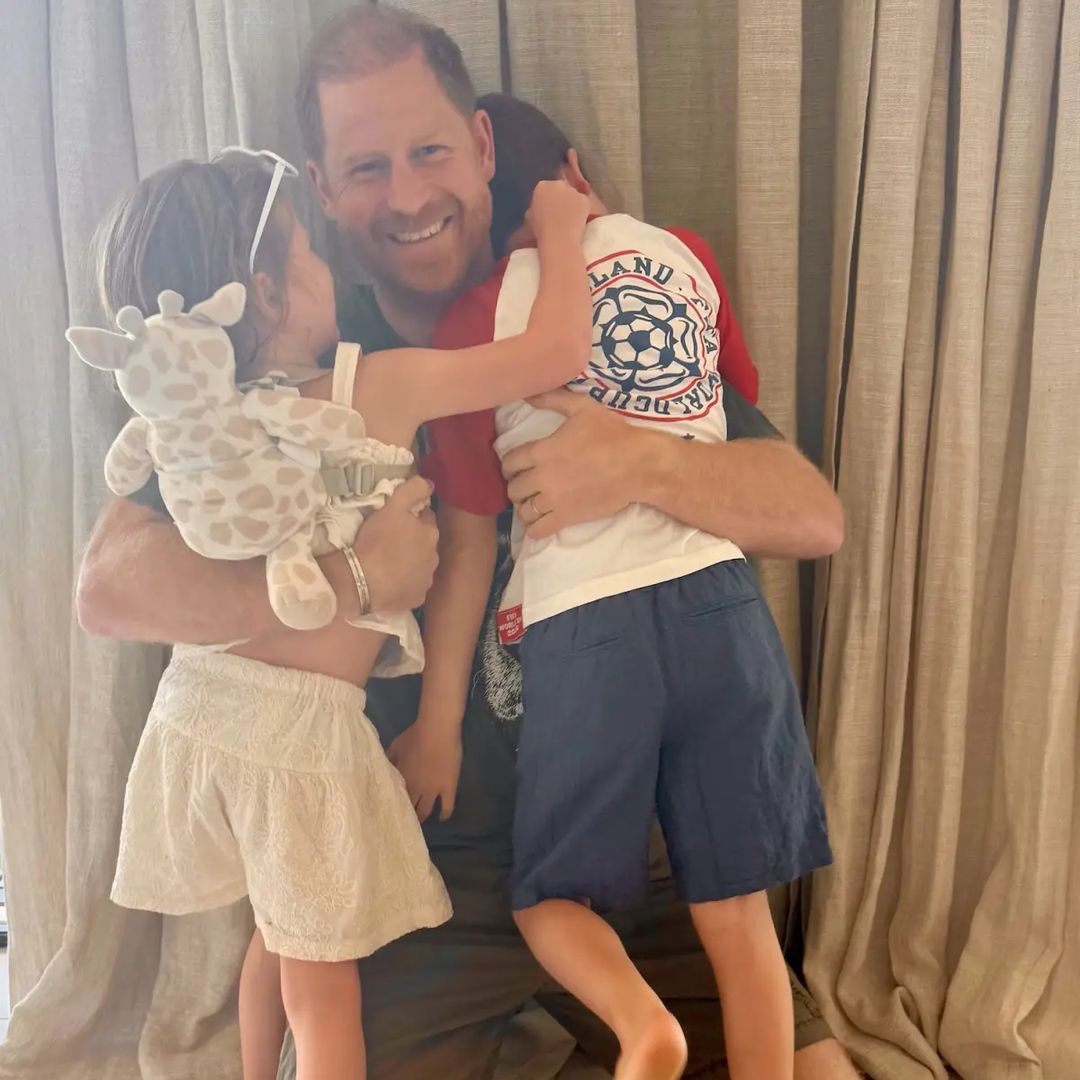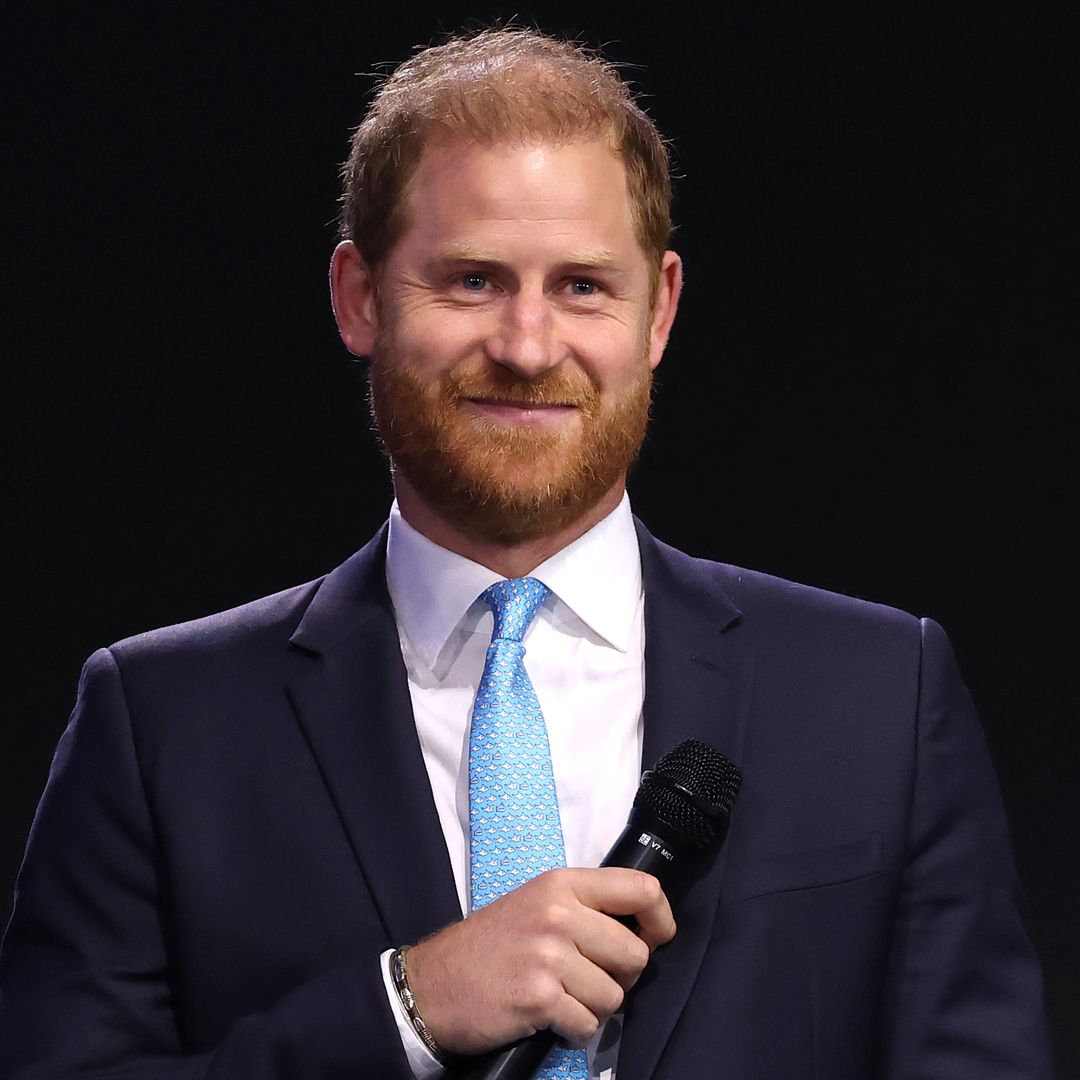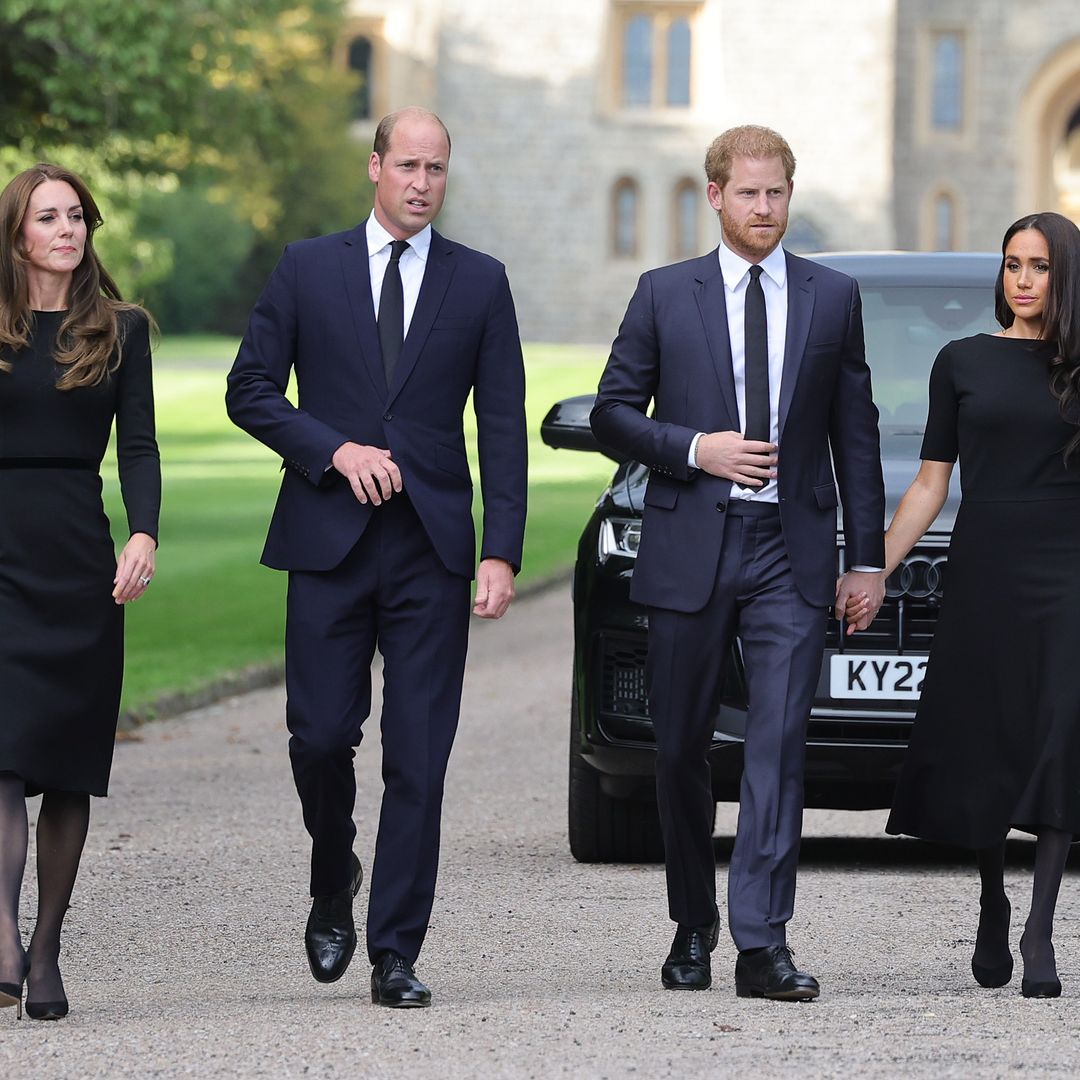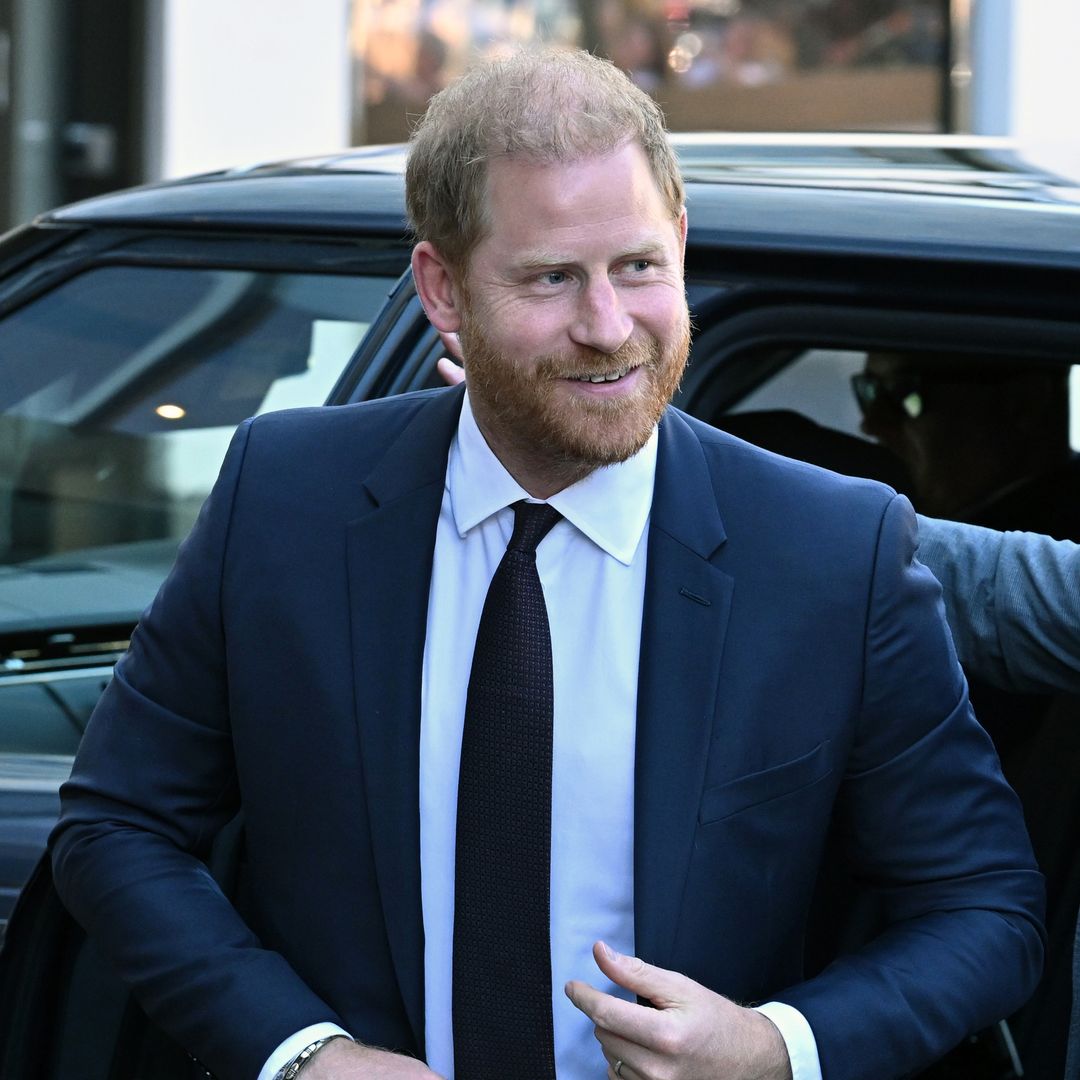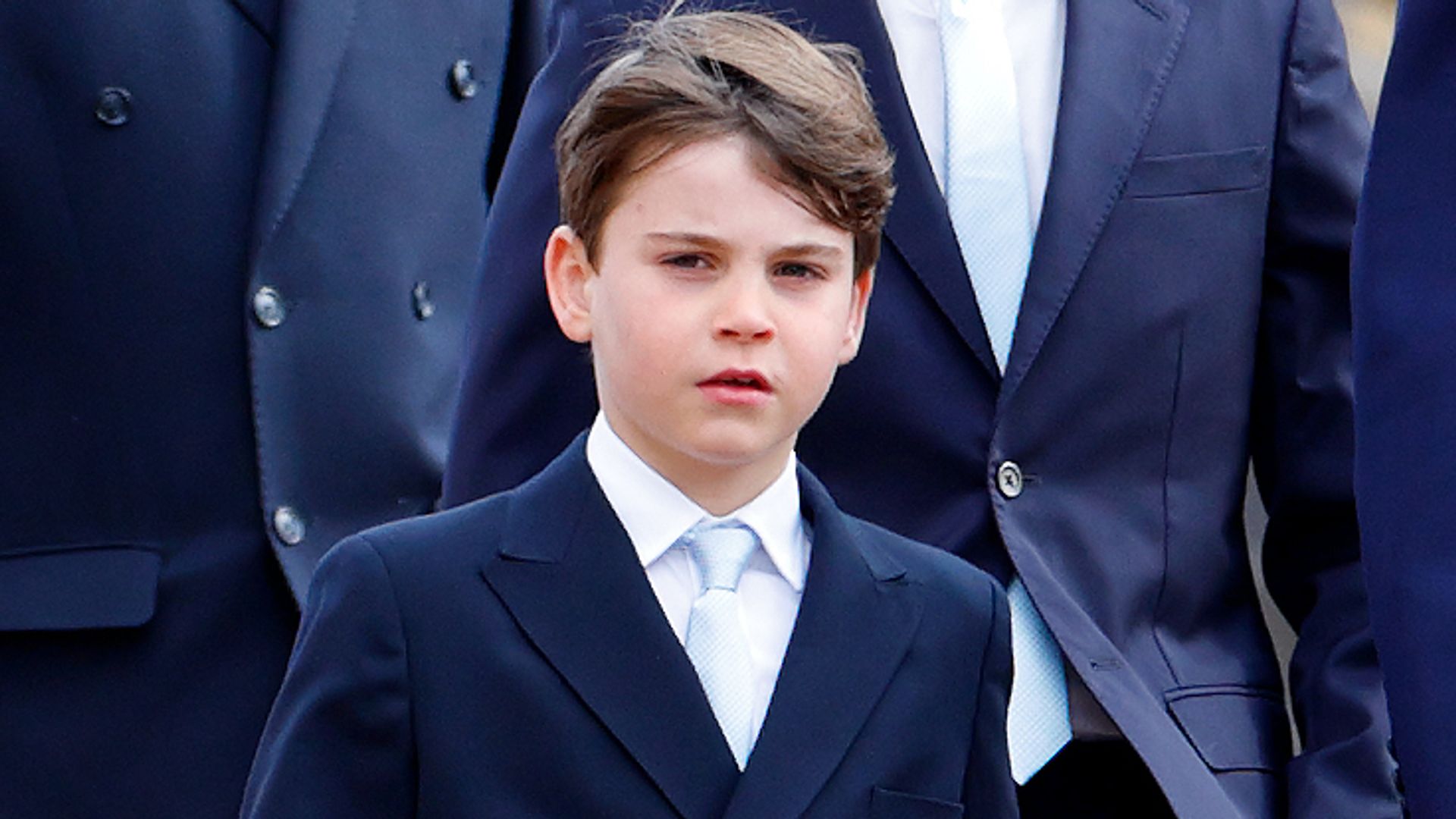
Royal watchers have increasingly drawn comparisons between young Prince Louis and his uncle Prince Harry, pointing to what many describe as a striking overlap in temperament, public behavior, and even early royal “role dynamics” within the monarchy.
Royal parallel across generations:
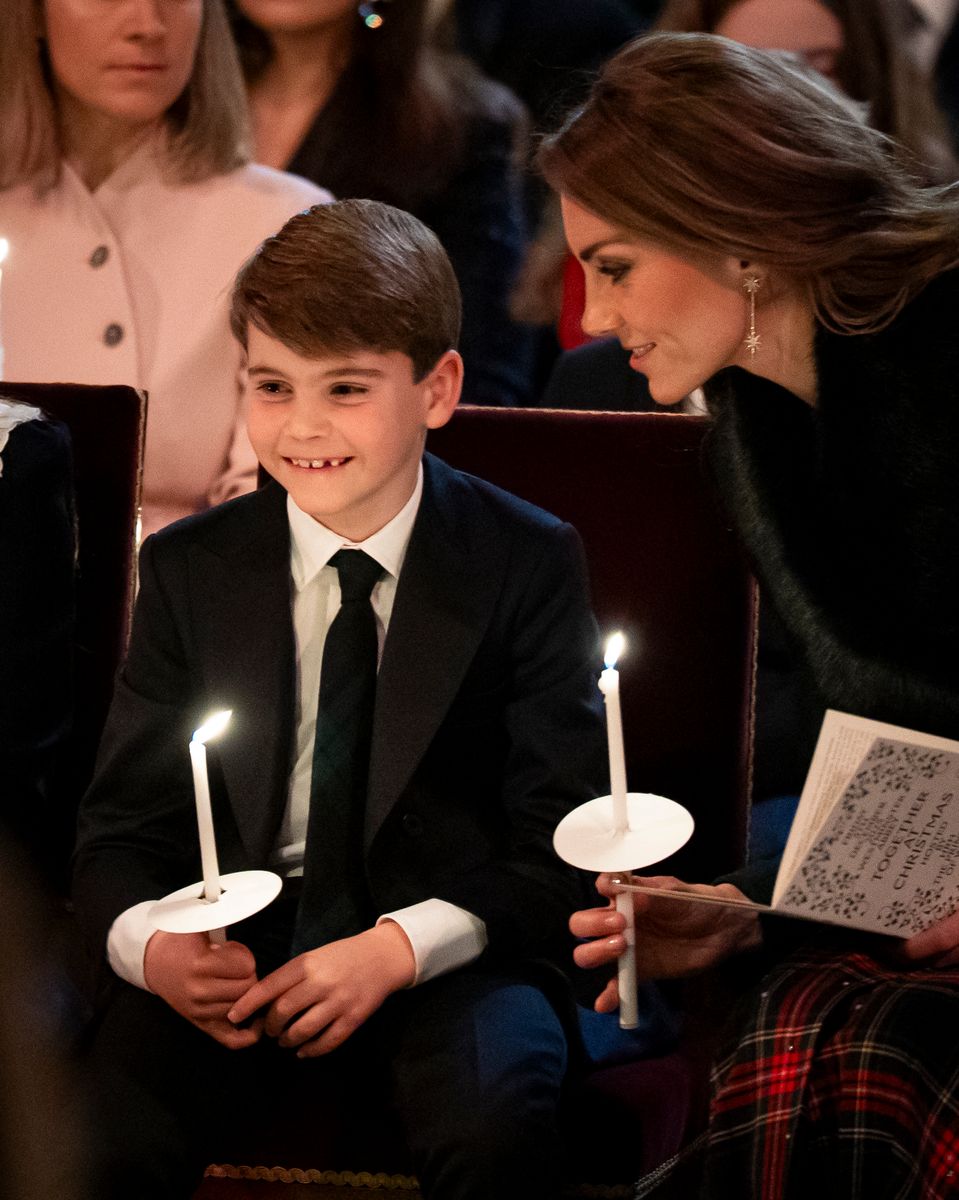
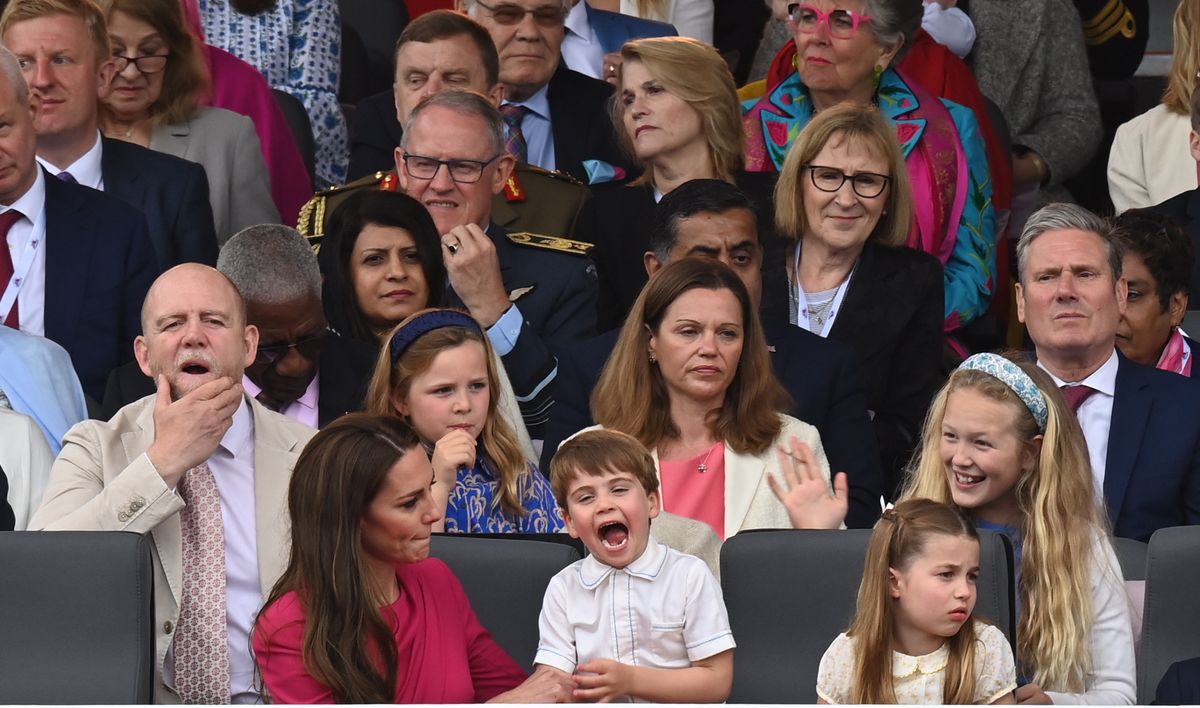
From his earliest appearances at official events, Prince Louis has become known for his expressive and unfiltered reactions in public. Waving enthusiastically, pulling exaggerated facial expressions, and at times reacting impulsively during formal ceremonies.
 © AARON CHOWN
One of the most widely circulated moments came during the Platinum Jubilee, when he was seen playfully reacting on the Buckingham Palace balcony alongside senior royals, including Buckingham Palace.
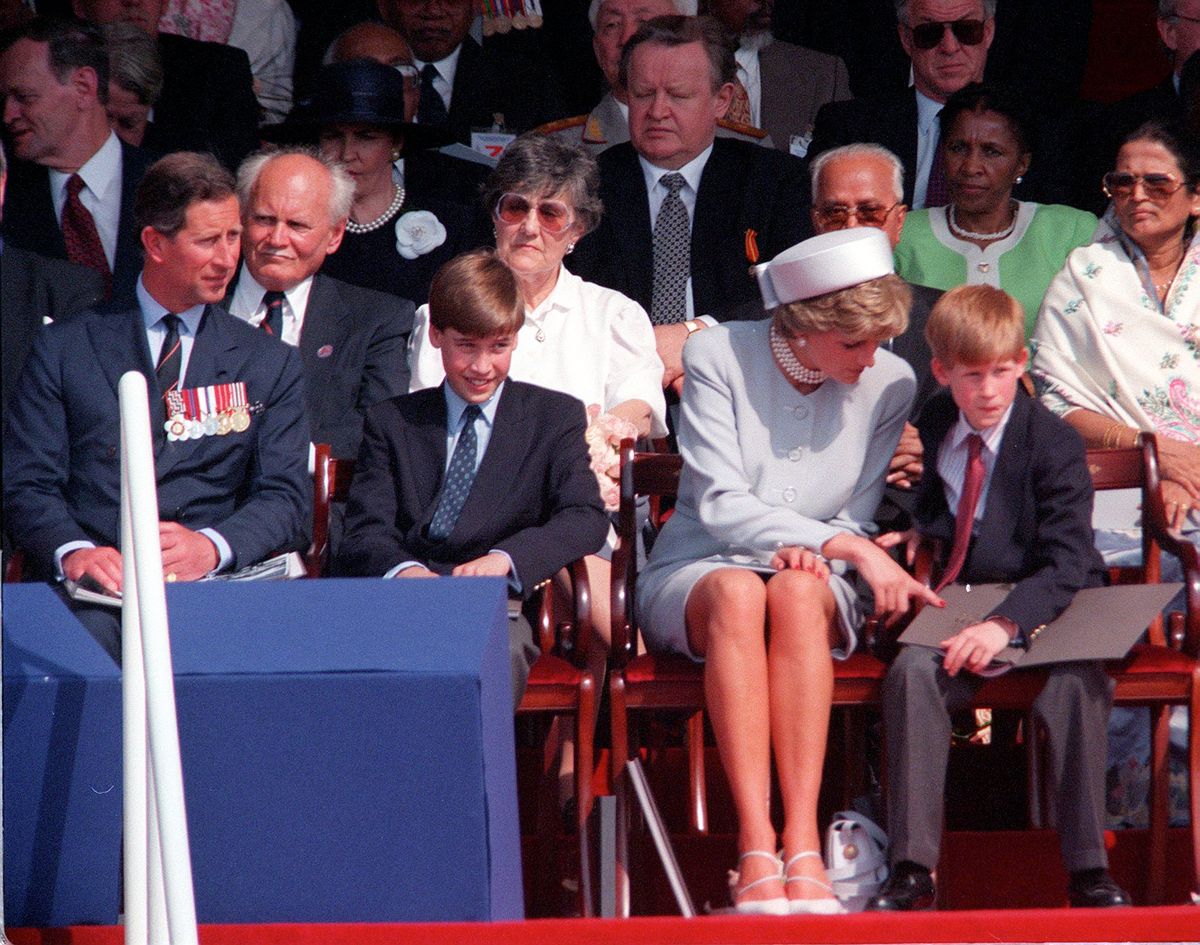
Observers note that this “spirited” behavior has prompted comparisons to Prince Harry’s own childhood reputation for mischief. As a young royal, Harry was often portrayed as energetic, playful, and occasionally rebellious in public settings. An image that followed him into adolescence and early adulthood.
 © Justin Goff Photos
Positions within the royal family:
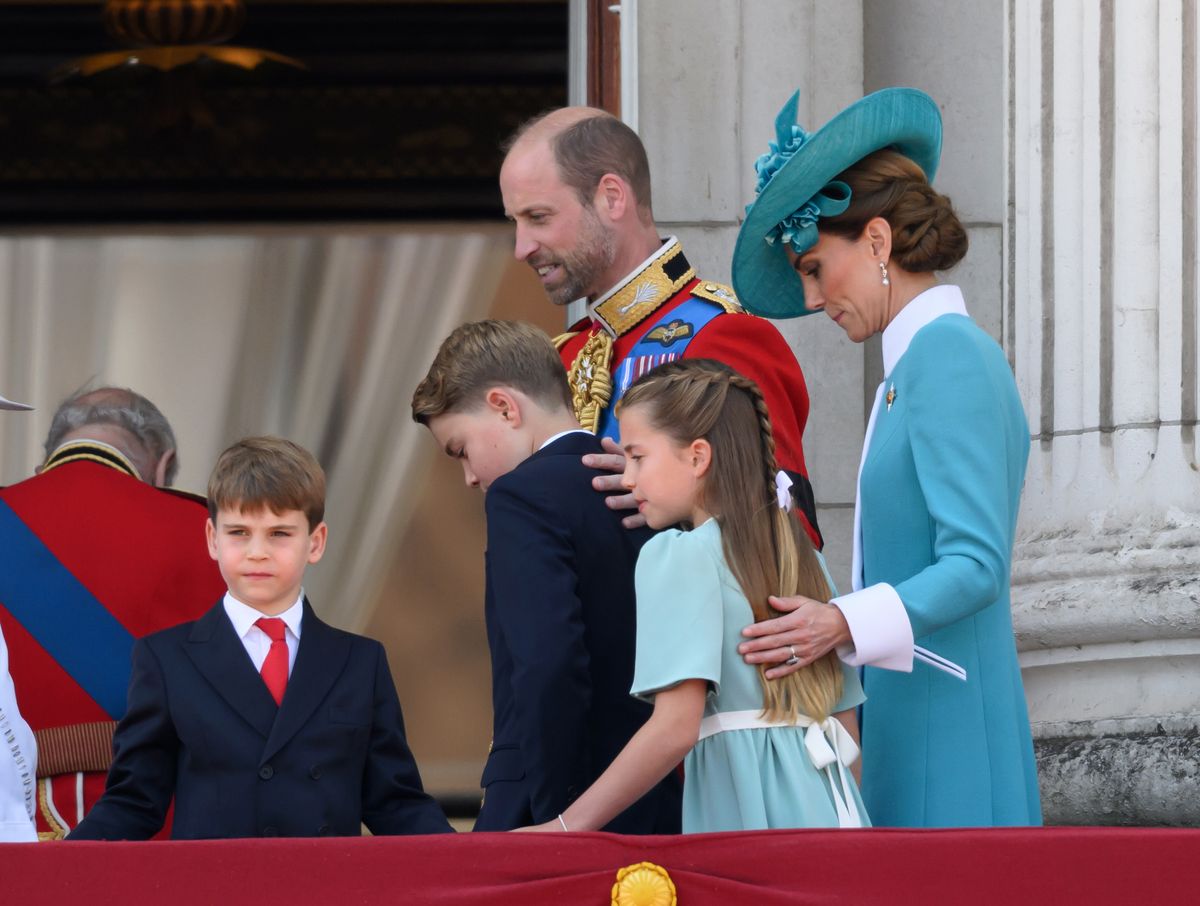
Royal commentators have also pointed to a structural similarity in their positions within the royal family. As the younger sons in their respective direct lines of succession, both Louis and Harry occupy what has historically been described as the “spare” role, standing behind an older heir, but often granted more flexibility in public expectation and scrutiny.
 © JOHNNY EGGITT
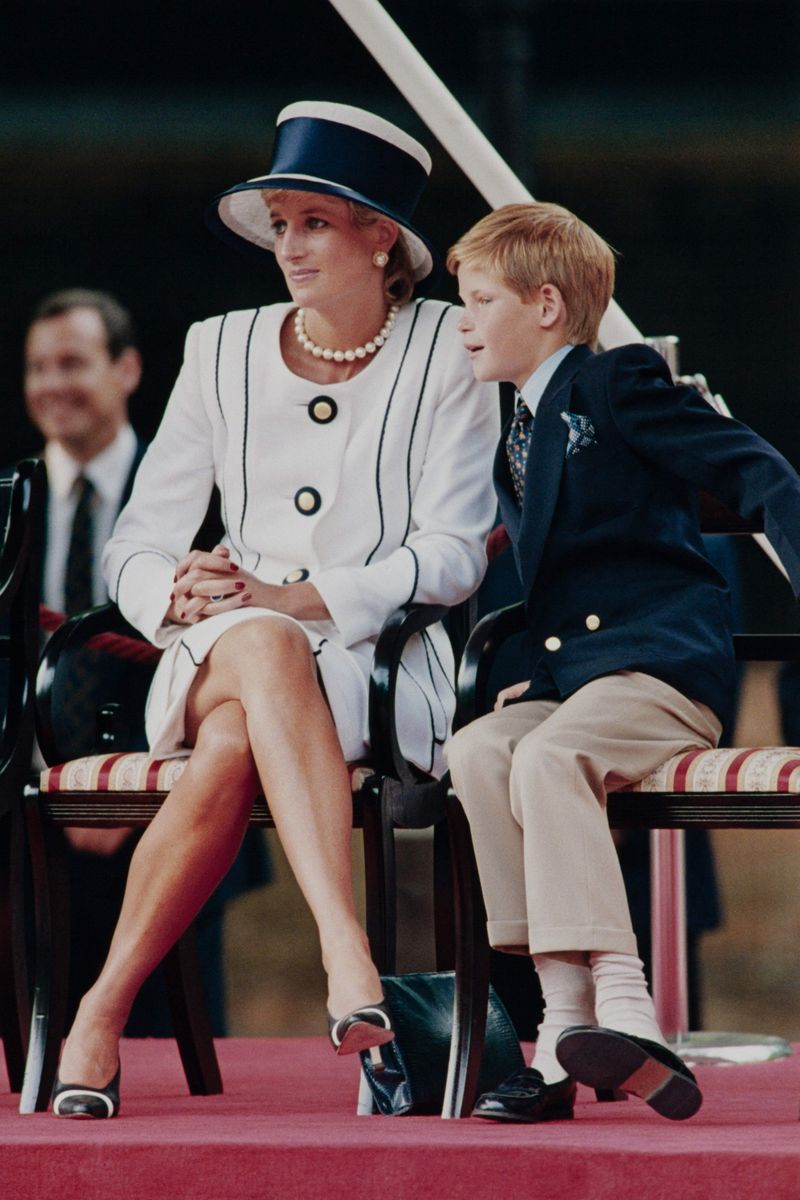
Prince Harry, as the younger son of King Charles III, frequently experienced this dynamic during his upbringing. Today, Prince Louis shares a similar position as the younger brother of Prince George, the future heir, and Princess Charlotte.
While analysts stress that each generation is different, the comparison has become a recurring theme in media discussions about how younger royal siblings are perceived and shaped by public life.
 © Karwai Tang
Shared humor and personality traits:
Some royal experts argue the comparison goes beyond position and into personality. They suggest Prince Louis appears to display a similar sense of humor and timing that made Prince Harry one of the more relatable young royals in the public eye.
 © Justin Goff Photos
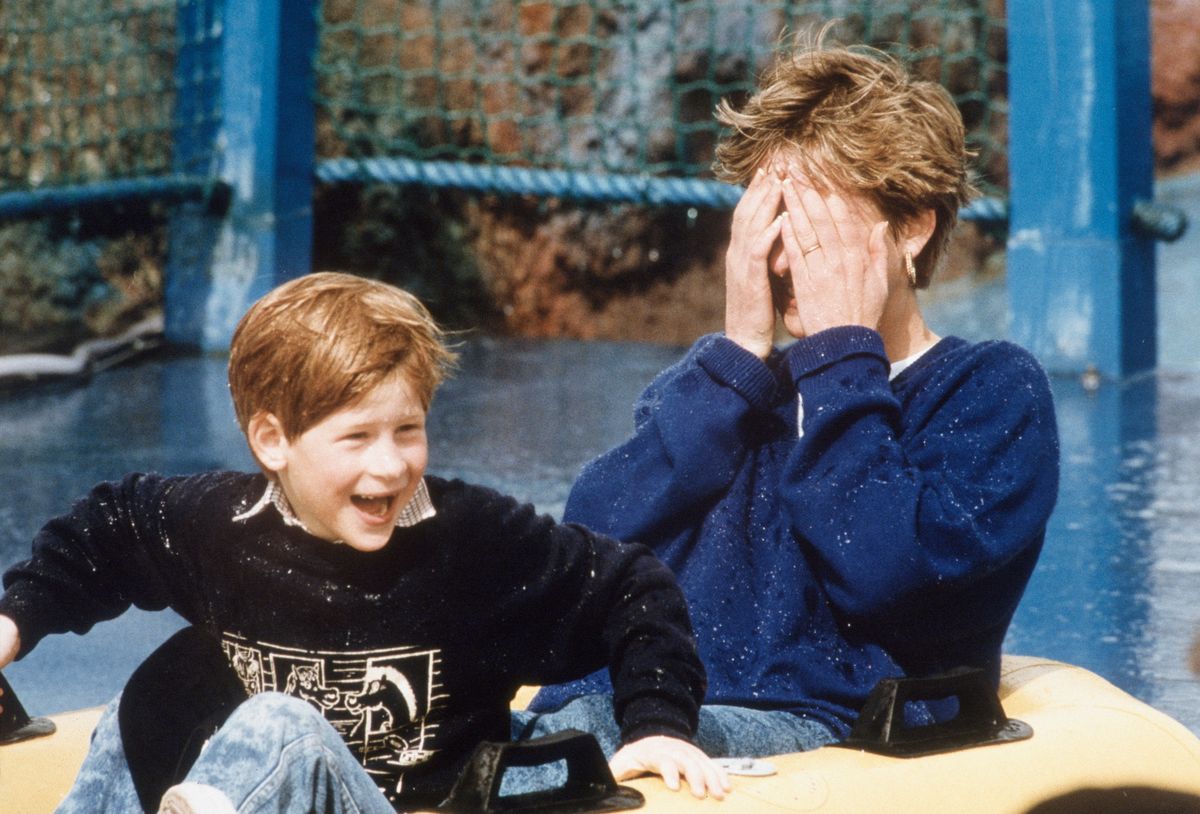
The comparison has been amplified significantly online. Social media users have circulated side-by-side edits of Prince Louis’s recent public appearances with archival footage of Prince Harry as a child.
Many of these videos also include moments featuring Princess Diana interacting warmly and playfully with her young son, reinforcing perceptions of Harry’s early personality as lively and affectionate.
 © Bob Collier
Similar edits have also highlighted the parenting style of Catherine, Princess of Wales, noting her calm but affectionate interactions with her children during public events. These comparisons have fueled ongoing online debates about whether Louis is organically developing similar traits or whether audiences are projecting familiar narratives onto him.
A familiar royal conversation:
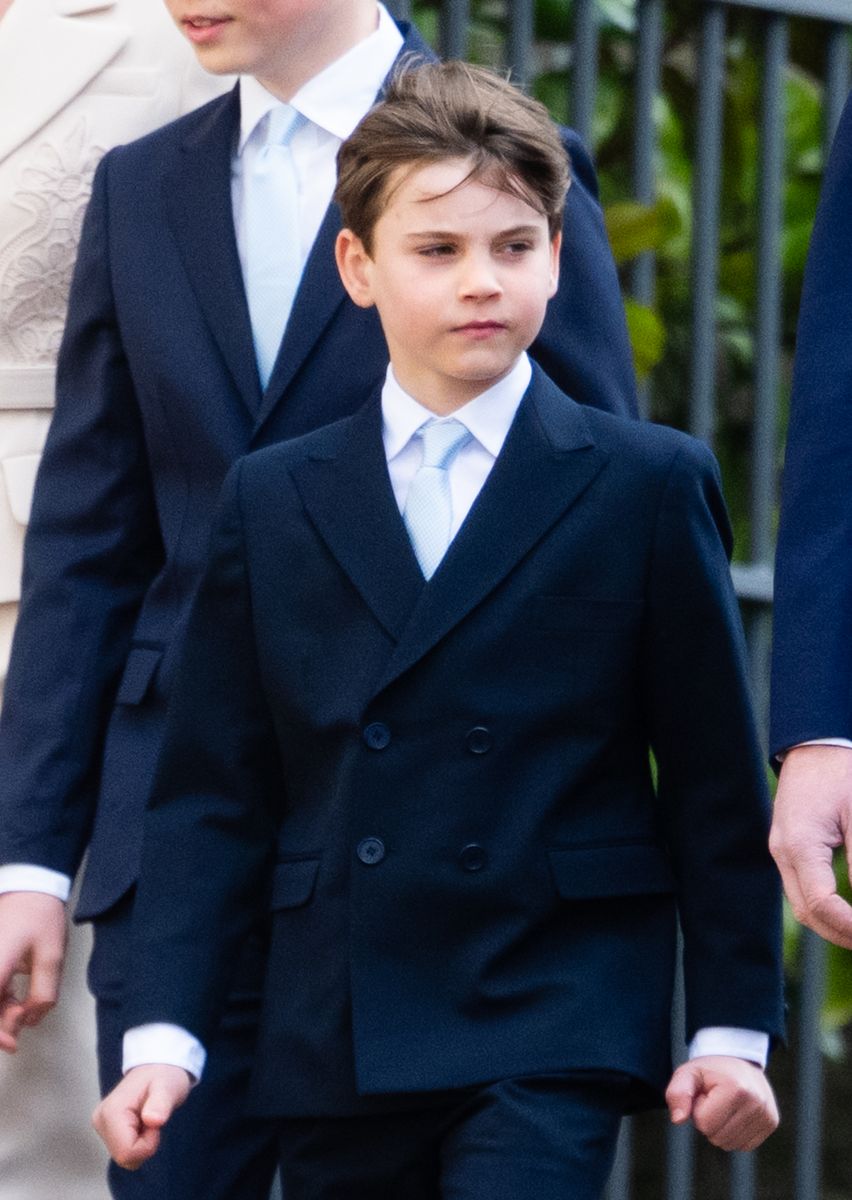
Despite the fascination, many commentators caution against over-interpreting early childhood behavior. Royal analysts frequently note that Prince Harry’s upbringing came with intense media scrutiny, and they argue that today’s royal children are being observed in an even more amplified digital environment.
 © Samir Hussein
As a result, some experts stress the importance of allowing Prince Louis to develop his own identity without being framed too closely against historical comparisons.
The parallels remain a popular topic among royal watchers, reflecting a long-standing public interest in personality, legacy, and generational echoes within the monarchy. Whether coincidence or cultural projection, the comparison between Prince Louis and Prince Harry continues to fuel conversation across traditional media and social platforms alike.