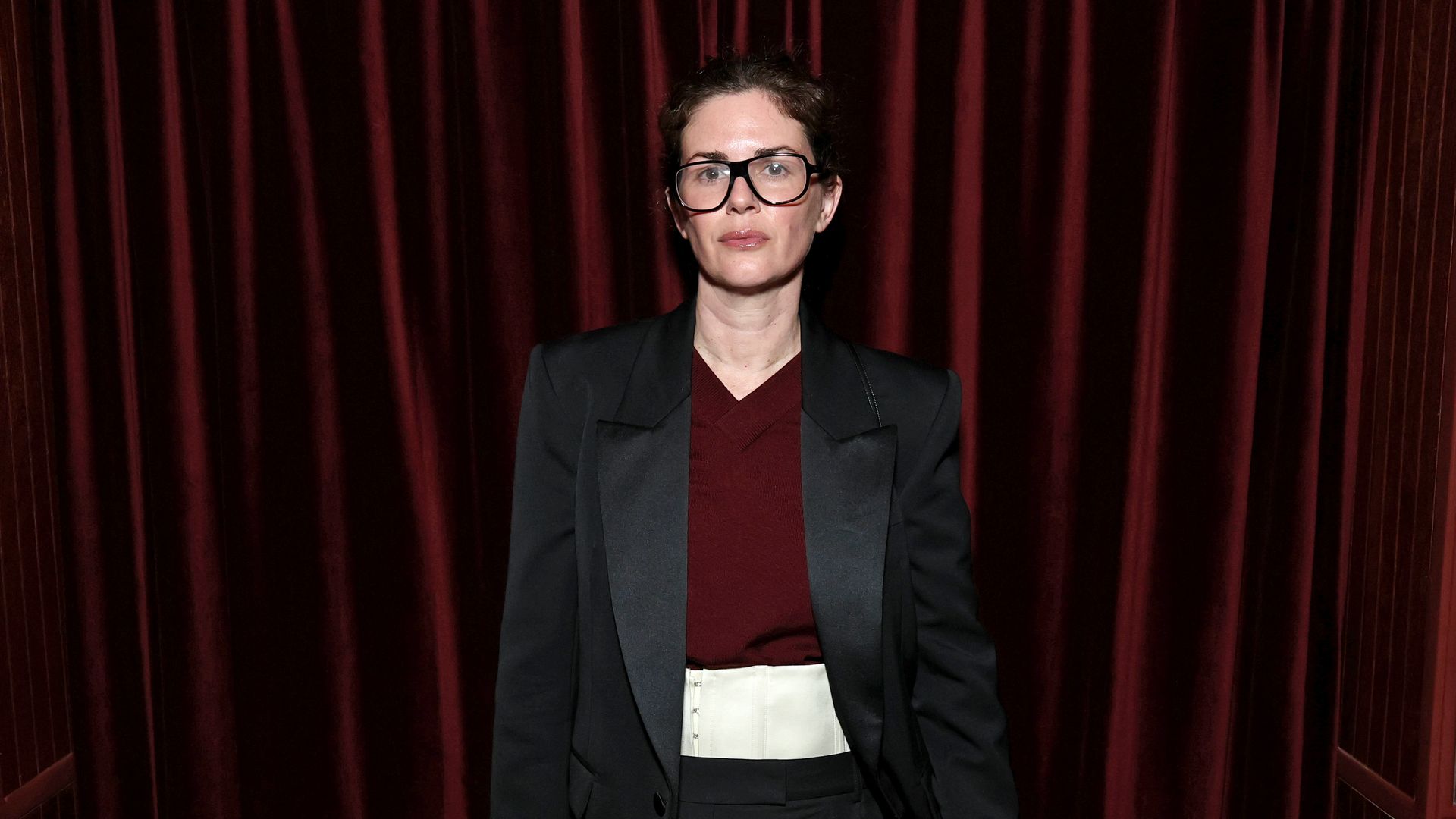
Nearly 20 years after “The Devil Wears Prada” became a defining fashion film, the real-life inspiration behind one of its four most unforgettable characters is stepping forward. Celebrity stylist Leslie Fremar has publicly acknowledged that she is, in fact, the real “Emily.”
The character, who is a sharp-tongued, high-strung assistant portrayed by Emily Blunt as Emily Charlton, shared her version of events, adding a fascinating layer to the film’s already iconic legacy.
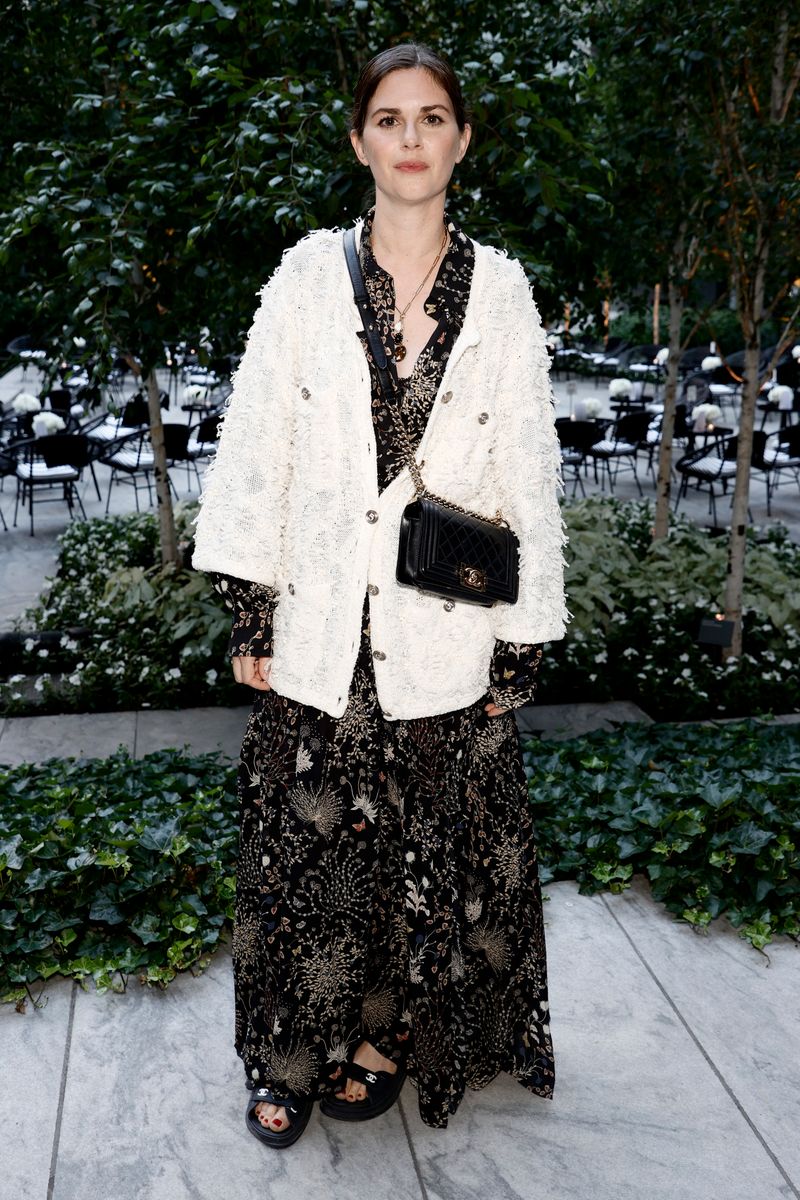 © WireImage
From Vogue Assistant to Pop Culture Inspiration
Before she styled A-list stars like Charlize Theron, Fremar worked inside the high-pressure world of Vogue. In the early 2000s, she served as an assistant to editor-in-chief Anna Wintour, which is widely believed to have inspired Meryl Streep’s Miranda Priestly.
During that time, Lauren Weisberger joined as a junior assistant. That brief overlap, which reportedly was less than a year, would eventually fuel Weisberger’s bestselling novel, which became the blueprint for the film.
Fremar recognizes herself in Emily Charlton. “I am Emily,” she admitted, revealing she was the one who said that “a million girls would kill for this job.”
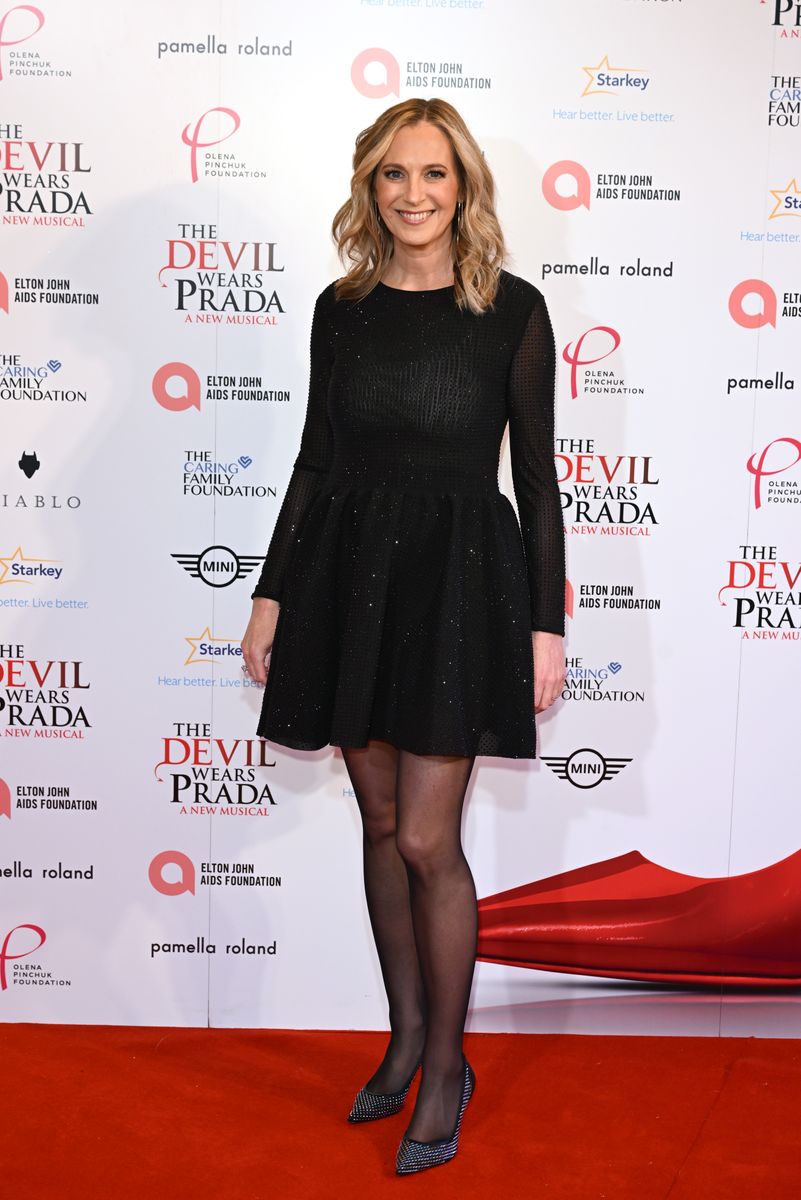 © Jeff Spicer/Getty Images
At the time, she was deeply committed to the role and frustrated by what she perceived as a lack of seriousness from Weisberger. “I definitely told her, ‘A million girls would kill for the job,’” Leslie revealed. “That was definitely my line because I actually really believed that, and I knew that she didn’t necessarily wanna be there.”
The Book That Felt Like a Betrayal
When Weisberger’s novel first surfaced, Fremar learned about it through Wintour herself.
Wintour had obtained an early manuscript and called Fremar into her office. The early draft struck her as harsh and left her feeling exposed, because the overlap between real life and narrative was too close to ignore. “I went into her office and she said, ‘Who’s Lauren Weisberger?’ And I said, ‘She was your junior assistant. She was only here for a short period of time, maybe eight months.’ And she’s like, ‘Well, she wrote a book about us, and you’re worse than me.’”
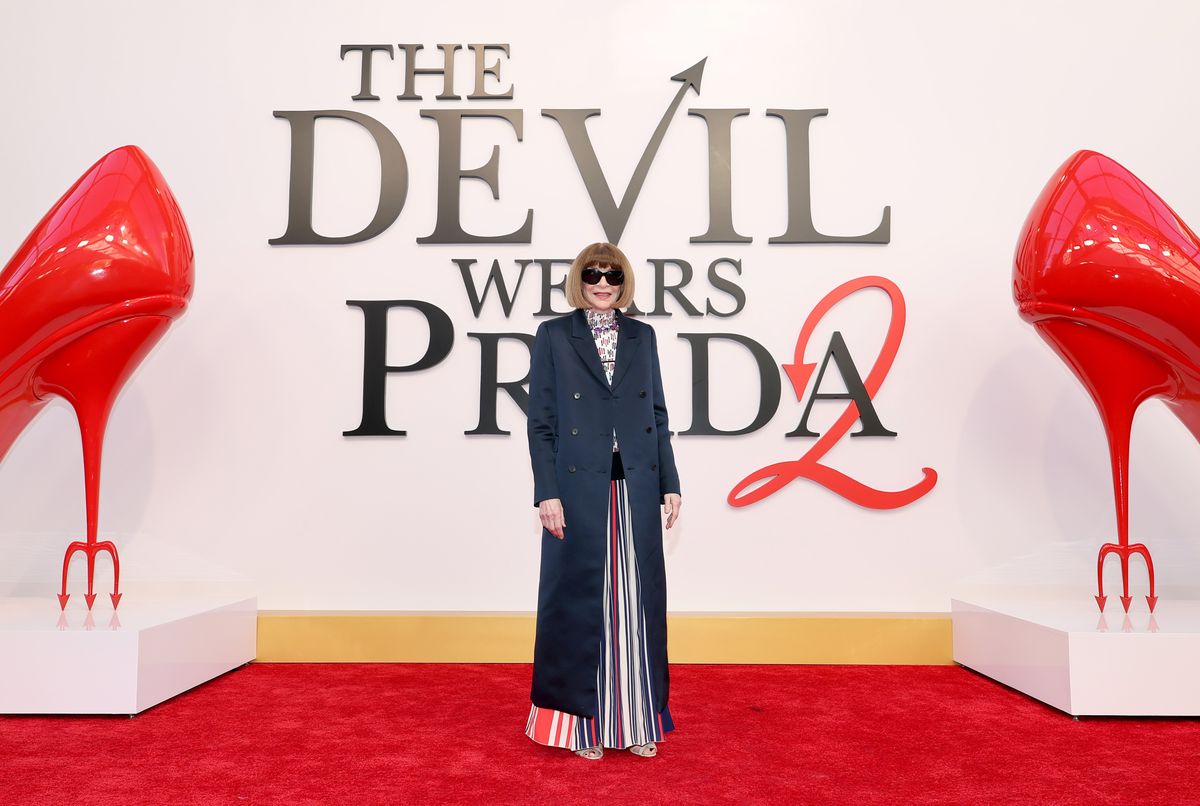 © Getty Images for 20th Century St
The professional relationship between Fremar and Weisberger never recovered. To the point that they haven’t spoken since Weisberger left Vogue, and Fremar expects any future encounter would be uncomfortable.
“It felt quite dark, I remember thinking. And I found that quite hurtful,” Leslie explained. “What got put into the world is a much lighter, nicer version of what she actually wrote. That's what kind of lives in my mind, because that's what ended up being put out there. I remember feeling like it was a betrayal at the time.” “It just felt like this exposure,” she added. “Even though someone obviously advised her to make it fiction, it was really based off of a lot of things that I lived. She lived.”
“I probably was not very nice, and I probably was high strung because I felt like I was having to do her job as well,” she said of Lauren. “So for me, that was really frustrating.” “She was probably just sitting there writing a book and not necessarily taking the job as seriously as I did, or 100 million girls would,” she continued. “That probably created some tension in the office. Maybe I would snap at her—she just didn't want to play the game.”
Meeting Emily Blunt
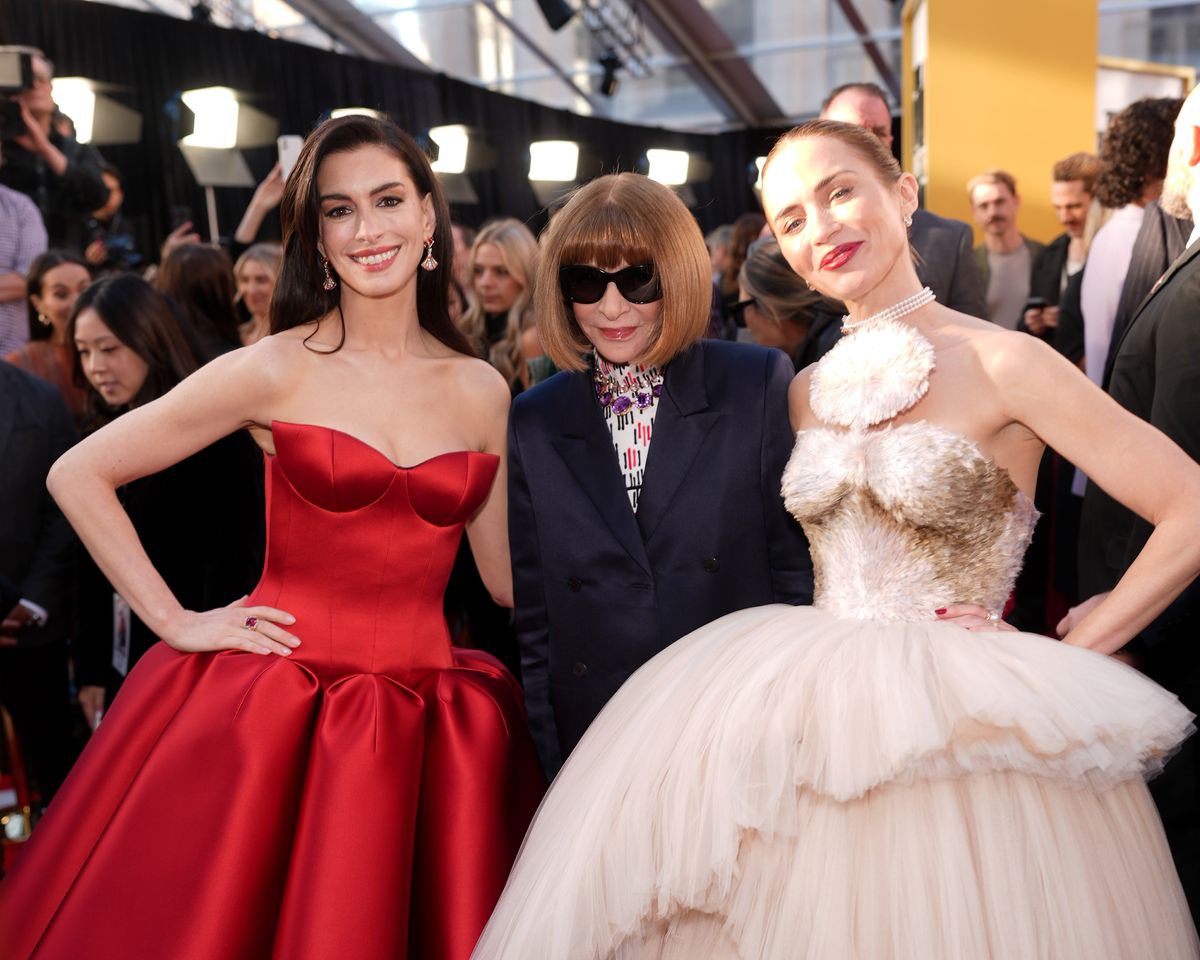
One of the more surprising moments in Fremar’s story involves finally meeting Emily Blunt. Fremar revealed that Blunt showed little interest upon learning she was the real-life inspiration. “She was not that interested, to be honest,” Leslie revealed. “I thought I was gonna get this, like, huge reaction. No, it was like, ‘Oh, okay.’”
 © Getty Images for 20th Century St
The Film That Fashion Feared
The journey from book to screen wasn’t smooth either. Even before the novel was published in 2003, studio executives saw its potential and moved quickly to adapt it.
Screenwriter Aline Brosh McKenna reshaped the story into a sharper commentary on ambition and sacrifice in the fashion industry. But the production faced the fear of Wintour’s influence.
Designers hesitated to participate. Filming at The Metropolitan Museum of Art and Bryant Park was off-limits. Even luxury apartment boards declined involvement.
 © AFP via Getty Images
After the initial negative, costume designer Patricia Field assembled the film’s now-famous wardrobe, pulling looks from top designers while carefully distinguishing Miranda from her real-life counterpart.
Despite the separation of characters, the film’s recreation of Wintour’s office was so precise that it reportedly prompted her to redecorate.
Two decades later, the fascination hasn’t faded. The second part of the film gives a more nuanced understanding of workplace dynamics, ambition, and the cost of success in modern times.
And now that we all know that Fremar is “Emily,” the line between fiction and reality feels sharper than ever.