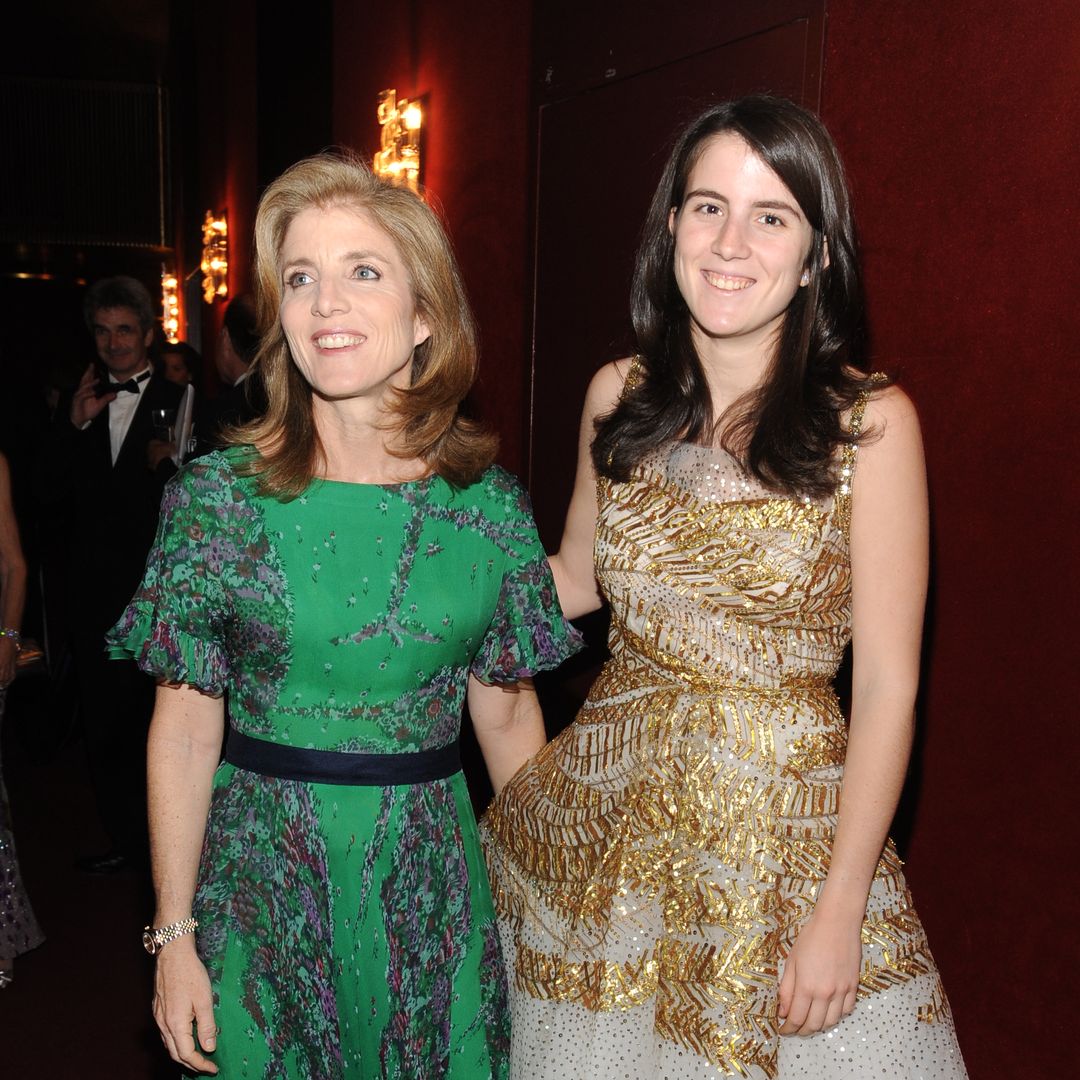
The Shriver family is once again reflecting publicly on the complicated political and personal ties that run through one of America’s most well-known political dynasties, including their relationship with cousin Robert F. Kennedy Jr., now serving as Secretary of Health and Human Services under President Donald Trump.
For the Shriver siblings, the reality of navigating disagreement inside a famous family is something they describe as ongoing rather than resolved.
 © Boston Globe
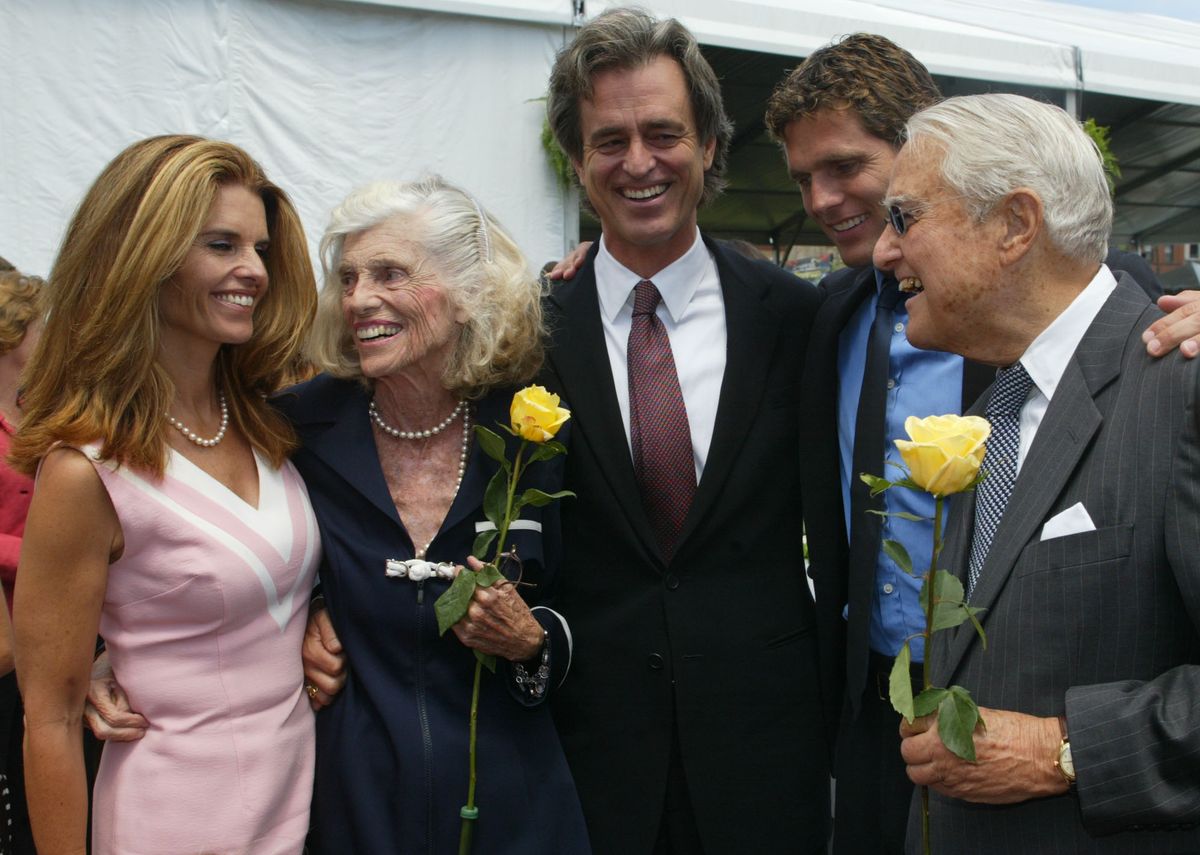
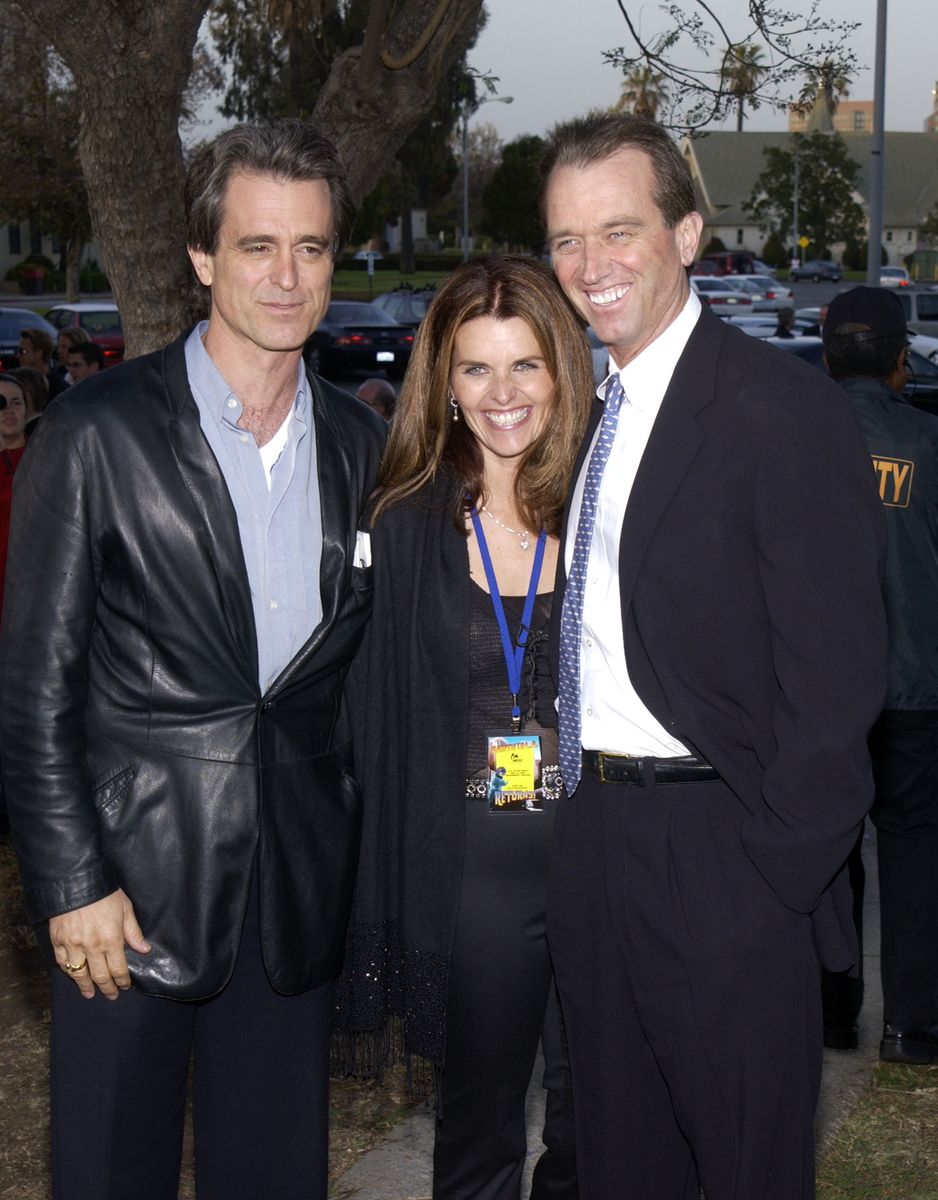
Four of the five children of Sargent and Eunice Kennedy Shriver recently spoke with People about their father’s legacy and a newly published posthumous book, 'We Called It A War,' which revisits his leadership of the War on Poverty. The siblings, Bobby, Maria, Tim, and Mark Shriver, gathered at the Lyndon B. Johnson Presidential Library in Austin to reflect on both their father’s work and the tensions that exist within their extended family.
Rather than separating those themes, the conversation often linked them together. The siblings described political disagreement, including sharp differences with RFK Jr., as something they view as part of a larger family pattern rather than an exception. As Tim Shriver put it, “That’s a challenge for all American families and it's a challenge for ours.”
That idea of challenge is paired with a belief that conflict does not have to break connection. Tim also said, “He called people in, not out” when referring to their father, Sargent Shriver, and his approach to disagreement. He added that their father “had a capacity to hold a fierce position without dehumanizing people on the other side.”
 © Jean-Paul Aussenard
Sargent Shriver’s influence appears throughout the siblings’ reflections, particularly in how they try to manage internal disputes. They describe him as someone who worked across political lines while maintaining strong convictions. Tim noted that even within disagreement, the goal was to preserve dignity and connection.
Maria Shriver also emphasized the lessons she sees in her father’s life and work. She said, “I think people all have differences in every family so I think we were raised on family loyalty,” adding, “Daddy brought people of different faiths to the table, different political parties, different skin colors and was always like, that is the table.”
The newly published book came from a manuscript discovered years after Sargent Shriver’s death in 2011. His children say its rediscovery felt almost unexpected. Maria Shriver described it as a “divine moment,” explaining that the manuscript helped reveal another dimension of their father’s leadership.
 © Henry Clarke
Tim Shriver believes the book feels especially relevant today. He said, “Today we demonize the other side. Daddy tried to mobilize the other side, His goal was not to make a point but to make a difference.” The siblings see the work as a reminder of a more collaborative political era, one that emphasized bipartisan cooperation.
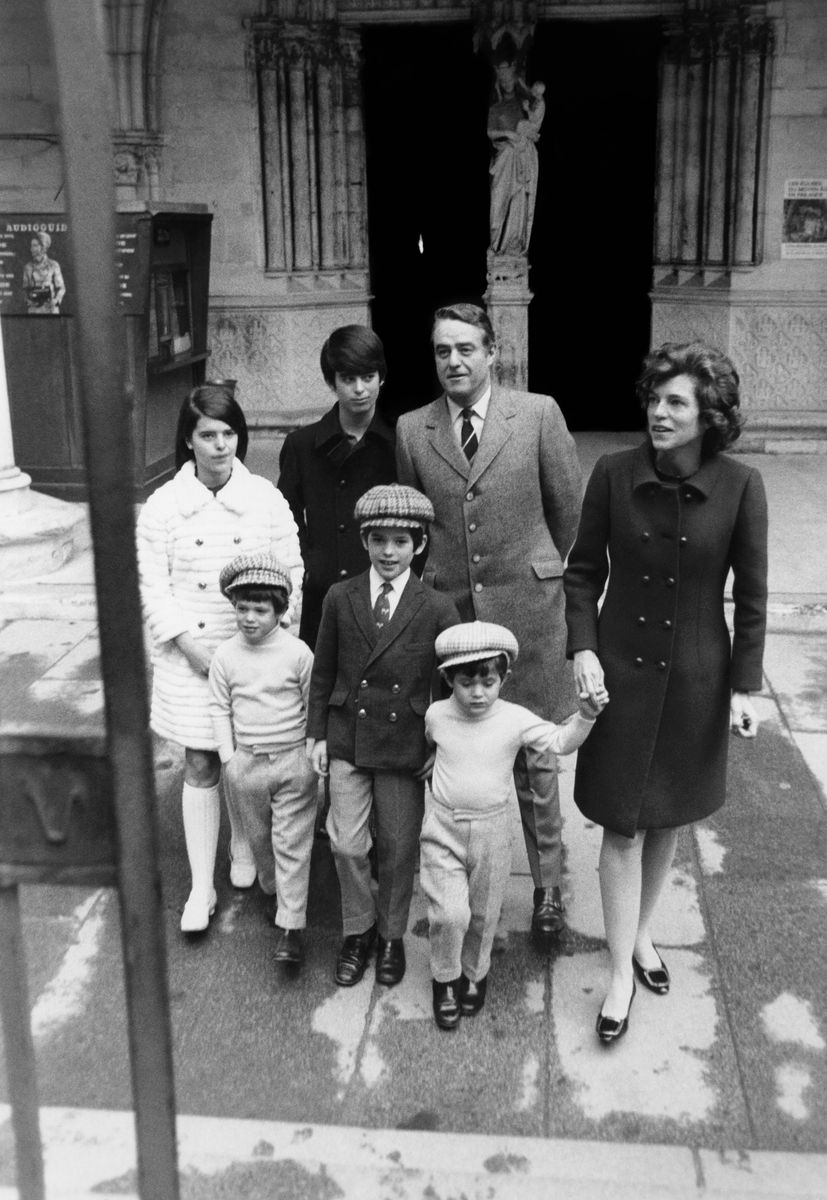
Their father’s legacy is closely tied to major federal initiatives including Head Start, Job Corps, and Legal Services, all launched during his leadership of the War on Poverty under President Lyndon B. Johnson. Bobby Shriver described the rapid creation of those programs as remarkable, noting how quickly they were implemented and how many still exist today.
Beyond policy, the siblings also recalled a family environment shaped by activism and constant movement. Their childhood included travel for political campaigns and public service initiatives, with their parents involving them directly in social and political work. Tim described it as growing up as a unit, saying, “We traveled as a tribe.”
 © Jeff Vespa
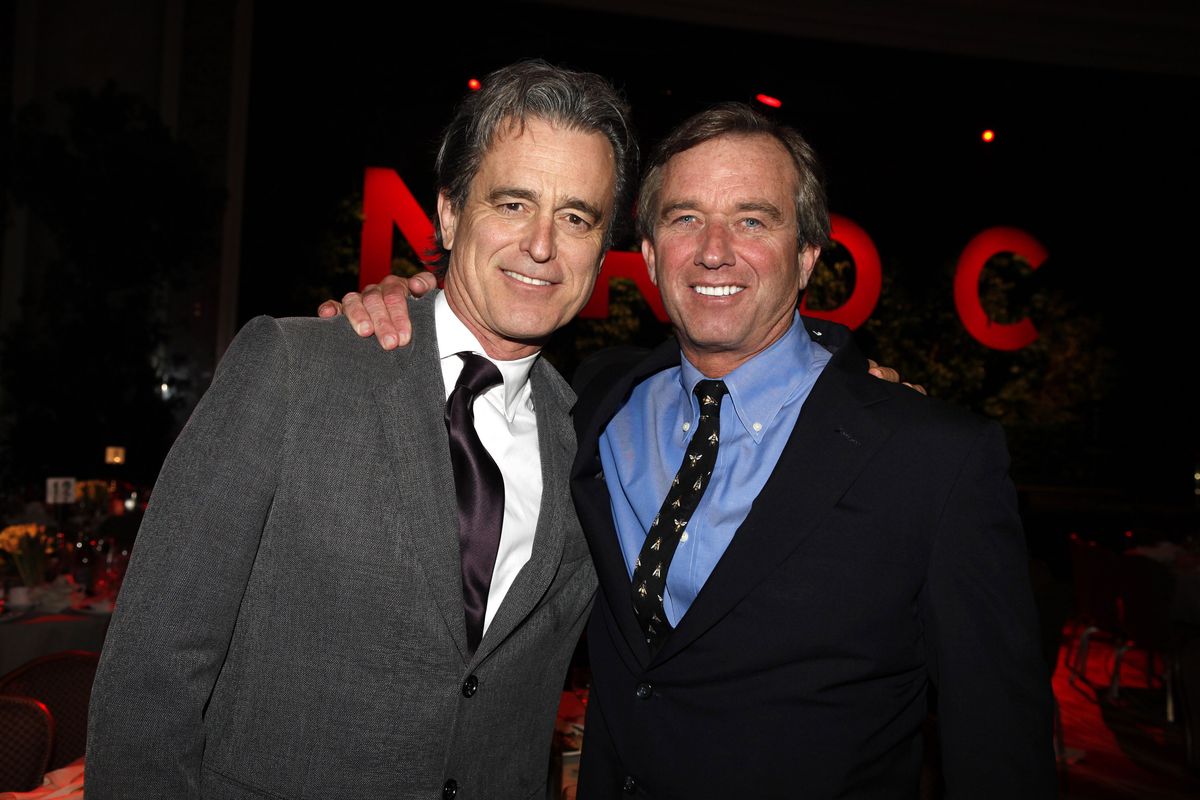
That shared identity remains strong, even as the siblings now live in different parts of the United States and work in varied fields, from philanthropy and journalism to education and nonprofit leadership. Despite distance, they describe themselves as closely connected.
Still, the broader Kennedy family dynamic includes moments of public disagreement. Ahead of RFK Jr.’s Senate confirmation in 2025, cousin Caroline Kennedy issued a strong public criticism of him, calling him a “predator” and questioning his suitability for overseeing the nation’s health system. Maria Shriver later expressed support for Caroline’s stance on social media.
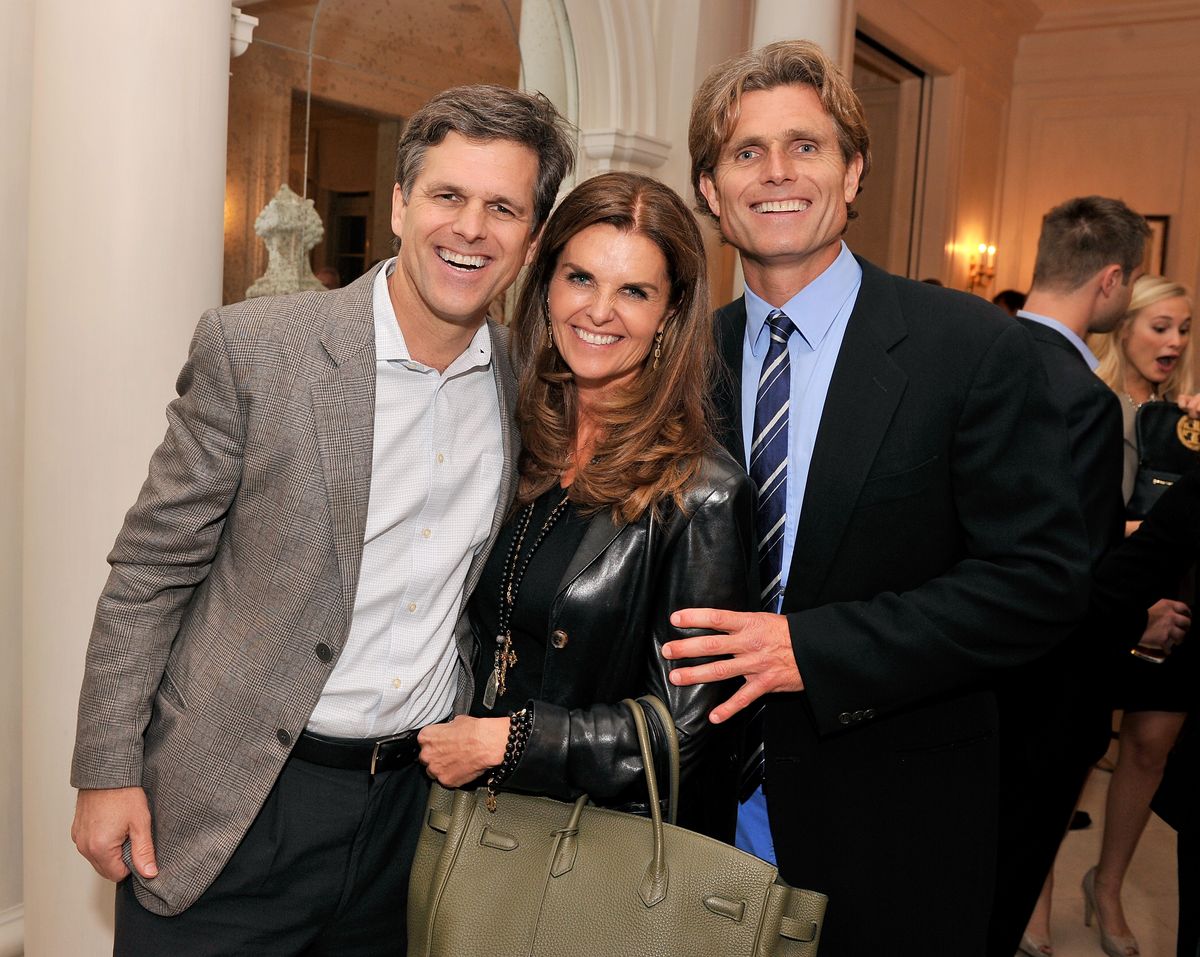
Tensions also surfaced around RFK Jr.’s remarks about autism, which prompted Tim and Anthony Shriver to publish an open letter condemning what they described as harmful language. They objected to statements suggesting that individuals with autism “will never hold a job...never play baseball,” emphasizing instead their contributions to society.
 © Stephen Lovekin
Even with those disagreements, the siblings consistently return to the idea that family connection remains intact. Tim Shriver said, “He called people in, not out. So, there are fierce disagreements, very strong and passionate ones. And like a lot of families, we’re a work in progress.”
Maria Shriver summed up that tension between loyalty and disagreement in more personal terms, noting that the family was raised to maintain connection even when views differ. That balance, she suggested, continues to define how they relate to one another today, even under the scrutiny that comes with a public political legacy.