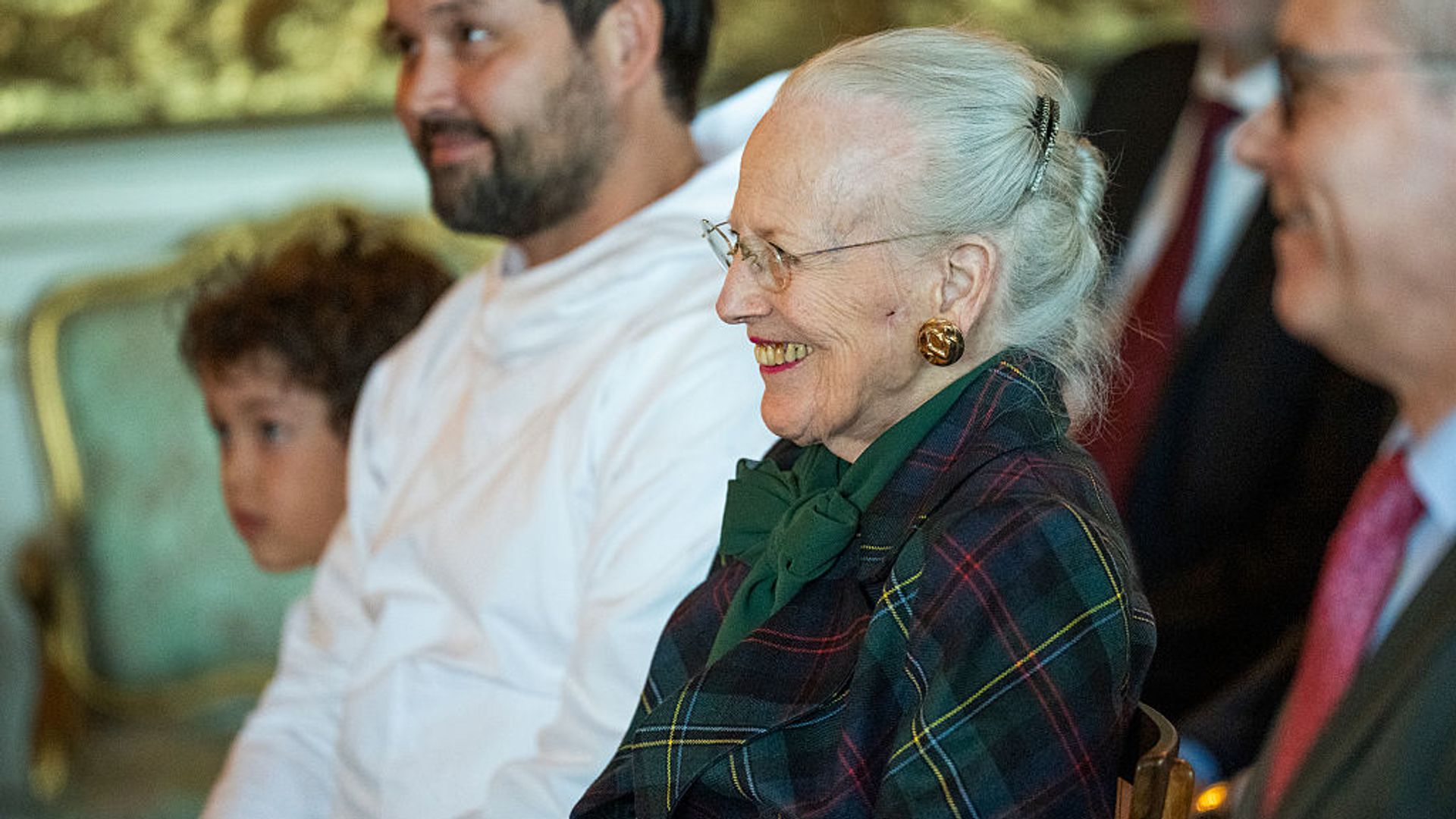
Queen Margrethe has never needed anyone to tell her how to be photographed. At 86, after a year of hospital stays that would have sidelined most people, Denmark’s former monarch is still deciding exactly which version of herself makes it to the official record. The latest proof came on Tuesday, in the Garden Hall at Fredensborg Palace.
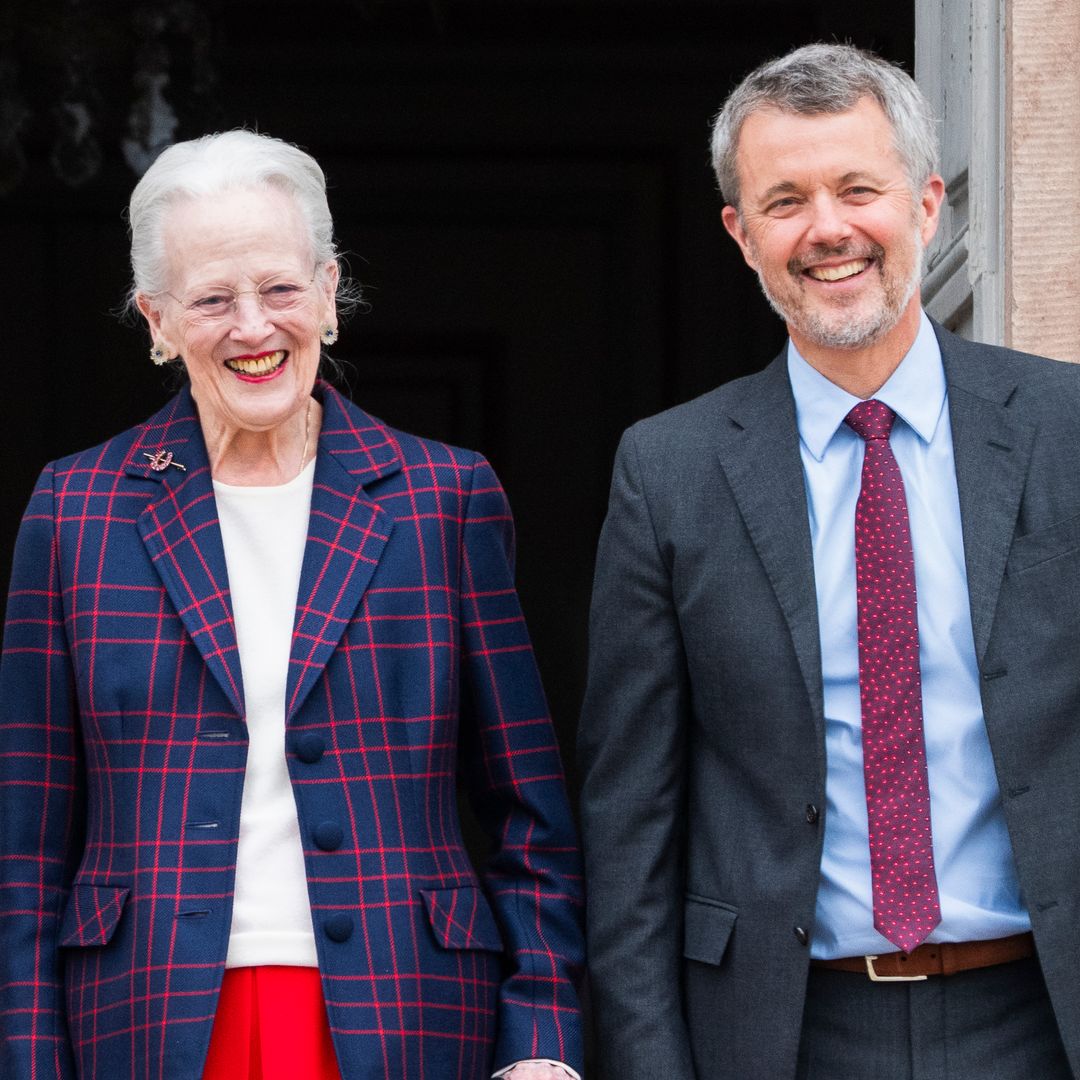
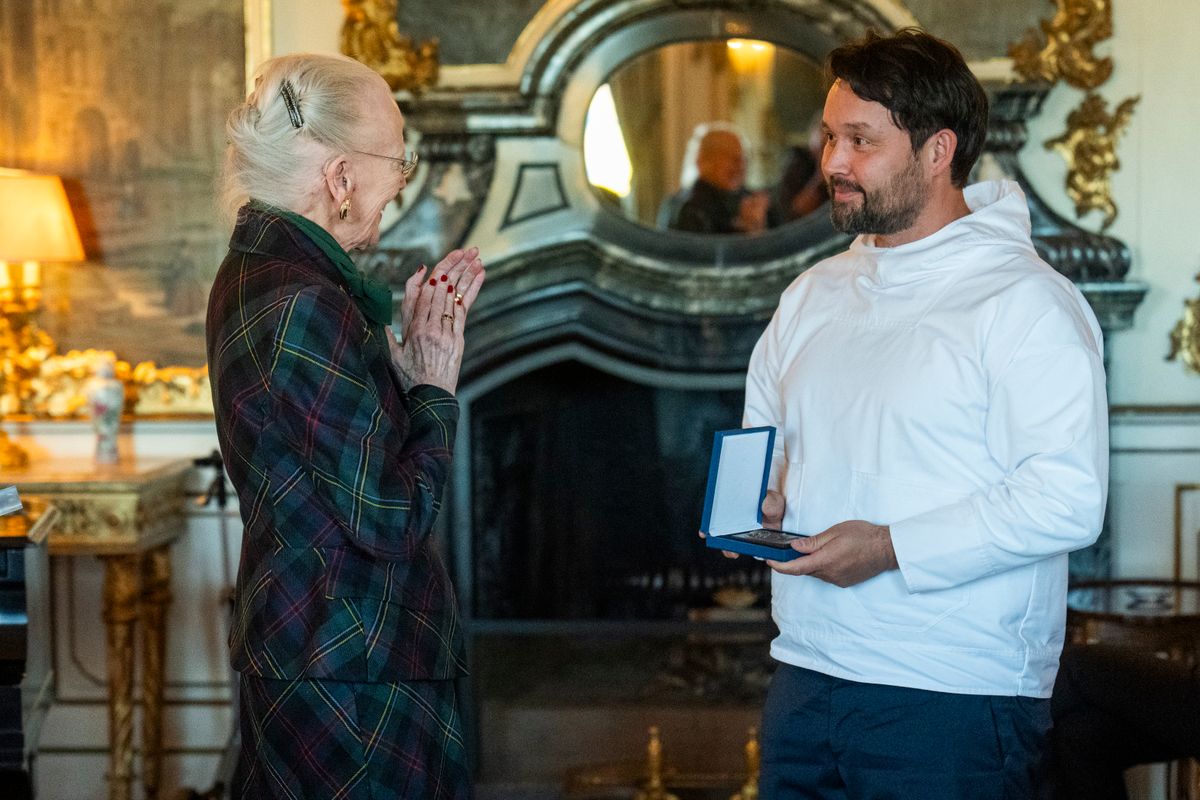
The occasion was the Ebbe Munck Prize 2026, which Margrethe presents every year as patron of the Ebbe Munck Memorial Foundation. She arrived with a walker, but when the Danish Royal House shared its images of the afternoon, the walker had been pushed to the far background of the frame. The image that made the official cut was the queen standing to present the award.
A quick entrance, and a bouquet in the basket
 © Ritzau Scanpix/AFP via Getty Ima
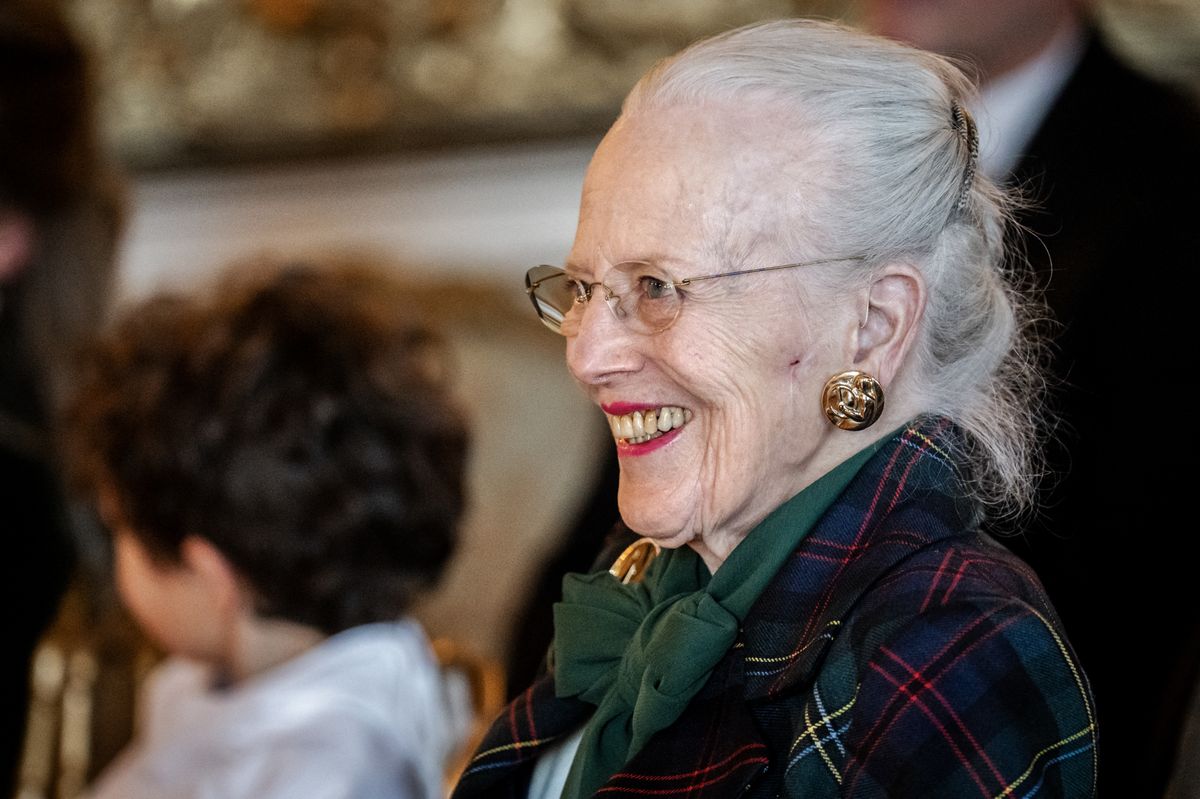
Anyone expecting a fragile figure was in for a surprise. Danish weekly Billed-Bladet built its coverage around how quick on her feet she was. Its court reporter described a queen who was cheerful and in good shape given her age and past injuries. Margrethe moved briskly through the greetings, with a bouquet poking out of the walker’s basket, reportedly a gift moments earlier from the honoree’s young son.
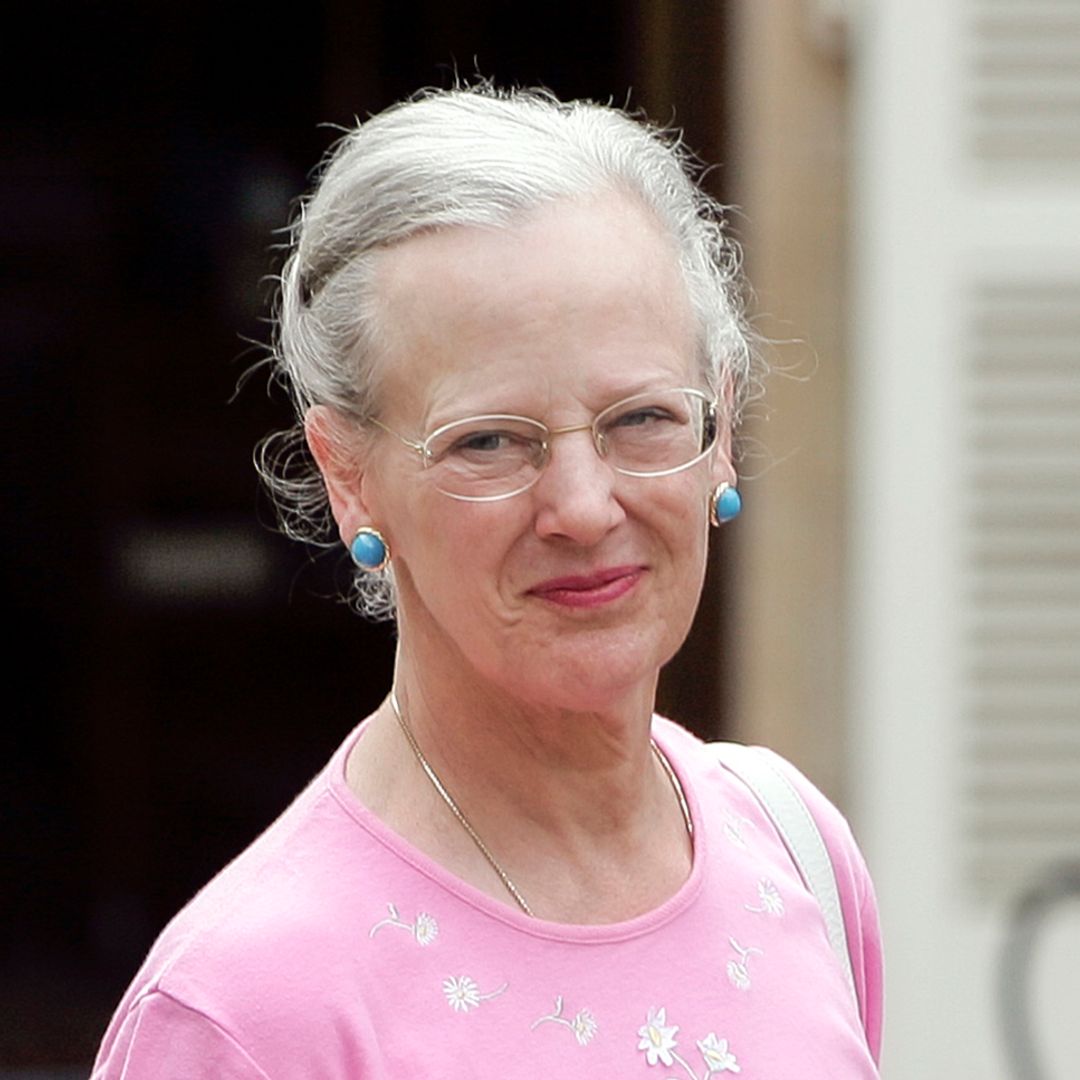
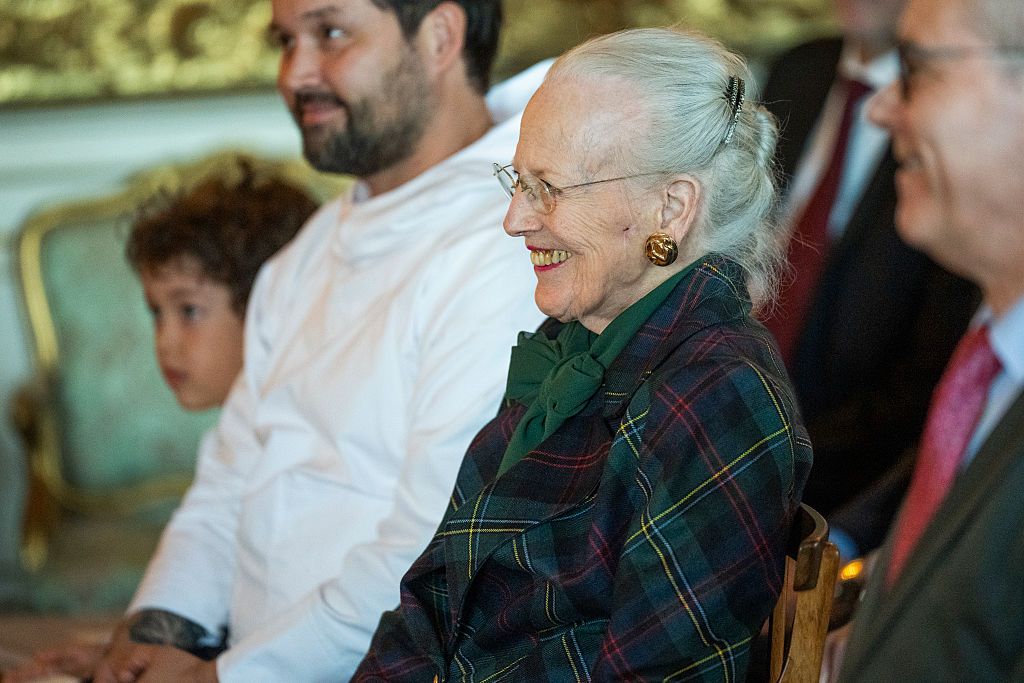
She wore a big bow, her signature jewels, a tartan jacket, with her lips and nails painted in a vivid, unapologetic red.
Margrethe took a seat in the front row for the ceremony honoring Masaana Egede, editor-in-chief and CEO of Sermitsiaq, Greenland’s only independent media house. The foundation recognized his work keeping Greenlanders informed in both Greenlandic and Danish, a mission that took on new urgency as US President Donald Trump pressed his ambitions to take over the island.
The prize, established in 1975, honors Ebbe Munck, the Danish journalist who worked with the resistance during World War II, later served as a diplomat, and went on to become Margrethe’s own head of court.
 © Getty Images
A body that’s been through a lot this year
Margrethe swapped her cane for a walker earlier this year after back-to-back hospital stays, first appearing with it in June at the Prince Henrik Prize.
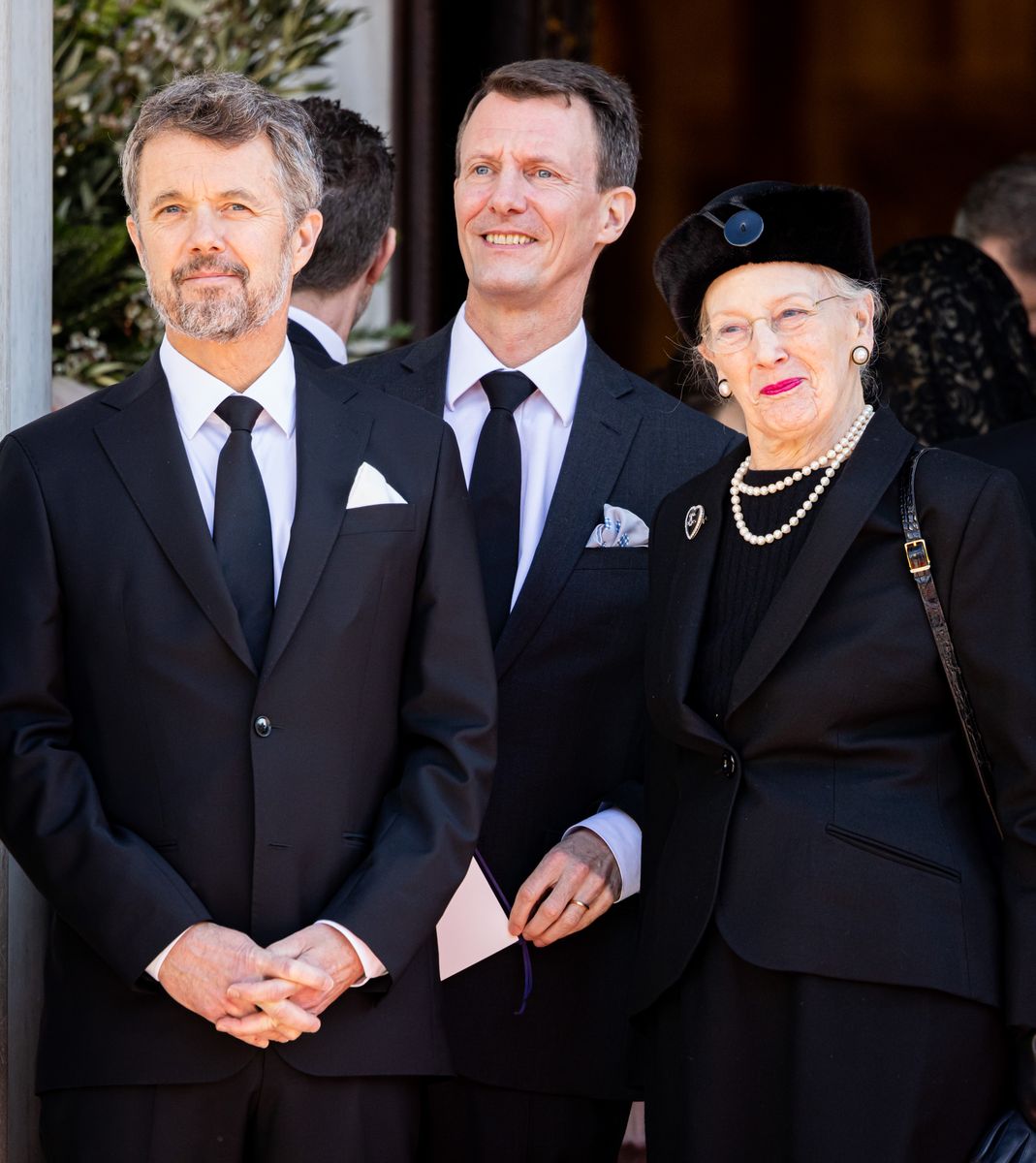
In May, she was admitted to Copenhagen’s Rigshospitalet with angina and underwent an angioplasty. Days after her discharge, she was readmitted when a CT scan revealed a large blood clot in her hip linked to an earlier fall. A third hospitalization followed in September, for a new clot in the hip area and mild dehydration, which kept her from the funeral of her cousin King Harald of Norway.
She eased back onto her calendar at the beginning of October, and Tuesday’s ceremony was her first pre-announced official engagement since that September stay.
 © Patrick van Katwijk
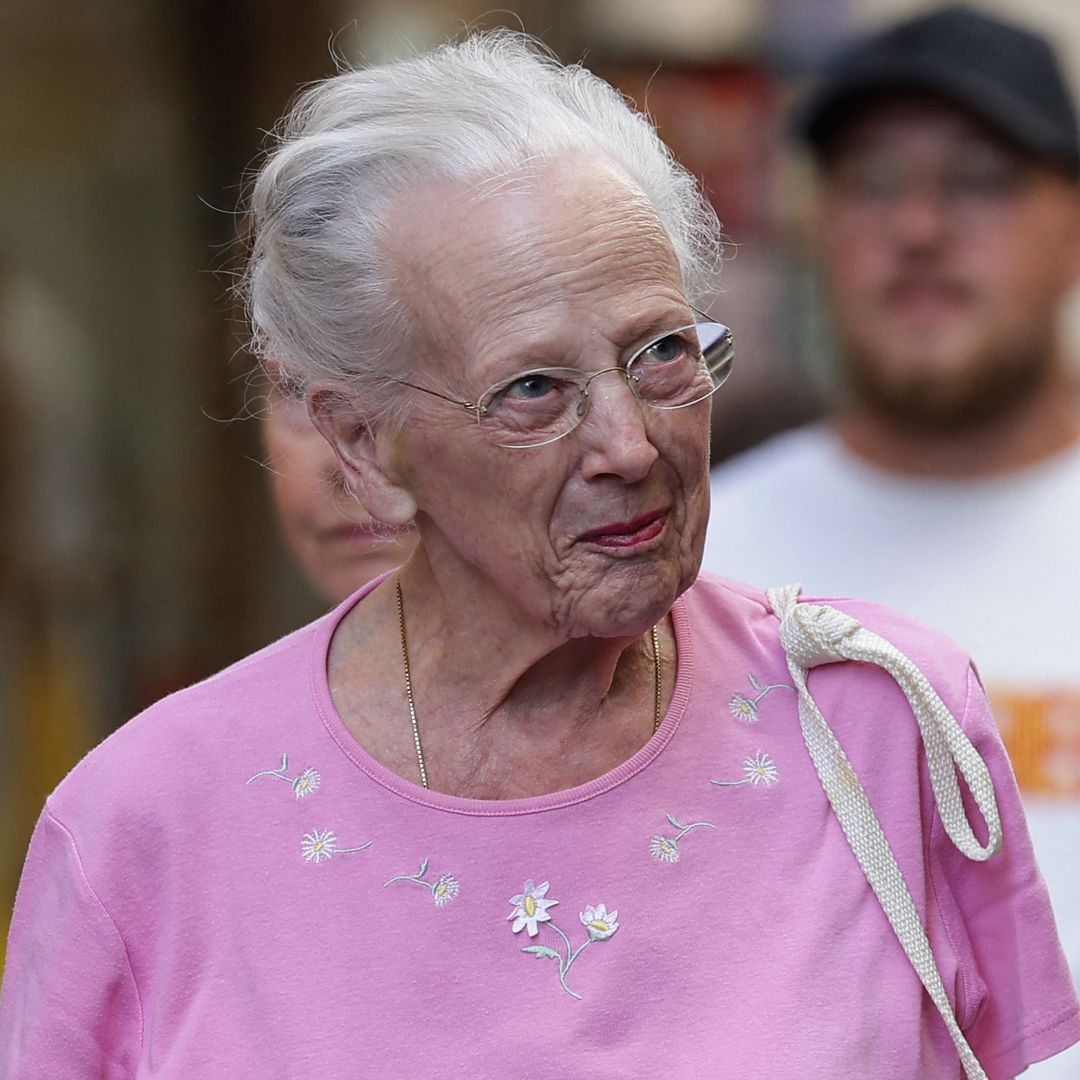
Against that backdrop, the photos say a lot. Margrethe will accept physical frailty at a public event, but she won’t let it into the history books or into her carefully composed image. That instinct belonged to the monarchs of earlier generations, who hid their decline and treated serious illness as a state secret. Showing physical weakness meant cracking the myth of the institution itself.
That mystique has since crumbled, giving way to an unprecedented transparency. The clearest example is Britain’s King Charles III, who made his cancer diagnosis public. Within a couple of generations, monarchs have made a dizzying journey from near-untouchable divinities to human beings openly vulnerable to illness.
The abdication that wasn’t quite a goodbye
Margrethe made history when she announced her abdication in her New Year’s Eve address on December 31, 2023, handing the throne to her son, King Frederik X.
Her exit looks nothing like the modern royal playbook. When Queen Beatrix of the Netherlands stepped down in 2013, she reverted to the title of princess and pared her schedule to the bare minimum, settling into a discreet, strictly ceremonial retirement.
Margrethe has done it her own way, stepping sideways. She may no longer stand on the institutional front line, but she has kept her authority and her role as head of the family.
 © Getty Images