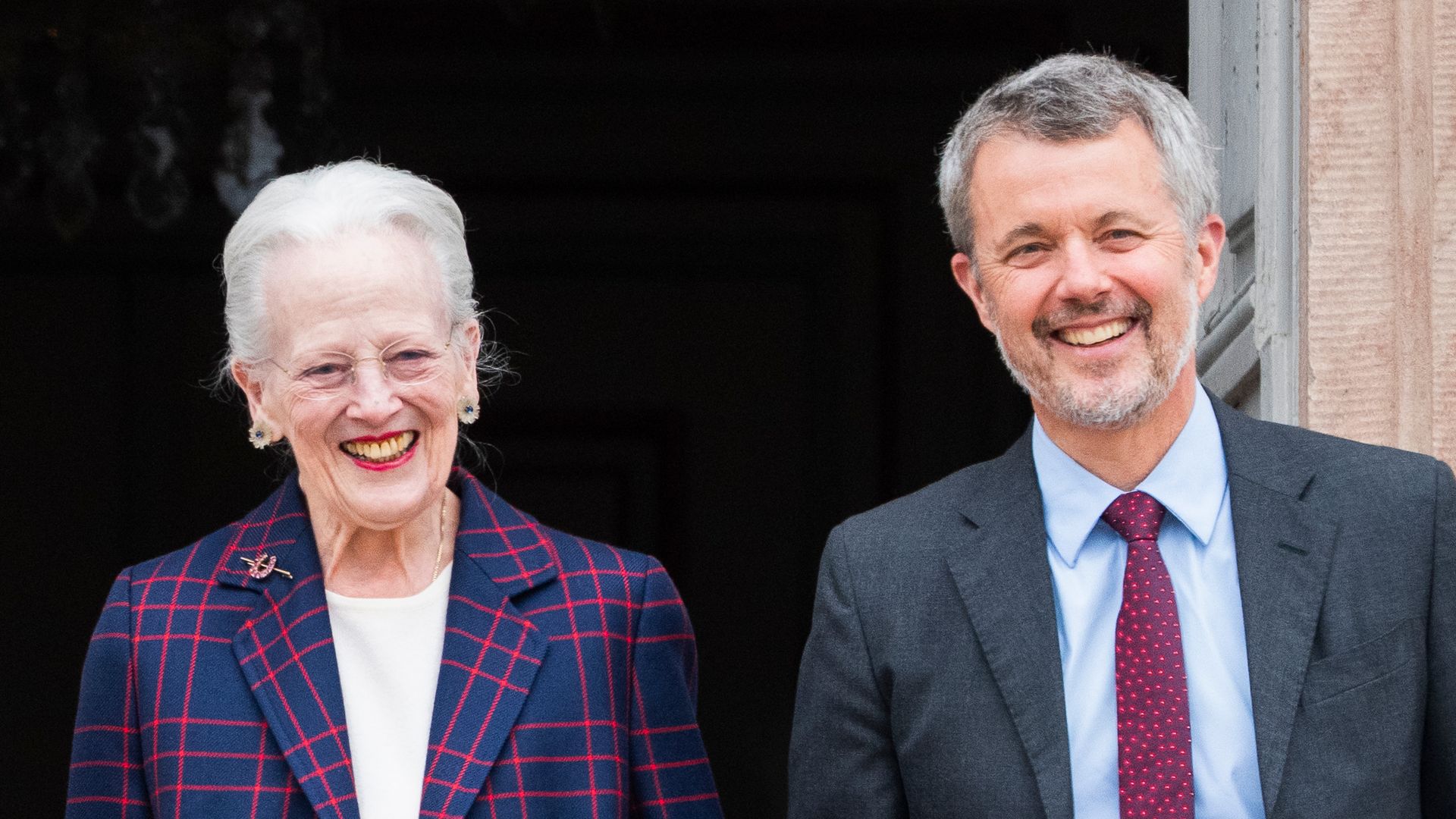
King Frederik of Denmark is marking a new chapter in his reign with a meaningful royal gesture that connects the country's military history to his mother, Queen Margrethe.
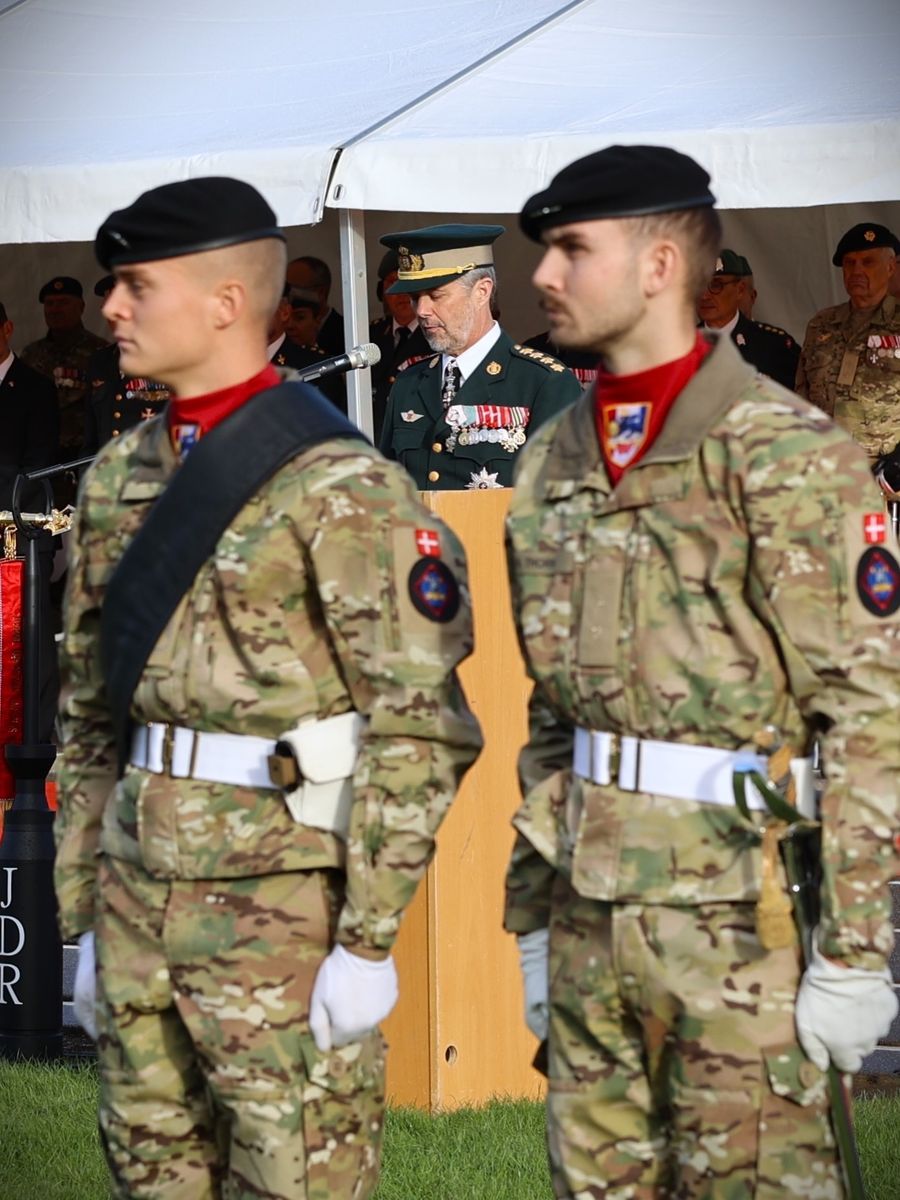
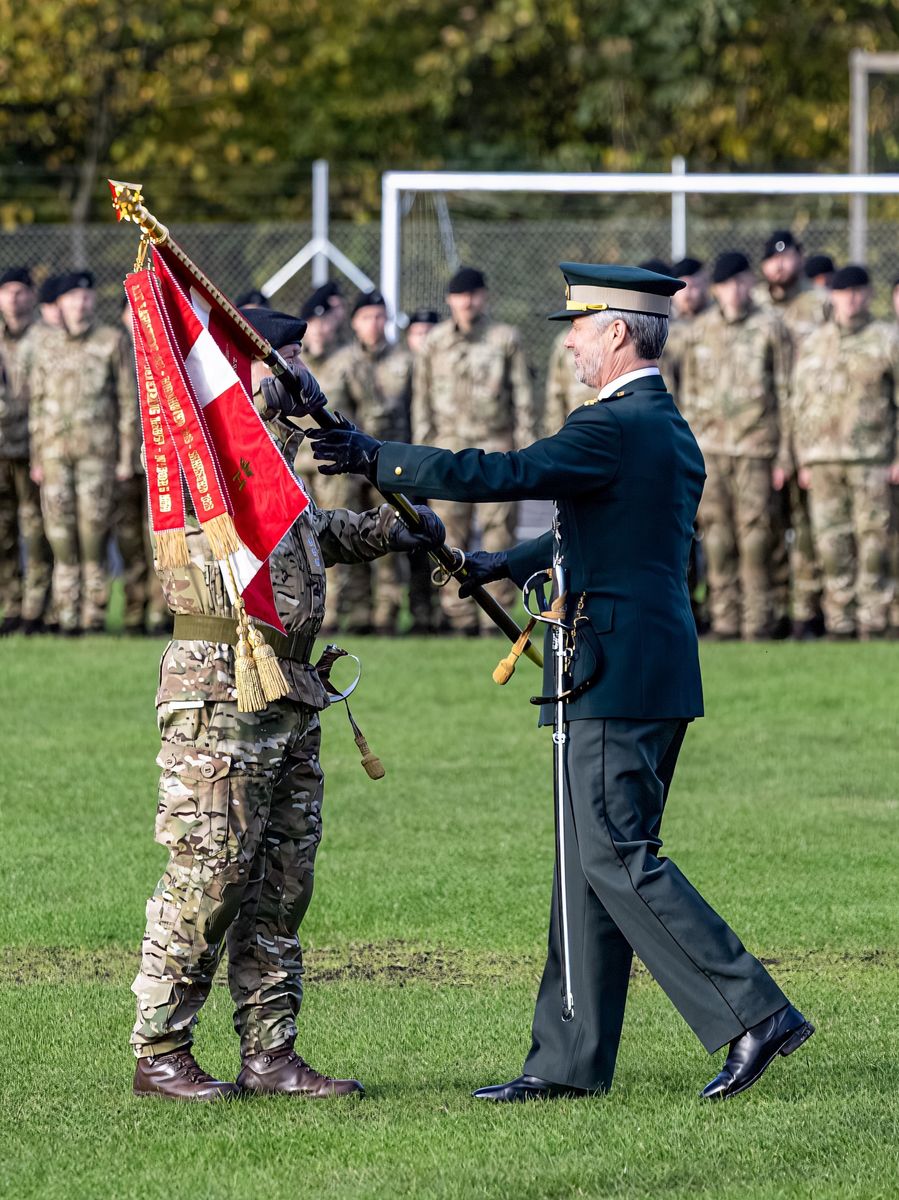
The monarch recently attended a special ceremony in Holstebro, Denmark, where he presented the Jutland Dragoon Regiment with a new royal standard, replacing a symbol that had represented his mother's reign for two decades.
 © Forsvaret (Danish Armed Forces)
The occasion was more than a traditional military engagement. It represented another symbolic transition between generations of the Danish royal family, as Frederik continues to establish his own legacy while honoring the traditions maintained by his mother.
A royal tradition dating back centuries:
The Jutland Dragoon Regiment is one of the oldest regiments in the Danish Army, with a history dating back to 1679.
On this occasion, King Frederik visited the regiment's barracks in Holstebro, where it has been based since 1953, to formally present its new royal standard during a military parade.
 © Mark Cuthbert
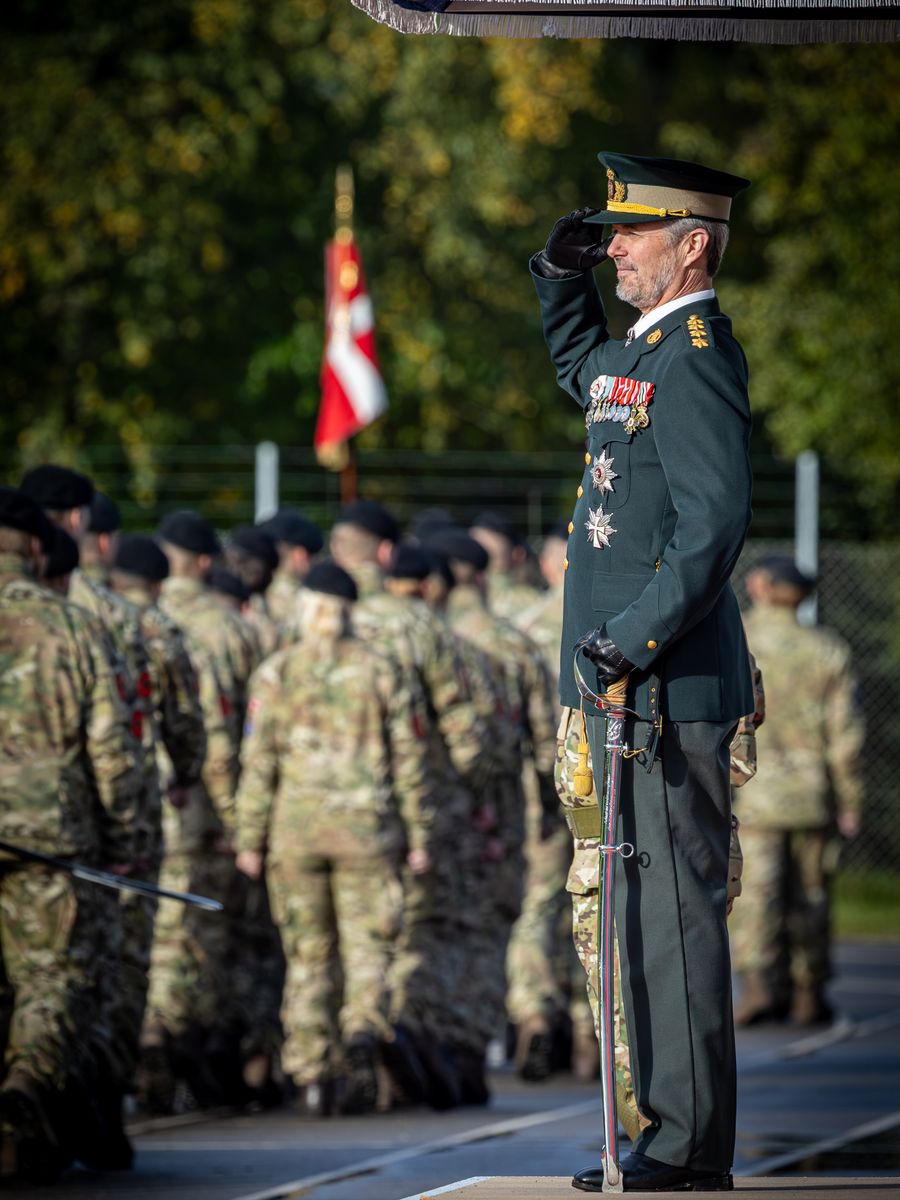
Dressed in his military uniform, complete with decorations and medals, the King stood before assembled soldiers as he took part in the ceremonial occasion.
The new standard features King Frederik's royal monogram, replacing the previous one bearing Queen Margrethe's monogram, which had accompanied the regiment for 20 years.
 © Forsvaret (Danish Armed Forces)
While the change might appear subtle, royal monograms carry considerable symbolic significance. They represent the reigning monarch and serve as visible reminders of the relationship between the Danish Crown and the country's armed forces.
Continuing Queen Margrethe's legacy:
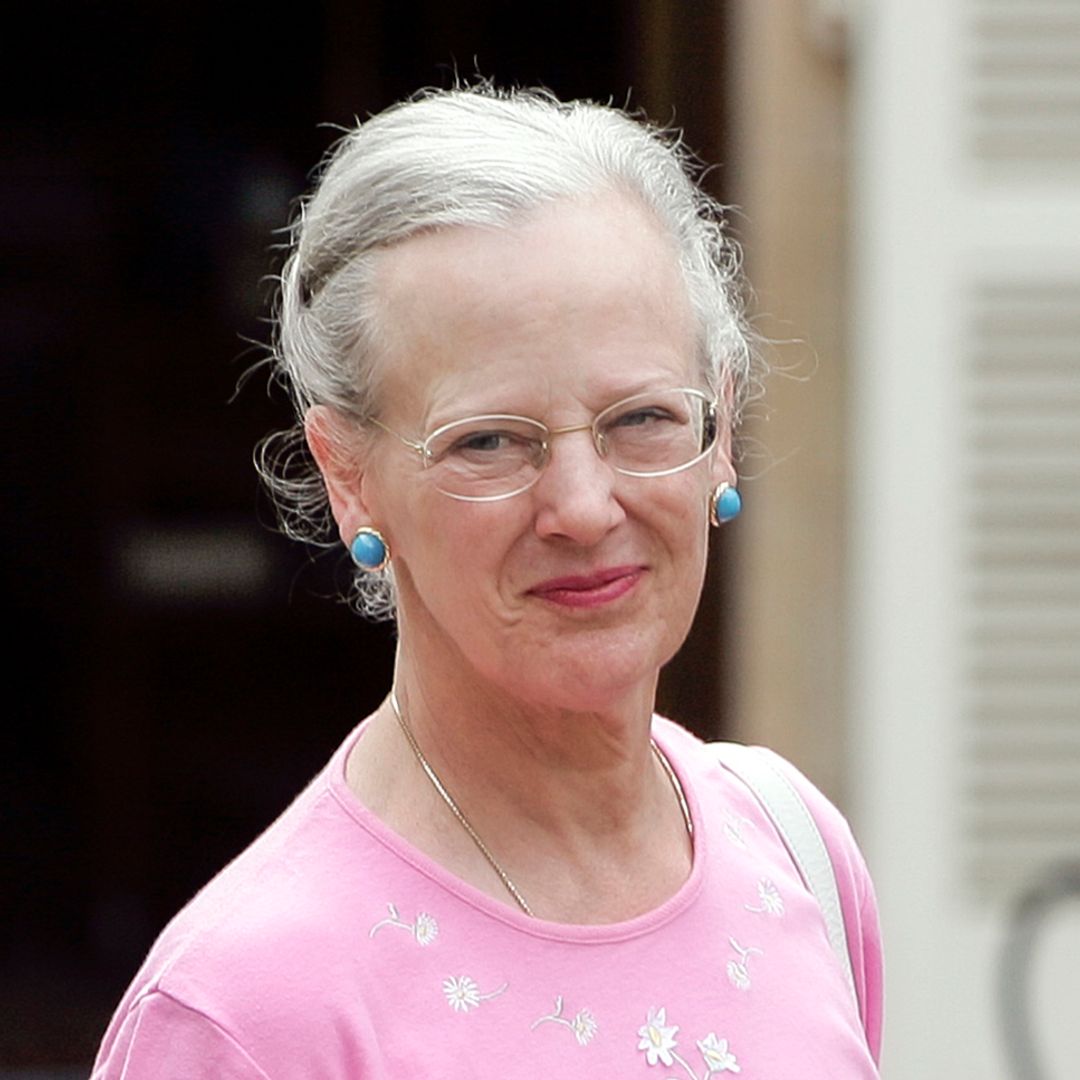
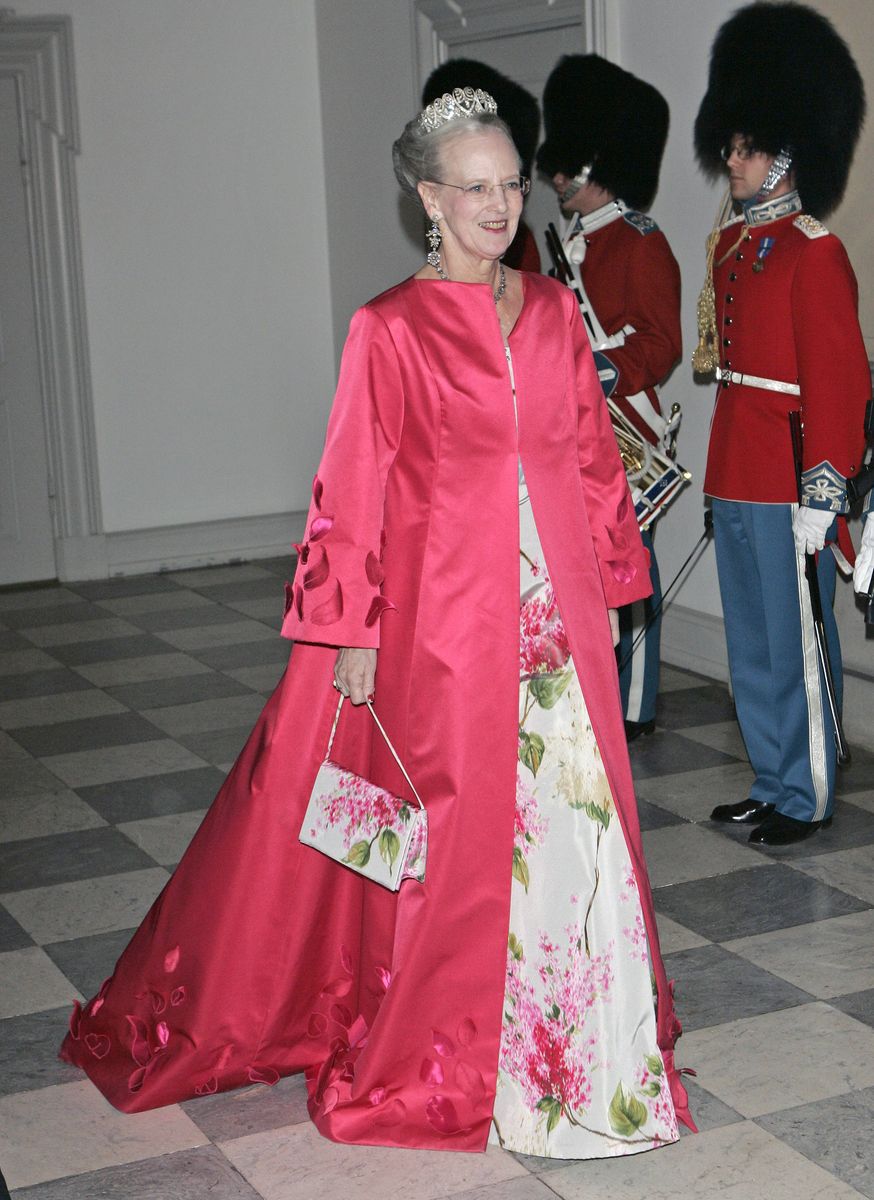
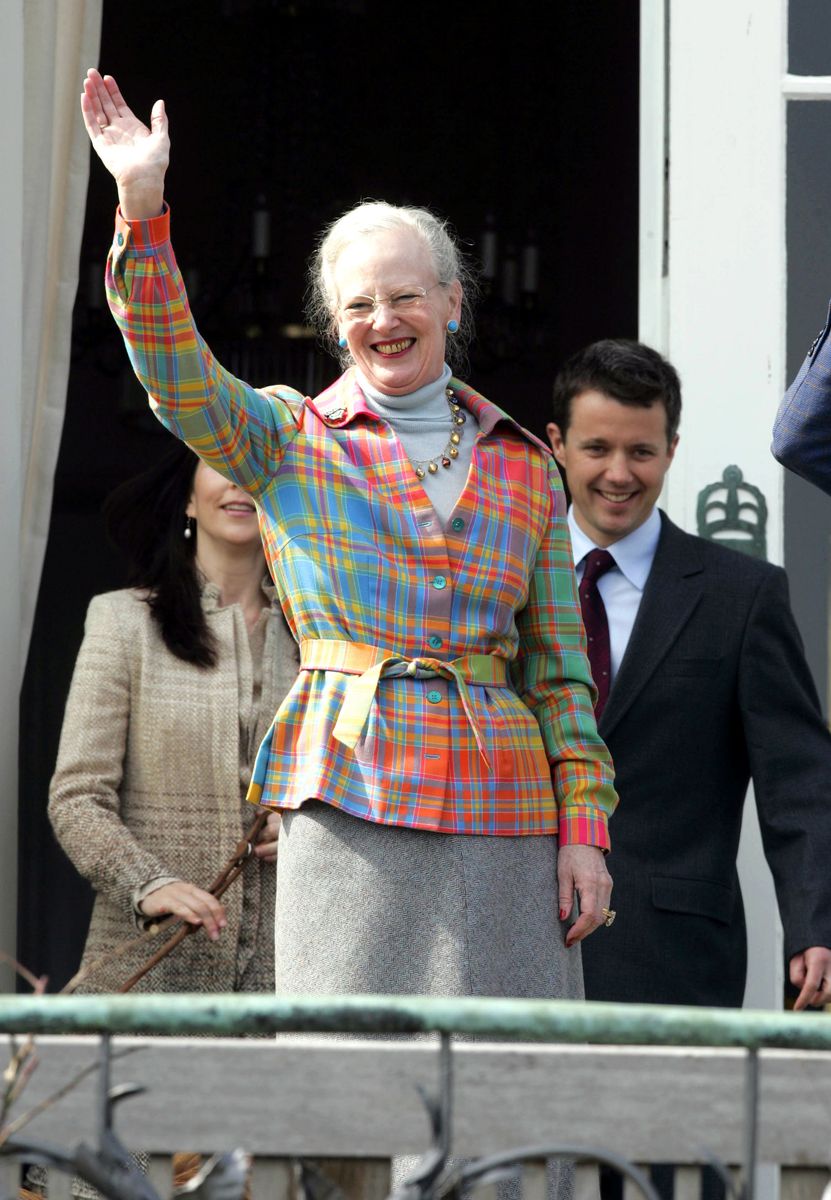
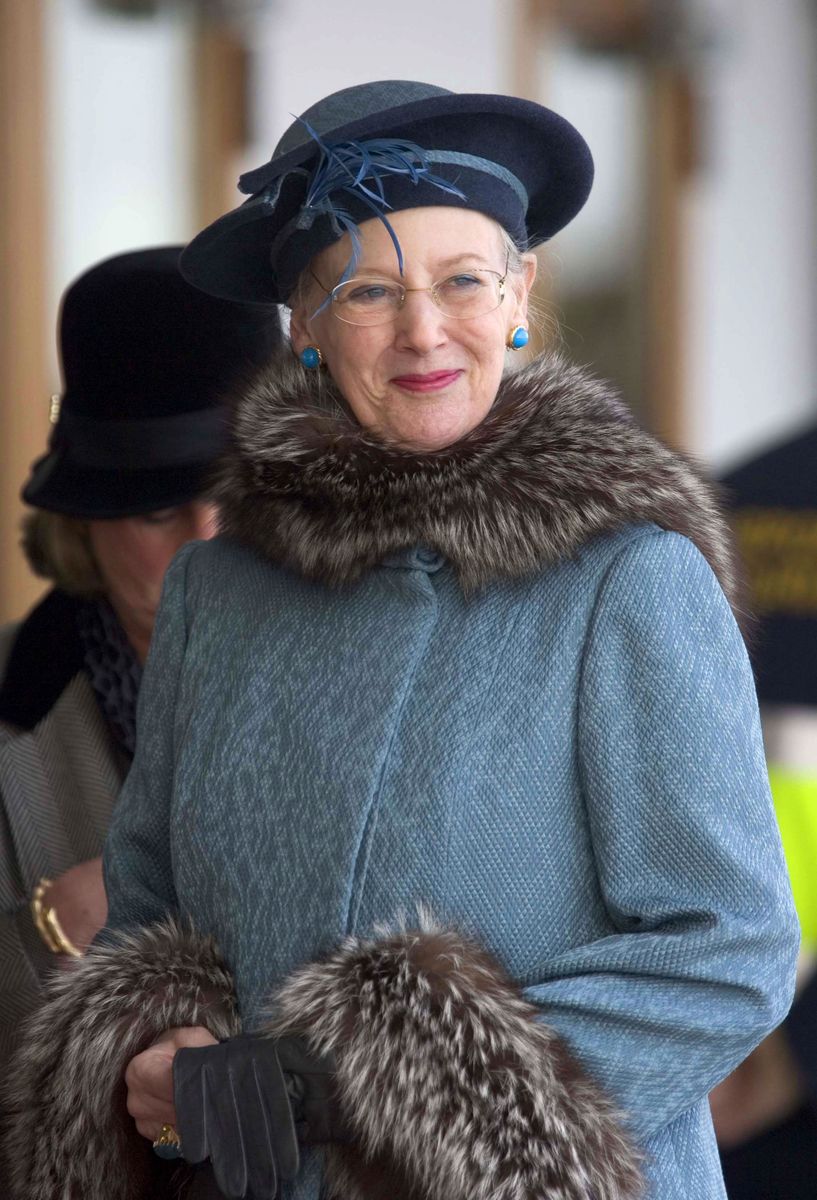
For King Frederik, the ceremony reflects the continuing transition from his mother's historic reign to his own. Queen Margrethe abdicated in January 2024 after 52 years on the throne, making way for her eldest son to become King Frederik X.
Since then, Frederik has continued to embrace the responsibilities and traditions associated with the Danish monarchy, including its longstanding connections to the military.
 © Julian Parker
The presentation of the new standard is particularly meaningful because it does not signal the end of a tradition, but rather its continuation under a new sovereign.
According to the Danish Royal House, the standard is traditionally associated with cavalry and is designed so it can be carried on horseback.
 © Antony Jones
Although the Jutland Dragoon Regiment was originally a cavalry unit, it now operates with both armored vehicles and infantry.
Despite these changes, the regiment has preserved its ceremonial traditions, including the use of a royal standard.
A symbolic moment for Denmark's King:
The presentation offered another glimpse into King Frederik's role as monarch, combining his military background with the ceremonial duties of the Danish Crown.
It also highlighted the lasting influence of Queen Margrethe, whose monogram had remained part of the regiment's identity for two decades.
 © Forsvaret (Danish Armed Forces)
As the new standard takes its place, the regiment continues a tradition spanning centuries, now carrying the symbol of Denmark's current King.
For Frederik, the occasion was a reminder that while royal generations change, many of the traditions connecting the monarchy to Denmark's history remain firmly in place.