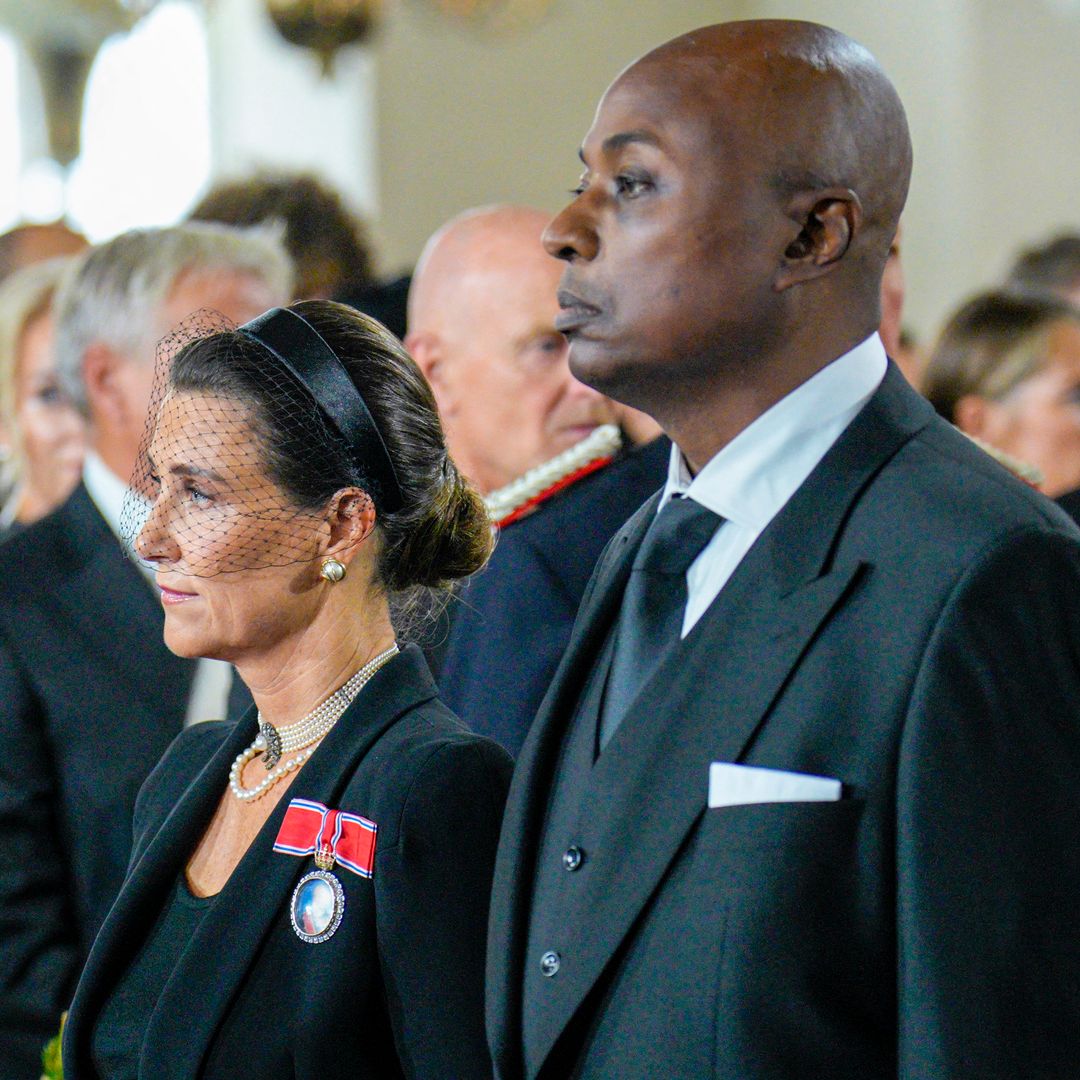
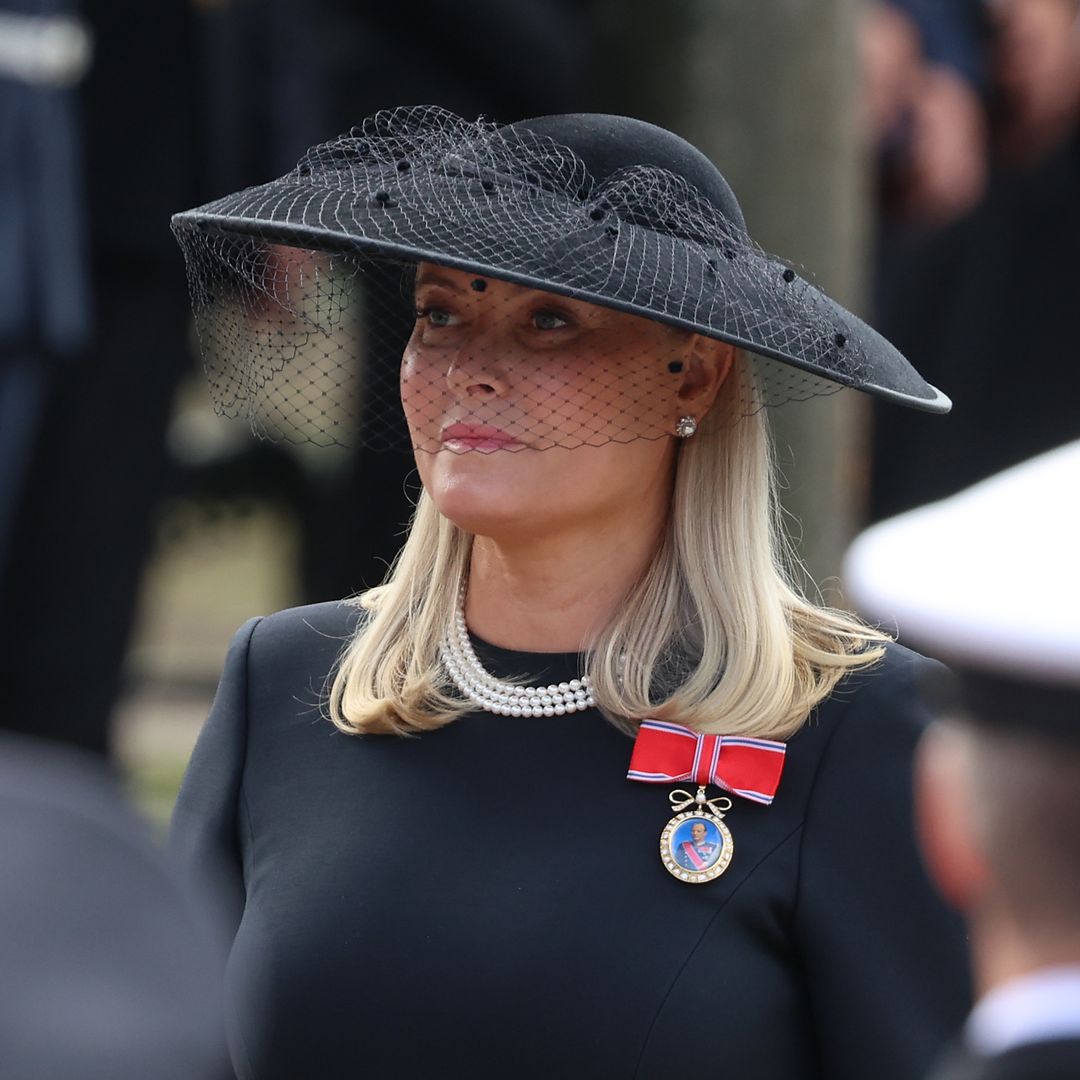
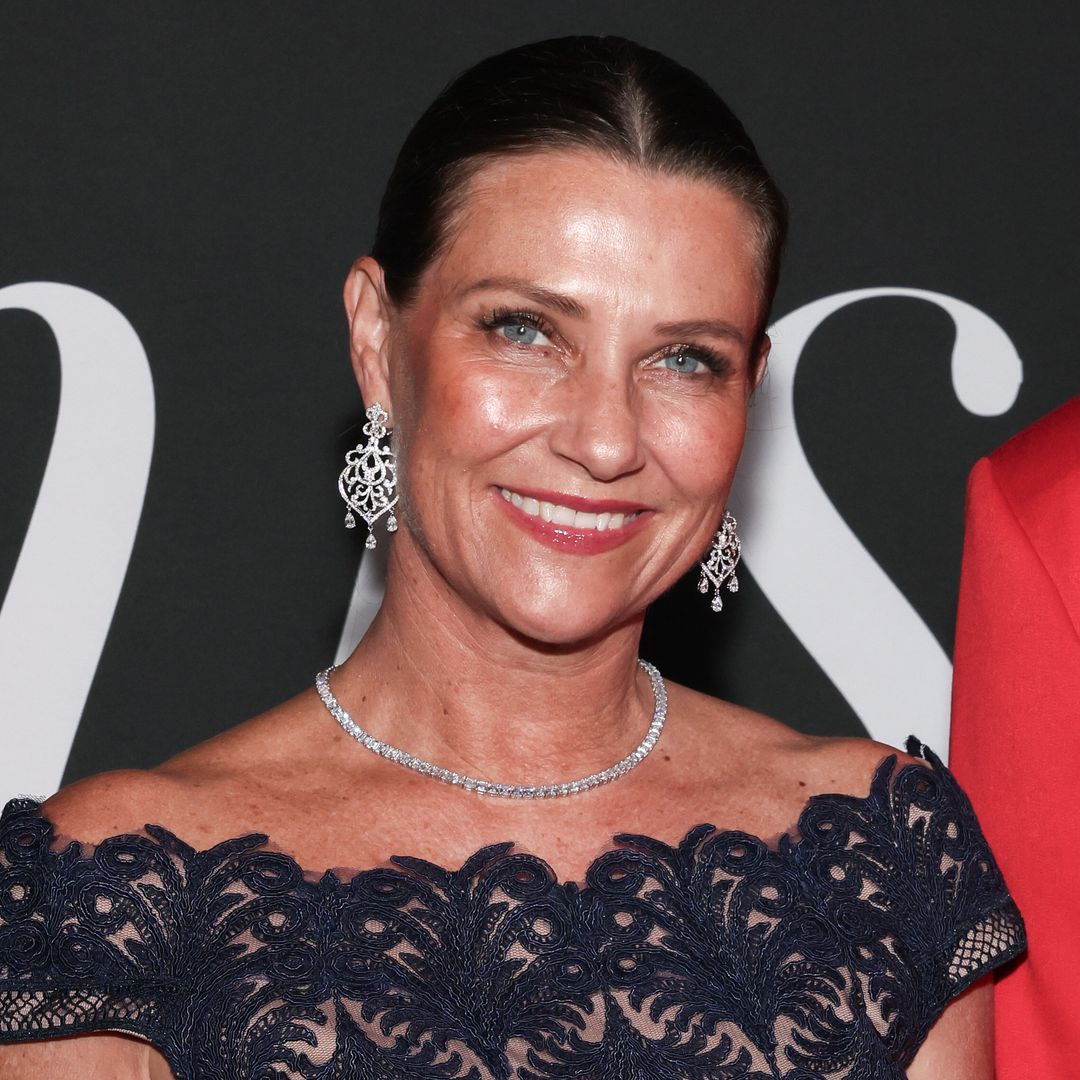
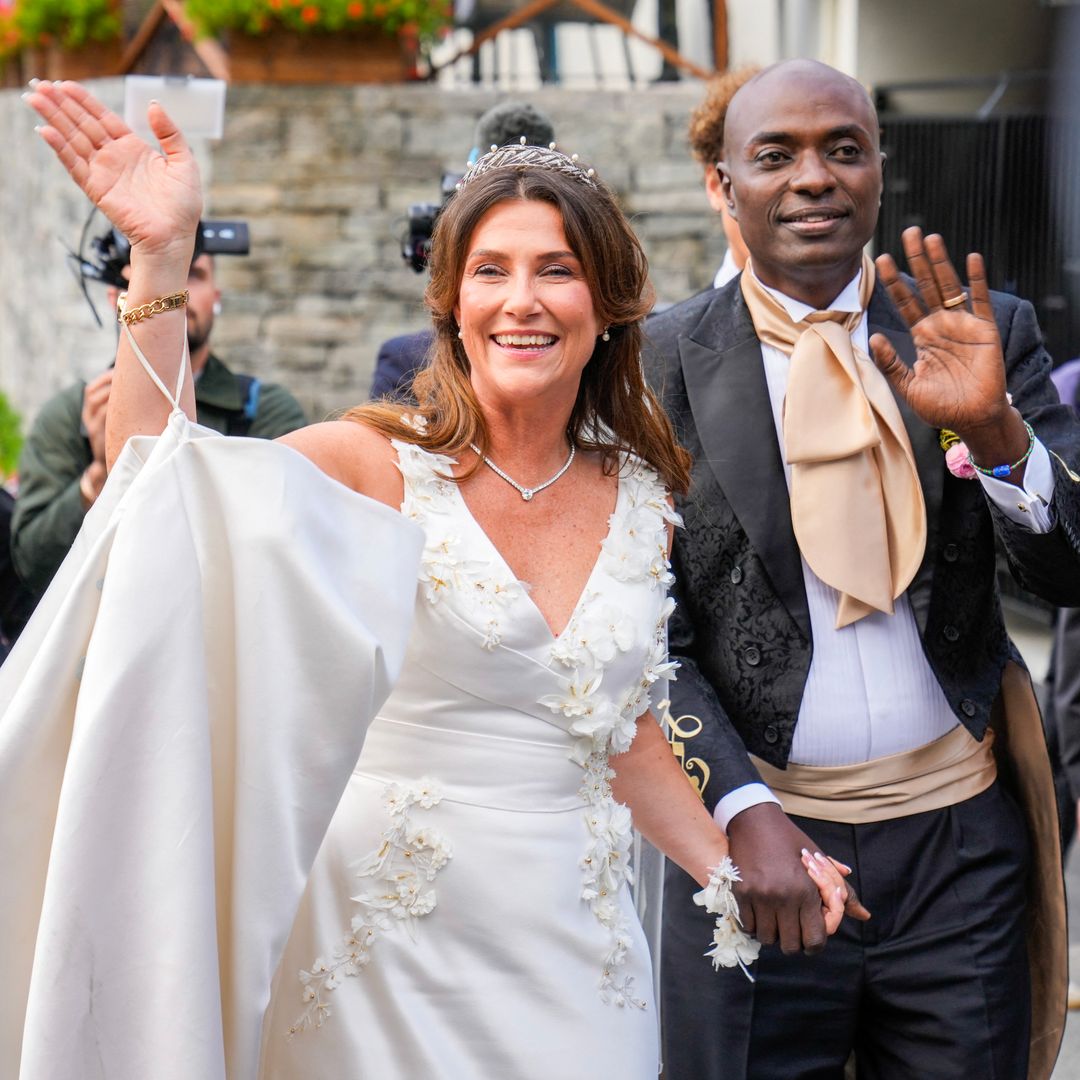
At a glance, the photos look convincing. In one, Princess Märtha Louise of Norway shows off what appears to be a baby bump. In another, she and her husband, spiritual guide and self-described shaman Durek Verrett, beam at the camera while holding up ultrasound scans, as if announcing the first child they’d share together. Within days, the images had traveled far beyond Norway, and the questions followed close behind: was the 55-year-old princess really expecting?
She isn’t. The pictures were fabricated with artificial intelligence, and the team around the princess has moved quickly to say so.
The statement from Märtha Louise’s camp
 © AFP
The denial came from Carina Scheele Carlsen, Märtha Louise’s longtime manager and spokesperson, in an email to Norwegian broadcaster TV 2. “We are aware that false claims and manipulated images of Princess Märtha Louise are being spread on social media, and this is something we take seriously and are following up on,” she said.
According to the broadcaster, the fake posts surfaced on newly created Facebook pages with names like “Aktuelt Nå” and “Aktuelt Puls,” published in both Norwegian and German. Some have since been taken down, and Meta, Facebook’s parent company, has said it’s looking into the matter.
Why her, and why a baby?
 © HEIKO JUNGE
To Petter Bae Brandtzæg, a professor at the University of Oslo and chief scientist at the research institute SINTEF who studies generative AI and social media, none of it looks accidental. Speaking to TV 2, he argued that the choice of target and storyline was purely strategic: a member of the royal family guarantees attention, and pregnancy news all but guarantees shares.
Generative AI tools now let almost anyone produce lifelike images and polished text in a few keystrokes, making clickbait easier to manufacture than ever. Scandinavian outlets have also reported that the fake posts carried links to unfamiliar foreign websites, raising concerns that the scheme may be designed to lure users into handing over personal information or money.
In many ways, Märtha Louise and Durek were an easy mark. Few couples in European royal circles generate headlines as reliably. Their romance has stirred controversy since it went public in 2019, and the attention only intensified when they married in August 2024.
Not the first royal deepfake this year
 © Netflix
The Norwegian royal family has been here before, and recently. In June, as news broke that then-Crown Princess Mette-Marit had been placed on the waiting list for a lung transplant after her pulmonary fibrosis worsened, AI-generated images began circulating on Facebook showing her in a hospital bed, comforted by Haakon and fed by her daughter, Princess Ingrid Alexandra.
The fakes came paired with captions urging followers to send prayers and support during her hardest hours. Meta said at the time that it was investigating the profiles behind them, while Norwegian lawyer Jon Wessel-Aas told TV 2 that the law surrounding AI-generated images remained somewhat unclear.
Her three daughters
 © NTB/AFP via Getty Images
Märtha Louise is already a mother of three, all daughters from her marriage to the late author Ari Behn, who died in 2019.
Maud Angelica, 23, inherited her father’s artistic streak, champions mental health awareness, and has appeared on TV competitions including "MasterChef" and "The Masked Singer." Leah Isadora, 21, an influencer, entrepreneur, and beauty tastemaker, has been winning over audiences as a contestant on "Dancing with the Stars." And Emma Tallulah, 18, the most private of the three, is focused on her studies and an equestrian career that has taken her to competitions around the world.
For now, that’s the family as it stands: three grown daughters, and no baby on the way.