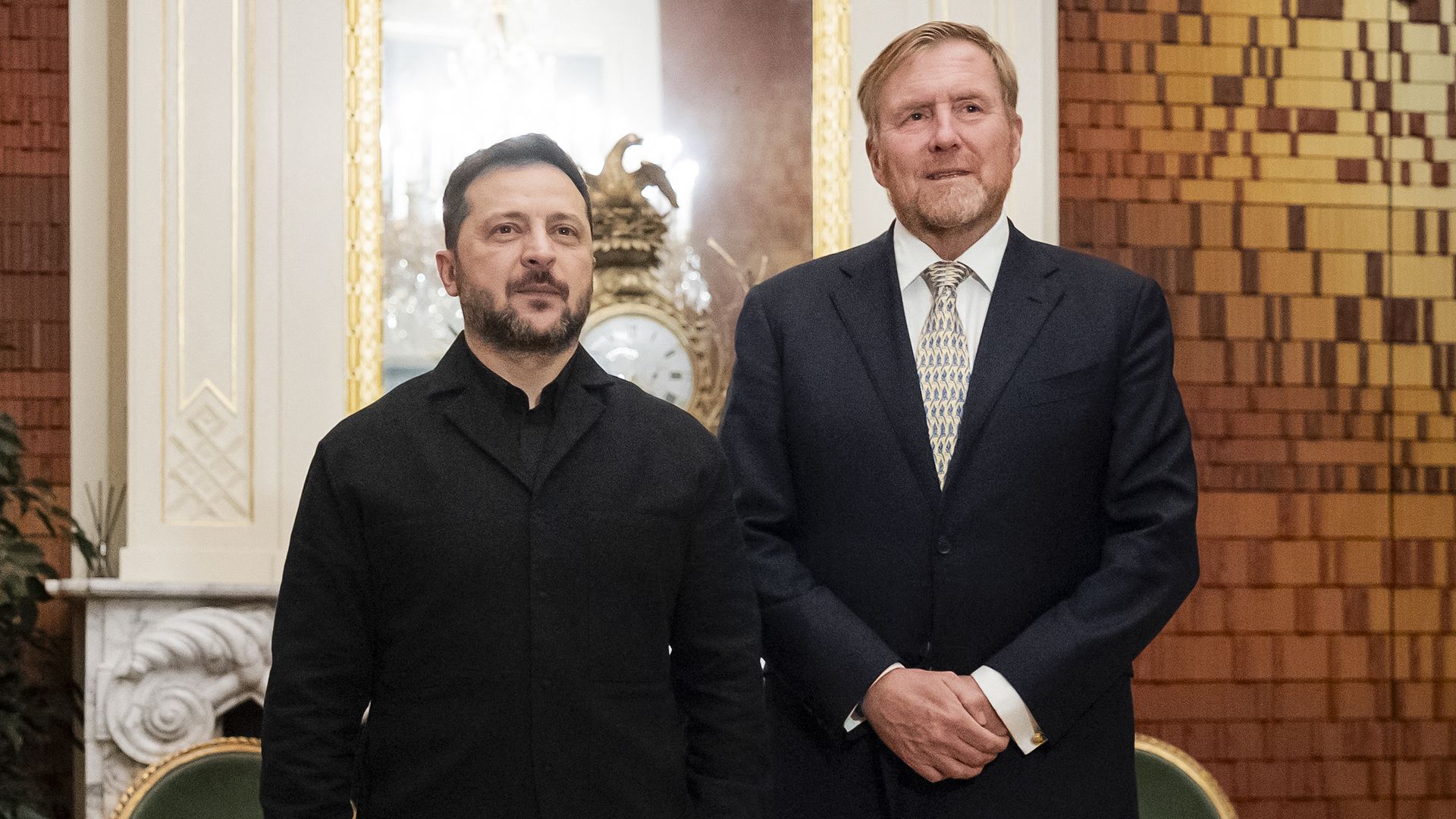
King Willem-Alexander welcomed Ukrainian President Volodymyr Zelensky to Huis ten Bosch Palace on October 28, offering a look inside one of the royal residence’s most distinctive rooms.
 © ANP
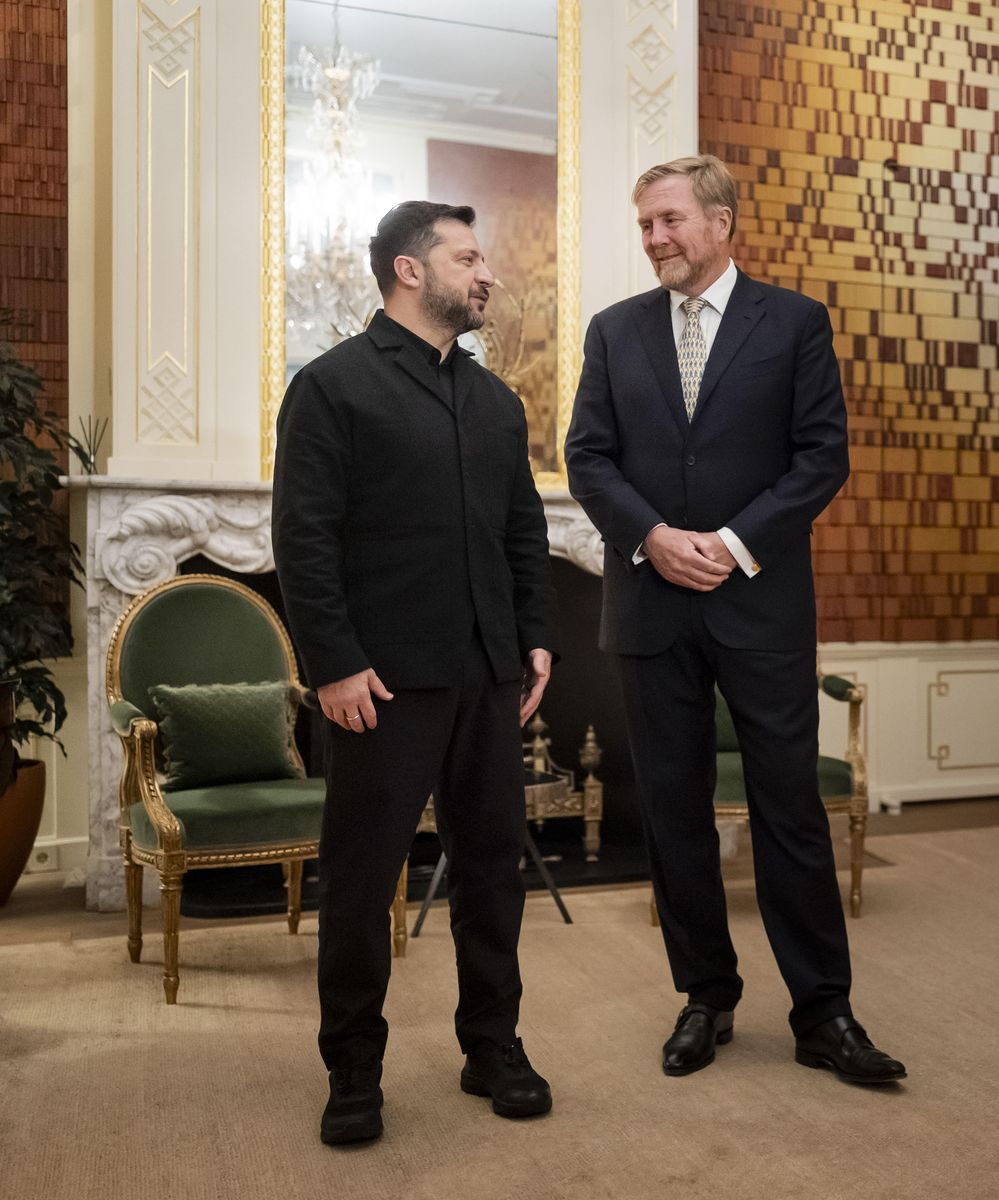
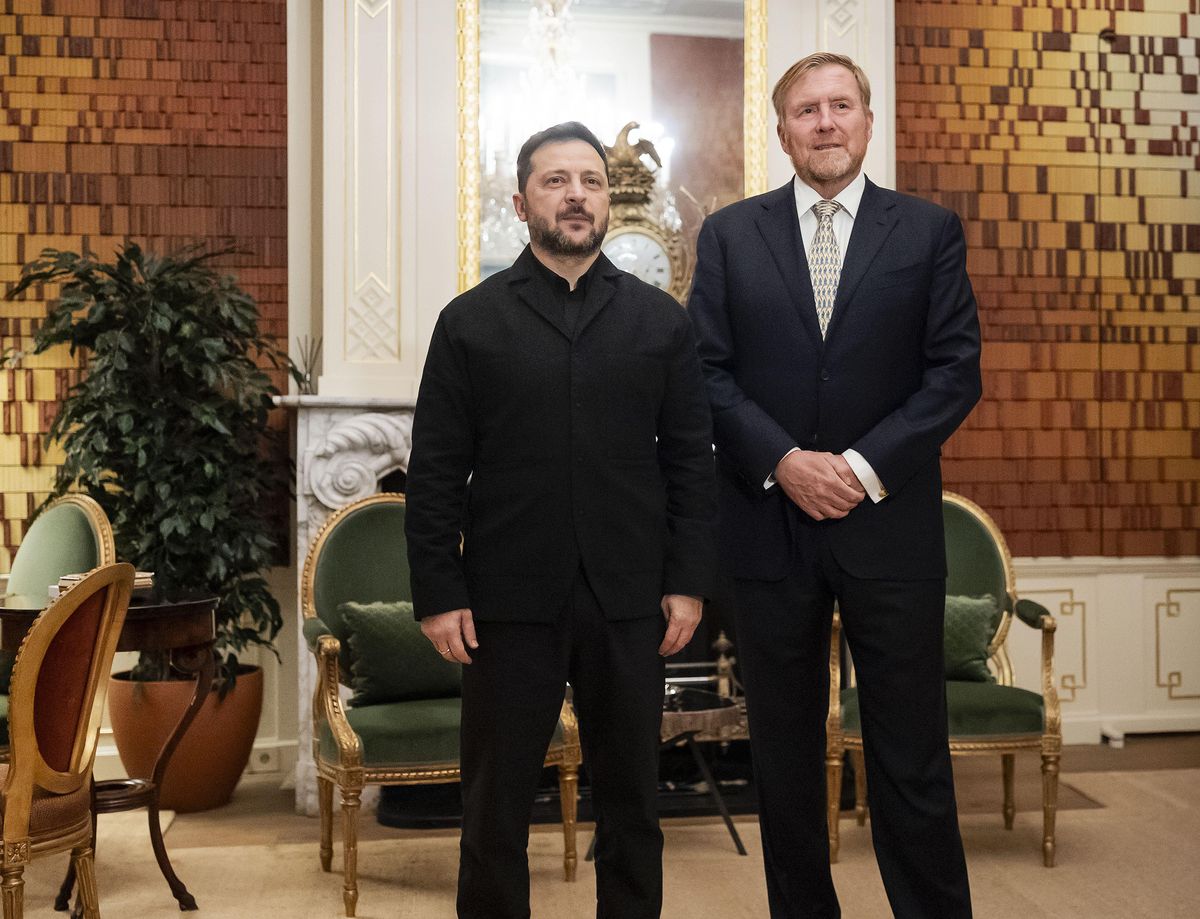
Behind the two men, a geometric arrangement of warm-toned blocks created a striking backdrop, with a surprisingly personal story behind its design.
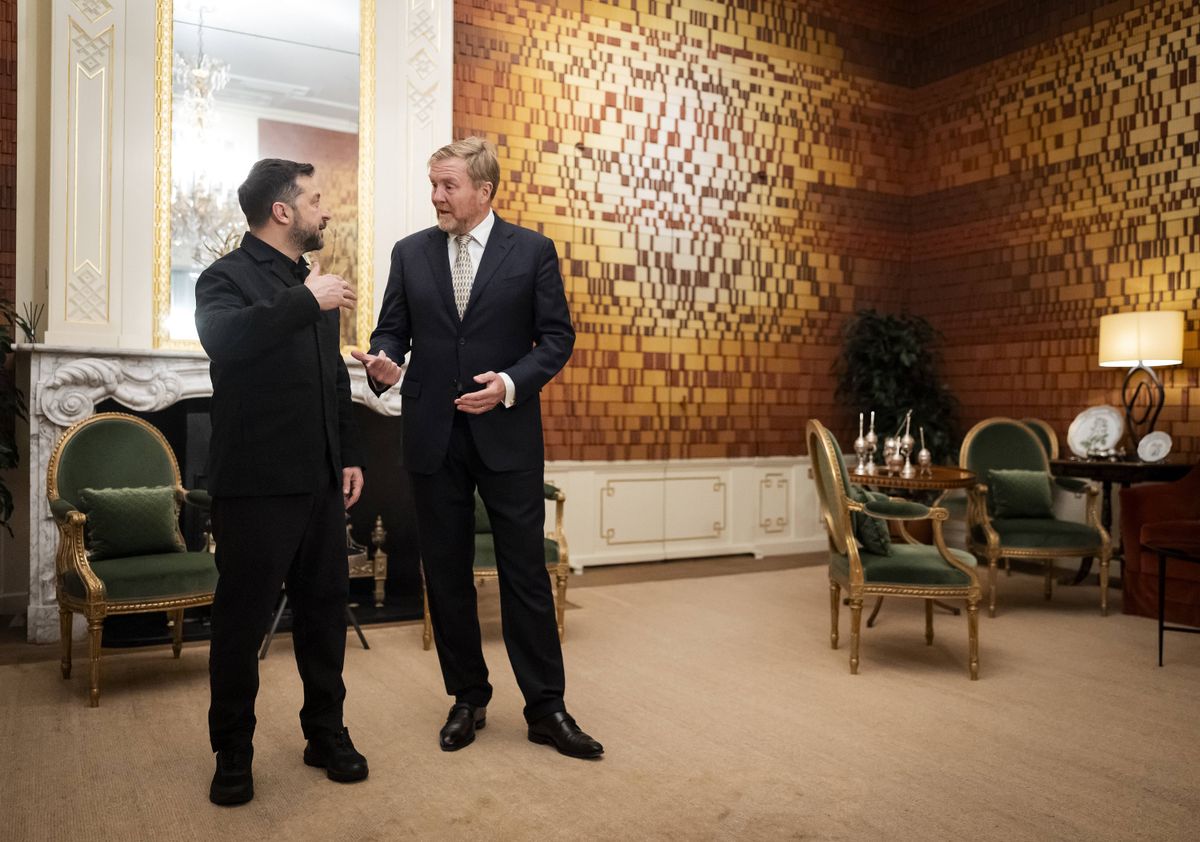
The meeting took place in the palace’s DNA Salon, where the walls feature an artwork incorporating fragments of the genetic code of Willem-Alexander and Queen Máxima. What initially looks like an abstract decorative pattern is, in fact, an unconventional royal portrait.
 © ANP
The personal story behind the palace walls
Created by artist Jacob van der Beugel, the installation consists of approximately 60,000 handmade ceramic blocks. According to the Dutch Royal Household, the king and queen had their DNA sequenced for the project, allowing selected fragments to be translated into the arrangement of the pieces.
The blocks were made using a mixture of clay from the Rhine and industrial clay. Van der Beugel also worked with Professor Hans Clevers of the Hubrecht Institute to select the DNA fragments incorporated into the design.
 © NL Beeld
The artist’s description adds another family connection. The installation depicts the DNA of the king, queen and the Netherlands’ future queen, Princess Catharina-Amalia. It also includes a representation of a global citizen, broadening the work’s focus beyond the royal family to shared humanity.
A family home with an official purpose
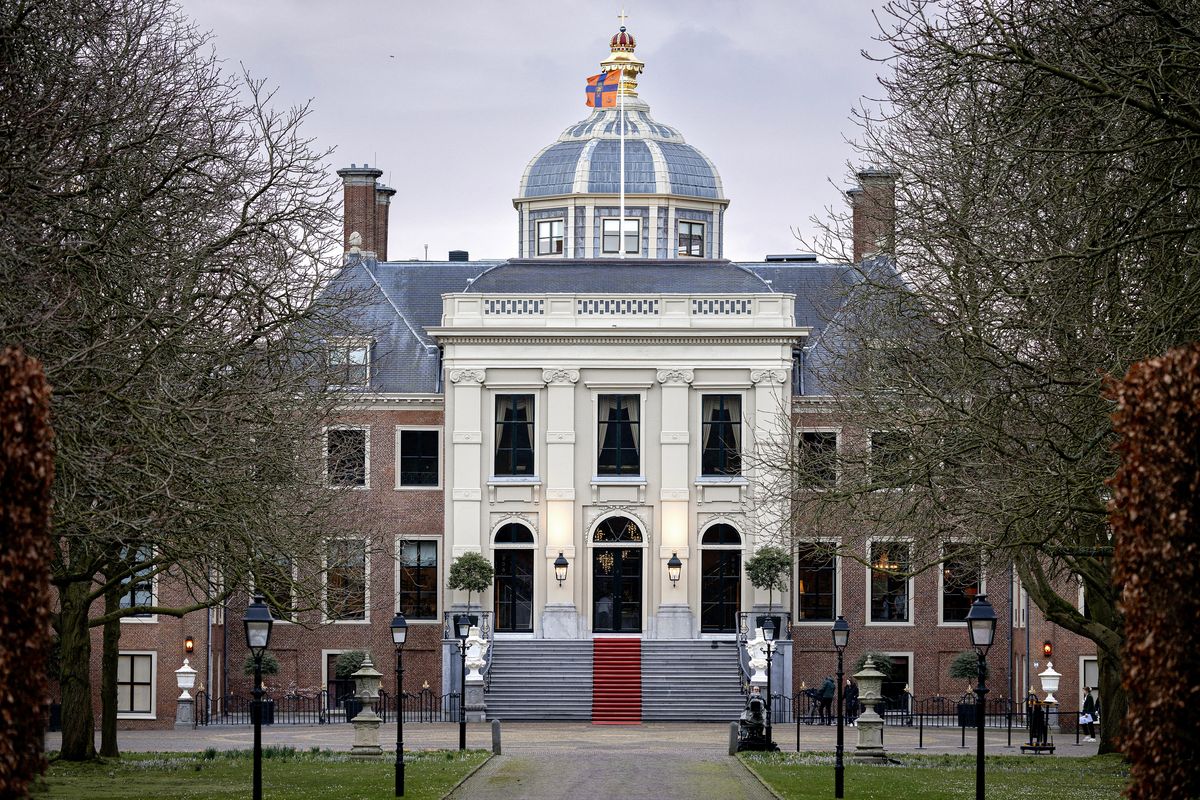
Huis ten Bosch serves as both the royal family’s residence and a venue for official engagements. Willem-Alexander, Máxima and their three daughters moved into the palace on January 13, 2019, following an extensive renovation.
 © RAMON VAN FLYMEN
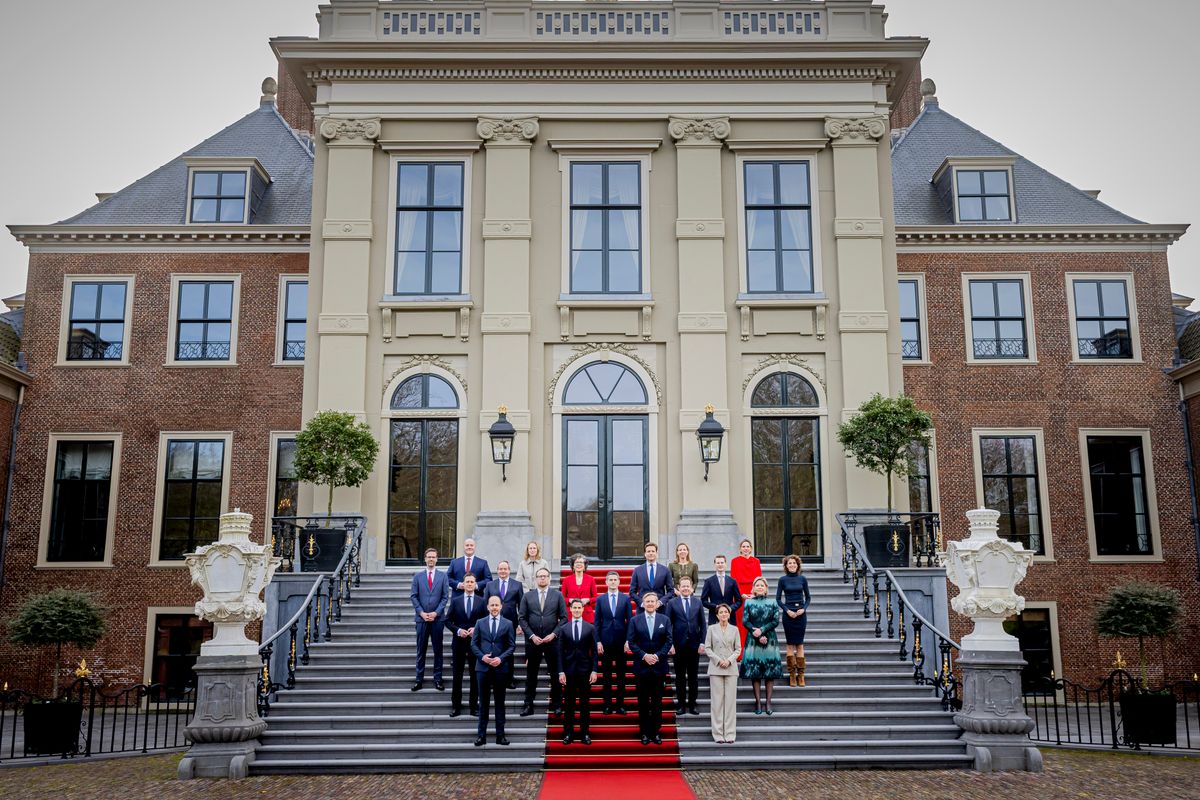
Located in The Hague, the palace separates its residential and ceremonial functions. The family’s living quarters are in the Wassenaar wing, while the main building houses the formal rooms used for receptions. Construction began in 1645, giving the residence a history stretching back almost four centuries.
Zelensky’s audience with the king formed part of a visit to the Netherlands that also included talks with Prime Minister Rob Jetten at the Catshuis and a meeting with representatives of Dutch and Ukrainian businesses.
 © Patrick van Katwijk
For royal watchers, the palace photograph offered another point of interest, a room where the family’s connection to its home is written into the walls.