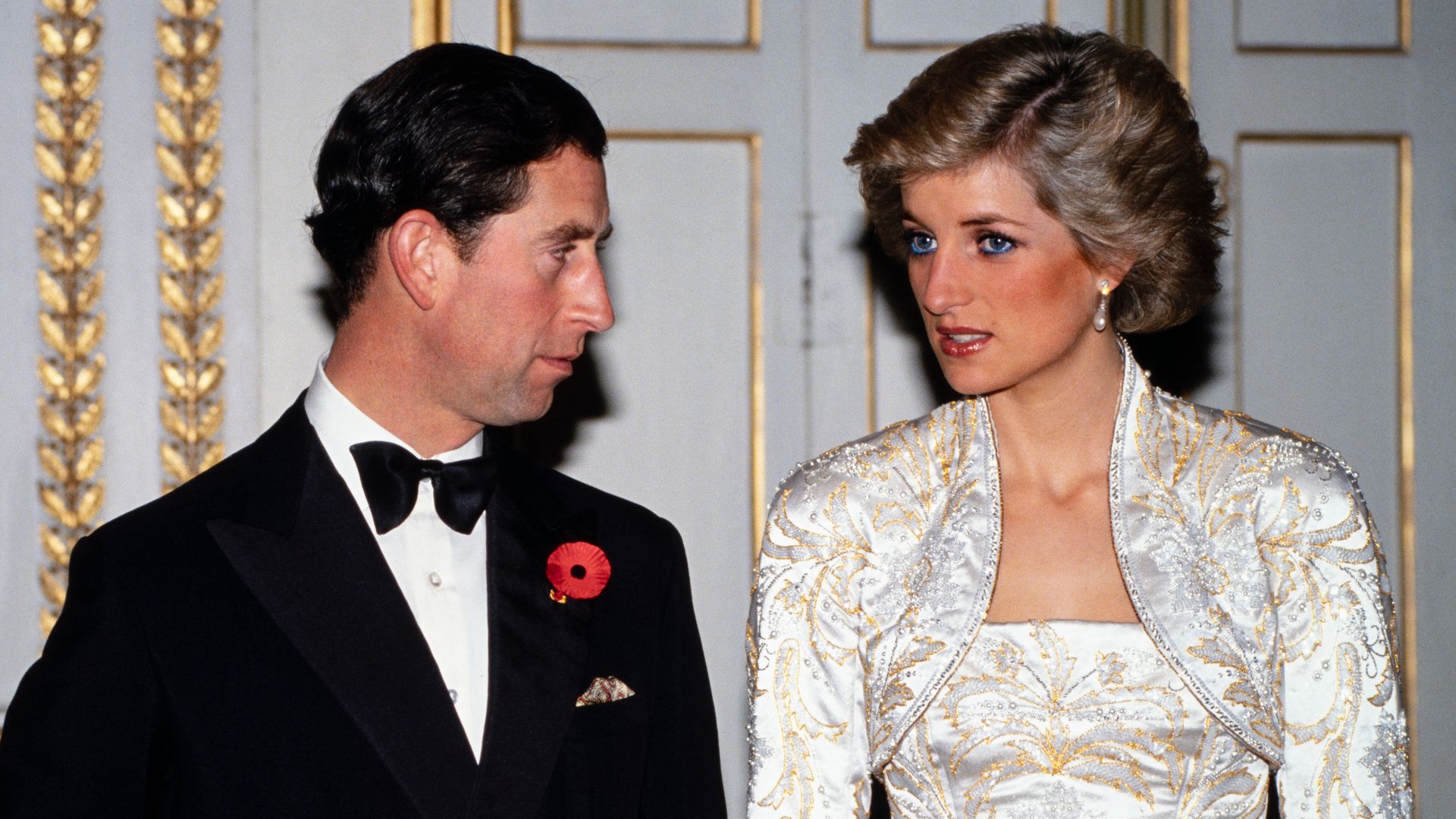
Buckingham Palace has taken the unusual step of publicly responding to a striking allegation involving King Charles and the days immediately following the death of Princess Diana.
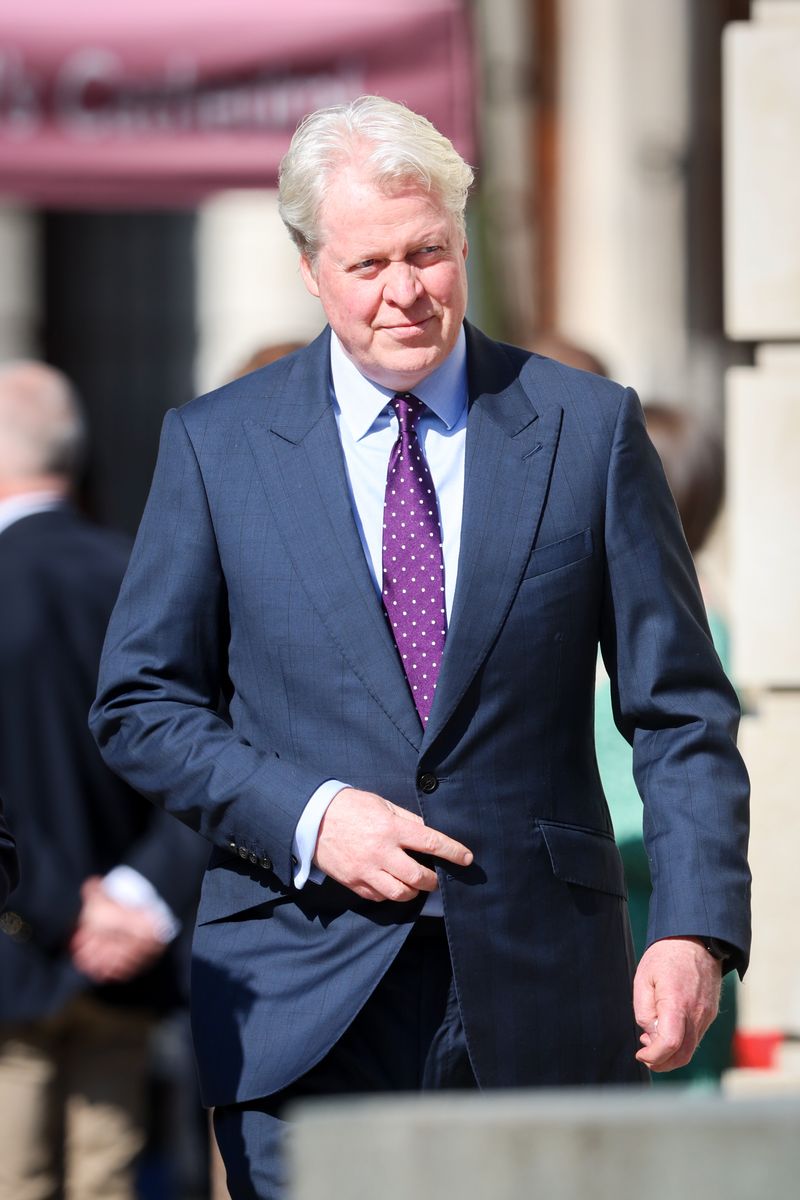
Charles Spencer, the late Princess of Wales’ younger brother, makes the claim in his forthcoming memoir, Swan Song: Diana, My Sister, which is set to be published on September 22.
 © Chris Jackson
Ahead of its release, excerpts from the book have revealed Spencer’s recollections of the turbulent days between Diana’s death in Paris on August 31, 1997, and her funeral at Westminster Abbey.
Among the most dramatic claims is Spencer’s account of a heated phone conversation with the then-Prince Charles over whether Diana’s sons, Prince William and Prince Harry, should walk behind their mother’s coffin.
 © Anwar Hussein
William was 15 at the time, while Harry was just 12.
The alleged phone call with King Charles:
According to Spencer, he strongly opposed having his nephews participate in the public procession, believing Diana would not have wanted her young sons put through such an emotionally difficult experience.
The disagreement reportedly escalated during a phone call with Charles, who was then Prince of Wales.
 © Boris Spremo
Spencer writes that Charles expressed his anger before suddenly becoming quiet. He says he initially believed the pause meant his former brother-in-law was attempting to regain his composure.
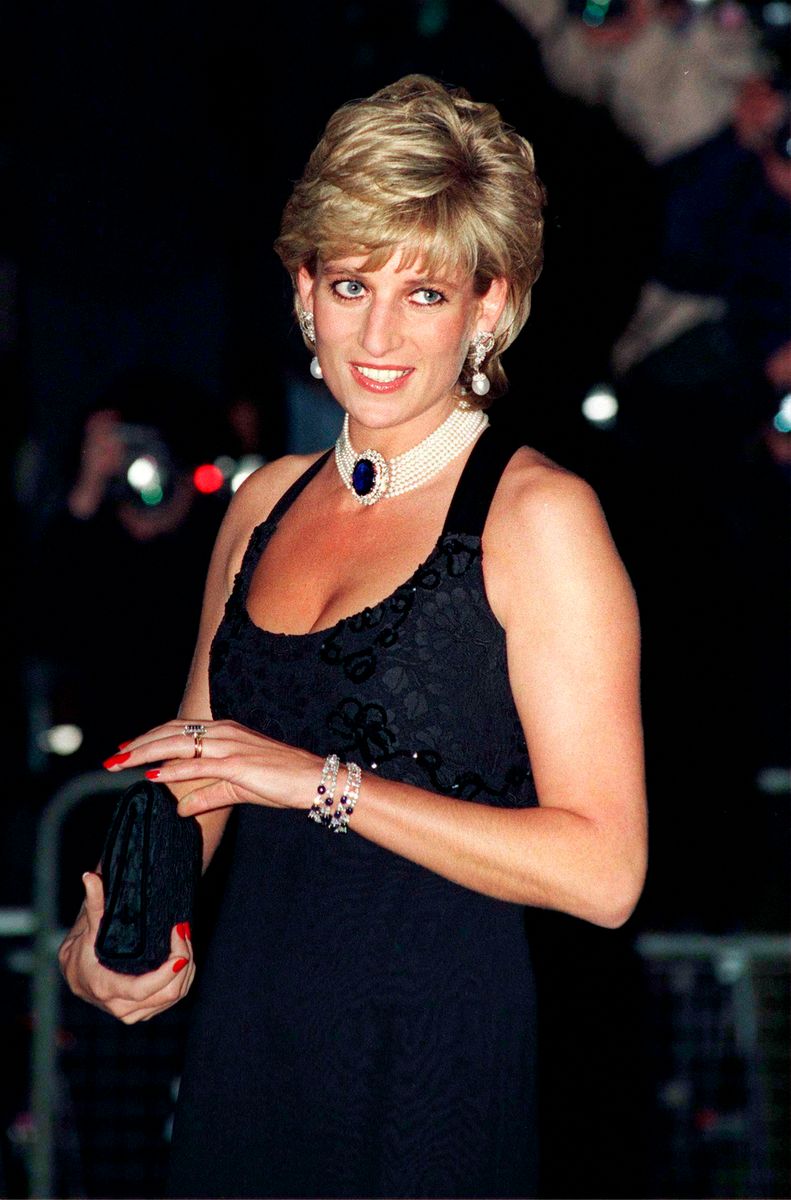
What allegedly came next left him stunned“Rest assured,” Charles allegedly told him, “we’ll forget her soon enough!” Spencer says he replied, “I can’t believe you just said that,” before ending the call.
 © Tim Graham
In his memoir, Diana’s brother interprets the alleged remark as an expression of Charles’ feelings toward his former wife and his reaction to the extraordinary wave of public grief that followed her death.
The allegation remains Spencer’s recollection of a private conversation nearly three decades ago. King Charles has not personally confirmed that the exchange occurred as described.
Buckingham Palace makes a rare response:
Rather than allowing the allegation to pass without comment, Buckingham Palace issued a statement after details from Spencer’s memoir emerged.
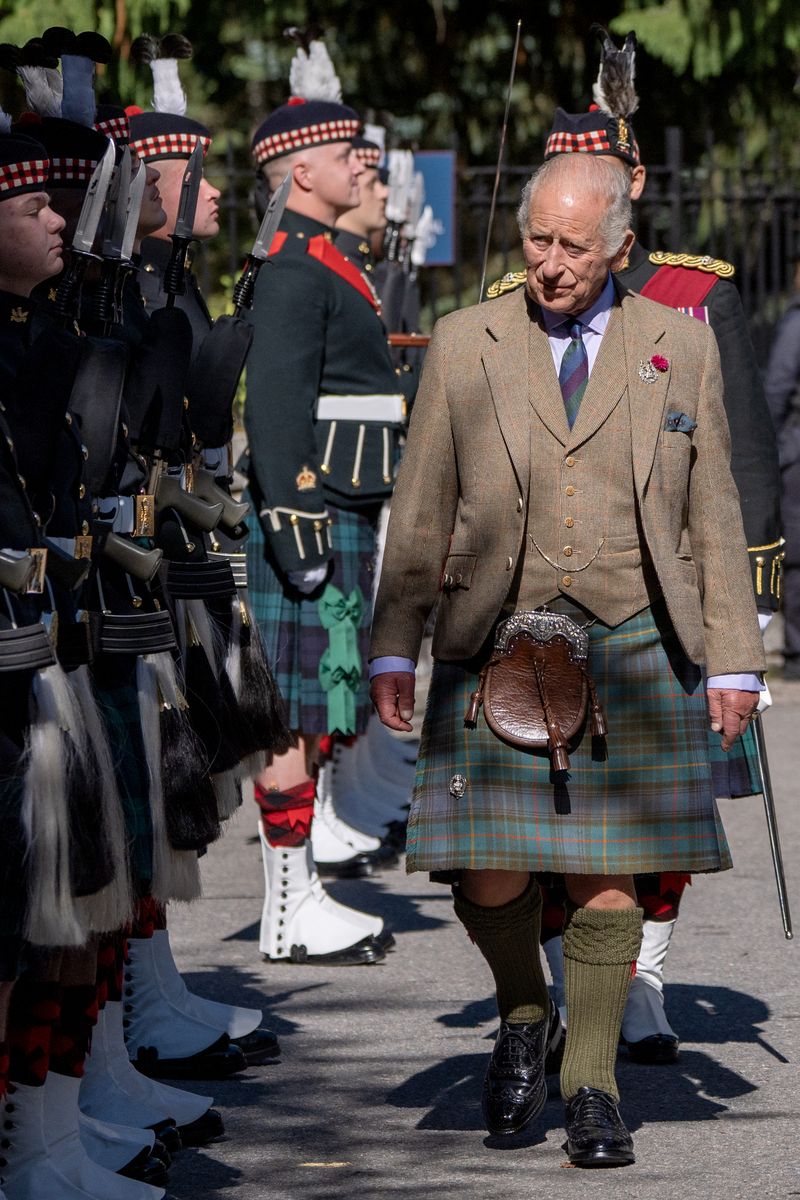
“While we do not comment on books as a matter of principle, His Majesty is mindful that the pain of fraternal grief can cloud reason, affect judgment and colour memory in ways others do not recognise, even many years after such a loss,” a Palace spokesperson said.
 © PA Images via Getty Images
The carefully worded response does not explicitly address whether Charles made the alleged remark. Instead, it casts doubt on Spencer’s recollection of events by pointing to the impact profound grief can have on memory and judgment.
The intervention is particularly notable because the Palace typically avoids responding to claims made in royal books. Reuters described Charles’ decision to respond through a spokesperson as an “unusual step.”
A painful disagreement over William and Harry:
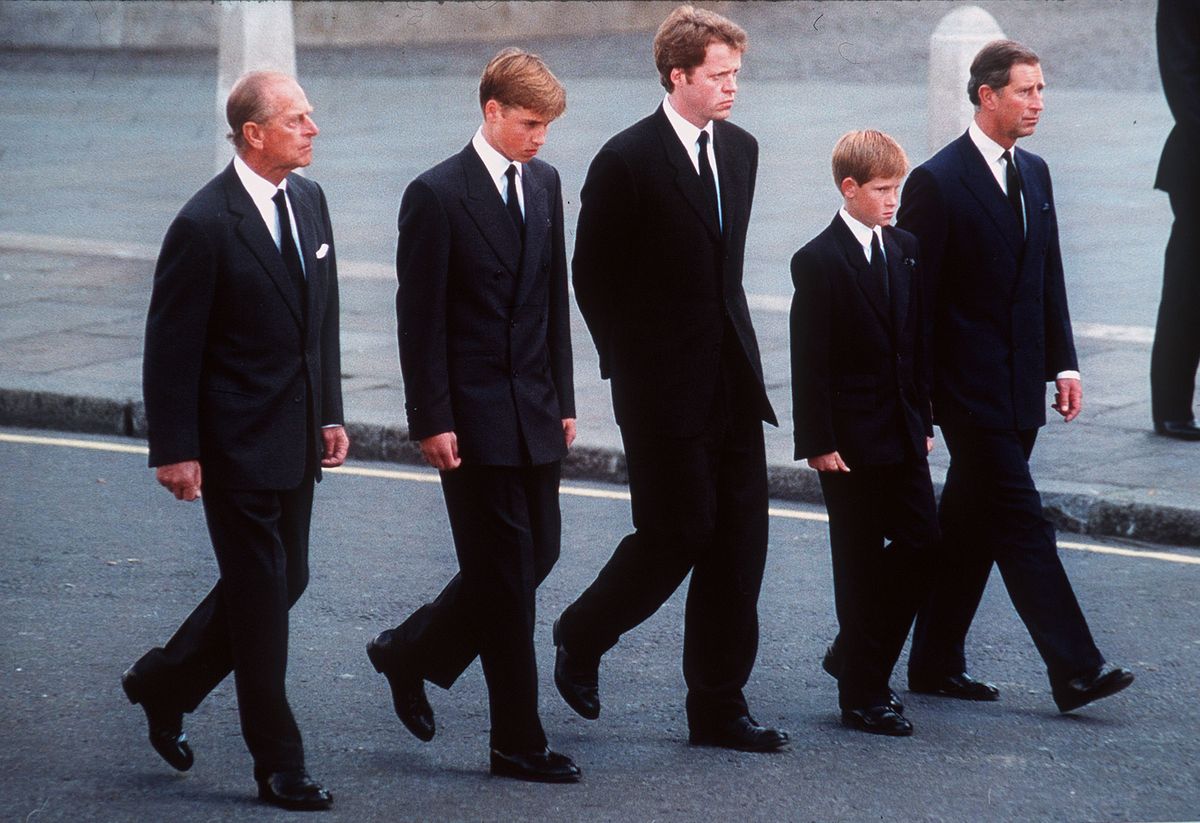
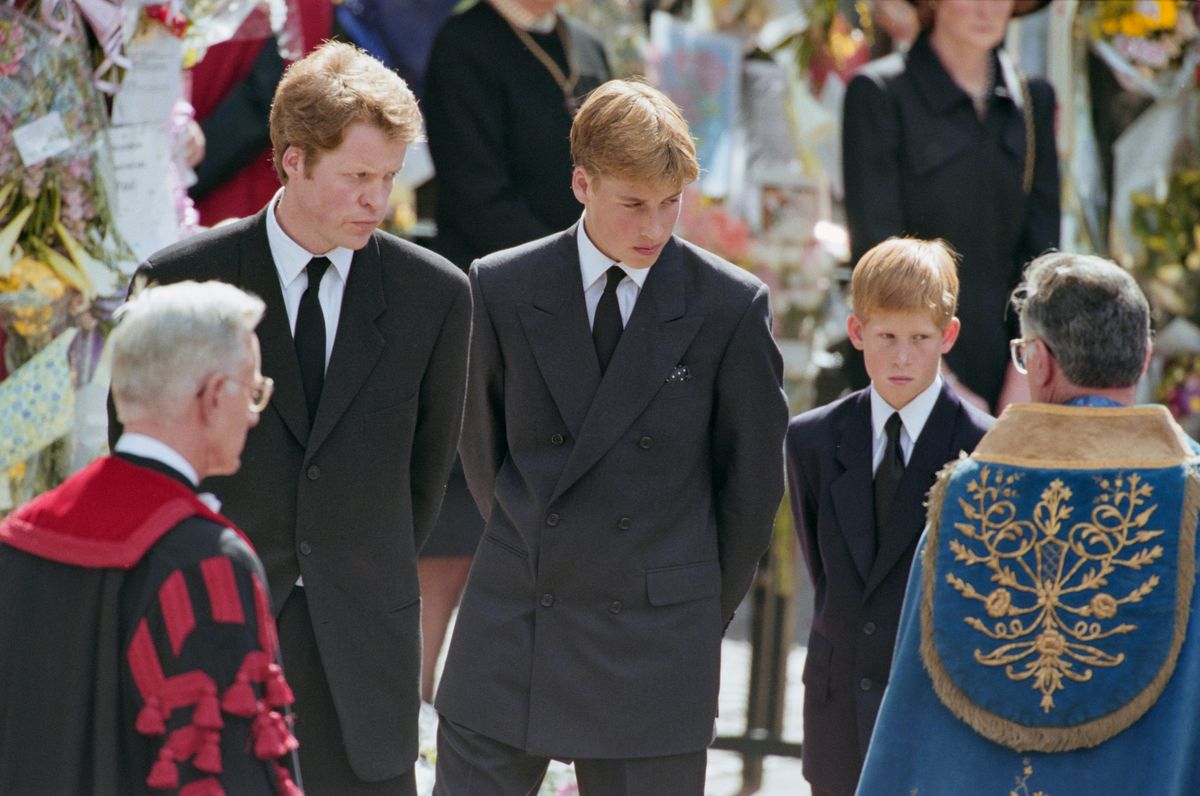
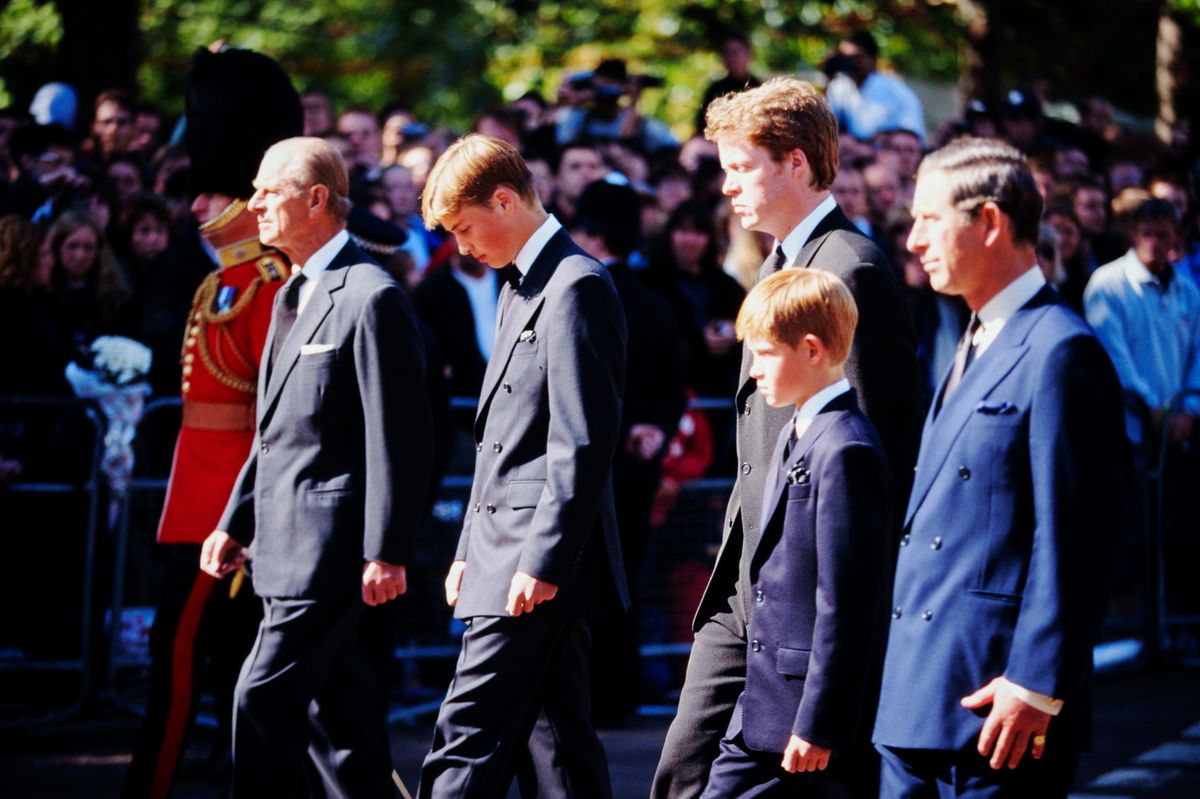
At the heart of Spencer’s account is one of the most enduring images from Diana’s funeral, William and Harry walking behind their mother’s coffin alongside their father, grandfather Prince Philip and uncle Charles Spencer.
 © Princess Diana Archive
Spencer says he objected after being informed in the days before the funeral that the young princes would take part in the procession. According to his account, the disagreement ultimately led to his heated exchange with Charles.
William has previously discussed the difficult decision. Speaking in the 2017 BBC documentary Diana, 7 Days, the Prince of Wales described it as a “collective family decision.”
 © Richard Baker
Nearly 30 years later, the circumstances surrounding Diana’s death and funeral remain the subject of intense public interest.