Prince Albert II stepped away from Monaco for a culturally significant engagement in Paris, where he discovered an exhibition that holds a surprisingly personal connection to his family and the principality’s history.
The sovereign visited the Petit Palais on Monday, September 14, accompanied by Paris Mayor Emmanuel Grégoire and the curators of Éva Gonzalès: A Free-Spirited Artist’s Journey. The major exhibition, which opened to the public on September 15, seeks to restore Gonzalès to her rightful place in 19th-century art.
 © PLS Pool
However, Albert was more than an ordinary visitor. The artist had deep Monegasque roots, and a significant part of the exhibition was made possible by treasures preserved by his own family.
According to the Prince’s Palace, Monaco’s Princely Collections include around 10 paintings by Gonzalès. The Palace Archives also hold a collection of family documents that shed light on her history. Albert is consequently one of the exhibition’s most important lenders.
 © Niall Carson - PA Images
A connection dating back centuries:
Born in Paris, Gonzalès was the daughter of celebrated novelist and playwright Emmanuel Gonzalès. Her family was of Spanish origin and had established itself in Monaco at the beginning of the 17th century, when a Spanish garrison was stationed on the Rock to defend the principality’s sovereignty.
That centuries-old connection explains why Gonzalès’s story and work remain so well represented within Monaco’s royal collections. During his visit, Albert viewed a selection of her paintings and toured the exhibition alongside its curators.
 © PHAS
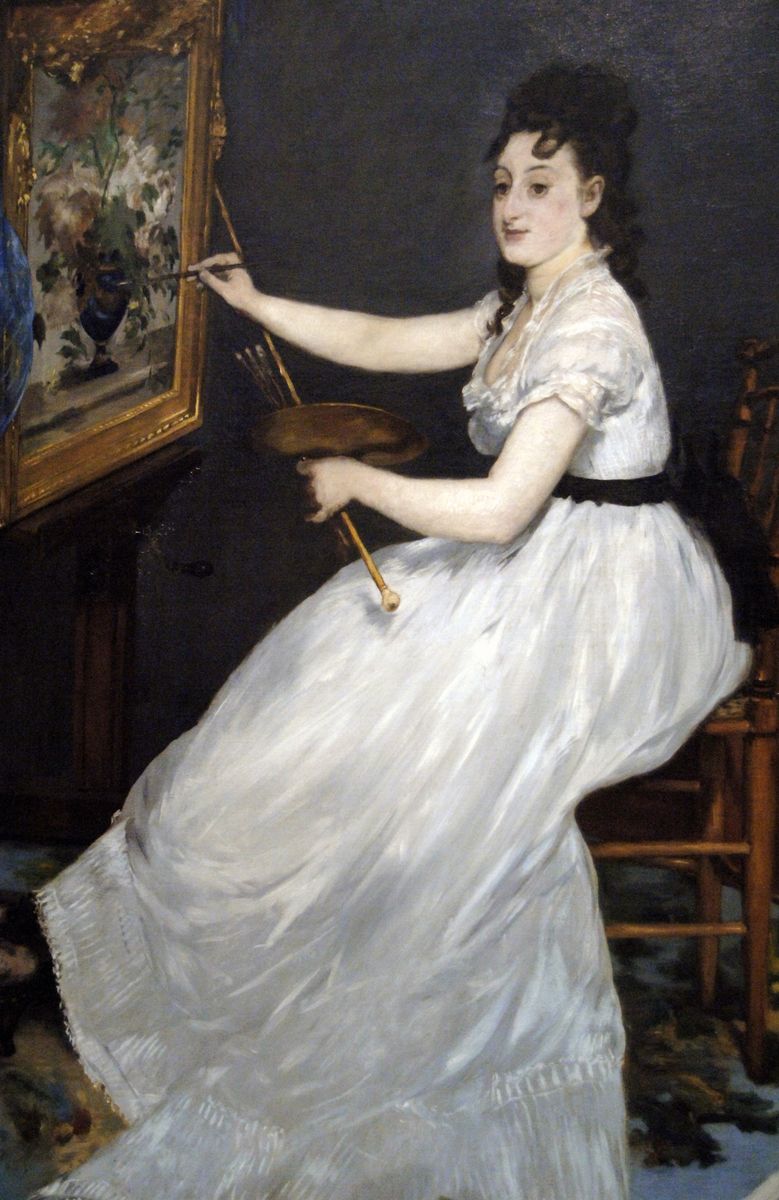
Images released by the Palace showed the royal studying the artwork closely and posing with Emmanuel Grégoire in front of a large reproduction of one of Gonzalès’s evocative portraits.
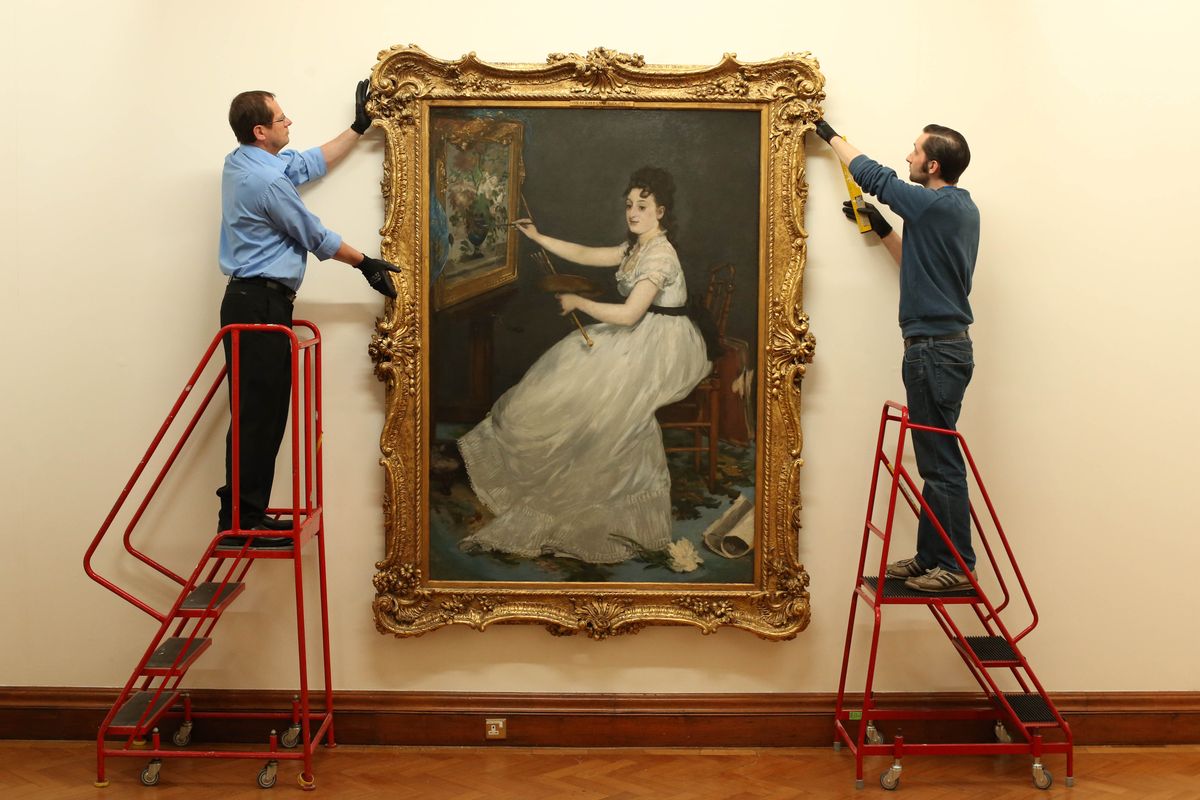
The exhibition is the first major retrospective devoted exclusively to the artist, who was the only formal pupil Édouard Manet accepted into his studio.
 © NICOLAS TUCAT
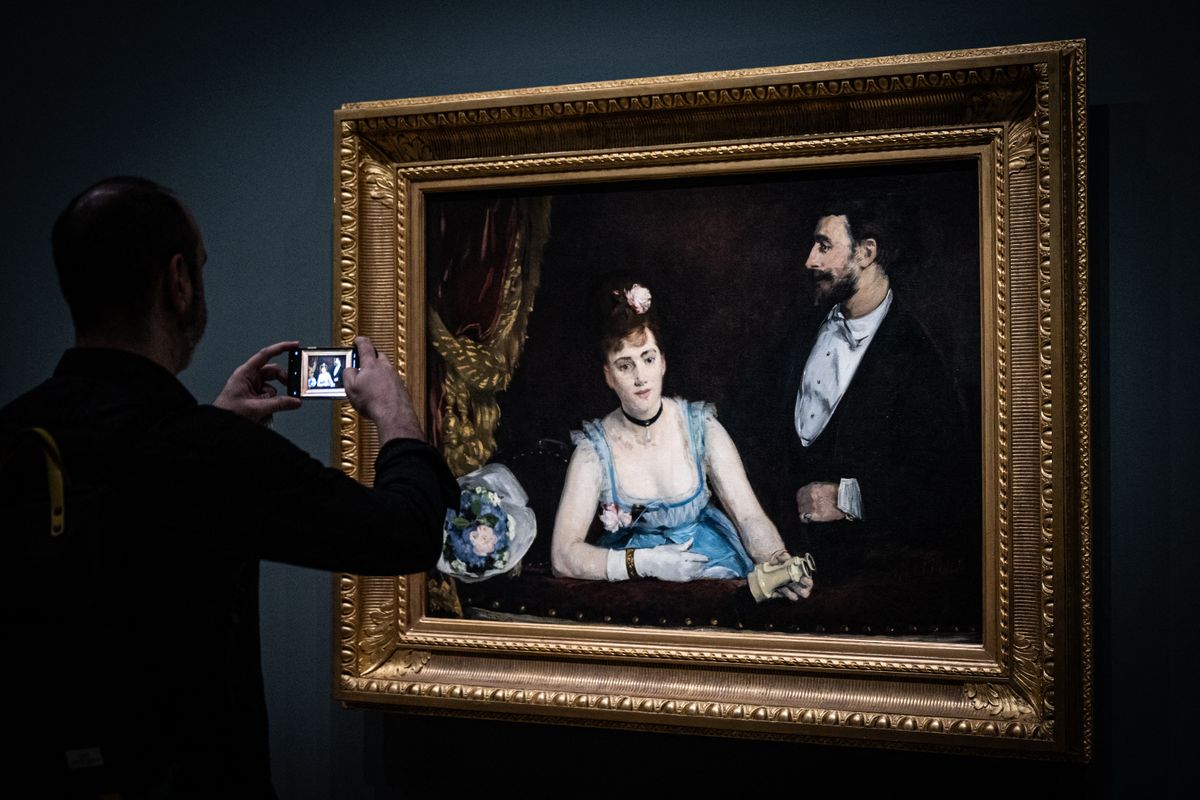
Although she is often grouped with female Impressionists including Berthe Morisot, Mary Cassatt and Marie Bracquemond, Gonzalès developed an artistic identity of her own and never participated in the Impressionists’ independent exhibitions.
Her work became known for its luminous palette, intimate domestic scenes and masterful treatment of fabrics. Many of her paintings depicted women reading, resting or absorbed in private moments, offering an unusually nuanced perspective on women’s lives during the period.
 © MIGUEL MEDINA
Gonzalès died prematurely in 1883 following the birth of her son, only days after the death of Manet. Her brief career and the subsequent dispersal of her work contributed to her name receiving far less recognition than many of her contemporaries.
Bringing together nearly 100 paintings, pastels and engravings, the new exhibition hopes to change that. It will remain at the Petit Palais through January 24, 2027, before traveling to Amsterdam’s Van Gogh Museum the following spring.