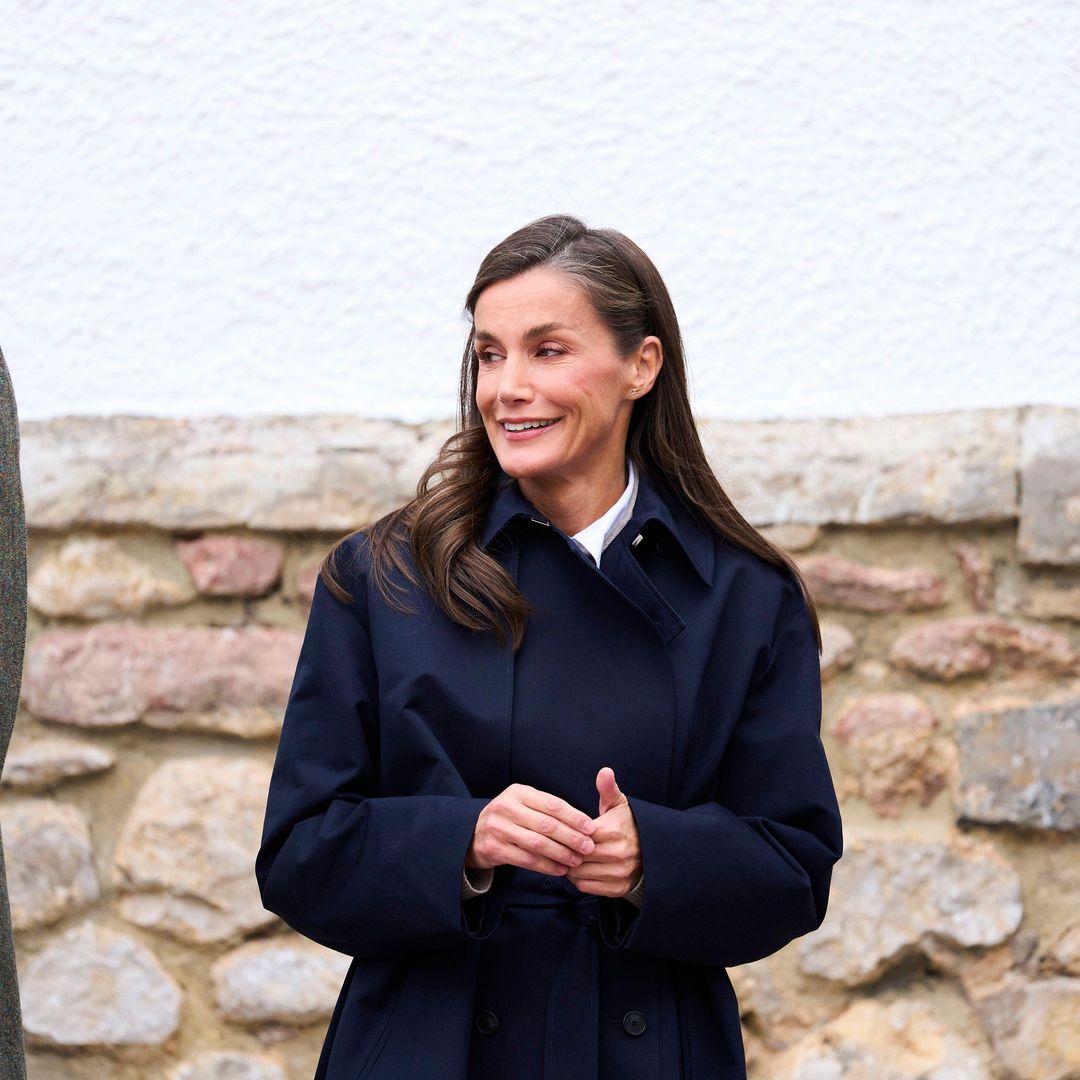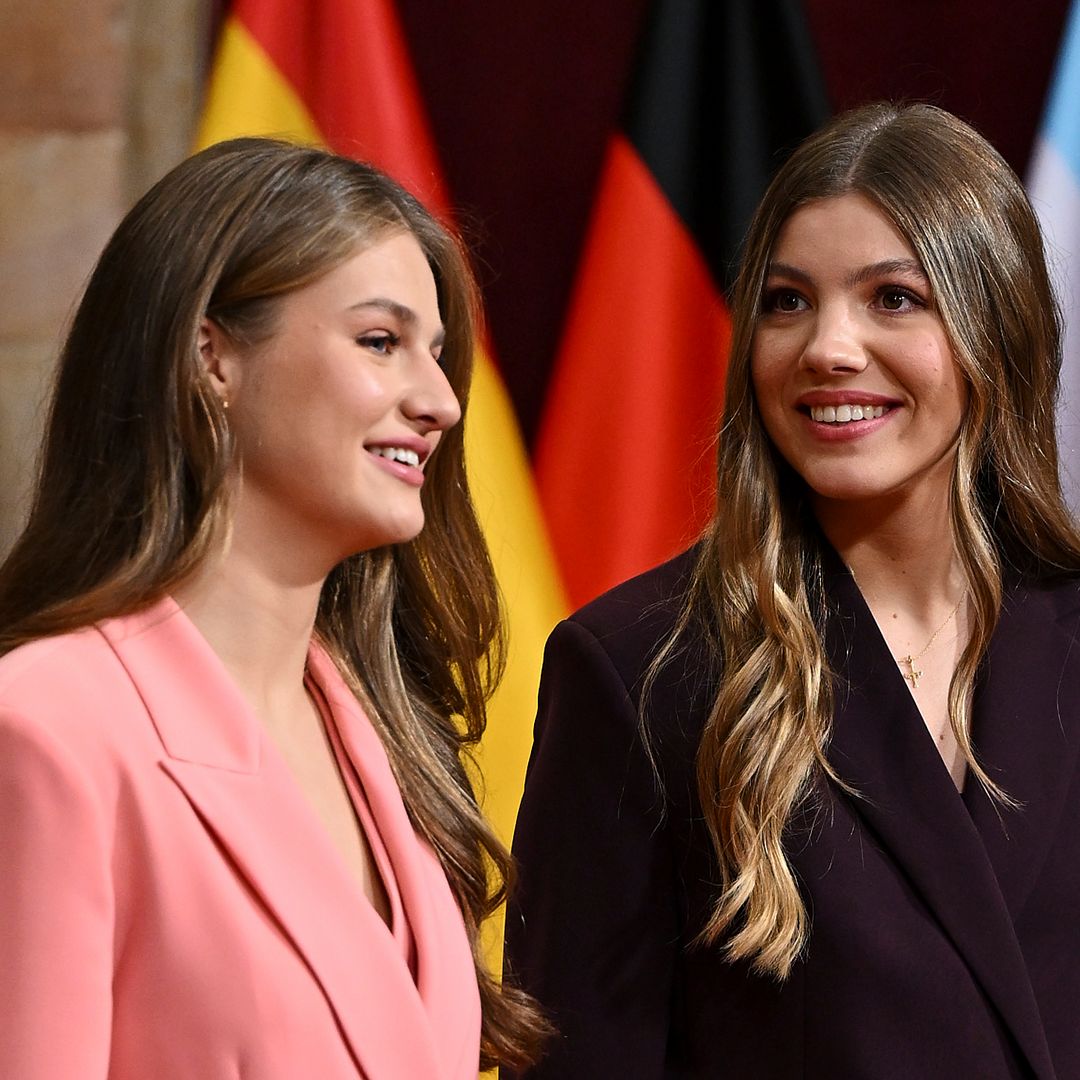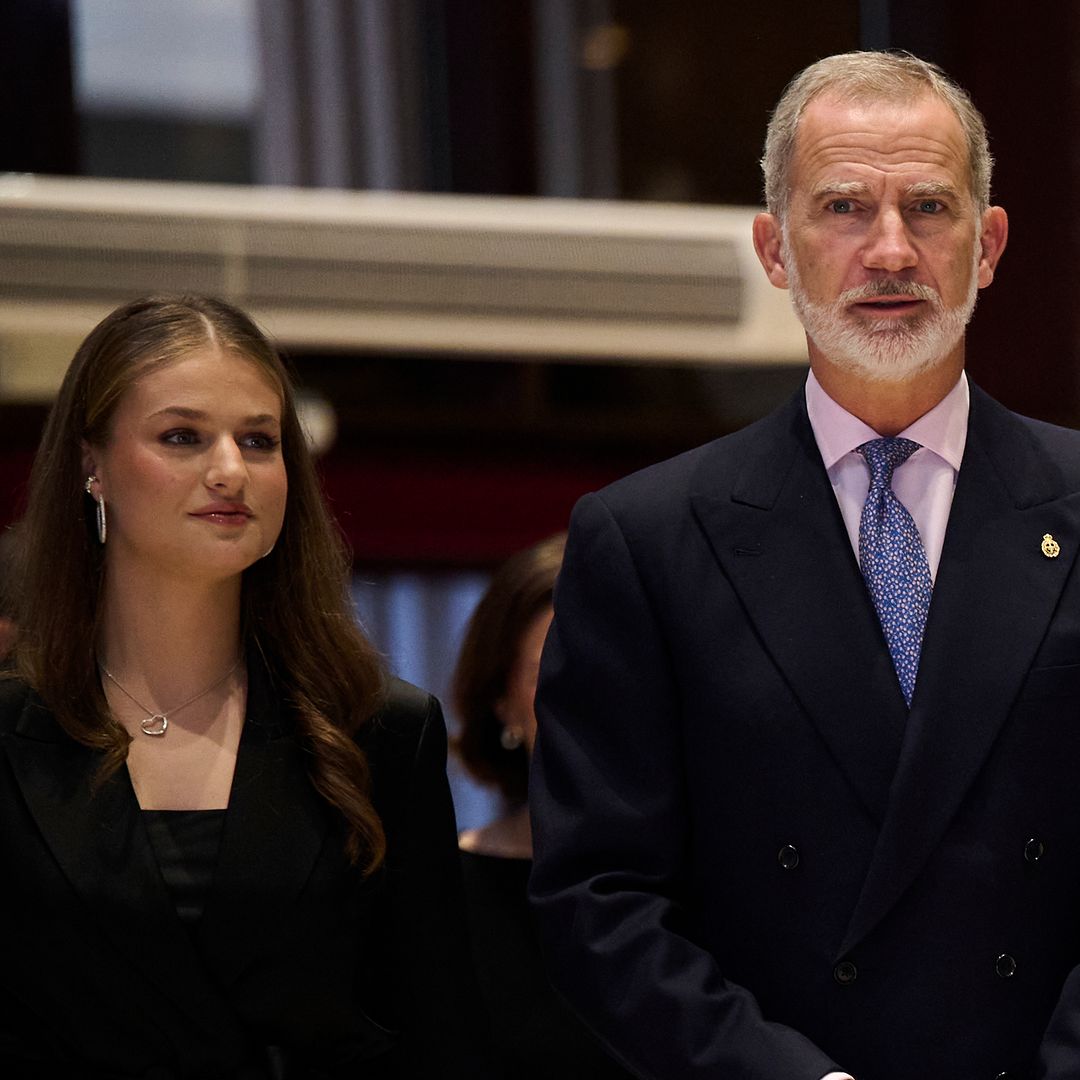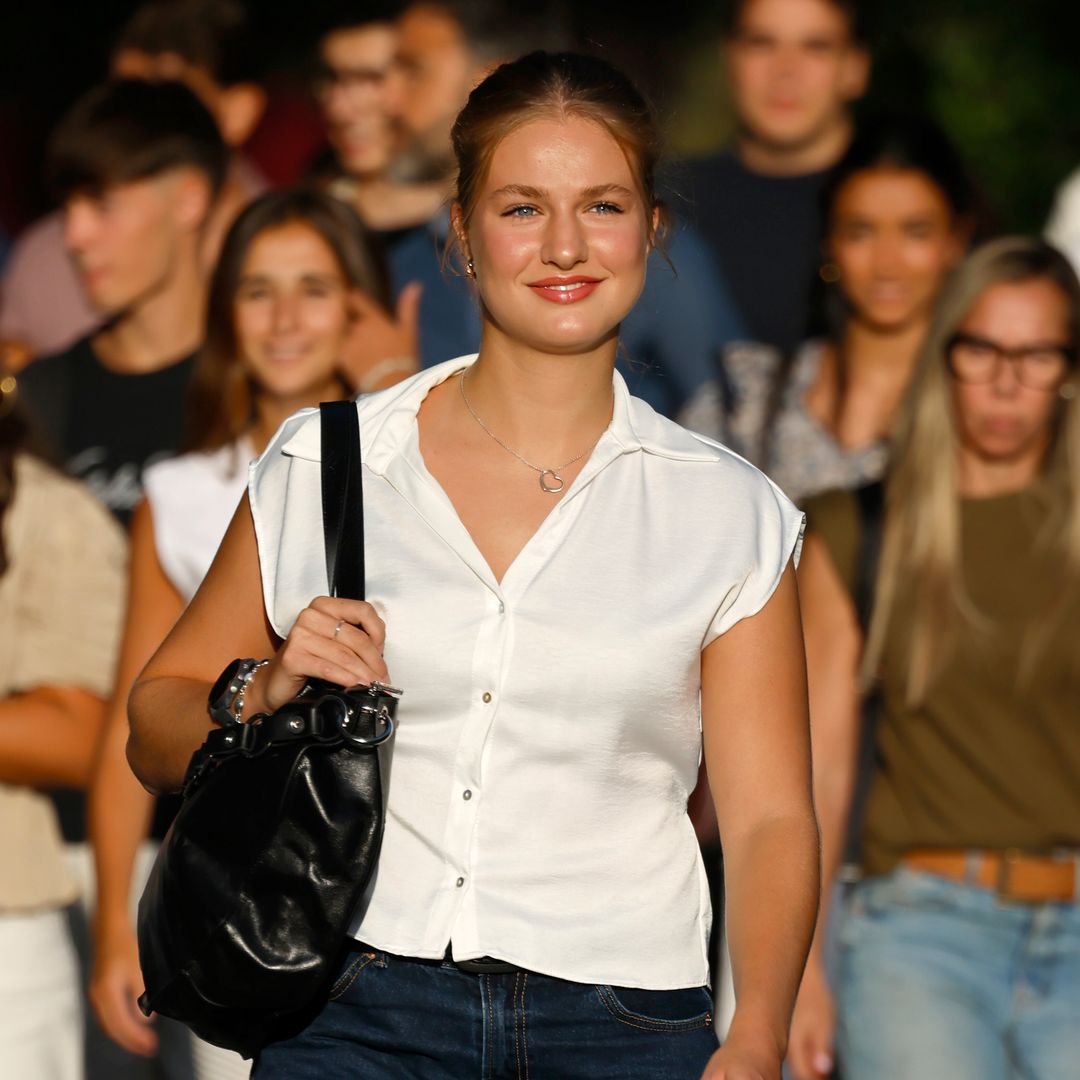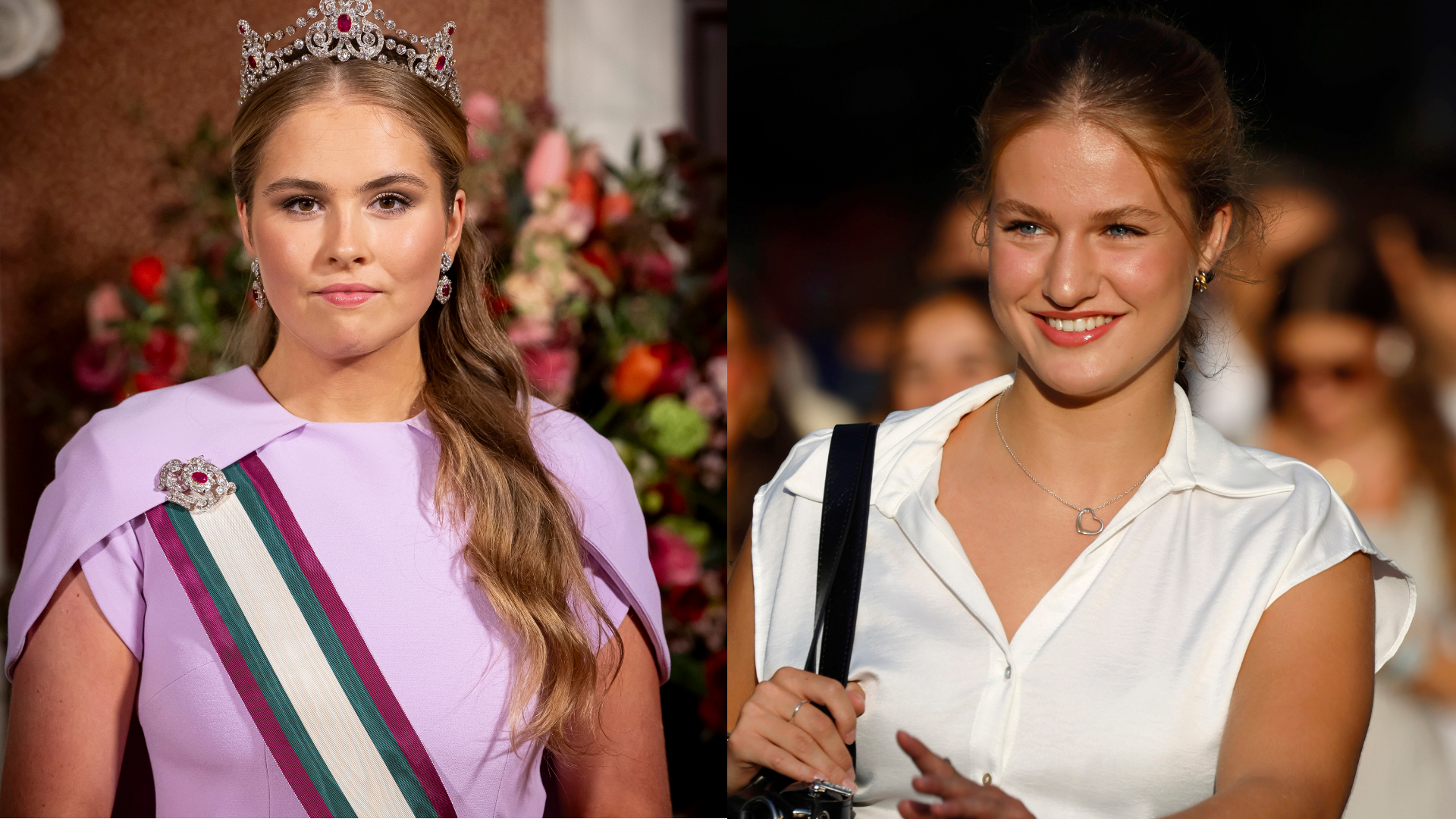
Two princesses are rewriting the rules on what a future queen is supposed to look like — and the story is told entirely with their jewelry boxes. Spain's Princess Leonor and the Netherlands' Princess Amalia are both heirs apparent, both members of the same Gen Z cohort now stepping into royal life, and both destined, eventually, for a crown. But side by side, they could not be telling more different stories with their jewelry.
 © Europa Press via Getty Images
Diamonds have always carried outsized meaning in royal circles — treasured by some dynasties, quietly set aside by others, but historically the clearest marker of status that Europe's reigning houses had at their disposal.
That symbolism is fracturing along generational lines. As Gen Z heirs move into the spotlight, the old formula of grand dynastic jewels signaling status is splitting in two: one path toward deliberate restraint, the other toward unapologetic opulence.
Leonor has planted her flag firmly in the first camp, favoring costume pieces, pearls and low-key designers over anything resembling a vault heirloom. Amalia has done the opposite, reaching for the Orange-Nassau family's most formidable pieces when the occasion calls for it.
Leonor's low-key approach
 © Getty Images
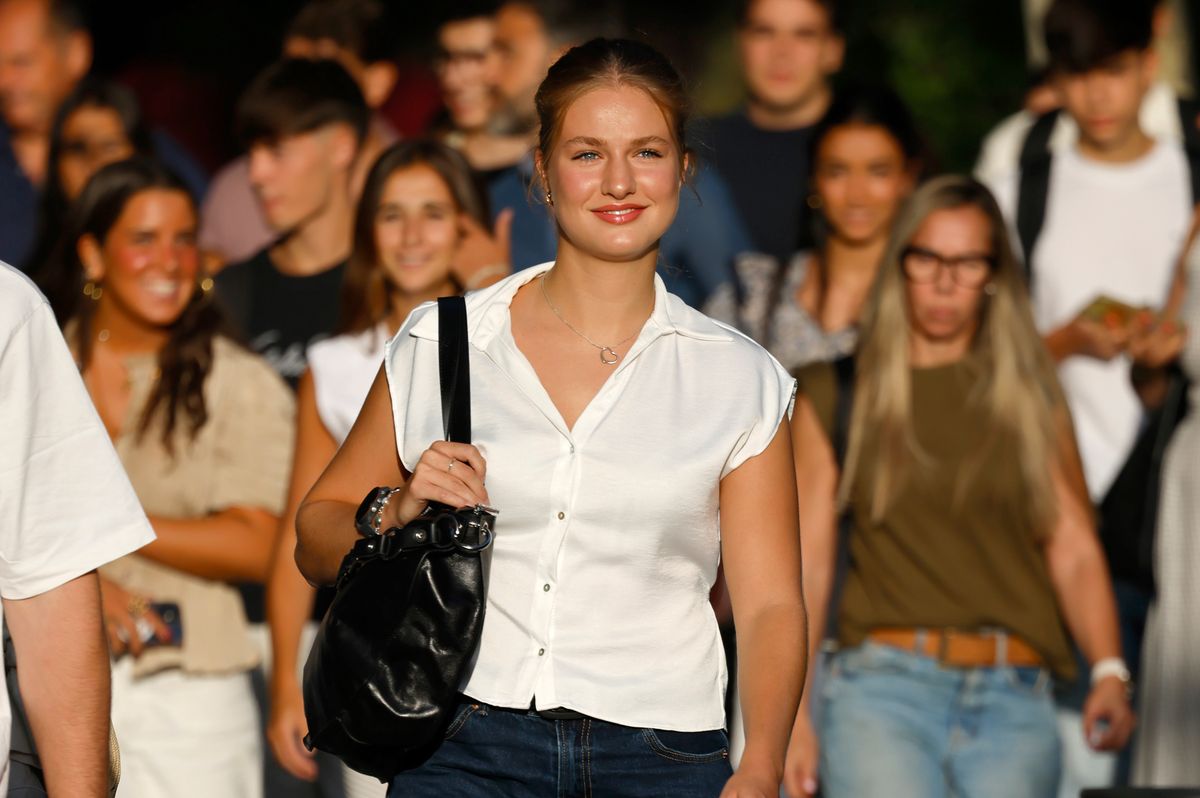
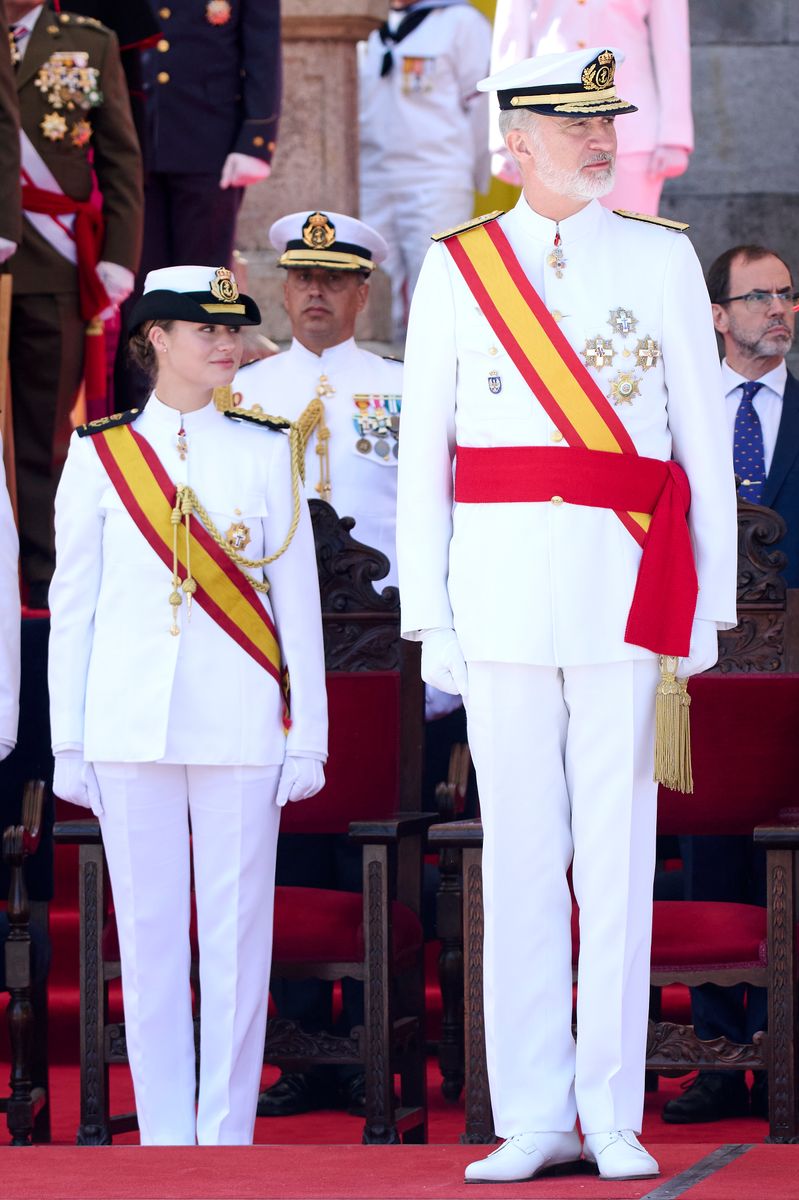
For Spain's future queen, the path forward was never going to be one built around spectacle. Leonor has structured her public life around institutional duty, education, and the slow work of preparing to become Spain's first reigning queen in nearly two centuries — and her jewelry reflects that same restraint.
Taking a page directly from Queen Letizia's playbook, Leonor has cultivated a markedly low-key and accessible image, steering her jewelry choices away from historic heirlooms and toward pieces that double as a showcase for Spanish design and contemporary talent.
It's become common to see Leonor in costume jewelry rather than anything from the crown vault — rhodium-plated, crystal-studded Carolina Herrera earrings at the Princess of Girona Awards, or pieces from younger labels like Gold & Rose.
The choice is deliberate: rather than lean into dynastic status, Leonor appears to be building a visual language aimed at younger audiences, favoring closeness over spectacle. The grander pieces are reserved strictly for official state occasions.
Amalia's maximalist counterpoint
 © NL Beeld
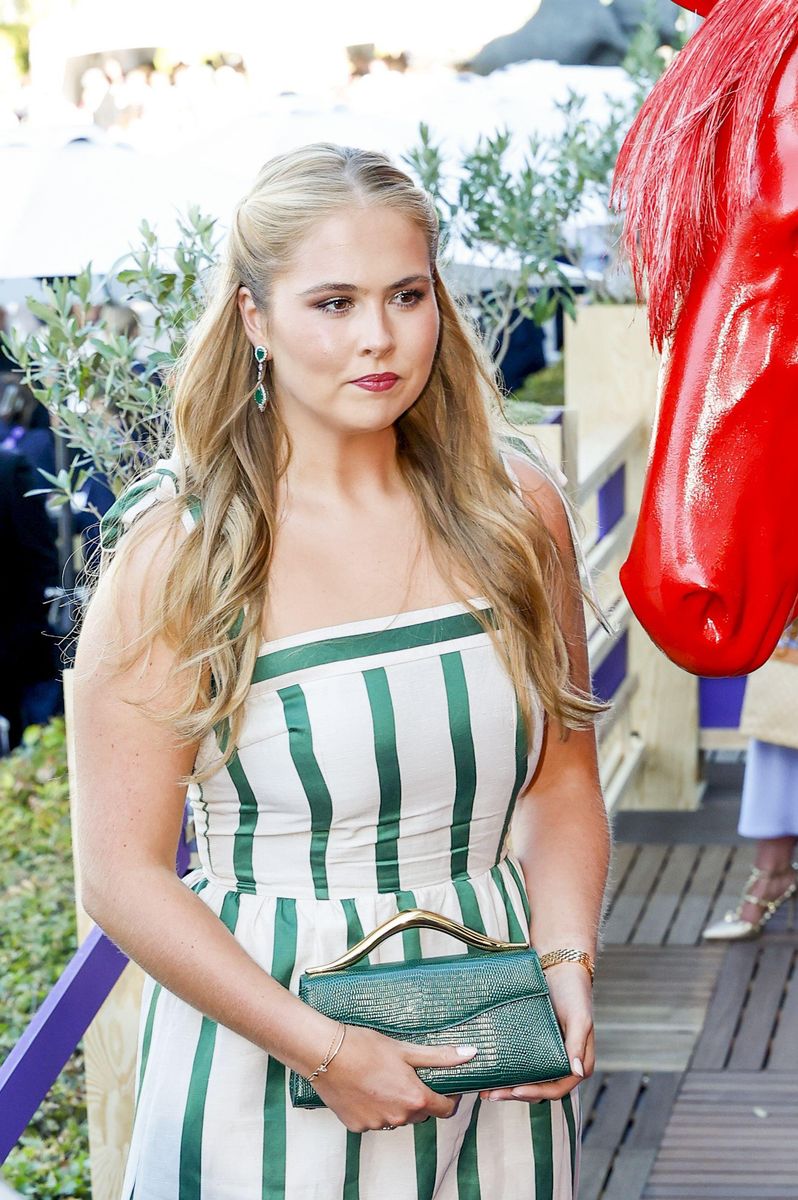
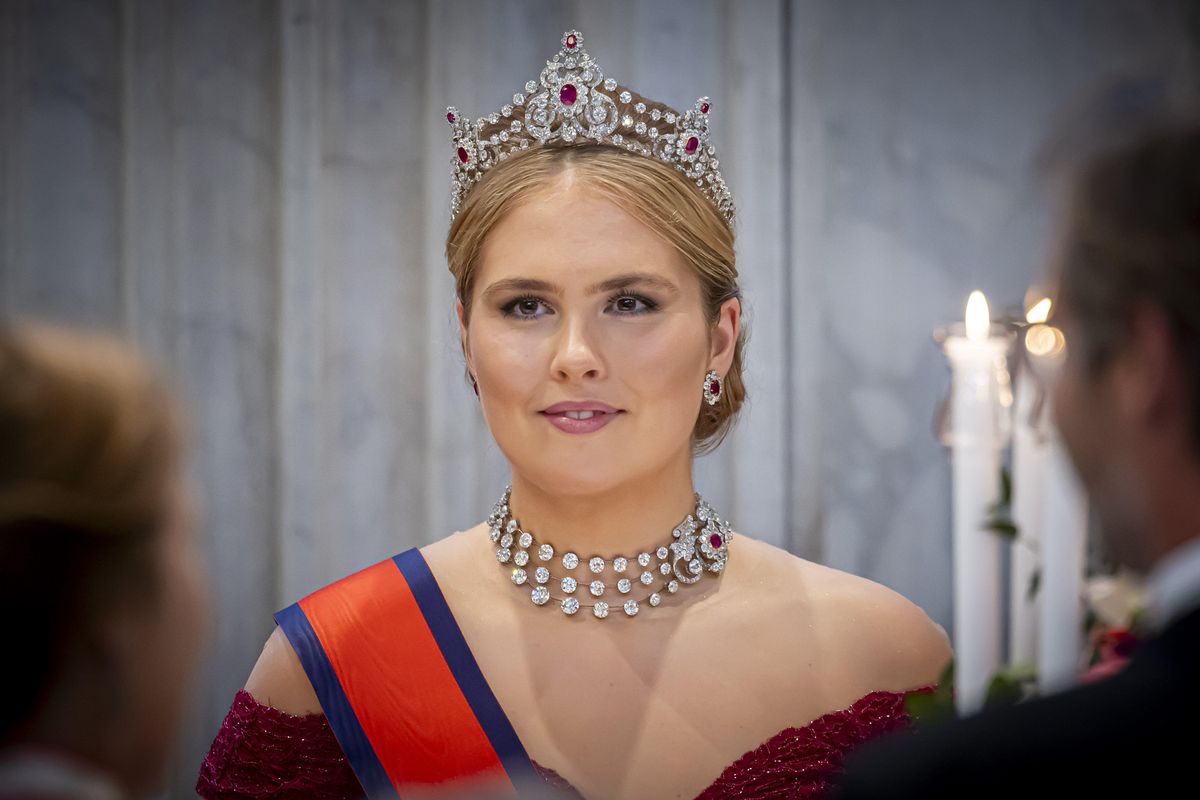
Across the border and into the Netherlands, the code flips entirely. Amalia represents the opposite instinct — treating her public role as an active tribute to the Orange-Nassau dynasty's history, blending military service and university study with a willingness to wear the family's biggest relics whenever the moment allows.
From a young age, the Dutch heir has shown a clear fascination with her mother Queen Máxima's most imposing diamonds, turning to showstopping pieces like the Peacock Tiara, the sapphire parures and the diamond bandeau. Amalia rarely lets an occasion pass without pulling from the court's most dramatic sapphires and diamond cascades — a running homage to the classical pageantry still associated with Central Europe's monarchies.
What the contrast really means
None of this is rivalry — it's geography, generational instinct and family taste all showing up in stone and metal. Leonor is building her image around transparency, restraint and youthful accessibility; Every time Amalia steps out, she delivers a full display of diamonds that reinforces her country's dynastic inheritance.
Much of that split traces back to their mothers' own sensibilities, which means the royal jewelry box has become something closer to a chest of meaning — every piece inside it saying something about the era and the queen it belongs to.
 © ANP
© ANP