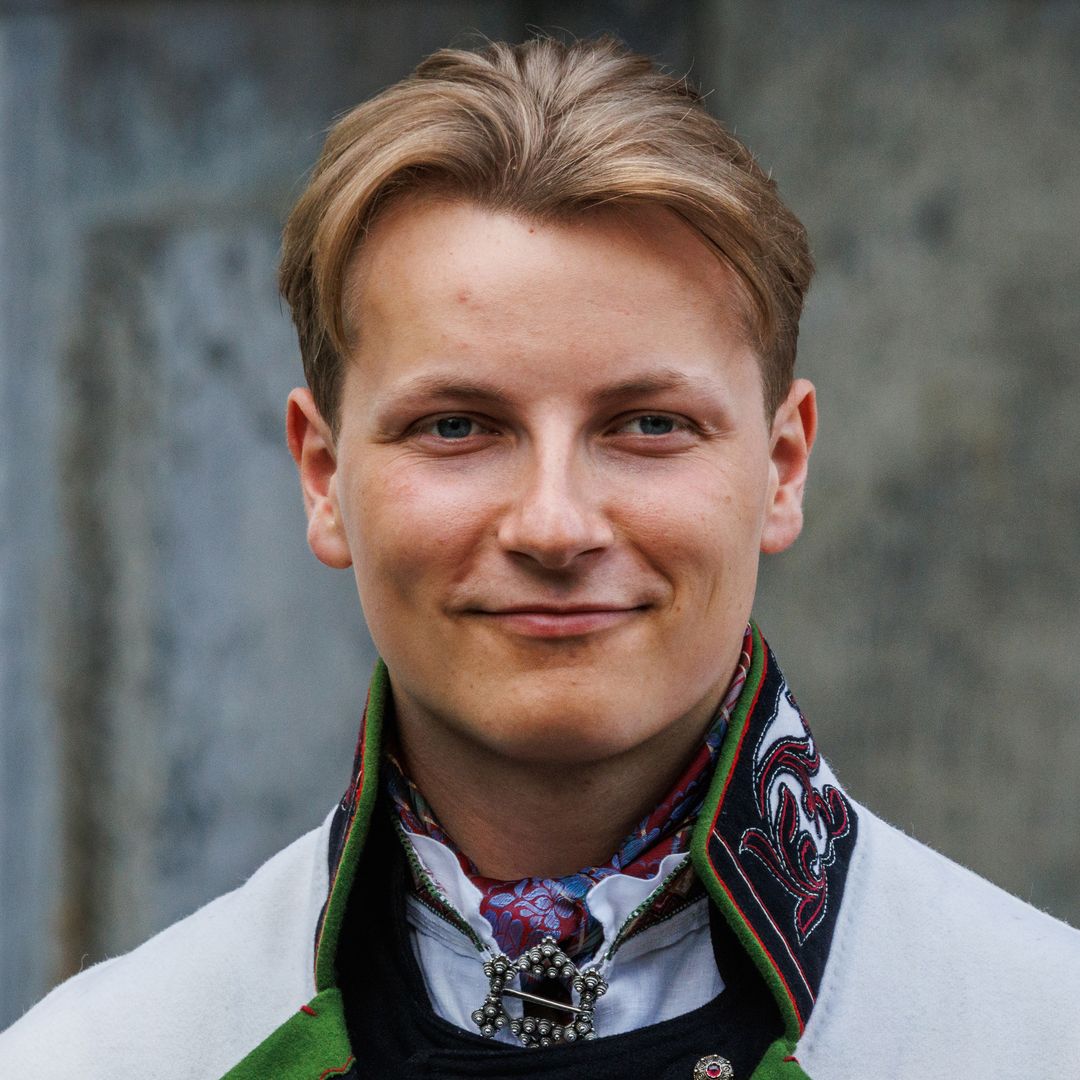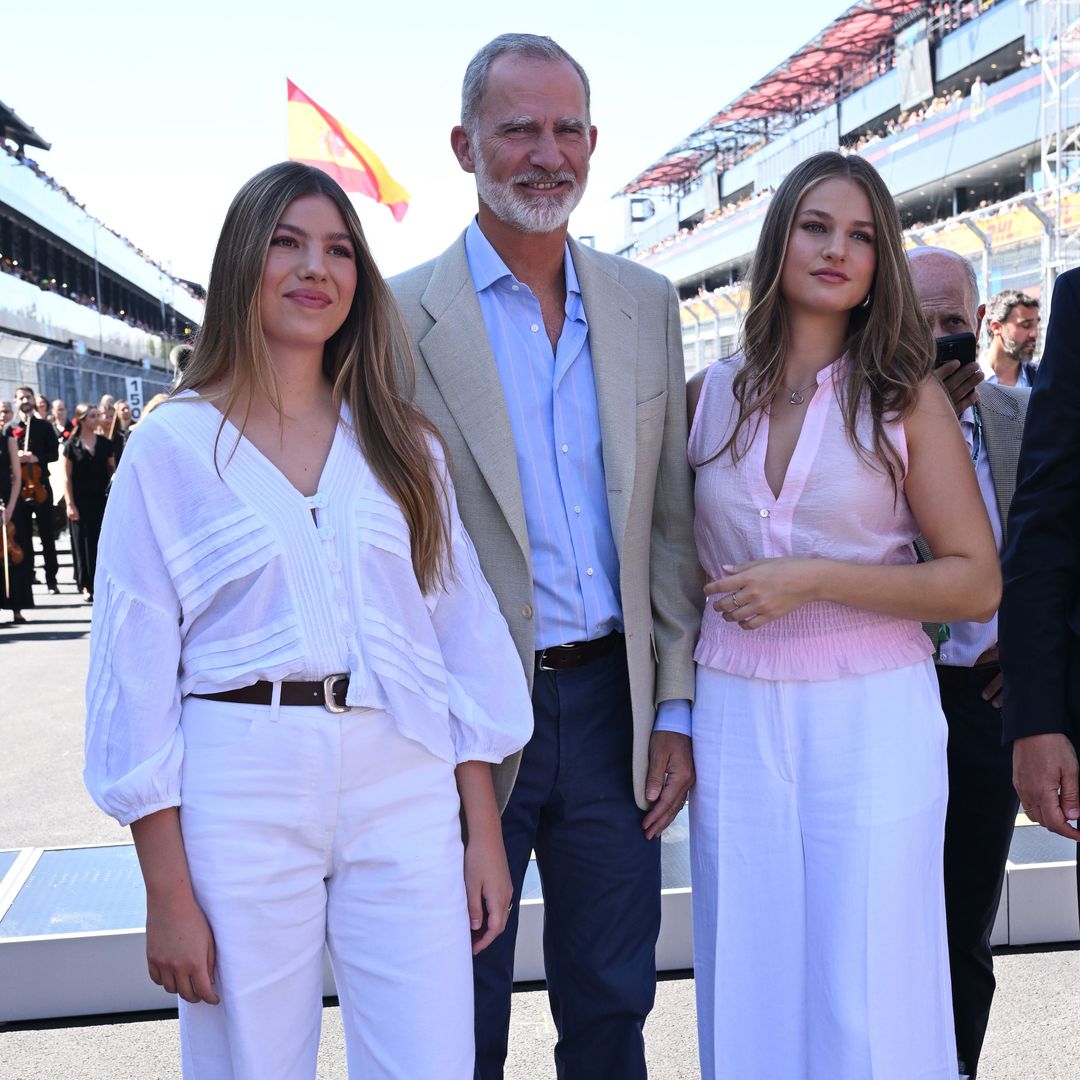
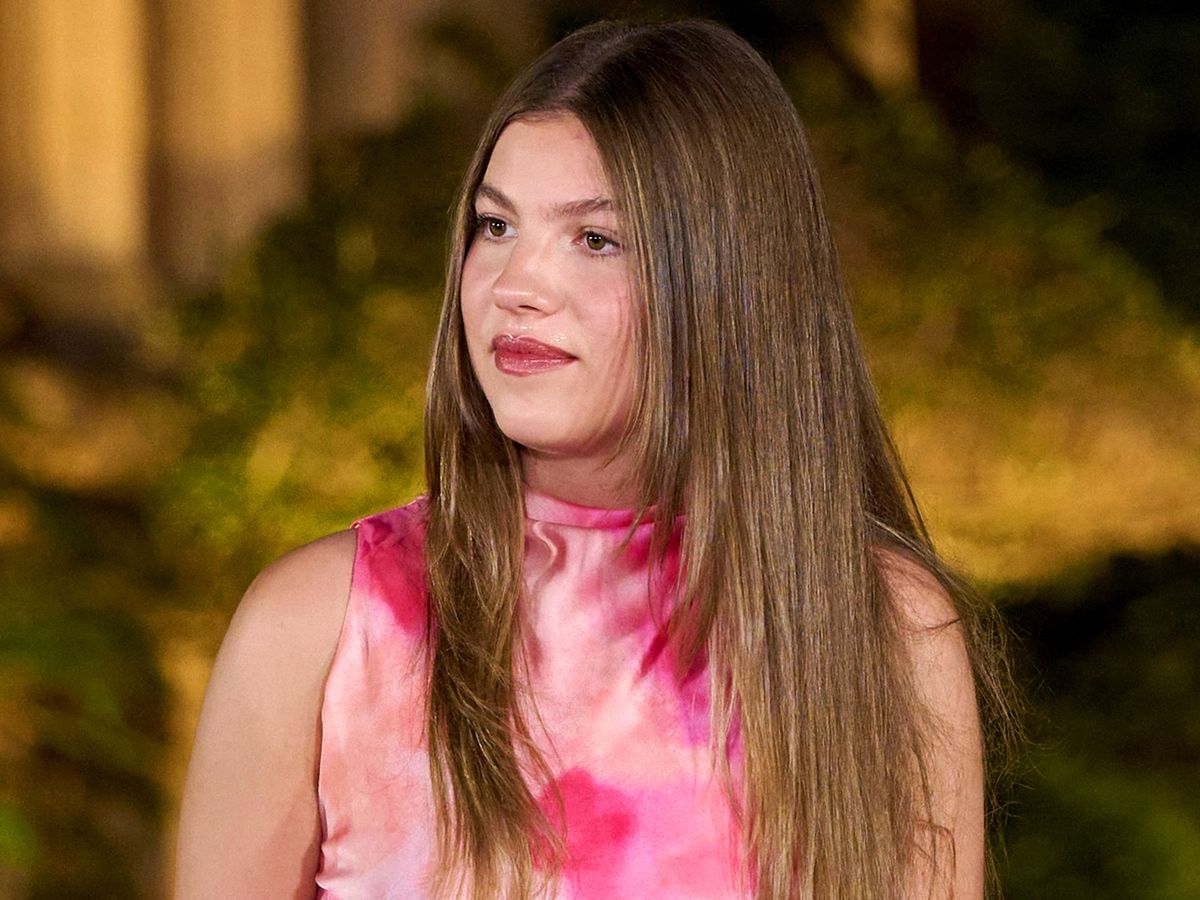
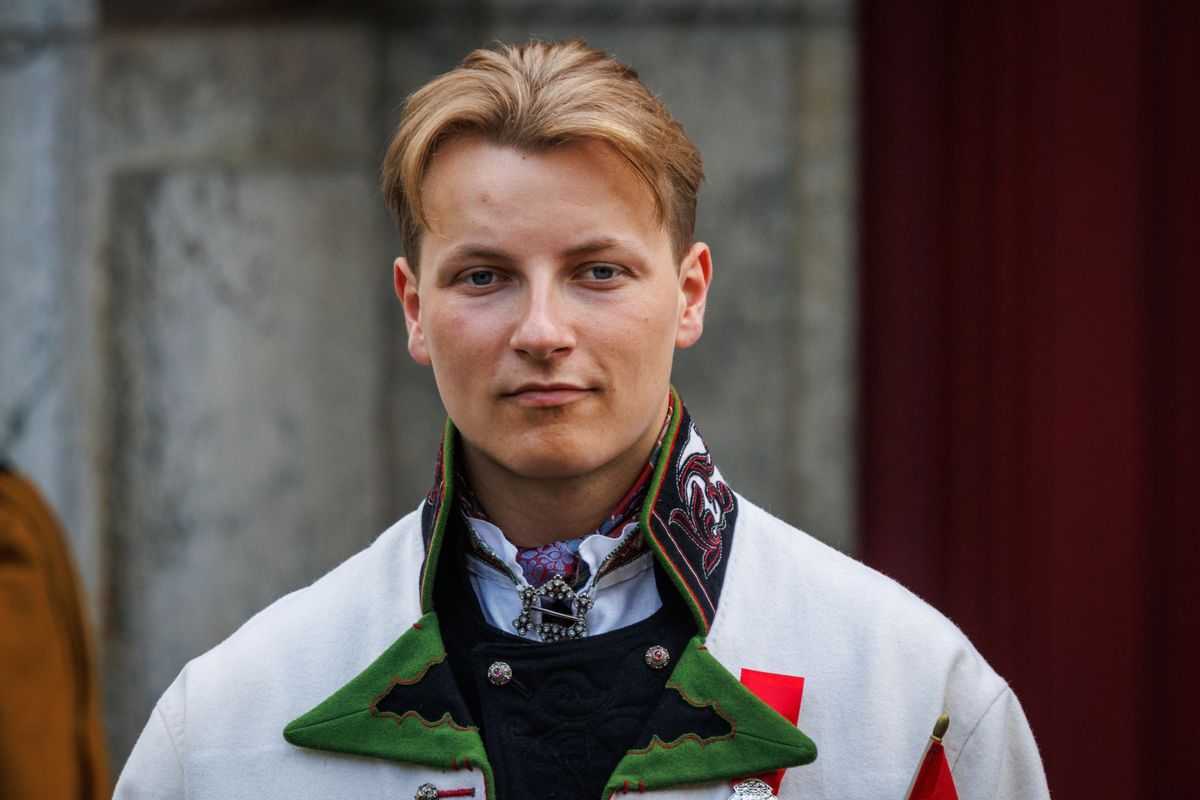
Norway's Prince Sverre Magnus is packing his bags for Lisbon. This fall, the 20-year-old will enroll at Forward College — the boutique, English-language university with campuses in Lisbon, Paris and Berlin — following the exact academic path set by Spain's Infanta Sofía. He'll study business management, moving through the three cities year by year, much as Sofía has done since choosing the school for her own degree in political science and international relations. The two aren't expected to overlap on campus, but the symbolism is hard to miss: a Norwegian royal house in crisis has looked to Madrid for a blueprint.
 © Getty Images
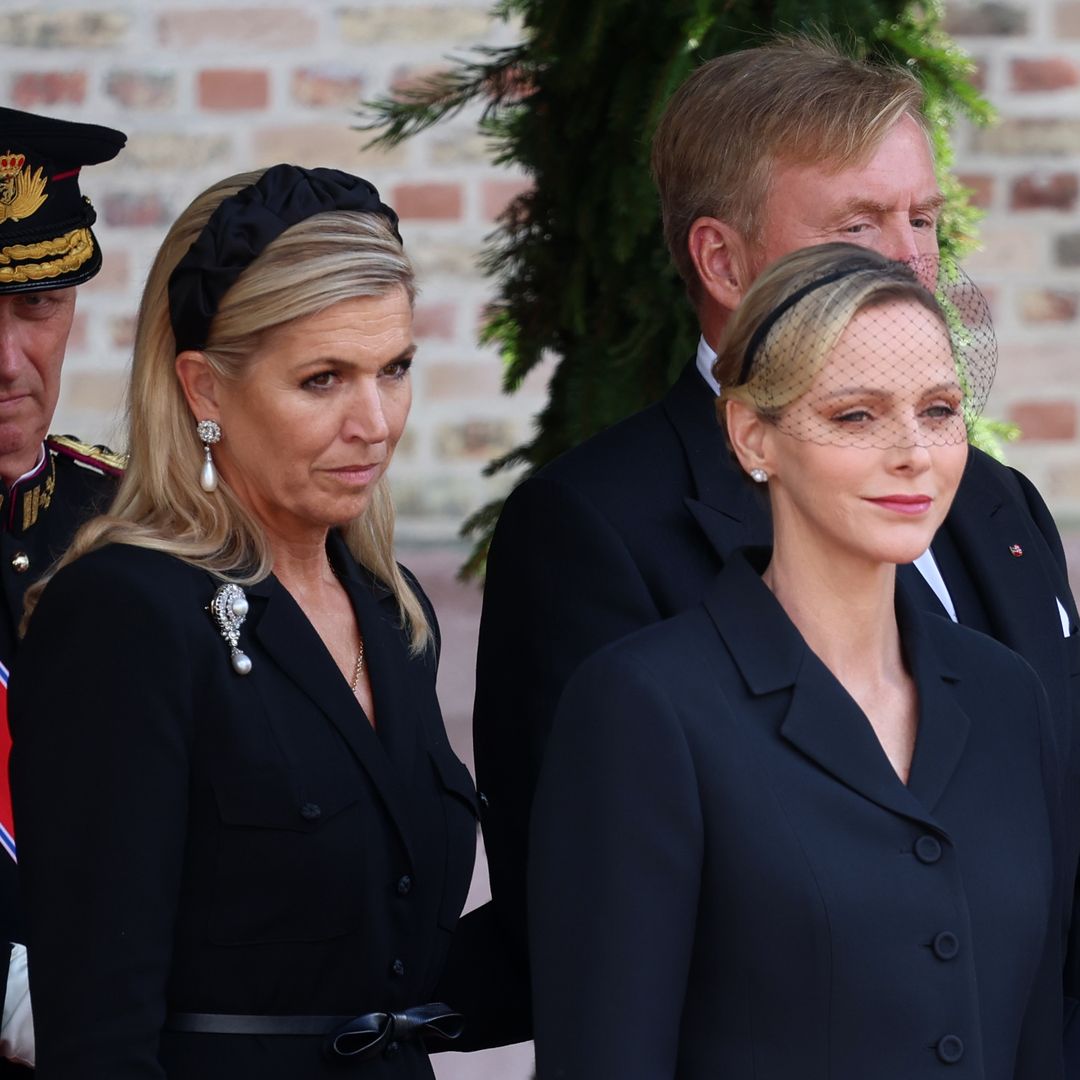
It isn't the first time one European court has copied another's playbook. For decades, princes filed through the same short list of prestigious addresses — Sandhurst for military training, Georgetown for political science, Oxford and Cambridge for nearly everything else. The pattern has now modernized. The daughters of Willem-Alexander and Máxima of the Netherlands already attend the same school as Princess Leonor and Infanta Sofía, reinforcing a broader shift toward international, English-language education among Europe's rising royals.
Norway's decision to send Sverre Magnus to Sofía's own college confirms it: the youngest daughter of Felipe VI and Letizia has become an academic reference point for other monarchies.
At 20, Sofía pairs an international university education with her own public agenda and a steady presence at official events, a combination that sets her apart from her royal contemporaries. Denmark's Princess Isabella, the Netherlands' Princess Alexia, Belgium's Prince Gabriel, and — until recently — Norway's own Sverre Magnus had not built anything resembling this level of institutional engagement. Sofía's ability to hold together academics and public duty is unusual for her generation, and it's precisely that formula Norway appears to be borrowing.
 © Getty Images
The Sibling's New Job Description
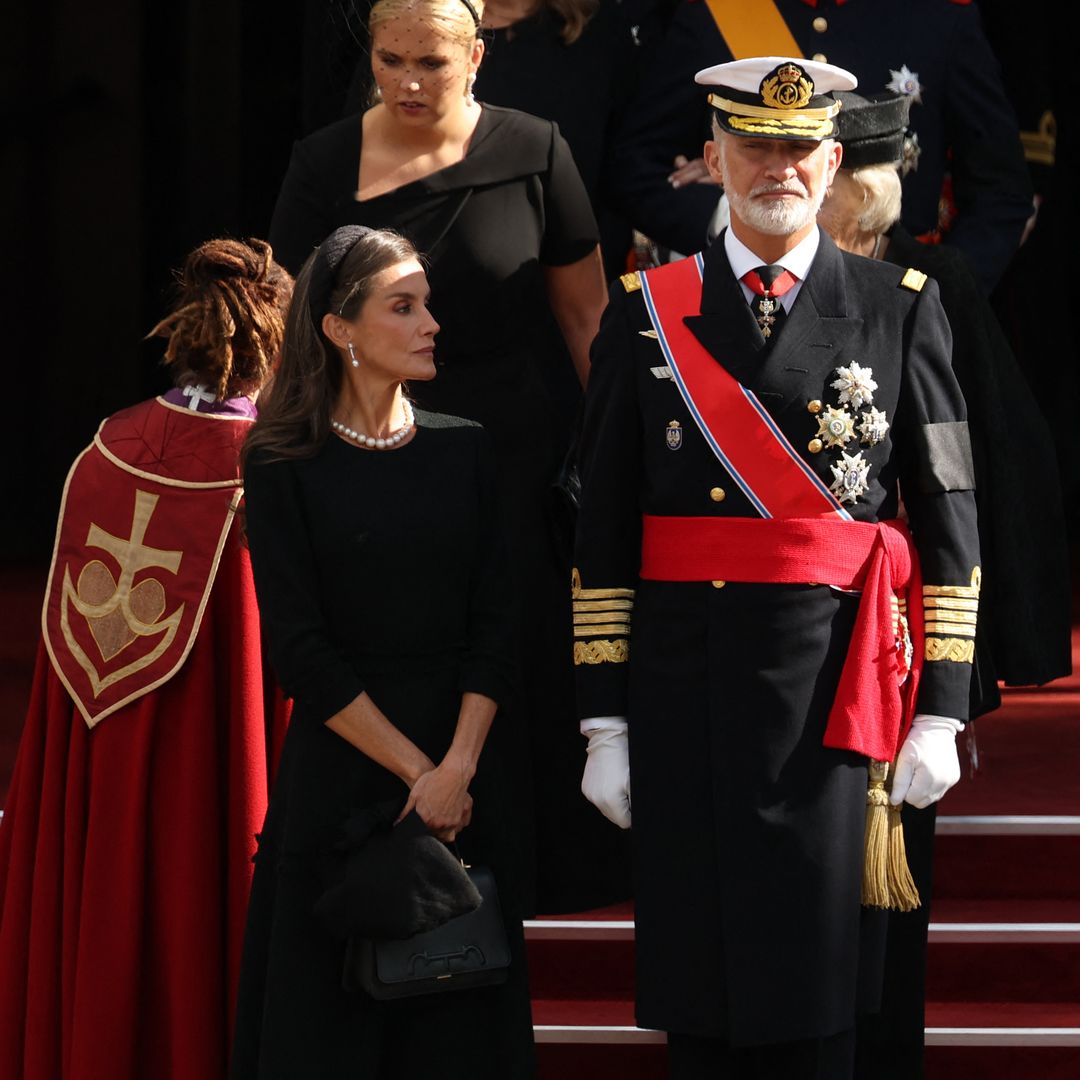
In today's monarchies, a future monarch's brother or sister is no longer a spare or a footnote; they're a partner in sustaining the institution's legitimacy. Their closeness in age, their intimate understanding of royal life, and the bond they share with the future monarch position them for real duties: support, representation, and reinforcing the values the crown is meant to embody. Exemplary conduct, once expected mainly of the heir, now extends across the whole family. That expectation demands a rigorous, purposeful education — one built around the shared responsibility of protecting the institution, not just supporting whoever happens to be first in line.
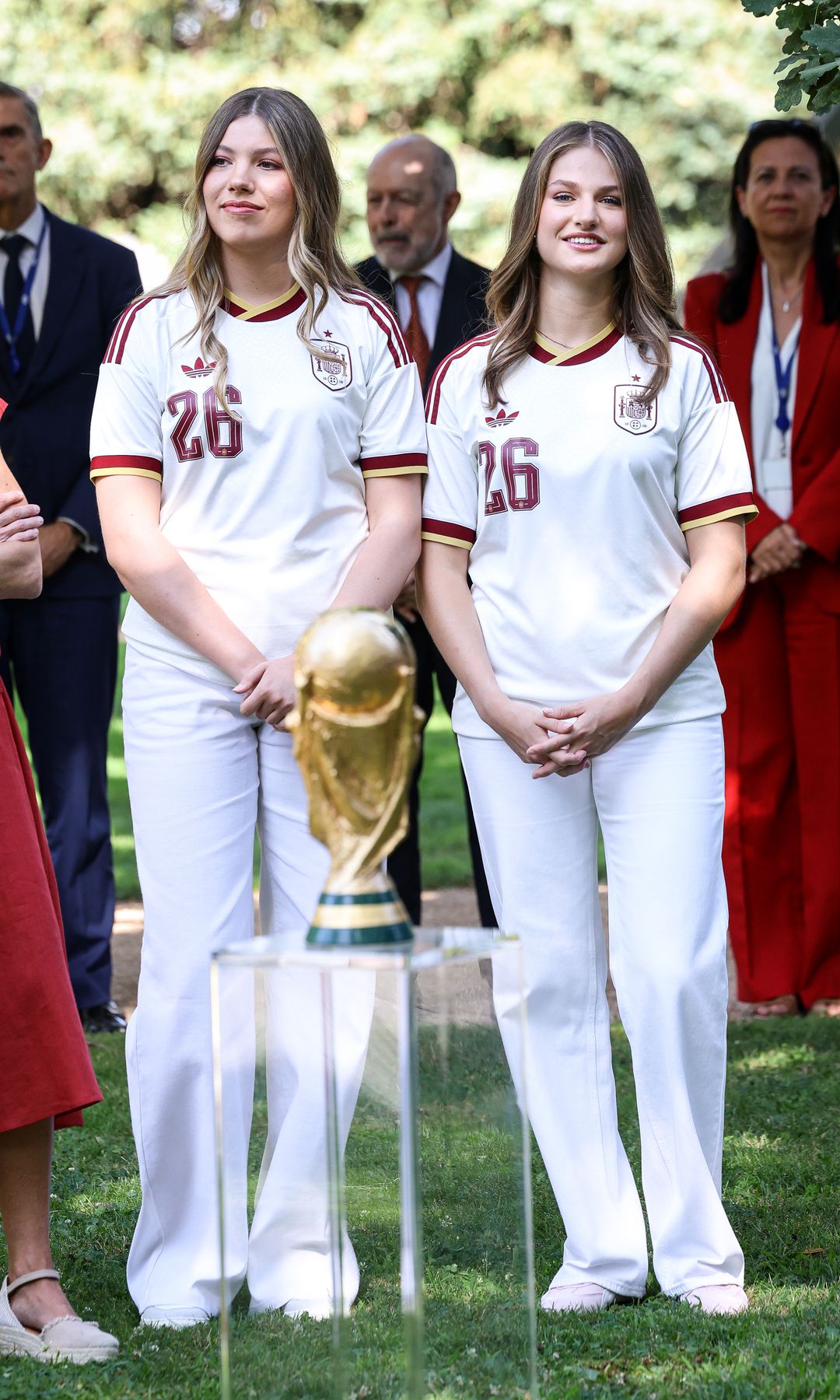
That's the logic behind the recent trend of royal houses educating their "second children" on tracks that mirror the heir's own — and it explains why Sofía's path (international study, an independent public schedule, constant visibility) has become the template others are copying. She isn't simply standing beside Princess Leonor; her role reinforces the monarchy's connection with ordinary citizens and its legitimacy in practice, making her the clear model for the new royal generation.
 © Paolo Blocco
From Private Citizen to Pillar of the Institution: Norway's Reckoning
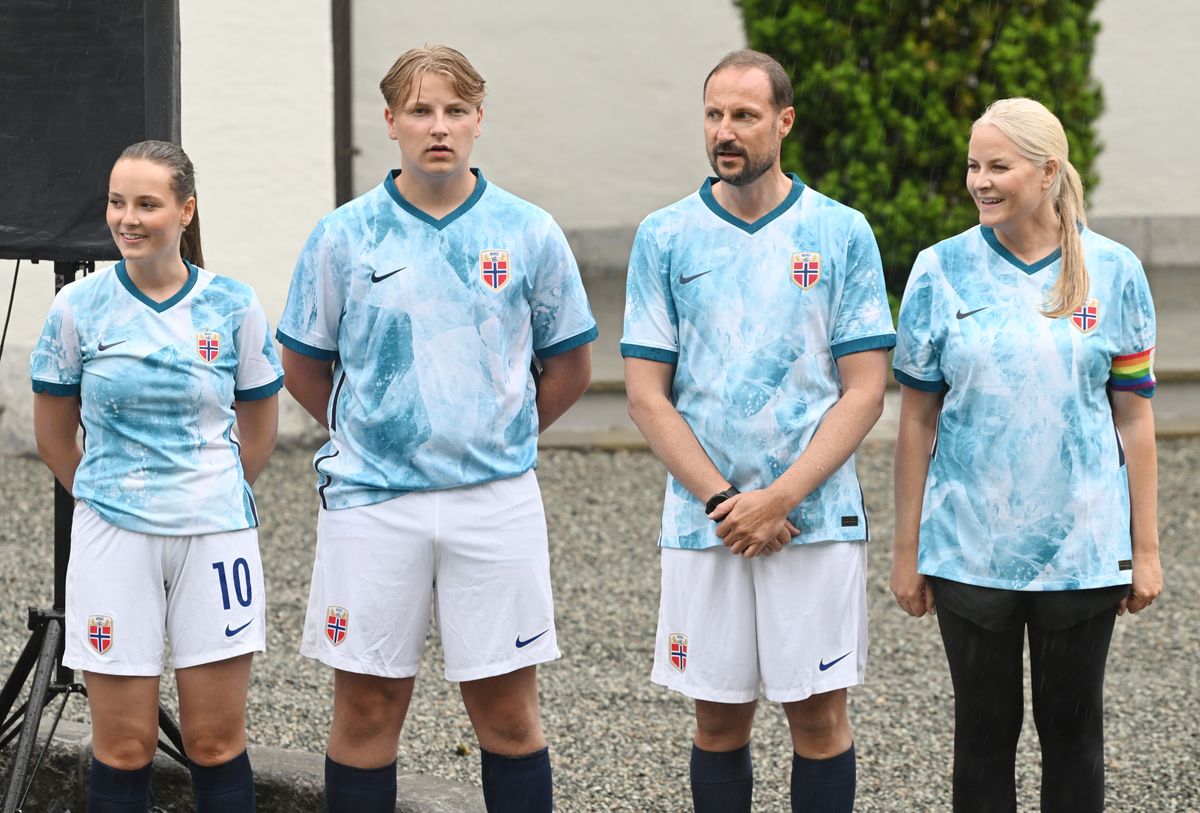
Sverre Magnus's story is nothing like Leonor's or Sofía's carefully mapped-out itineraries. For years, Oslo's royal household kept him out of the spotlight. Crown Prince Haakon and Crown Princess Mette-Marit said repeatedly that Sverre Magnus had no official duties and should be treated more or less like any other young Norwegian — comparing him, at times, to his older half-brother Marius Borg Høiby, who holds no title and no place in the line of succession, as the biological son of Mette-Marit. That position has shifted dramatically.
After graduating from Oslo's Elvebakken high school in June 2024, Sverre Magnus largely disappeared from public view. What little surfaced suggested an ordinary life: a girlfriend, Amalie Giæver Mcleod, who enrolled at Bocconi University in Milan; a move to Italy to be near her; and a budding interest in photography that led him to register his own production company, Sverre Magnus Productions, in the summer of 2024. That same summer, everything changed.
 © Jordan Bank - FIFA
The first arrest of his brother set off a crisis the Norwegian monarchy still hasn't fully absorbed. Borg, now 29, was convicted in June 2026 on two counts of rape and one count of domestic violence — a first-instance ruling carrying a four-year sentence, which he is appealing. Layer onto that the advancing age of King Harald and Queen Sonja, Crown Princess Mette-Marit's worsening health, and the reputational fallout from Mette-Marit's friendship with Jeffrey Epstein for years after his 2008 conviction — and the result was a crisis the institution couldn't ignore.
The fallout reordered the family's plans almost overnight. Princess Ingrid Alexandra cut short her studies at the University of Sydney and returned home; she has since taken up an exchange placement at the University of Oslo, and Norway's parliament is now weighing a constitutional amendment that would let her formally step in as regent when neither the king nor the crown prince can preside over the Cabinet. Sverre Magnus, meanwhile, went from a young man kept apart from royal life to a figure the institution needs. Sending him to Sofía's own university makes the institutional shift official. And in this new landscape, the path the Spanish infanta carved out for herself has become the reference point for how a modern monarchy prepares its next generation.
 © Rune Hellestad - Corbis