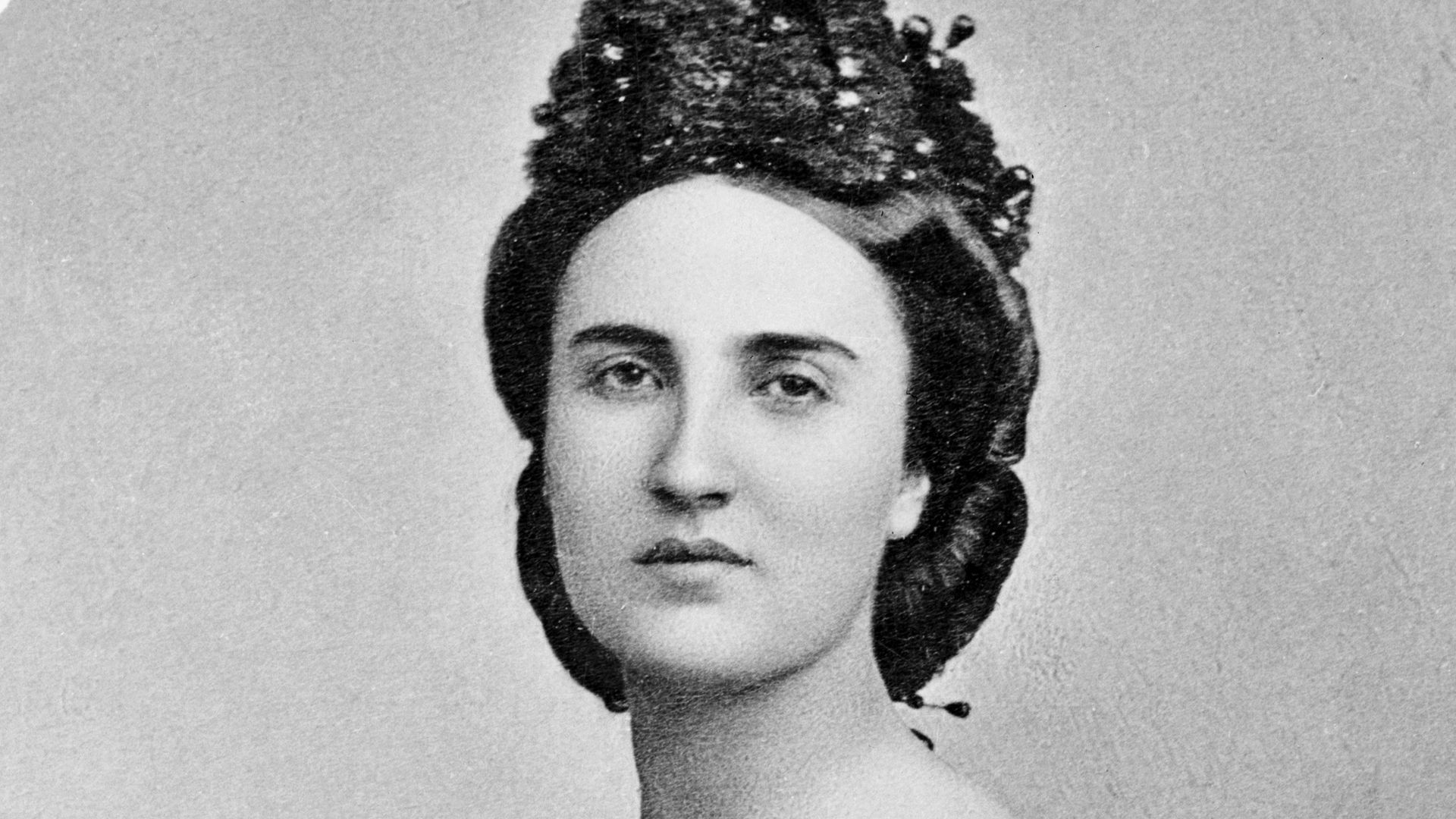
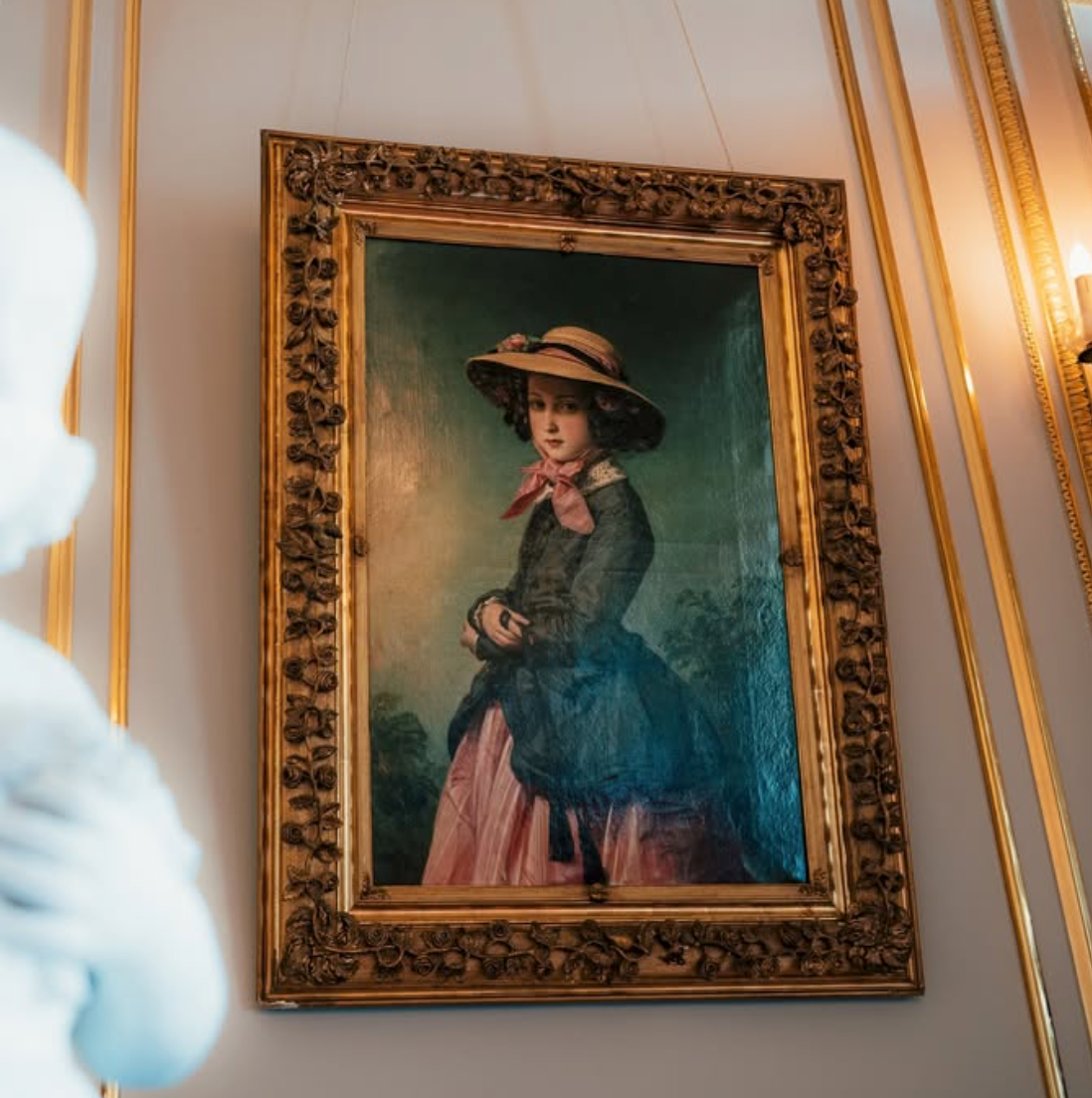
The Belgian Royal Palace is giving royal history enthusiasts a rare opportunity to step back in time with the unveiling of portraits that have never before been shown to the public, including striking childhood paintings of Princess Charlotte of Belgium, who would later become Empress Carlota of Mexico.
The portraits are part of "Louise d'Orléans, Becoming Queen," one of four temporary exhibitions presented during the Royal Palace's annual summer opening. Visitors can admire an exceptional collection depicting the children of Belgium's first monarchs, King Leopold I and Queen Louise-Marie.
 © Sepia Times
Among the exhibition's highlights are portraits of the young Prince Leopold, who would later become King Leopold II, Prince Philippe, Count of Flanders, and Princess Charlotte, decades before history would remember her as Empress Carlota of Mexico.
The paintings were created by renowned 19th-century court portraitist Franz Xaver Winterhalter, whose work immortalized many of Europe's royal families.
 © Belgian Royal Palace
What makes the exhibition particularly special is that these paintings are being displayed to the public for the first time. They are normally housed at the Château of Laeken, the Belgian royal family's historic residence, where they have remained out of public view.
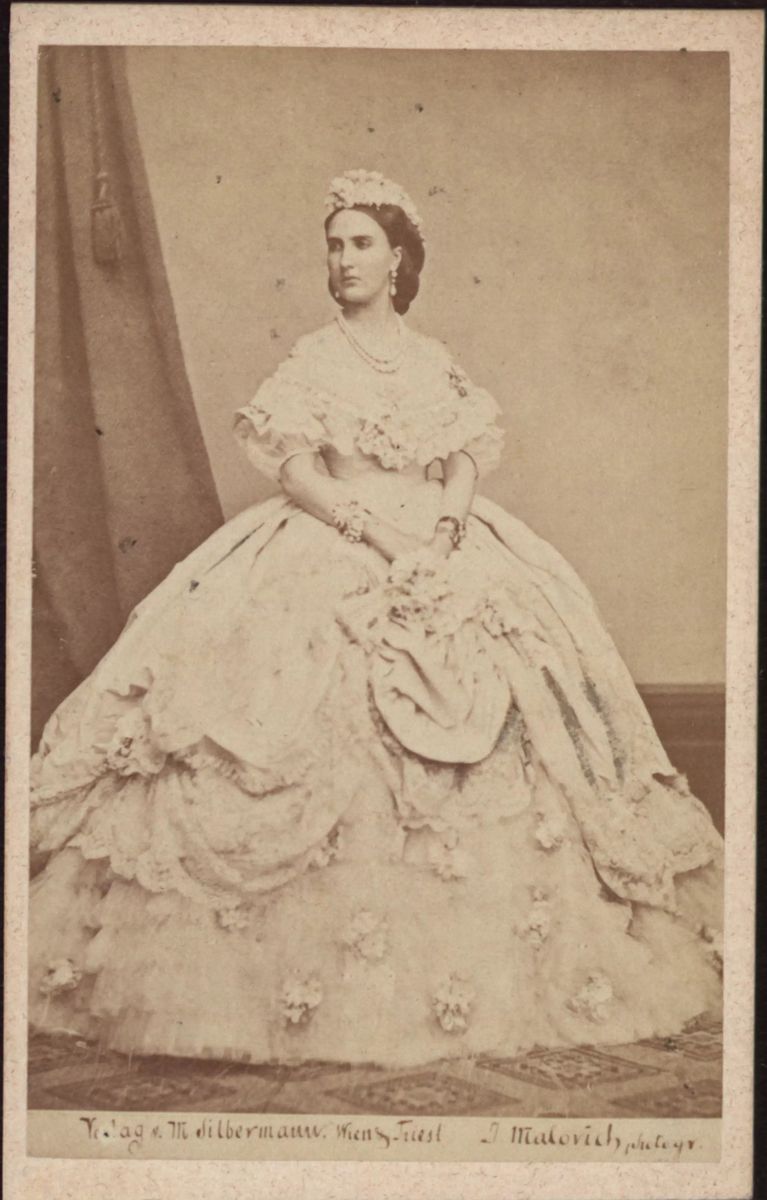
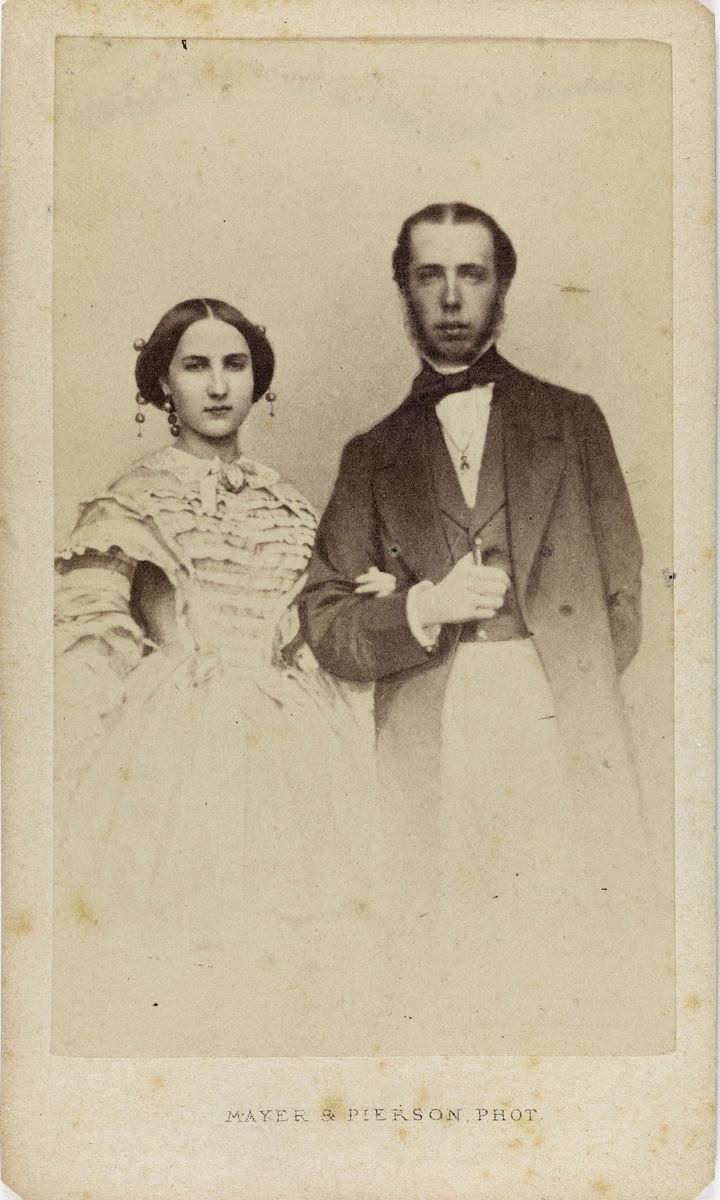
Charlotte's portrait is especially significant given her remarkable life story. Born a Belgian princess in 1840, she married Archduke Maximilian of Austria in 1857.
 © Jeff Greenberg
The couple later accepted Napoleon III's proposal to rule the Second Mexican Empire, becoming Emperor Maximilian I and Empress Carlota of Mexico in 1864.
Although their reign lasted only a few years, Carlota became one of the most recognizable figures in 19th-century royal history.
 © Heritage Images
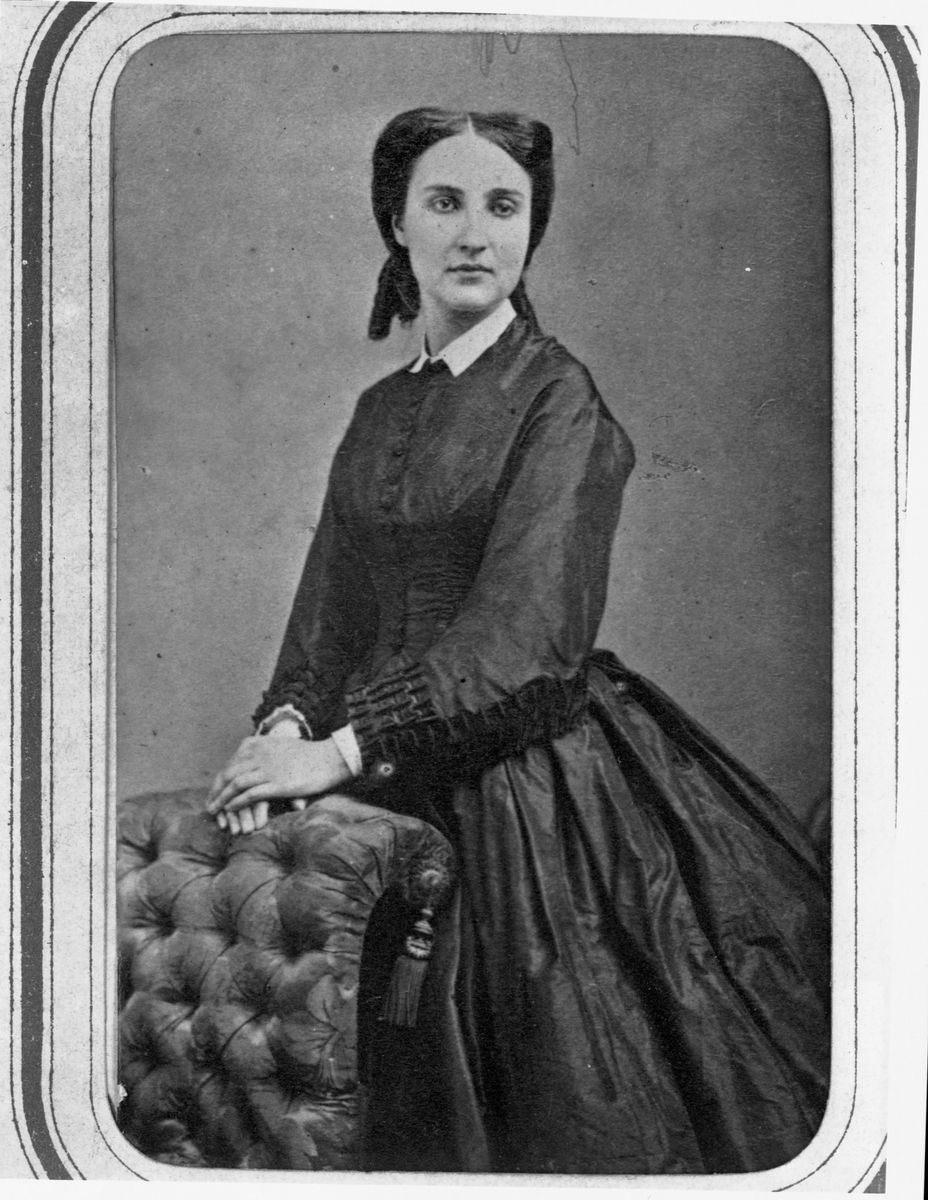
Following the collapse of the empire and Maximilian's execution in 1867, she returned to Europe, where she spent the remainder of her life in seclusion after experiencing severe mental health struggles.
Now, visitors to the Belgian Royal Palace can see Carlota long before those historic events unfolded, captured as a young princess alongside her brothers in portraits that offer a rare glimpse into the childhood of one of Europe's most fascinating royal figures.
 © Library of Congress
The exhibition also showcases Winterhalter's celebrated artistry, highlighting why he became the preferred portrait painter of European courts during the 19th century.
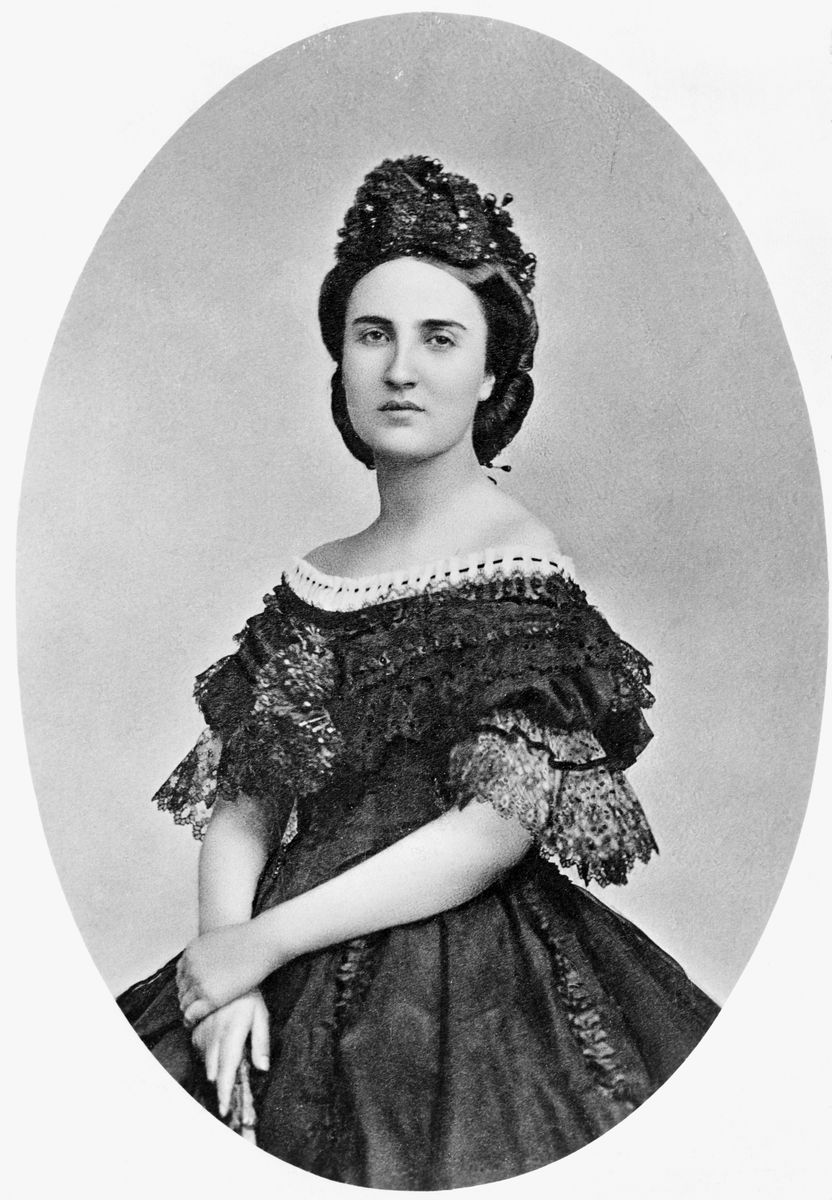
The paintings reveal an intimate chapter of Belgium's royal family while reconnecting audiences with a woman whose story would eventually bridge two continents.
 © Bettmann