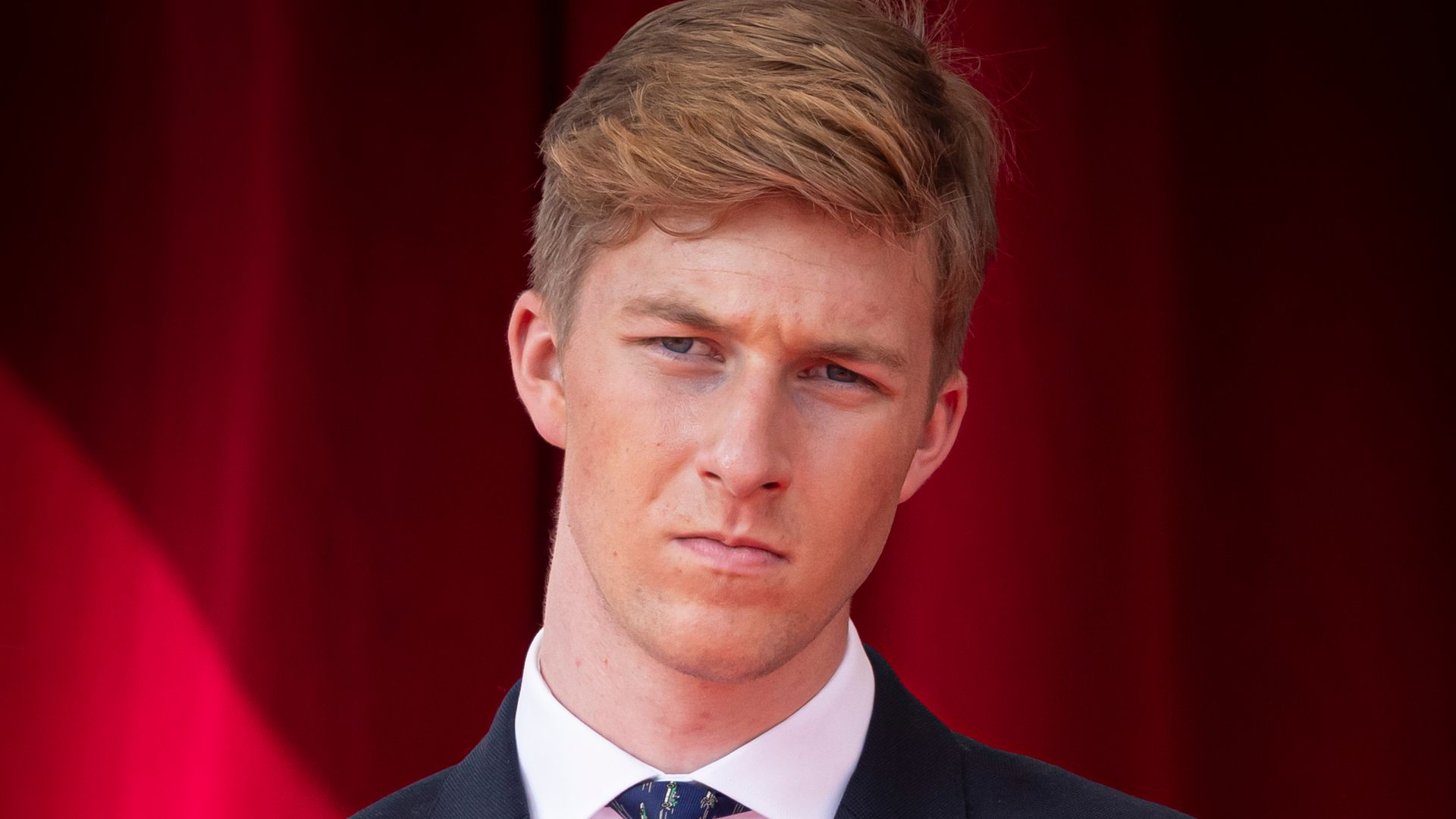
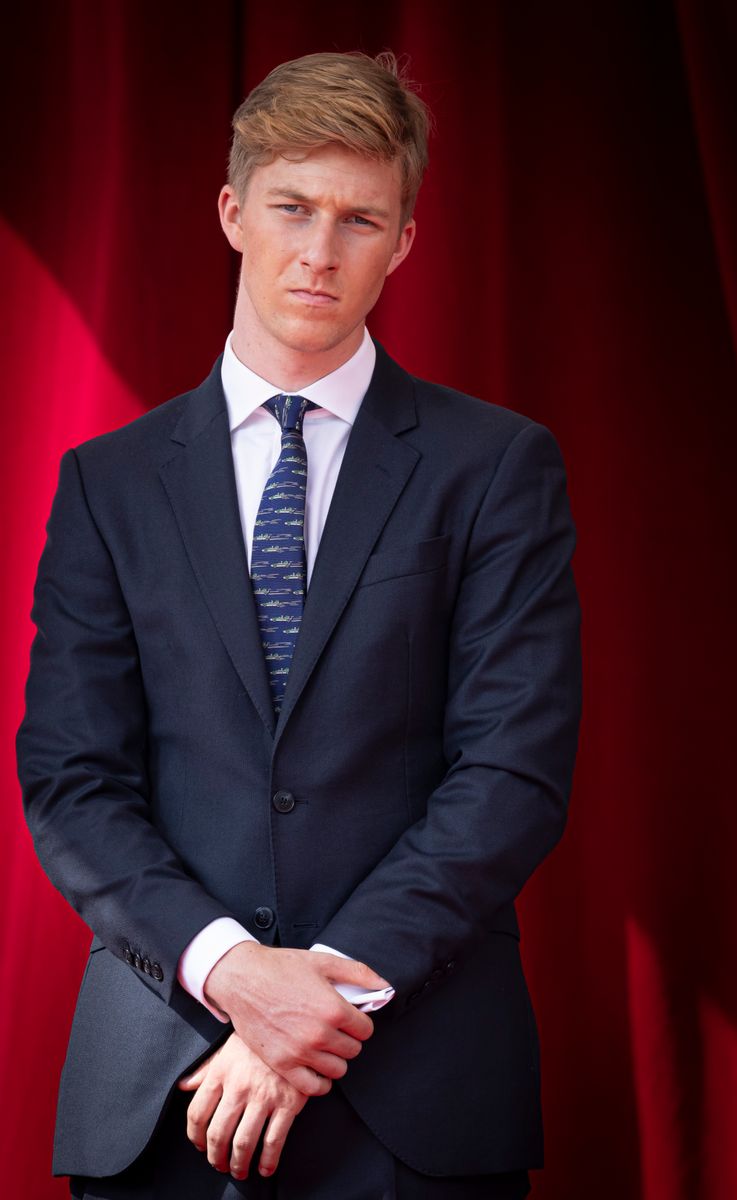
Behind the mixing desk, wearing a Red Devils jersey in the first photo he's ever released of himself at work, Prince Emmanuel of Belgium doesn't look much like a future head of state. That's the point.
 © Getty Images
At not-quite-21, the king and queen's third child has a stage name: Vyntrix. He's also developed a defined visual identity, a new solo single called "Wonder," and a mission statement he posted himself:
"Vyntrix is me and my world, but it could be your world too. I make techno, tech house, and house." It's a long way from the line the palace offered just last year, when Queen Mathilde, asked about her son's music during a state visit to Chile, waved it off as "a leisure activity among friends."
That framing no longer fits the facts. And what makes Emmanuel's story genuinely new isn't the music itself, or the fact that a young royal has chosen a creative path over a military commission or a blue-chip degree — Europe's palaces are already full of influencer princesses and reinvented-as-model princes. What's unprecedented is who his father is. Emmanuel isn't a nephew, a cousin, or the child of a "spare" royal on the family's outer branch. He is the son of a reigning king. That distinction is the whole story.
 © Getty Images
From Leuven to the turntables
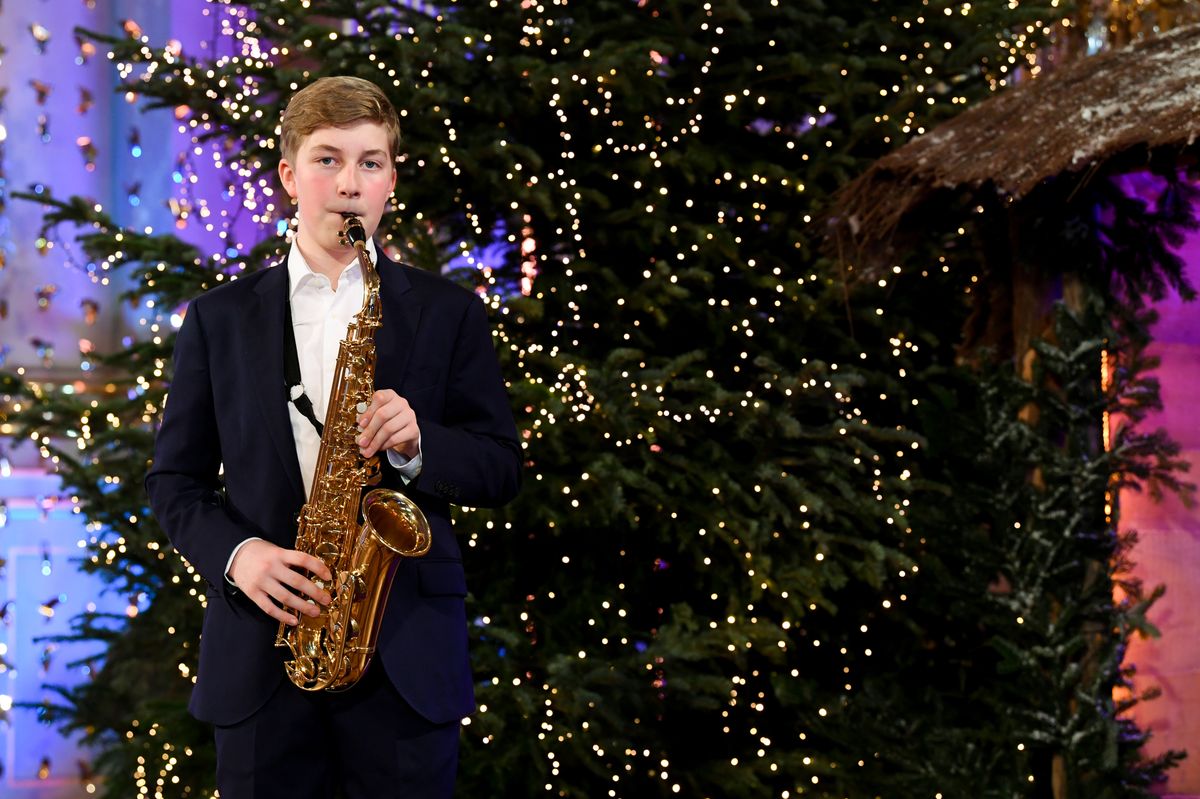
The signs have been building for a while. Emmanuel started a degree in International Business Management and Marketing at KU Leuven in the autumn of 2025, quietly walking away from it three months later to enroll in a business-development course. Meanwhile, Emmanuel's investment in music never stopped. As a trained saxophonist since childhood, he built his electronic project first as half of a duo with Louis-Elzéar de Monspey, a young Paris-based musician and producer, and has now struck out as a solo artist with "Wonder."
He's promoting it with stark black-and-white images taken at Brussels landmarks — some of the very locations he occupies in his official capacity during the kingdom's major national events. In the first of those images, he wears the shirt of the Red Devils, Belgium's national team, fresh off a World Cup run that became a source of national pride.
Third in line, first to cross this particular border
 © Getty Images
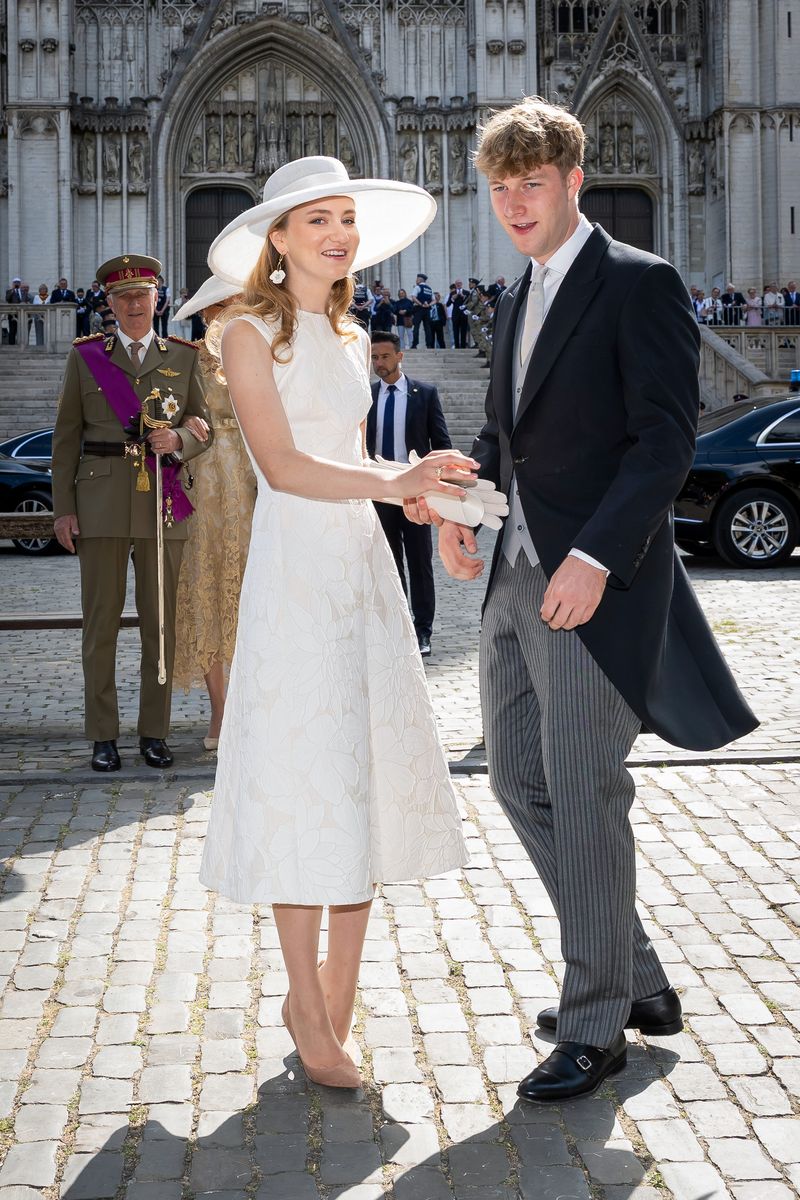
Sons and daughters of "seconds" — non-heirs on the fringes of a royal house — have gone this route before: Nikolai of Denmark built a career modeling, Countess Eloise of the Netherlands has pursued music, while Princess Märtha Louise of Norway's daughters have built lives outside the institution. None of them, however, were a direct child of the person sitting on the throne. That's the line Emmanuel is now the first to cross, making him more exposed to both the wins and the inevitable stumbles than any of his predecessors have had in similar positions.
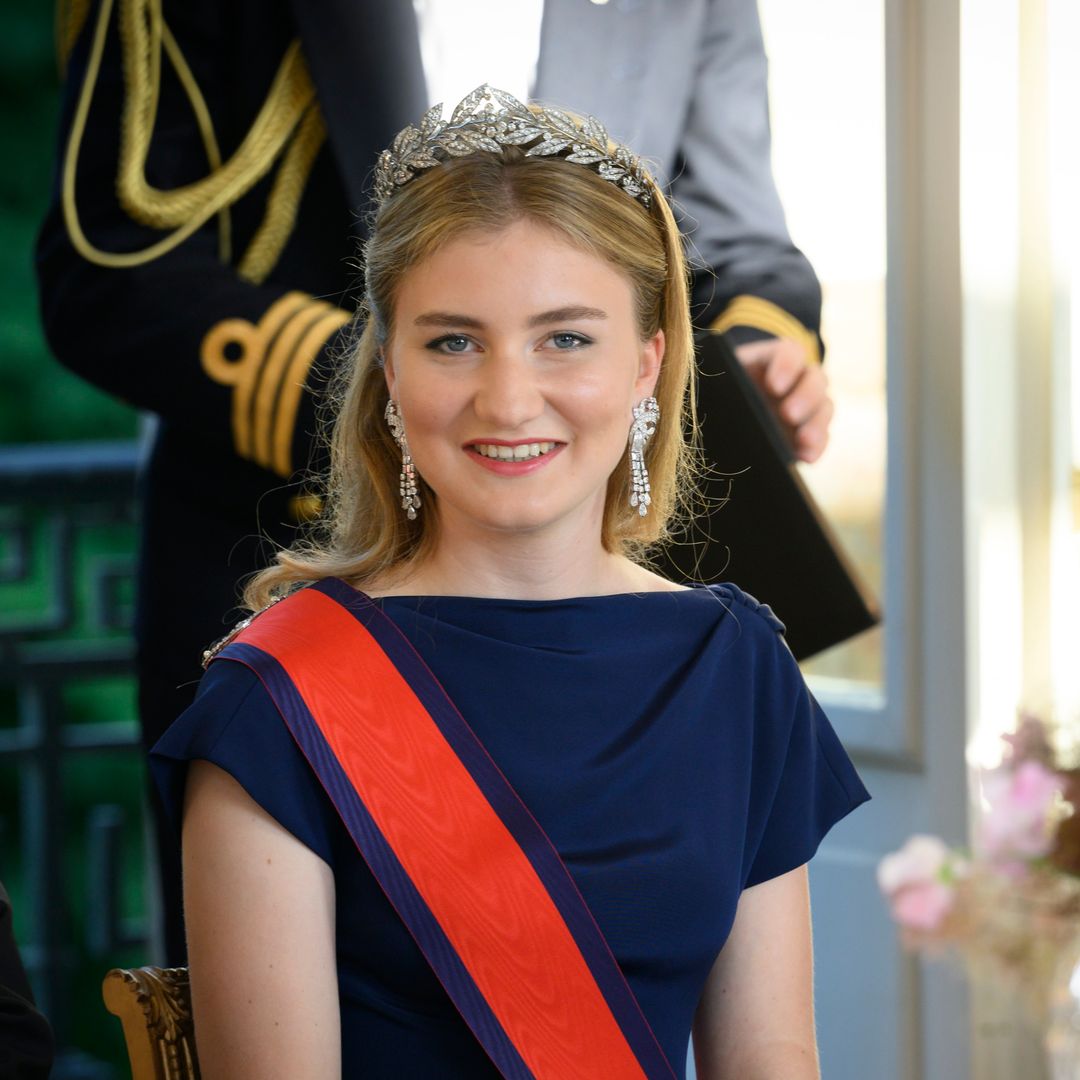
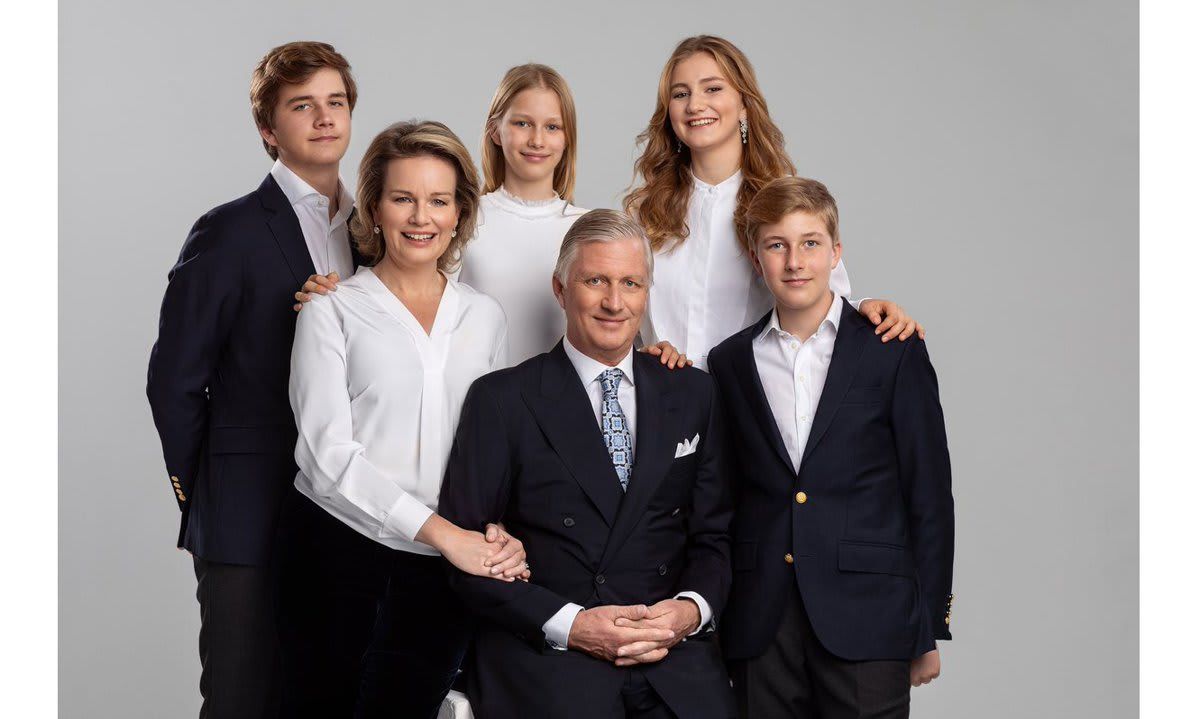
He has the room to do it because of where he sits in the family. The heir apparent is his sister, Princess Elisabeth, who this year completed a master's degree from Harvard's Kennedy School. It adds to a résumé already built on Oxford and Belgium's Royal Military Academy, by most accounts the best-credentialed future monarch in the country's history.
Following her is Prince Gabriel, the eldest son, on a conventional military track that positions him as institutional support for his sister's eventual reign. Emmanuel comes third. It's precisely that position, close enough to matter but far enough from the crown to be granted some latitude, that gives him room to do something no one directly ahead of him could risk. They have a younger sister, Princess Eléonore.
Smaller royal houses, different rules
 © VLAD VANDERKELEN
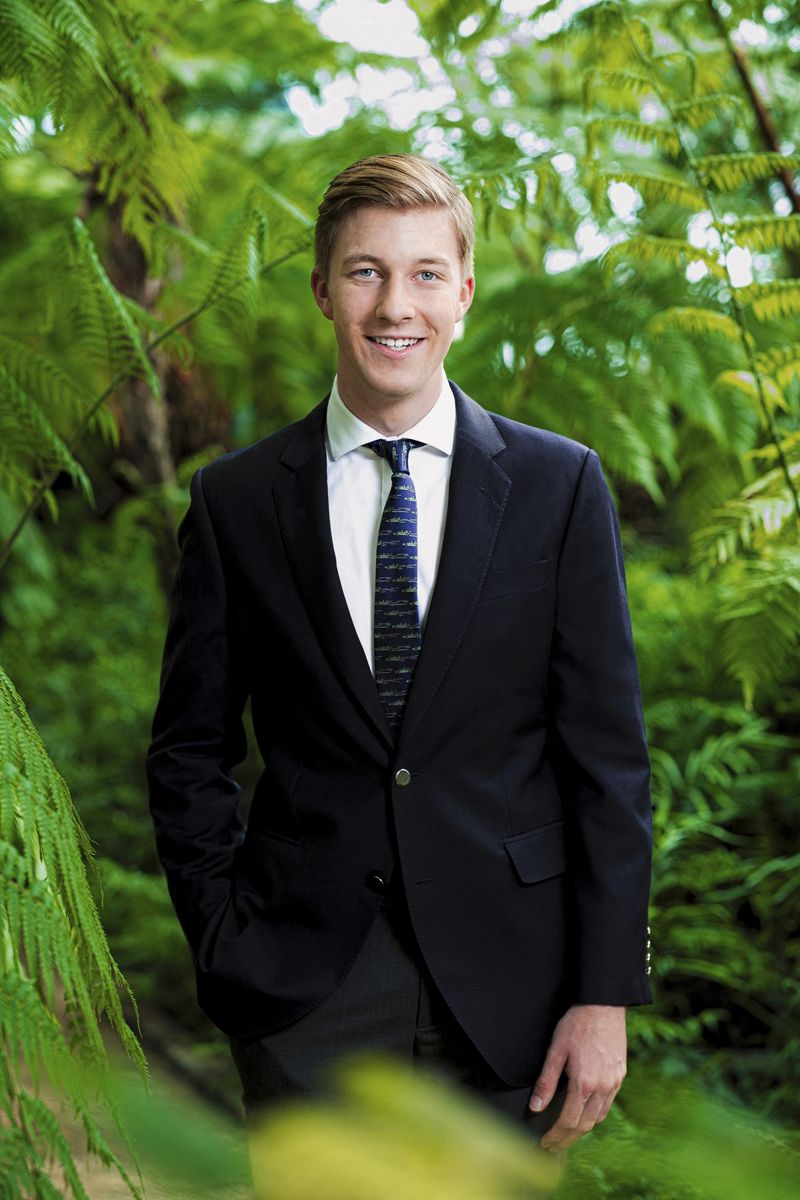
That latitude also reflects a broader shift underway across European monarchies. The old model, in which every child of the sovereign was expected to fill some formal role, has given way to leaner, more deliberately staffed institutions. There are fewer working royals and public functions. Paradoxically, the tighter the core, the more the public rewards those who remain in it for consistency and visible commitment.
Siblings of an heir still matter — proximity in age, an insider's understanding of the job, the stabilizing presence of family — but the role has narrowed. What's expected now is quiet exemplarity from a defined position, not a duplicate set of duties running in parallel.
Within that more forgiving structure, Emmanuel still faces a hard climb. Electronic music is a competitive field; the label of "DJ prince" serves as a double-edged sword: he'll have to prove his talent and staying power without relying on the notorious presence with which he was born.
Whatever happens with his music, Emmanuel has already done something none of Europe's other reigning families have done. He's turned a creative, public, non-institutional career into a possible option for the son of a king. Whether that's compatible with his role as a prince in the long run, or whether he'll have to choose one path over the other, is a question only time will answer.
 © Belgian Royal Palace