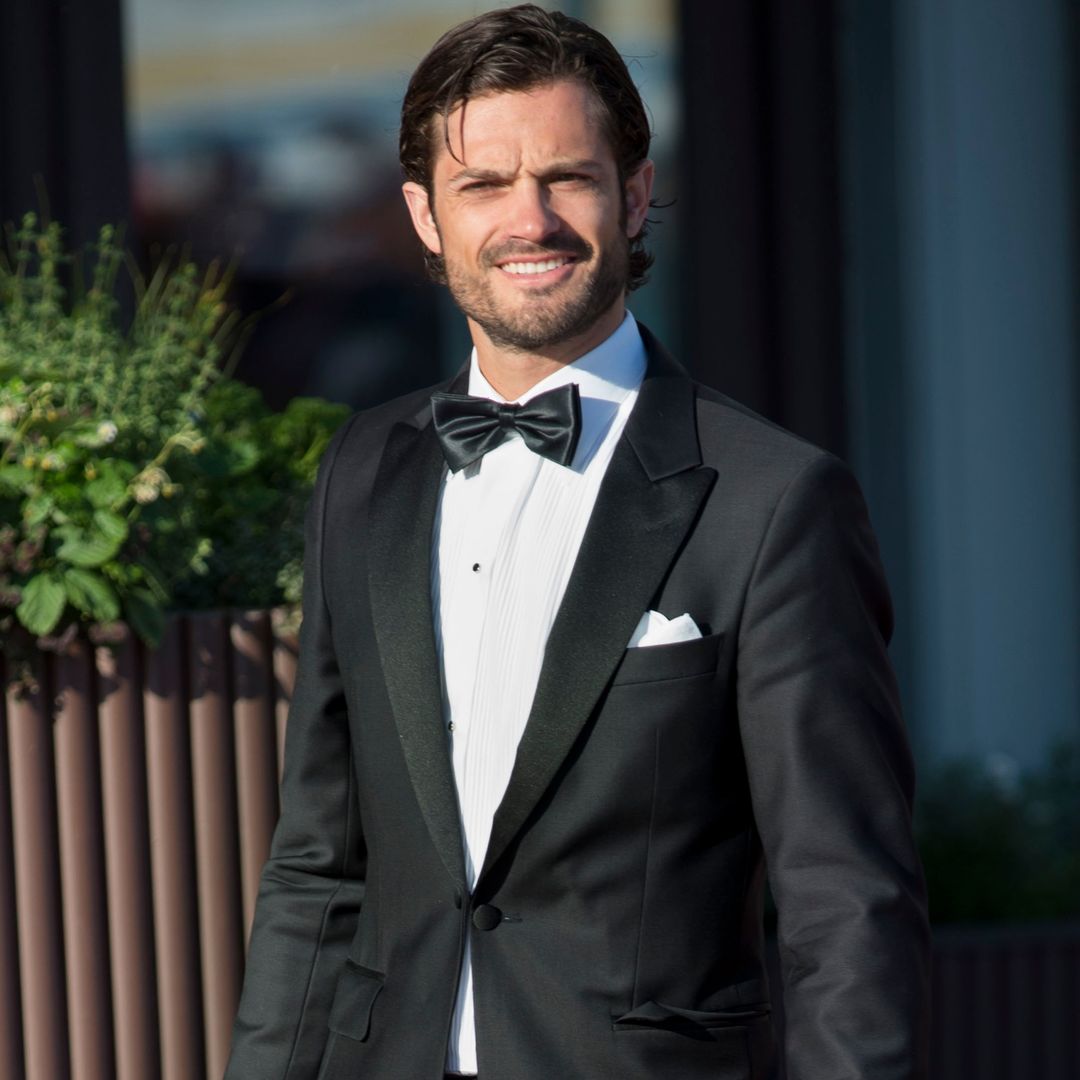
There is something fascinating about Prince Carl Philip of Sweden. Perhaps it is that almost impossible mix of storybook prince, race car driver, design entrepreneur, and textbook classic royal. Or maybe the secret lies in the fact that, having just turned 47 this May 13, he continues to project the exact same image he did two decades ago: the eternal European Prince Charming.
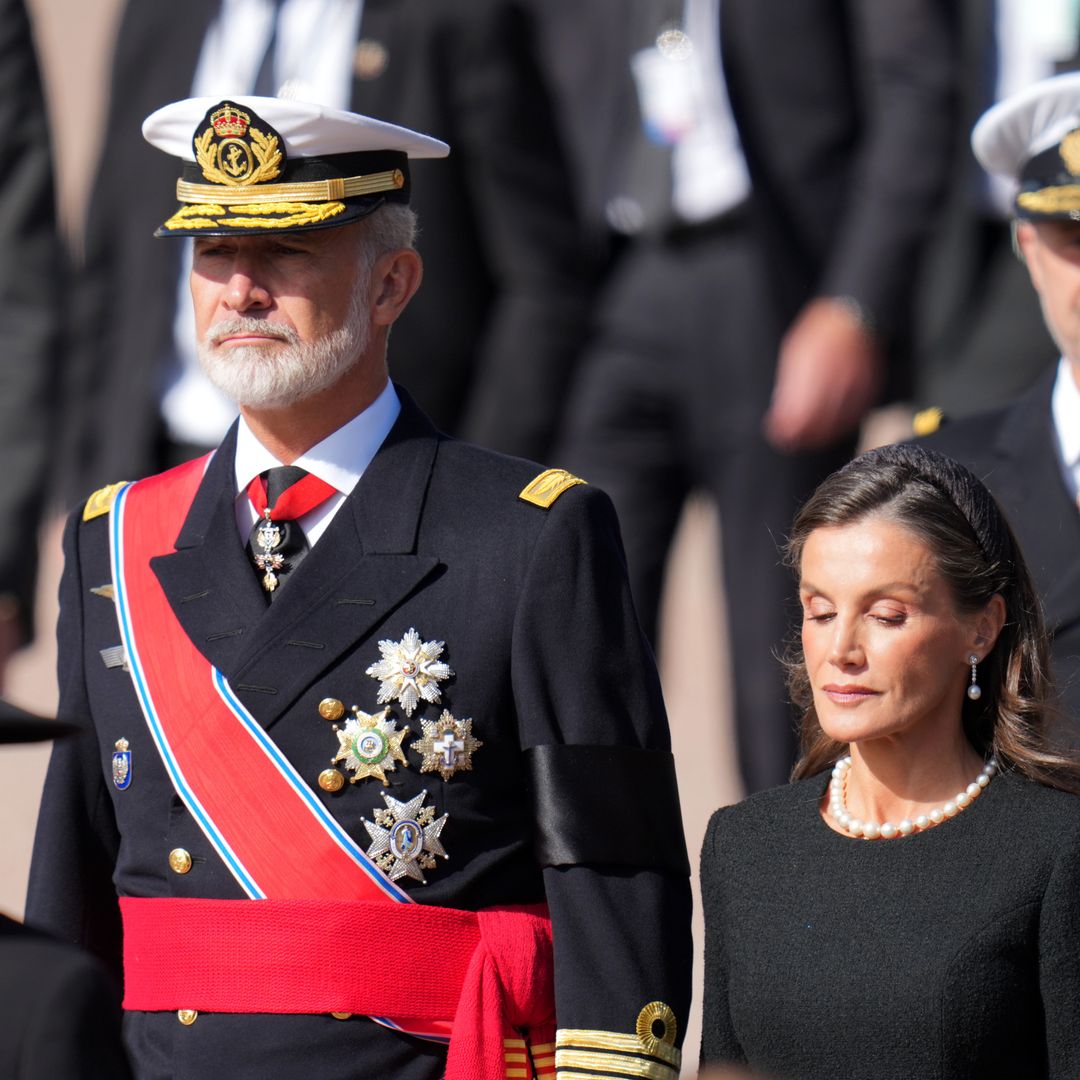
In an era where public image changes at the speed of social media, that is practically a superpower. It is no coincidence that he appeared on the Forbes list of the 20 hottest royals in 2008, nor that many constantly compare him to Felipe VI, considered the most elegant monarch in Europe. Both share a very specific trait: they understand masculine elegance through aesthetic discipline, impeccable tailoring, and naturalness, rather than extravagance.
 © Andreas Rentz
Interestingly, Carl Philip was born heir to the Swedish throne. For just seven months, he was the Crown Prince of Sweden until the succession law changed in 1980 and the throne passed to his older sister, Victoria. Even so, far from fading into the background, he became one of the most popular and magnetic members of European royalty.
Who is Carl Philip? The Prince Who Transformed Swedish Royalty
The son of Carl XVI Gustaf and Silvia of Sweden, Carl Philip was born at the Royal Palace in Stockholm in 1979 and received the title of Duke of Värmland. From a young age, he showed interests far removed from the rigid traditional image of European royals.
 © Pascal Le Segretain
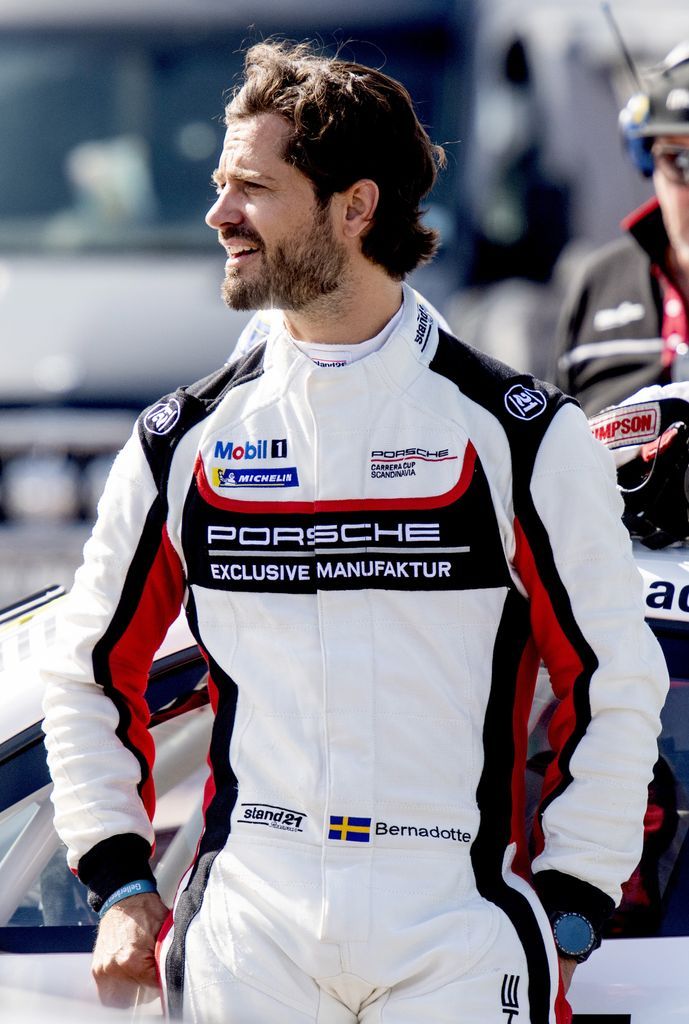
He was passionate about sports, design, cars, and nature. He underwent military training in the Swedish Amphibious Corps, where he reached the rank of major in the reserves. He has competed in auto racing since 2013 and also founded his own creative studio in 2012 alongside Oscar Kylberg: Bernadotte & Kylberg, which specializes in industrial design and home decor.
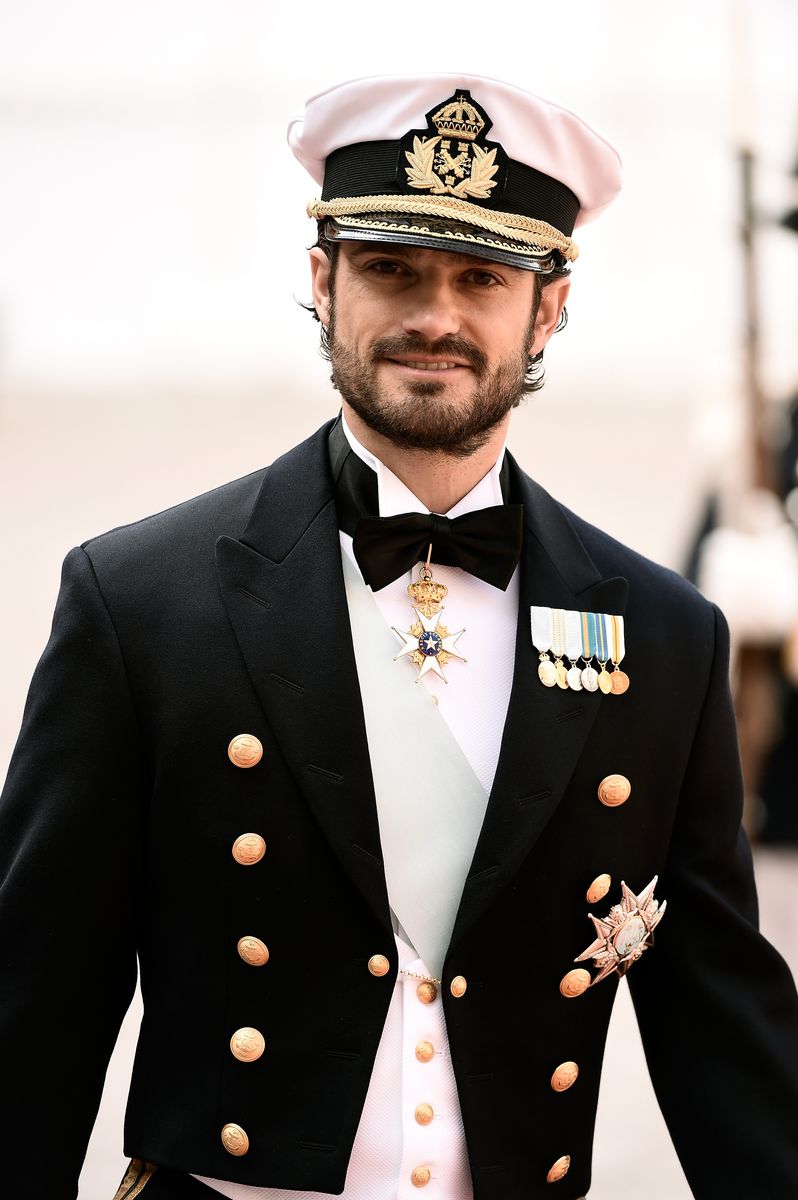
In fact, few European royals combine such an aristocratic aesthetic with such a “turbo,” almost cinematic life. He can appear impeccable in a military uniform during a state ceremony and, the next day, wear a racing suit and helmet at a competition circuit. Surprisingly, both versions work.
 © GTRES
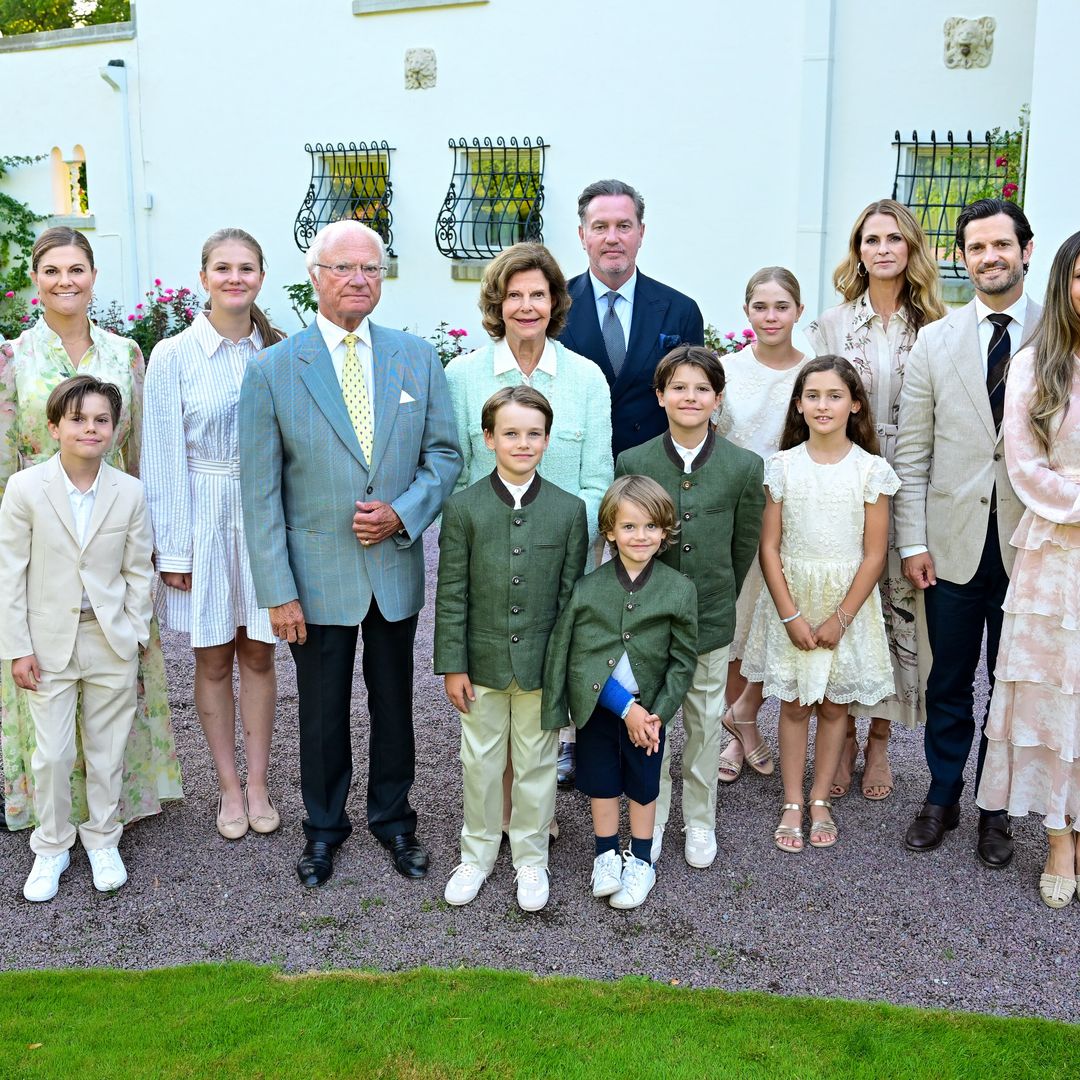
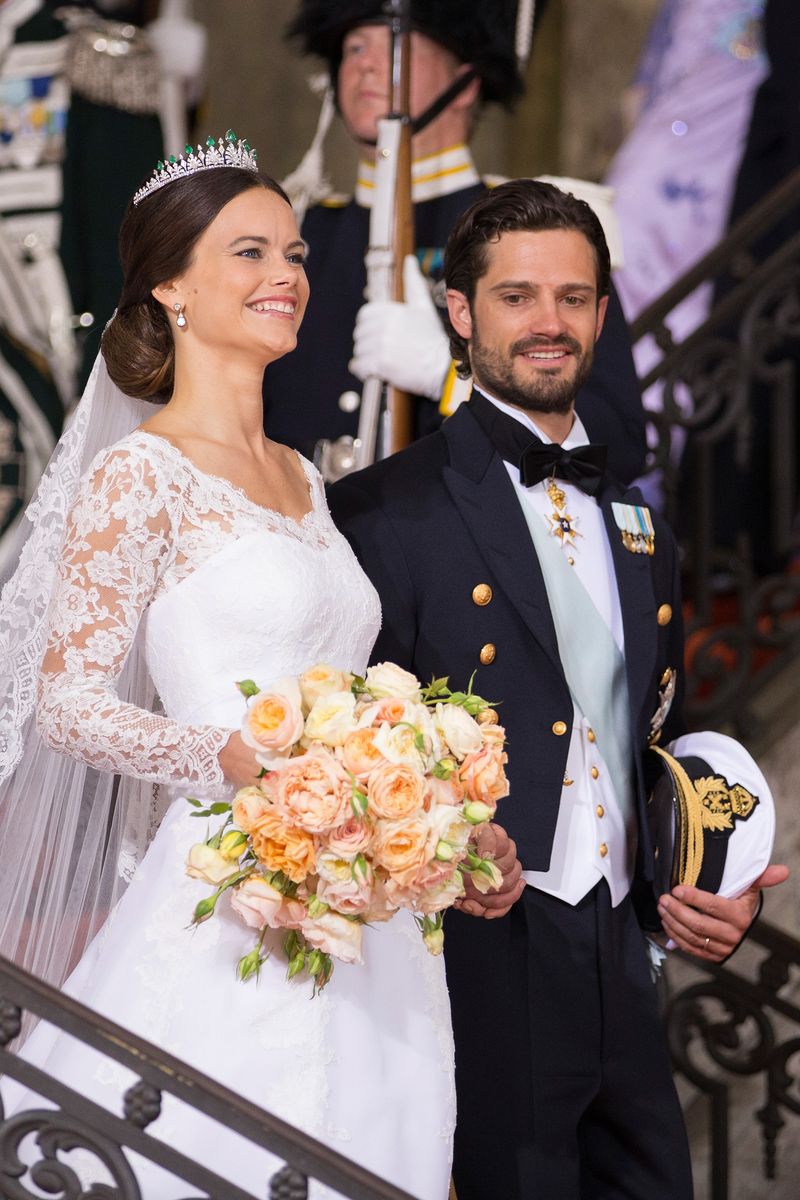
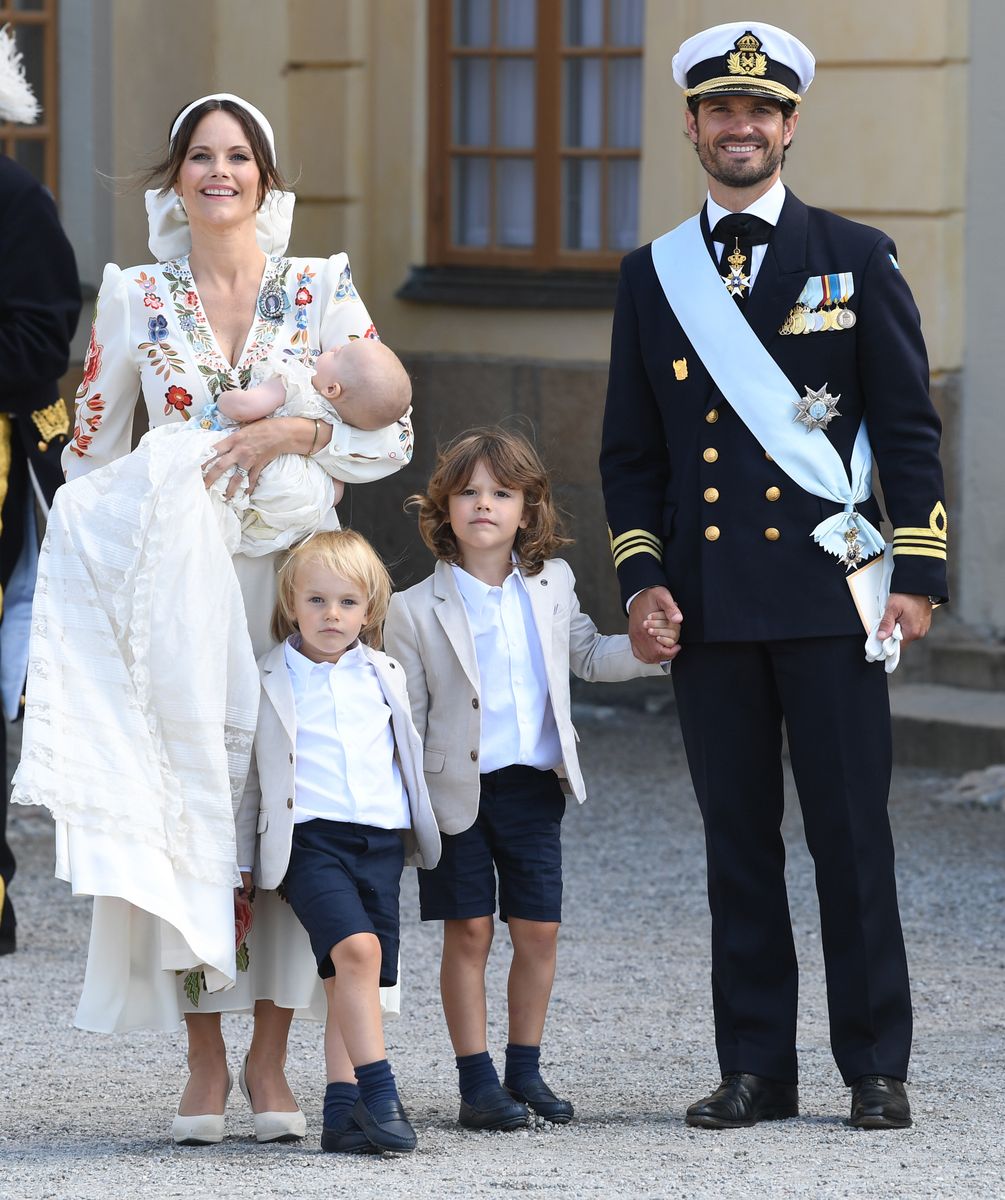
His wedding to Sofia of Sweden in 2015 solidified that modern narrative of the romantic prince. He ignored the aristocratic prejudices surrounding Sofia’s television past and bet on their relationship against all odds. Today, they are parents to Alexander, Gabriel, Julian, and Ines, who was born in 2025.
 © Rune Hellestad
Carl Philip of Sweden’s Style: Classic, Masculine, and Perfectly Calculated
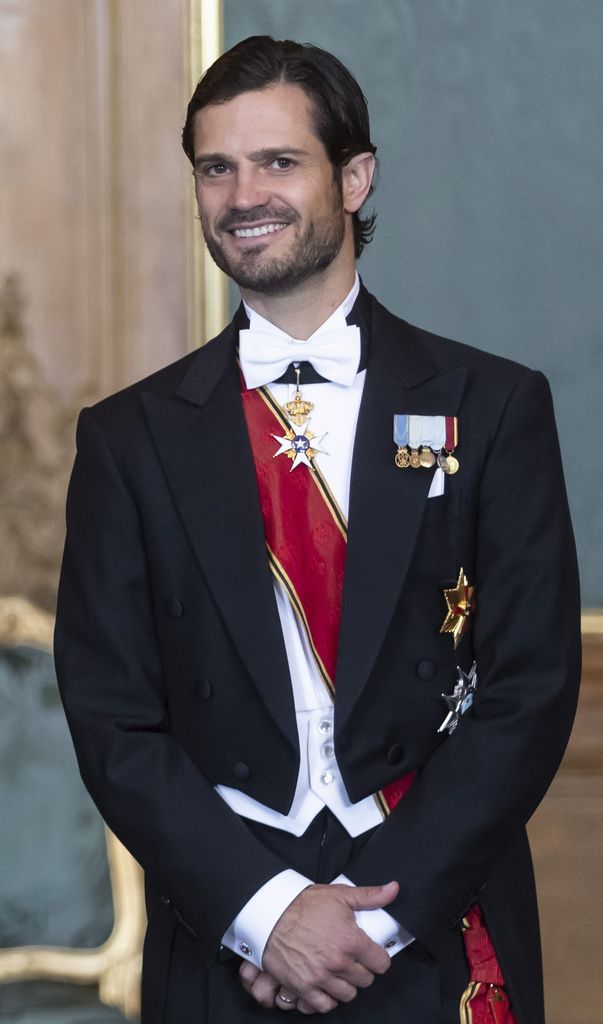
If one thing defines the Swedish prince’s wardrobe, it is consistency. Carl Philip does not experiment much, but he doesn’t need to. He has mastered a fundamental rule of men’s elegance: when you find what works, turning it into a uniform can be an advantage.
 © GTRES
His style formula:
- Two-button suits
- Italian-collar shirts
- Wide-knot ties
- White pocket squares
- Classic Oxford or Derby shoes
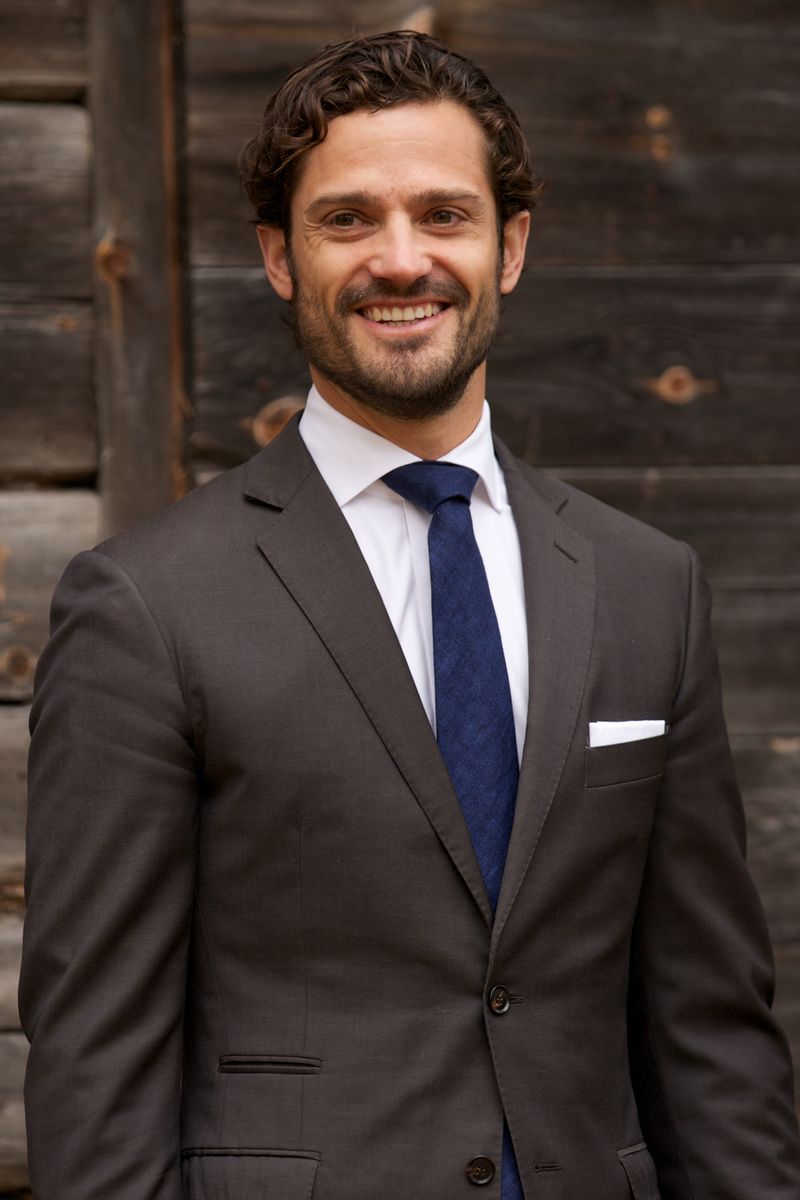
- A palette based on navy blue, gray, and black
And it works because everything is perfectly proportioned.
Unlike other more adventurous royals, he especially masters classic European codes. He wears pinstripes, Prince of Wales pattersn, or military uniforms with ease, something that connects directly to the old Scandinavian and British aristocracy.
 © GTRES
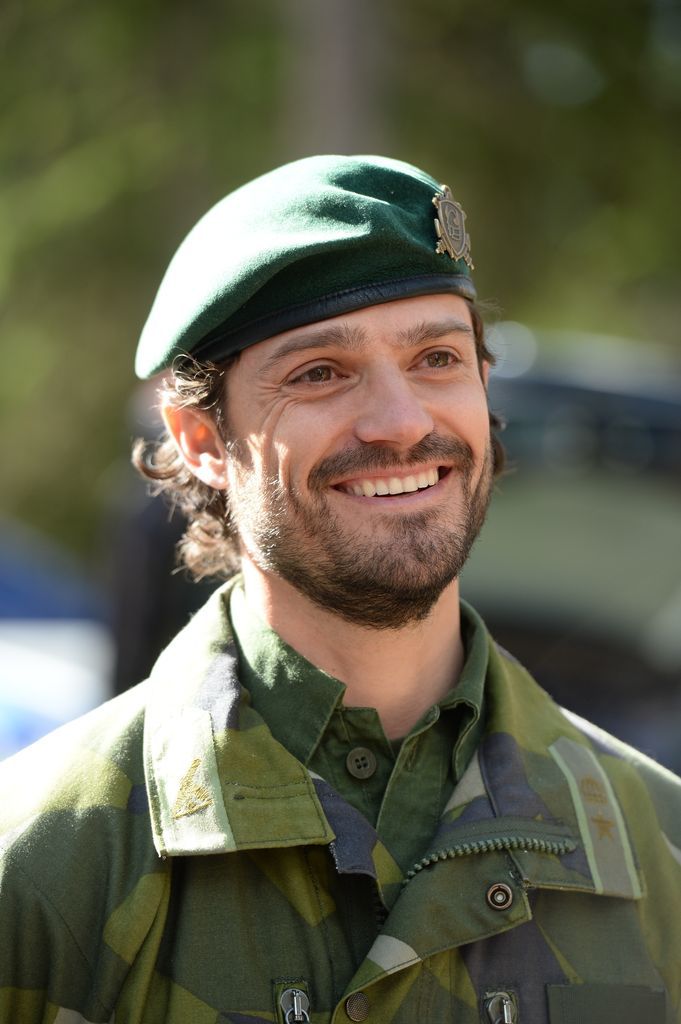
Even in his most casual looks, he maintains that sense of relaxed elegance. There is a particularly revealing anecdote: during a visit to Dalarna, he appeared in a patterned wool hat and a technical jacket with an almost improvised aesthetic. And yet, he still looked like he had stepped out of a Ralph Lauren campaign.
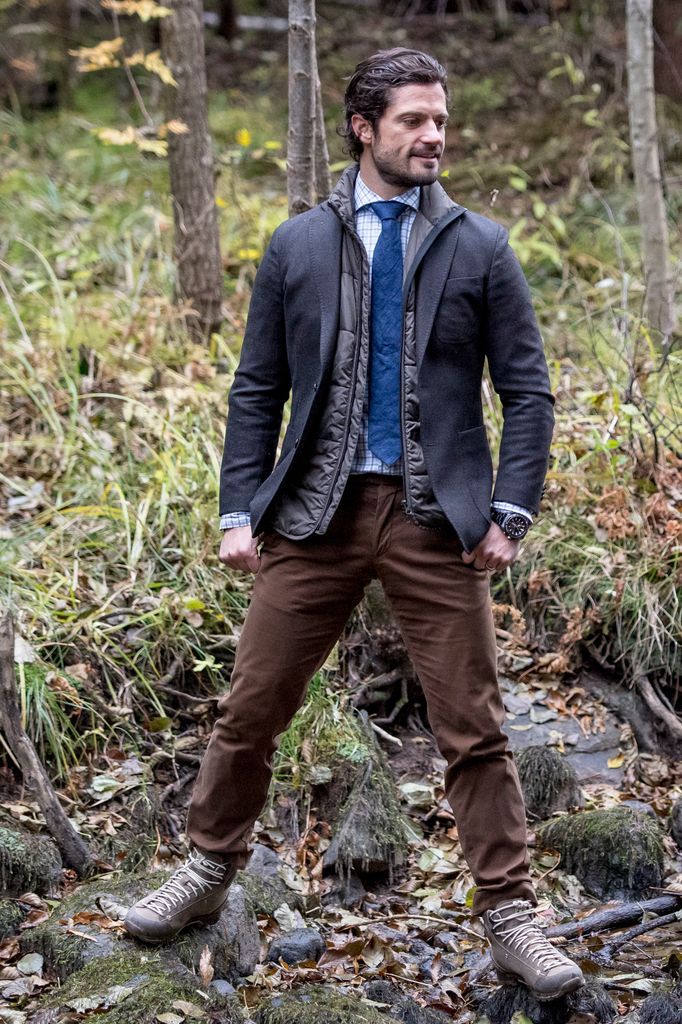
This brings up the big debate: is it the clothes, or is it him?
Probably both.
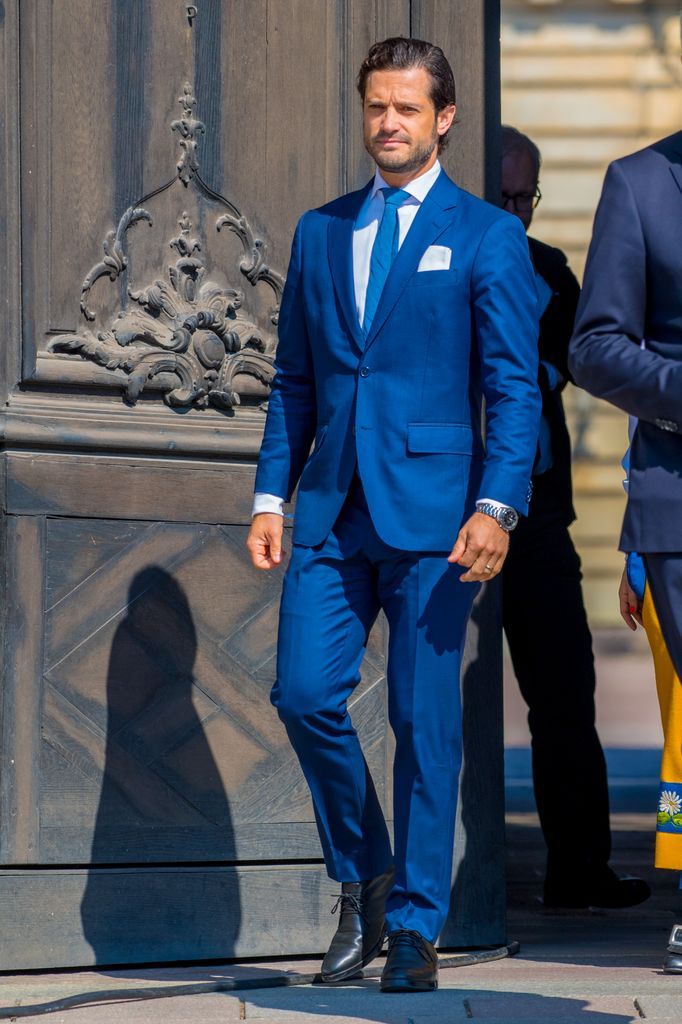 © GTRES
The Royal Keys to His Elegance: Cut, Beard, and Chromatic Discipline
Carl Philip shares several nearly foolproof style rules with Felipe VI.
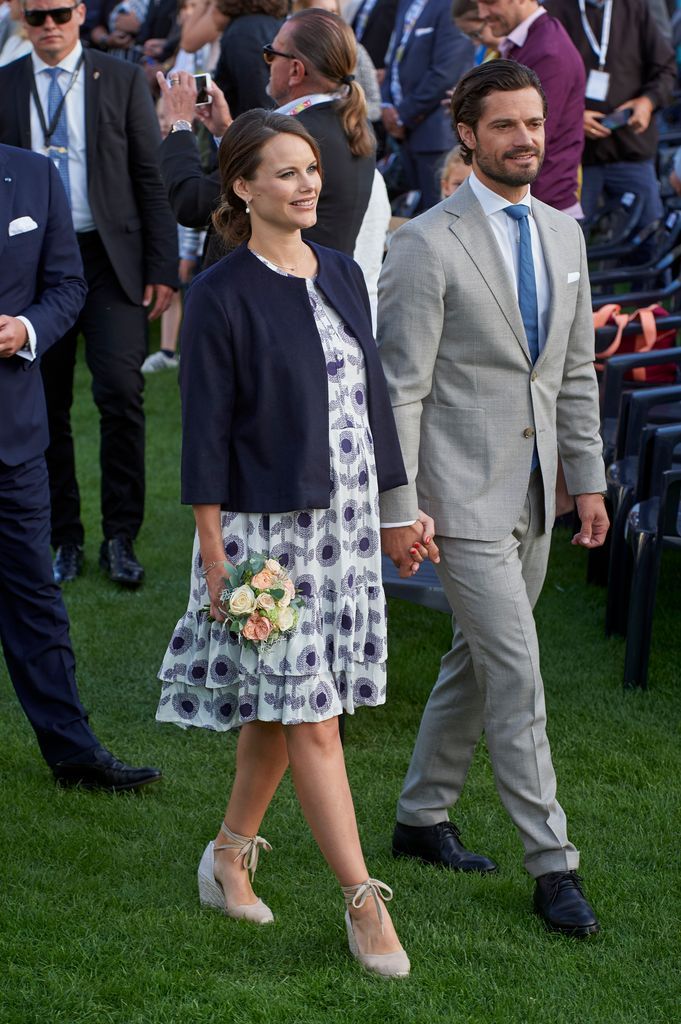 © GTRES
The Importance of the Cut
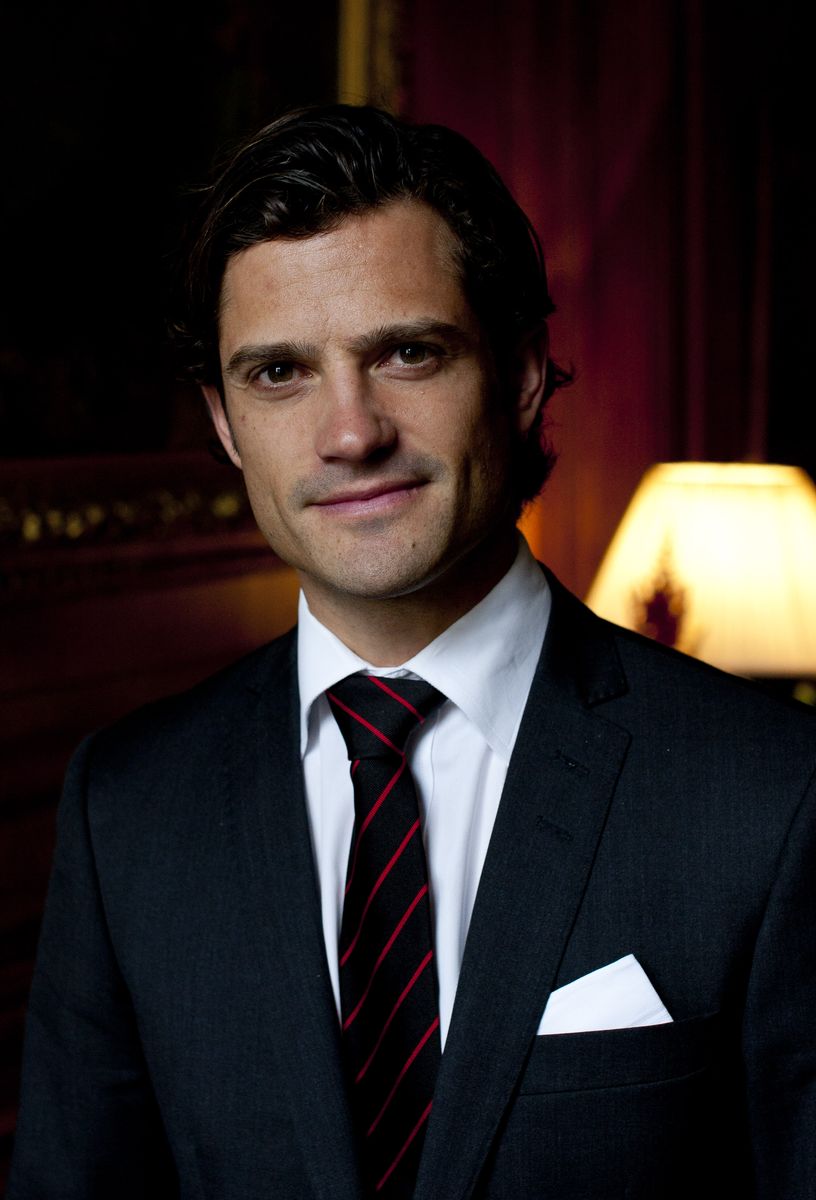 © John Phillips
His suits are tailored to his body with millimetric precision. Structured shoulders, a defined waist, and exact lengths. That precision is reminiscent of classic British Savile Row tailoring. Furthermore, he understands his own physique very well: a strong torso, broad shoulders, and narrower arms. Because of this, he opts for clean silhouettes that balance proportions.
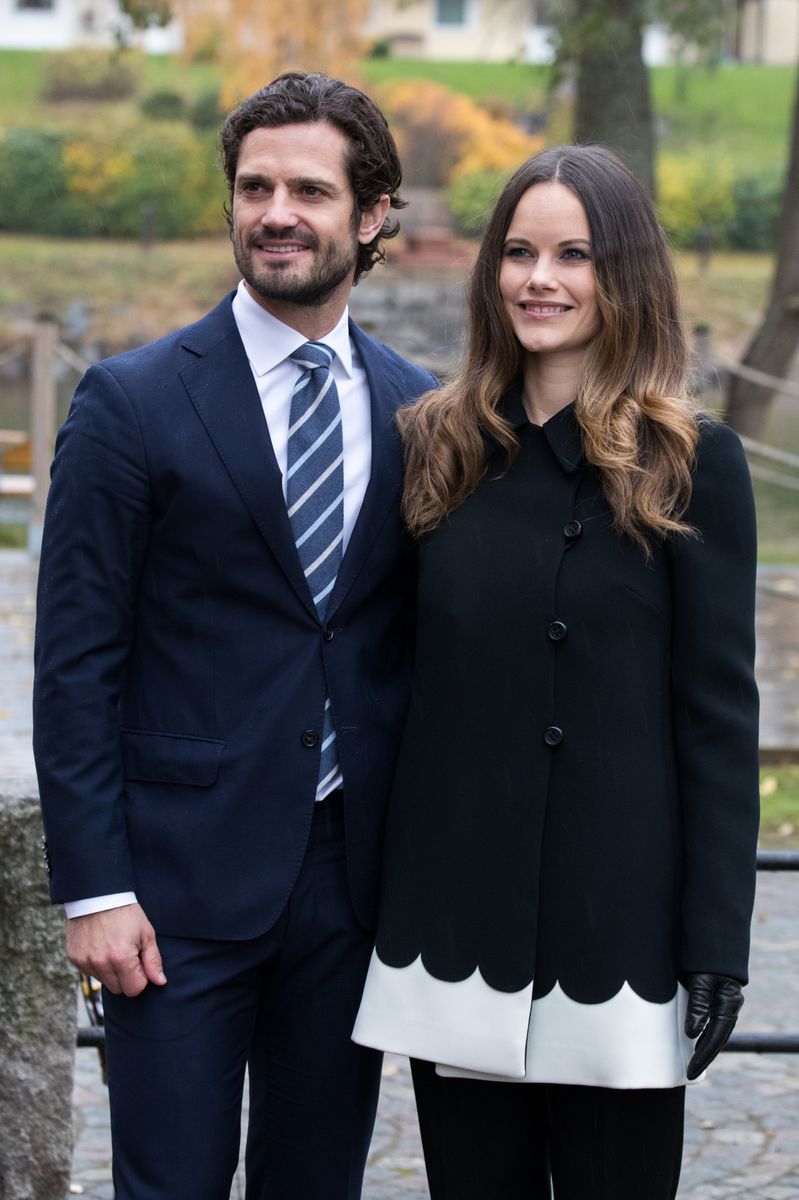 © Luca Teuchmann
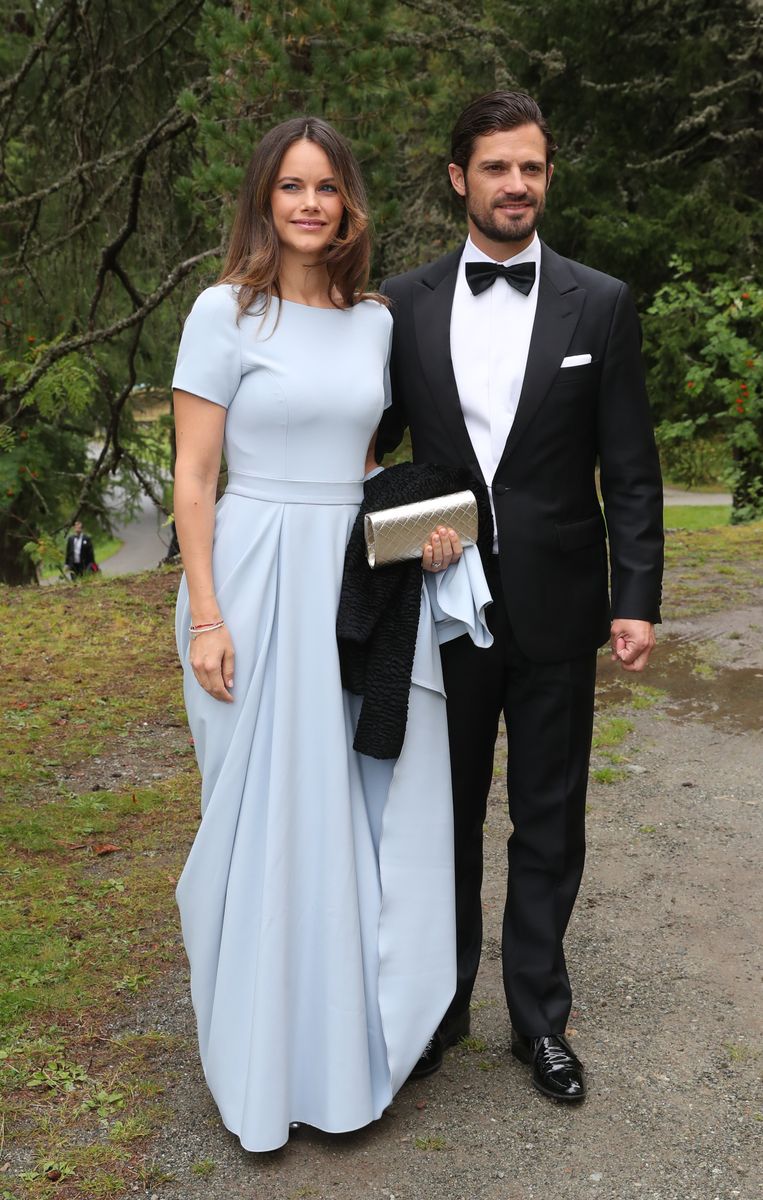
The Beard as an Aesthetic Strategy
One of the greatest successes in his stylistic evolution has been the beard. Neither too long nor completely lined, it provides jawline definition and slightly sharpens his features. It works exactly as it does for Felipe VI: it creates facial structure and reinforces presence.
 © picture alliance
What is interesting is that Carl Philip tried many styles before finding “his beard.” Short hair, a wilder mane, a clean shave… until reaching his current combination of slightly long, swept-back hair and an imperfectly perfect beard that is now part of his visual identity.
 © Ian Gavan
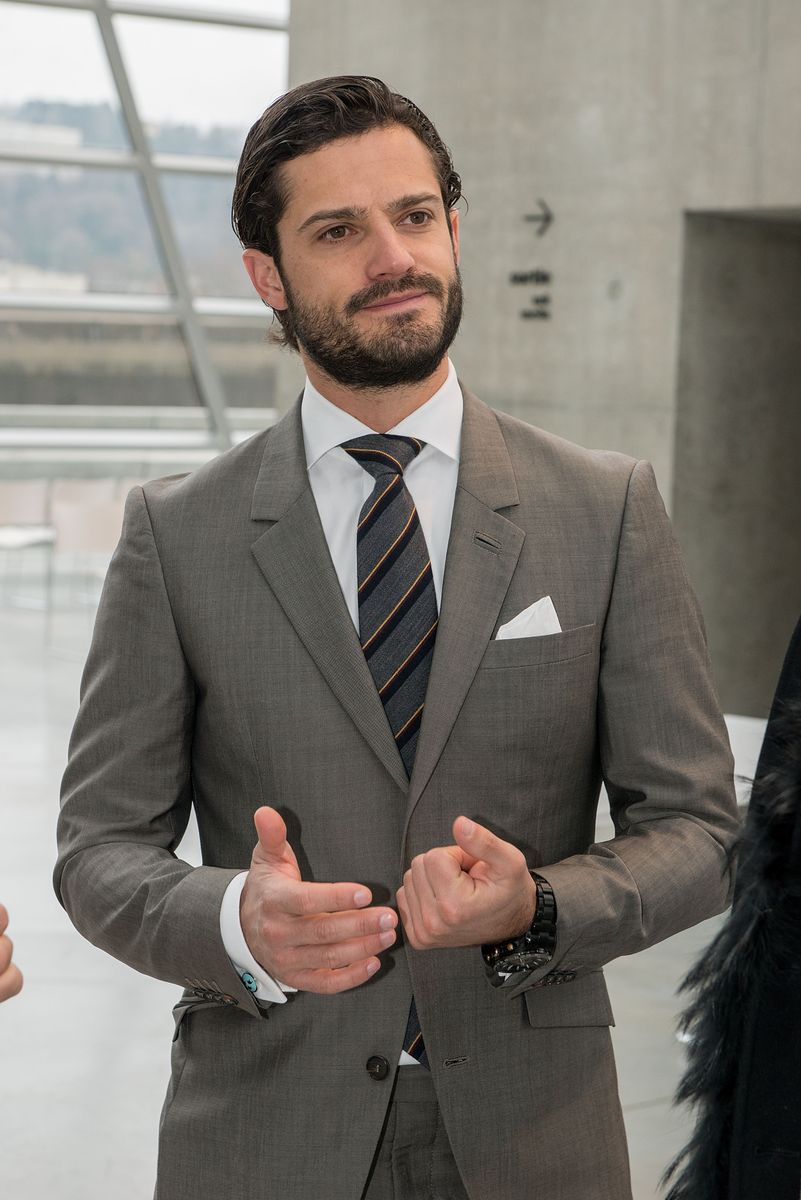
The Power of Somber Colors
 © Bruno Vigneron
Black, navy blue, charcoal gray, and earth tones dominate almost his entire wardrobe. This is a very smart strategy because those colors enhance exactly what stands out most about him: his silhouette and his bearing. He never looks like he is wearing a costume. He never looks forced. And that explains why he is so well-liked.
 © Iwi Onodera
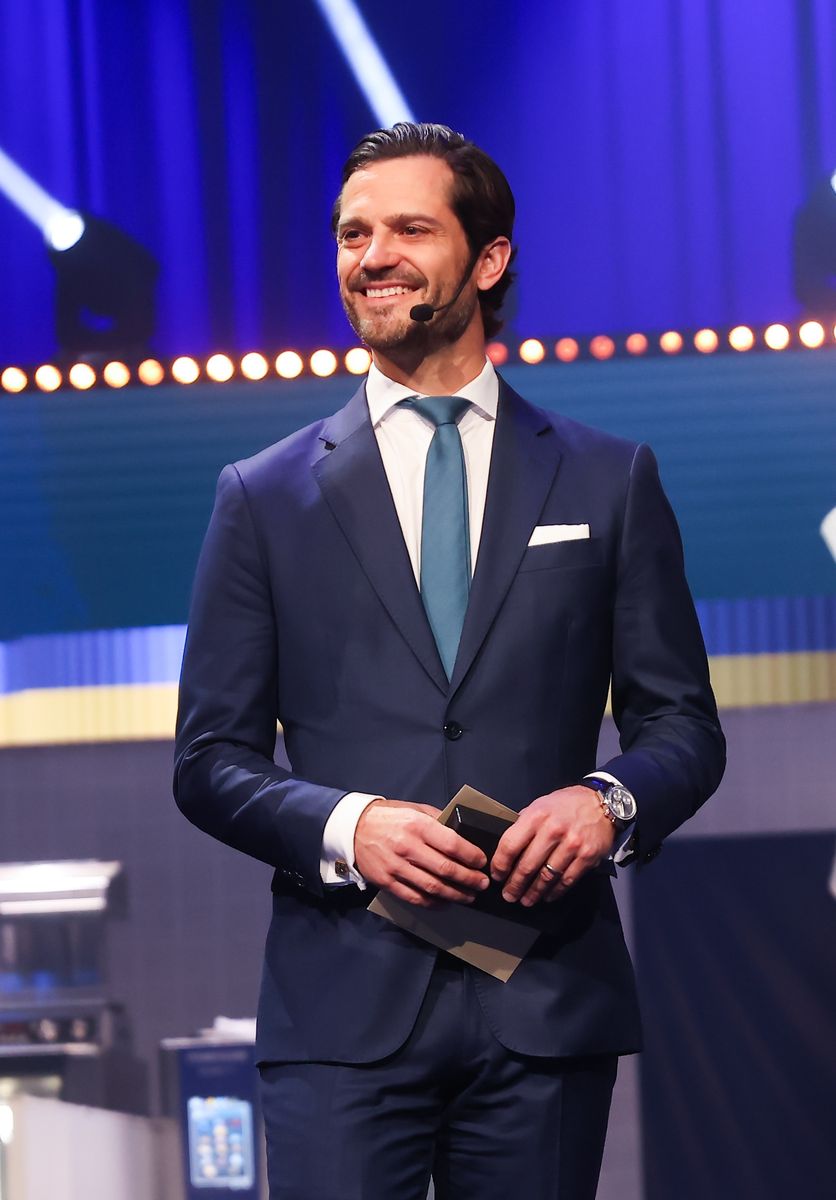
From Military Uniform to Racing Suit: The Most Multi-Faceted Royal
 © GTRES
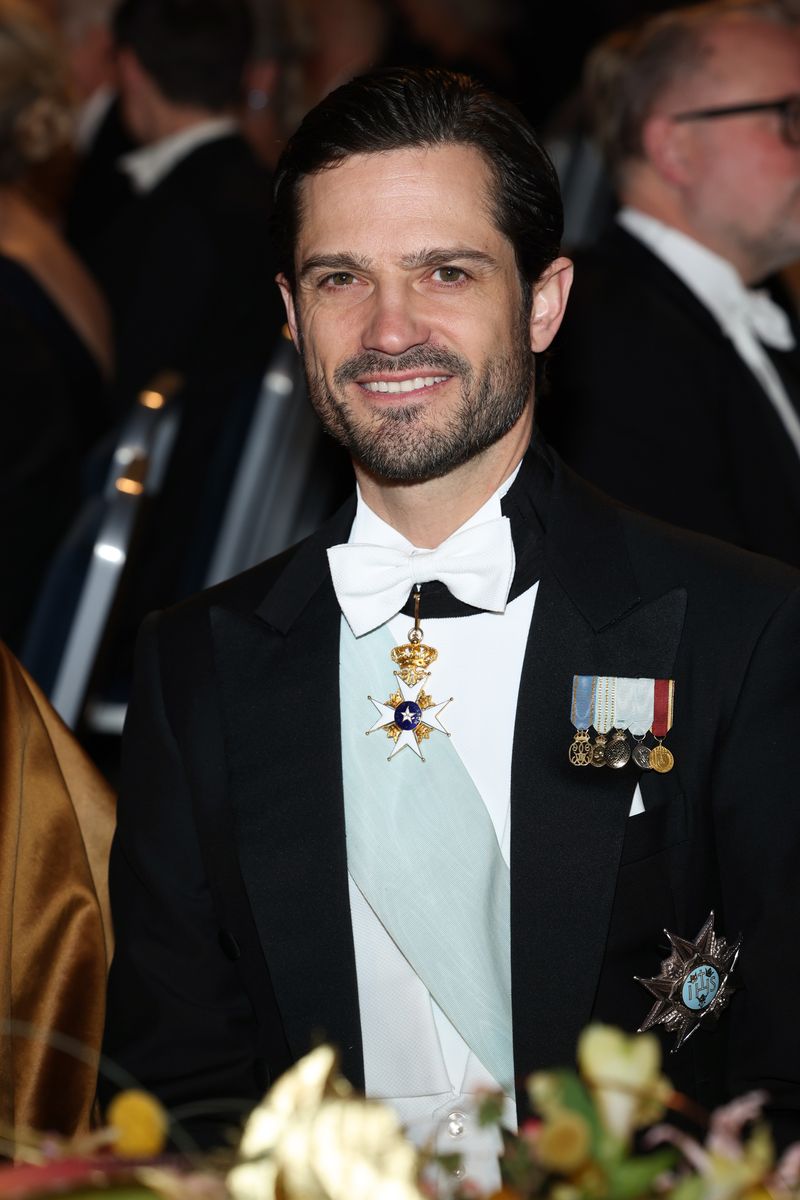
The most interesting thing about Carl Philip is that he masters very different registers without losing credibility. He can appear in a white tie, tuxedo, or naval uniform during a state dinner and look impeccable. But he also works in sports polos, technical vests, plaid scarves, or ski gear.
 © Europa Press Entertainment
That balance between aristocratic tradition and contemporary masculinity connects especially well with today’s mindset. He does not try to look modern. He simply is, effortlessly.
Additionally, his passion for design and fashion adds a dimension rarely seen in male royalty. Through Bernadotte & Kylberg, he has collaborated with prestigious Scandinavian firms such as Stelton, Georg Jensen, and Hästens, and a few years ago, he launched luxury accessories made with Merino wool and cashmere.
 © Ragnar Singsaas
In a way, Carl Philip represents a new idea of a European prince: less rigid, more versatile, and much closer to the contemporary man. And perhaps that is why, at 47, he still looks exactly like what we always imagine when we think of a storybook prince.