Codie Sanchez on money and Latino ownership: ‘We already have the entrepreneurial instinct’
The Contrarian Thinking founder shares her unconventional path to entrepreneurship, and the money conversations she wishes more Latino families were having
Codie Sanchez’s career is hard to fit neatly into one box. She has been a journalist, worked on Wall Street, invested in companies and bought businesses of her own. Today, as founder and CEO of Contrarian Thinking, she has turned those experiences into a platform that reaches millions of people interested in building businesses and creating wealth. Her own businesses have grown along with that audience, generating more than $31 million in revenue over a recent 12-month period, according to Inc. magazine. However, before she was teaching others about ownership, Sanchez had to learn how that world worked herself.
Sanchez moved into finance, working at firms including Vanguard, Goldman Sachs, State Street and First Trust. There, she learned how capital moved and deals came together, but she also noticed something more subtle. Often the only Latina in the room, she listened as people openly discussed investments, taxes, business deals and financial mistakes. Money wasn’t treated as an uncomfortable subject. It was something to understand, talk about and put to work.
After learning how other people built wealth, Sanchez wanted ownership of her own. So she set out to figure it out while she still had a corporate paycheck. That’s when she started buying businesses, including laundromats. While it didn’t seem like the glamorous version of entrepreneurship that people imagine, she knew she was onto something. She saw potential in profitable, everyday businesses that many aspiring founders and investors overlooked. Years later, that approach has paid off, Fortune magazine estimated Sanchez’s net worth at about $17 million in 2025.
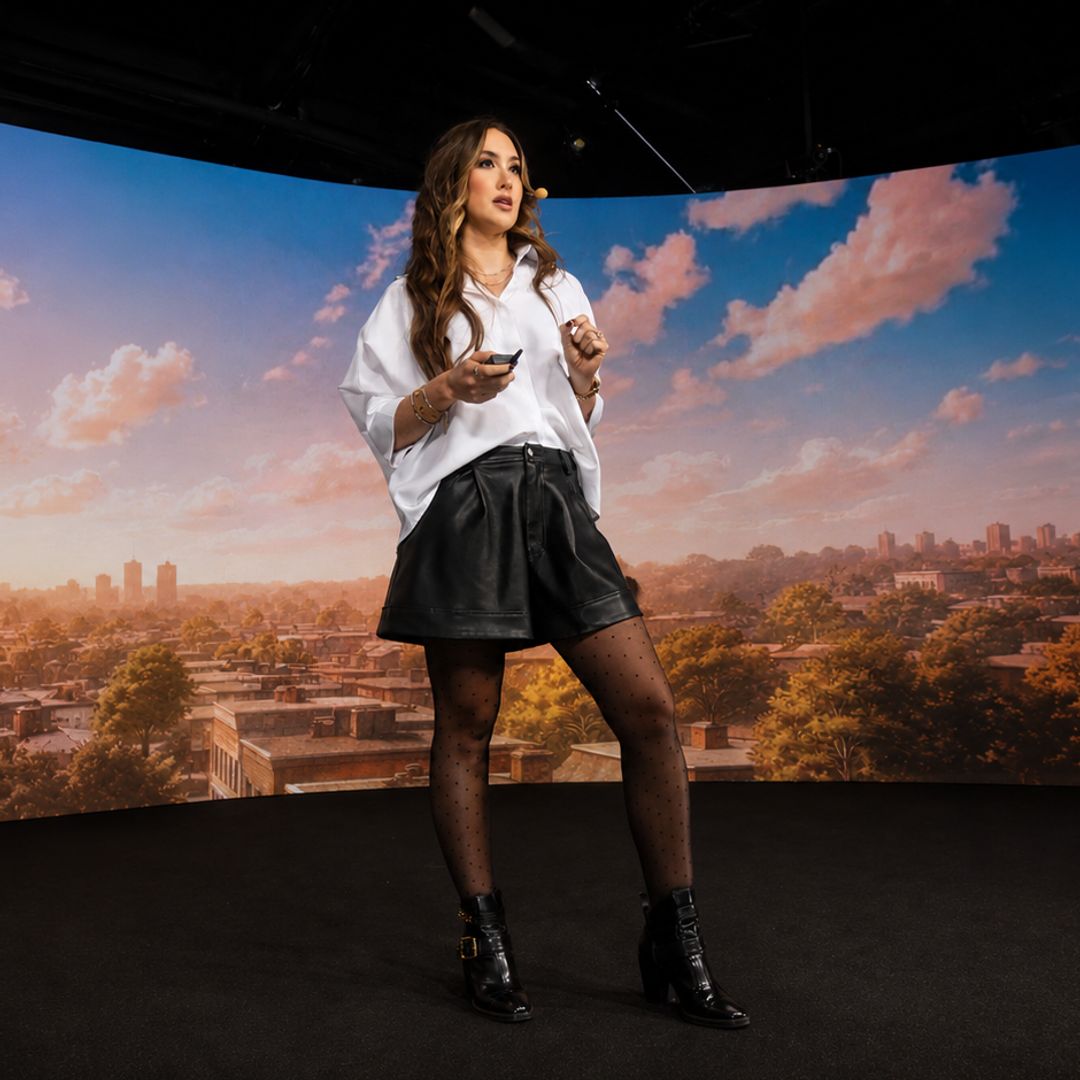
Codie Sanchez has built an audience of millions through Contrarian Thinking, sharing her approach to business, investing and building wealth.
As Sanchez’s audience has grown and her profile has risen, she told us about a message that hits particularly close to home. She believes Latinos already have the ambition and work ethic to build businesses, but too often, conversations about money aren’t happening openly and access to the right networks can be harder to come by. For Sanchez, changing that could open the door for more people to think bigger about what they can build.
¡HOLA! US had the chance to ask Sanchez about the career pivots that changed her life, her relationship with money, the lessons she learned from buying her first businesses and the risks that helped shape the entrepreneur she is today.
Your career started in a very different place from where you are today. Can you take us back to the beginning and tell us how you went from journalism to finance, investing and eventually entrepreneurship?
I started out as a public school kid, with no money. No idea how to actually “make it.”
I went to Arizona State to study journalism because I wanted to tell stories that mattered. A grant from Howard Buffett got me off campus and down to the U.S.–Mexico border, where I reported during the cartel wars. Wild in retrospect. I wrote about human trafficking, drug smuggling, and women disappearing into a system that barely noticed they were gone. I saw bodies hanging from overpasses and missing posters littering the streets.
That work changed the way I saw money. Money wasn’t just about houses or vacations. It decided who had protection, who had options, and who could end up dead in the desert and no one cared.
I got jaded. So I went where money was understood. I worked at Vanguard, Goldman Sachs, State Street, and First Trust. I learned how capital moved, how deals got done, and how the people making the decisions thought. Eventually, I realized I didn’t only want to advise or invest in businesses. I wanted to own them. I think ownership = freedom.
It wasn’t a straight line. Straight lines are mostly something people invent after the fact.
"I didn’t have anybody giving me a handout early on. No trust fund or rich husband, unfortunately. Nobody looked like me. I was the only Latina in my group so many times, I can barely count."
From Wall Street to entrepreneurship, Sanchez has turned the lessons from her own career into advice for business owners and aspiring entrepreneurs.
More Entrepreneur StoriesContinue reading
You said ownership became freedom for you. Do you remember the moment when you stopped thinking of yourself as someone who worked for other companies and started thinking, “I can own the business”?
Yes. One day - I looked down the hallway at the people ahead of me and thought, I don’t want their lives. They had money. They also were miserable. Divorced and showing off Ferrari’s and second wives. I was doing well, but I was climbing a ladder to a place I didn’t want to end up.
But I had no idea what to do next. Later, when I was working in private equity, a few of the men around me started talking about deals they owned on the side. One had invested in a marina. I asked how he’d bought a marina, because in my mind you either bought the whole thing or you didn’t.
He hadn’t. He’d written a small check, watched how the business performed, and invested more later.
That was the crack in the wall. I had treated ownership like a locked room for rich people. It turned out everybody started small and with a few shekels, so I threw mine in too.
Once you realized you didn’t need to buy an entire business to get started, how did you actually fund that first opportunity?
With my paycheck. Very glamorous. My first step wasn't buying an entire company. I invested a small amount alongside people who knew more than I did. I watched and asked annoying questions.
When I bought my first laundromat, I used income from my W-2 job for the down payment and structured part of the purchase with the seller. The business helped pay for itself over time.
Seller financing gets mangled online into “free business.” It isn't free. You owe the money, and now you owe it to the person who used to own the joint. But it can make a good acquisition possible without requiring you to show up with the full purchase price in cash.
I started smaller than my ego wanted. Brilliant in retrospect.
You started small and found creative ways to make the numbers work. What did those early experiences teach you about accessing capital when you don’t yet have a big track record or a lot of resources?
I wish somebody had told me this sooner, you ain’t never gonna get funding from a VC. Only 2 of 2,000 companies do. Your first source of capital is your business itself.
That’s what the 12 levers in Own or Be Owned are for: Pricing, Persona, Problem, Product, Profit, Pitch, People, Promote, Process, Predicament, Path, and Protect. Fix the price. Stop selling the wrong product to the wrong person. Hunt the bottleneck. Clean up the process. Protect the cash. Pay yourself first. Then let the profit fund the next hire, the next machine, the next location.
Most owners think they have a capital problem. Sometimes they do. Often, the business is just running faster to stay in place. That is no bueno. And you’re not alone everyone falls into this.
Revenue is not money. Ya can’t eat “potential.” Cash is king. And if you’re three weeks from zero and don’t know it, nothing else you’re working on matters. Or as Wu Tang Clan said, “Cash Rules Everything Around Me.”
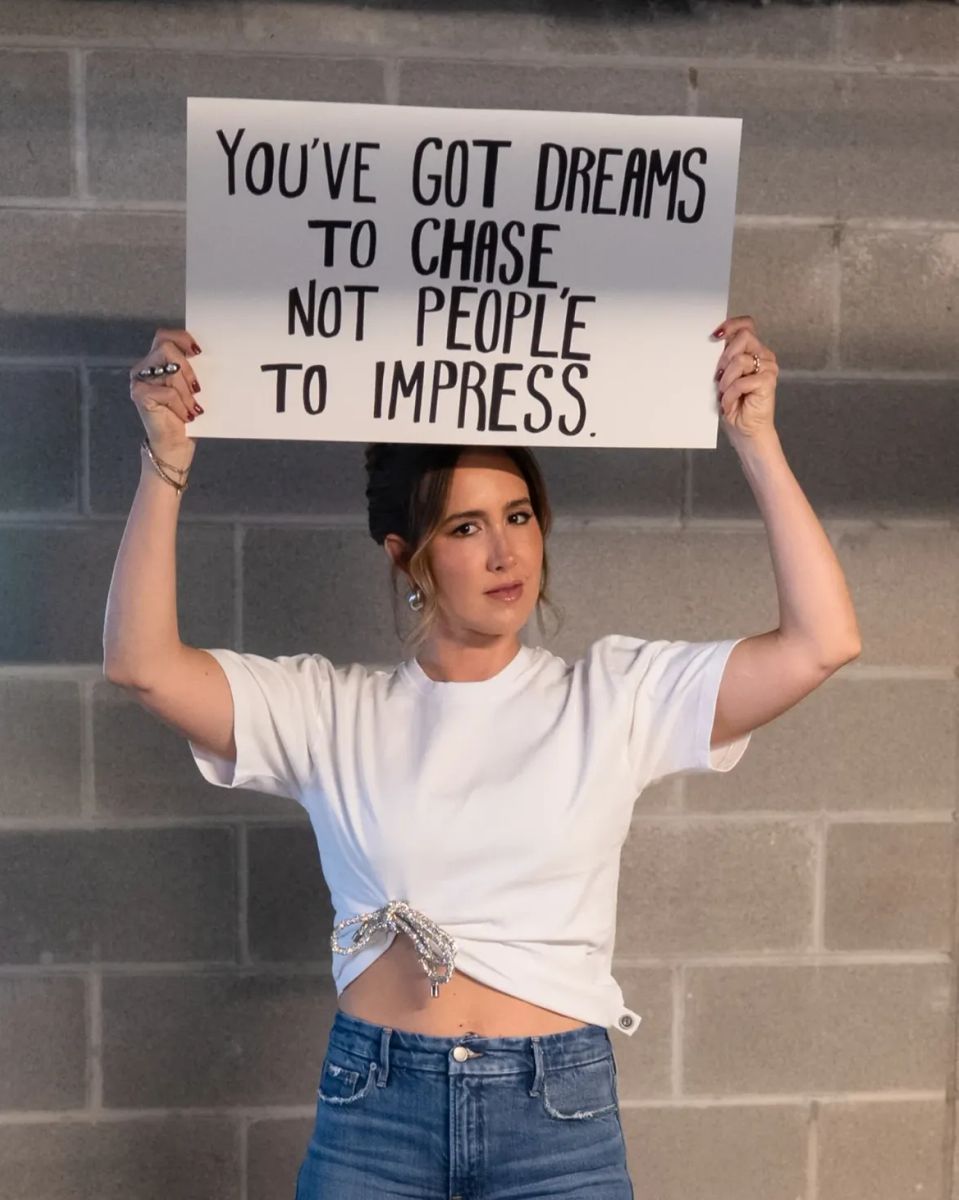
“You’ve got dreams to chase, not people to impress.” Sanchez has made taking risks and creating your own path a central part of her message to aspiring entrepreneurs.
You also started looking at businesses a lot of people might overlook, from laundromats to car washes. What did you see in these so-called “boring businesses” that others weren’t seeing?
PROFITS. My entire new book Own or Be Owned is about how to take a “boring” or normal business and make it make you money. Inside your business, there are 12 profit levers that can completely change the financial trajectory of your business forever.
The problem is that most small business owners have no idea how to use the levers, where to find them, or what they even are. If you can figure out in your business where your biggest unlock is, you’ll never have to ask other people for money. You’ll just find it inside your business, just like I have.
Finding a profitable business is one thing. Actually running and growing it is another. What did your first businesses teach you about scaling without becoming the person doing everything yourself?
The first lesson is that I bought myself a job before I bought myself a business, and nearly everyone does that once. I was in the weeds fixing machines and chasing an employee who did not show up. Shoot me. The fix was not working harder. The fix was running a real operating system that diagnoses, scores, strategizes and then reviews your 12 profit levers every single quarter.
That feeling of being the bottleneck in the thing you supposedly own is why I wrote Own or Be Owned. The subtitle is build a business so good it doesn’t need you, and I mean that literally, because I had built the opposite and I didn't have a name for it at the time. So we surveyed 15,000+ business owners to find out how common it was and how it actually shows up, and we turned the answers into an Owners Score. Honestly this is such a hack… go to www.ownerscore.com; it’s like the horoscope and personality test you didn’t even know you needed in your business.
As you were learning all of this, you were also often the only Latina in the room. How did that experience, and your background more broadly, shape the way you think about money and ownership?
I didn’t have anybody giving me a handout early on. No trust fund or rich husband, unfortunately. Nobody looked like me. I was the only Latina in my group so many times, I can barely count. That was annoying at some points, but what I realized is that if I was hanging out with a bunch of rich white people… they talked different. They talked about deals they did. Investments made. How much cash they lost or won? I realized it was incredibly dumb how little Latinos talk about money, focus on getting more of it, and share the inside secrets about their wins and losses.
I grew up thinking that meant you were a greedy, bad person if you talked about it all the time. As I got older, I realized that’s the lie that’s been keeping us poor. Rich people talk about money. Business owners use systems. Real ballers run their business like private equity does. They do not cowboy it.
“Easy choices make a hard life and hard choices make an easy life, and you get to choose which one you are building.”
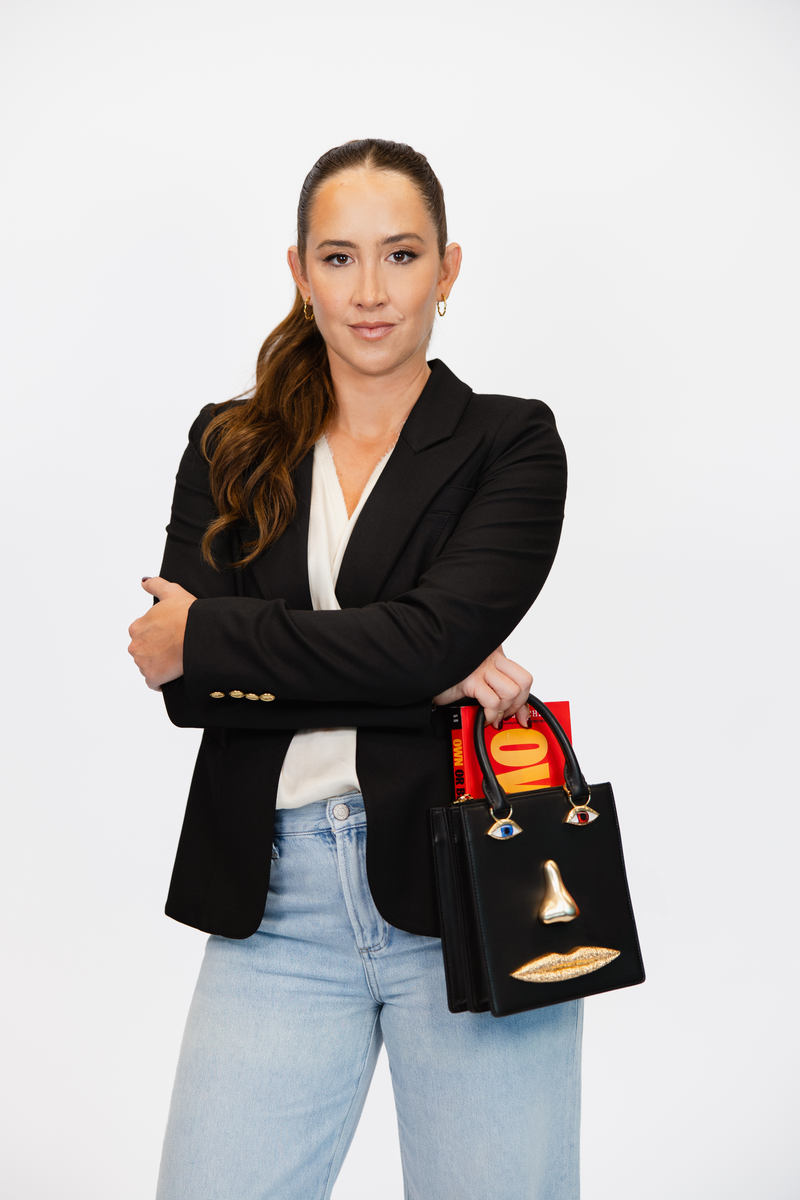
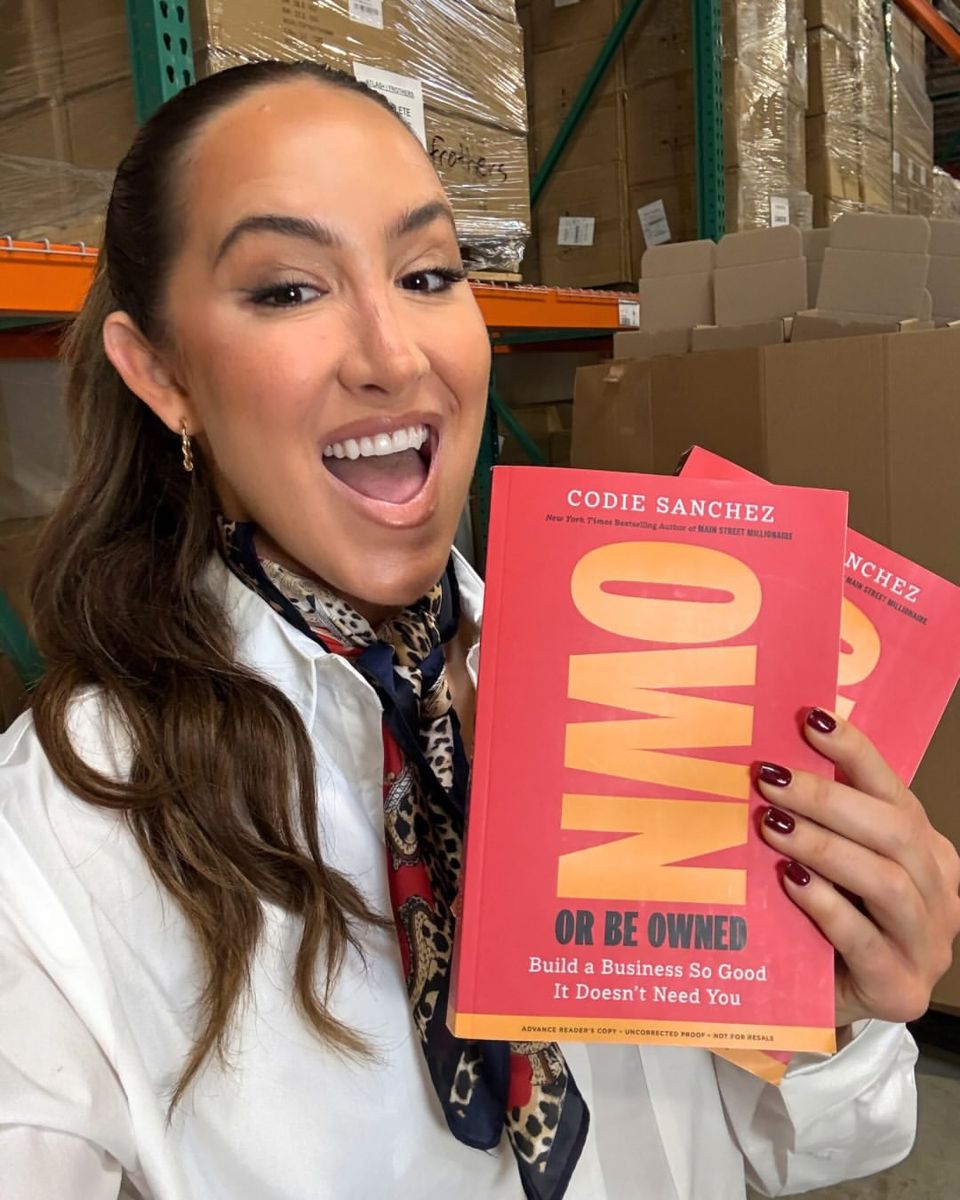
Sanchez with copies of her latest book, 'Own or Be Owned: Build a Business So Good It Doesn’t Need You.'
You’ve talked about how differently money and deals were discussed in some of those rooms. What do you think needs to change for more Latinos to have access to those conversations and move from working in businesses to owning them?
We already have the entrepreneurial instinct. What we do not have is the conversation.
There is a way men in finance talk to each other that I did not know existed until I was standing in the room. They talk about how they structured their taxes, and they talk about club deals, which just means a few of them put money together around the nineteenth hole and now one of them owns part of a car wash. That is never published anywhere. You have to be there to hear it.
So the first change is access to those rooms, which means we build our own and bring people in instead of pulling the ladder up behind us. The second is capital, because Latino owners are still turned down at higher rates with comparable numbers, and we have to stop assuming the answer is no before we ask. The third is language, because you cannot buy a thing you have never heard anyone describe.
That idea of opening up conversations that often happen behind closed doors feels connected to what you’ve built with Contrarian Thinking. How did you turn your own knowledge and experience into a platform that could reach millions?
It started because I got pushed. My dad says you either listen to the universe or the universe gives you a shove. He was right. I got shoved a few times. I got told I was unemployable. I got told that if I wanted to go run things my way, I needed to find a new company. I got told that if I wasn't going to row in their direction, I needed to get a new boat. That's all actually fair. They did me a giant favor, and that giant favor led to contrarian thinking reaching millions of people because I got kicked out of the corporate club.
I think the biggest thing that has made all the difference with our businesses is that we focus on one thing: profit. Most people in business do not know how to make real money and keep it in their businesses, and we have always had to run ours profitably.
Everything I teach is about how to make sure your business actually makes you money. If you just want to grow a business fast and burn money, that is probably not for you. If you want profits, I'm your girl, and that's why millions of people listen to us.
Now you have an enormous audience, but attention alone doesn’t build a successful company. How did you turn that audience into a sustainable business without losing the trust that helped you build it?
Give the information for free, make people pay for the implementation.
I want to serve 99.9% of people entirely for free. We do around 130 million views a month, and in a given year we work with roughly 5,000 people on the advisory and investment side. I think this only works because I’m willing to give 10X more than we ever take.
Business owners and people who want to scale businesses come to us and realize, “Man, if this free stuff is so good, can you imagine what it's like to actually work with them one-on-one?” They’re right. Our business owners grow faster than almost any cohort, and that's because we’re really good at what we do.
We document it like crazy. We have tech and systems that are usually only for the Fortune 1000, but we give them away to people who make hundreds of thousands or millions inside their businesses.
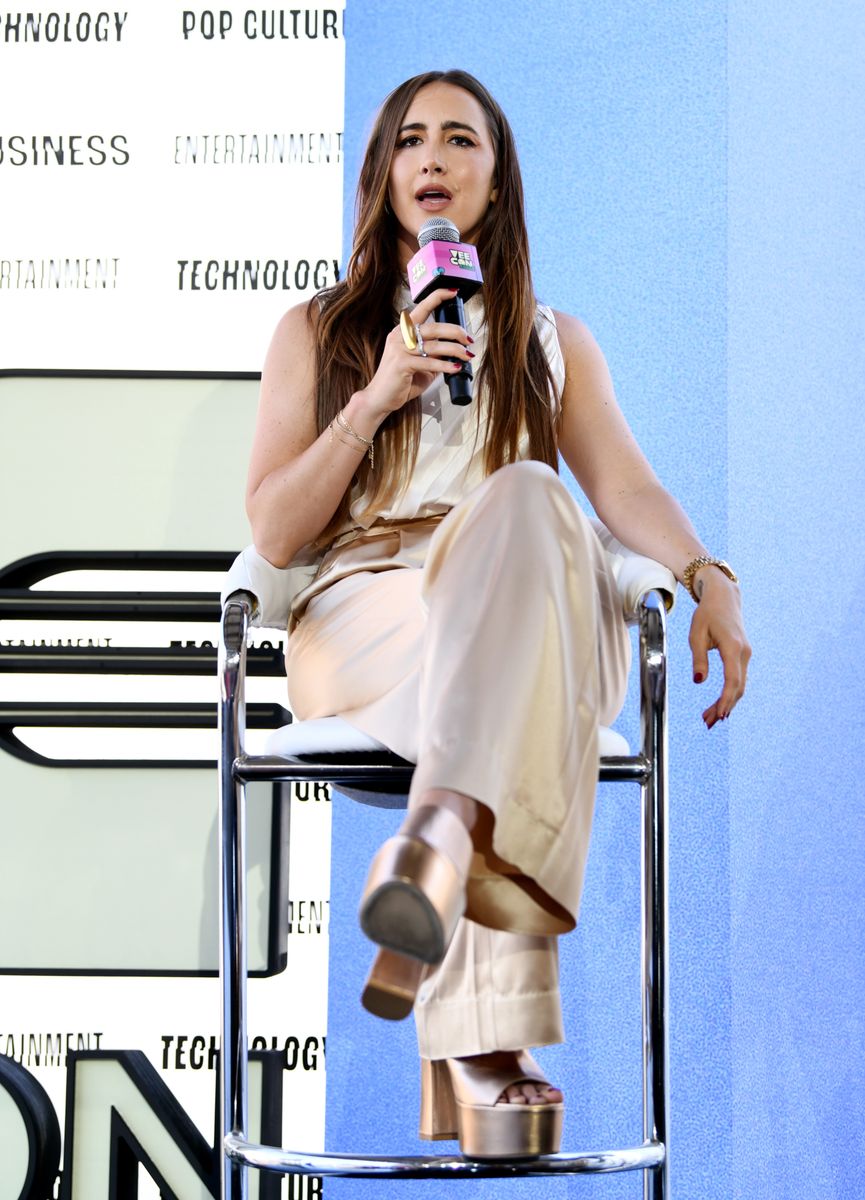
Codie Sanchez speaks during VeeCon 2024 in Los Angeles
“I started smaller than my ego wanted. Brilliant in retrospect.”
Codie Sanchez
If you could put the entrepreneur you are today in front of the young journalist you were at the beginning of your career, what do you think would surprise her most?
She would be surprised it took me so long. I might have been more brave at twenty-one than I was at thirty. She would also be surprised that I owned laundromats and even knew what a wrench was. That was not on the bingo card.
And she would be relieved to hear that once you have seen bodies hanging from an overpass, a bad quarter does not frighten you much. That business is damn hard but doesn’t have to be this miserable.
And for the person reading this who has big ambitions but doesn’t know where to begin, what would you tell them?
Take more risk than feels reasonable, because you cannot spell rich without risk. It does not have to be physical risk. It can be business risk, money risk, or the risk of moving across the country. Easy choices make a hard life and hard choices make an easy life, and you get to choose which one you are building.
AND GO BUILD A BUSINESS THAT MAKES YOU MONEY. Everything gets easier when you do that. I promise it’s possible. I will teach you how to do it. By the way, you’re probably more capable than you think.

 © Courtesy
 © Courtesy
 © IG: Codie Sanchez
 © IG: Codie Sanchez
 © Chelsea Guglielmino