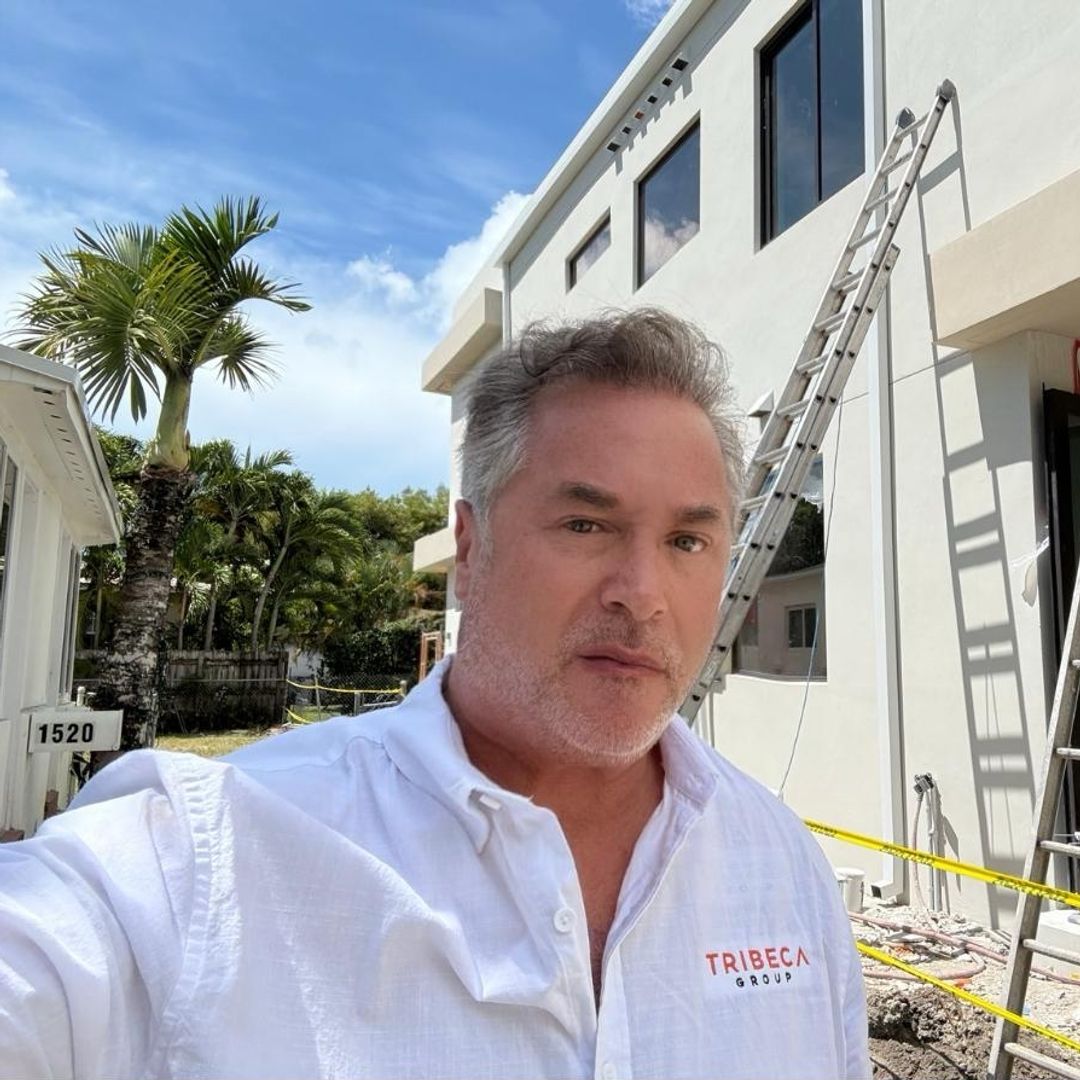
Twenty-three years ago, Gerardo Feldman arrived in Miami with just $2,700 in his pocket, a mountain of debt, and no guarantee he'd ever rebuild the career he had left behind in Argentina. Decades later, he is the founder and CEO of Tribeca Group, one of Miami's leading luxury construction and design firms.
His portfolio includes projects for Ricardo Arjona, Chayanne,the Marley family, and Diego Torres, and he recently completed David Guetta's state-of-the-art recording studio in Indian Creek, adding another high-profile project to a résumé that also features studios developed for some of the world's biggest music stars in collaboration with a leading acoustic design firm.
Feldman remains actively involved in every stage of the construction process, from planning and design to project completion.
His road to success and getting from one chapter of his life to the next was not easy. After Argentina’s economic crisis forced him to start over in the early 2000s, Feldman arrived in Miami and spent months looking for work, unsure of what would come next. Then, a chance encounter from an overheard conversation at a local café changed everything. It led to his first construction project in South Florida and eventually to the rebirth of Tribeca Group, the company he had started years earlier in Argentina. From there, the business grew the old-fashioned way, through referrals from satisfied clients. Now, more than 20 years later, that’s still what keeps it going.
Gerardo and his team are behind some of the most impressive projects for luxury homes, recording studios, and custom spaces built for high-profile clients. And if you ask him how he got there, he’ll tell you it wasn’t luck or an overnight success story. It was years of taking risks, figuring things out as he went, and learning from every challenge along the way.
"I didn't start from zero. I started from below zero. But every setback taught me something that eventually helped me build the company I have today."
Gerardo Feldman
One of the biggest shifts in his mindset, he says, came when he stopped seeing credit as something to fear or avoid and started understanding it as a way to grow his business when used responsibly.
In this conversation with ¡HOLA! Feldman, who is frequently referred to as the architect to the stars in Hispanic media, looks back on the journey that brought him from Argentina to Miami, the unexpected opportunities that opened doors, the values that continue to guide his company, and the lessons he hopes will encourage others to take the leap and build something of their own.
Feldman told us how succeeding has to do a lot with taking risks
Let’s start at the beginning. What brought you from Argentina to Miami?
I had a successful construction business in Argentina, but everything changed during the country’s economic crisis in 2001. At the time, I was financing projects in Argentina with credit from the United States. When the exchange rate collapsed, I was left with significant debt and had to find a way to repay it.
Around that time, Miami was booming, and I realized it was the place where I could start over. It wasn’t an easy decision. I left almost everything behind, but I knew I had to take the risk if I wanted to rebuild my future.
What do you remember most about those first months?
I always say I didn’t start from zero; I started from below zero.
I arrived with $2,700, a lot of uncertainty, and plenty of fear. Back in Argentina, I’d already built six residential buildings, so naturally I thought I’d continue doing that in Miami. Instead, I spent six to eight months simply looking for work.
Eventually, I started a small painting company, but the real turning point came completely by chance. One day, I overheard a conversation at a café between a man who imported marble from Spain and someone discussing a construction project. I heard him say, “I sell the marble, but I don’t install it.”
I walked over, introduced myself, and said, “Today is your lucky day because installing marble is exactly what I did back home.”
Looking back, I think the desperation to survive gives you the courage to do things you might never do otherwise. I already had the experience. I was an architect, a builder, and I’d completed major projects in Argentina. I was looking for someone willing to give me an opportunity.
How did that conversation change everything?
That man gave me my first major project in Miami: installing marble in a 48-story condominium on Collins Avenue.
He supplied the materials, and I built the installation teams from scratch. I was driving around looking for installers anywhere I could find them, even outside Home Depot. Eventually, I put together four crews, and we completed the building’s common areas, including the lobby, hallways, kitchens, and bathrooms.
I worked six days a week supervising every installation and making sure we delivered on schedule. Then something unexpected happened. The people buying apartments in the building started asking if I could finish the rest of their homes, installing flooring, building closets, painting, and handling the interior work.
That’s really how Tribeca was reborn in Miami. One opportunity led to another, and word of mouth became my greatest asset. Little by little, I rebuilt my business and eventually paid off the debt that had brought me to the United States in the first place.
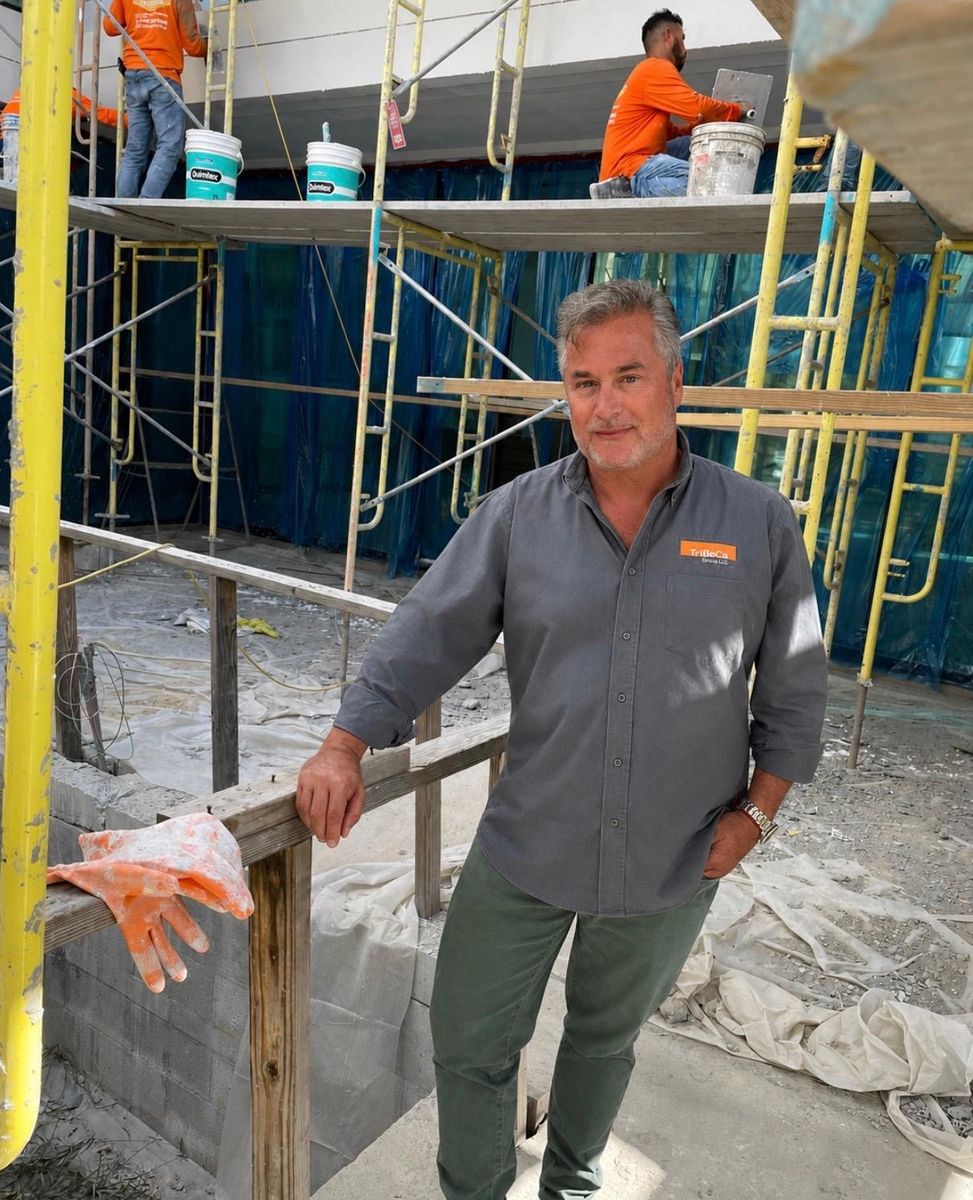
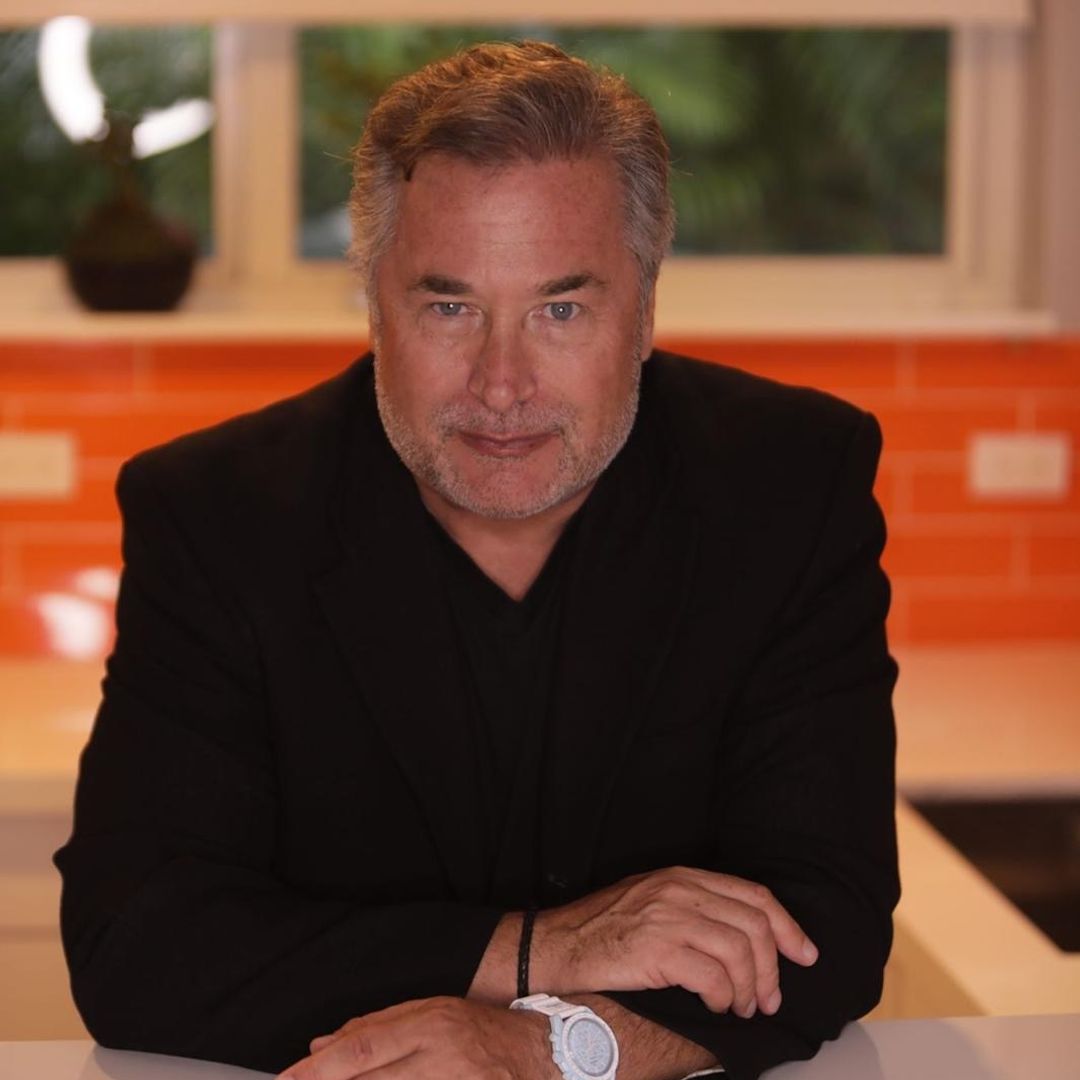
Gerardo Feldman, founder and CEO of Tribeca, has spent more than two decades building one of Miami's leading luxury construction and design firms.
You’re known for designing homes and creative spaces for celebrities. How did that happen?
Honestly, it happened by accident.
After finishing that first condominium project, I sat next to someone on a flight from Argentina to Miami. We met each other casually, and during the flight he mentioned he was looking for a general contractor to build recording studios for an artist in Jupiter, Florida.
I immediately told him, “I’m a general contractor.” He handed me the plans and asked me to prepare a proposal. I’d never built a professional recording studio before, so I spent an entire month researching every detail and figuring out how to estimate the project. There was no ChatGPT back then or tools to help you. I broke everything down piece by piece until I had a proposal ready.
I ended up getting the job. Looking back, I think part of the reason was that I probably submitted the lowest bid because I didn’t fully understand what I was getting into. Financially, it wasn’t my best project. I lost materials, I lost time, and I learned through trial and error. But it gave me something much more valuable: experience in a niche I never imagined becoming part of my career.
How did that lead to working with some of the biggest names in music? You have been called “the architect to the stars” in Miami.
That first studio opened a lot of doors. A leading American acoustic design firm hired me as its contractor in Florida. They designed studios for some of the biggest artists in the world, while my team handled the construction. That’s how I became involved in projects for top musicians and producers.
Over the years, I also began working directly with artists including Ricardo Arjona, Chayanne, Damian Marley, Stephen Marley, and Diego Torres, along with entrepreneurs and high-profile homeowners who were referred to me by previous clients. Each project opened the door to the next one. One client trusted me, then another, and over time those relationships shaped the business.
What do you think keeps clients coming back?
For me, it’s never just about building a house. It’s about creating a space that reflects the people who will live in it.
Before I design anything, I spend a lot of time getting to know my clients. I ask about their lifestyle, their family, how they spend their time at home, the colors they love, and the way they want to feel in each room. I’m not interested in creating something that simply looks beautiful. I want to create spaces where people truly enjoy living.
There’s nothing more rewarding than seeing a client walk into their finished home and say, “Wow, I love it.” That’s always been more important to me than the project itself.
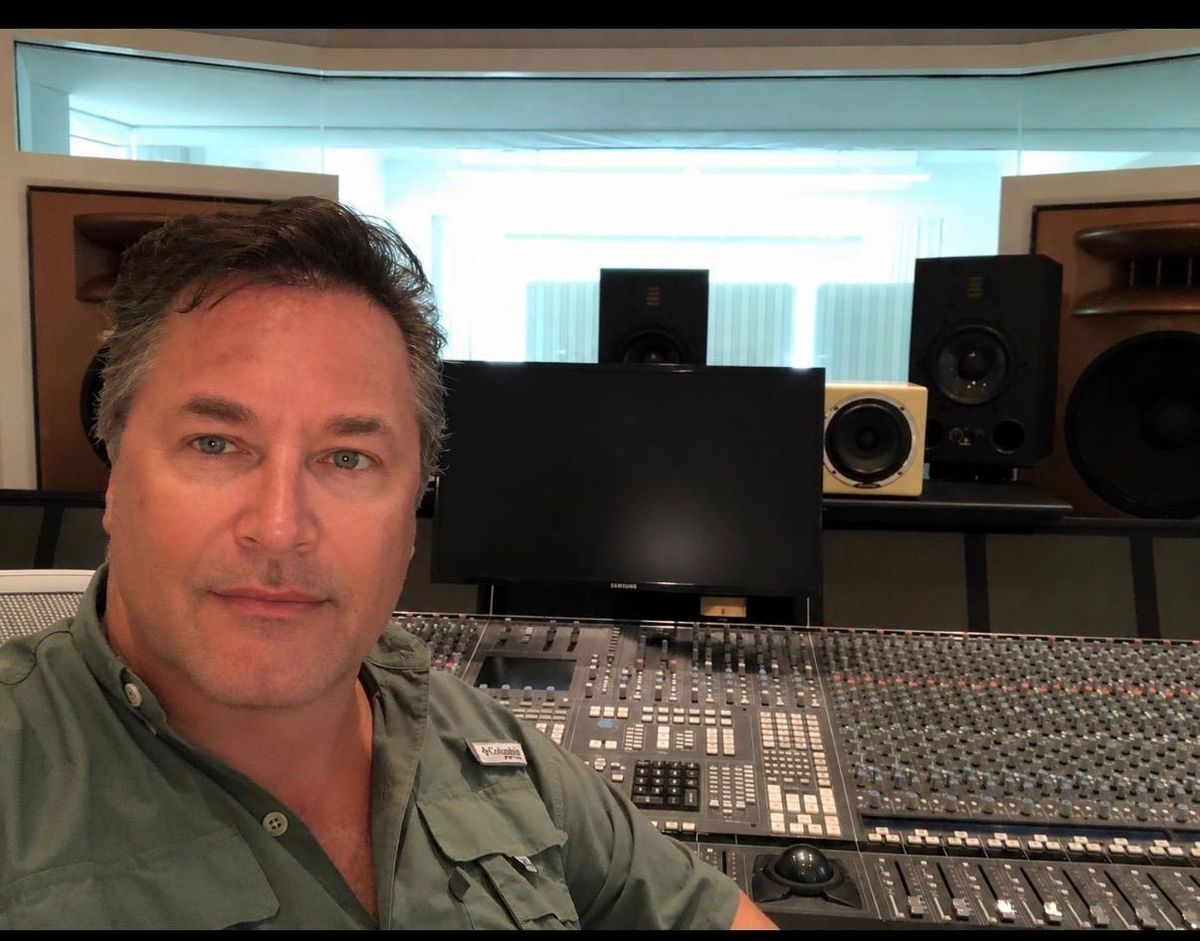
One unexpected opportunity led Feldman into the world of professional recording studios, opening the door to projects for some of the music industry's biggest names.
Does Tribeca also offer interior design, in addition to construction? Was that always part of the plan?
Not at all. It evolved naturally.
One of the things that makes Tribeca different is that we handle the entire process. In the United States, it’s common for the architect, interior designer, and builder to all work separately. My background in Argentina taught me a different approach.
We begin with the first conversation in the client’s living room. We talk about how they live, what inspires them, what they need, and what they dream about. From there, we develop the architectural concept, incorporate the interior design, prepare the plans, and oversee the entire construction process.
It creates a true turnkey experience. Clients have one point of contact and one team responsible for the entire project. It also helps reduce costs and eliminates the finger-pointing that can happen when multiple companies are involved.
Looking back, I never planned for Tribeca to become this kind of company. It simply evolved as we listened to what our clients needed. Twenty-three years later, that approach continues to define who we are.
One of the biggest lessons you’ve shared is the role credit played in your journey. How important was it in building Tribeca?
It was essential. One of the biggest differences I discovered between the United States and Argentina is the way people think about credit. Back home, everything was mostly cash. When I first arrived here, everyone talked about building your credit score, and honestly, I didn’t really understand what that meant.
Then I realized that every time I used credit responsibly and paid it off on time, I was building credibility with lenders and my score would go up. Slowly my credit grew, and so did my ability to take on larger projects.
That’s why I say credit helped me build my company. Tribeca wouldn’t be where it is today without understanding how to use it wisely.
Many entrepreneurs are afraid of taking on debt, especially in the early stages. What would you tell them?
The key is understanding the difference between debt and investment.
If you’re using credit to buy luxury watches, expensive cars, or things that don’t generate income, you’re creating a problem. But if you’re using it to expand your business, finance inventory, invest in real estate, or generate future income, you’re putting that money to work instead of simply spending it.
I’ve used credit to purchase construction materials, finance projects, and even invest in real estate. I renovate properties, sell them, and use those profits to continue growing. Credit becomes a tool, not a burden.
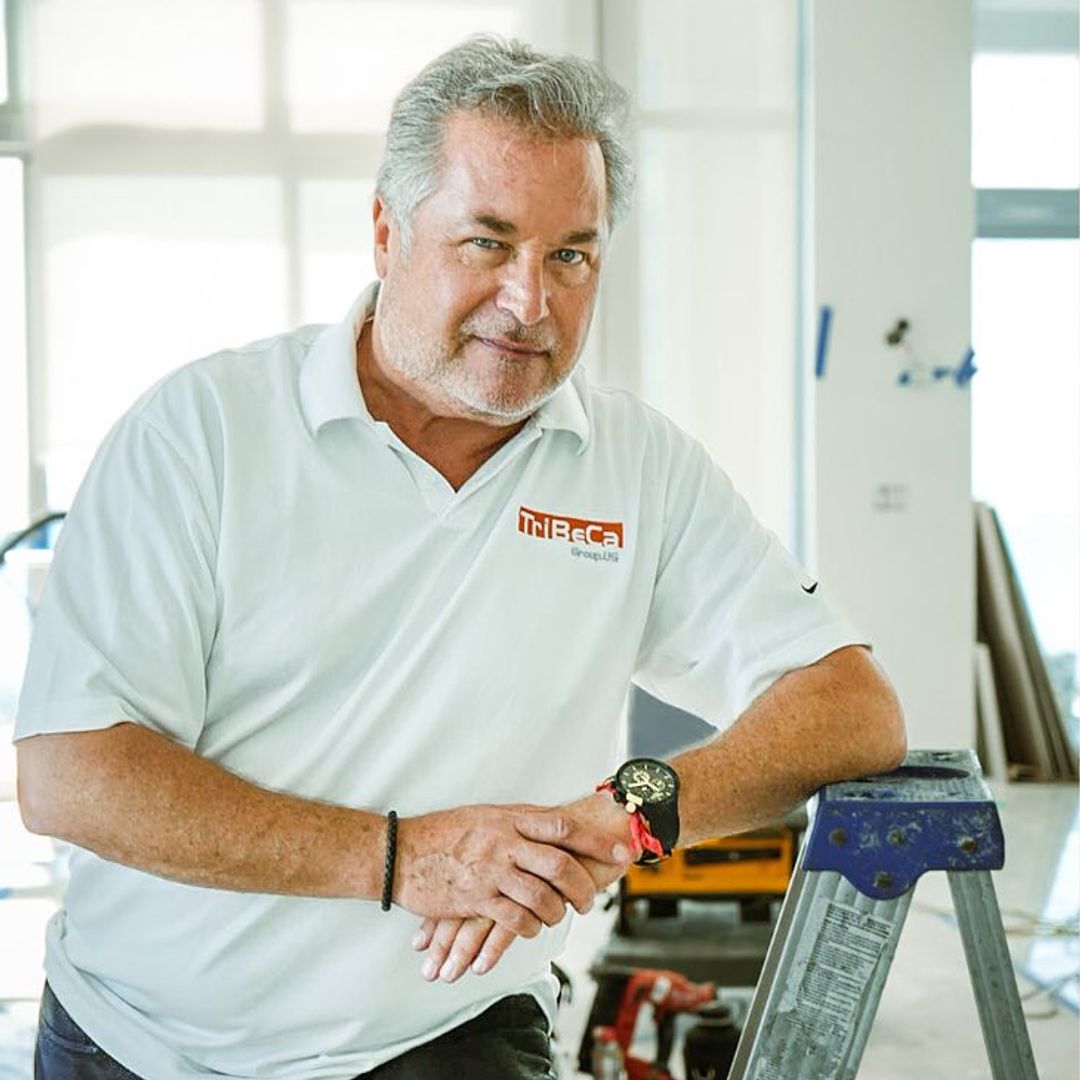
Feldman approaches every project with a focus on functionality, craftsmanship, and spaces designed around the people who will call them home.
"People see the projects and the success today. What they don't always see are the years of uncertainty, the risks, and the belief that every opportunity, no matter how small, could lead to something bigger."
Gerardo Feldman
Beyond financing, what’s the foundation of a successful business?
Your reputation. In our culture, your name means everything, and I still believe that. Word of mouth has been the foundation of my business from the very beginning.
For years, I never advertised. Every new client came through someone who trusted my work enough to recommend me. You can’t buy that kind of trust. You earn it by doing good work and keeping your word.
However, the pandemic completely changed that and my business.
What happened?
Most of my clients were artists and entertainers. Suddenly, concerts stopped, tours disappeared, and everyone put their projects on hold. Overnight, the work dried up, but my expenses didn’t.
That’s when I realized something surprising. Friends who wanted to remodel a bathroom or renovate a kitchen weren’t calling me because they assumed I only worked on multimillion-dollar homes for celebrities.
They’d tell me, “Gerardo, I don’t want to bother you with a small project.”
I realized I had unintentionally created a brand image that was limiting my business. So I decided to reimagine my profile and start showing a different side of my company on social media. Instead of focusing only on luxury estates, I began sharing everyday renovations, kitchens, bathrooms, and additions, the kinds of projects many homeowners need. It completely helped me revive the business. I had to shift and adapt.
Yet you currently still continue working on high-profile projects…
Absolutely. We’re still fortunate to work with artists, musicians, and large custom homes. At the same time, I never overlook the smaller projects.
Bathrooms, kitchens, home additions…All those jobs create consistency. They keep our doors open, our team working, they build relationships, and they have become the backbone of our business. You can’t depend on one type of client. Diversifying was a big lesson and what gave us stability.
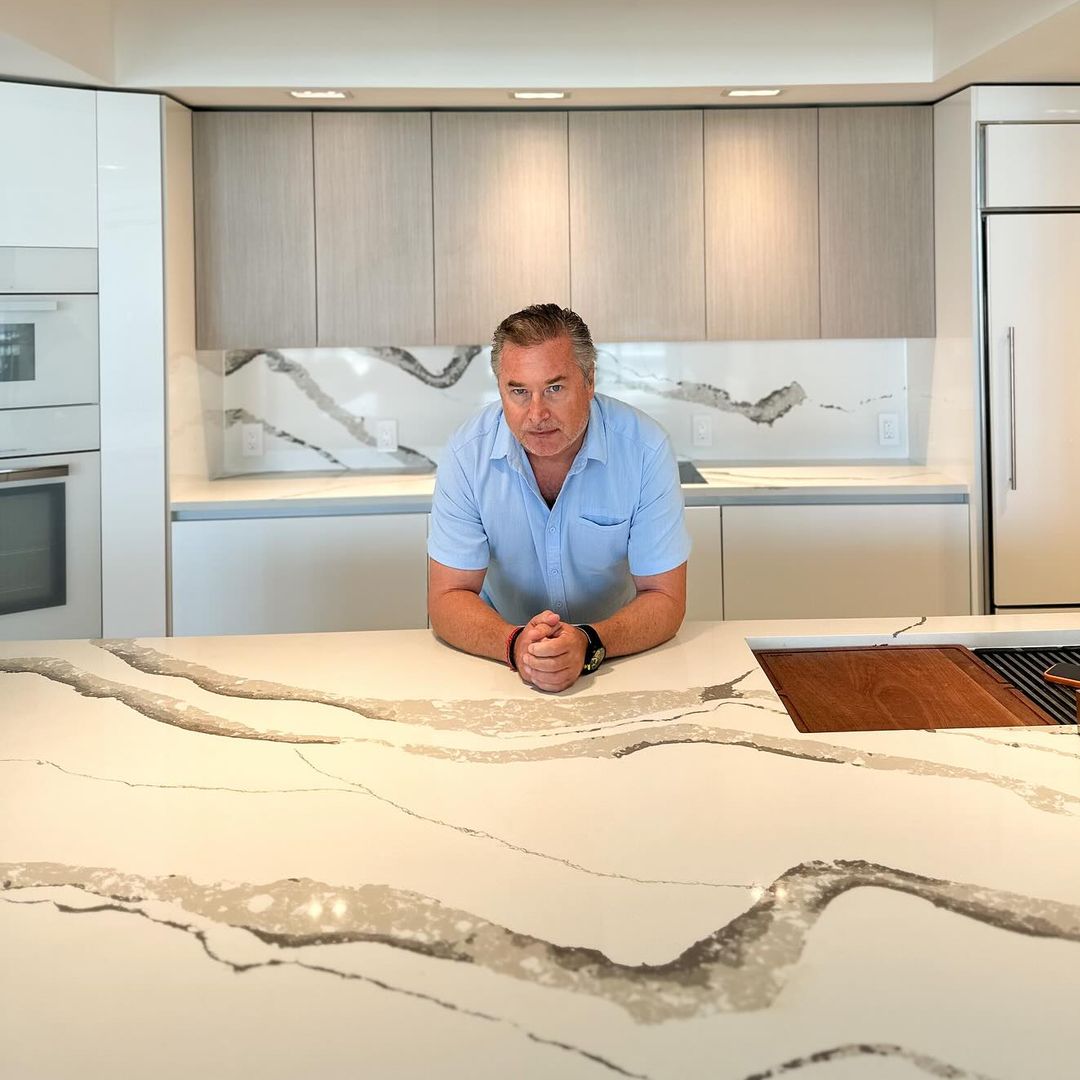
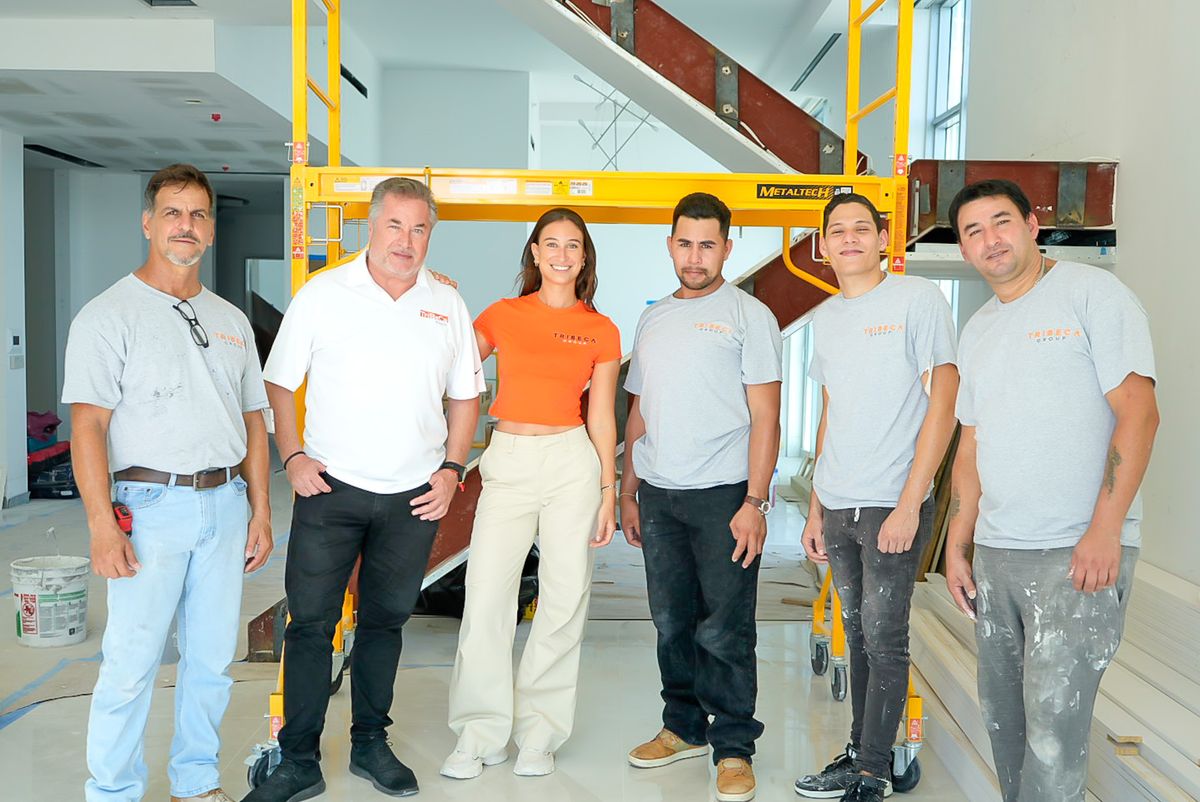
For Feldman, Tribeca's success has always been about people. He credits his team with helping bring each custom project to life.
Other Entrepreneur StoriesContinue reading
How does credit continue to help you nowadays?
It allows me to stay ahead.
In construction, I often purchase all the materials before my clients have completed their payments. That gives me better pricing and allows projects to move forward without delays.
Right now, for example, we’re bidding on very large projects where payment terms can stretch 60, 75, or even 90 days. If you don’t have the financial capacity to cover payroll and materials during that time, those opportunities simply aren’t available to you.
Financing gives us that flexibility. It allows us to keep working, deliver on time, and take on projects that otherwise wouldn’t be possible. For me, it’s really about having the financial flexibility to keep a business moving forward.
You’ve also expanded into importing building materials from Argentina.
Yes, and that’s another example of how financing can create opportunities. Recently, I began importing construction materials from Argentina and representing two major Argentine brands.
Access to financing is what allows me to think bigger. I finance the containers, bring the materials to the United States, sell them, and then repay the financing. Without that flexibility, many of those opportunities simply wouldn’t happen.
For me, that’s what entrepreneurship is all about: finding new ways to grow while staying true to your values.
If you could go back 23 years and give your younger self one piece of advice, what would it be?
I would tell myself not to be afraid of starting over.
One of the biggest challenges when you arrive in a new country is letting go of the mindset you brought with you. I see it all the time. People come to the United States after being successful in their home countries and expect the same opportunities right away.
My advice is simple: don’t be afraid to start from the bottom again.
I had to learn everything from scratch. I didn’t know how to pull permits. I didn’t know how inspections worked. I learned through trial and error, working six days a week and taking every opportunity that came my way.
That’s how you grow. You have to leave your ego behind and be willing to learn again.
"Credit helped me build my company, but only because I learned to use it responsibly. It's not about spending money, it's about creating opportunities."
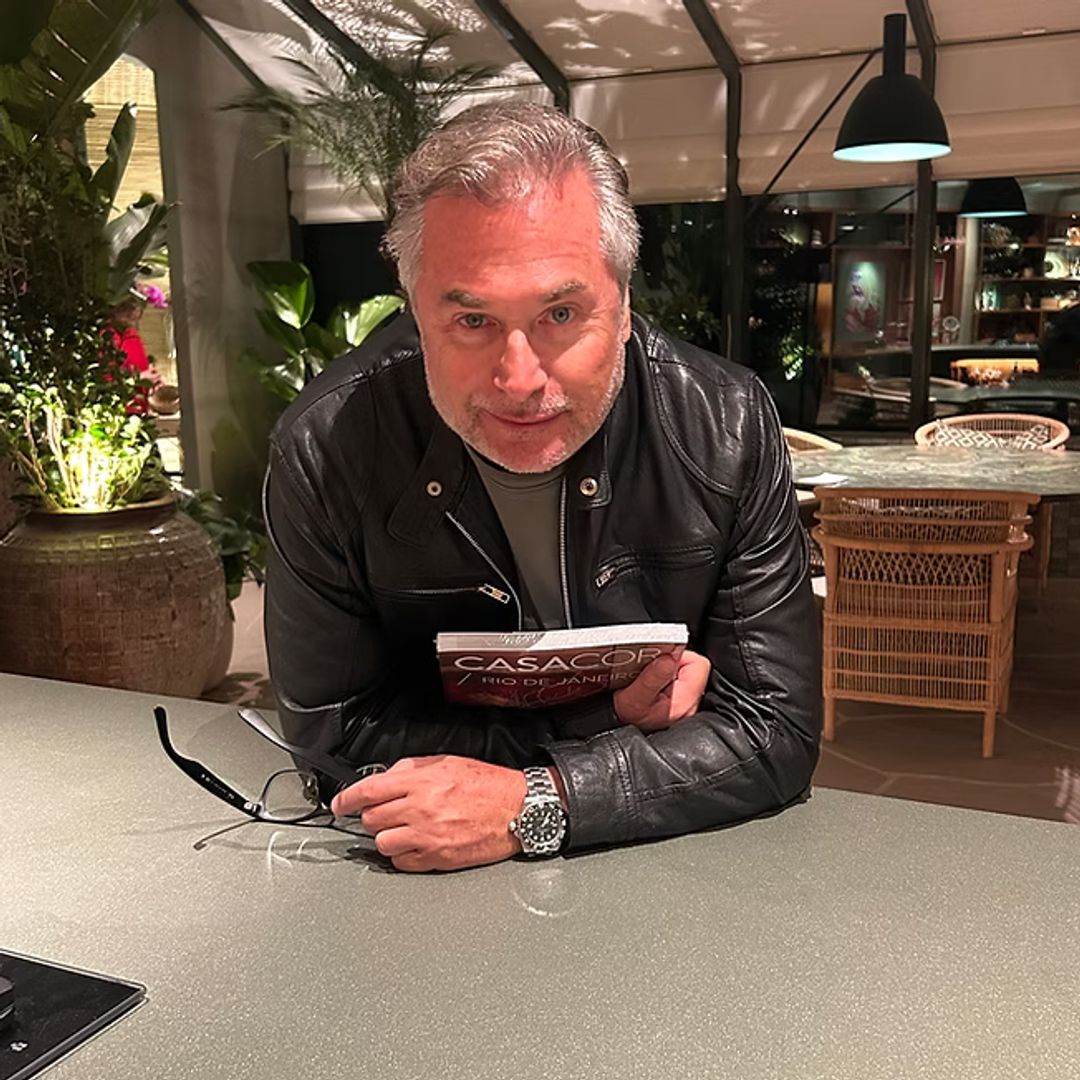
Beyond construction, Feldman stays closely connected to the latest trends in architecture, design, and luxury living.
Was there a moment during those early years that you’ll never forget?
Andrea, I was struggling to pay my cellphone bill, which was just $36 a month. When I got my first paycheck, it was $350 for the week, and I felt like I’d won the lottery.
Every job felt like an opportunity. I never looked at any work as being beneath me. I believed that if I gave it everything I had, something bigger would eventually come from it.
I’ve had the privilege of working for some of the most successful people in the world, but I still approach every project with the same attitude I had back then. You have to earn your reputation every single day.
Finally, what’s the biggest lesson you’ve learned as an entrepreneur?
Take risks.
The biggest opportunities in my career came when I was willing to step outside my comfort zone. Of course, with experience you become more careful. When I was younger, I was willing to take on projects before I knew exactly how I’d make them happen. Now, I’m more strategic. But the principle hasn’t changed.
If you never take the chance, you’ll never know what’s possible.
Every major chapter of my career began because I said yes to an opportunity that felt uncertain at the time. Looking back, those decisions shaped not only my business but also my life. If you don’t take risks, you don’t win.
 © Courtesy
 © Courtesy
 © Courtesy
 © Courtesy
 © Courtesy
 © Courtesy
 © Courtesy