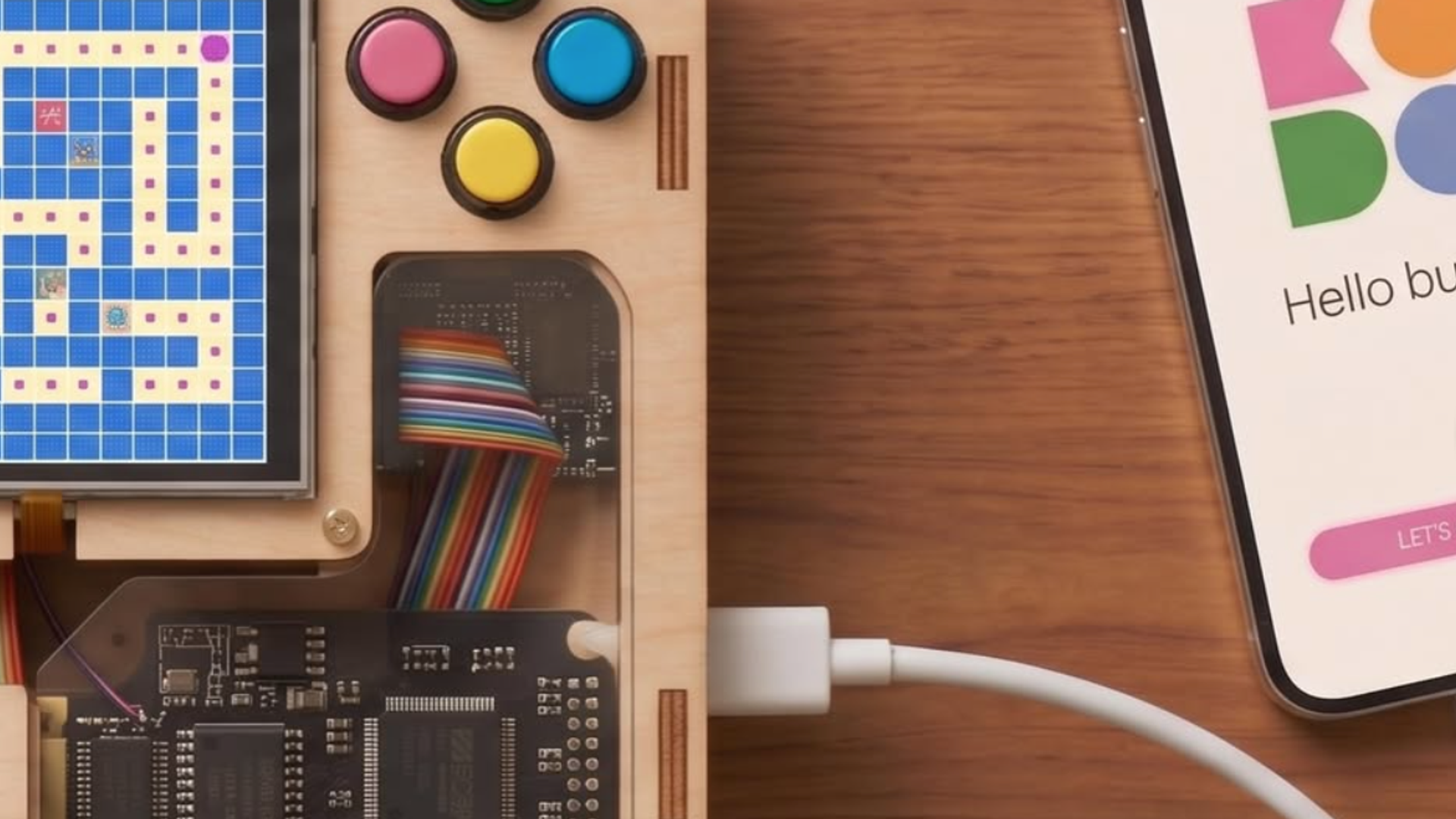
Few technology trends blur the line between science fiction and reality quite like cyberdecks. First imagined in the 1984 novel “Neuromancer” by science fiction author William Gibson, cyberdecks were portable computers used by hackers to explore vast digital worlds. For decades, they remained a staple of cyberpunk culture, appearing in novels, films, tabletop games, and video games.
Today, however, cyberdecks have evolved from fictional gadgets into a real-world movement driven by makers, artists, programmers, and hobbyists. Modern cyberdecks are custom-built portable computers assembled from components like Raspberry Pi boards, compact displays, batteries, mechanical keyboards, and 3D-printed cases.
 © @raspimaniax
Unlike regular laptops, no two cyberdecks are exactly the same. Every build reflects the creator's personality, interests, and technical goals.
Why Cyberdecks Are Suddenly Everywhere
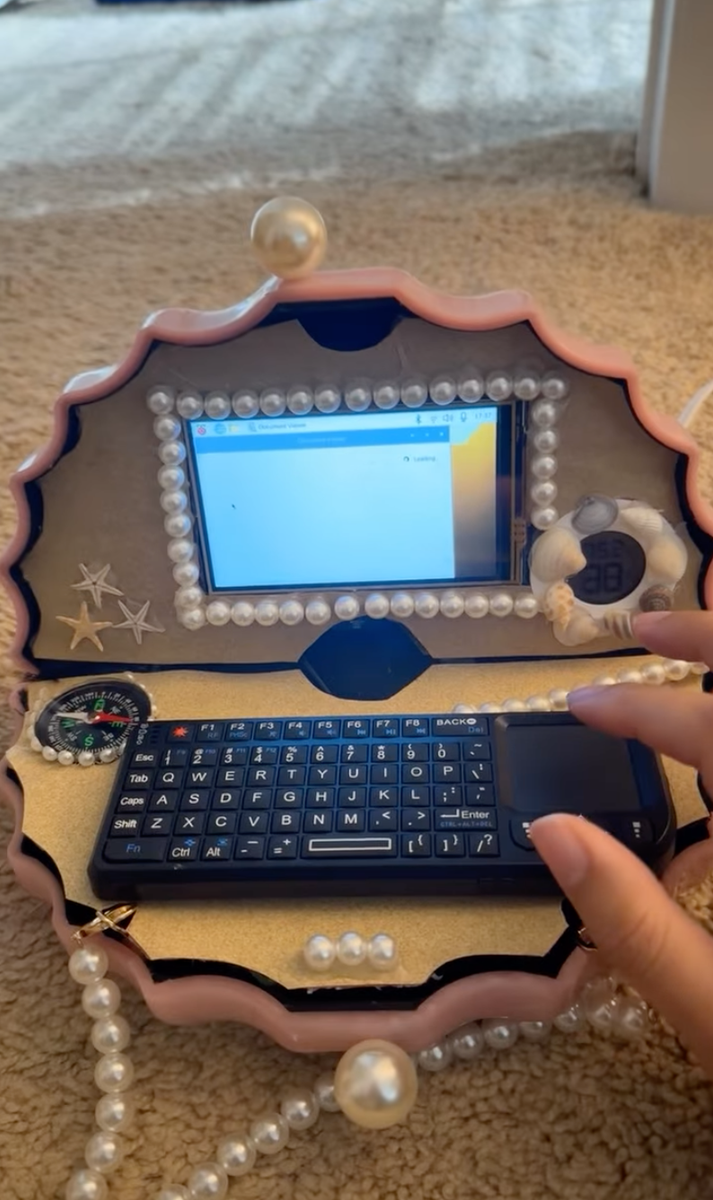
While cyberdeck communities have existed for years, interest surged throughout 2025 and 2026. Social media platforms, especially TikTok, have introduced cyberdecks to a broader audience. Videos showcasing creative builds regularly attract millions of views. Some creators design rugged field computers inspired by military gear, while others build decorative machines inspired by fantasy aesthetics, including popular "mermaid cyberdecks" decorated with shells, pearls, and vintage accessories.
What makes the trend especially interesting is the variety of people embracing it. Cyberdecks are no longer just for engineers and computer fans. Artists, writers, designers, and makers are increasingly joining the movement, seeing cyberdecks as a way to express themselves instead of just a technical challenge.
The appeal is easy to understand. Modern consumer electronics have become more standardized. Most laptops and tablets share similar designs and limitations. Cyberdecks offer a chance to create something unique. Builders choose every component, material, and design detail, producing devices that feel personal, which is rare in mass-market products.
A Rebellion Against Generic Technology
The rise of cyberdecks reflects a broader cultural shift in how people view technology. Many enthusiasts see the movement as a response to closed systems, subscription services, and restrictive hardware. Building a cyberdeck allows individuals to regain control over technology while gaining a deeper understanding of how computers function.
 © @chisheteh
This philosophy resembles the early days of personal computing when users routinely upgraded hardware, experimented with software, and customized their machines. Unlike today's sealed devices, cyberdecks celebrate repairability, modification, and hands-on learning.
For many builders, the process itself is rewarding. The goal is rarely to create a perfect substitute for a smartphone or laptop. Instead, the project becomes a creative journey that mixes engineering, design, and problem-solving.
Cyberdecks embody a mindset that values experimentation and individuality over convenience. "Seeing [Tan] do it, I feel like a lot more women were like, 'Oh, I can do this as well,'" says Tru Narla to Teen Vogue. "I thought it'd be really fun to build something that exists in the real world," Narla says.
More Than Cyberpunk Aesthetics
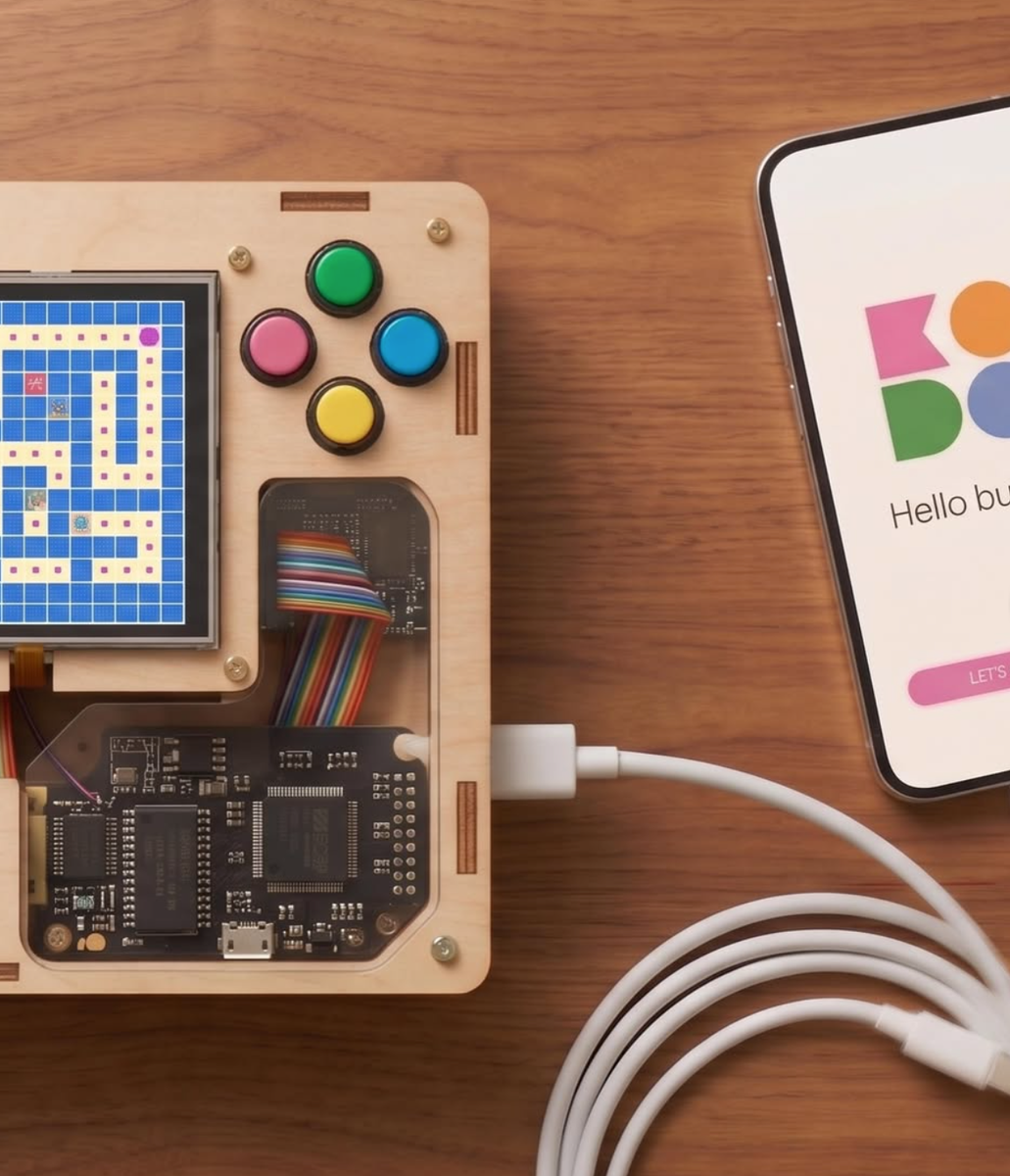
Although cyberpunk-inspired visuals remain important to many builds, cyberdecks are much more than just decorative projects. Many are designed with practical uses in mind. Some function as portable Linux workstations, while others serve as cybersecurity testing platforms, radio communication systems, retro gaming devices, or offline knowledge libraries.
 © @aviv_arts
One rapidly growing category is the writerdeck. These distraction-free computers are specifically made for writing, eliminating notifications, social media, and other digital interruptions. For authors looking for a focused creative environment, WriterDecks offer an attractive alternative to traditional laptops.
The format's flexibility is one of its main strengths. Rather than trying to perform every possible computing task, a cyberdeck can be tailored for a specific purpose and excel at it. "It's people saying, 'We're going to learn to be a part of this narrative as well,'" says Emma Orhun, a 26-year-old creator from Ottawa, according to Teen Vogue. "There are so many ways to do things and to figure things out, and by piecing it together yourself, you can start piecing together how everything in the world works."
The Maker Movement Is Fueling Growth
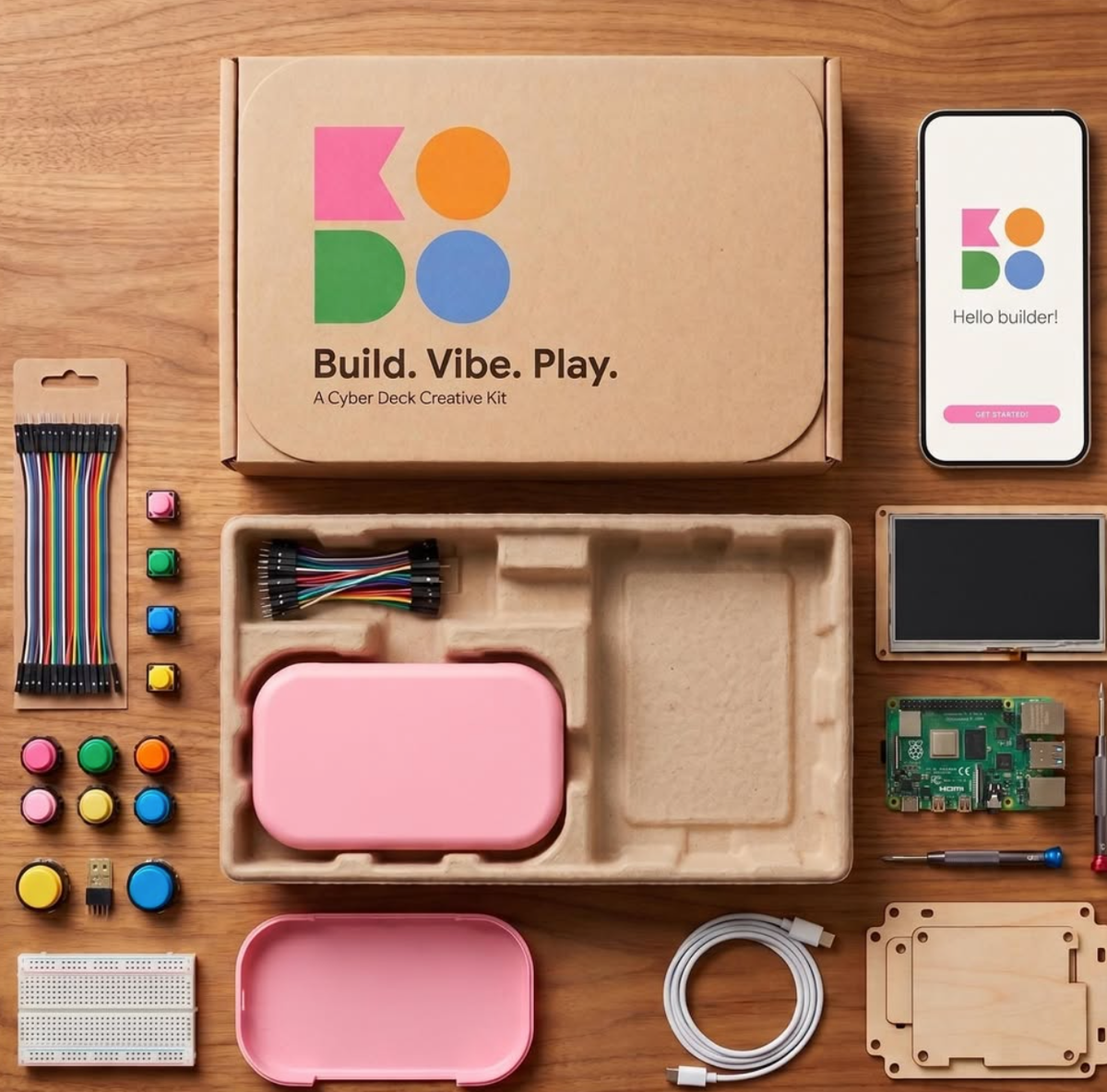
Affordable hardware has played a crucial role in the cyberdeck boom. Single-board computers like Raspberry Pi have dramatically lowered the barriers to entry, allowing hobbyists to build functional portable computers without advanced engineering skills. At the same time, 3D printing, open-source software, and online maker communities have made it easier than ever to design, build, and share custom projects.
 © @aviv_arts
Online forums, maker websites, and social groups provide inspiration, tutorials, and support for newcomers. As a result, the movement continues to attract participants from various backgrounds and skill levels.
Competitions have also helped boost interest. Hackaday's cyberdeck contests attracted over 100 submissions, showcasing everything from satellite communication terminals to post-apocalyptic-inspired field computers. These projects showed how creative and versatile cyberdecks can be.
What Comes Next for Cyberdecks?
Cyberdecks are unlikely to replace mainstream laptops or smartphones. Their appeal lies in their unconventional nature. However, their growing popularity highlights a larger trend shaping the future of technology. Consumers increasingly want devices that feel personal, meaningful, and adaptable instead of disposable and identical.
Right now, artificial intelligence, cloud computing, and standardized hardware dominate the tech landscape; however, cyberdecks offer something refreshingly different. They are physical, repairable, customizable, and deeply personal creations.