June’s night sky is stacked with celestial highlights. Planet pairings, meteor showers, moon events, and brilliant star formations will give skywatchers plenty of reasons to stay outside after dark this month. Whether you’re planning a camping trip, heading to a dark-sky park, or simply stepping into your backyard with binoculars, June offers some of the year’s most beautiful astronomy events.
Here are nine of the best stargazing sights to catch this month, according to National Geographic.
 © Getty Images
Jupiter and Venus Rare Show
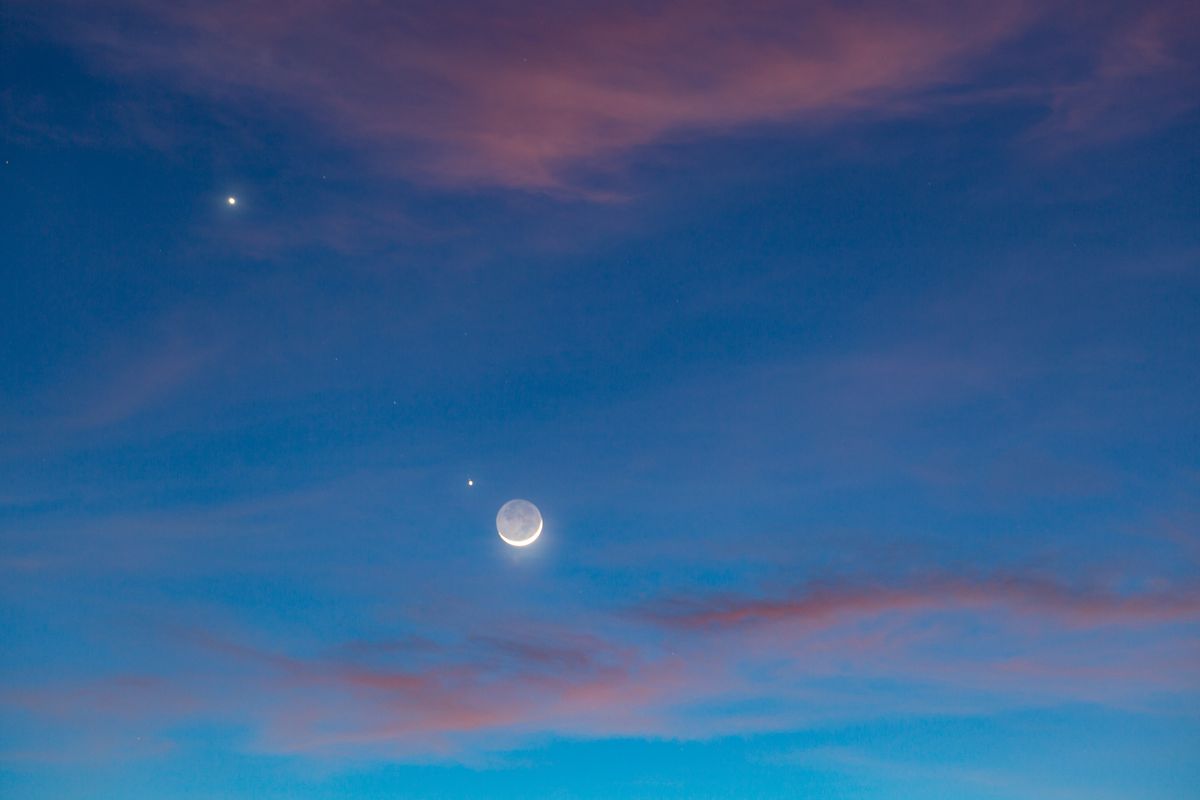
Two of the brightest planets in the solar system are about to stage one of June’s most eye-catching sky events. On June 8 and 9, Jupiter and Venus will appear incredibly close in the evening sky, separated by just 1.5 degrees. That’s about the width of your pinky finger held at arm’s length. Their close approach, known as a conjunction, will make the pair easy to spot shortly after sunset.
Look toward the northwest horizon after dark. The planets will shine near the Gemini constellation, and lucky observers may also catch Mercury glowing lower on the horizon.
 © Getty Images
The pairing will remain impressive for several nights before and after the peak conjunction, making this one of the month’s easiest astronomy events to enjoy without special equipment. Binoculars will reveal both planets in the same field of view.
Saturn Meets the Crescent Moon
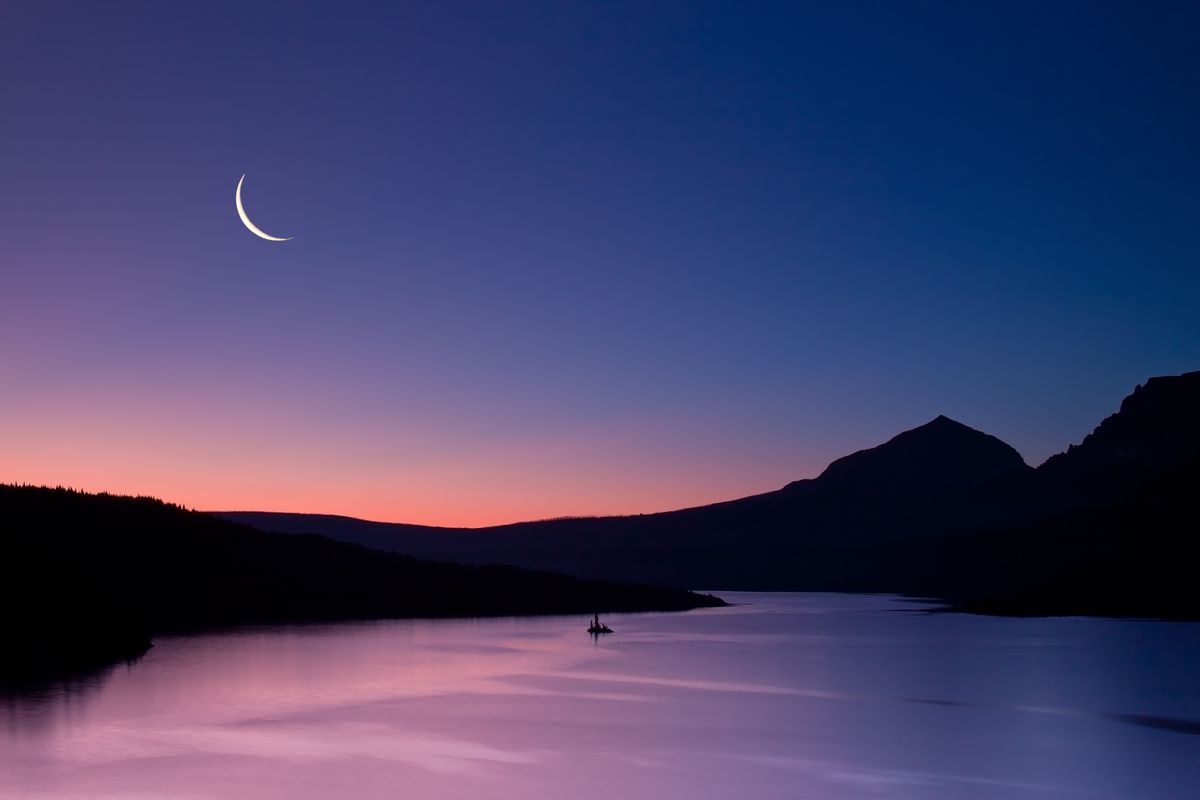
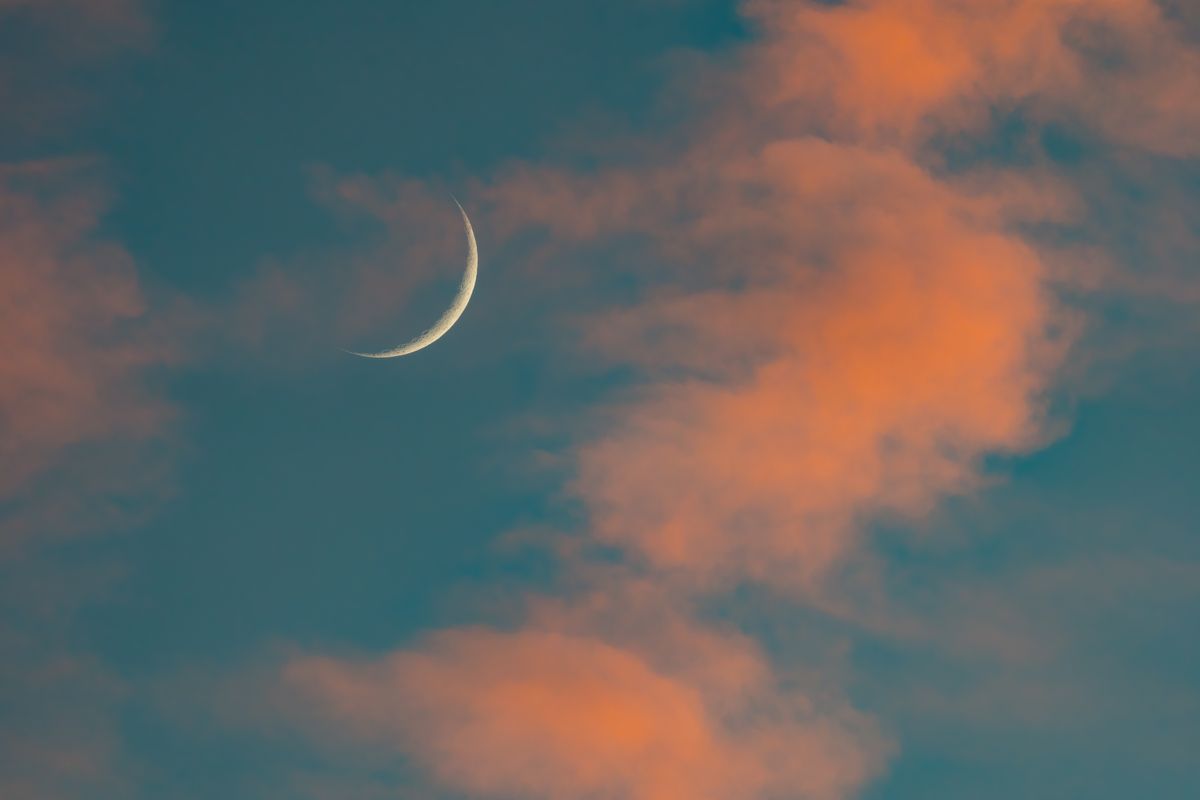
Early risers are in for a treat on June 10 when Saturn and the waning crescent moon drift close before sunrise. The pair will rise above the eastern horizon after midnight and remain visible until dawn. Saturn will appear within roughly five degrees of the moon, creating a striking pairing against the dark sky.
 © Getty Images
This event is especially exciting for telescope owners because June provides excellent visibility of Saturn’s iconic rings.
Mars, the Moon, and Saturn Align Before Dawn
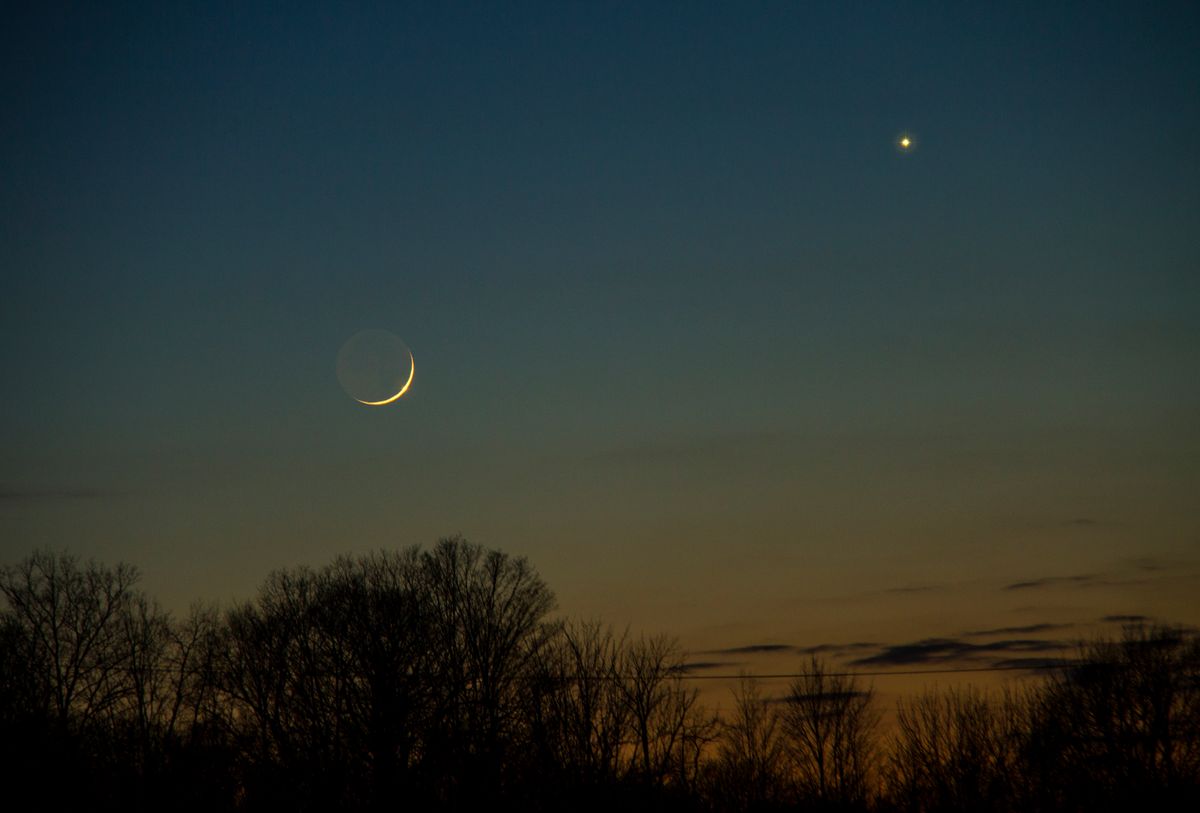
The morning after Saturn’s conjunction with the moon, another celestial lineup arrives. Around an hour before sunrise on June 11, Mars, Saturn, and the crescent moon will form a diagonal line across the eastern sky. The alignment will be easiest to see from locations with a wide-open eastern horizon, such as beaches, lakes, or open fields.
Mars and the moon will appear especially close the following morning, separated by just over three finger widths in the sky.
 © Getty Images
Prime Milky Way Conditions
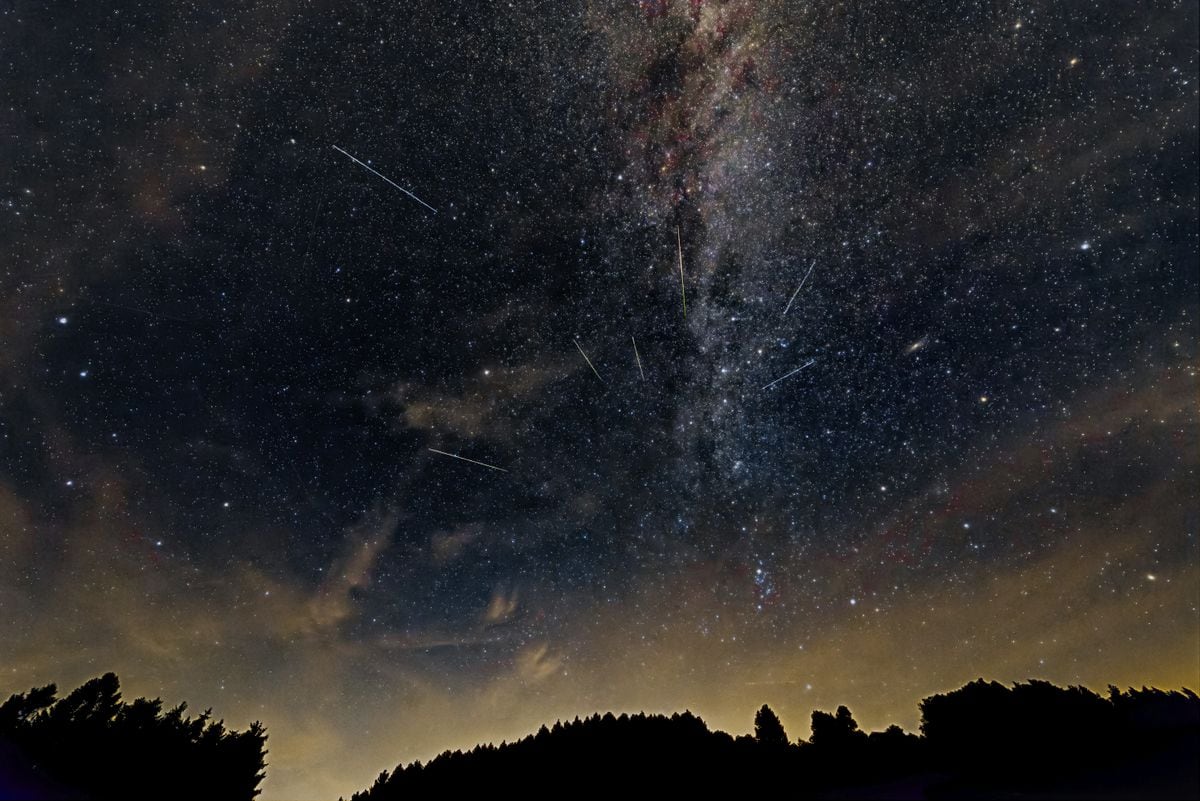
If you’ve been hoping to see the Milky Way in all its glory, June 15 is your best opportunity of the month. The new moon phase leaves the skies darker because the moon becomes nearly invisible from Earth. With minimal moonlight interference, the bright central band of the Milky Way becomes dramatically easier to spot.
Summer is considered one of the best seasons for Milky Way photography and naked-eye viewing in the northern hemisphere. Head somewhere far from city lights, such as a certified dark-sky park or remote countryside, for the clearest views.
 © Getty
Midnight Sun and Aurora
Season June 21 marks the summer solstice in the northern hemisphere, officially welcoming summer while delivering the year’s longest day.
In high-latitude regions like Alaska, Iceland, and northern Scandinavia, the solstice creates the famous “midnight sun,” where daylight lingers nearly around the clock.
 © Getty Images
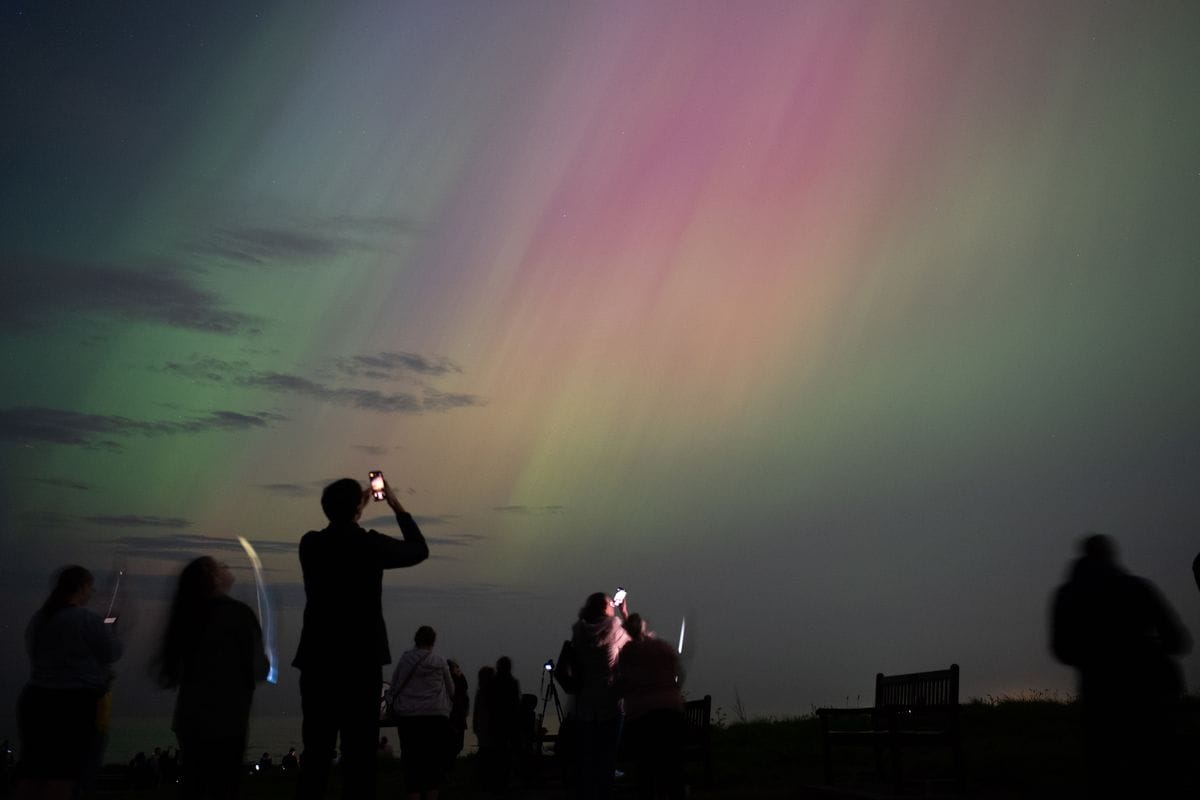
Meanwhile, the southern hemisphere enters winter, kicking off peak aurora australis season. Stargazers in Tasmania and southern New Zealand could enjoy stronger chances of seeing the southern lights dancing across dark winter skies.
Meteor Shower
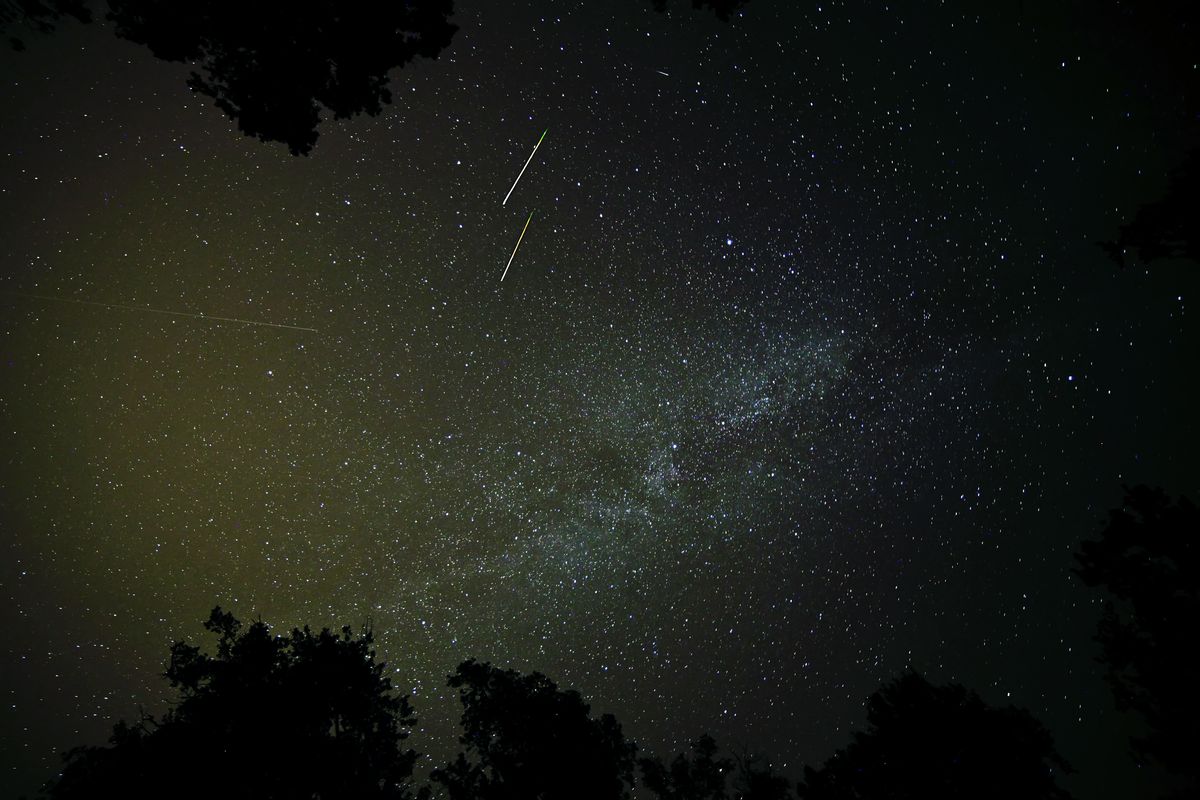
The June Bootids are known as one of the sky’s more unpredictable meteor showers. Most years, viewers see only a handful of meteors per hour. But occasionally, the shower surprises astronomers with sudden outbursts producing dozens or even 100 meteors in a single hour.
 © Getty Images
This year’s peak arrives on June 27. The bright moon may wash out some meteors, but patient skywatchers could still catch streaks shooting near the Boötes constellation in the northern sky.
The best viewing window begins shortly after sunset and continues through the evening.
The Strawberry Moon Rises
June’s full moon, traditionally called the Strawberry Moon, will light up the sky on June 29. The name comes from Native American traditions marking the short strawberry harvesting season in early summer. Despite its sweet nickname, the moon itself will not appear pink or red.
 © Getty Images
Still, viewers can expect beautiful warm orange tones during moonrise and moonset, when Earth’s atmosphere filters the moonlight near the horizon. The full moon reaches peak illumination around 8 p.m. ET.
The Summer Triangle
One of summer’s most recognizable star patterns returns this month.
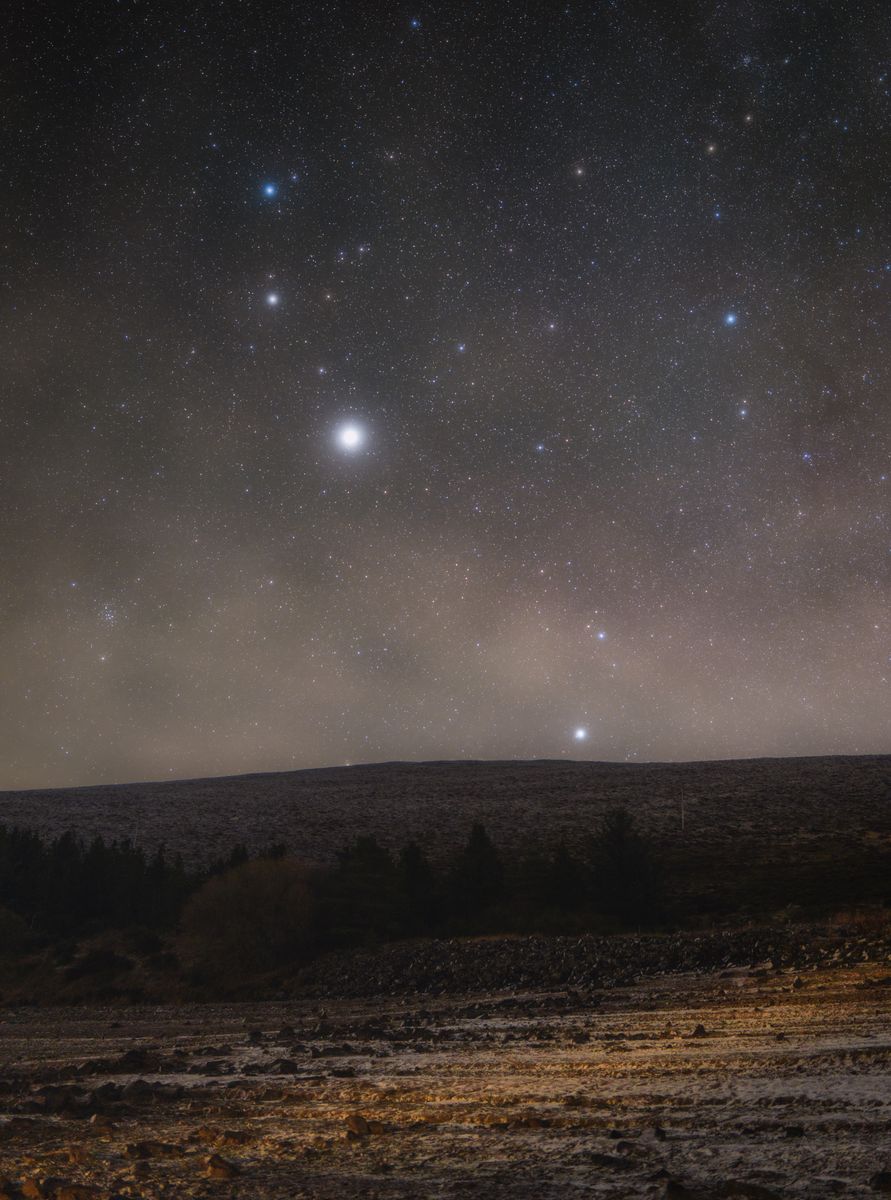
The Summer Triangle links three brilliant stars from different constellations: Vega in Lyra, Altair in Aquila, and Deneb in Cygnus. Together, they create a massive triangular shape high overhead.
 © Getty Images/Cavan Images RF
The formation becomes especially prominent by mid-June and serves as a helpful guide for locating the Milky Way’s bright core nearby, as reported by National Geographic.
Even casual stargazers can easily spot the Summer Triangle from suburban locations.
Mars Meets the Pleiades Star Cluster
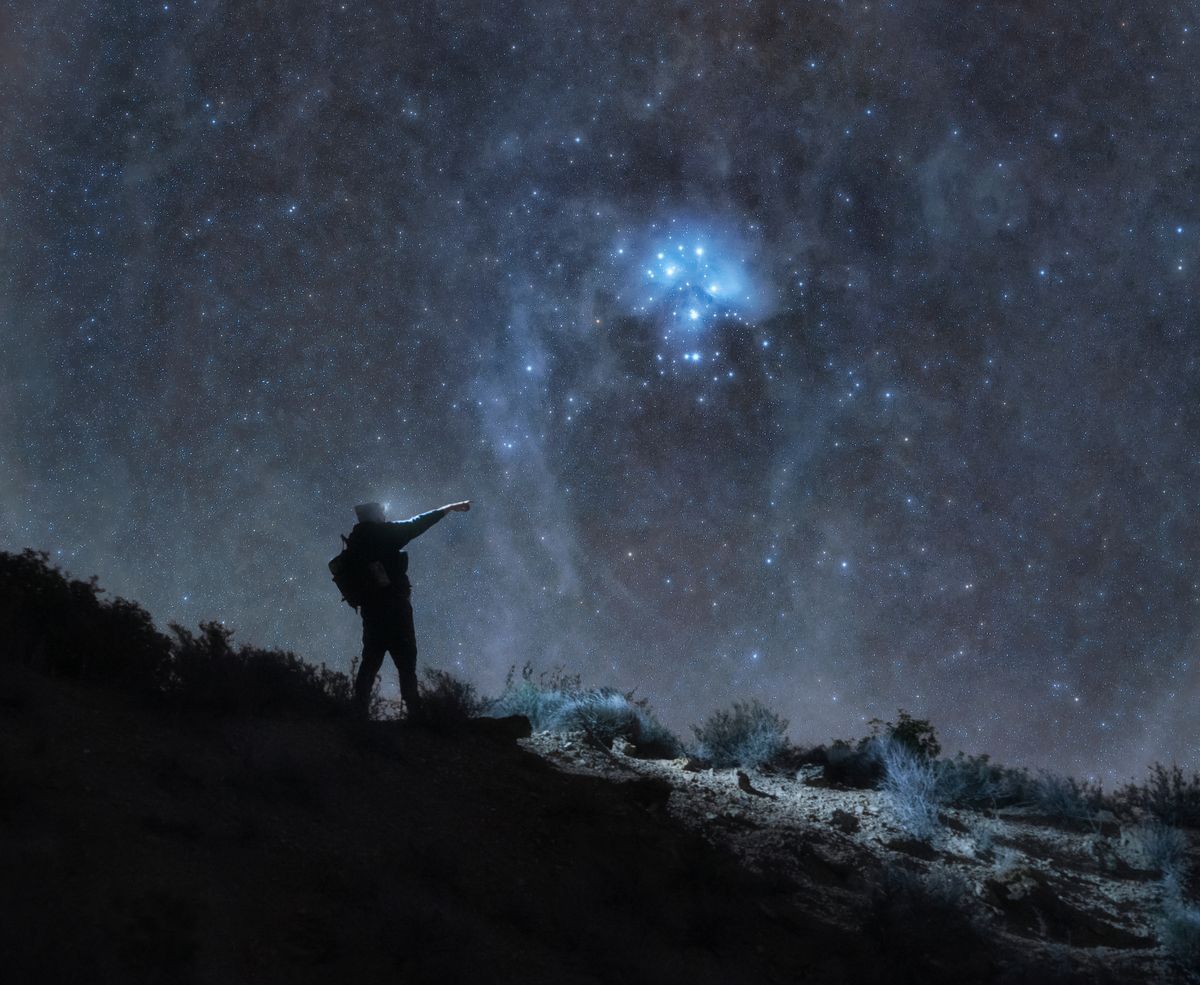
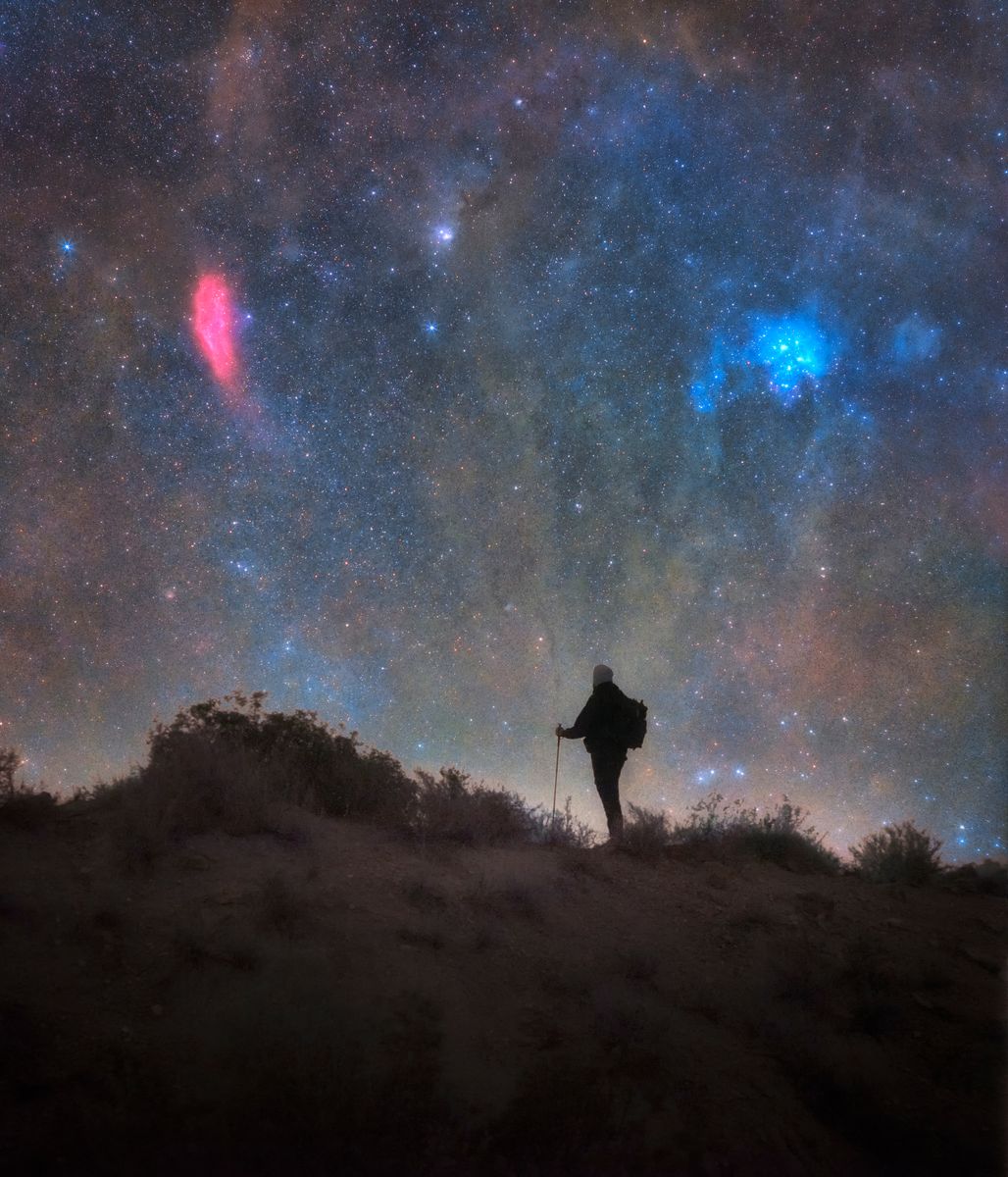
Late June delivers one of the month’s most colorful sky pairings. Orange-red Mars will appear close to the blue-white Pleiades star cluster in the pre-dawn eastern sky between June 27 and 30. The Pleiades, often called the Seven Sisters, contains more than 1,000 stars, though only a handful are visible to the naked eye.
 © Getty Images/Cavan Images RF
For the best view, head outside about 90 minutes before sunrise and look toward the eastern horizon.