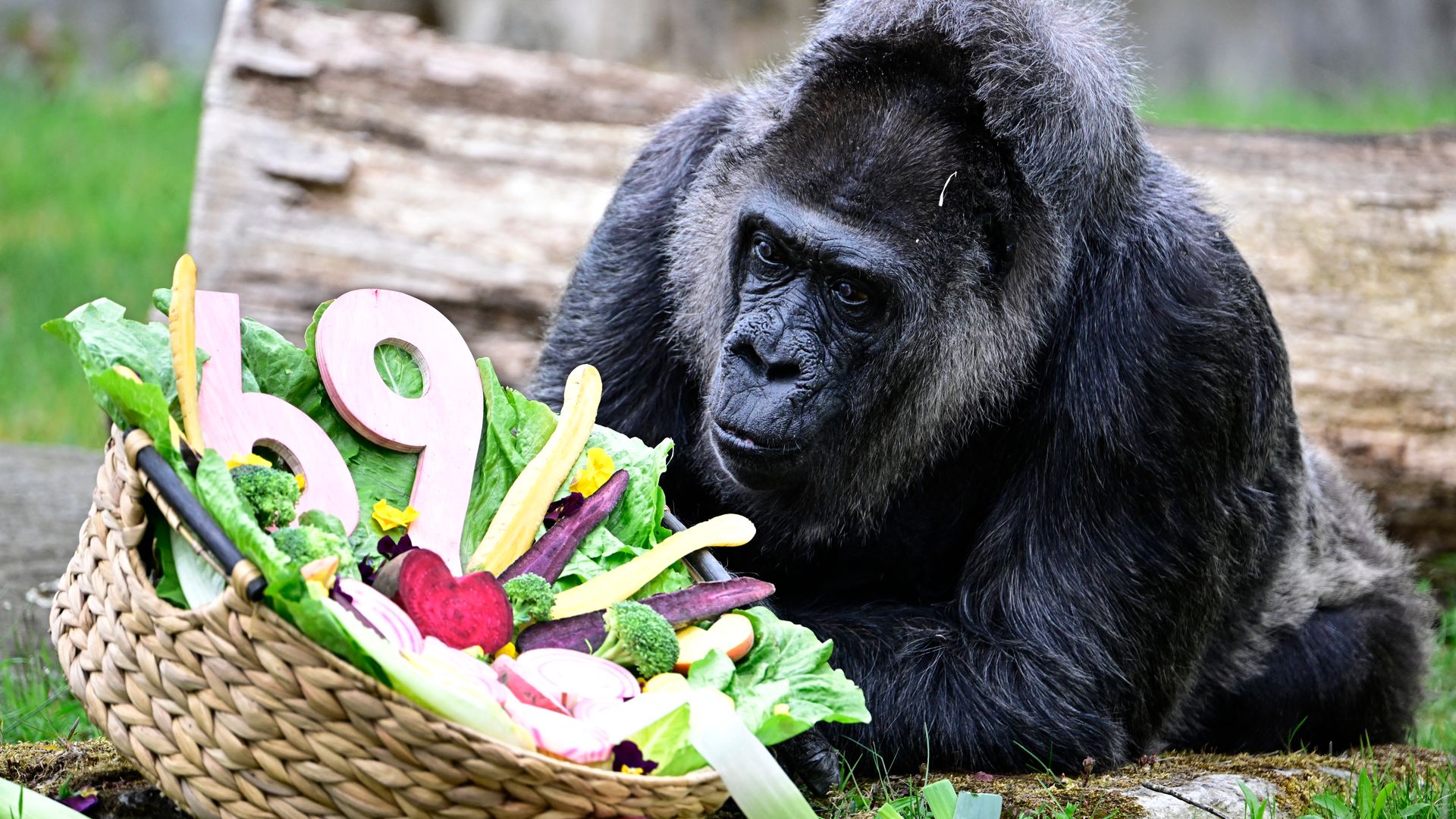
A western lowland gorilla named Fatou just made history. The senior mammal has lived at Zoo Berlin in Germany since May 1959, and this week she celebrated what is estimated to be her 69th birthday. The typical life expectancy of gorillas in captivity is between 40 and 50 years.
 © Getty
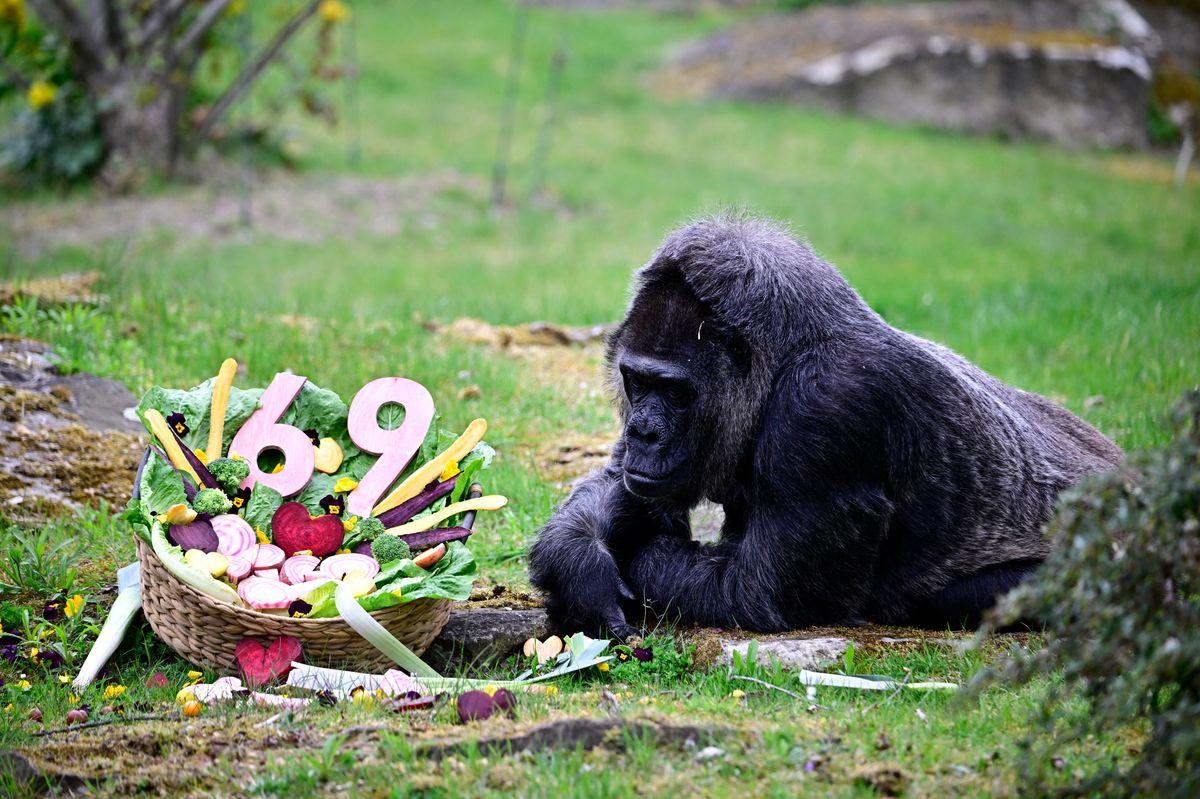
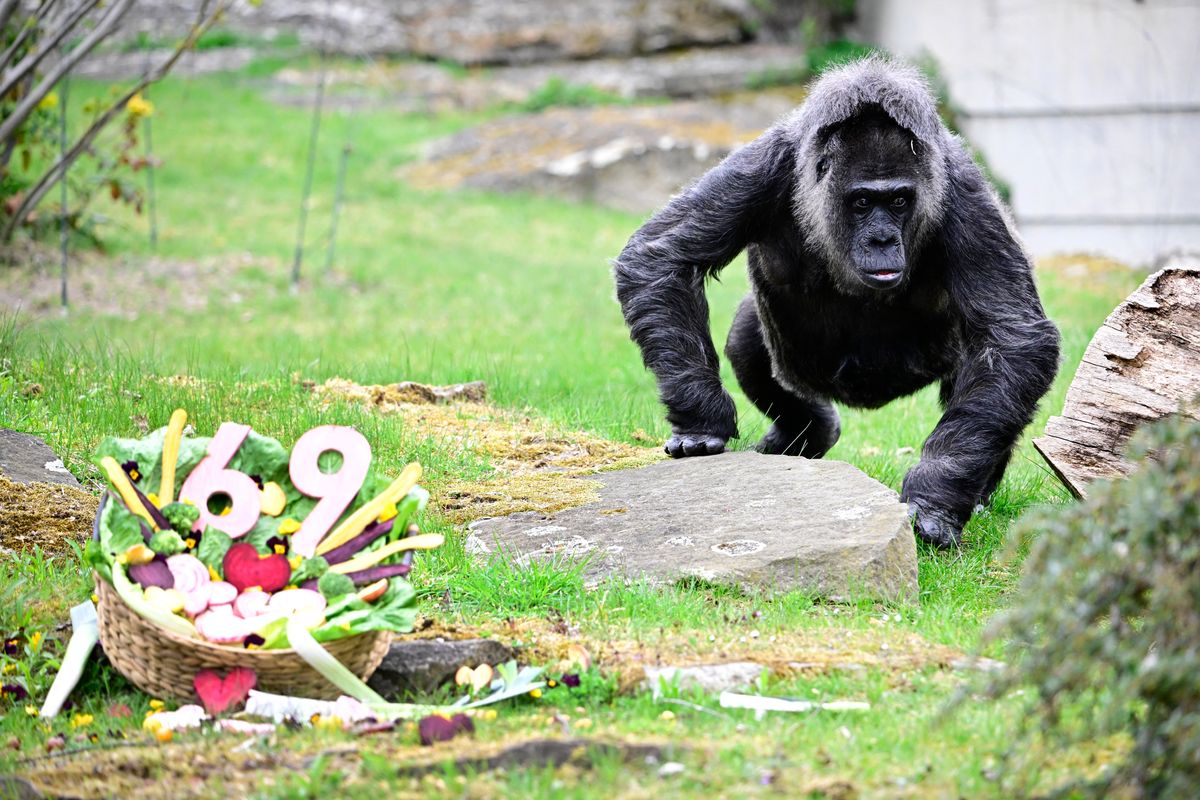
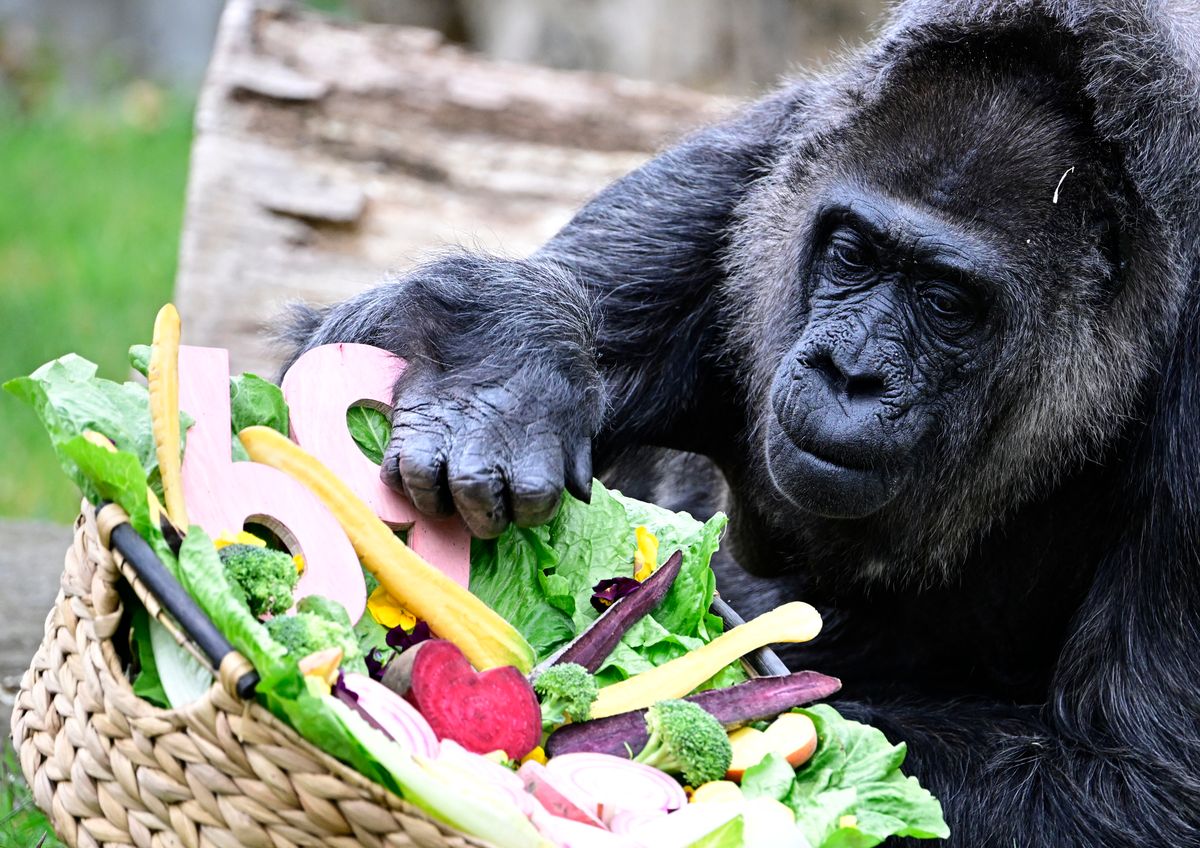
On April 13, Zoo Berlin shared a gallery of photos and video of their oldest resident, revealing how they celebrated her. Now an annual tradition, they made her a basket with a feast full of all her favorite roots and vegetables shaped into hearts and one giant "69."
 © Getty
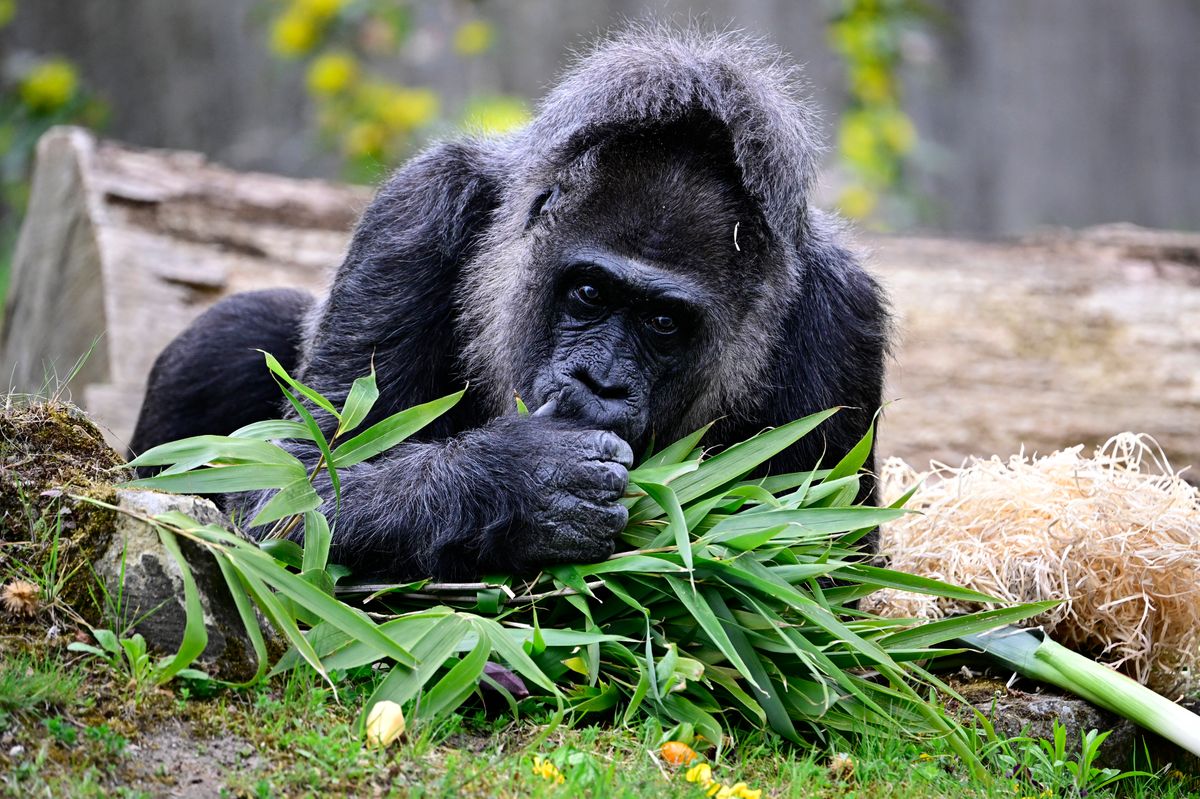
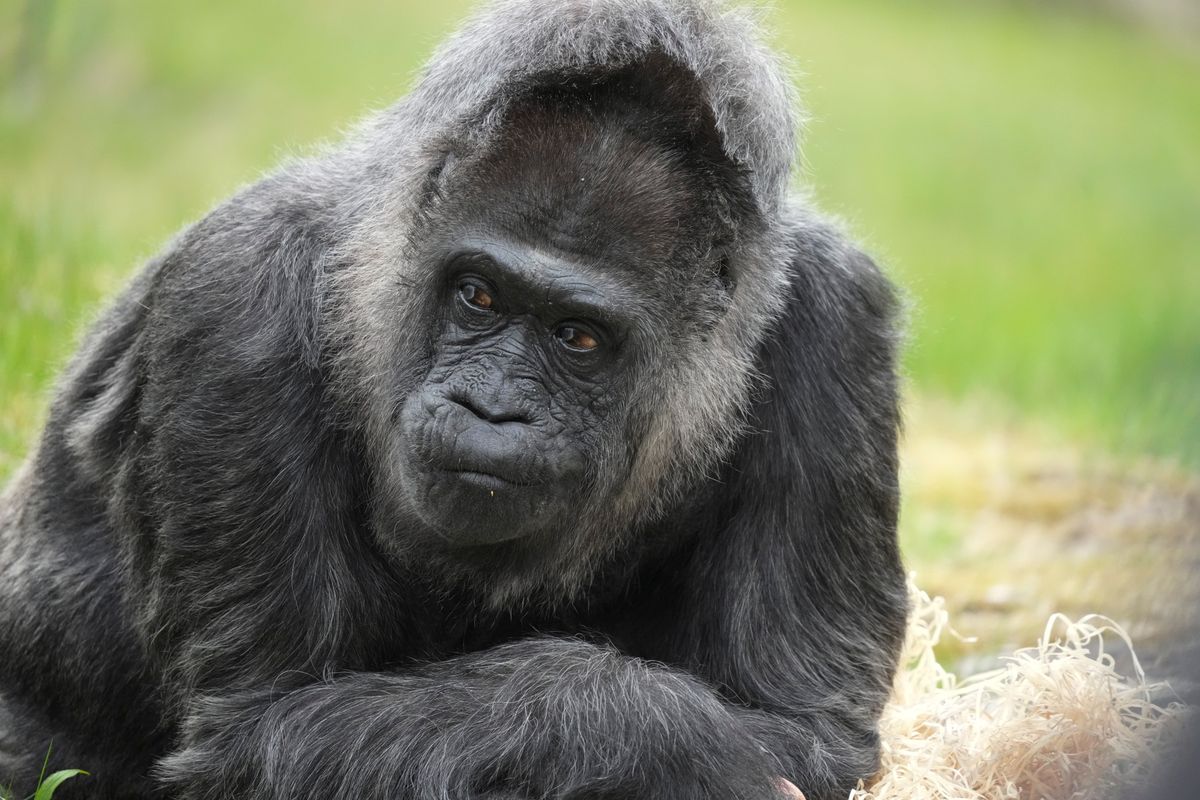
Fatou crawled over to her basket, posed with her feast, then dove in and ate happily. She looked adorable, with the wrinkles on her aged face and gray hair telling a story about a girl who has seen a lot of human nonsense and love.
 © Getty
Fatou is now the oldest gorilla in human care worldwide. "With her remarkable age, she is a special ambassador for conservation and represents her critically endangered species in the wild," Zoo Berlin wrote in the caption.
 © Getty
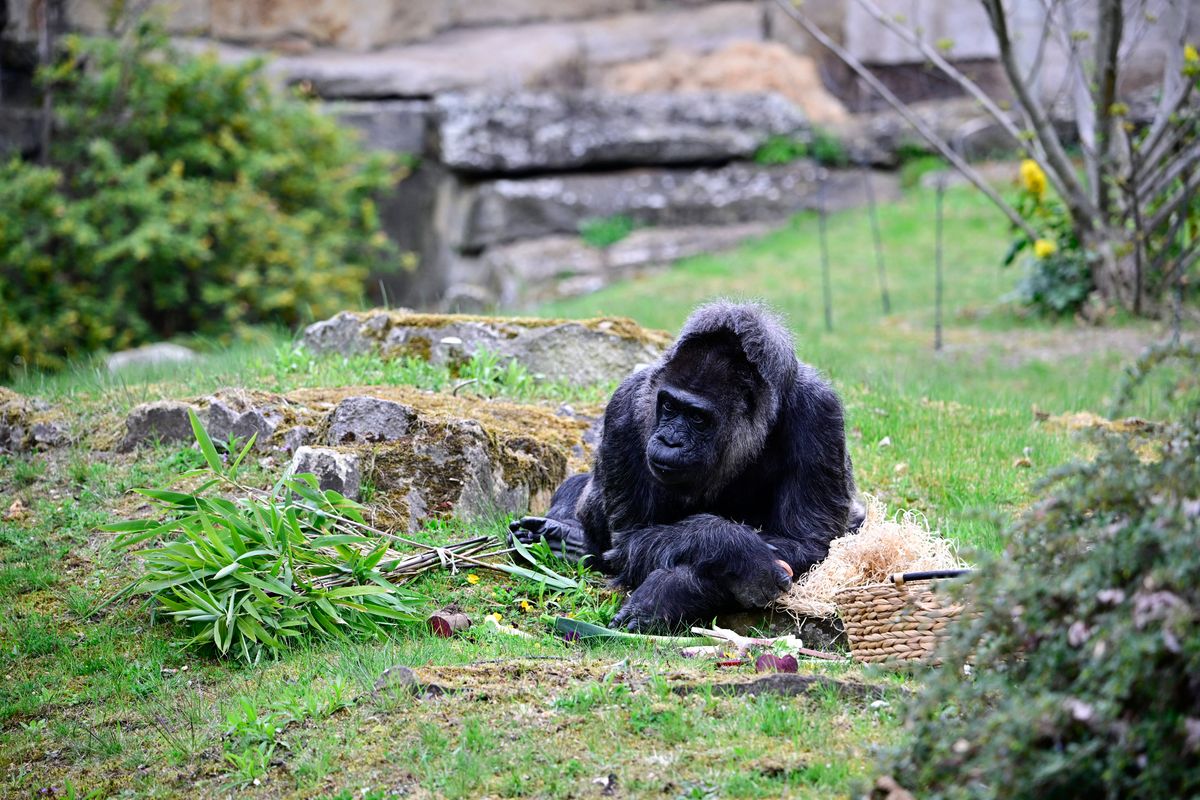
They explained that her care is "continuously adapted to her individual needs." "Including plenty of opportunities for retreat as well as targeted enrichment to support both her physical and mental well-being," they continued.
The Guinness World Records also recognized her as the "Oldest living gorilla in captivity." Fatou has been a resident at Zoo Berlin for a total of 66 years. According to her page, she is estimated to have been born in the wild around 1957.
 © picture alliance
Gorillas like Fatou are quietly disappearing in the wild. All species are either endangered or critically endangered, with habitat loss, poaching, and disease still taking a heavy toll. The wild population of western lowland gorillas is the largest, but even that number is declining.
As for how she ended up at the Berlin Zoo, a sailor found Fatou in the wild in western Africa in 1959 and brought her to Marseilles, France. In a time when you could utilize gorillas as a form of payment, he used Fatou to settle his debt at a local tavern. Then, French animal trader Mme Lefevre acquired her, and Zoo Berlin purchased her in 1959.
The zoo chose April 13 for her birthday, and she was already believed to be at least two years old when she first arrived in Berlin.
 © Getty
Fatou's whole story says a lot about how things used to be done with zoos, and how much things have changed. Zoos were once built on pulling animals straight from the wild. Thankfully, that approach is largely phased out.
Now, most animals in accredited zoos are either born in captivity or part of carefully coordinated breeding programs that focus more on conservation than collecting.
That doesn’t mean it's all good. Zoos and water parks that house whales still get called out, rightfully, over space, enrichment, and the bigger question of whether captivity, no matter how well-intentioned, can ever compare to the wild.