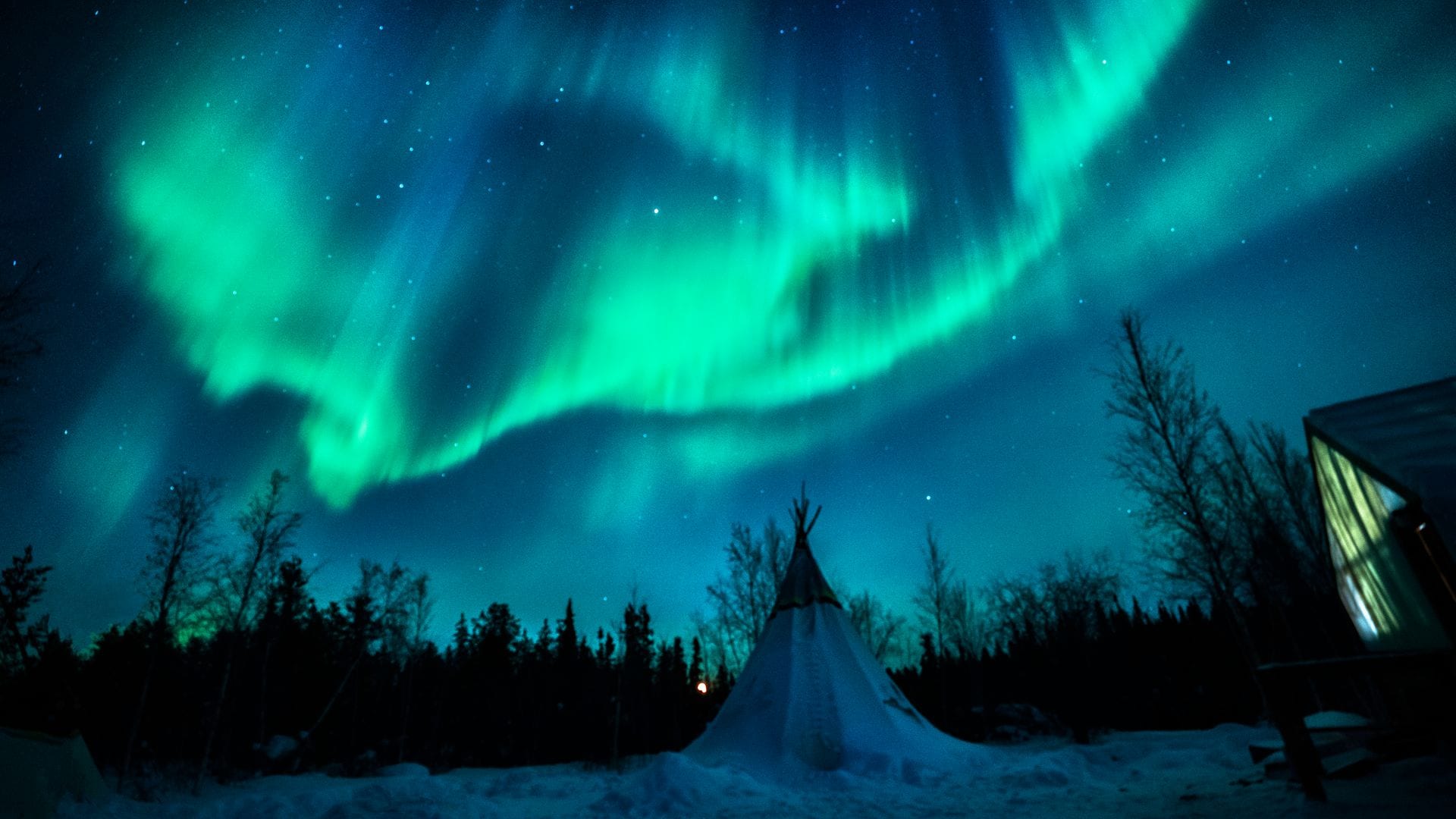
A rare and exciting skywatching opportunity is unfolding tonight, March 20, as the northern lights are expected to reach peak visibility across large parts of the United States. Thanks to ongoing geomagnetic activity, this multi-day aurora event is giving more people than usual a chance to witness one of nature’s most striking displays.
The most vivid aurora displays are forecast to appear shortly after sunset, with conditions improving as the night deepens. The heightened activity is part of a geomagnetic storm that began earlier this week and will continue into Saturday, March 21. While intensity may taper slightly after tonight, strong visibility is still expected into the weekend.
 © Getty Images
This surge in solar activity increases the chances of seeing bright, colorful auroras dancing across the night sky, especially in regions with clear weather and low light pollution.
Best U.S. States to See the Northern Lights Tonight
Northern states are positioned for the strongest views. If you’re in Washington, Idaho, Montana, North Dakota, South Dakota, Wisconsin, or Michigan, you have some of the best odds of catching a vibrant display.
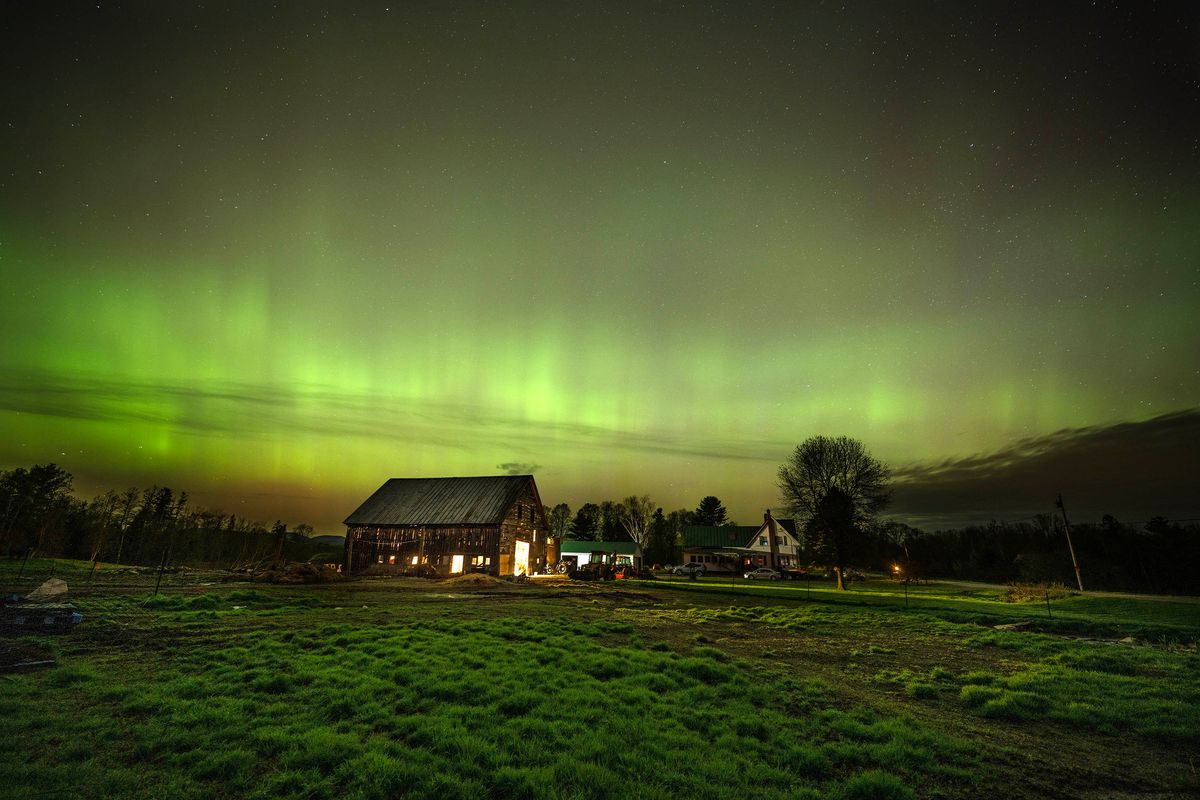
However, this event is notable because the viewing range stretches farther south than usual. If atmospheric and weather conditions cooperate, the auroras may also be visible in Wyoming, Nebraska, Iowa, Illinois, New York, Vermont, New Hampshire, and Maine.
 © AFP via Getty Images
This expanded visibility zone makes tonight especially exciting, as it opens the door for millions more people to experience the northern lights without traveling far.
How to Find the Perfect Viewing Spot
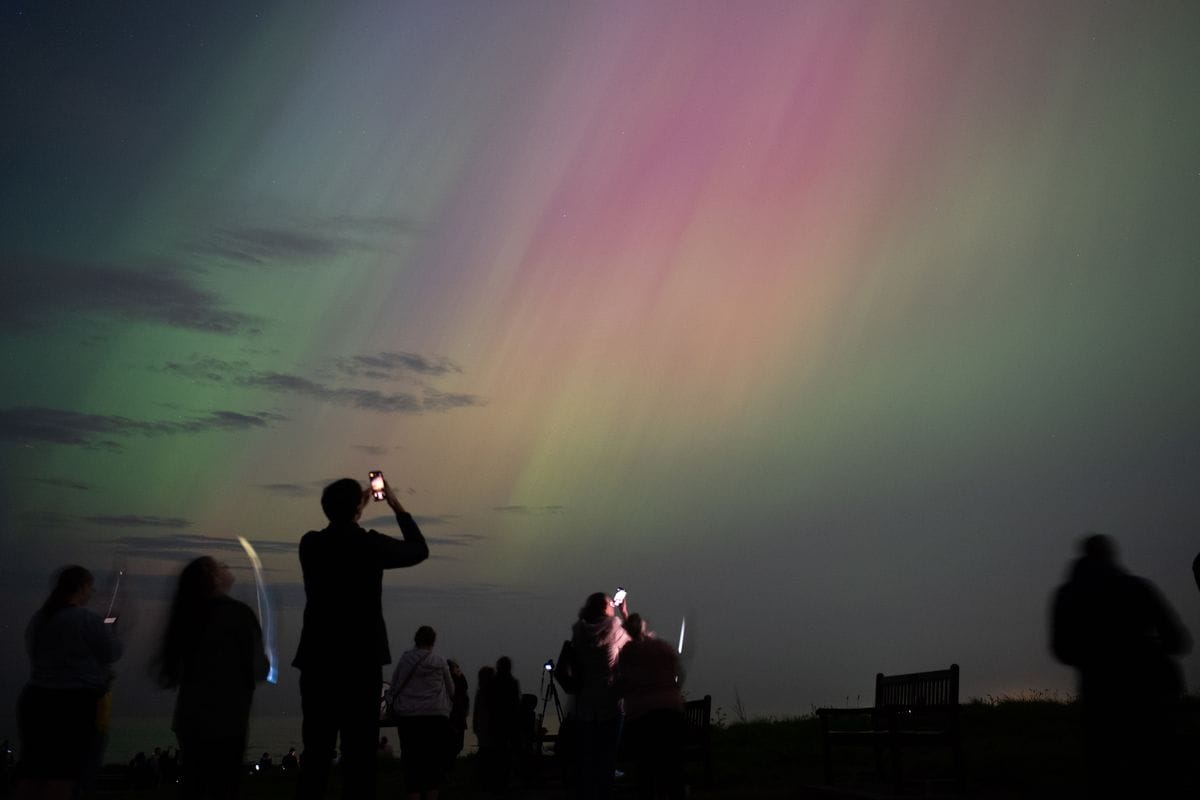
To maximize your chances of seeing the aurora borealis, location matters just as much as timing. The key is to escape artificial light and give yourself a clear view of the northern horizon.
 © Getty Images
Look for areas that are:
- Far from city lights or suburban glow
- Elevated, such as hills or open fields
- Free from obstructions like buildings or dense trees
Dark sky conditions dramatically improve visibility, allowing even faint auroras to stand out. Once you arrive, give your eyes time to adapt. It typically takes about 20 minutes for full night vision to kick in, making subtle light patterns easier to detect.
What Time to Watch the Northern Lights
While auroras can appear at any point after sunset, the most active window usually falls between late evening and early morning hours. The longer you stay out, the better your chances of catching a stronger burst of activity.
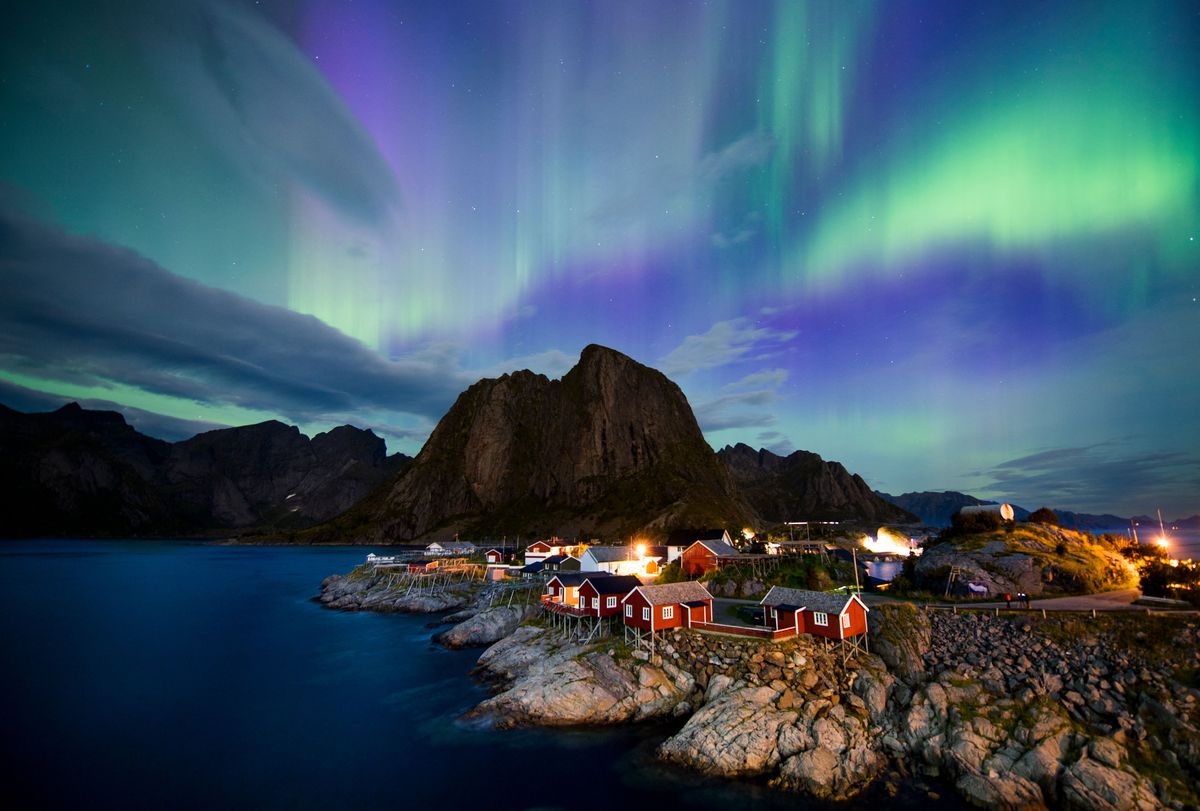
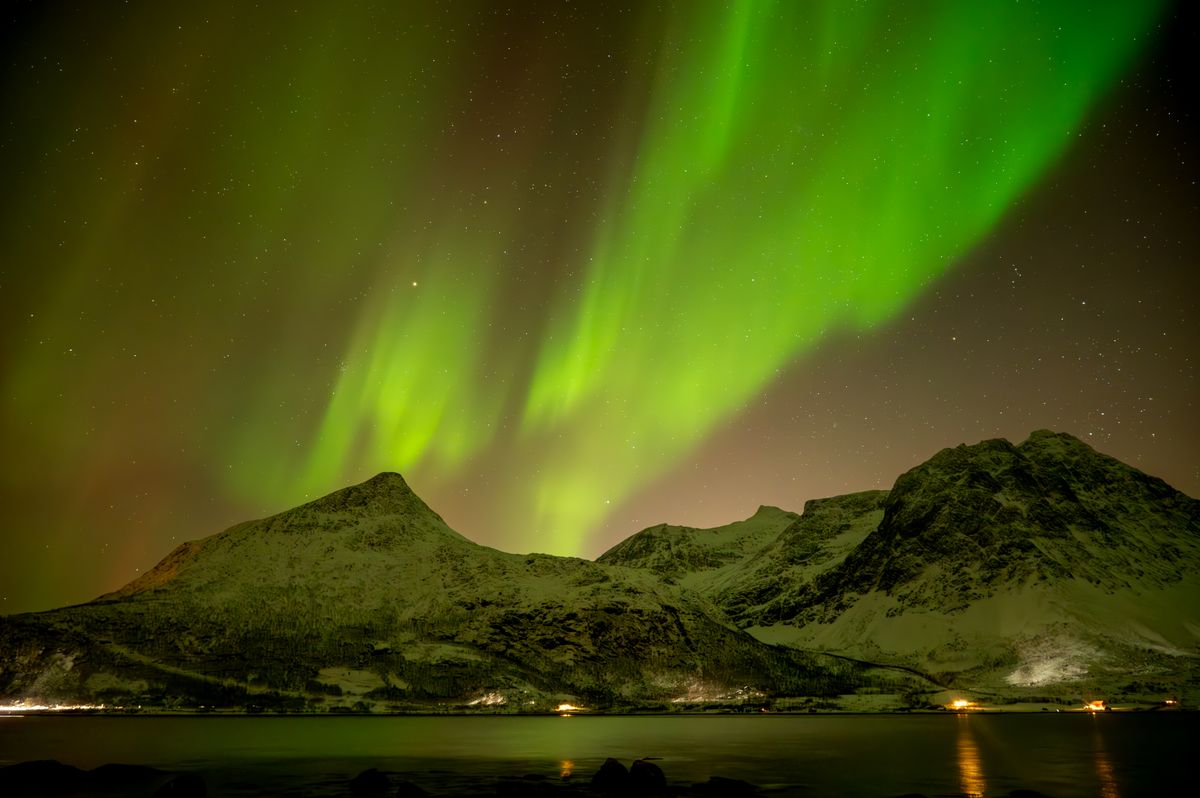
Patience is key. The lights can ebb and flow, sometimes appearing faint before suddenly intensifying into vivid waves of green, pink, or purple.
 © Getty
Clear skies will ultimately determine visibility, so checking local weather forecasts is essential. If conditions are favorable, head out early, stay patient, and allow your eyes to adjust fully.
This is one of those nights where stepping outside could reward you with an unforgettable celestial experience.