
Let's explore an increasingly important topic as we navigate the journey of aging: maintaining our cognitive health and keeping our brains sharp as a tack. You might wonder, "Is there a magic pill that can help with this?" The answer is more nuanced. While there isn't a single solution, research suggests that regular physical exercise might be the most effective strategy for reducing the risk of dementia and promoting overall brain health.
Exercise is beneficial for our bodies and plays a crucial role in brain function. When we get moving, our bodies release endorphins and other neuroprotective chemicals that enhance neural connectivity and stimulate the growth of new brain cells. This process can improve memory, boost mood, and strengthen our ability to learn and adapt.
 © Getty Images
So, what kind of exercise should we incorporate into our routines? A well-rounded approach that includes aerobic activities—like brisk walking, running, or cycling—paired with strength training and flexibility exercises can provide the best results.
Let's explore how making time for physical activity is one of the best investments we can make in our long-term cognitive health. By prioritizing our physical health today, we can safeguard our mental faculties for the future.
Dementia: The Uninvited Guest
First off, what is dementia? It's like that uninvited guest who crashes the party and makes everyone uncomfortable. Dementia is an umbrella term for conditions that mess with your ability to think, remember, and make everyday decisions. The most common culprit is Alzheimer's disease, which accounts for 60% to 80% of all cases. And here's a sobering thought: approximately 6.7 million U.S. adults have Alzheimer's, and that number is expected to double by 2060.
Exercise: Your Brain's Best Friend
Now, before you panic and start Googling "how to become a hermit," there's good news. While dementia is currently incurable, it's not entirely unavoidable. Enter: exercise. Yes, we all know we should do that, but we often find excuses to avoid it. Turns out, regular physical activity is like a superhero for your brain.
 © Getty Images
A study led by Johns Hopkins Bloomberg School of Public Health researchers found that even small amounts of moderate-to-vigorous physical activity (MVPA) can significantly reduce the risk of dementia. They analyzed data from the UK Biobank, which included over 89,000 participants with an average age of 63. Participants wore accelerometers to track their activity levels over seven days and were followed for about four years. Here's what they found:
- 1 to 35 minutes of MVPA per week: 41% reduced risk of dementia
- 36 to 70 minutes per week: 60% reduced risk
- 71 to 140 minutes per week: 63% reduced risk
- More than 140 minutes per week: 69% reduced risk
 © Getty Images
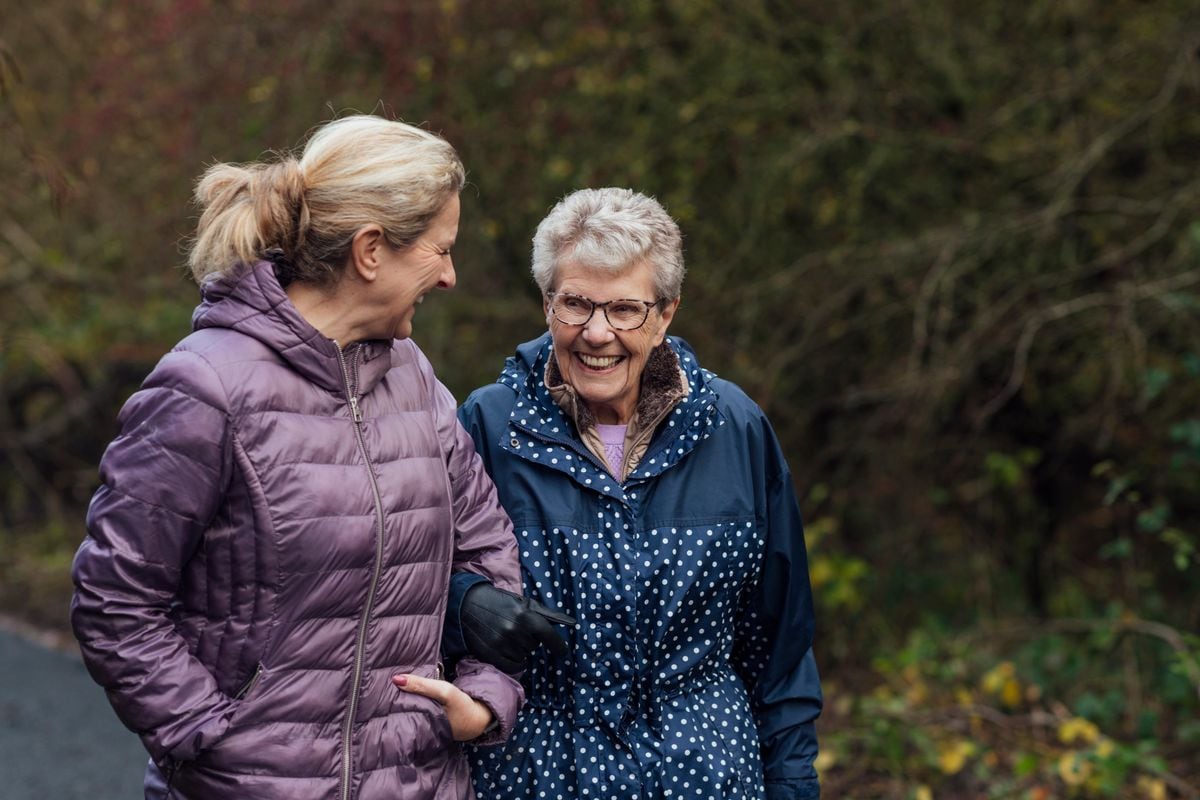
In other words, even if you can only manage a short walk each week, you're still doing your brain a favor.
Quality Over Quantity: The Weekend Warrior Approach
But what if you're too busy during the week? Fear not! A study published in the British Journal of Sports Medicine found that "weekend warriors"—those who cram their exercise into one or two days—enjoy brain benefits like those who exercise regularly throughout the week. So, plan a Saturday morning hike or a Sunday afternoon bike ride. Your brain will thank you.
Dancing: The Fun Way to Fend Off Dementia
Not a fan of traditional workouts? How about dancing? Dr. Baibing Chen, a neurologist and former professional dancer, emphasizes that dancing promotes neuroplasticity, which may help prevent brain aging and lower the risk of dementia. Plus, it's much more fun than slogging it out on a treadmill, per the New York Post.
Starting Small: Every Minute Counts
If the idea of hitting the gym makes you break out in hives, start small. Remember, even light physical activity can help. A study highlighted by Harvard Medical School suggests that light activities, like casual walking, can still reduce the risk of dementia. The key is to keep moving, no matter how modest the effort.
 © Getty Images
The Takeaway: Move It or Lose It
So, what's the bottom line? Exercise is one of the most accessible and effective ways to reduce your risk of dementia. Whether it's a daily walk, a weekend dance class, or a vigorous gym session, every bit of movement counts. So, let's get moving and keep our brains in tip-top shape. After all, as the saying goes, "Move it or lose it!"