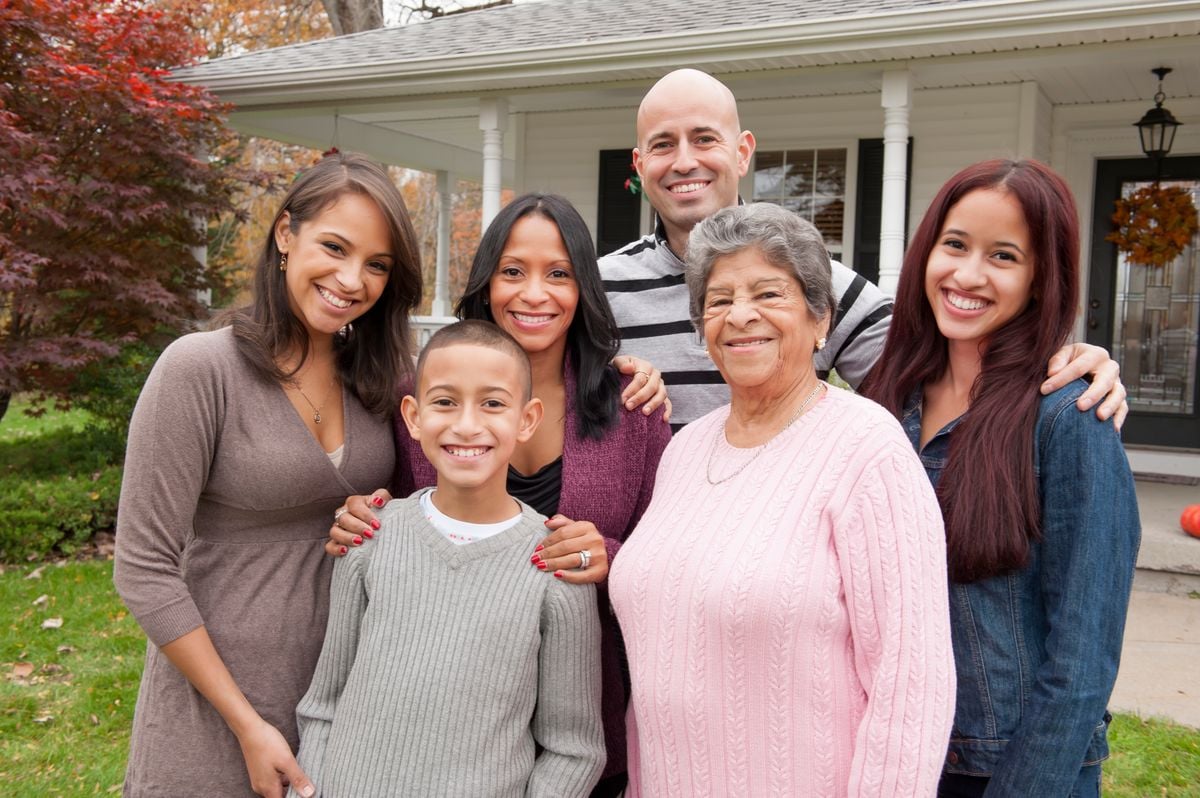
Unlike much of the world, Spaniards and a significant portion of Latin Americans carry two surnames: inherited from the father and the mother. This distinctive tradition, deeply rooted in Spanish heritage, sets them apart and carries historical, cultural, and administrative significance. This tradition can be confusing for Americans or Canadians living in countries that use only one surname. Administrative processes often need help handling two surnames. As a result, they may be truncated, confused with middle names, or awkwardly combined with hyphens, as if they were a single compound surname, picture Representative Alexandria Ocasio-Cortez (NY-14).
However, this system serves an important purpose. As reported by BBC Mundo, according to genealogist Antonio Alfaro de Prado, president of the Hispagen Association dedicated to genealogical research, double surnames help distinguish individuals in regions with limited surname diversity. In Spain and Latin America, common surnames like Fernández, Martínez, Rodríguez, López, and Sánchez dominate. Having two surnames provides a more precise identity, honors maternal heritage, and assists governments in reliably tracking populations and avoiding confusion.
 © Getty Images
The Origin of the Double Surname Tradition
The official implementation of double surnames began with establishing civil registries in the 19th century. Yet, the tradition itself stretches back centuries. Alfaro explains that this practice stems from Castilian-Aragonese customs, where women retained their surnames after marriage—unlike in the rest of Europe.
Historically, families recognized paternal and maternal surnames, although there was no formal rule about the order of inheritance. Within a single family, the firstborn might carry the father's surname, while subsequent children might inherit the mother's surname or even that of a grandparent.
How Surnames Were Chosen in the Past
During earlier times, surnames were often selected based on lineage, especially among nobles. For the rest of the population, surnames derived from a variety of factors:
- Profession: Names like Zapatero (shoemaker), Pastor (shepherd), or Herrero (blacksmith) reflected occupations.
- Characteristics or Nicknames: Personal traits led to surnames like Moreno (dark-haired), Bravo (brave), or Fuerte (strong).
- Place of Origin: Names such as Andújar, Sevilla, or Toledo indicate a person's origin.
 © Getty Images
In rural communities, this naming tradition continues informally. Children are still identified by their parents' or mothers' names—for example, "Juanito, Mercedes' son" or "Sofía, Paquita's daughter."
The Influence of Patronymics
Many common surnames today stem from patronymics—surnames that indicate a person's lineage. Examples include Martínez (son of Martín), Rodríguez (son of Rodrigo), and González (son of Gonzalo). These surnames are scattered across the Spanish-speaking world, highlighting the enduring influence of this tradition.
 © Getty Images
The BBC reported that, in many cases, surnames were not chosen but rather assigned by community consensus to distinguish individuals. For instance, two people named Pedro living in the same area might be differentiated as Pedro Rubio (the blond one) and Pedro Moreno (the dark-haired one).
The Double Surname System in Latin America
Although most Latin American countries achieved independence, Spanish colonial influence persisted. During the 19th century, many newly independent countries adopted legislative systems similar to Spain's, continuing the double surname practice. The idea of women retaining their surnames and the practicality of using both paternal and maternal surnames became deeply ingrained in Hispanic cultures. As a result, most Latin American countries still maintain the double surname system.
Exceptions to the Rule
While the double surname system is widespread, there are exceptions. In Argentina, for example, massive European immigration introduced a variety of naming conventions. Argentine parents can choose whether their children inherit one surname from a single parent or both surnames.
Parents can also choose the order of their last name in the Dominican Republic. Portugal also maintains a unique tradition regarding surnames. While maternal surnames are often placed before paternal ones, the surname passed on to future generations is typically the second one, usually paternal.