
Menopause, long considered primarily a reproductive milestone, is now gaining recognition for its profound neurological implications. As researchers delve into the intricate workings of the menopause-brain connection, a clearer picture emerges, challenging the traditional view of menopause as merely a cessation of reproductive functions. Lisa Mosconi, director of the Weill Cornell Women’s Brain Initiative and author of the upcoming book “The Menopause Brain,” has been at the forefront of this exploration.
 © GettyImages
One of the primary challenges Mosconi and her contemporaries faced was the scarcity of studies examining menopause’s impact on the brain. Those that did exist predominantly focused on older women who had long passed through menopause. This gap in research prompted Mosconi and others to delve deeper, recognizing the need to understand menopause not just as a product but as a dynamic neurological process.
 © GettyImages
Menopause unfolds in three distinct stages:
- Perimenopause, the transitional phase preceding the final menstrual period
- Menopause itself, which is marked by 12 consecutive months without menstruation
- Postmenopause, the years following menopause. During this journey, the ovaries cease egg production, and hormone levels, particularly estrogen and progesterone, decline.
Contrary to past assumptions, menopause is not solely confined to reproductive changes; it profoundly impacts neurological function. Approximately 70% of women navigating menopause experience neurological symptoms, encompassing hot flashes, cognitive fog, mood swings, and insomnia. As Mosconi elucidates, the brain undergoes this transition as it adapts to the cessation of reproductive functions, no longer necessitating the neural networks supporting ovulation and pregnancy.
Menopause challenges and advantages
Remarkably, this neurological recalibration presents both challenges and advantages. While some individuals endure discomfort, others find relief in stabilizing mood and emotional well-being due to reduced hormonal fluctuations.
 © GettyImages
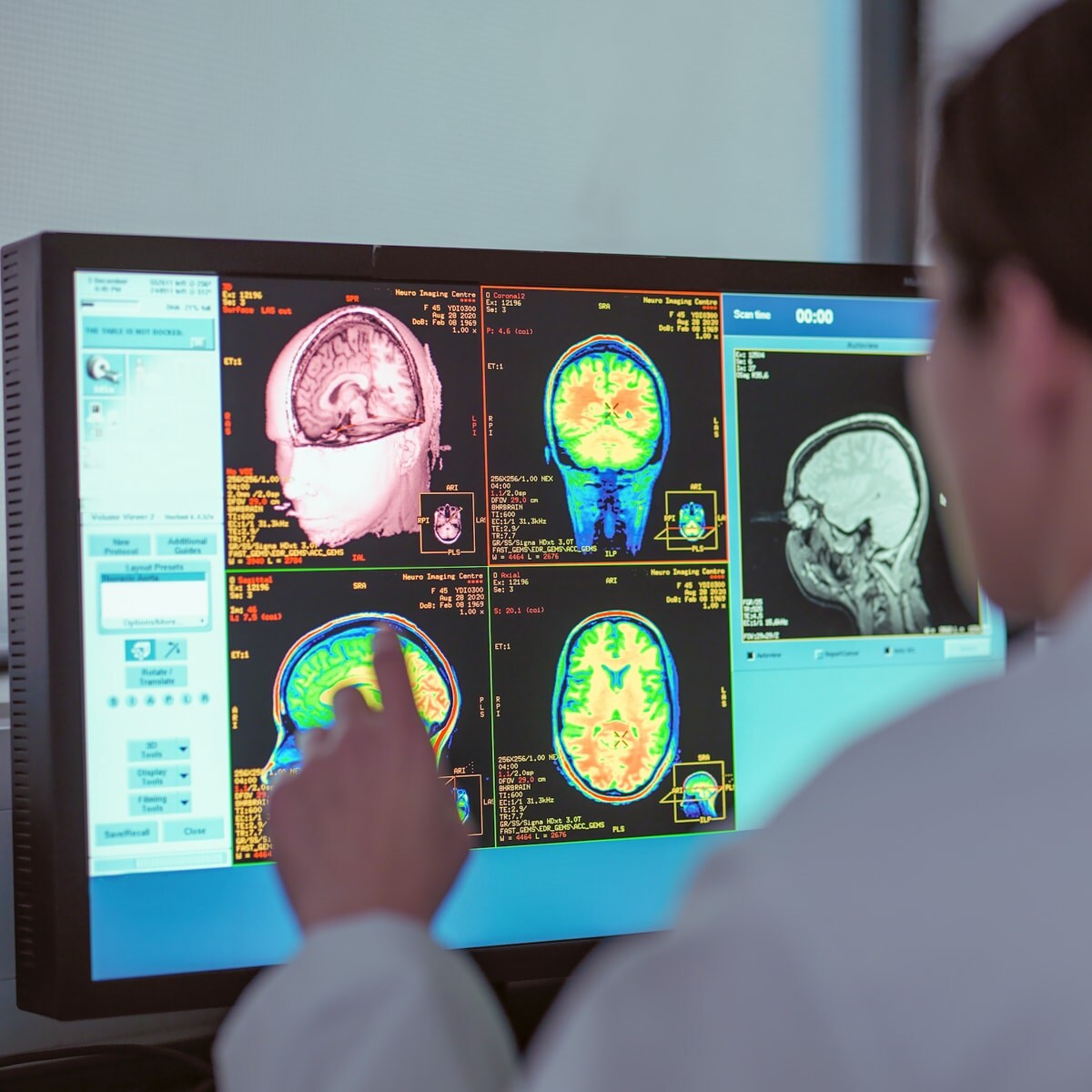
In 2017, Mosconi and her team unveiled groundbreaking brain-imaging research, unveiling disparities in brain activity between premenopausal and perimenopausal/postmenopausal women. Their subsequent 2021 study, the most extensive examination to date, illuminated significant disparities in brain structure, interregional communication, and energy metabolism across menopausal stages. Crucially, many changes are transient, such as declines in grey matter volume, prompting compensatory mechanisms like increased blood flow and energy production.
These findings underscore that the neurological alterations during menopause are distinct from mere aging, highlighting menopause as a pivotal neurological transition alongside its reproductive implications.
One of the most reported cognitive challenges during menopause is brain fog, characterized by lapses in memory and cognitive function. Studies have shown a decline in women’s ability to learn and recall verbal material during this phase. However, the universality of this experience and its underlying causes remain subjects of debate.
 © GettyImages
As The Guardian reported, Emily Jacobs, an associate professor at the University of California, Santa Barbara, notes that women’s memory decline during menopause may appear more pronounced due to their baseline superiority in memory compared to men. In essence, women’s cognitive abilities may decline to match those of men, potentially magnifying perceived deficits.
As research into the menopause-brain connection unfolds, it becomes increasingly evident that menopause transcends mere reproductive biology. It is a complex neurological transition, reshaping the brain’s structure and function, with far-reaching implications for cognitive health and well-being.