The Metropolitan Museum of Art has canceled its highly anticipated John Galliano exhibition planned for spring 2027, scrapping a show that would have placed one of fashion’s most influential and controversial designers at the center of next year’s Met Gala.
The New York museum and Galliano announced the decision Monday, Aug. 31, saying the exhibition, titled “John Galliano: Horizons,” will no longer move forward as planned. The Costume Institute will announce a replacement exhibition and new details about the 2027 Met Gala at a later date.
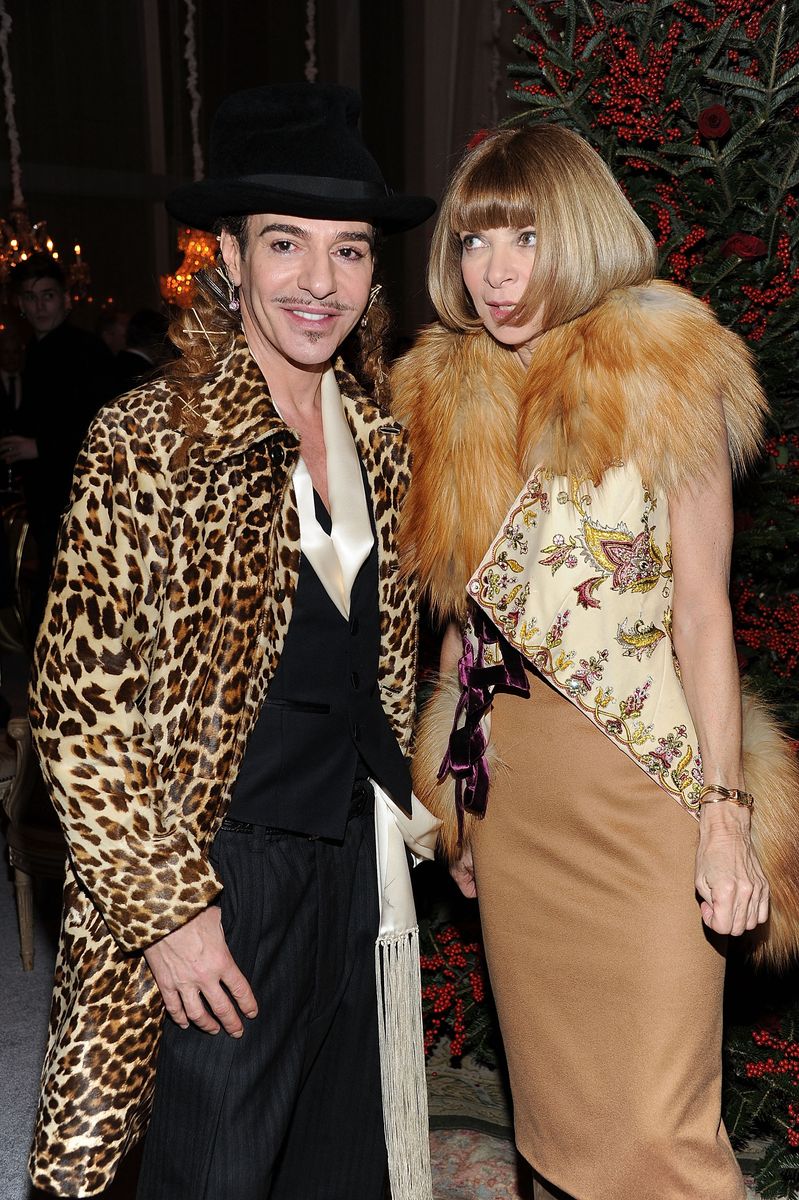 © Dimitrios Kambouris
The reversal comes just one month after The Met unveiled ambitious plans for the retrospective, which was scheduled to open May 9, 2027, and run through Jan. 9, 2028. The exhibition would have examined Galliano’s four-decade career through clothing, accessories, sketches, research books, archival material and other pieces.
Why did The Met cancel the John Galliano exhibition?
The decision followed mounting criticism over Galliano’s past antisemitic, racist and anti-Asian remarks. “Following thoughtful discussions with John Galliano, we have together decided not to proceed with the exhibition,” Met director and CEO Max Hollein said in the museum’s announcement.
Galliano said the decision came after extensive consideration and discussions with museum officials. “After much reflection and discussion with The Met and all those involved,” Galliano said, he concluded that the exhibition should not take place.
He also directly addressed the communities affected by his past behavior. “I remain fully accountable for the pain caused by my words in the past,” Galliano said, specifically acknowledging Jewish and Asian communities.
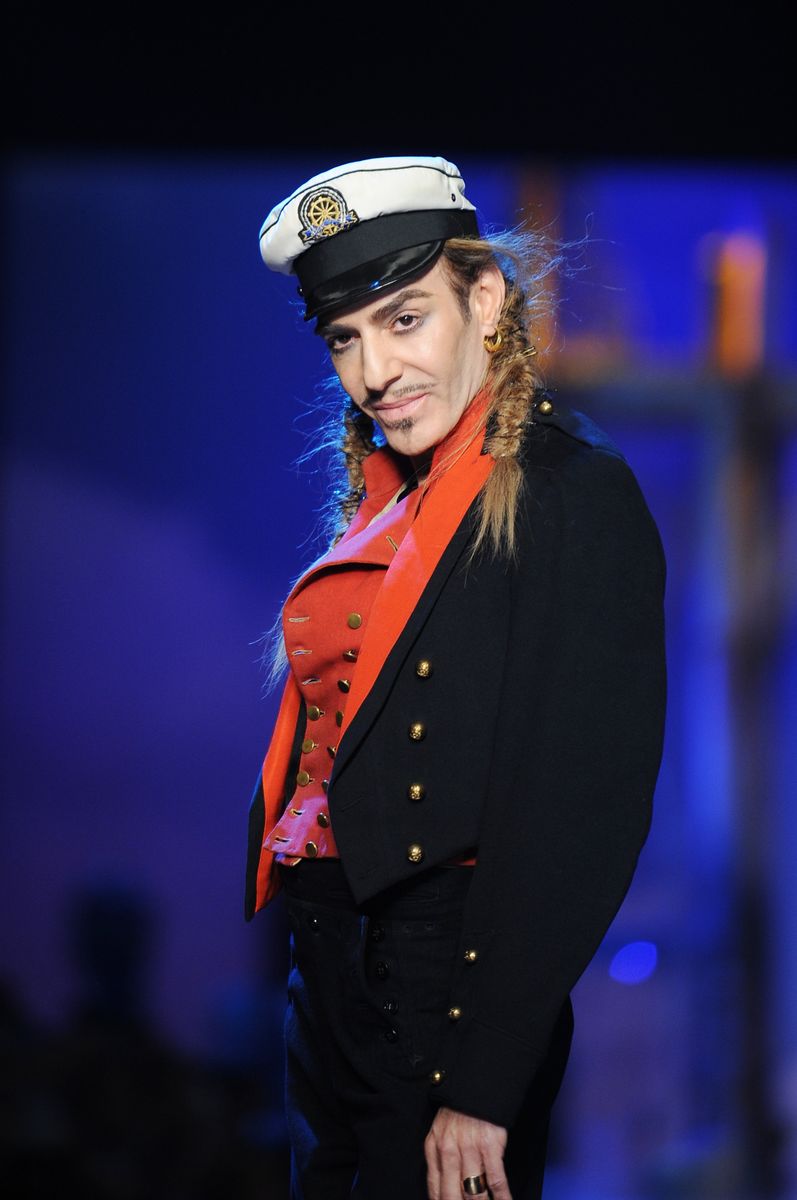 © Corbis via Getty Images
Galliano added that he did not want controversy surrounding him to put The Met in a difficult position or take attention away from the Costume Institute. He also acknowledged that an exhibition honoring his career could be painful for some people.
John Galliano’s past controversy returned to the spotlight
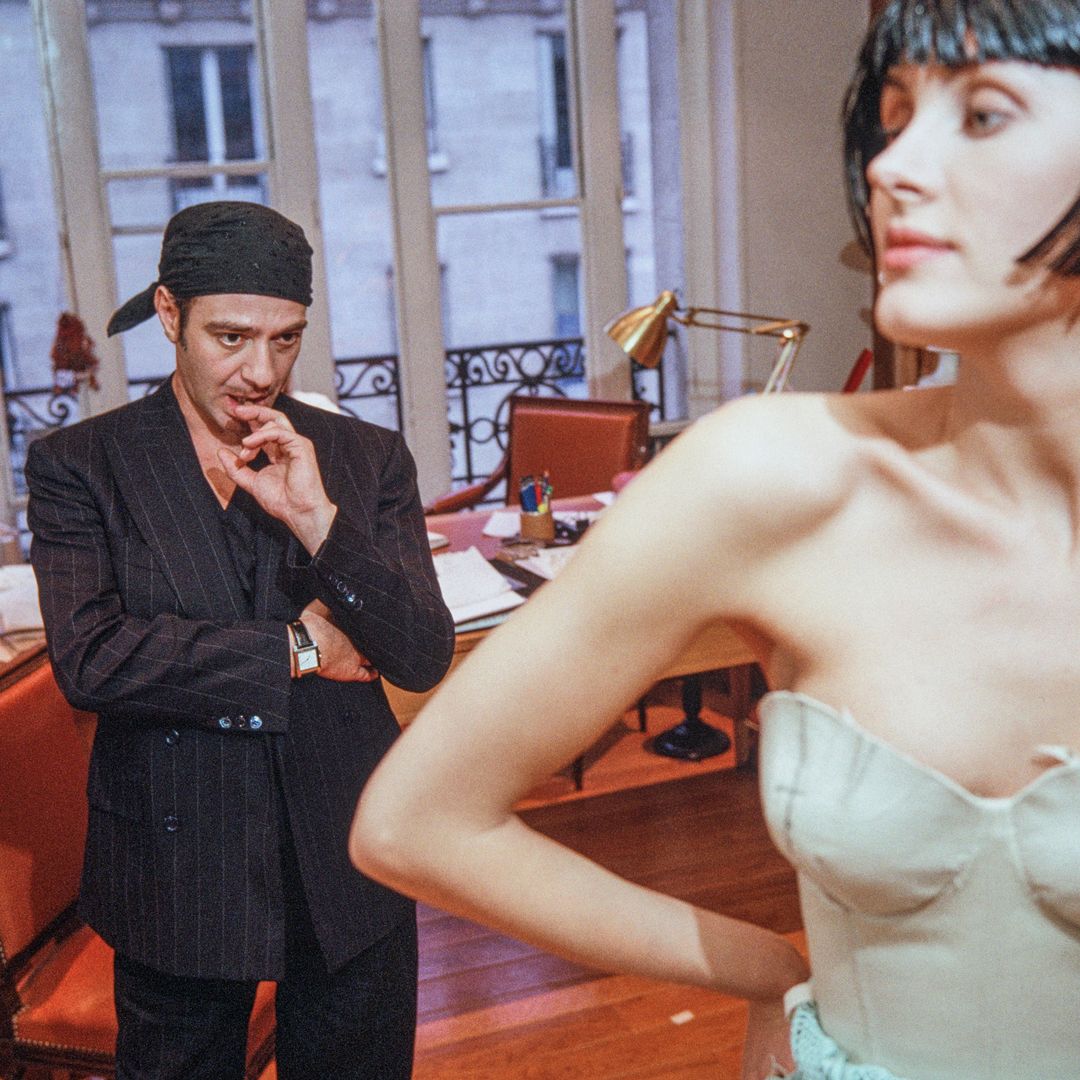
Galliano was one of the biggest names in luxury fashion when his career dramatically unraveled in 2011. The Spanish and British designer had spent years as creative director of Christian Dior, where his elaborate runway productions and theatrical couture helped make him one of the most recognizable designers of his generation.
But Dior dismissed Galliano after antisemitic and racist incidents from 2010 and 2011 became public. He was subsequently convicted in France over public insults based on religion, race or ethnicity.
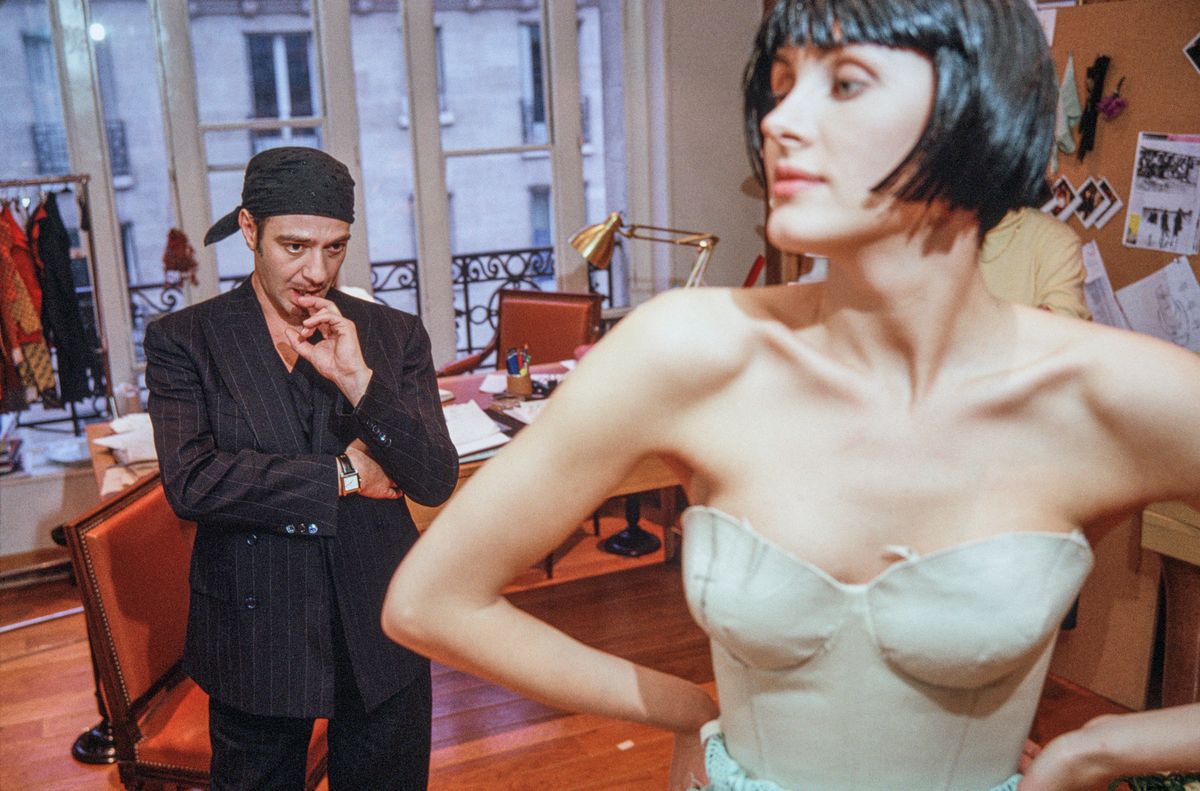 © Getty Images
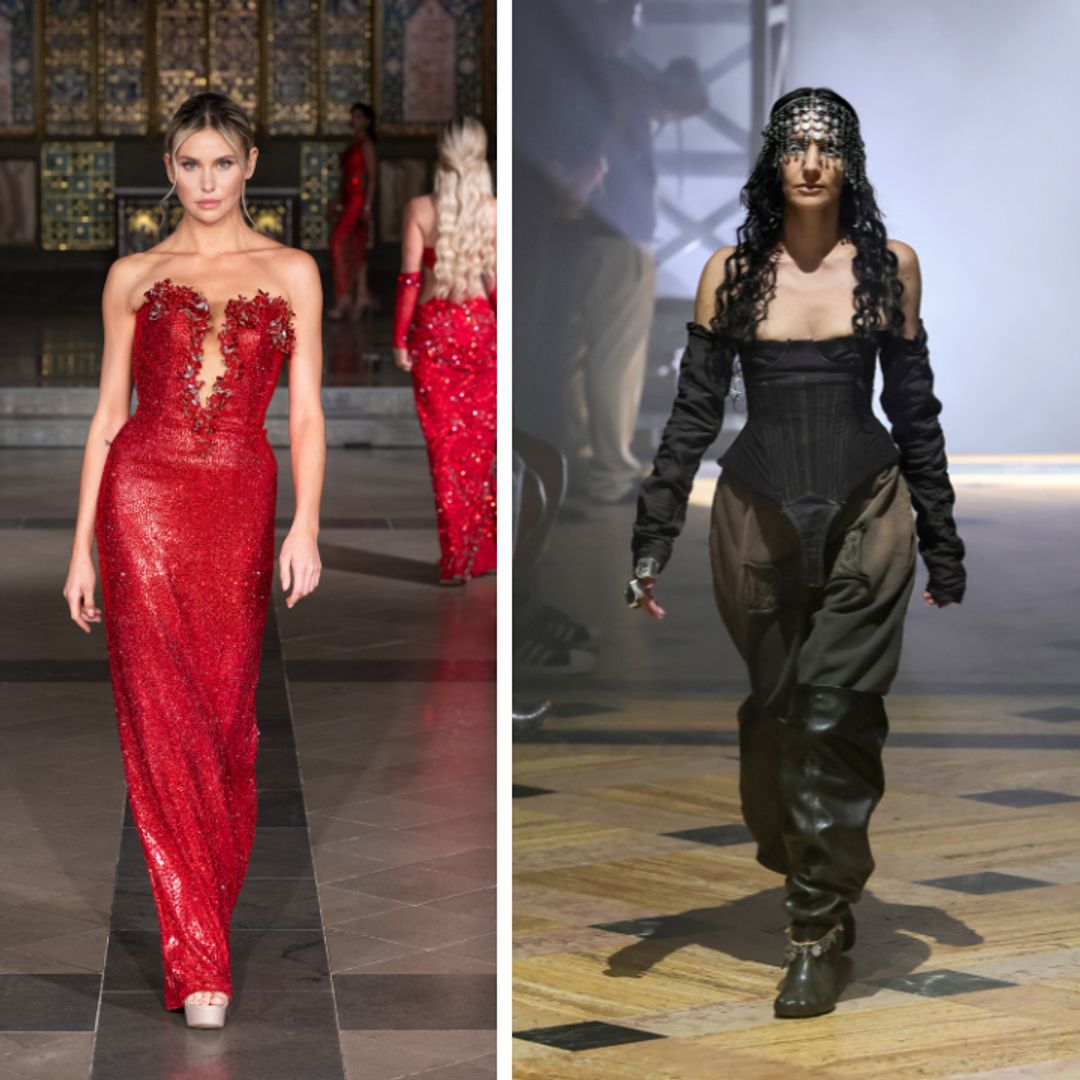
Galliano later underwent treatment and publicly apologized. His fashion comeback accelerated in 2014 when he became creative director of Maison Margiela. He remained at the house for a decade, culminating in his acclaimed Maison Margiela Artisanal Spring 2024 collection.
The planned Met exhibition would have revisited that complicated history rather than ignoring it. When “John Galliano: Horizons” was announced in July, The Met said the exhibition would examine the designer’s work across his namesake label and his periods at Givenchy, Dior and Maison Margiela.
Backlash grew after The Met announced “John Galliano: Horizons”
The July 31 announcement immediately raised questions about whether a major cultural institution should devote one of fashion’s most prestigious exhibitions to Galliano. Opposition intensified among Jewish leaders and members of New York’s political and cultural communities. AP reported that The Met had spoken with Jewish community leaders before announcing the exhibition, anticipating that the decision could generate criticism.
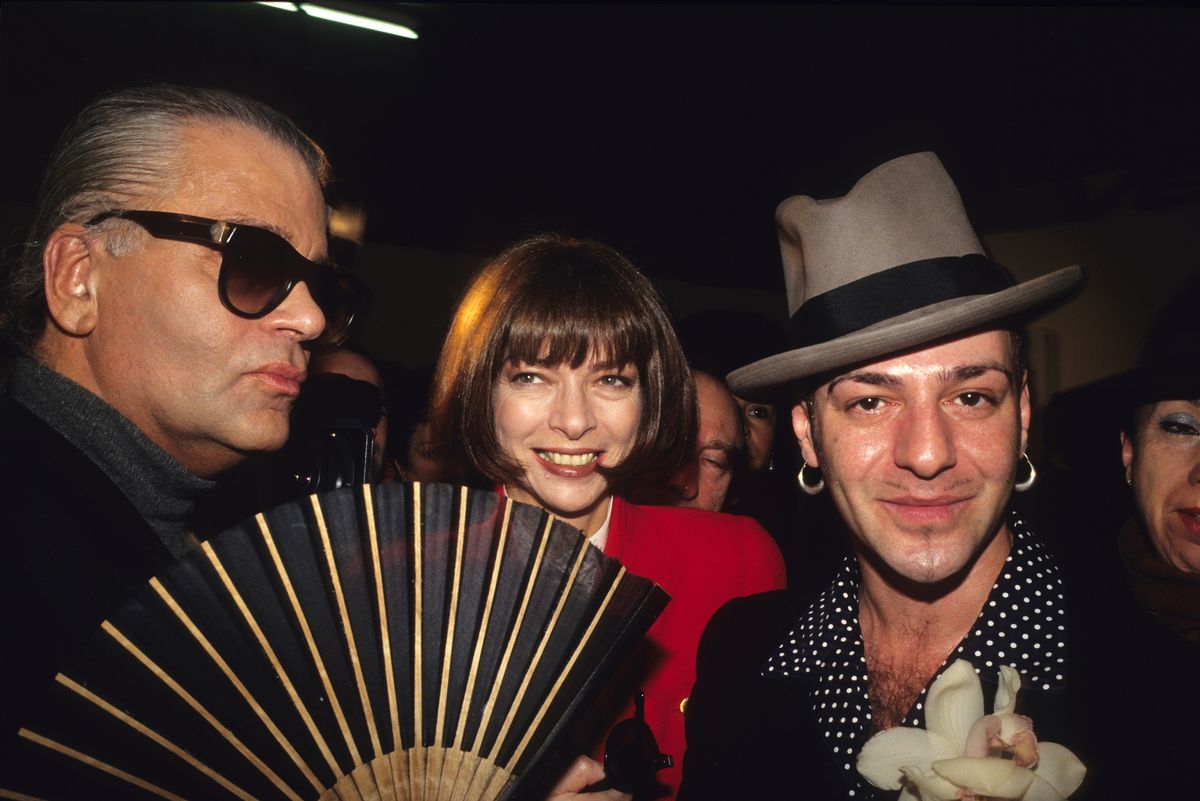 © WireImage
CBS News reported that donors had also threatened to withdraw financial support if the exhibition proceeded.
Another sensitive issue involved the timing of the 2027 Met Gala. The annual fundraiser traditionally takes place on the first Monday in May. In 2027, that timing created concerns because of its proximity to Yom HaShoah, Holocaust and Heroism Remembrance Day.
Julie Menin responds to The Met’s decision
New York City Council Speaker Julie Menin had been among the most prominent critics of the planned Galliano exhibition. Following Monday’s announcement, Menin said she was pleased that The Met had reconsidered its plans. “This is the correct decision,” Menin said, arguing that the controversy had caused unacceptable “harm and pain.”
Menin, who is Jewish and the daughter of a Holocaust survivor, said she had held multiple conversations with museum officials about her objections to honoring Galliano. She argued that cultural institutions such as The Met have a responsibility to uphold high standards of inclusion and tolerance.
 © TNS
© TNSJohn Galliano stated: “I am profoundly grateful to The Metropolitan Museum of Art, and particularly to Max Hollein, Andrew Bolton, and Anna Wintour, for the extraordinary honour of proposing an exhibition devoted to my work,” he said according to Vogue. “To have my creative journey considered by an institution that I have admired throughout my life moved me more deeply than I can express. I will remain forever grateful for the confidence, care and scholarship that Max, Andrew, Anna and the entire Met team brought to this project.”
Anna Wintour supports John Galliano and The Met’s decision
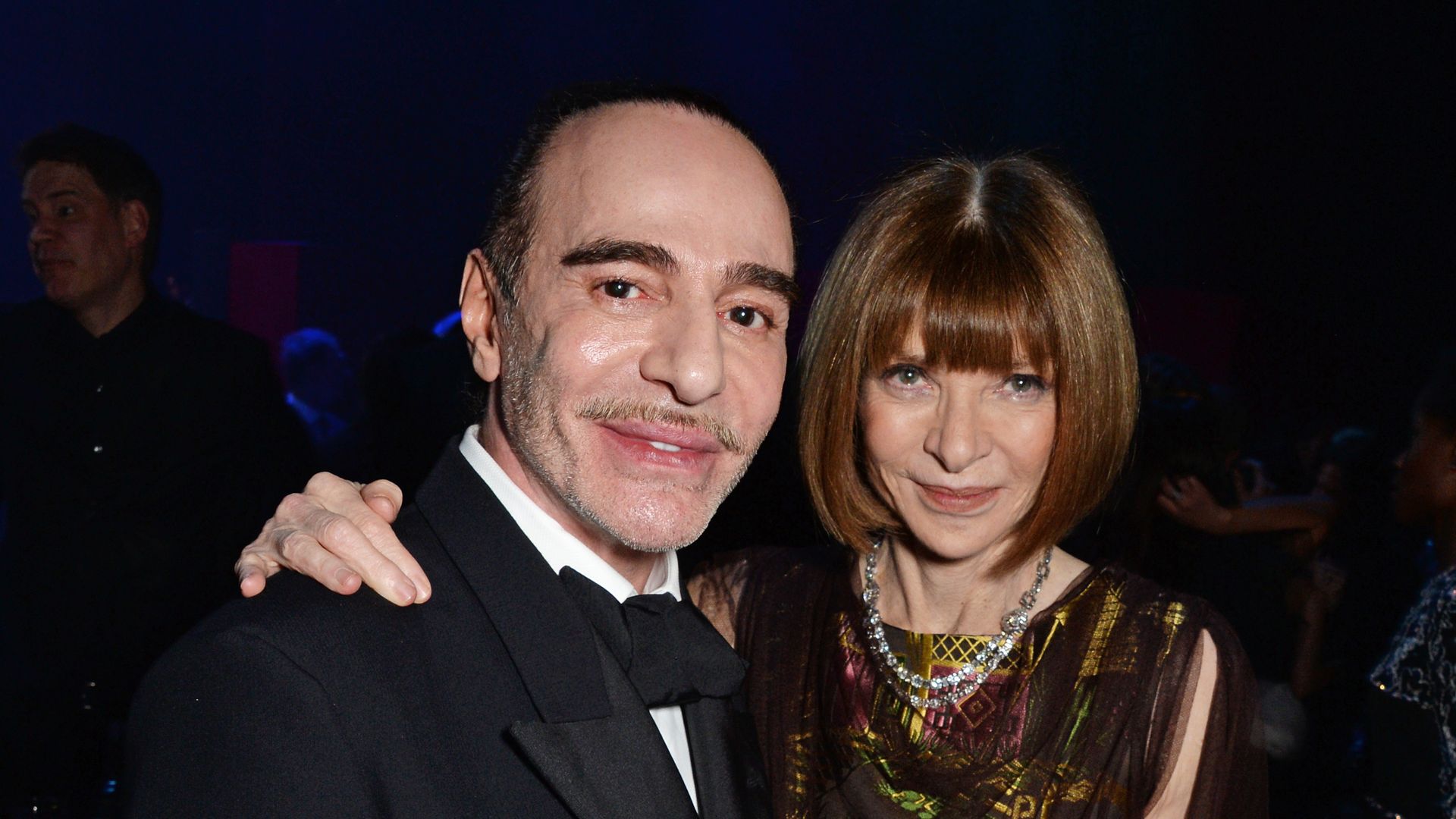
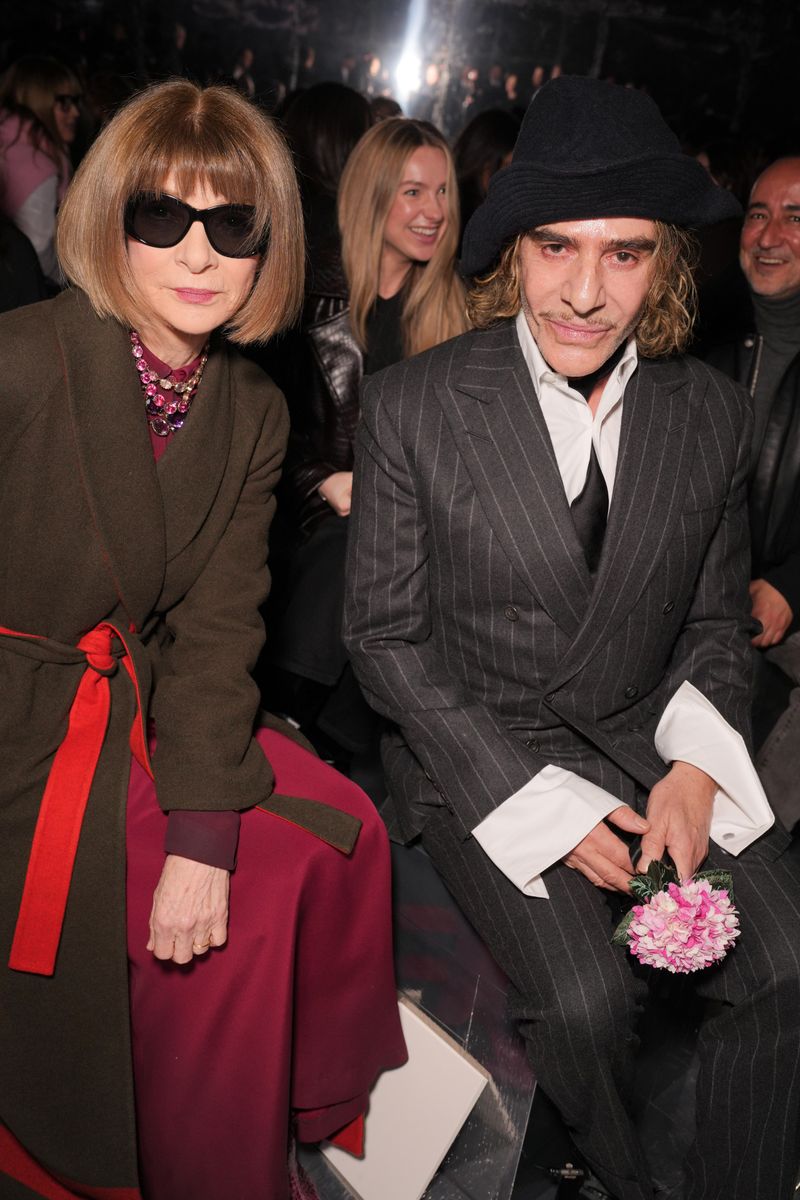
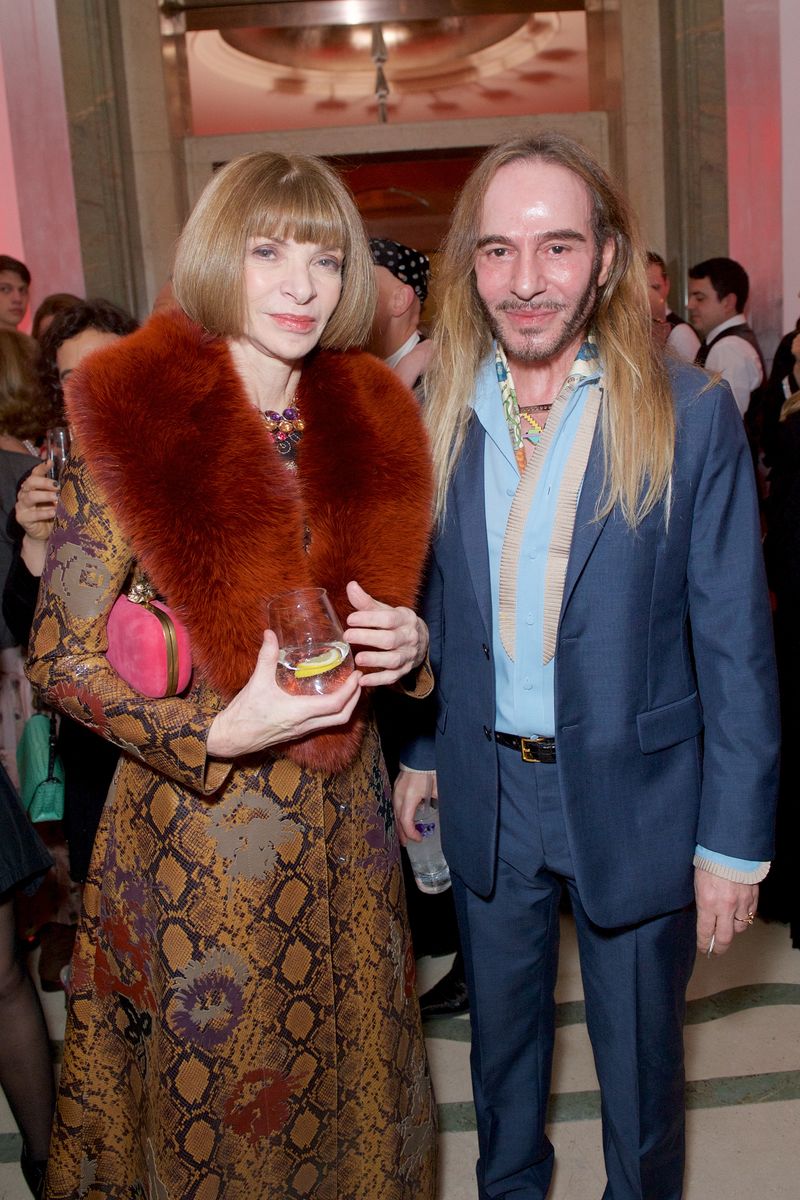
Anna Wintour, Vogue’s global editorial director and a Met trustee, has long supported Galliano and his work. Following the cancellation, Wintour backed the decision while continuing to praise Galliano’s importance to fashion. “I believe this is the right decision,” Wintour said, adding that Galliano and the museum have her “full support.”
 © WWD via Getty Images
In a longer statement published by Vogue, Wintour described Galliano as an exceptional craftsman whose influence can be seen across generations of designers. “John’s decision to ask the Museum to postpone the exhibition devoted to his work is very courageous and a measure of the man he is. I believe this is the right decision, and both he and the Museum have my full support,” she said.
Adding: “His soaring imagination, fed by a lifetime of curiosity and research, is matched by his exceptional craft. Cut, fit, the evocative line of a bias-cut dress, color—he’s a master of it all. Without one or the other, if his technique wasn’t equal to his storytelling talents, he wouldn’t be the premiere couturier of his generation. But he most certainly is. From the staged-on-a-shoestring feat that was his Fall 1994 show at the Sao Schlumberger Hotel Particulier in Paris to his tour de force swansong at Maison Margiela Artisanal for Spring 2024, Galliano gave fashion its most marvelous shows. The way that Christian Dior called Cristobal Balenciaga ‘the master of us all,’ a generation of designers have looked to Galliano as the greatest. His impact reverberates across generations, not least of all with Dior’s current creative director Jonathan Anderson, who calls Galliano one of his heroes.”
Andrew Bolton addresses the controversy
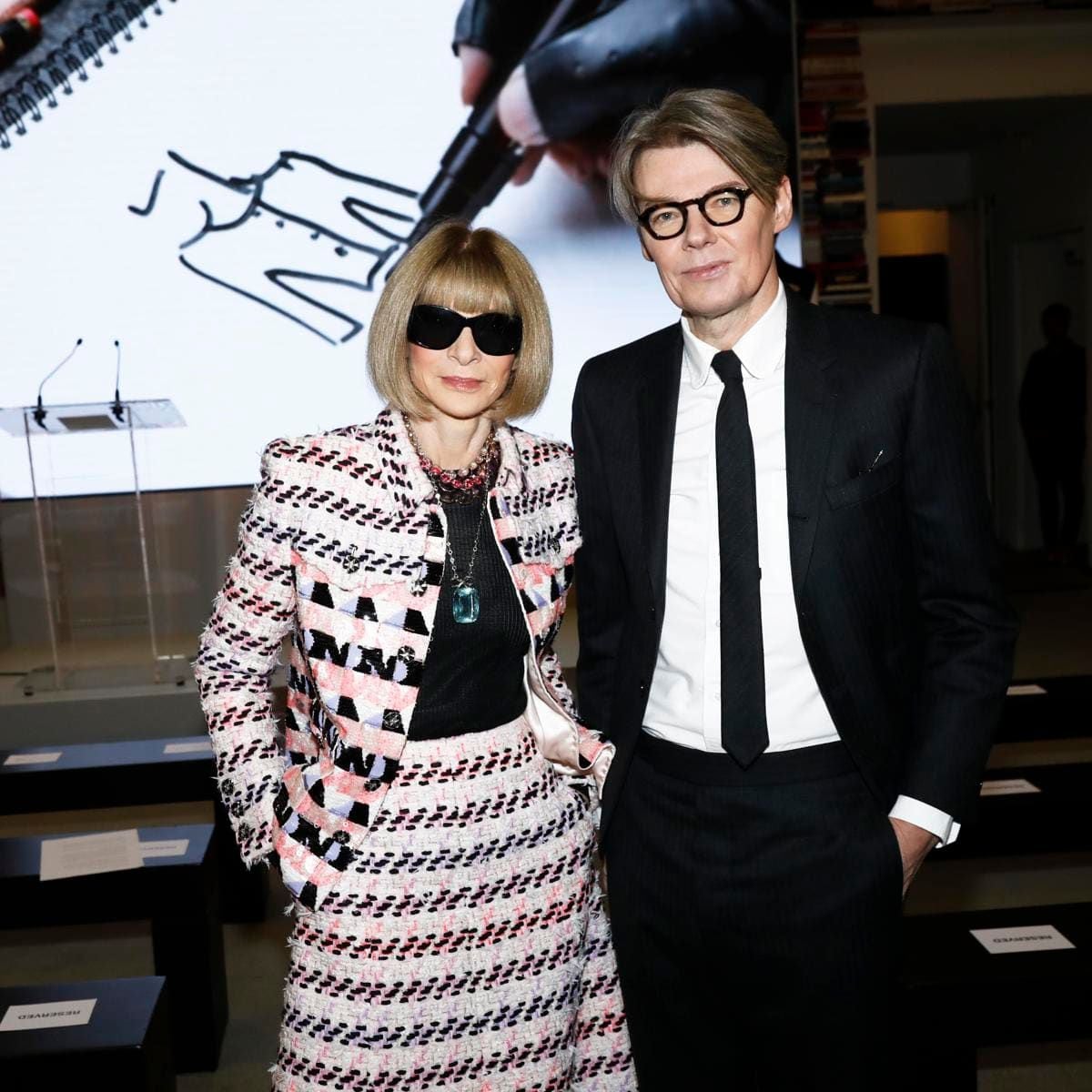
Andrew Bolton, curator in charge of The Met’s Costume Institute, also supported canceling the exhibition. “I also recognize the pain and concern this exhibition has caused,” Bolton said, while emphasizing that museums have a responsibility to confront difficult histories with care.
His comments point to the larger question raised by the Galliano controversy: how museums should approach artists whose creative legacies are inseparable from damaging actions or statements in their personal histories.
 © GettyImages
The exhibition had been positioned as an opportunity to examine both Galliano’s enormous influence on fashion and the rupture in his career caused by his conduct. Its cancellation means that conversation will now take place without the institutional platform of a major Costume Institute retrospective.
John Galliano would have joined a rare group at The Met
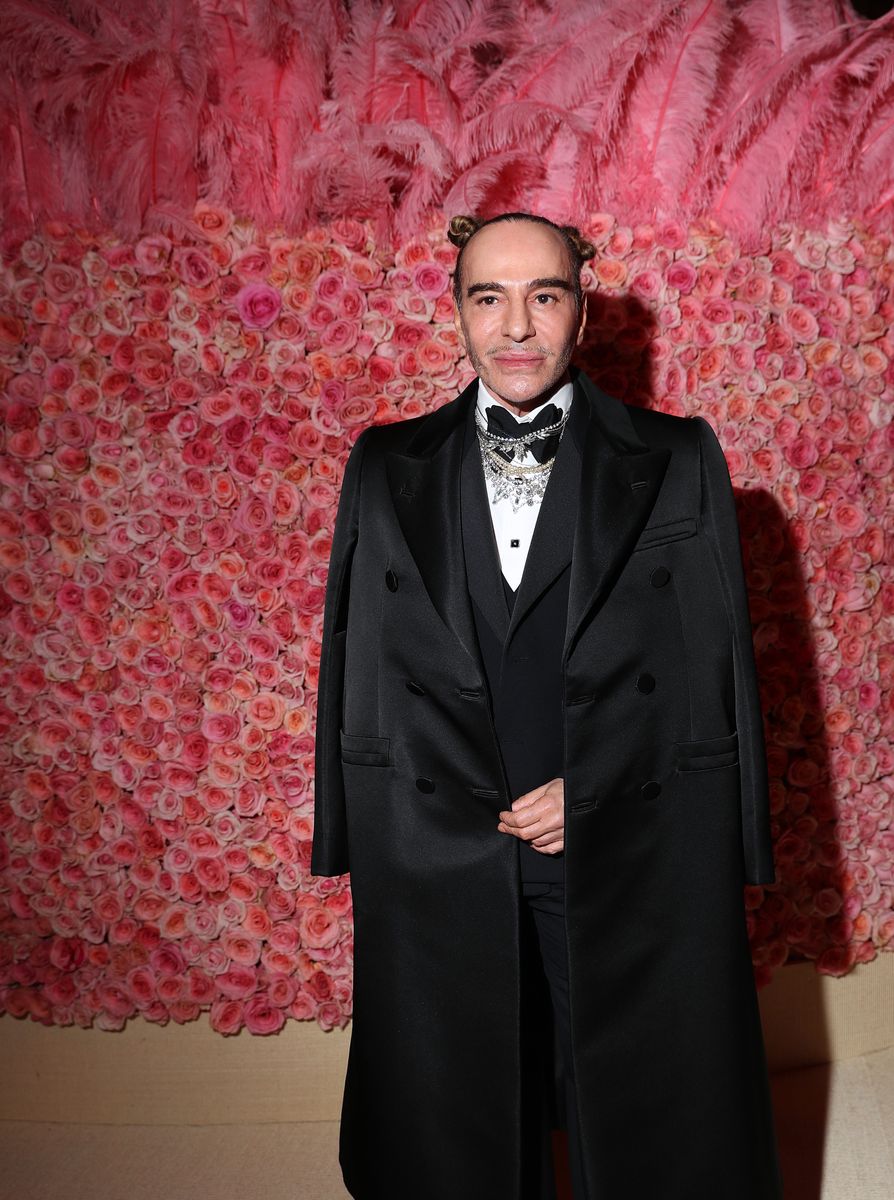
“John Galliano: Horizons” would have marked a major milestone in Costume Institute history. Galliano was set to become only the third living designer to receive a solo Costume Institute exhibition at The Met, following Yves Saint Laurent in 1983 and Comme des Garçons founder Rei Kawakubo in 2017.
The proposed exhibition was designed to cover Galliano’s career from his 1984 Central Saint Martins graduate collection through Givenchy and Dior and into his final years at Maison Margiela.
 © Getty Images for The Met Museum/
That scope would have effectively positioned the show as an institutional assessment of Galliano’s place in fashion history, making the decision to cancel it especially significant.
What happens to the 2027 Met Gala now?
For now, one of fashion’s biggest nights has a major question mark hanging over it. The Costume Institute’s spring exhibition traditionally provides the creative framework for the Met Gala, influencing its theme, dress code and red-carpet fashion.
 © Penske Media via Getty Images
The Met has confirmed that another spring Costume Institute exhibition will replace “John Galliano: Horizons.” Details about that exhibition and the 2027 Met Gala will be announced later.
That leaves the museum with only months to unveil a new concept capable of anchoring an event watched globally for its combination of fashion, celebrity and culture.