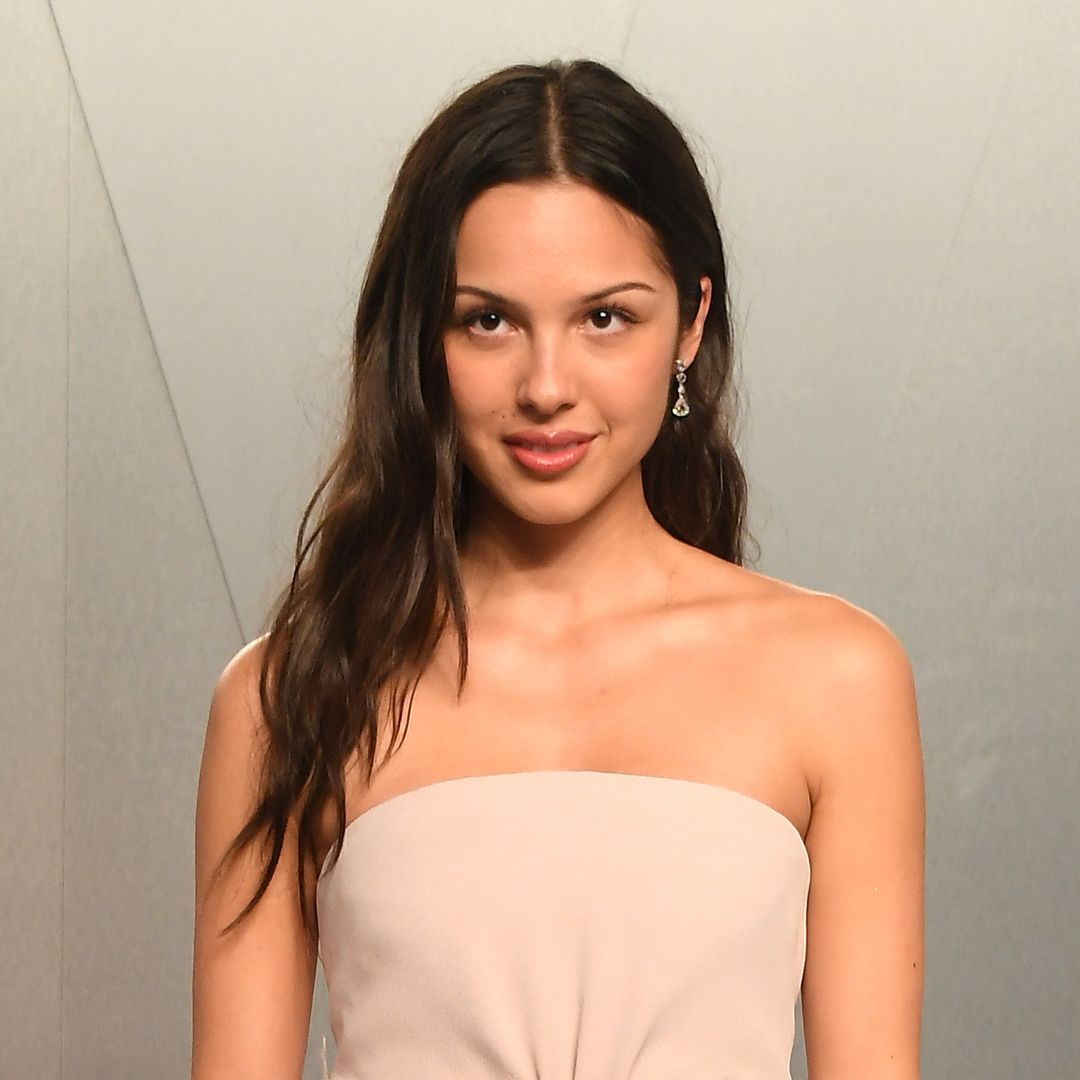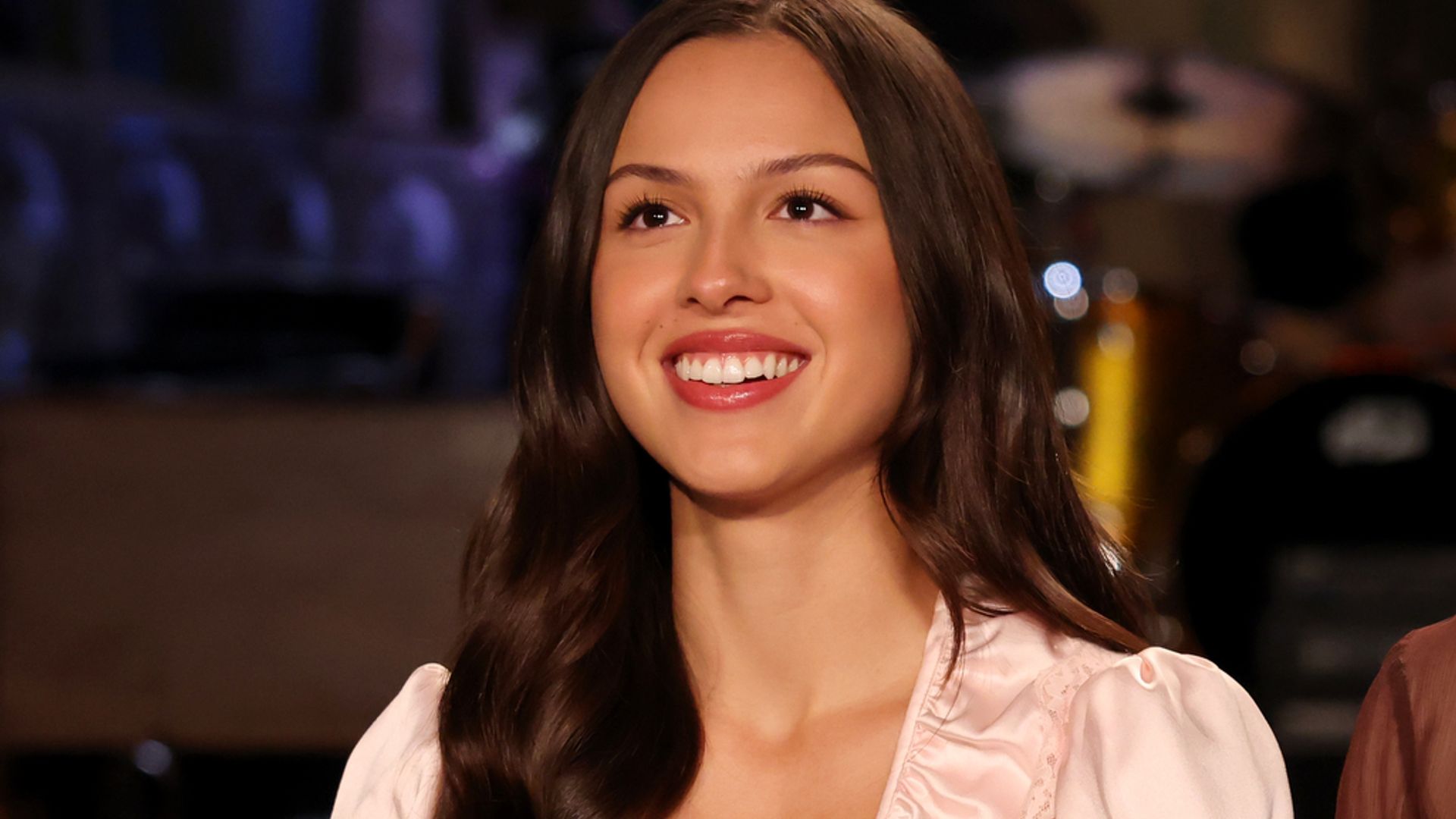
Olivia Rodrigo is pushing back against the controversy surrounding her now-signature babydoll dresses, and the conversation has evolved into a much deeper debate about femininity, fashion, and the sexualization of young women in pop culture.
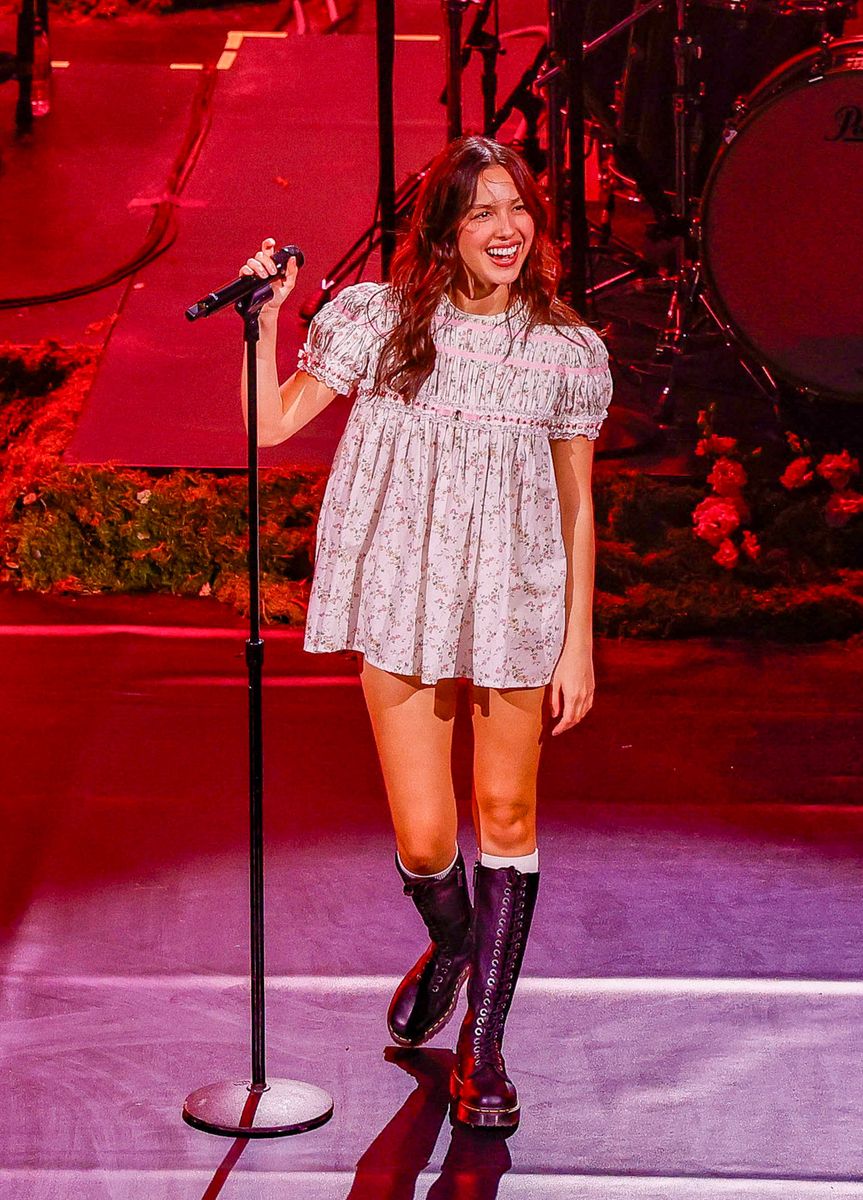
During a recent appearance on The New York Times’ Popcast, the 23-year-old singer addressed criticism sparked by the short floral babydoll dresses she has been wearing onstage during performances of her single “Drop Dead,” as well as throughout the rollout for her upcoming third studio album, 'You Seem Pretty Sad for a Girl So in Love,' set for release on June 12, 2026.
 © Backgrid/The Grosby Group
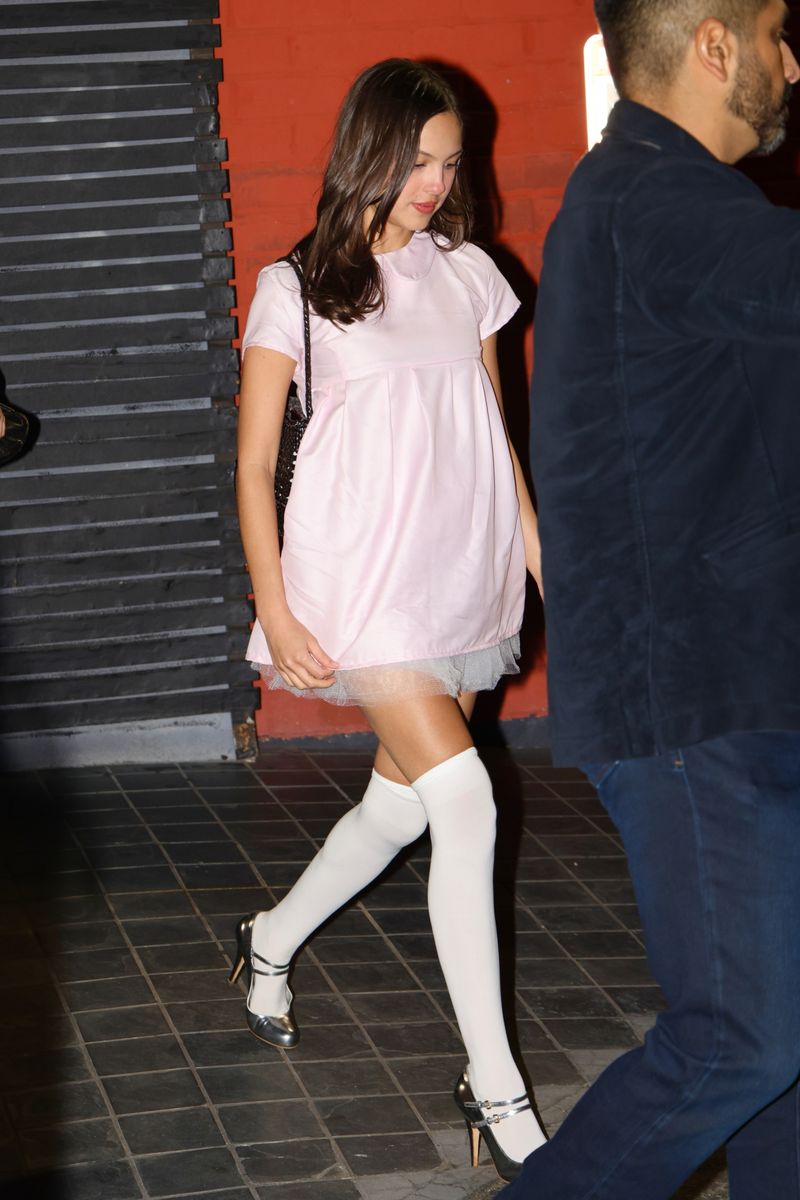
The discourse intensified after Rodrigo performed in Barcelona wearing a puff-sleeved floral babydoll dress that quickly went viral online. While many fans praised the vintage-inspired aesthetic, others criticized the look as “childlike,” “infantilizing,” or inappropriate.
Rodrigo fiercely rejected that interpretation during the interview.
 © Zuma Press/The Grosby Group
“What’s really disturbing is I feel like I have worn outfits that are revealing on stage,” she explained. “Like, I’ve been on stage in like a sparkly bra, little shorts, which is my right. That’s fun. I felt cool and comfortable in that. And that wasn’t ‘inappropriate’ but me fully covered up in a dress that people deem to be childlike was inappropriate.”
The singer went even further, arguing that the backlash reflects larger cultural issues surrounding how young women are perceived.
 © David Bailey
“I think it shows how we really normalize pedophilia in our culture,” Rodrigo added. “And also it’s just this rhetoric that we’re fed as girls since we’re so little, which is like, ‘Don’t wear that because then a man is going to sexualize your body and it’s your fault.’ Like, it’s so weird.”
She later defended younger women and artists who become targets of online scrutiny because of their clothing choices, stating: “You shouldn't be responsible for some guy sexualizing you in a way that was never your intention.”
 © Screen Archives
According to Rodrigo, the dresses were never intended to project innocence or sexuality. Instead, the aesthetic draws heavily from the alternative female musicians who inspired her growing-up years, particularly the rebellious movement popularized during the 1990s.
Artists like Courtney Love of Hole and Kathleen Hanna of Bikini Kill famously mixed hyper-feminine pieces like babydoll dresses, bows, and Mary Janes with smudged makeup, ripped tights, and punk attitudes as a deliberate rejection of traditional expectations surrounding femininity.
 © Backgrid UK/The Grosby Group
The aesthetic became one of the defining visual movements of riot grrrl culture and grunge fashion, intentionally combining softness with rebellion. For many women in alternative music scenes, the look functioned as a critique of how society simultaneously infantilized and sexualized young women.
That complicated history is part of why babydoll dresses continue to spark intense debate decades later.
 © Backgrid/The Grosby Group
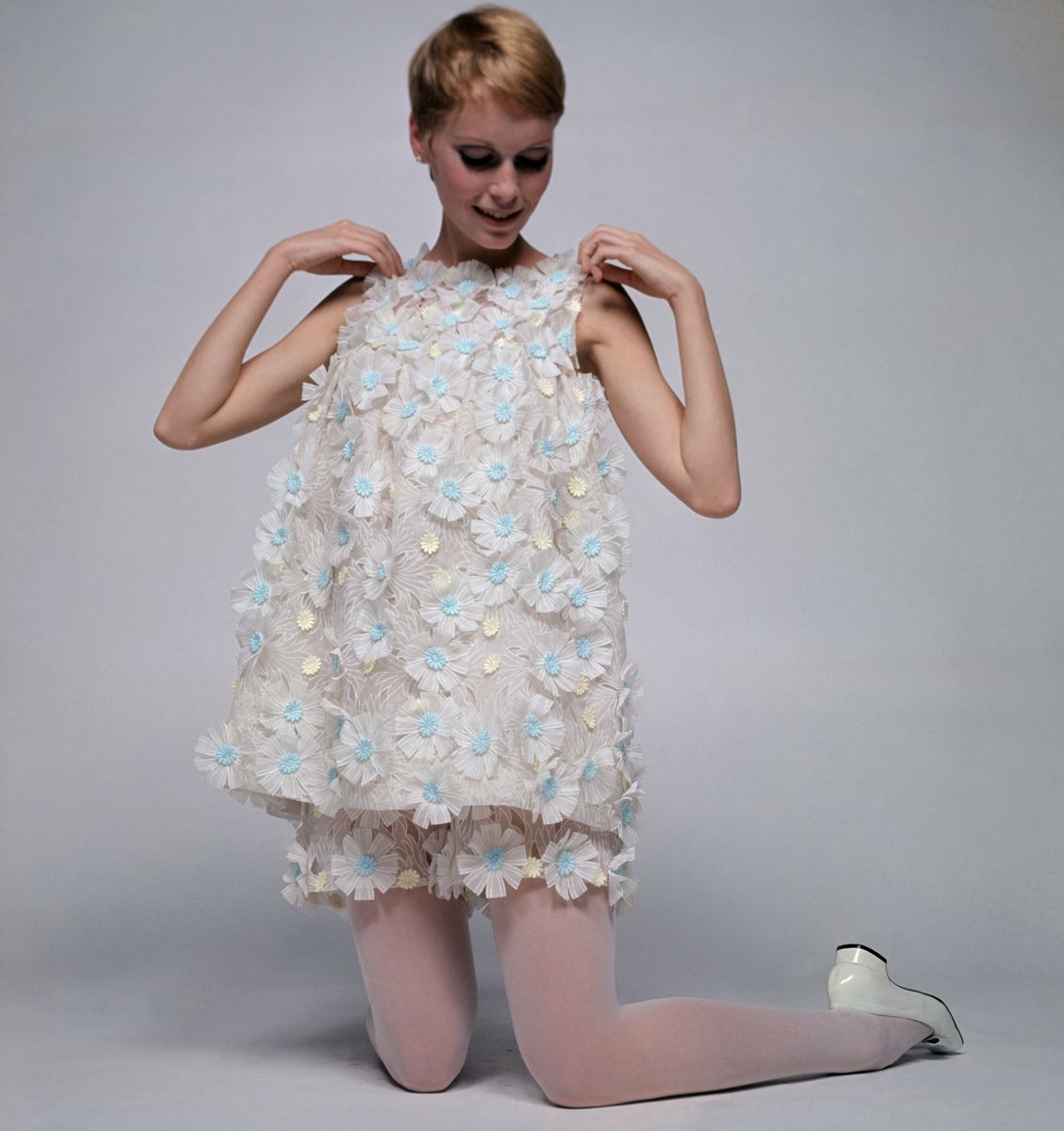
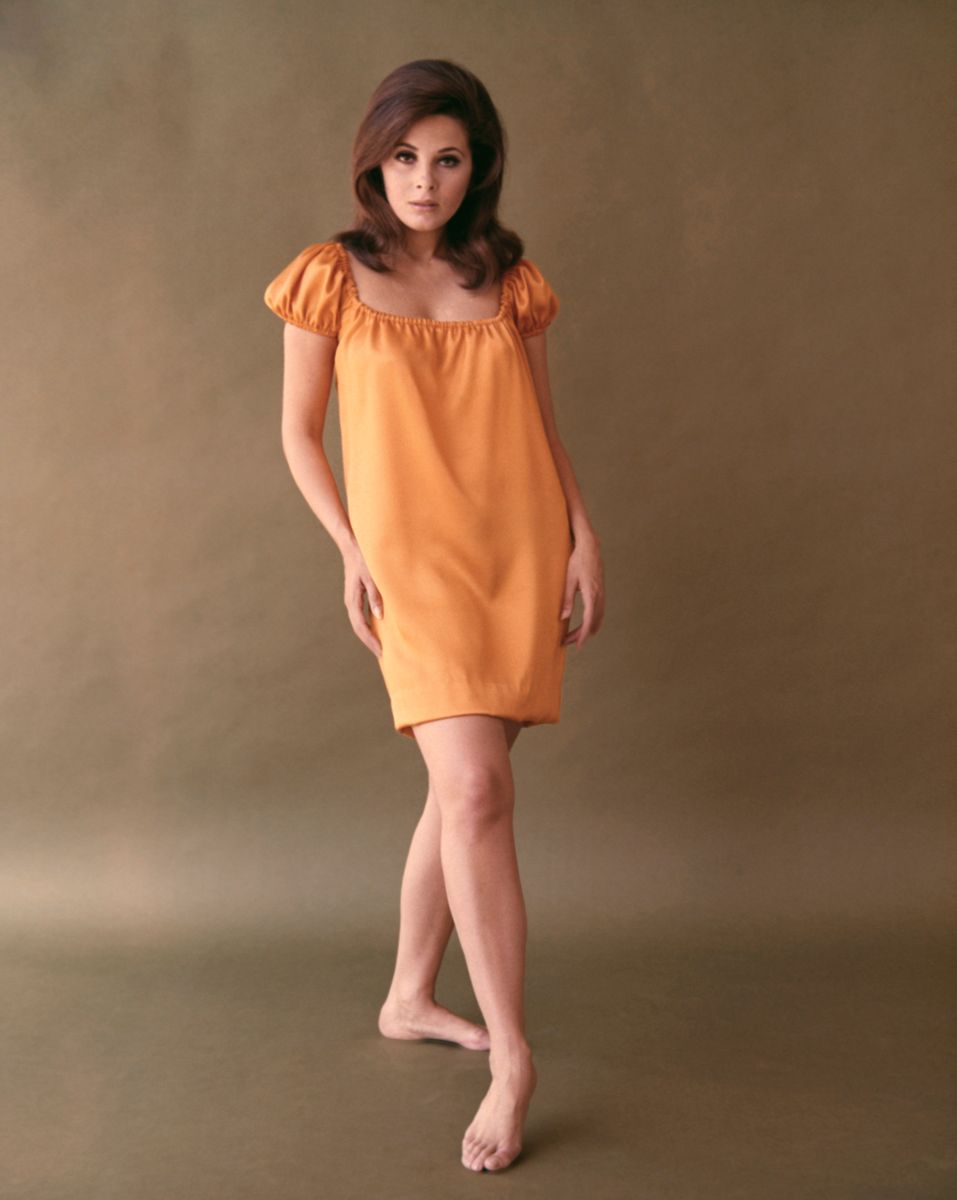
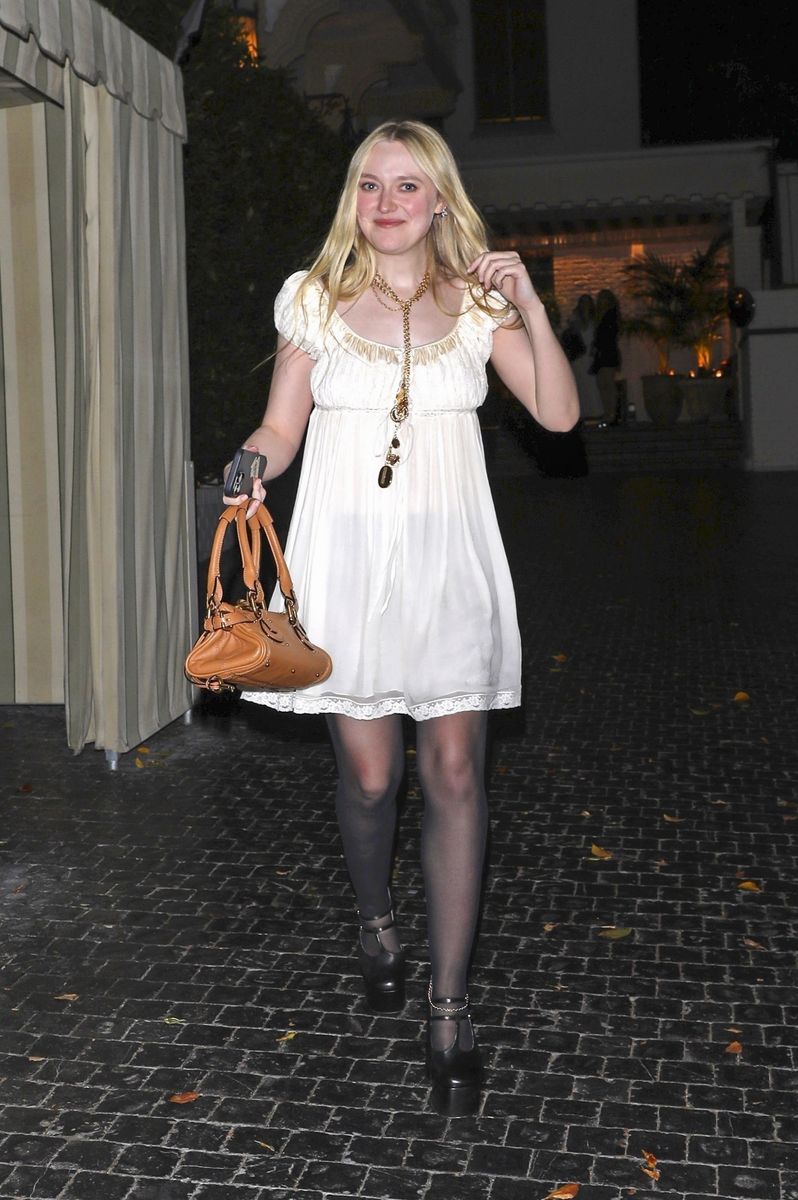
Originally, the silhouette dates back to the 1940s, when lingerie designer Sylvia Pedlar created the first babydoll nightgown featuring a loose fit and empire waistline. By the 1960s, the style evolved into mainstream fashion during the mod era, symbolizing youthful rebellion and changing attitudes toward femininity.
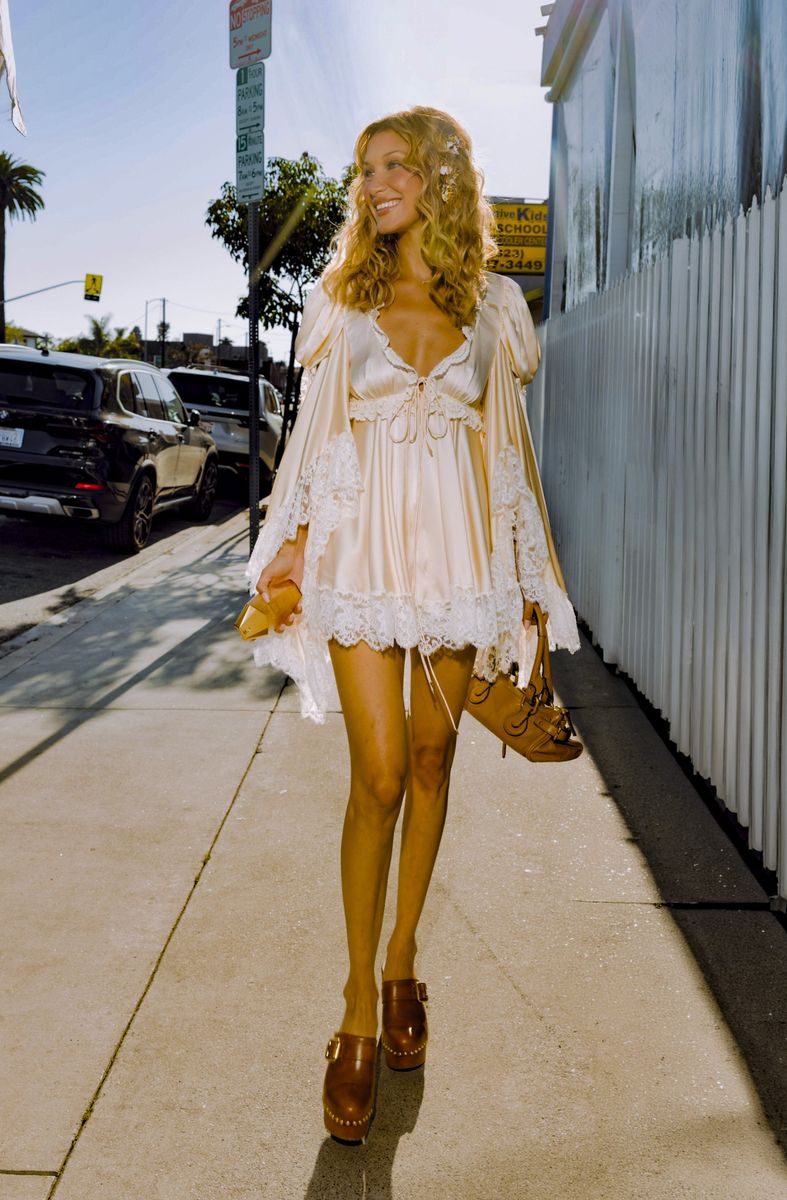
Over time, the silhouette has repeatedly resurfaced across different generations, from grunge fashion in the 1990s to today’s coquette and Y2K revival aesthetics dominating social media.
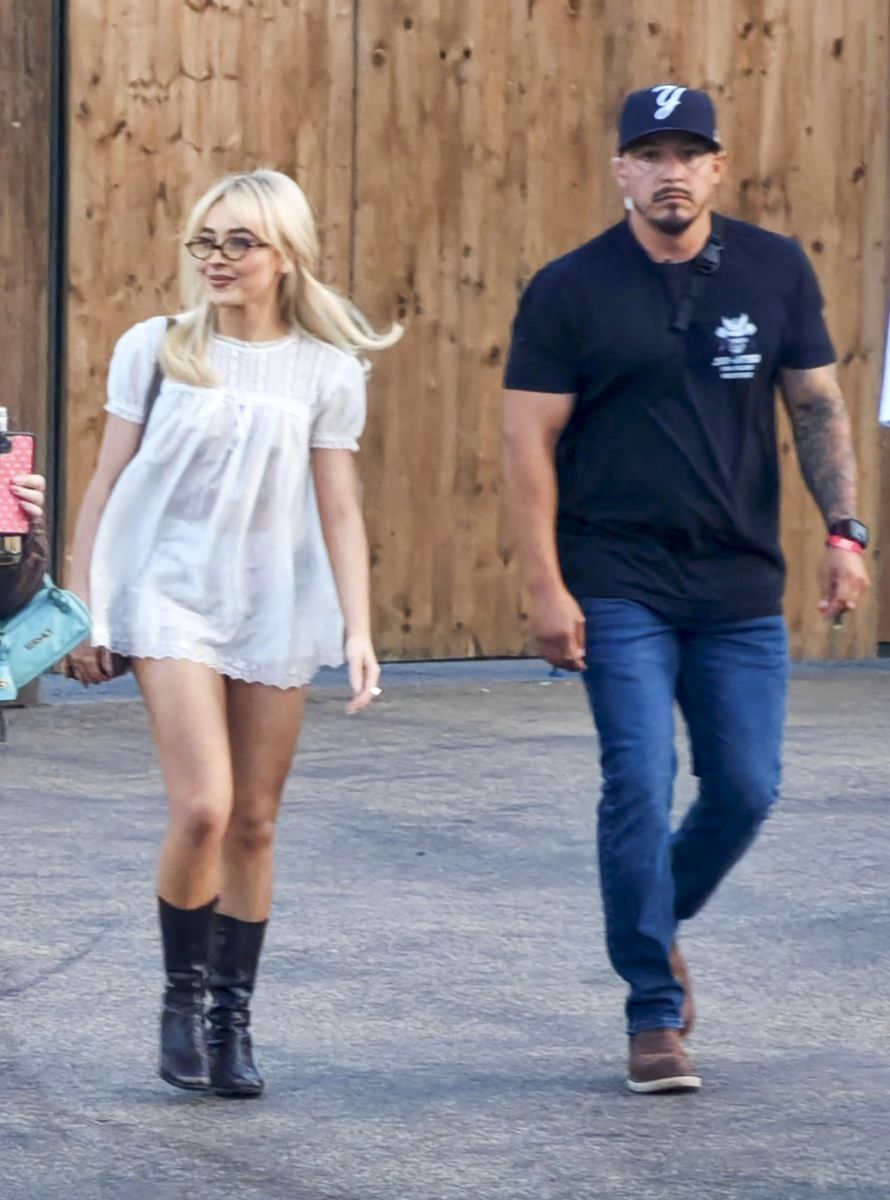 © Backgrid UK/The Grosby Group
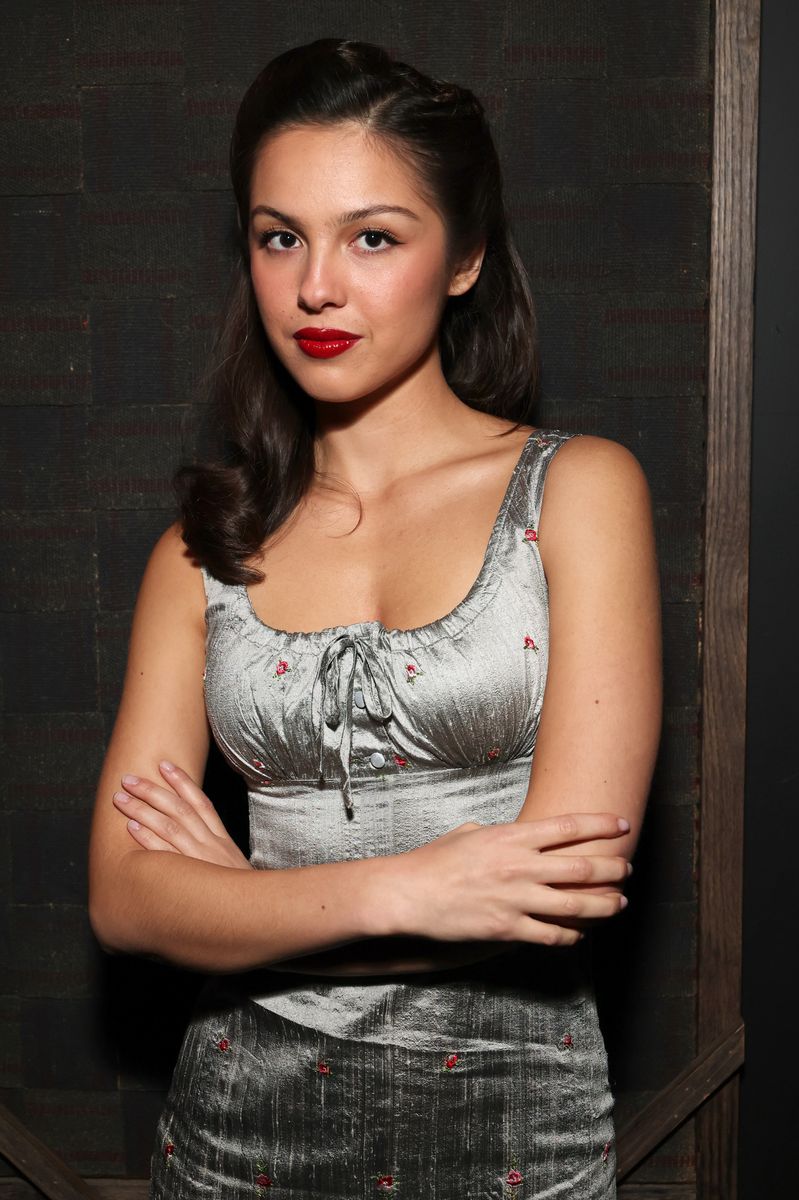
Celebrities including Lana Del Rey, Sabrina Carpenter, and Olivia Rodrigo herself have all embraced modern versions of the style, often pairing the ultra-feminine silhouettes with edgier makeup, darker styling, or punk-inspired accessories.
For Rodrigo, the controversy ultimately reflects a broader cultural discomfort with girlhood aesthetics and overt femininity.
 © Kevin Mazur
Fashion historians have long argued that styles associated with bows, lace, doll-like silhouettes, or softness are often scrutinized more harshly than traditionally masculine fashion trends. Rodrigo’s comments reignited that discussion online, with many fans praising the singer for confronting the double standards young women face when expressing themselves through fashion.
Ultimately, Olivia Rodrigo’s babydoll dress controversy says less about one stage outfit and more about the complicated relationship between femininity, nostalgia, sexuality, and the cultural meanings society continues to attach to women’s clothing.