Some films entertain, while others encourage audiences to confront uncomfortable truths. For Carlos González and Milo Quifes, La bola negra does both, bringing overlooked stories to the screen while inviting viewers to reflect on identity, freedom, and the lessons of the past.
Directed by Javier Calvo and Javier Ambrossi, collectively known as Los Javis, the acclaimed film follows three interconnected stories across different periods of Spanish history, exploring love, desire, repression, and the experiences of people whose voices have often been silenced.
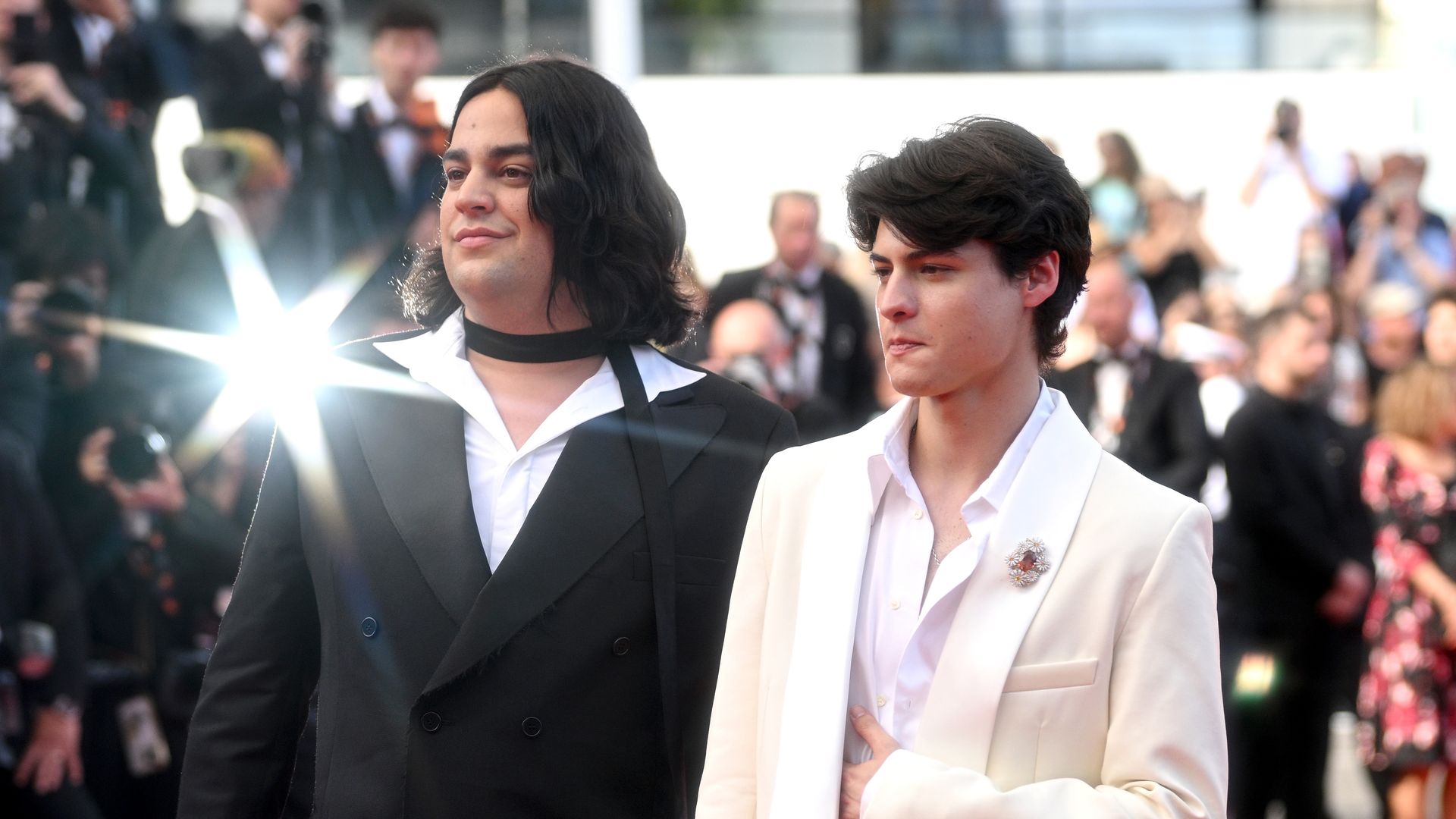
The film has already earned international recognition, including the Best Director award at the 2026 Cannes Film Festival. But beyond the accolades, its cast hopes audiences will recognize the importance of the stories being told.
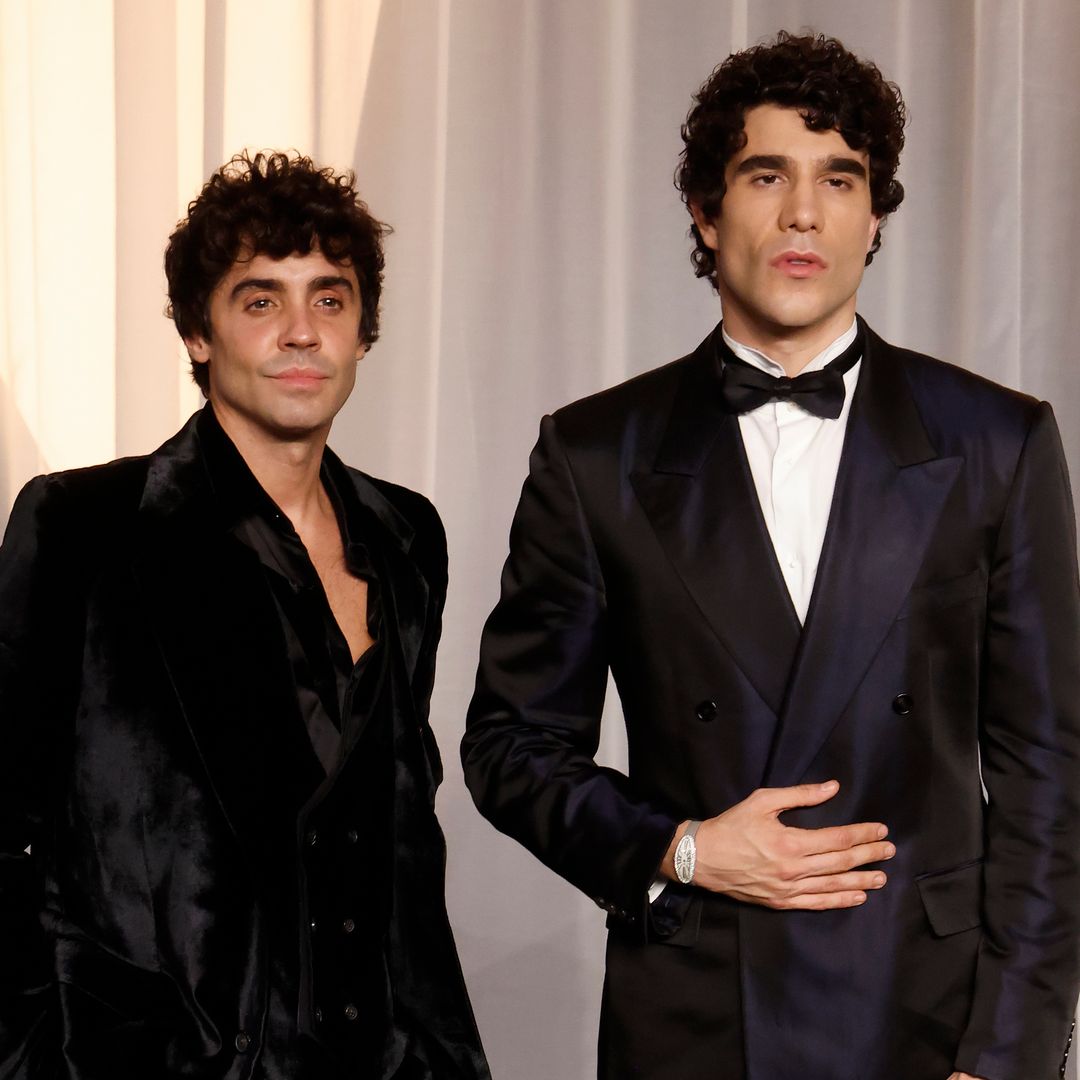
In an exclusive conversation with HOLA, González and Quifes opened up about the film's timely themes, their experiences on set, and why these conversations remain necessary today.
Art and culture are a space to open conversations about things that need to be discussed."
Why 'La bola negra' matters today:
For González, the film's exploration of Spain's history is particularly relevant at a time when questions surrounding artistic freedom, political ideology, and representation continue to generate debate.
 © JC Olivera
During the conversation, the actor reflected on ongoing debates surrounding artistic freedom and cultural expression, emphasizing the importance of cinema as a space for exploring different perspectives and addressing complex social issues.
"Art and culture are a space to open conversations about things that need to be discussed," González told HOLA. His comments reflect one of the central ideas behind La bola negra: that cinema can encourage audiences to examine subjects that might otherwise remain unspoken.
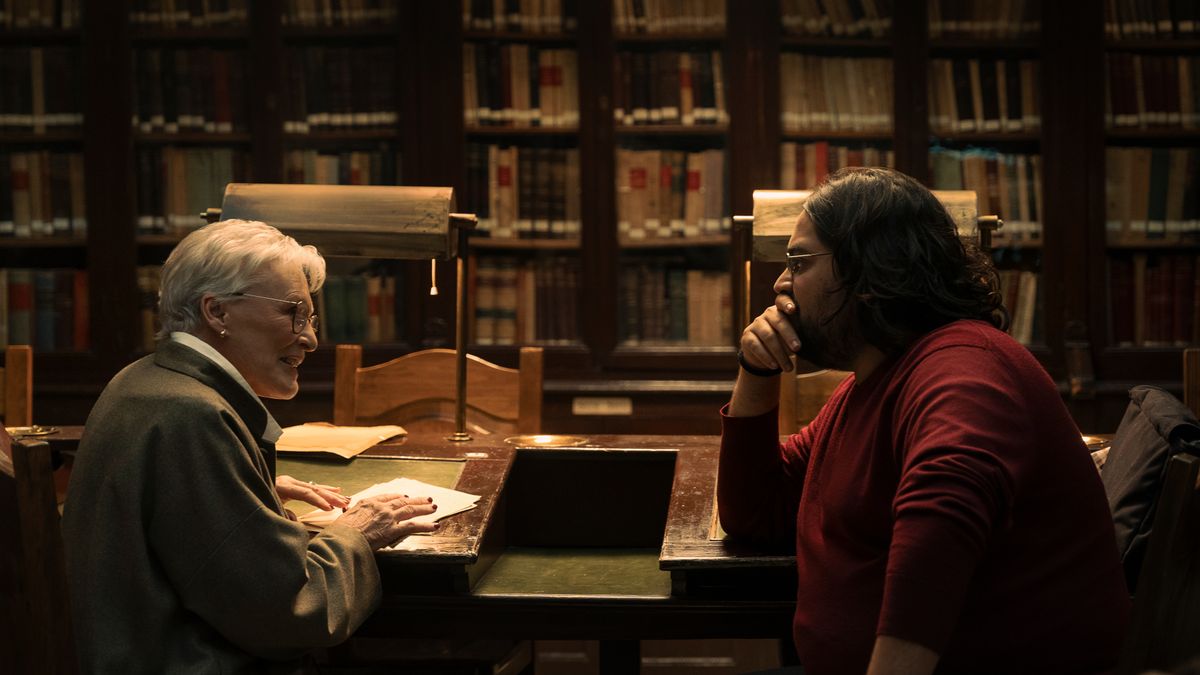 © Carla Oset/Netflix
The actor also expressed his belief that the film could serve an educational purpose. "I think this film should be shown in schools. That would be a good thing," he said.
For González, confronting difficult chapters of history is not simply about looking backward. It is also about understanding how the past continues to shape the present and recognizing the importance of discussing experiences that have historically been marginalized.
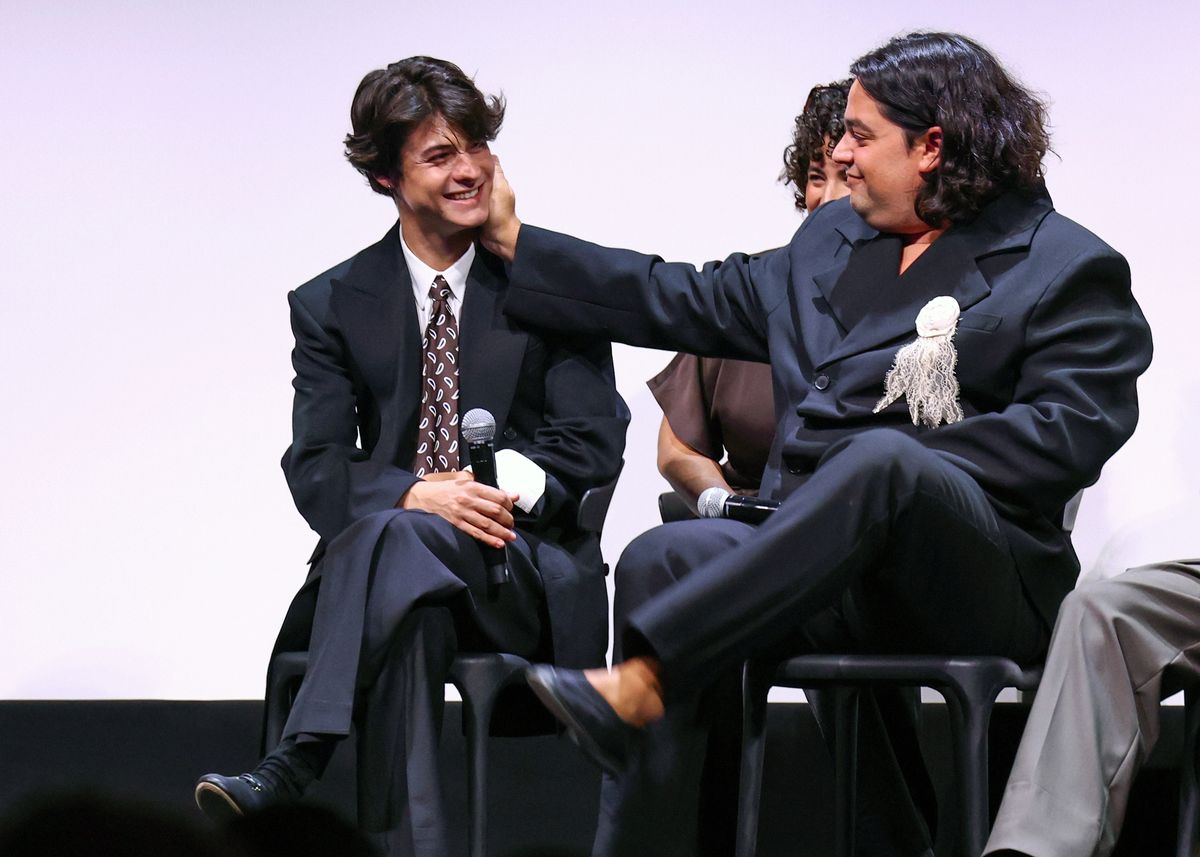 © Cindy Ord
Quifes shared a similar perspective, emphasizing the value of understanding the experiences of previous generations. "It's important that we know where we come from and how we've managed to get to where we are today," he explained.
His reflections highlight the generational connection at the heart of the movie, which moves between different periods to explore how personal experiences, social expectations, and historical circumstances can affect people's lives.
Opening up uncomfortable conversations:
Beyond its historical setting, 'La bola negra' also raises questions about the responsibility of younger generations to challenge inherited ideas and confront subjects that may be difficult to discuss.
González reflected on the willingness of young people to question established beliefs and address conversations that previous generations may have avoided.
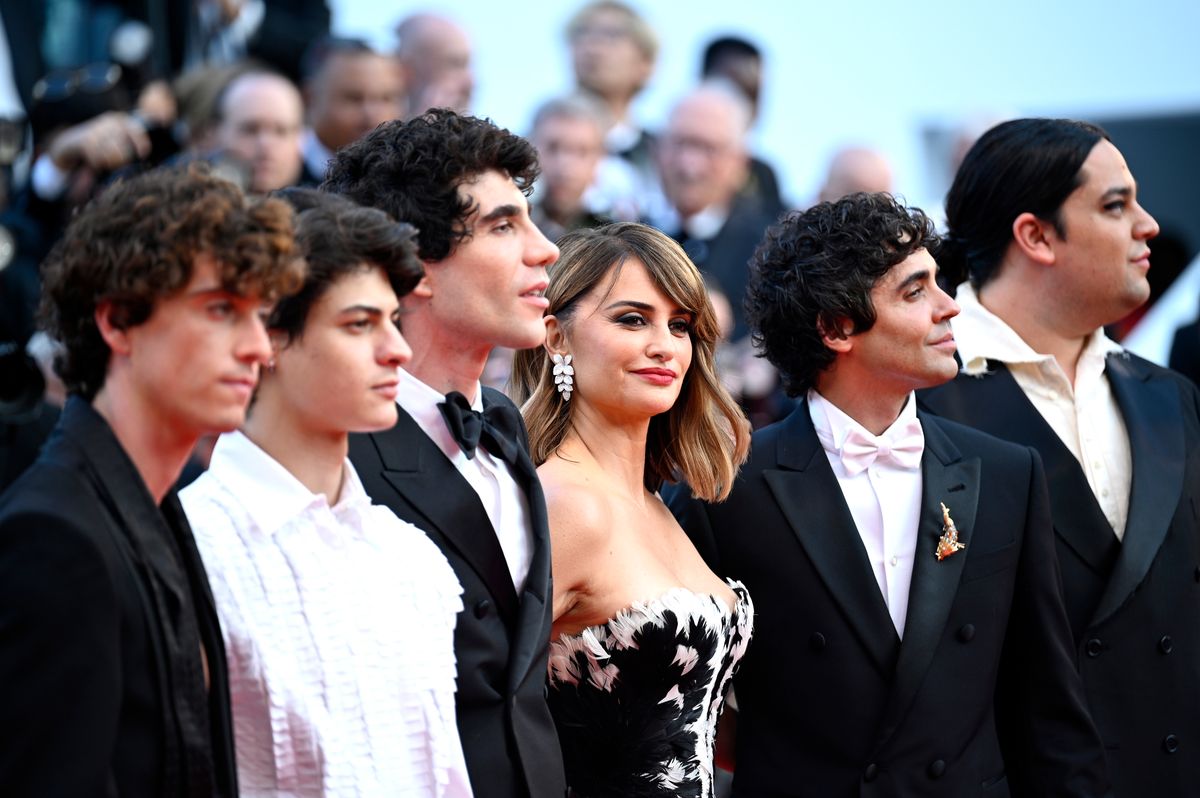 © Stephane Cardinale - Corbis
"There's courage and bravery in opening up uncomfortable topics and changing family patterns that have been passed down for generations," he shared. That perspective connects directly to the film's exploration of identity and the experiences of individuals navigating social and political expectations.
For both actors, the significance of 'La bola negra' extends beyond the characters they portray. The film offers an opportunity to reflect on the progress that has been made while acknowledging the experiences and struggles that helped make that progress possible.
"It's important that we know where we come from and how we've managed to get to where we are today."
Working with Los Javis:
While the film explores emotionally complex themes, González and Quifes also recalled the collaborative environment created by its directors. For Quifes, who makes his feature-film debut in 'La bola negra,' stepping onto a major film set was an eye-opening experience.
He described being fascinated by the way the crew worked together, often communicating almost instinctively while remaining focused on the same creative goal.
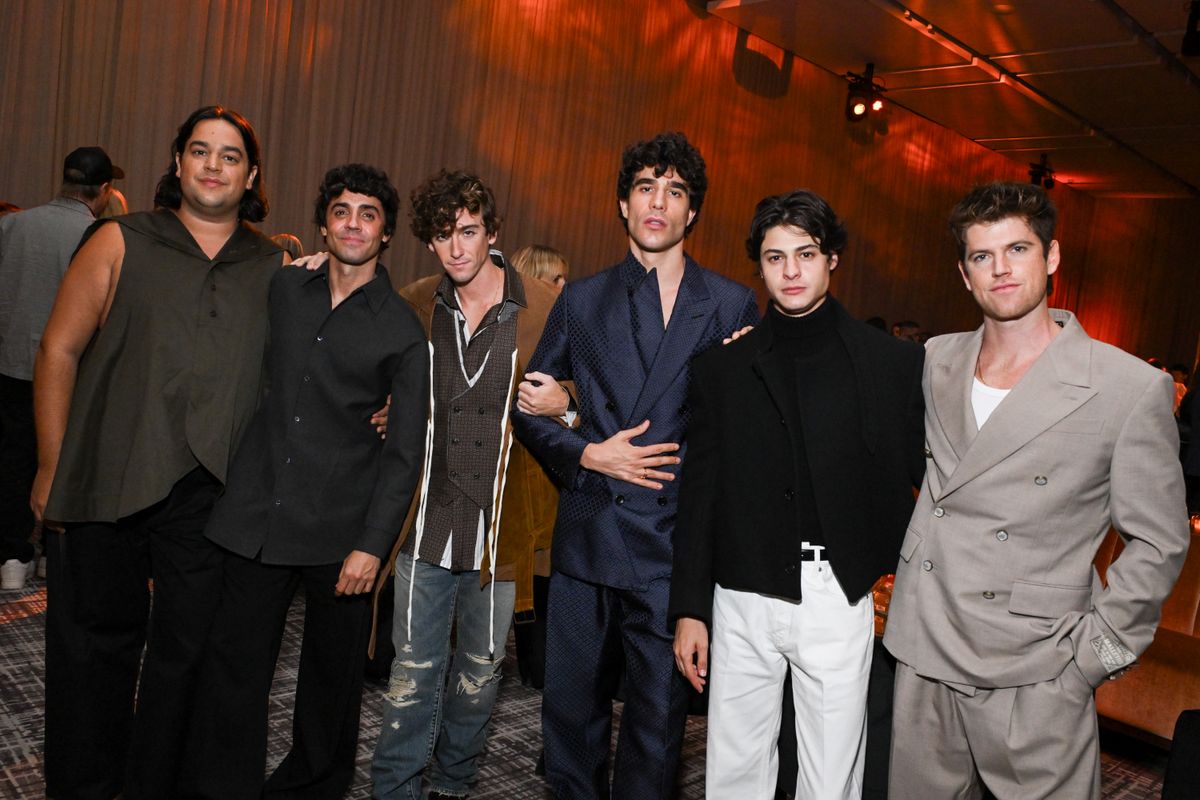 © Katie Flores
Watching the professionals around him left a lasting impression. "I want to be like them. I want to be just as involved as they are," he recalled thinking.
González, meanwhile, praised the atmosphere that Calvo and Ambrossi created throughout the production. "The Javis have this incredible ability to create a magical atmosphere on set, and that makes it easy for you as an actor to immerse yourself in the journey," he shared.
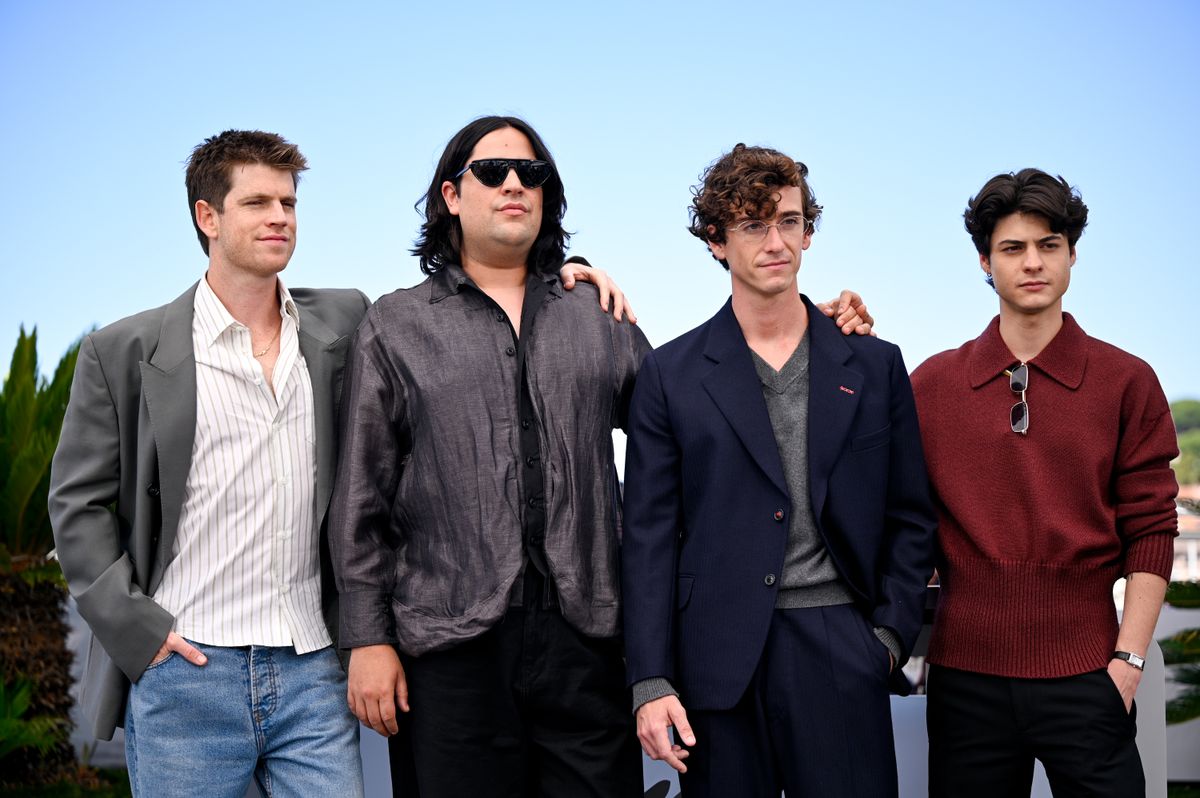 © Stephane Cardinale - Corbis
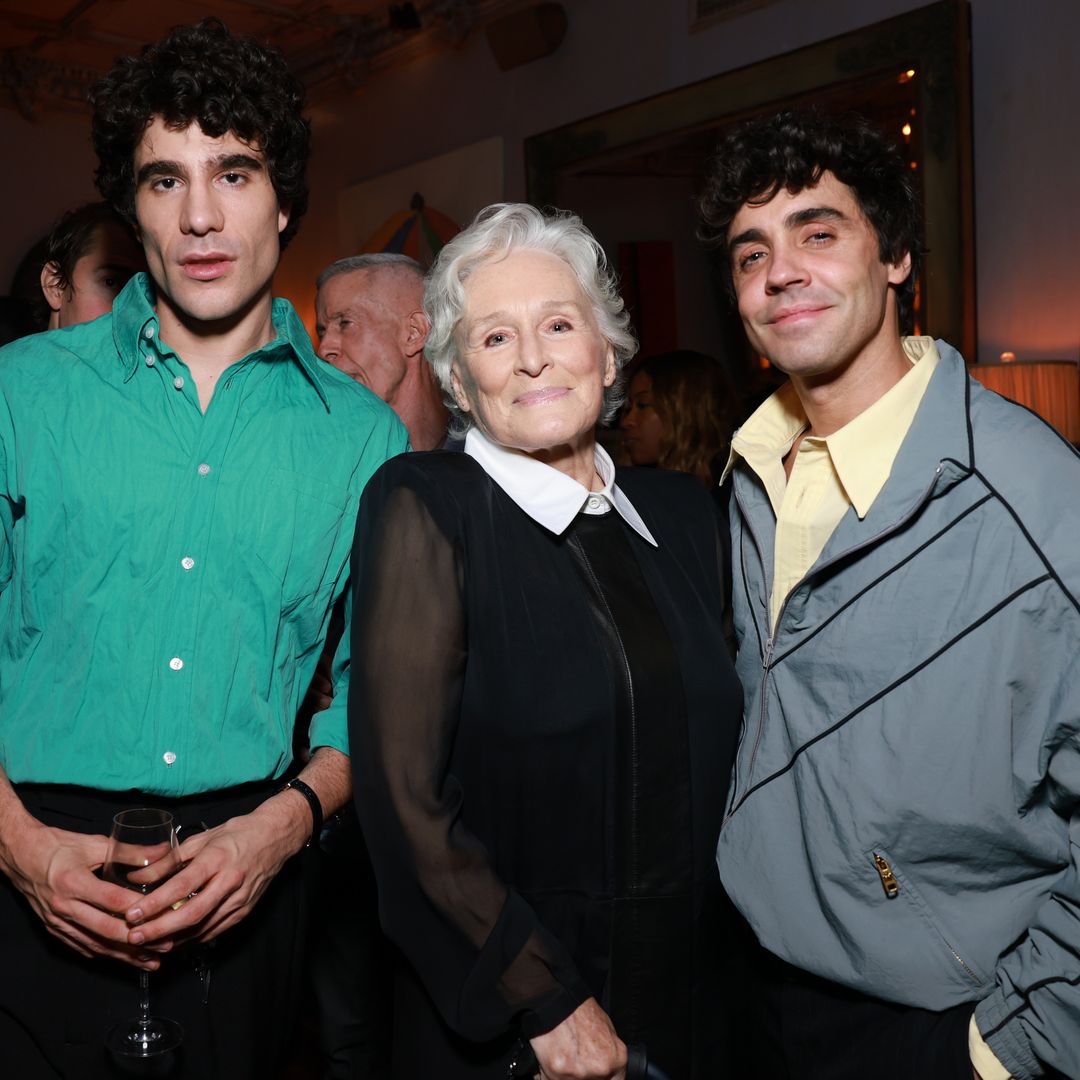
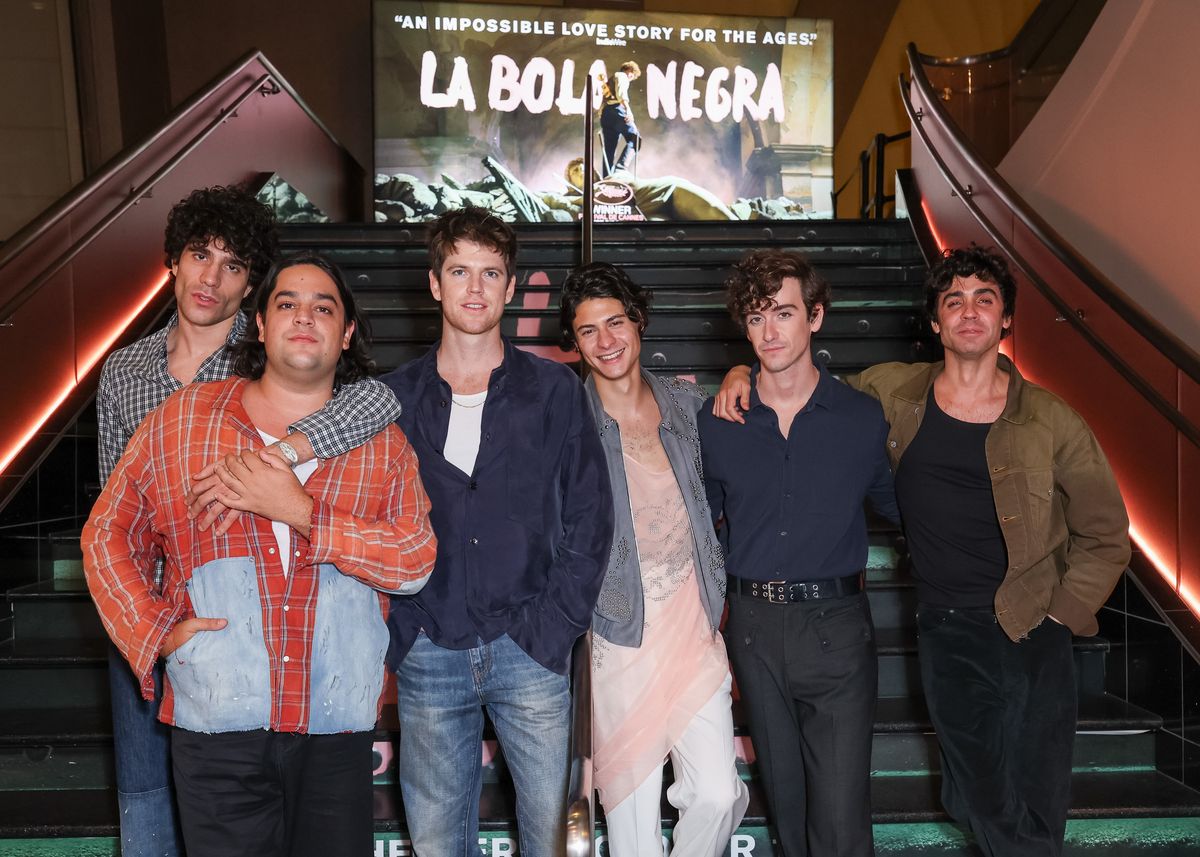
Their experiences offer a glimpse into the creative process behind a film that brings together an ensemble cast including Guitarricadelafuente, Miguel Bernardeau, Penélope Cruz, Lola Dueñas, and Glenn Close.