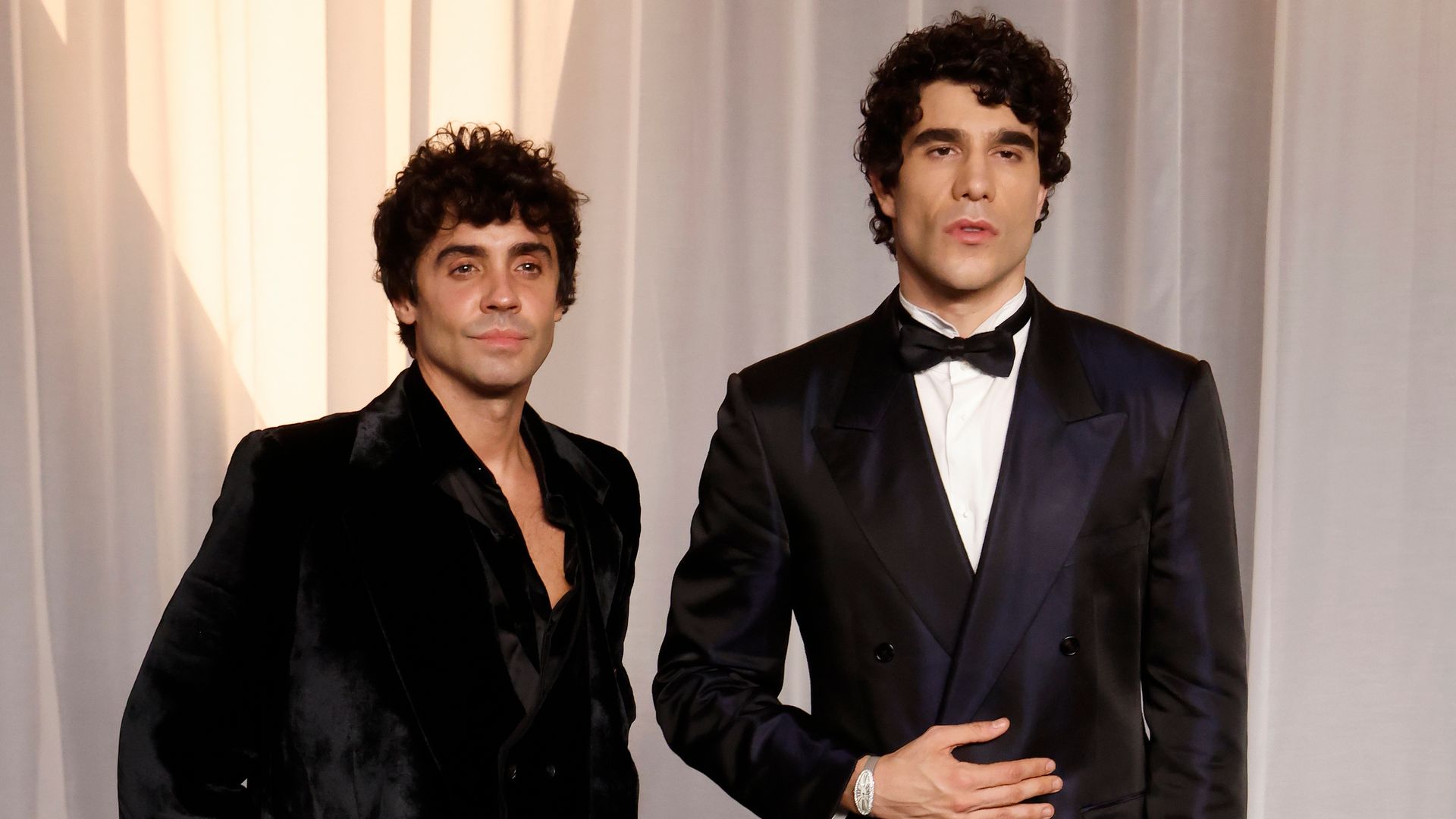
Long before Javier Calvo and Javier Ambrossi, collectively known as Los Javis, were celebrating international success with La bola negra, they were two aspiring filmmakers figuring things out as they went. They didn't have all the answers, expensive equipment, or years of technical experience. What they did have was a story they wanted to tell, a group of friends willing to help, and the determination to make something happen.
Today, the Spanish creative duo has become one of the most recognizable names in Spanish television and cinema, with acclaimed projects including Paquita Salas, Veneno, and La Mesías.
Their latest film, La bola negra, marks another milestone in their careers, earning them the Best Director award at the 2026 Cannes Film Festival.
But in an exclusive conversation with HOLA, the filmmakers looked back at a very different chapter of their lives, recalling the uncertainty, limited resources, and self-doubt that accompanied their earliest projects.
From small theater productions to international success:
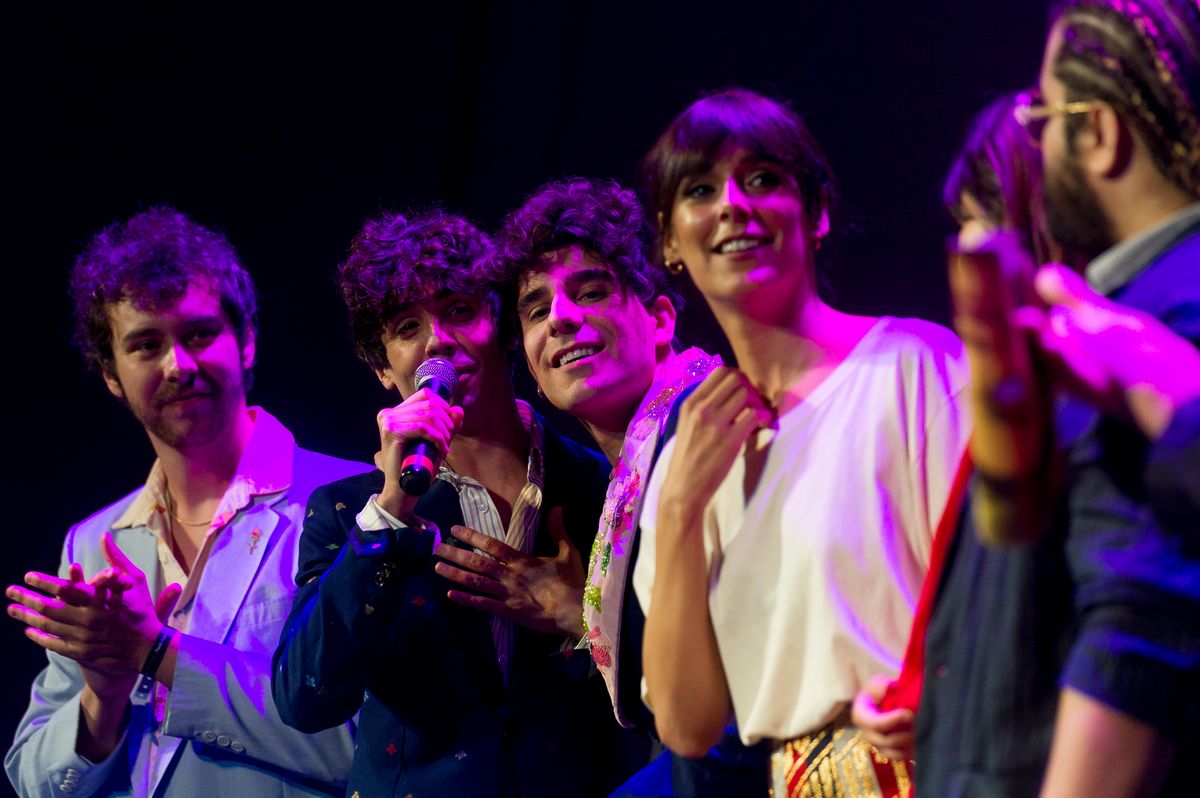
"We started by writing for microtheater, for 15 people. A 15-minute play," they recalled, reflecting on the beginnings of their careers. "And from there, the audience has grown with us, day by day, one person at a time."
 © Juan Naharro Gimenez
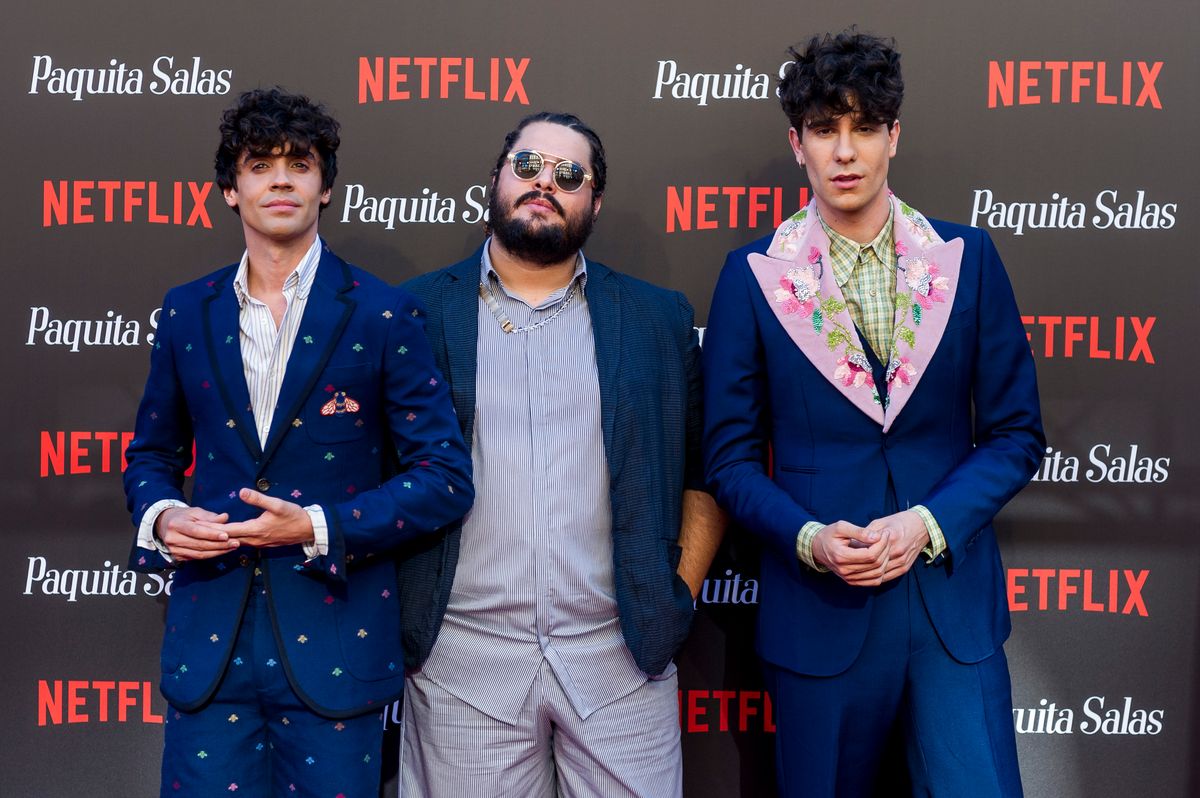
Their creative journey would eventually lead to Paquita Salas, the comedy series that premiered in 2016 and introduced a wider audience to their distinctive storytelling. The show, starring Brays Efe as an eccentric talent agent navigating the entertainment industry, became a defining project in their careers.
However, the production was far removed from the scale of the projects they would later direct. "We made Paquita Salas with my grandmother's clothes. She had just passed away," they shared. "We made it with our best friend, Brays, with people around us, and with two cameras someone lent us."
 © Juan Naharro Gimenez
The experience also involved learning technical aspects of filmmaking along the way. "We didn't even know when we were supposed to say 'action.' I didn't know what a shot-reverse-shot was. We didn't know anything, but we learned."
Rather than allowing their lack of experience to stop them, they embraced the opportunity to learn from the people around them.
"We all poured our pain, our experiences, and our souls into this project."
"I wasn't afraid to ask for help," one of the filmmakers explained. "I knew I had this story I wanted to tell, that I was going to have a great time with my friends, but I didn't know how to organize it."
Their willingness to ask questions and surround themselves with collaborators became an important part of their creative process.
What self-doubt taught them:
Even after completing their early work, Los Javis weren't always convinced they had created something audiences would embrace.
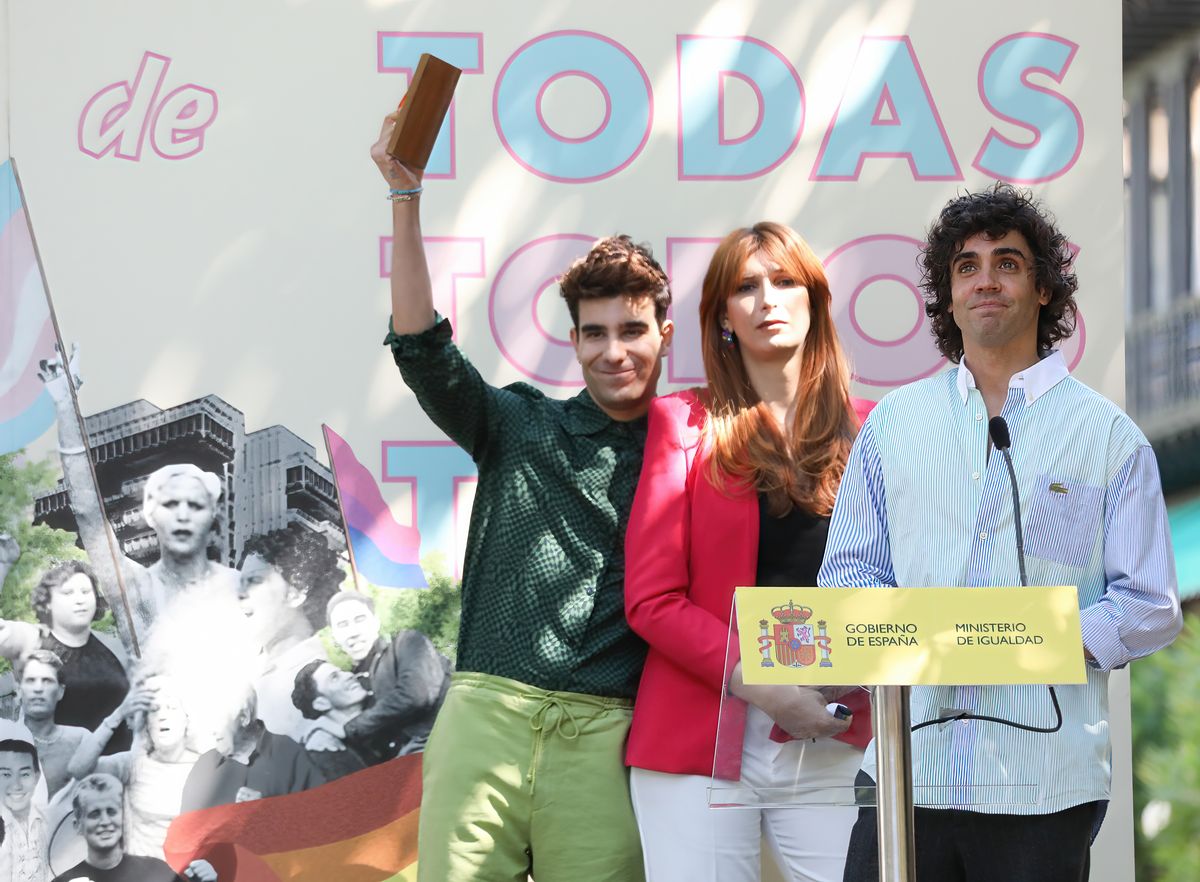
Recalling the experience of watching the first episode of 'Paquita Salas' on a big screen, Calvo described an unexpectedly harsh reaction to his own work.
 © Europa Press News
"I saw it on the big screen and thought, 'We're going to crash and burn. We're not going to get anywhere.'" The candid admission offers a striking contrast to the success that followed.
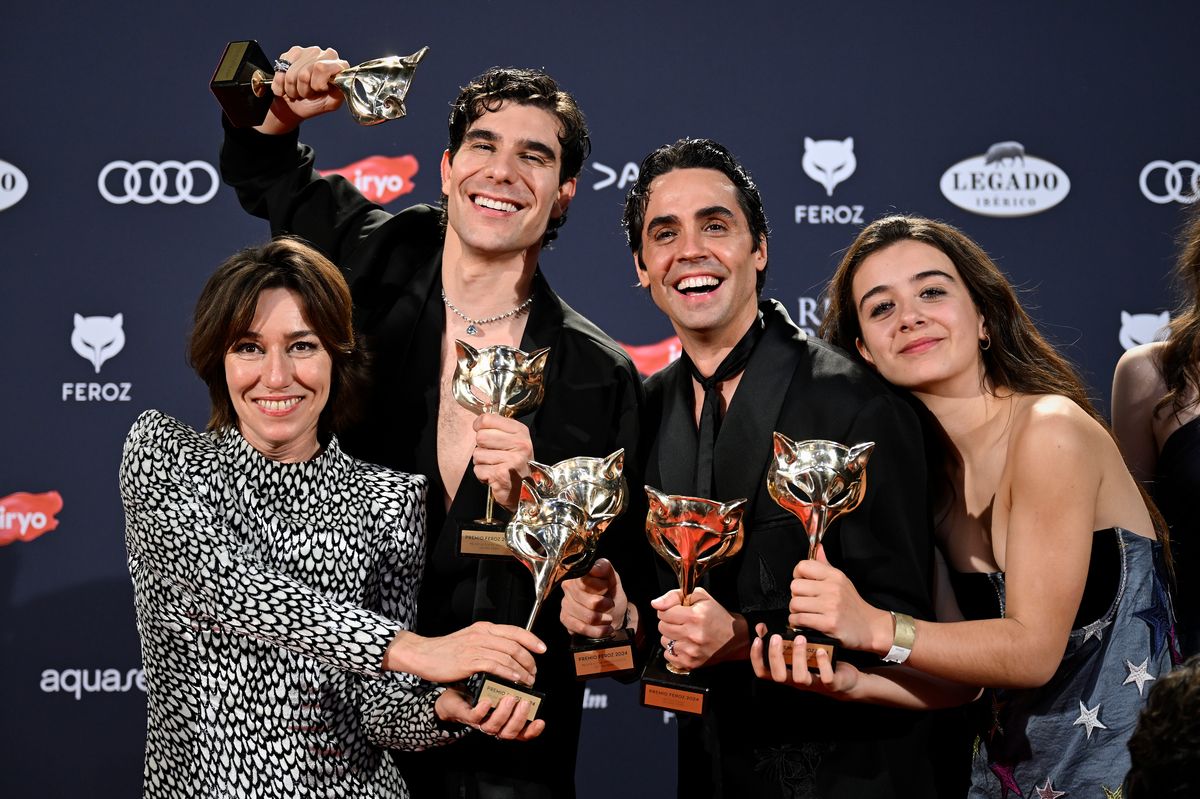
Paquita Salas went on to become a beloved Spanish comedy, while their subsequent projects demonstrated their ability to move between genres and explore increasingly ambitious stories.
 © Carlos Alvarez
In 2020, they released Veneno, the acclaimed series inspired by the life of Spanish transgender television personality Cristina Ortiz Rodríguez. Three years later came La Mesías, another ambitious production that further established their reputation as filmmakers willing to explore complex characters and emotional subjects.
Looking back, their experiences illustrate how uncertainty can remain part of the creative process, even when a project eventually becomes a success.
"The things you make are never going to turn out exactly as you imagined, but it's better for them to exist than for you to never make them at all."
Their advice to the next generation of filmmakers:
When asked what advice they would give young filmmakers hoping to tell their own stories, Los Javis returned to the philosophy that guided their earliest work. Start with the people and resources already around you.
 © Stephane Cardinale - Corbis
"I think the easiest thing is to use what you have around you," they shared. "Start with what's close to you, in every sense: your friends, the people you admire, your classmates."
Their message wasn't about waiting for the perfect opportunity or having every technical detail figured out before beginning. Instead, they encouraged aspiring creatives to embrace the process of learning, making mistakes, and discovering their own voices.
 © Juan Naharro Gimenez
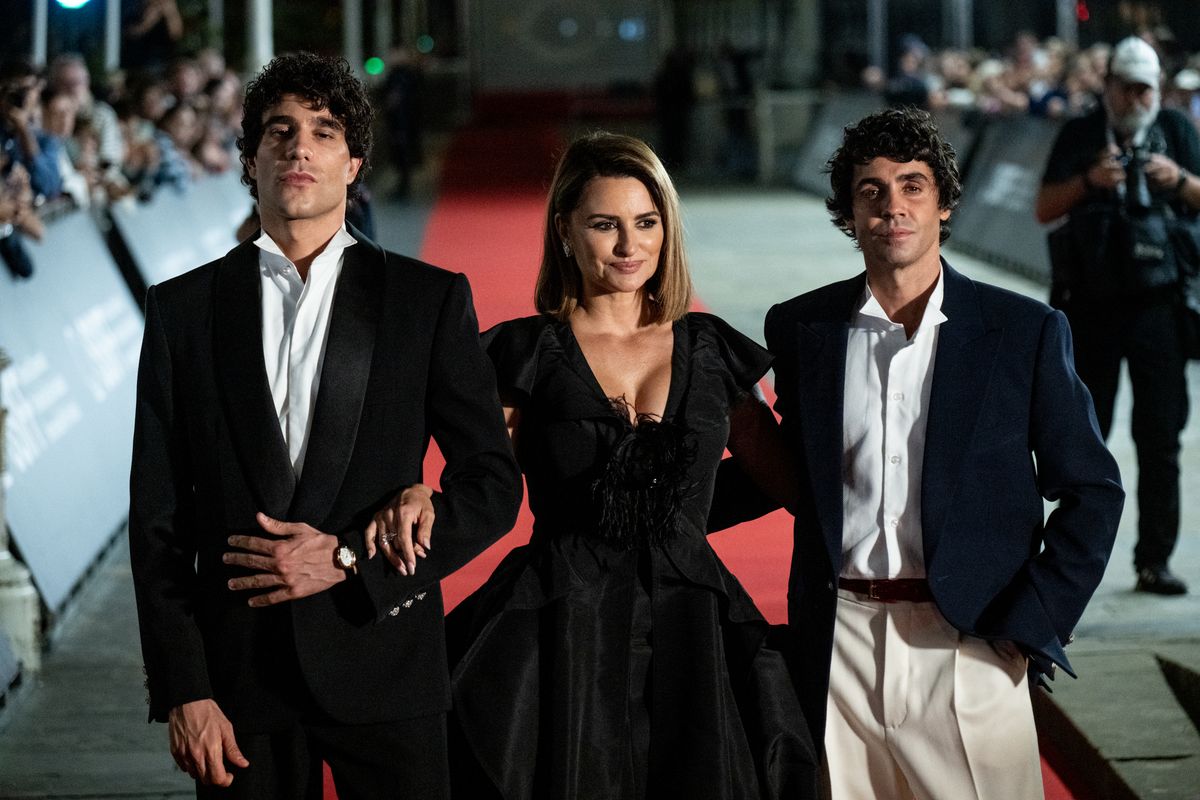
That perspective is especially meaningful coming from filmmakers whose careers began with small productions and borrowed equipment before expanding to internationally recognized projects.
And perhaps their most memorable advice was a reminder that the fear of falling short of one's expectations should never prevent a creative idea from becoming reality.
"The things you make are never going to turn out exactly as you imagined, but it's better for them to exist than for you to never make them at all."
 © WireImage
A new chapter with 'La bola negra':
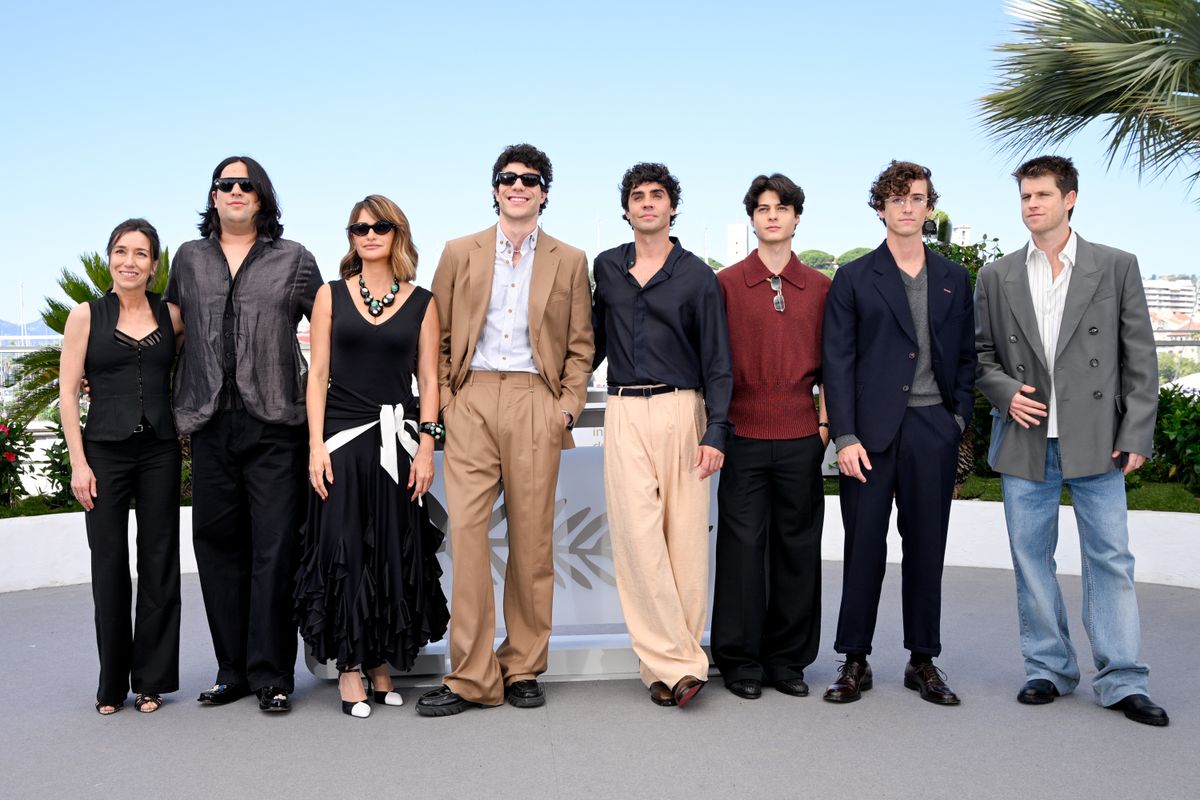
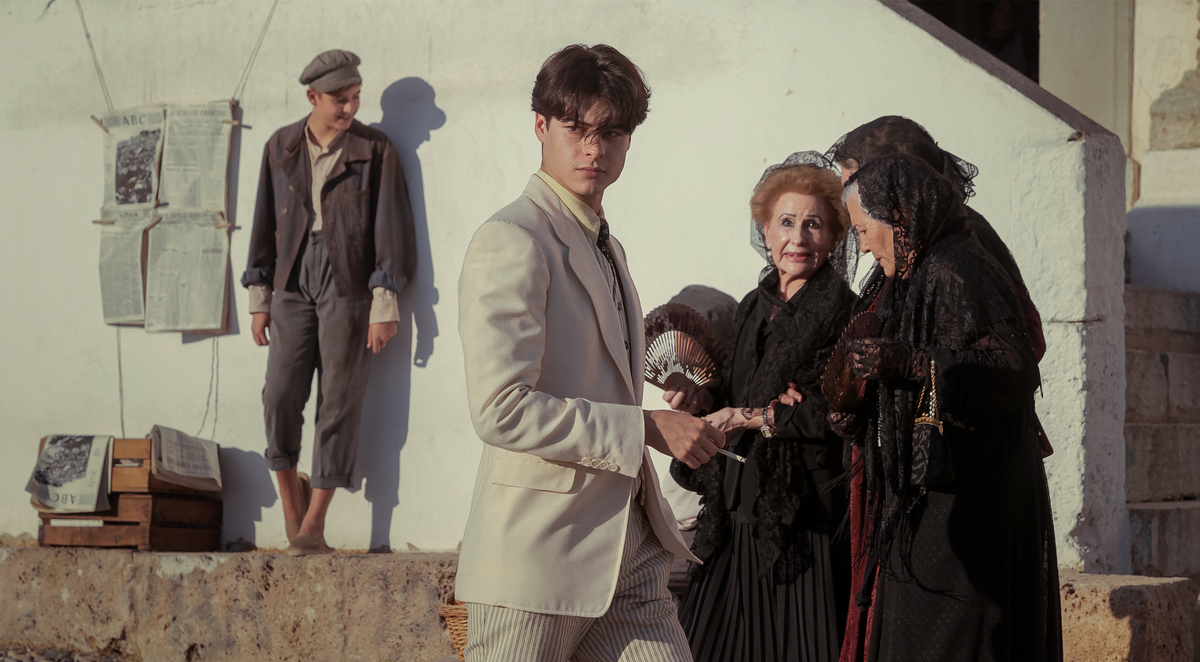
Their latest film represents a significant new chapter for the directing duo. Inspired by an unfinished work by Federico García Lorca and Alberto Conejero's play La piedra oscura, the film follows interconnected stories across different periods of Spanish history, exploring identity, desire, repression, and the experiences of generations whose voices were often silenced.
 © Netflix
The production features an ensemble cast including Guitarricadelafuente, Miguel Bernardeau, Carlos González, Milo Quifes, Lola Dueñas, Penélope Cruz, and Glenn Close.
Its reception has brought Los Javis to another level of international recognition, but the emotional investment behind the film remains central to how they describe their work.
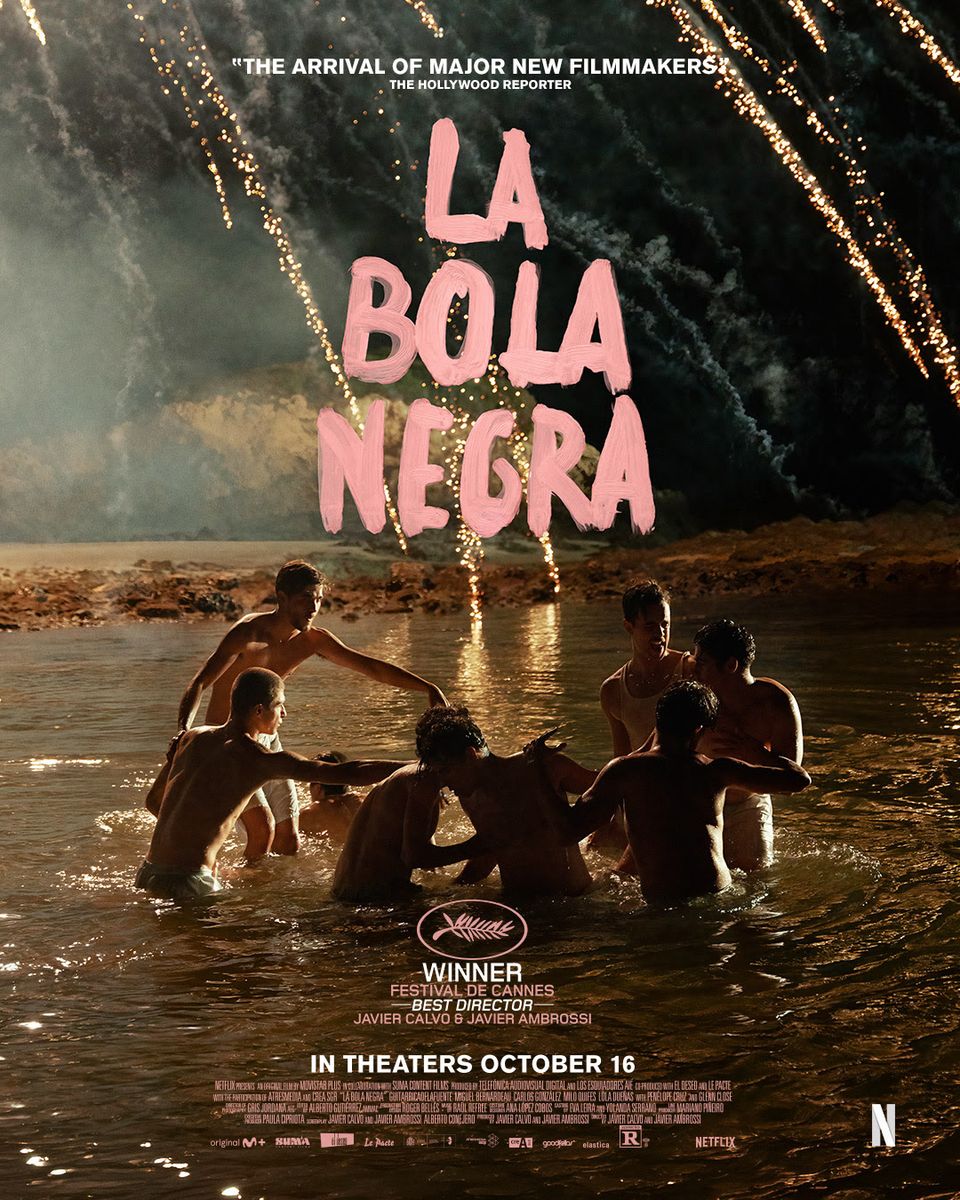 © Netflix
"We all poured our pain, our experiences, and our souls into this project," they shared while reflecting on the deeply personal nature of the production.
They also acknowledged the intensity of the journey, describing a creative process that has left little time to reflect on everything that has happened. "We haven't had a single moment to pause since we started writing, until today."
 © Netflix
For filmmakers who once questioned whether their earliest work would connect with anyone, the success of 'La bola negra' makes their advice especially resonant.
Their journey suggests that meaningful stories don't necessarily begin with certainty, unlimited resources, or technical perfection. Sometimes, they begin with a few friends, borrowed cameras, and the courage to create something before knowing exactly how it will turn out.