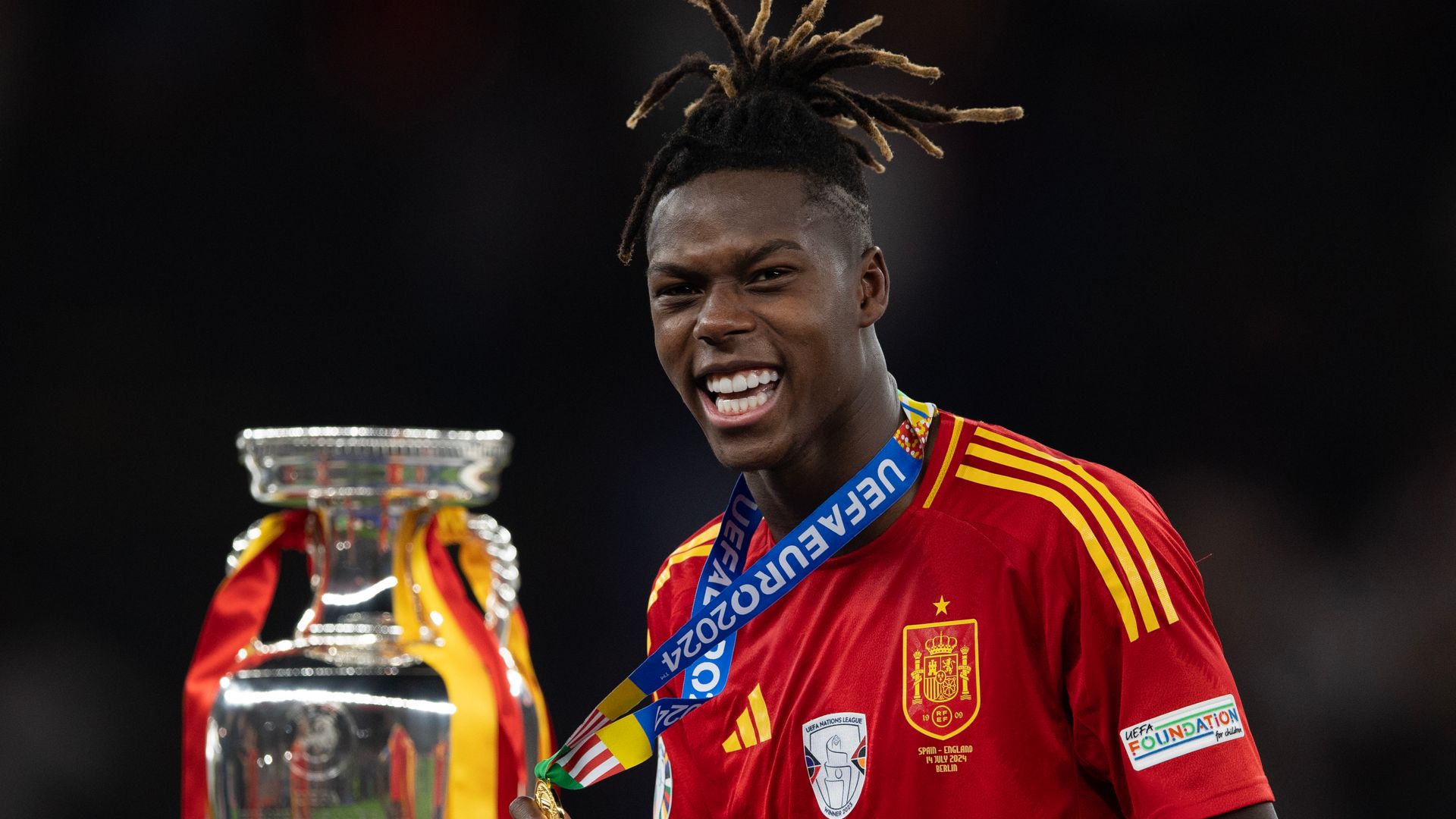
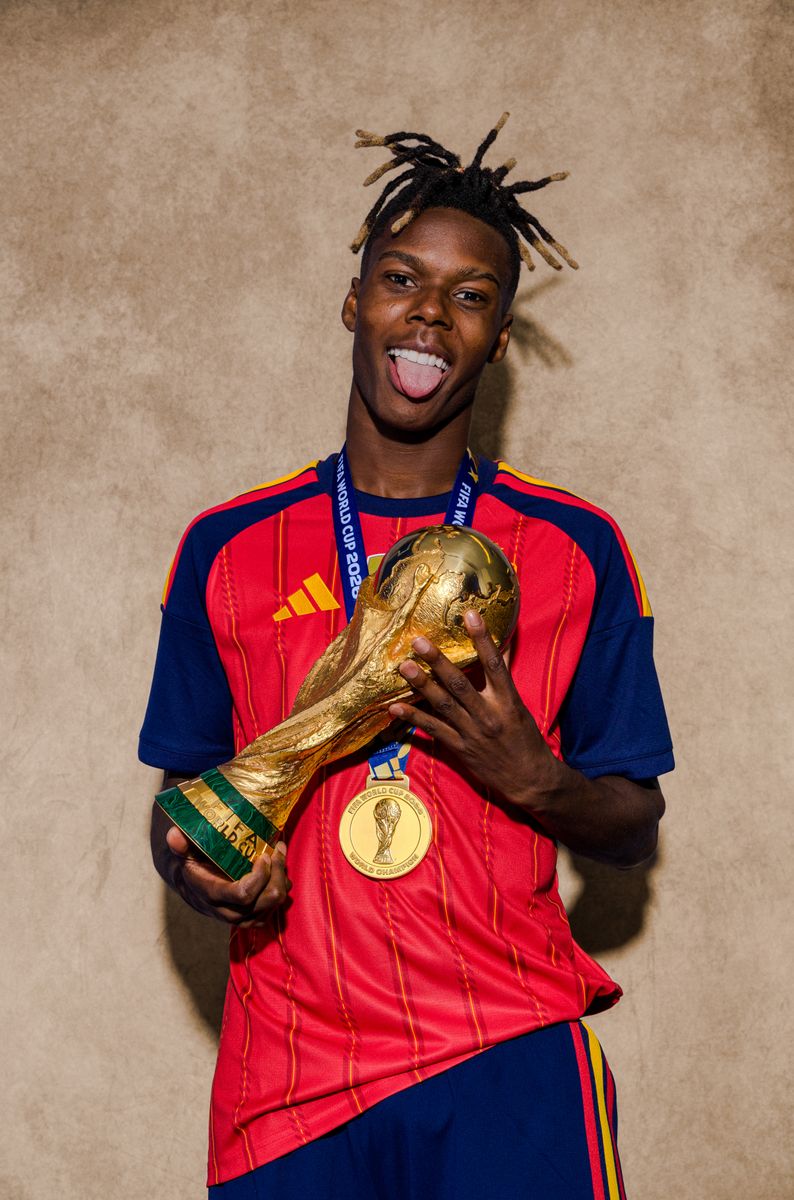
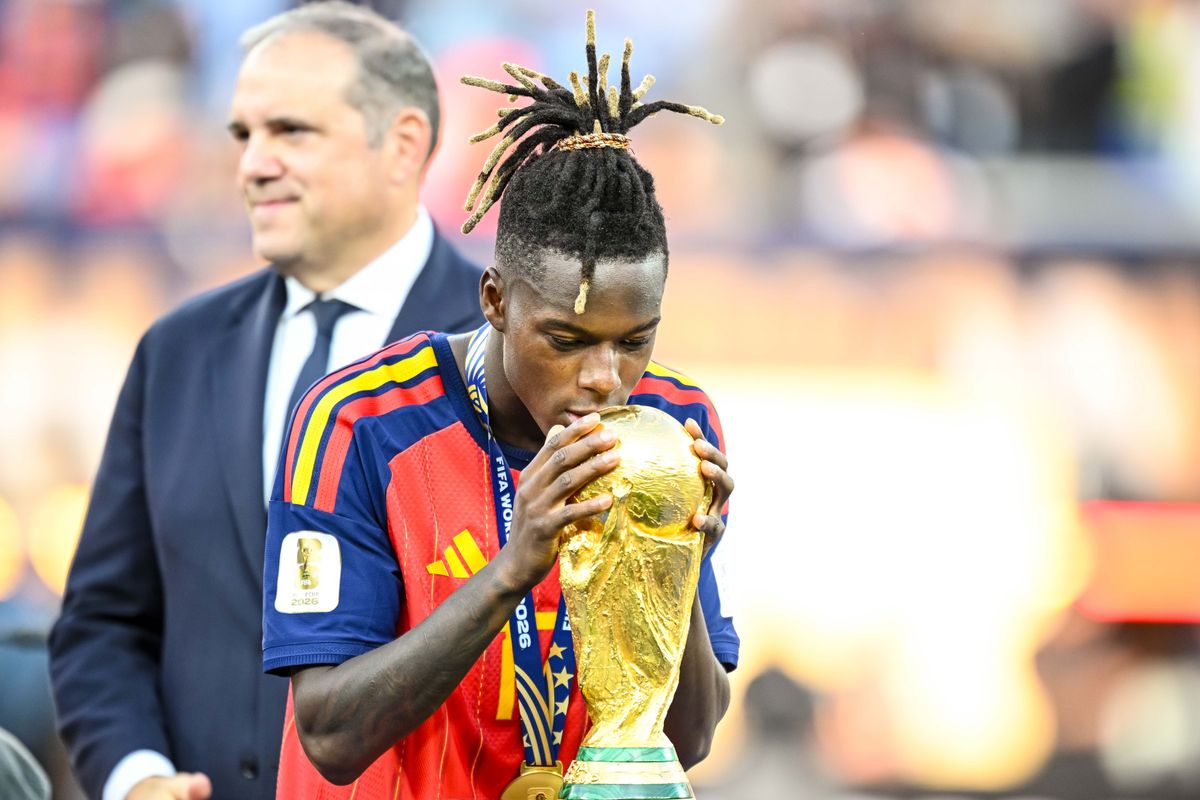
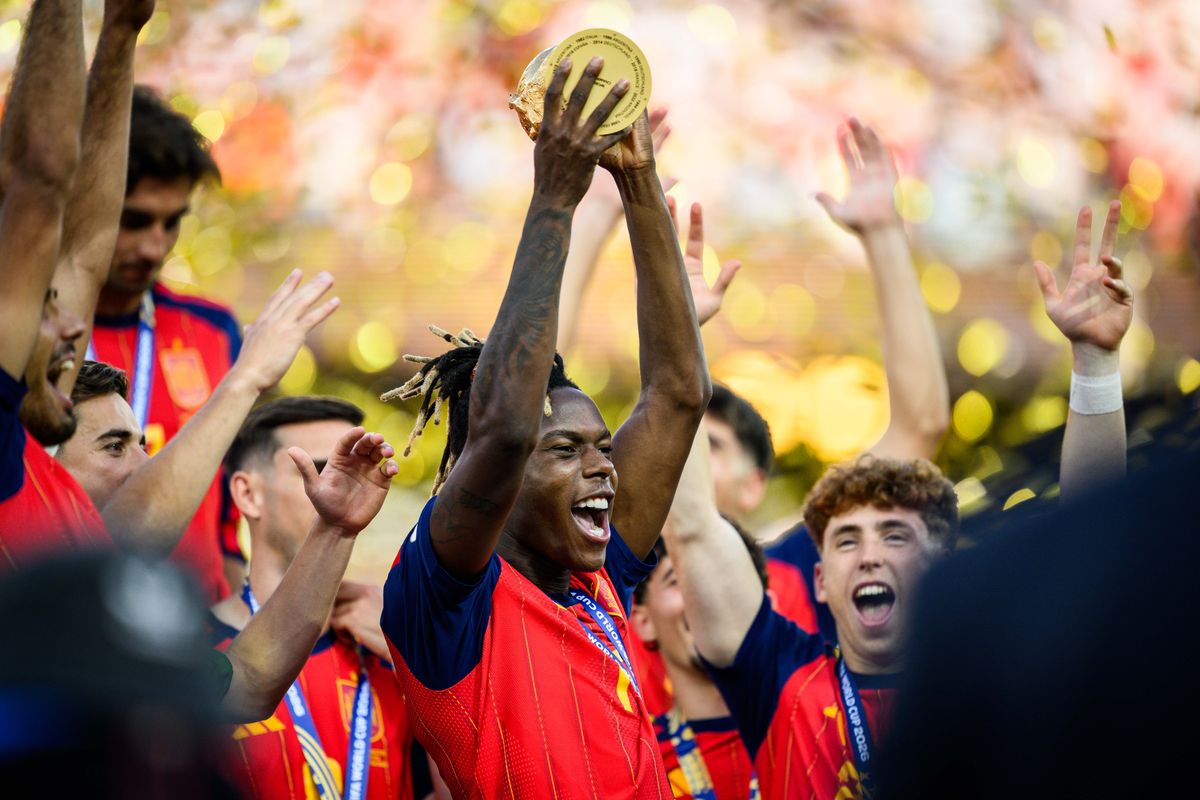
The World Cup is over, and along the way there were some incredible stories on and off the pitch. When the final whistle blew, chaos erupted with a fight, but thankfully the bad vibes ended quickly. After the awards were handed out, the Spanish players took in all the emotions, proudly wearing their medals around their necks - but one didn't keep his for very long.
 © Ryan Pierse - FIFA
A now-viral clip showed 24-year-old Nico Williams walking over to the stands and straight to his mom. He removed his medal and handed it to her before she put it around her neck, happily cheering, making one of the most emotional plays of the match.
The Williams family journey
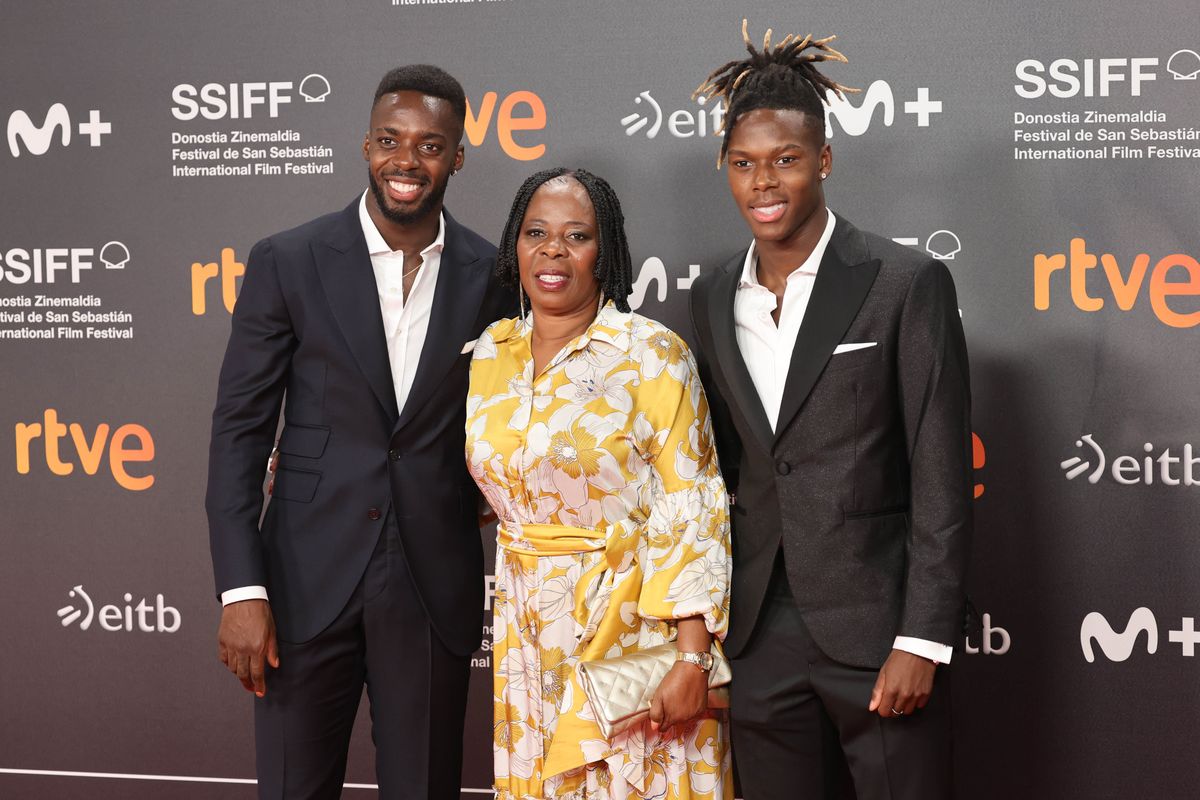
While the moment would be sweet no matter what, his family has an incredible story. Like many immigrants, his parents, María and Félix Williams, risked everything in pursuit of a better life.
The couple fled Ghana during the 1990s while María was seven months pregnant with Nico's older brother, Iñaki. They had their eyes set on the United Kingdom but were stranded halfway by the gang that was supposed to take them, only to steal their savings.
Their journey stretched thousands of miles and included overcrowded trucks before they spent days crossing the Sahara Desert on foot. According to the BBC, Nico didn't find out until he was 18 that his dad's feet had been permanently damaged from the burning sands.
 © Getty
Speaking to The Guardian, Iñaki revealed the heartbreaking details his mother shared with him years later. "They did part in a truck, one of those with the open back, 40 people packed in, then walked days," he explained.
He recalled hearing about people who never survived the journey. "People fell, left along the way, people they buried. It's dangerous: there are thieves waiting, rapes, suffering... People go not knowing what's ahead, if they'll make it."
 © NurPhoto
After reaching Melilla, Spain's North African enclave, the couple was detained and faced deportation. According to Iñaki, a lawyer with the Catholic aid organization Caritas advised them to seek asylum by claiming they were fleeing war in Liberia.
The decision allowed them to remain in Spain, where Catholic priest Iñaki Mardones helped the family start over in Bilbao. Their parents named their eldest son after him. He also agreed to be his godfather.
 © Getty
Félix worked wherever he could before he moved to London to send money home. María also worked multiple jobs while raising their sons.
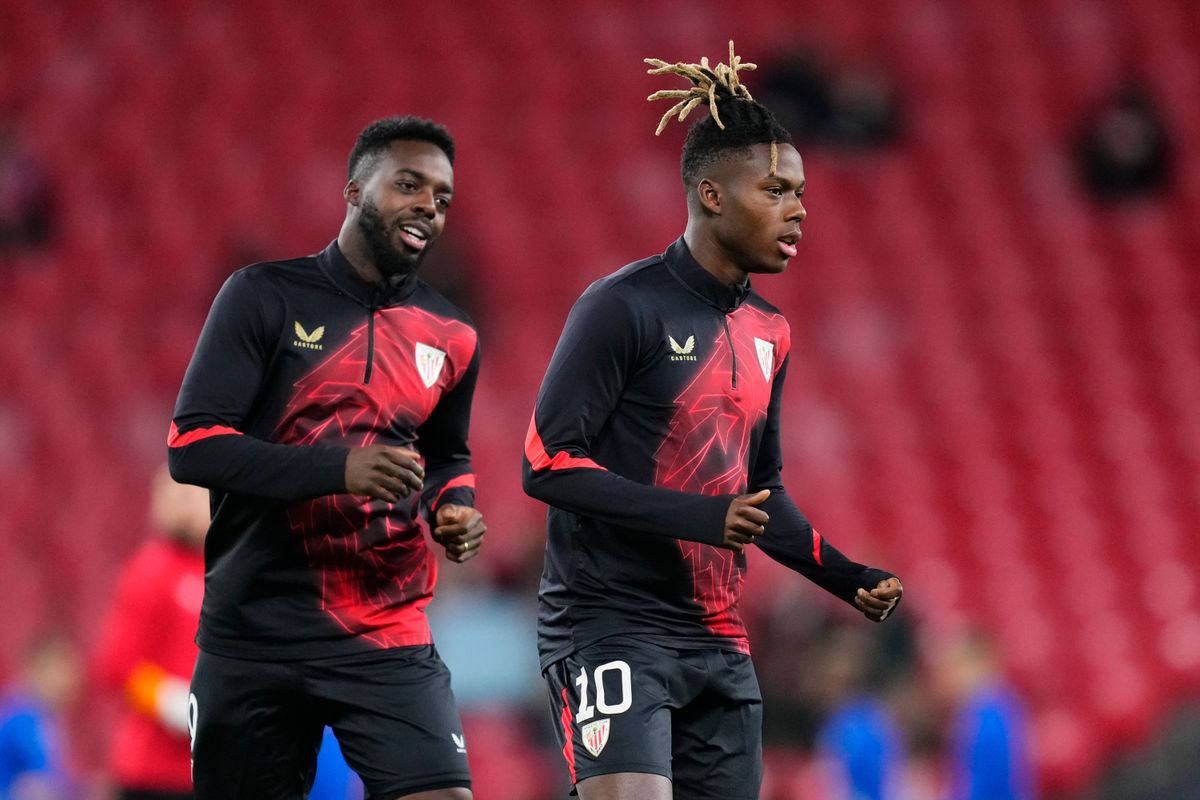
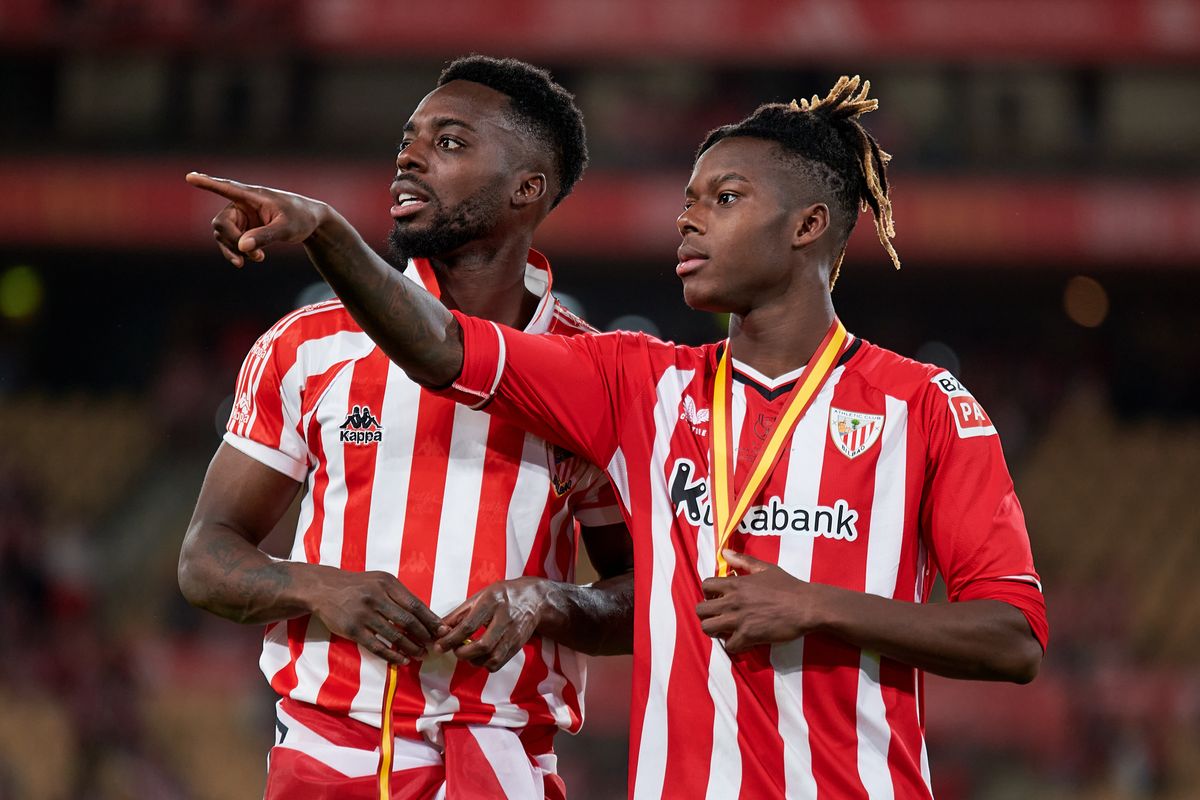
During this time, Iñaki was like a father to his little brother. "He has helped my parents and me so that we can eat, so that I could go to class, so that I could get dressed," Niko said in the past, per the BBC. "He corrects me, he advises me, he has always done it actually, but we get along very well. He is my brother, but he also acts as a father a little."
 © Getty
Soccer became a lifeline for the Williams family. Growing up in northern Spain, Iñaki first caught the attention of Athletic Club's youth academy before Nico followed in his footsteps a few years later.
 © Marvin Ibo Guengoer - GES Sportf
Nico worked his way through the same academy system, eventually joining Iñaki on Athletic's first team, turning their parents' sacrifices into one of soccer's most remarkable family success stories.
"My parents are getting to watch their sons prosper, which is why they came here. Everything we do is for our parents," Nico said. "They risked their lives so that we, my brother and I, have a better future. And they achieved that. I will forever appreciate what my father and my mother did for us - they are fighters, they instilled in us respect, hard work, every day, that nobody gifts you anything."
With Iñaki playing for Ghana, the Williams brothers are the first full brothers to play for different teams in the same World Cup.