Gisele Bündchen is looking back at the moment the fashion world decided who she was, and why that label ended up changing everything.
In a new conversation with W Magazine, the Brazilian supermodel reflects on the early years of her career, when she was still trying to break into runway work and figuring out how she fit into an industry that was, at the time, obsessed with a very different look.
 © Taylor Hill
Those early days were anything but guaranteed success. Before the bookings and global recognition, she was facing constant rejection at castings and trying to stay steady in an environment that didn’t immediately respond to her presence. Then things shifted.
The moment everything changed:
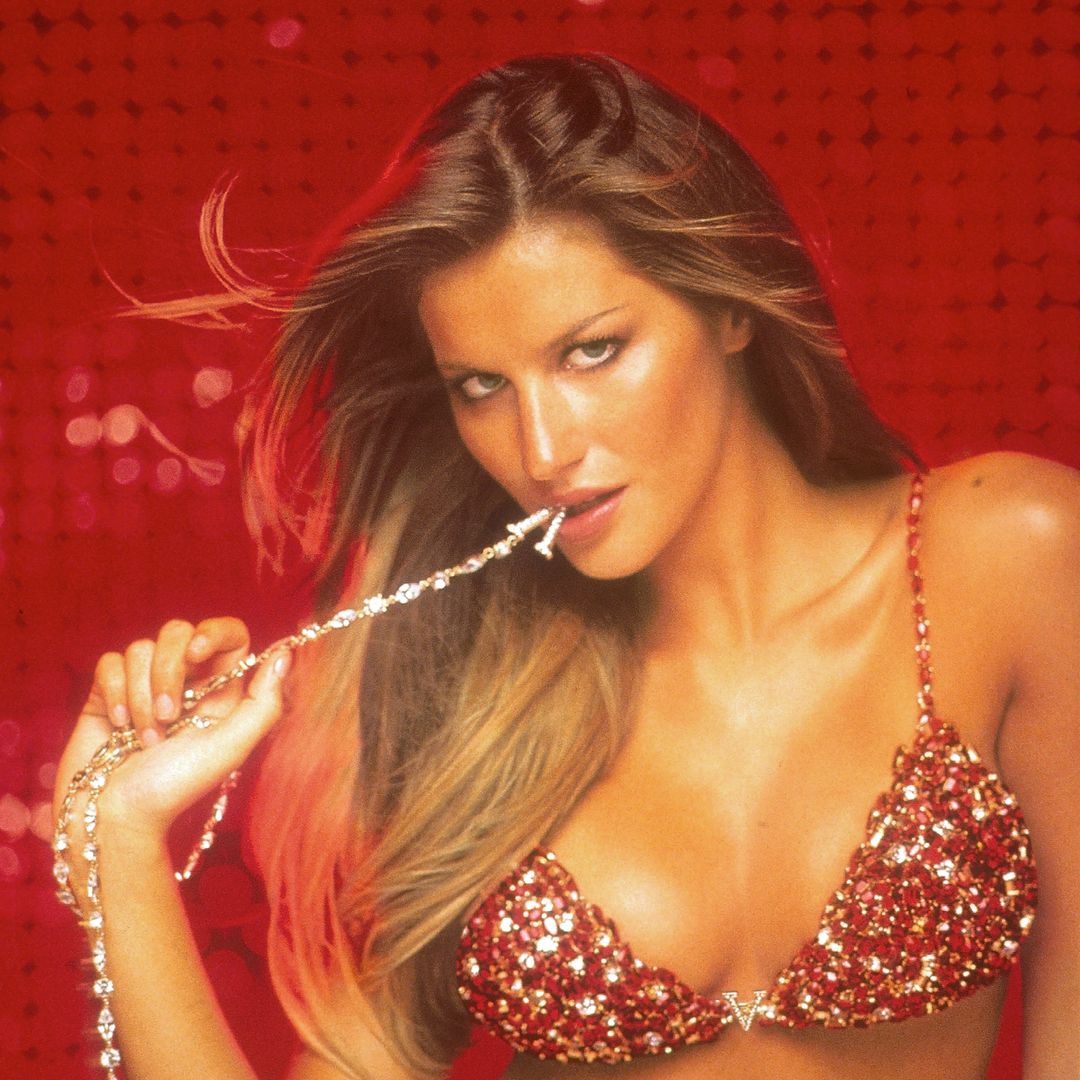
Bündchen entered fashion during the peak of the “heroin chic” era, when ultra-thin silhouettes dominated runways and campaigns. Her look did not follow that mold. Instead, she brought something more athletic, energetic, and visibly healthy to the runway, a contrast that would soon define her rise.
 © Penske Media
The industry eventually latched onto a new phrase for what she represented. “The return of the sexy model.”
It was a label that stuck, even if she says it was never her intention.
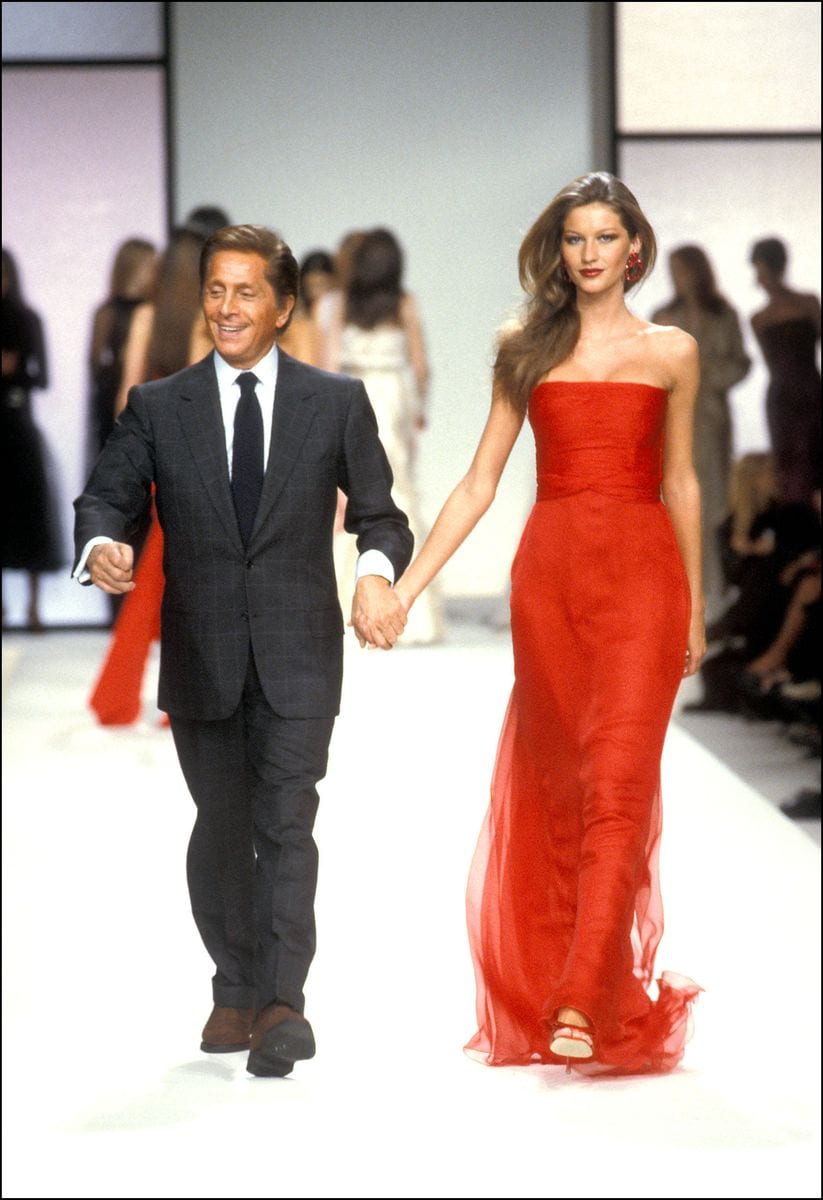 © Starface
“Confidence and health can naturally come across as sensuality, but for me it was never about trying to project an image — I was just being myself,” she said.
That perception, however, proved to be a turning point. Once the fashion world began associating her with that idea, the momentum shifted quickly from uncertainty to nonstop demand.
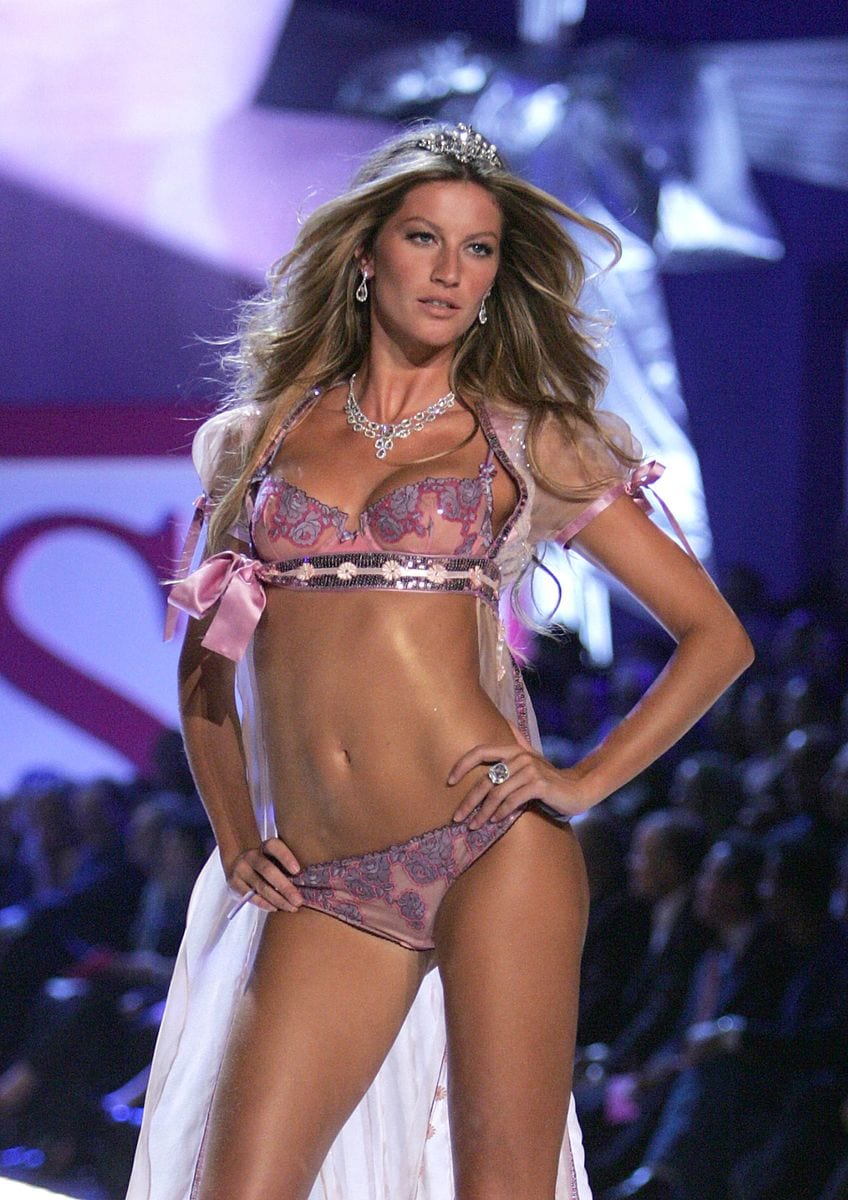 © Getty Images
“Once people started associating me with ‘the return of the sexy model,’ things happened fast,” she said. “One day I was doing constant castings and hearing ‘no’ over and over, and then suddenly I was working nonstop.”
Bündchen's runway presence:
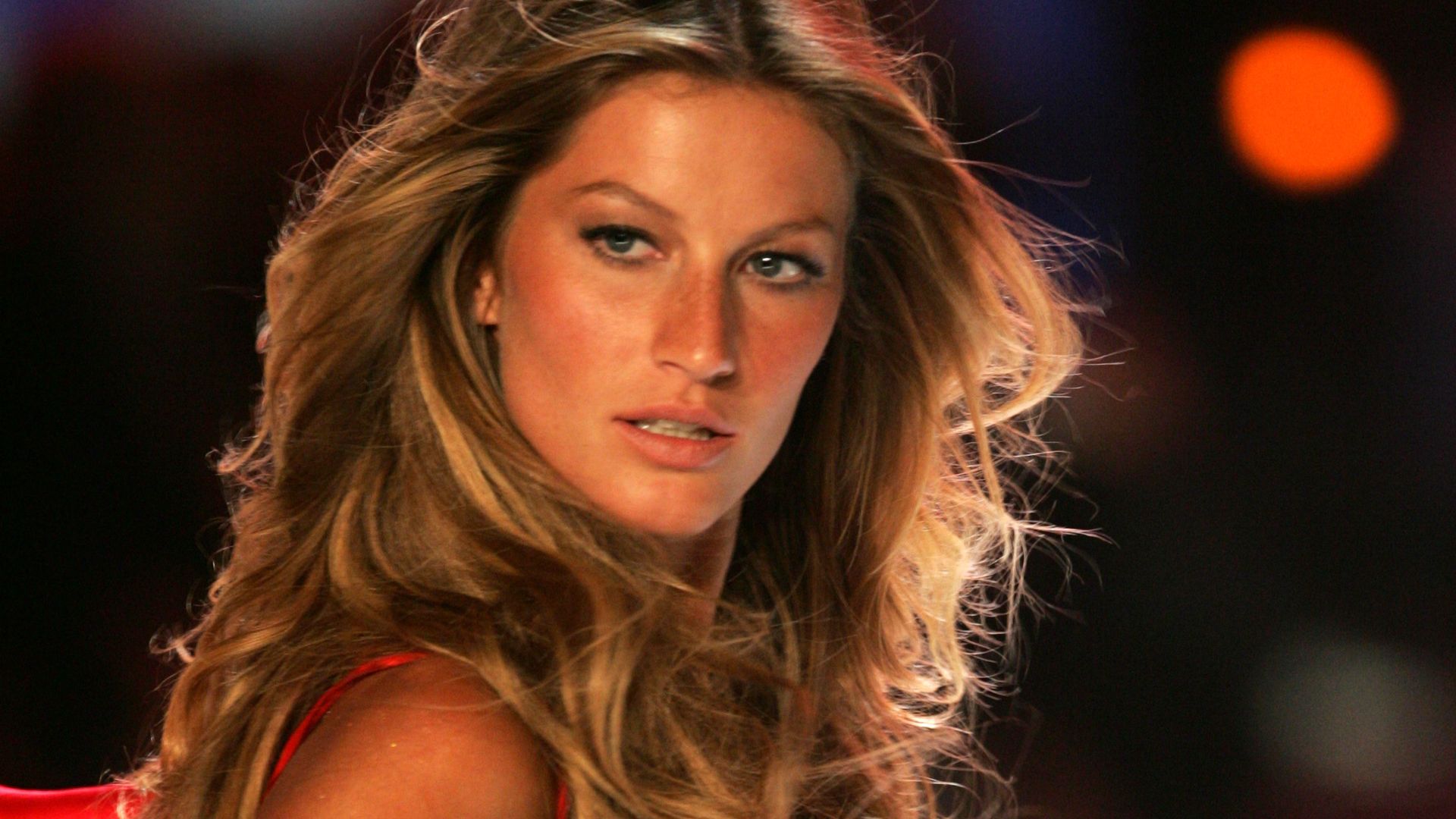
Part of what made Bündchen impossible to ignore was her signature runway walk, later nicknamed the “horse walk” by fans and industry insiders. Far from being a calculated branding decision, she says it came out of how she naturally moved.
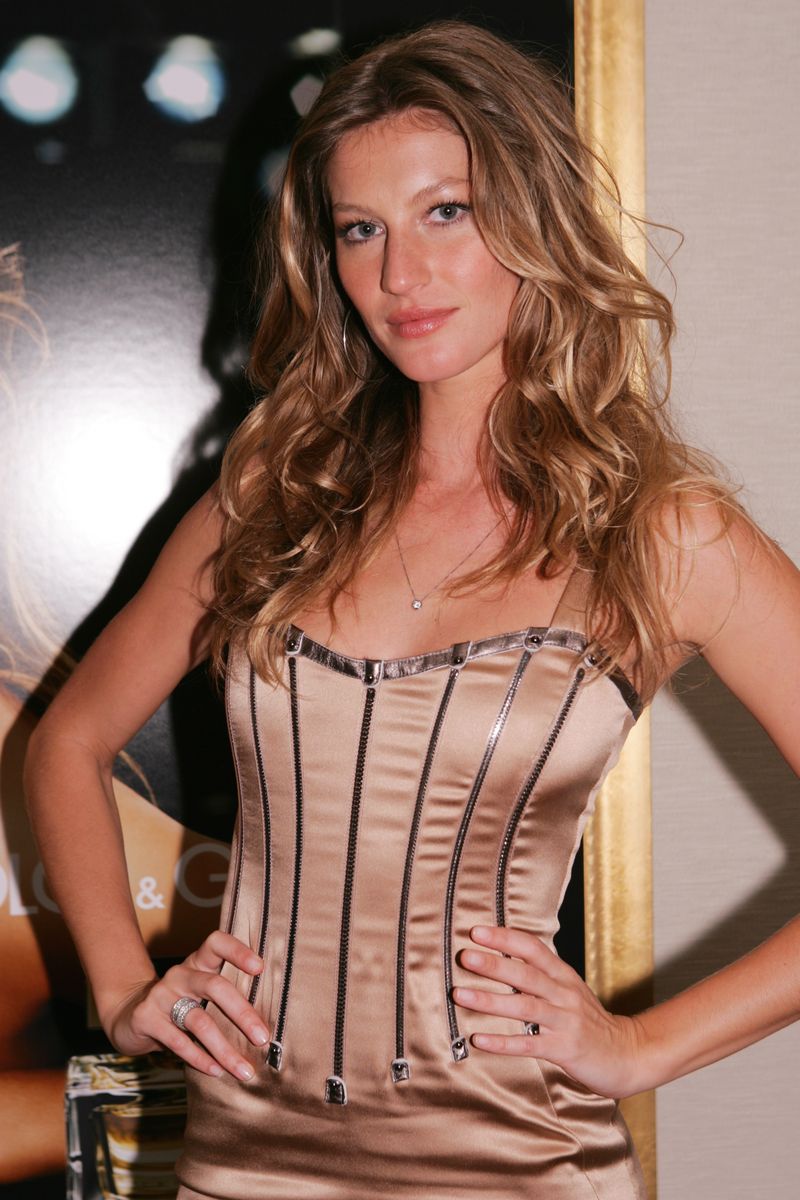 © Fairchild Archive
“It happened naturally,” she explained. “I grew up in Brazil, always connected to sports and to my body, and maybe that is why my walk was like that.”
She also pointed out the practical side of it, noting her height, shoe size, and the challenge of navigating extreme heels on the runway. Still, the result became something larger than mechanics.
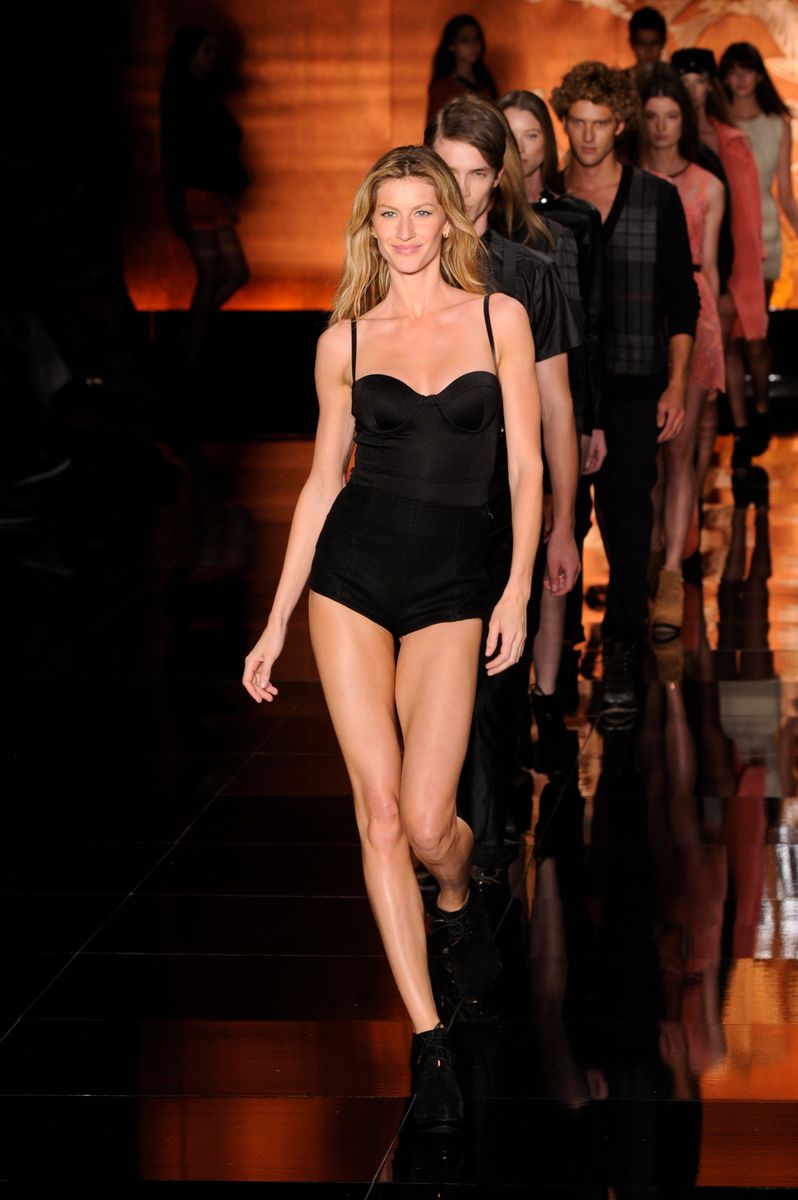 © Fernanda Calfat
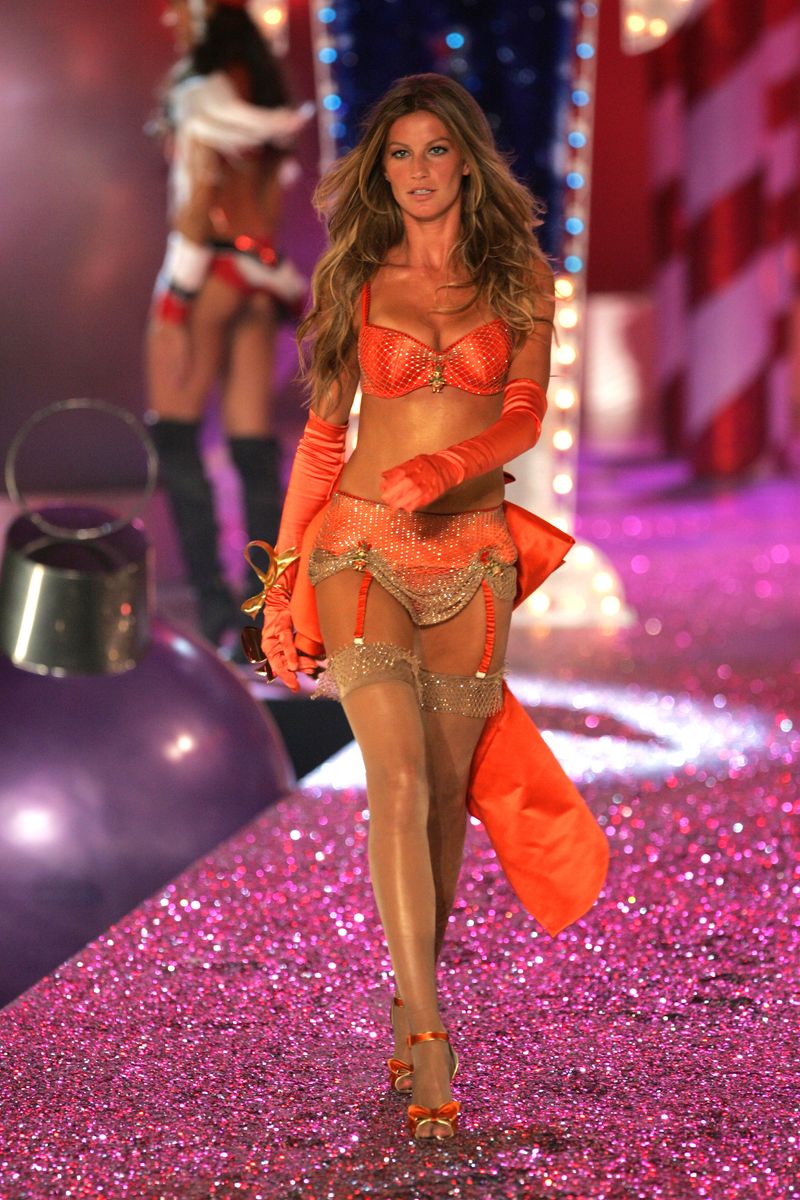
For designers and audiences, the walk carried intensity and confidence, turning fashion shows into something closer to performance. “I think the horse walk became popular because it had power,” she said. “For me, walking a runway was never just about the clothes — it was about confidence.”
Becoming a record-breaking force:
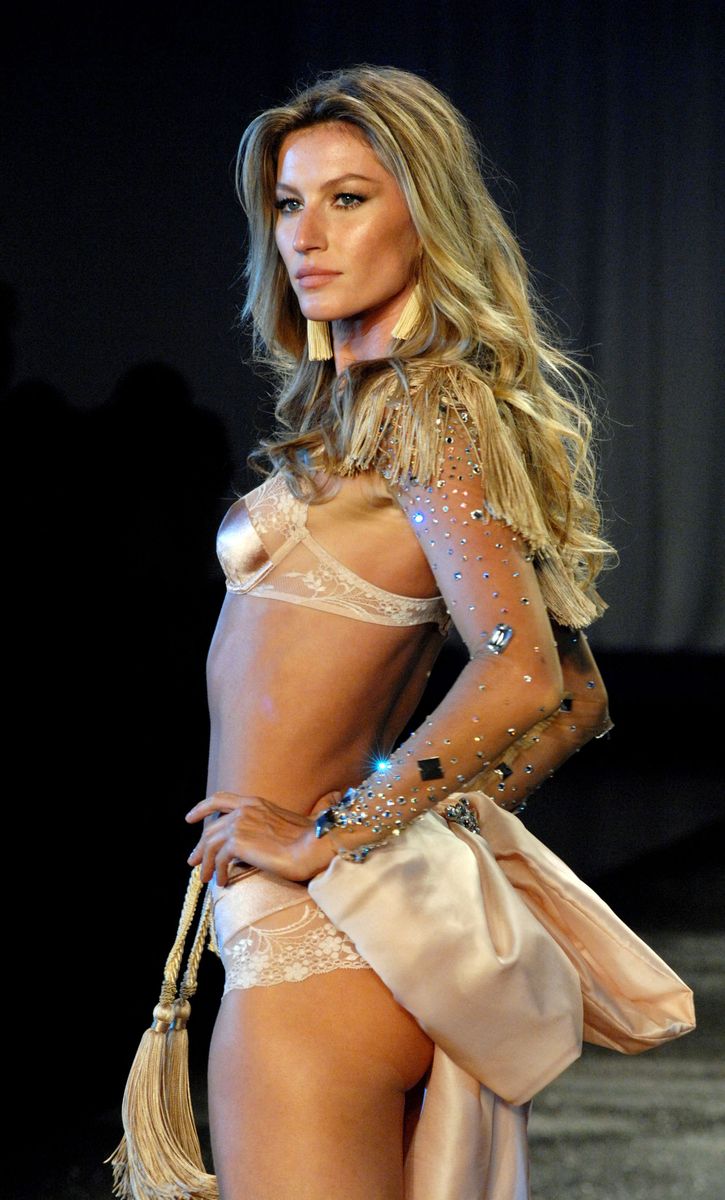
As her image solidified, so did her commercial power. Bündchen’s rise culminated in landmark deals, including an estimated $25 million contract with Victoria’s Secret, a move that stood out at the time because it bridged high fashion credibility with mass-market influence.
 © THIAGO TEIXEIRA
It also marked a moment when she was no longer just participating in the industry, but reshaping what success inside it could look like.
Looking back, she now sees that era through a different lens, one shaped less by pressure and more by perspective.
 © Fairchild Archive
“I feel lucky because I can pick and choose what I do, and I work only with people I genuinely enjoy being around,” she shared.
A different relationship with image and identity:
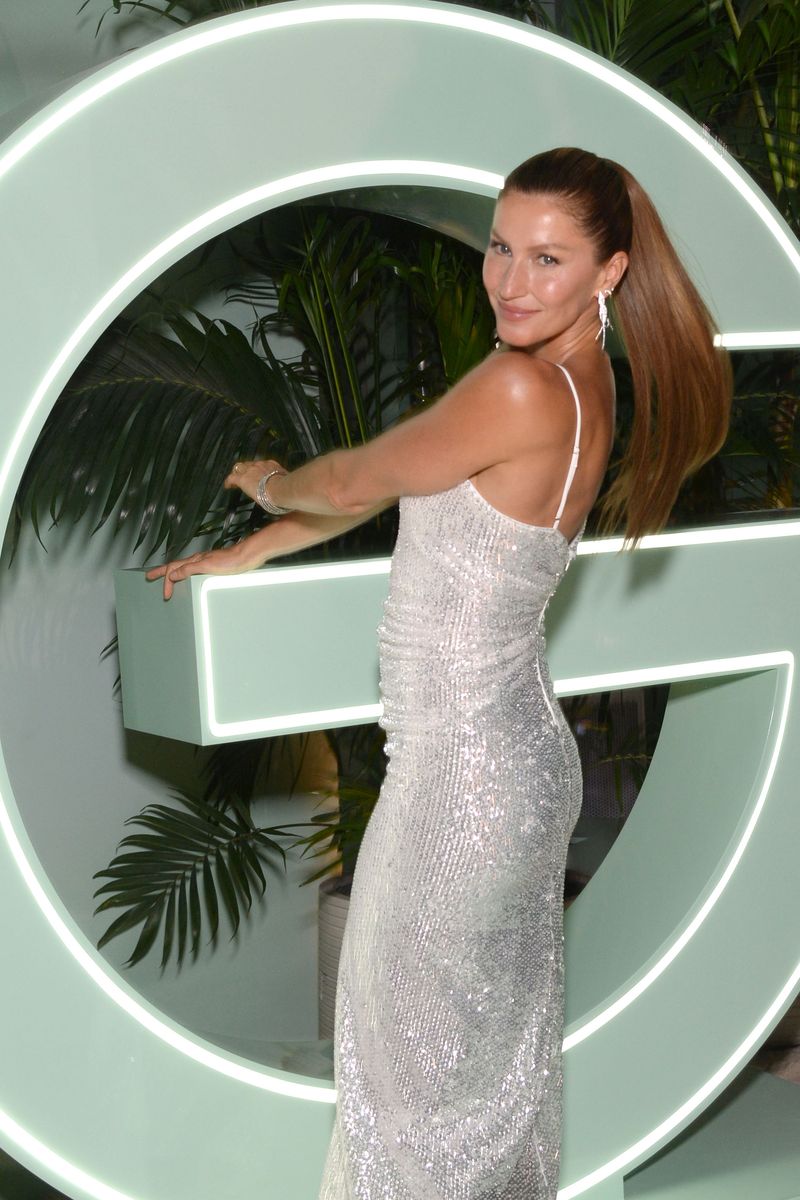
Now in a quieter phase of life, Bündchen has stepped back from the pace that once defined her career, focusing instead on family and selective projects.
 © Getty
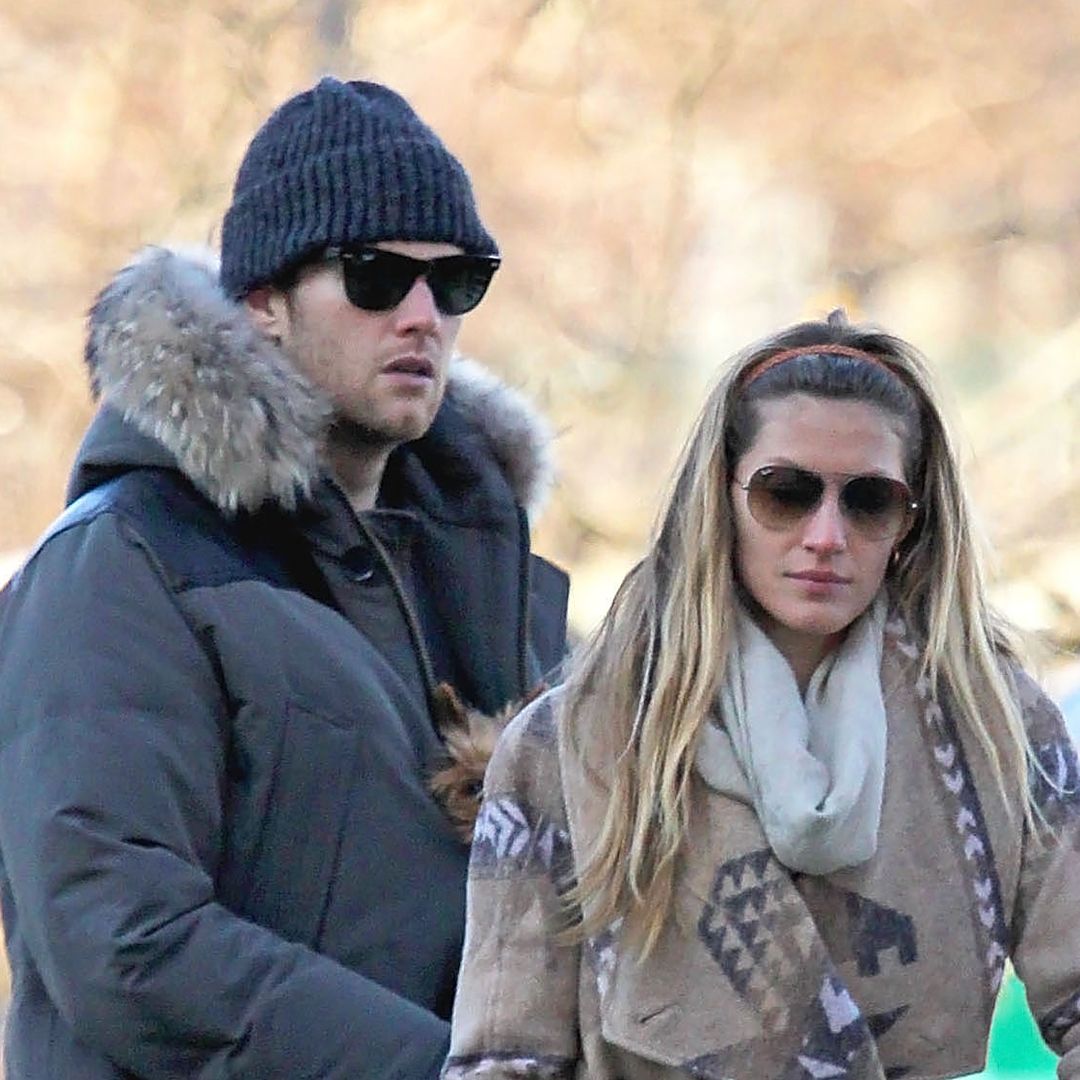
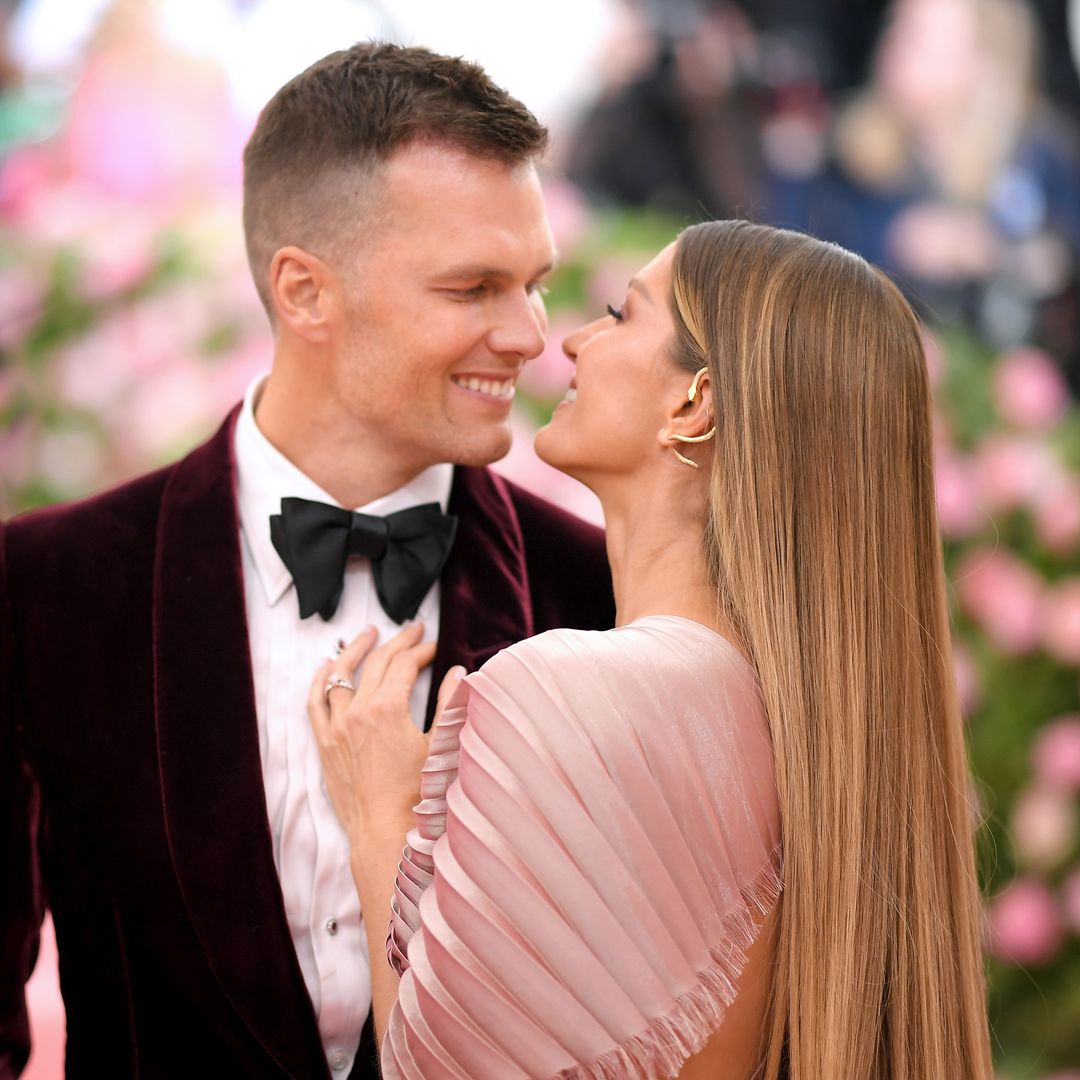
She is a mother of three, including son Benjamin, 16, daughter Vivian, 13, whom she shares with ex-husband Tom Brady, and a baby boy born in February 2025 with her husband Joaquim Valente.
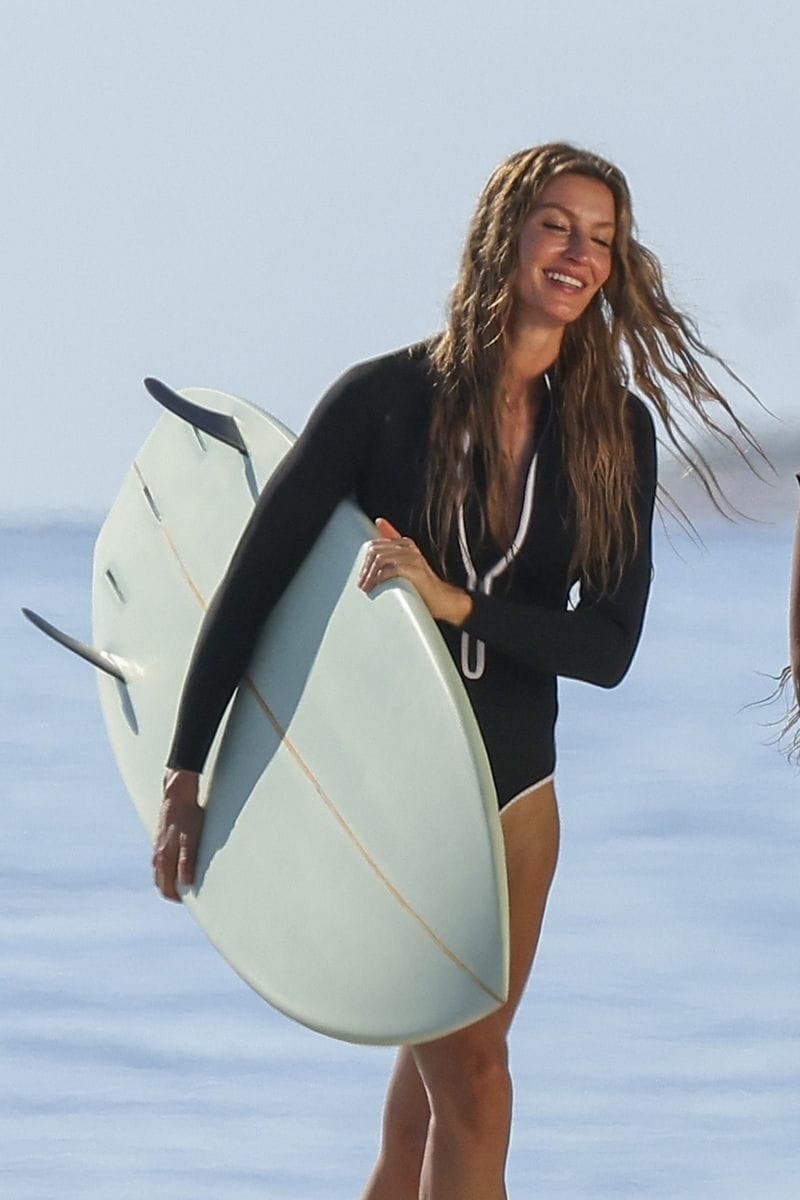
Her reflection on fame today is less about image-building and more about understanding what was actually being seen all along.
 © Backgrid/The Grosby Group
“After more than 30 years in front of the camera, I’ve come to really understand everything that goes into creating an image,” she said. “I also understand that every image creates a feeling, and when you are confident and accepting of yourself, everything flows naturally.”
What once felt like an industry label now reads, in her telling, as something more complicated. Not a persona she constructed, but one the industry projected onto her at exactly the moment she was learning how to stand in it.