Apple has announced a major leadership change that marks the end of an era for one of the world’s most valuable technology companies.
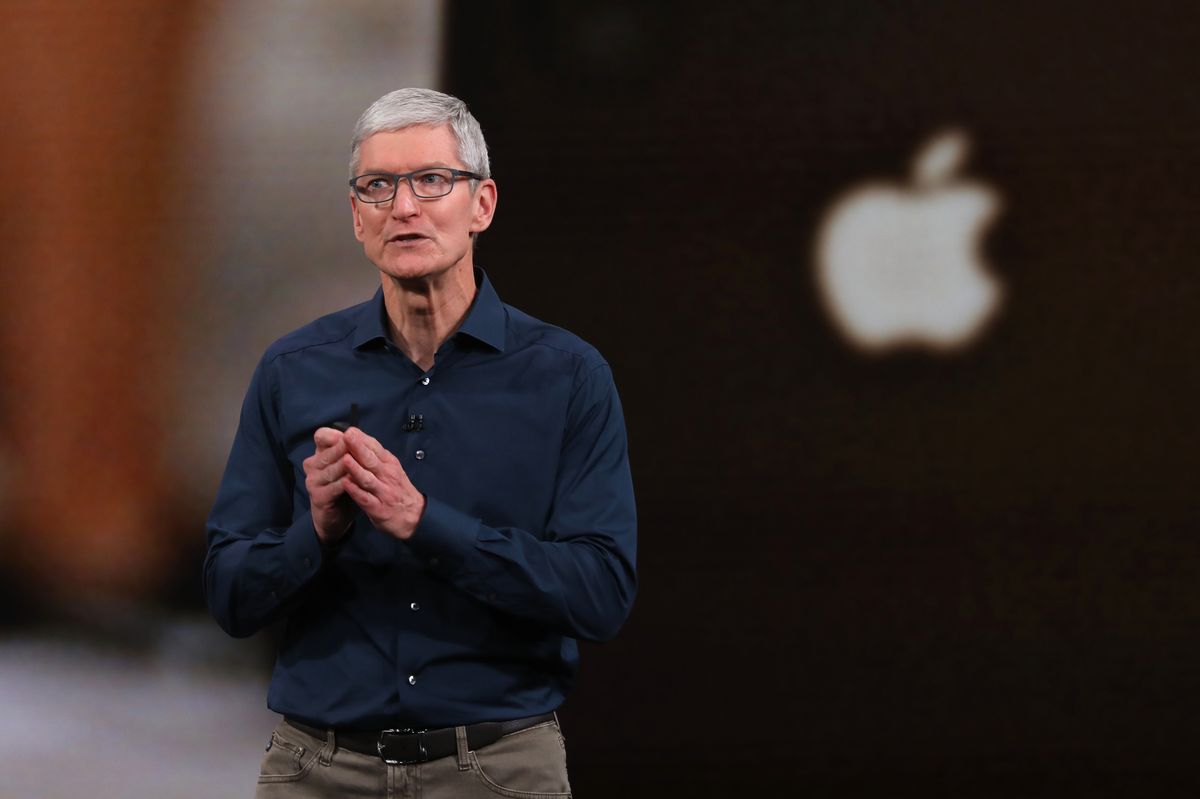
On Monday, April 20, Apple confirmed that Tim Cook will step down as CEO on September 1, 2026. The announcement triggered an immediate but modest reaction in the markets, with Apple shares falling about 1% in after-hours trading before stabilizing near $270.81 after closing the regular session at $273.05. Investors largely interpreted the move as a planned succession rather than a disruptive shift.
 © MediaNews Group/The Mercury News
Cook, who has led Apple since 2011 after succeeding Steve Jobs, will transition into the role of executive chairman of the board. In this position, he is expected to continue advising the company and remain involved in strategic areas, including global policy and regulatory relationships.
He will stay on as CEO through the summer to ensure a smooth handover. Apple’s board unanimously approved the transition, describing it as the result of a “thoughtful, long-term succession planning process.”
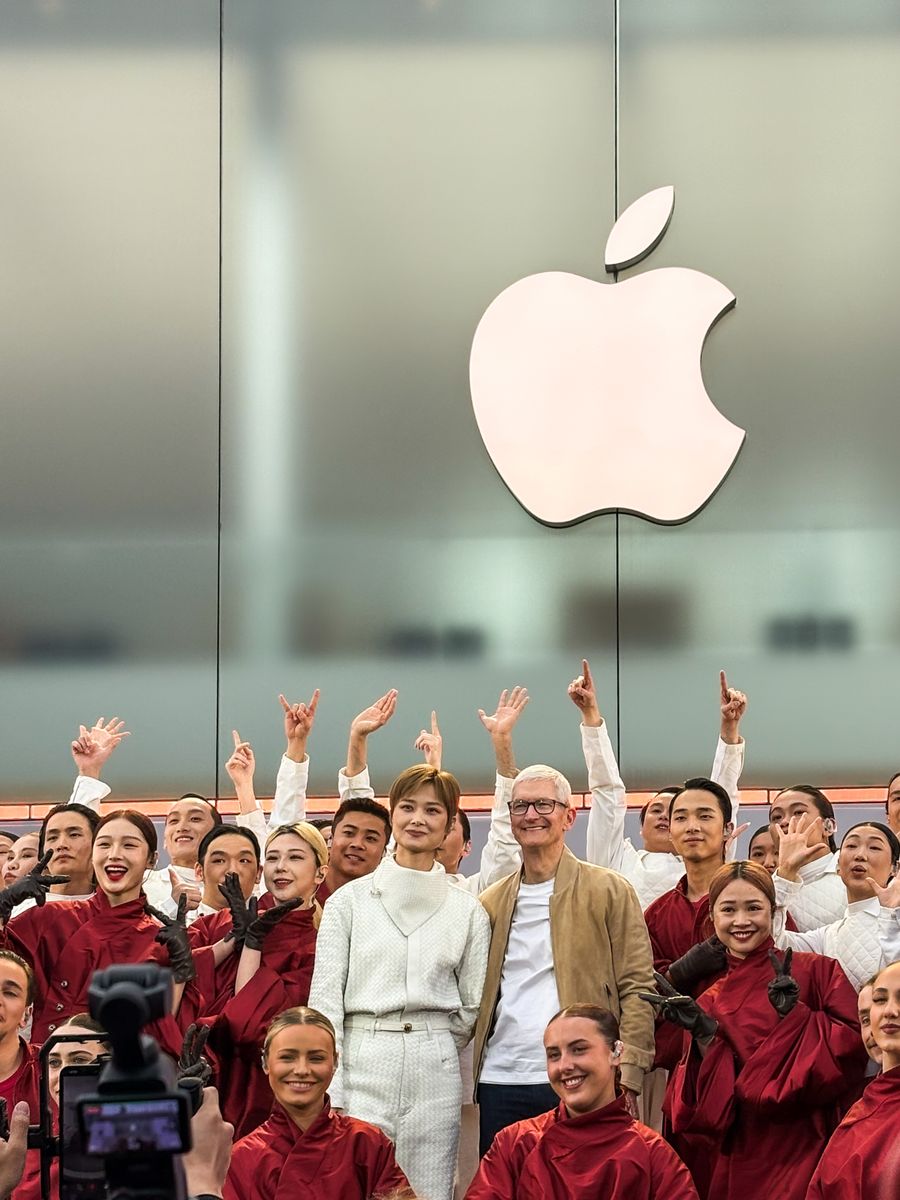
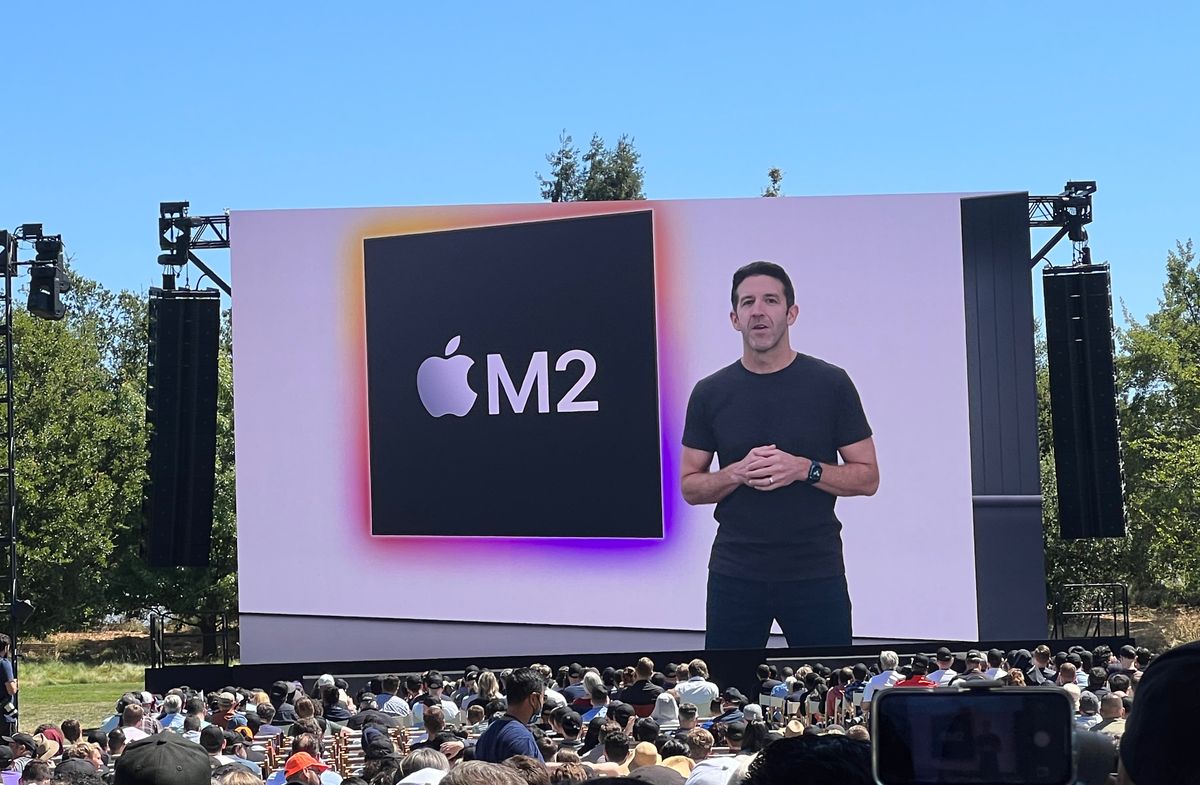
John Ternus, currently Apple’s senior vice president of hardware engineering, will become the next CEO. He has been with Apple since 2001 and has played a central role in developing major hardware products including the iPad, AirPods, Mac systems, and multiple generations of the iPhone.
 © VCG
© VCGHe also contributed to recent advancements in Apple Watch and audio health features, as well as broader hardware innovations across the company’s product line.
Ternus, who is 50 years old, previously worked as a mechanical engineer at Virtual Research Systems and holds a mechanical engineering degree from the University of Pennsylvania. Within Apple, he rose to vice president of hardware engineering in 2013 and became senior vice president in 2021. His selection signals continuity in Apple’s engineering-driven product strategy.
Cook’s departure closes a leadership chapter defined by dramatic expansion and transformation. Since taking over in 2011, Apple’s market value grew from roughly 350 billion dollars to more than 4 trillion dollars. Annual revenue also increased significantly, rising from about 108 billion dollars to over 416 billion dollars by fiscal year 2025.
 © picture alliance
Under his leadership, Apple expanded its ecosystem with major product launches including Apple Watch, AirPods, Apple Pay, Apple Music, Apple TV+, Apple Vision Pro, and continued development of iCloud services. The company also broadened its global presence to more than 200 countries and territories, operating around 500 retail stores and supporting an installed base of approximately 2.5 billion devices.
Apple’s services division became a key growth engine during Cook’s tenure, shifting the company further toward recurring revenue. At the same time, Apple emphasized privacy, security, and sustainability initiatives, including efforts to reduce its carbon footprint and expand use of recycled materials in product manufacturing.
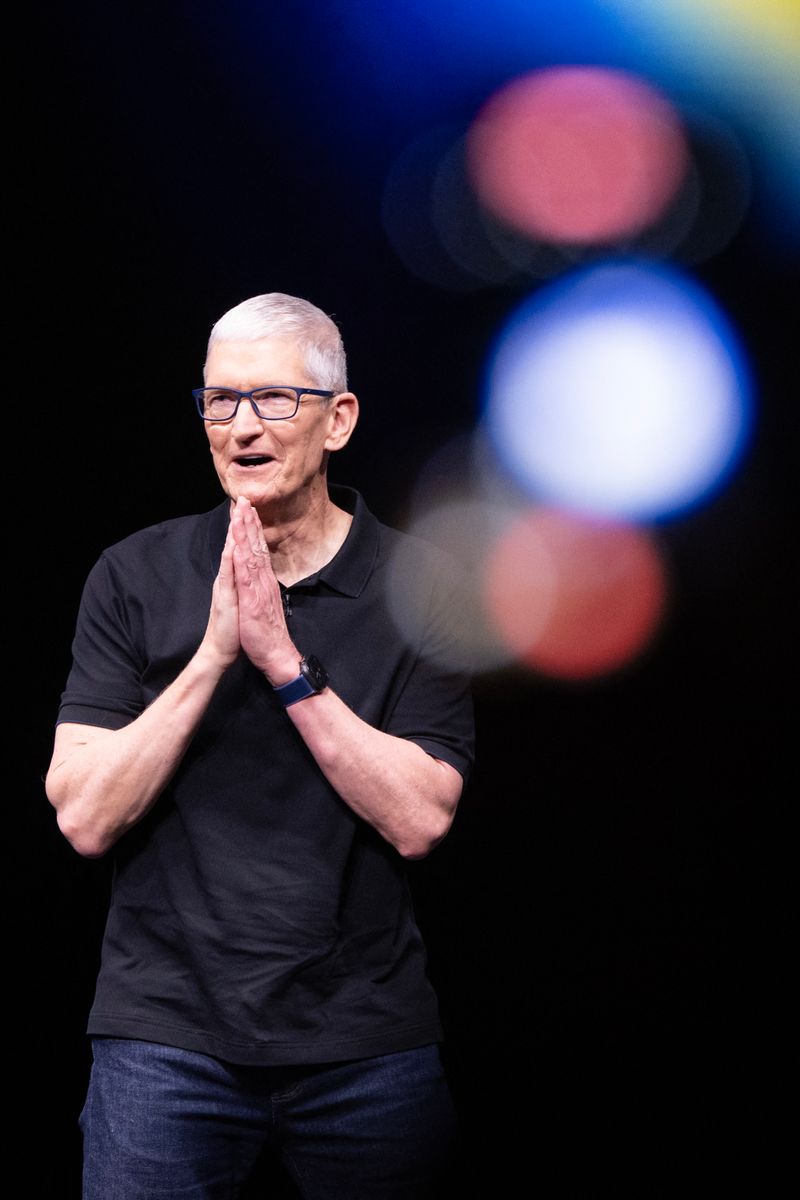
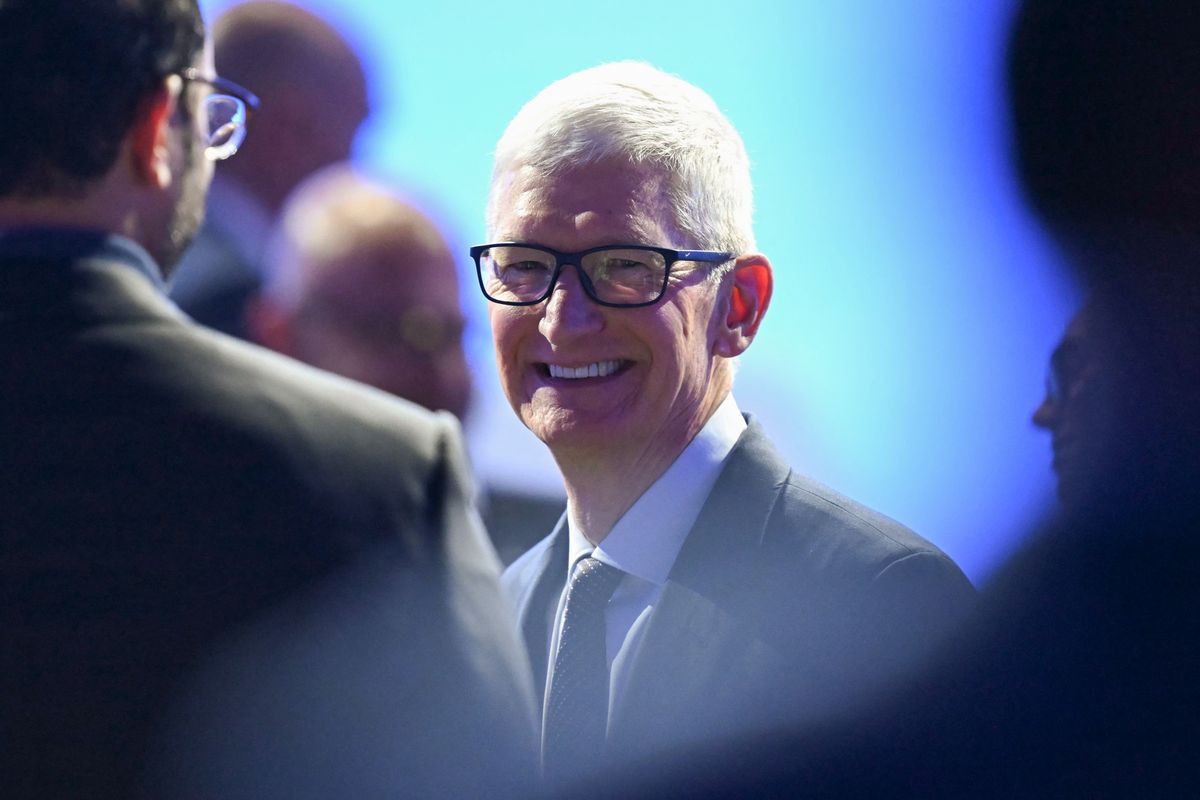
Cook reflected on his time at Apple in a statement that highlighted both personal and professional gratitude. “It has been the greatest privilege of my life to be the CEO of Apple and to have been trusted to lead such an extraordinary company. I love Apple with all of my being, and I am so grateful to have had the opportunity to work with a team of such ingenious, innovative, creative, and deeply caring people who have been unwavering in their dedication to enriching the lives of our customers and creating the best products and services in the world,” said Cook.
 © NIC COURY
He also expressed strong confidence in his successor. Describing Ternus, Cook said. “John Ternus has the mind of an engineer, the soul of an innovator, and the heart to lead with integrity and with honor. He is a visionary whose contributions to Apple over 25 years are already too numerous to count, and he is without question the right person to lead Apple into the future. I could not be more confident in his abilities and his character, and I look forward to working closely with him on this transition and in my new role as executive chairman.”
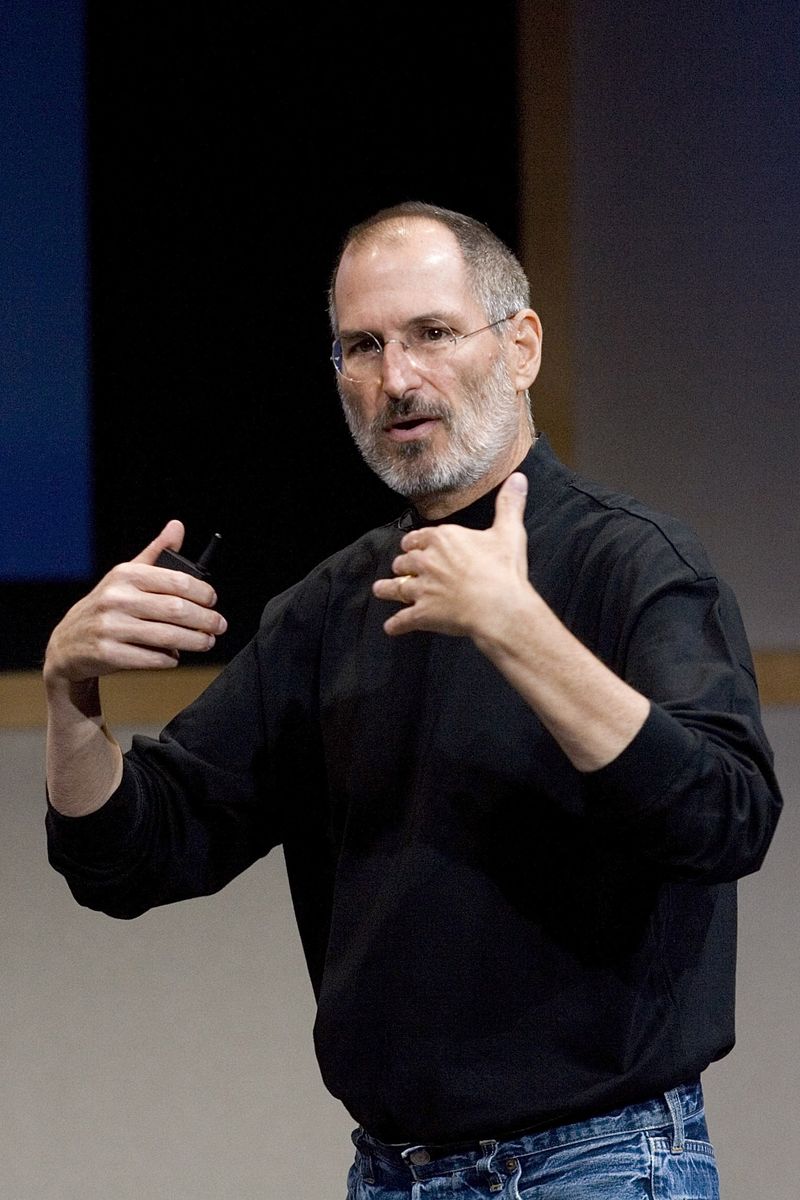
Ternus, in his own remarks, emphasized continuity and responsibility. “I am profoundly grateful for this opportunity to carry Apple’s mission forward. Having spent almost my entire career at Apple, I have been lucky to have worked under Steve Jobs and to have had Tim Cook as my mentor.
"It has been a privilege to help shape the products and experiences that have changed so much of how we interact with the world and with one another. I am filled with optimism about what we can achieve in the years to come, and I am so happy to know that the most talented people on earth are here at Apple, determined to be part of something bigger than any one of us. I am humbled to step into this role, and I promise to lead with the values and vision that have come to define this special place for half a century.”
 © David Paul Morris
Apple board member Arthur Levinson also praised Cook’s tenure and supported the transition, stating. “Tim’s unprecedented and outstanding leadership has transformed Apple into the world’s best company. He’s introduced groundbreaking products and services time and again, and his integrity and values are infused into everything Apple does,” said Levinson.
“On behalf of the entire board of directors, we are incredibly grateful for his countless contributions to Apple and the world, and we are thrilled he will now be executive chairman. We believe John is the best possible leader to succeed Tim and as he transitions to CEO we know his love of Apple, his leadership, deep technical knowledge, and relentless focus on creating great products will help lead Apple to an extraordinary future.”
 © FABRICE COFFRINI
Following the announcement, market analysts noted that Apple’s stock reaction was relatively contained, suggesting confidence in the planned nature of the transition. Some forecasts indicate short-term volatility as investors evaluate Ternus’s leadership direction, particularly in areas such as artificial intelligence development, where Apple has faced competitive pressure.
Despite that uncertainty, analysts broadly expect continuity in Apple’s product roadmap. Some projections remain bullish, with targets reaching as high as 350 dollars by the end of 2026, assuming stable execution during the leadership transition.
Cook’s departure also marks a symbolic shift in Apple’s history, moving from a decade-plus of operational scaling and services expansion into a new phase likely shaped by an engineering-focused CEO with deep hardware roots.